 Seeking LED
Industrial Explosion Proof Lighting: Real Safety and Performance Guide
0Industrial explosion proof lighting explained with real certifications, lumens, and field insights. Learn how SEEKINGLED ensures safety in hazardous environments.
View detailsSearch the whole station
What are ATEX rated lights?
ATEX rated lights are certified lighting fixtures designed for hazardous environments where explosive gases, vapors, dust, or combustible particles may be present. These lights meet European ATEX safety standards to prevent ignition risks in dangerous industrial areas.
That’s the formal definition. On real industrial sites, though, ATEX lighting is less about compliance paperwork and more about preventing a single electrical failure from turning into an incident nobody forgets.
I remember walking through an aging solvent storage terminal during a rainy night inspection. Moisture condensed on exposed steel structures while hydrocarbon odor drifted through the loading zone. Every installed luminaire carried a visible ATEX marking plate. Not because operators cared about labels—but because they understood what could happen if lighting equipment failed under the wrong atmospheric conditions.
That difference matters.
ATEX comes from the French phrase:
“ATmosphères EXplosibles”
It refers to European Union directives regulating equipment used in explosive atmospheres.
ATEX certification ensures electrical equipment can operate safely where flammable substances may exist.
These substances include:
ATEX lighting is commonly required in industries where ignition risks cannot be eliminated completely.
Ordinary lighting fixtures can create ignition sources through:
Inside hazardous environments, those failures become dangerous quickly.
According to the European Commission, explosive atmospheres can form wherever flammable substances mix with air under atmospheric conditions.
Source: https://ec.europa.eu/
That risk explains why ATEX certification standards exist in the first place.
A refinery engineer once described hazardous-area lighting to me in a very direct way:
“We’re not designing for normal days. We’re designing for abnormal moments.”
Honestly, that may be the clearest explanation of ATEX philosophy I’ve heard.
ATEX hazardous environments are divided into zones depending on how often explosive atmospheres are present.
| Zone | Risk Level |
|---|---|
| Zone 0 | Explosive gas present continuously |
| Zone 1 | Explosive gas likely during normal operation |
| Zone 2 | Explosive gas unlikely or temporary |
| Zone | Risk Level |
|---|---|
| Zone 20 | Combustible dust continuously present |
| Zone 21 | Dust likely during operation |
| Zone 22 | Dust rarely present |
The higher the hazard level, the stricter the equipment requirements become.
This is why Zone 1 or Zone 0 lighting fixtures usually feature thicker housings, reinforced sealing systems, and tighter thermal control.
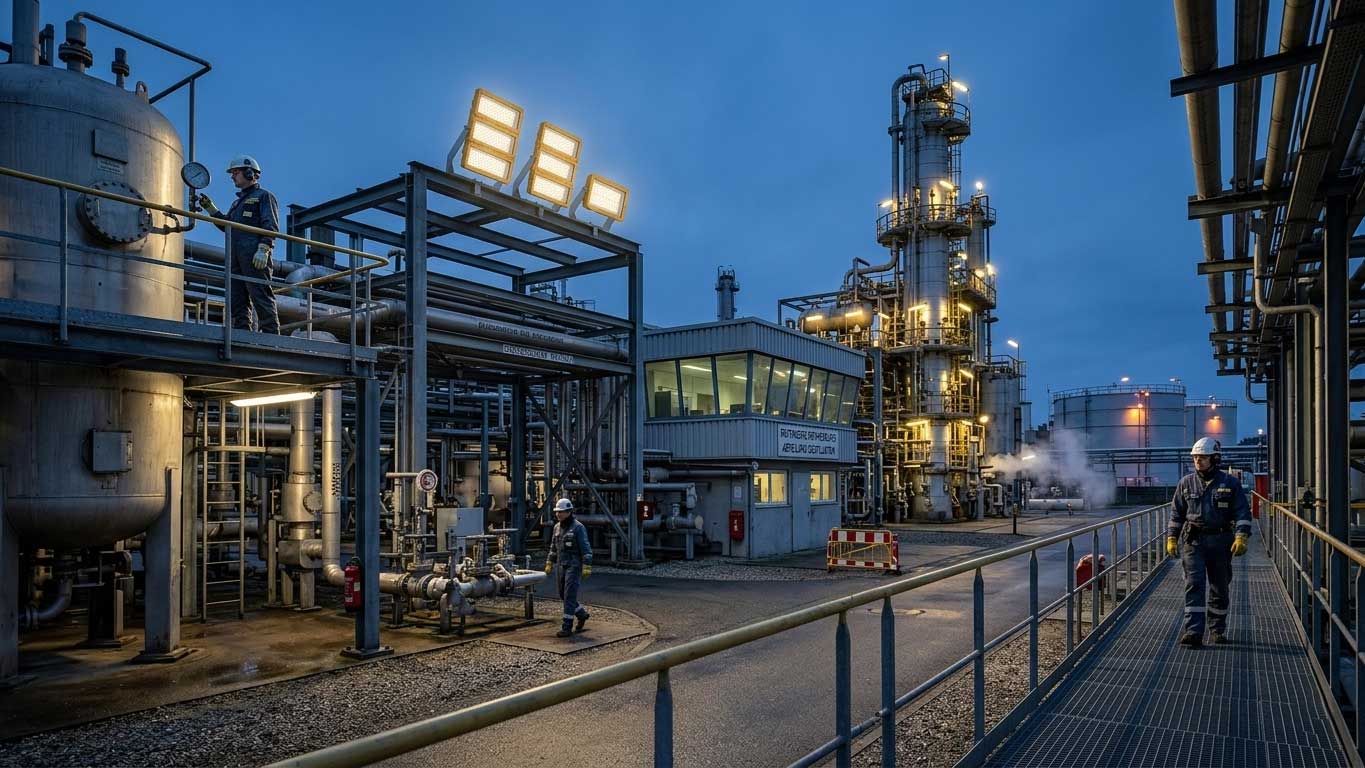
A genuine ATEX rated light must pass strict testing requirements related to:
This is not marketing language. It’s regulated engineering.
Real ATEX fixtures are tested under harsh environmental conditions because hazardous environments rarely stay clean or stable for long.
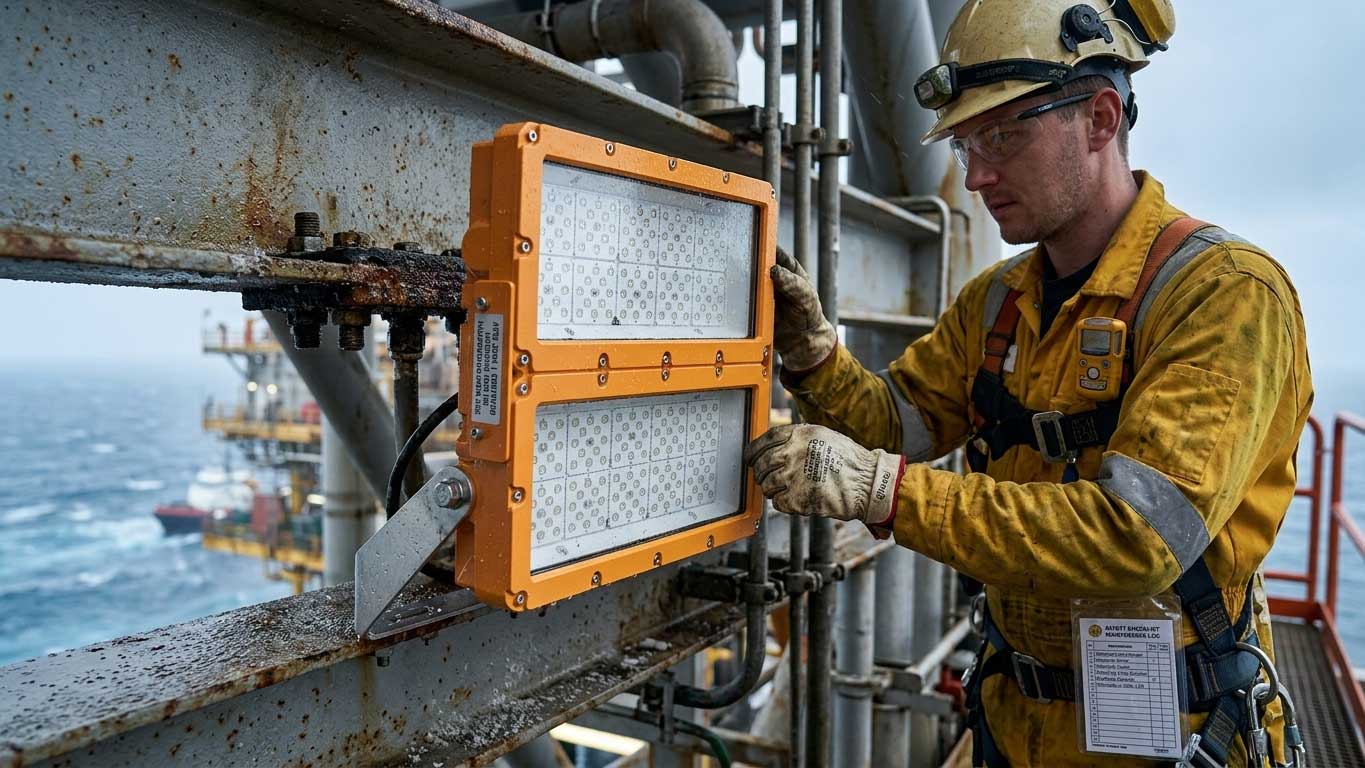
I’ve inspected coastal chemical facilities where salt corrosion attacked exposed mounting hardware within months. Cheap industrial lighting failed quickly. Proper ATEX fixtures survived because coatings, gaskets, and housing materials were engineered differently from the start.
This is the most recognized application.
ATEX lighting is commonly installed around:
Hydrocarbon vapor exposure creates continuous ignition risks in many of these environments.
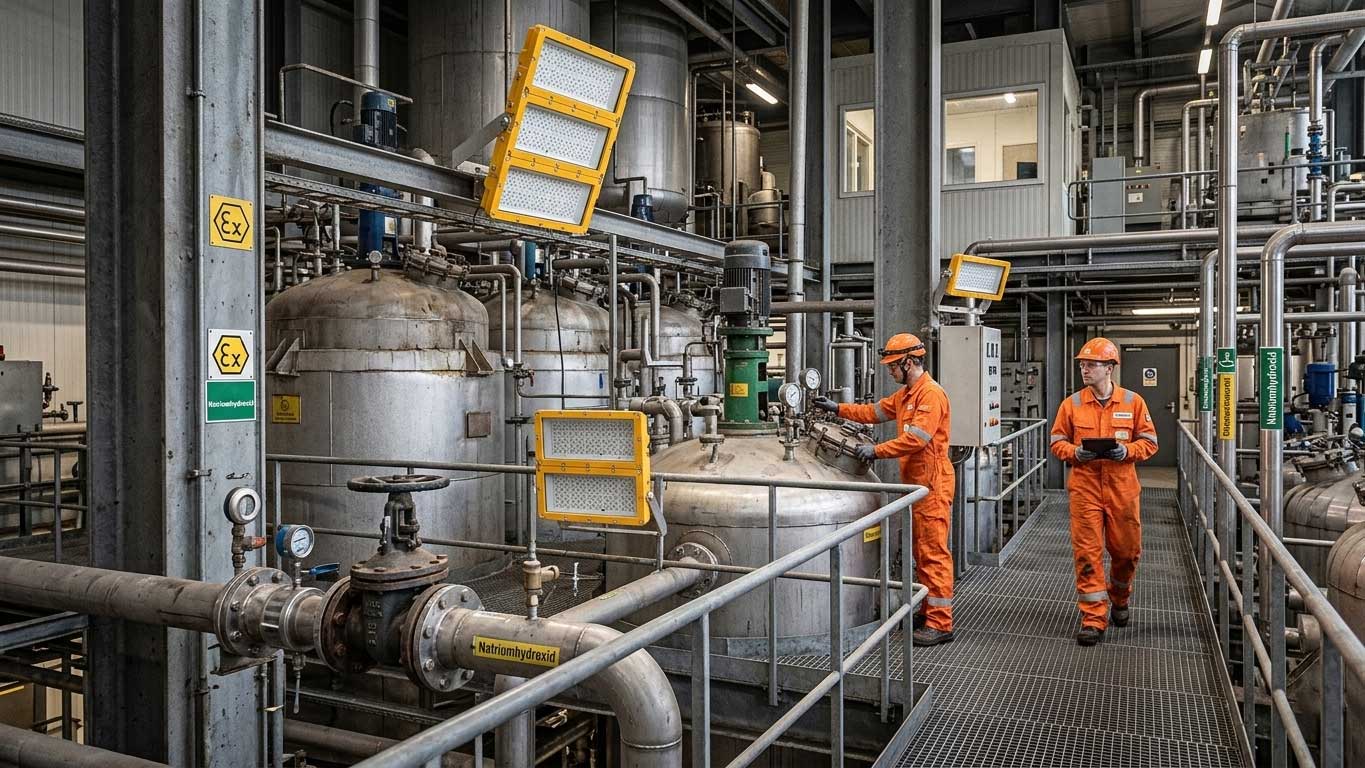
Chemical facilities often contain volatile solvents that evaporate rapidly.
ATEX lighting helps reduce ignition risks around:
One chemical plant manager told me they replace damaged cable glands immediately—even if the light itself still works—because sealing integrity matters as much as illumination performance.
He was absolutely right.
Combustible dust hazards are frequently underestimated outside industrial environments.
Facilities processing:
may require ATEX-certified lighting depending on airborne dust concentration.
According to the National Fire Protection Association (NFPA), combustible dust explosions continue to present significant industrial risks globally.
Source: https://www.nfpa.org/
Older hazardous-area facilities relied heavily on:
Those technologies created problems:
LED technology changed hazardous-area lighting dramatically.
According to the U.S. Department of Energy, industrial LED systems can reduce energy consumption by approximately 50–70% compared with traditional HID technologies.
Source: https://www.energy.gov/
That efficiency matters more than many buyers initially realize.
At one refinery modernization project, engineers estimated LED upgrades reduced enough electrical load to postpone additional transformer investment for several years.
Operations teams notice those numbers immediately.
Brightness alone is not enough.
ATEX lighting must also control surface temperature carefully.
| Temperature Class | Maximum Surface Temperature |
|---|---|
| T1 | 450°C |
| T2 | 300°C |
| T3 | 200°C |
| T4 | 135°C |
| T5 | 100°C |
| T6 | 85°C |
Certain gases ignite at surprisingly low temperatures.
That means even without visible sparks, overheated fixture surfaces may create dangerous conditions.
This is why many oil and gas operators specify T4 or T5 rated ATEX lighting systems for additional safety margins.
This part gets ignored online constantly.
An ATEX fixture can lose protection after improper maintenance.
Common problems include:
I once saw contractors aggressively sand corrosion near enclosure joints during maintenance shutdowns. The fixtures looked visually cleaner afterward, but the flame-path tolerances were potentially compromised.
In hazardous-area lighting, tiny details carry enormous consequences.
| Feature | ATEX Rated Lights | Standard Industrial Lights |
|---|---|---|
| Explosion Protection | Yes | No |
| Hazardous Zone Certification | Yes | No |
| Surface Temperature Control | Strict | Limited |
| Flame Containment | Yes | No |
| Corrosion Resistance | Enhanced | Standard |
| Certified Testing | Mandatory | Optional |
From the outside, some fixtures may look similar.
Internally, the engineering difference is significant.
ATEX rated lights are used in hazardous industrial environments where explosive gases, vapors, or combustible dust may exist, including oil refineries, chemical plants, offshore platforms, and grain facilities.
Many ATEX lights are explosion proof, depending on the protection method and zone classification. Certification confirms suitability for hazardous atmospheres.
ATEX is the European Union certification framework, while IECEx is an international certification system recognized globally for hazardous-area equipment.
Most ATEX LED fixtures include high ingress protection ratings such as IP66 or IP67, but waterproofing alone does not equal ATEX certification.
ATEX belysning means ATEX-certified lighting designed for hazardous environments where explosive gases, vapors, or combustible dust may exist. It is commonly used in industries such as oil and gas, chemical processing, and manufacturing facilities.
These lighting systems are tested to ensure they do not become ignition sources under dangerous operating conditions. Proper ATEX belysning combines explosion protection, temperature control, and durable housing design.
ATEX LED lighting is hazardous-area LED lighting certified for use in explosive atmospheres. It combines LED energy efficiency with ATEX safety requirements, providing reliable illumination in industrial environments.
Common applications include:
Compared with traditional hazardous lighting, ATEX LED lighting offers longer service life, lower energy consumption, and reduced maintenance requirements.
Ex rated lighting refers to lighting equipment designed and certified for explosive environments. The “Ex” marking indicates that the fixture has protection features to prevent ignition caused by electrical faults, sparks, or excessive surface temperatures.
Ex rated lighting is widely used in:
The required protection level depends on the hazardous zone classification and environmental conditions.
ATEX light fittings are certified lighting fixtures designed for installation in hazardous areas where explosive atmospheres may occur.
They typically include:
Professional ATEX light fittings are engineered to maintain protection even in harsh industrial environments involving moisture, dust, chemicals, and temperature changes.
ATEX approved lighting is lighting equipment that has passed ATEX certification requirements for safe operation in explosive atmospheres.
It verifies that the fixture meets requirements related to:
ATEX approved lighting is commonly specified for industries where equipment failure could create ignition risks.
ATEX rated lighting is industrial lighting certified for hazardous locations containing flammable gases, vapors, or combustible dust.
The rating defines where the fixture can safely operate, such as:
ATEX rated lighting is selected based on the specific risk level, temperature class, and installation environment.
ATEX status lights are certified indicator lights used in hazardous areas to display equipment conditions, alarms, or operating status.
They are commonly installed on:
Unlike standard indicator lights, ATEX status lights are designed to prevent ignition risks in explosive atmospheres.
ATEX LED lights are explosion-protected LED fixtures designed for hazardous industrial environments. They provide efficient illumination while meeting strict safety standards for explosive atmospheres.
Advantages include:
ATEX LED lights are widely used in chemical plants, refineries, warehouses, and offshore applications.
ATEX warning lights are certified visual signaling devices used in hazardous areas to indicate alarms, machine conditions, or operational warnings.
They are designed with protection against:
ATEX warning lights help operators identify equipment status safely in environments where standard warning devices cannot be used.
ATEX rated meaning refers to the certification status showing that equipment is approved for use in potentially explosive atmospheres under European ATEX regulations.
The rating indicates important safety information, including:
Understanding the ATEX rated meaning helps engineers select the correct lighting equipment for specific hazardous locations.
ATEX approved LED lighting combines energy-efficient LED technology with certified explosion protection for hazardous industrial applications.
It is designed to provide:
For industrial facilities, ATEX approved LED lighting helps reduce both energy costs and safety risks.
ATEX explosion proof lighting is lighting designed to contain internal ignition sources and prevent explosions from spreading into surrounding hazardous atmospheres.
It is commonly used in:
ATEX explosion proof lighting uses specialized housings, sealing systems, and thermal control technologies to maintain safe operation.
ATEX certified lighting refers to lighting fixtures that have completed testing and certification according to ATEX requirements for explosive environments.
Certification evaluates:
ATEX certified lighting provides confidence that fixtures are suitable for hazardous-area applications.
ATEX explosion proof lights are high-performance hazardous-area luminaires designed to operate safely where explosive gases, vapors, or dust may occur.
They are used in demanding applications such as:
Reliable ATEX explosion proof lights combine certified protection with efficient LED performance for long-term industrial operation.
The longer you spend around hazardous industrial facilities, the more obvious one reality becomes: most dangerous environments appear ordinary right before something goes wrong.
Pipelines hum quietly.
Operators complete normal rounds.
Lighting systems run every night without attention.
Until one failure matters.
That’s why the question What are ATEX rated lights is ultimately about more than compliance labels or technical codes.
It’s about designing equipment capable of operating safely when conditions become unpredictable.
SEEKINGLED develops ATEX-rated LED lighting solutions for industrial operators who require certified protection, reliable performance, and long-term durability in hazardous environments.
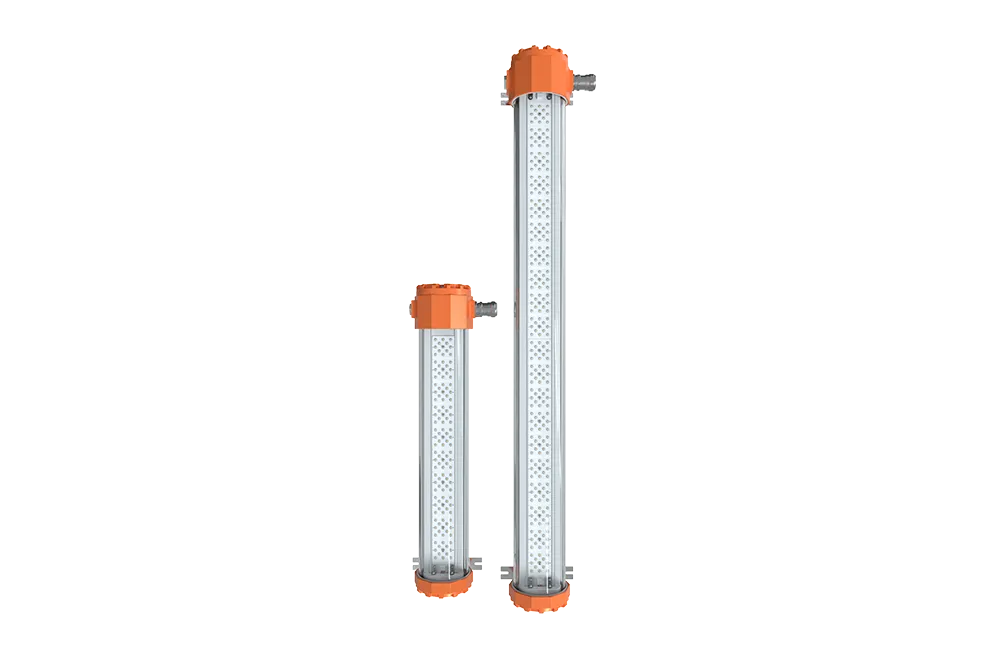
SEEKINGLED LED Linear Explosion Proof Light and Explosion Proof lighting is ATEX and IECEx certified for Zone 1, Zone 2, Zone 21 and Zone 22 hazardous locations, built for long-term industrial use.
View details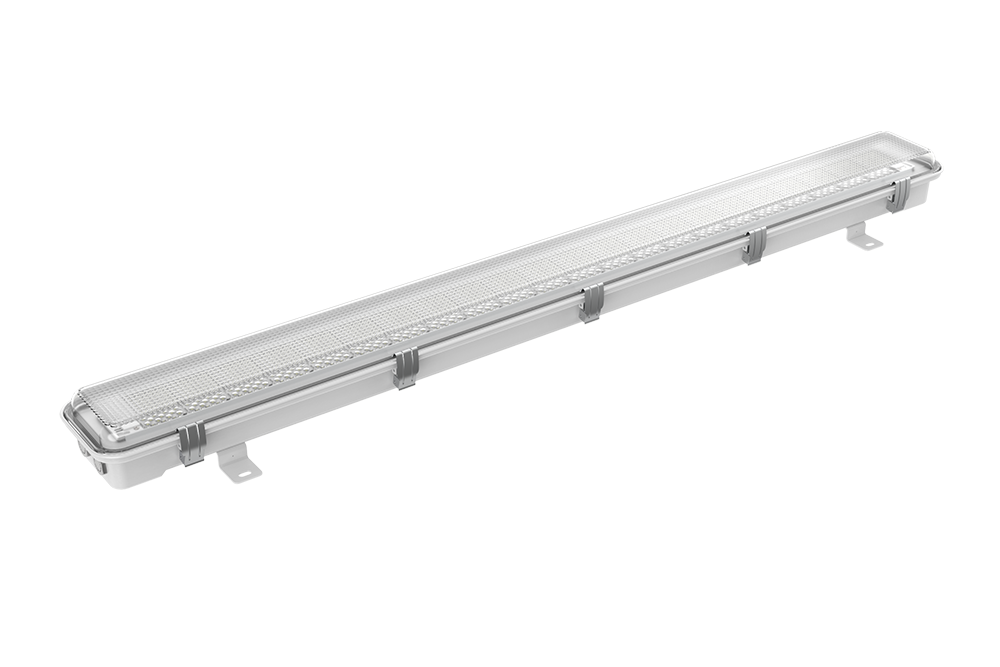
LED Linear Explosion Proof Lights and EX Proof lights for Zone 1, Zone 2, Zone 21 and Zone 22 hazardous areas. ATEX & IECEx certified explosion proof LED linear lighting with emergency function, adjustable power and IP67 protection by SEEKINGLED.
View details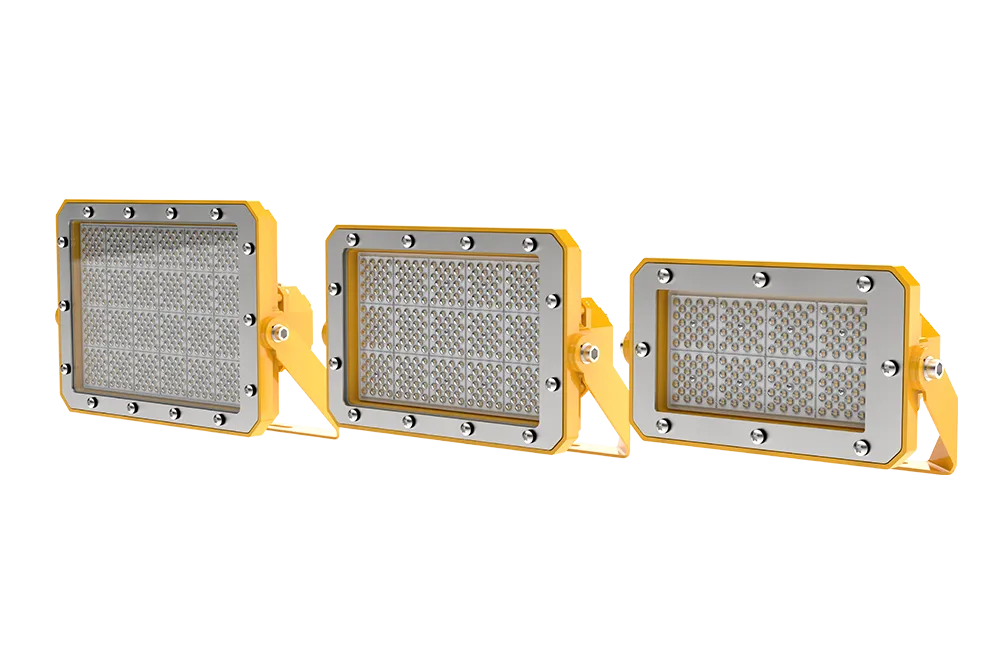
SEEKINGLED LED Explosion Proof Flood Lights are ATEX certified for Zone 2 and Zone 22 hazardous areas, offering high efficiency, adjustable power and integrated junction box.
View details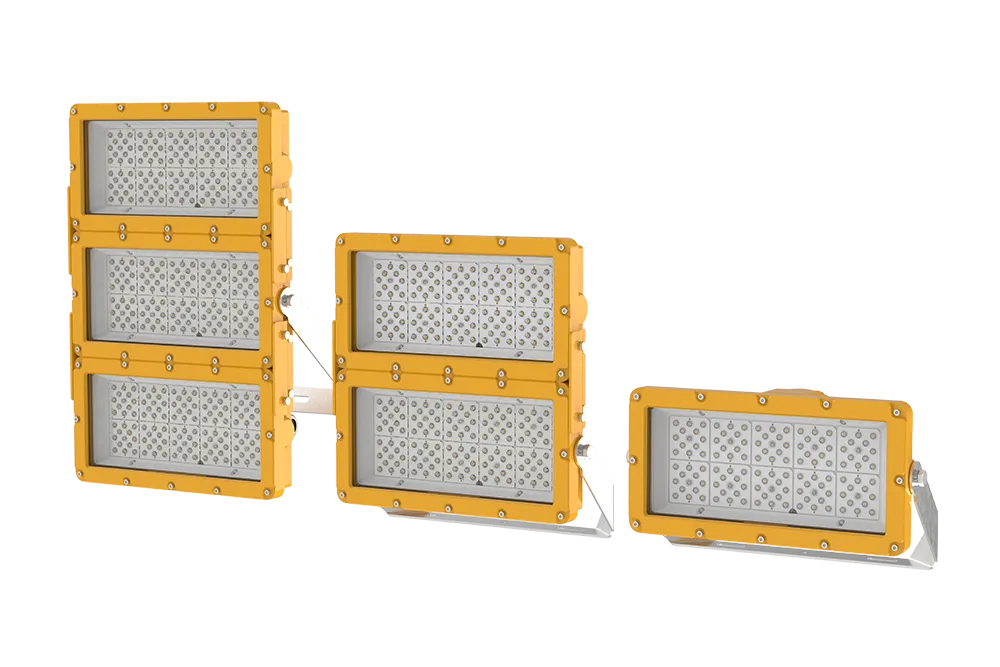
SEEKINGLED LED Explosion Proof Flood Lights are flameproof ATEX and IECEx certified for Zone 1 and Zone 2 hazardous areas, offering high power, adjustable output and long service life.
View details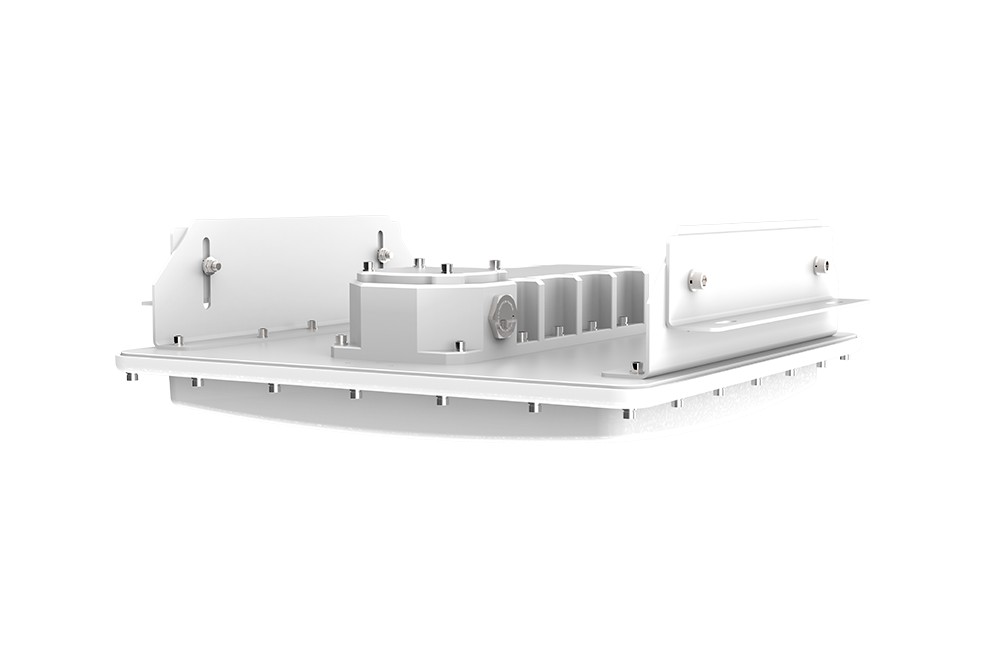
SEEKINGLED LED Gas Station Canopy Lights are ATEX certified for Zone 2 and Zone 22 hazardous areas, featuring adjustable power and built-in explosion-proof junction box.
View details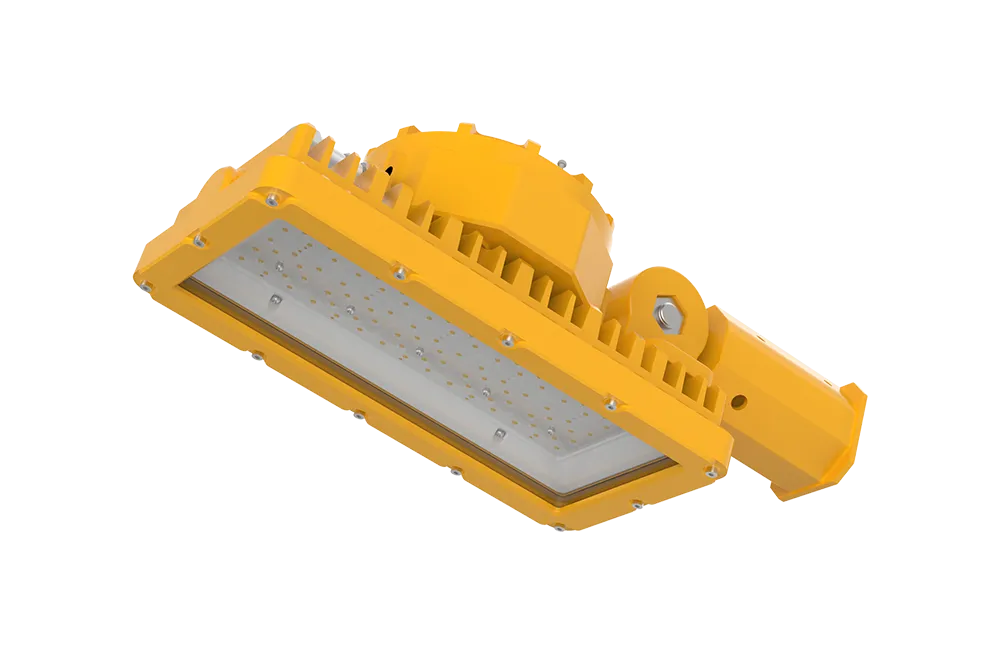
ATEX: Ex II 2G Ex db IIB T6/T5 GbEx II 2D Ex tb IIIC T80°C/ T95°C Db IECEx Ex db IIB T6 Gb;Ex tb IIIC T80°C Db Feature: ● For Zone 1,2 and Zone 21,22● Flameproof type, the strongest● 100W can replace 250W HID,energy saving● Power:60W,80W,100W Application: Oil and gas, marine, Chemical, pharmaceutical, semiconductor,mining,military industr…
View details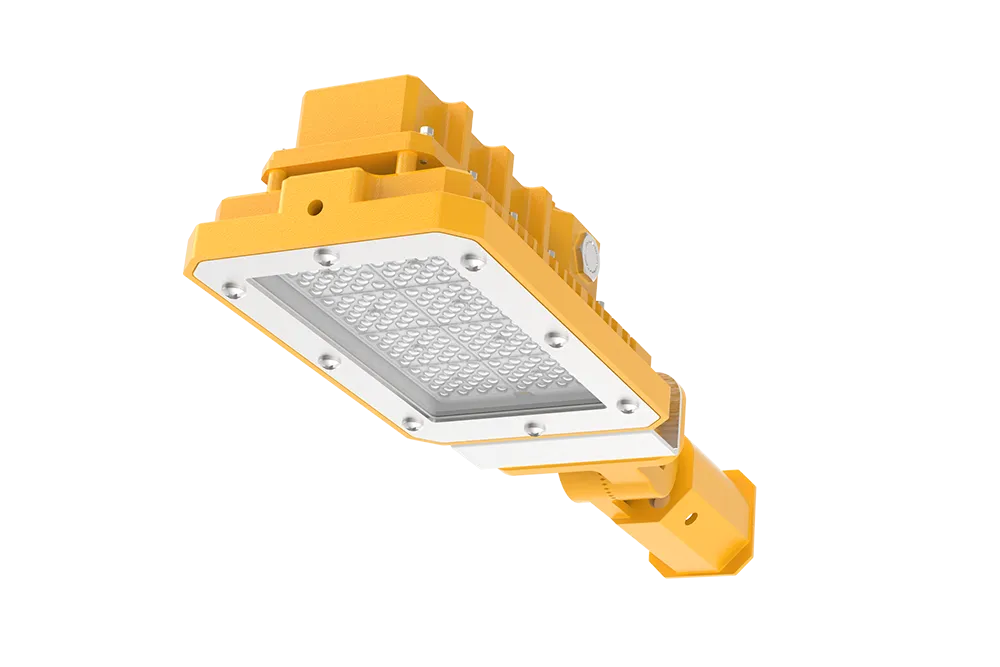
ATEX: II 3G Ex nR ⅡC T5/T6 GcII 3D Ex tc ⅢC T80℃/T95℃Dc ATEX Certificate NO: TÜV CY 26 ATEX 0207611 X Feature: ● For Zone 2 and Zone 22● 150W can replace 250W HID lamps,Energy saving● Power:50W,75W,100W,150W,200W Application: Oil and gas, marine, Chemical, pharmaceutical, semiconductor,mining,military industry, paint booth,power plant ETC…
View details
LED explosion proof high bay lights are designed for Zone 1, Zone 2, Zone 21 and Zone 22 hazardous areas. This page introduces the HB21 Series from SEEKING, including certifications, power options and real application considerations.
View details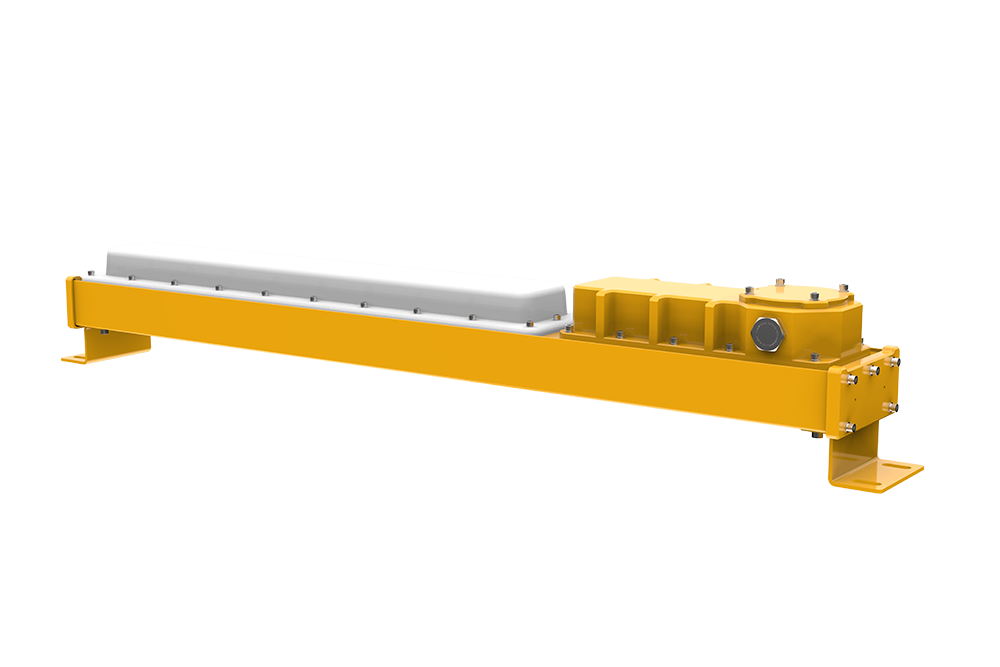
LED Linear Explosion Proof Lights from SEEKINGLED. LU Series Flame Proof lights ATEX-certified explosion proof LED linear lighting for Zone 2 gas and Zone 22 dust areas, IP69K, IK10, long lifetime and flexible power options.
View details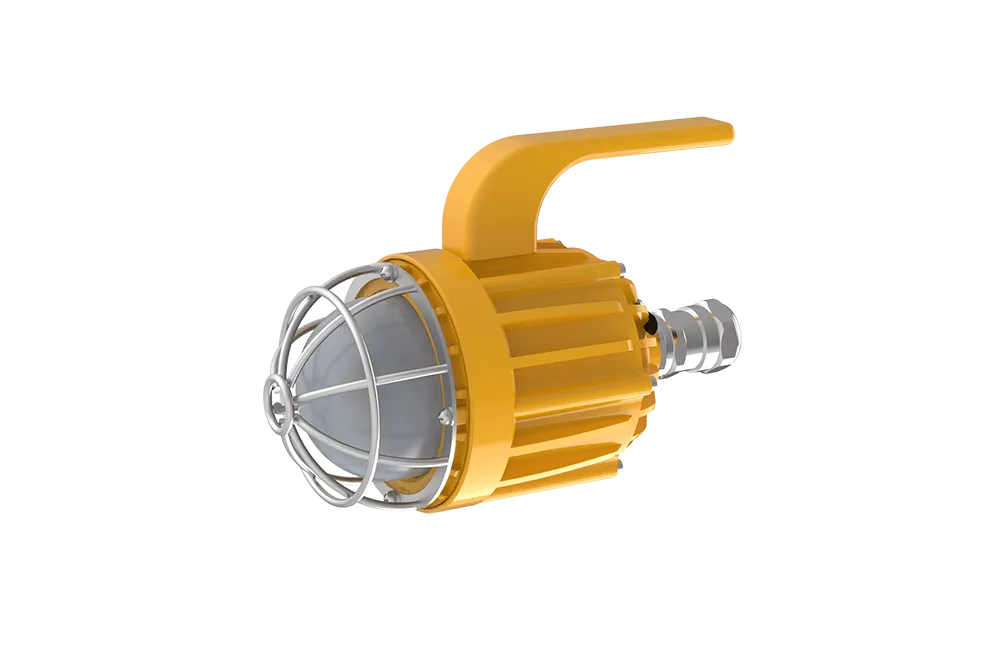
Certified explosion proof work lights for Zone 1 & 21 hazardous areas. Portable, ATEX & IECEx approved, built for oil, gas and chemical plants by SEEKINGLED.
View details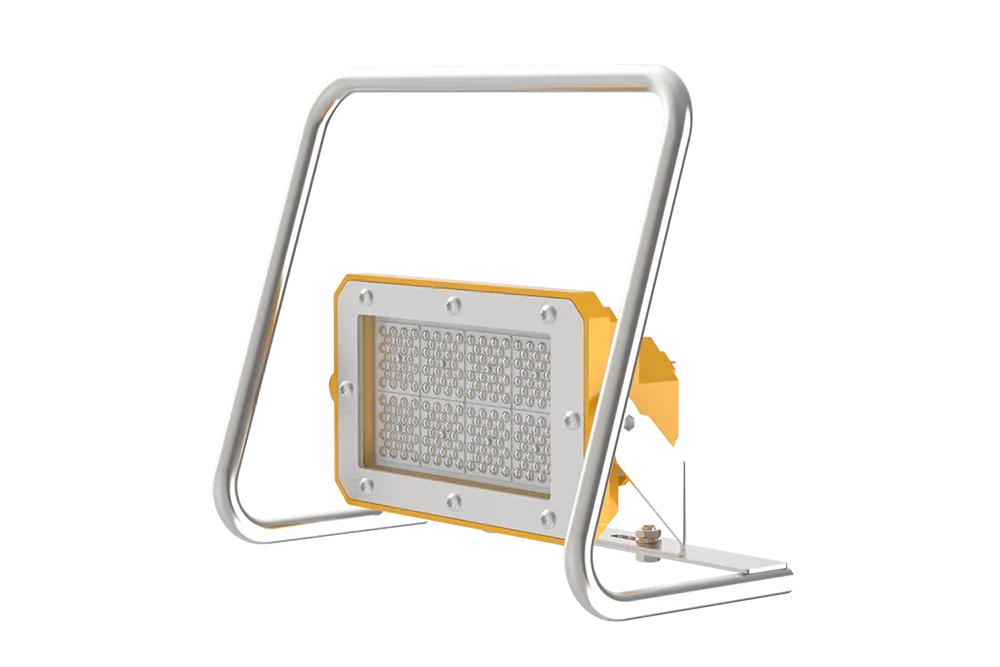
ATEX: II 3G Ex nR ⅡC T6 GcII 3D Ex tc ⅢC T80℃ Dc ATEX Certificate NO: TÜV CY 26 ATEX 0207611 X Feature: ● For Zone 2 and Zone 22● Accepts battery-powered supply● indestructible● Power:AC input:50W,75W,100WDC input:15W,25W,35W Application: Oil and gas, marine, Chemical, pharmaceutical, semiconductor,mining,military industry, paint booth,po…
View details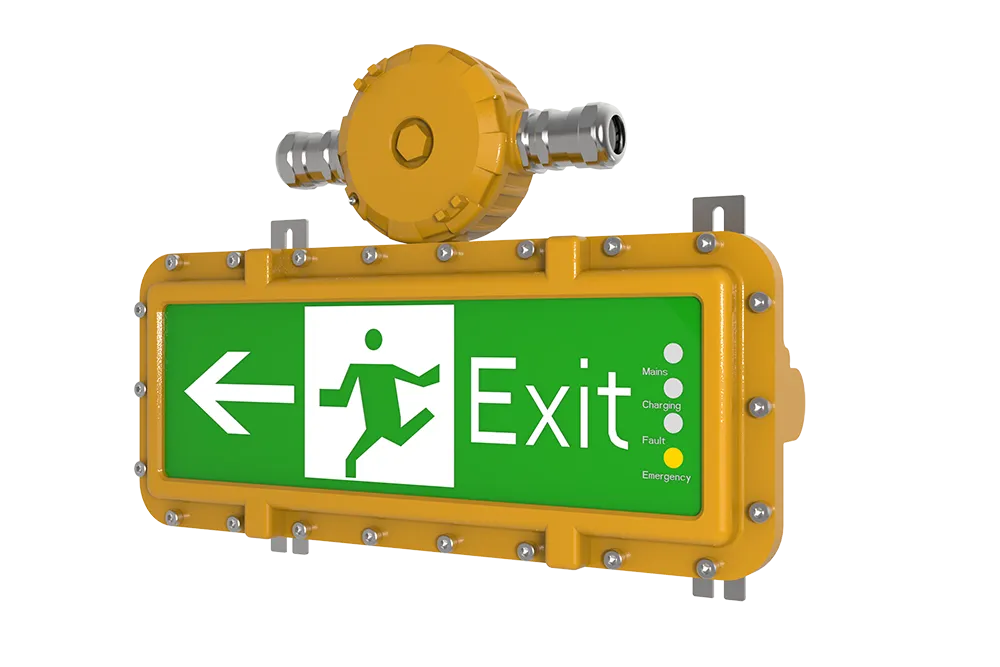
ATEX: Ex II 2G Ex db IIB T6 GbEx II 2D Ex tb IIIC T80°C Db IECEx Ex db IIB T6 Gb;Ex tb IIIC T80°C Db Feature: ● For Zone 1,2 and Zone 21,22● Flameproof type, the strongest Application: Oil and gas, marine, Chemical, pharmaceutical, semiconductor,mining,military industry, paint booth,power plant ETC hazardous area. Technical Specifications:…
View details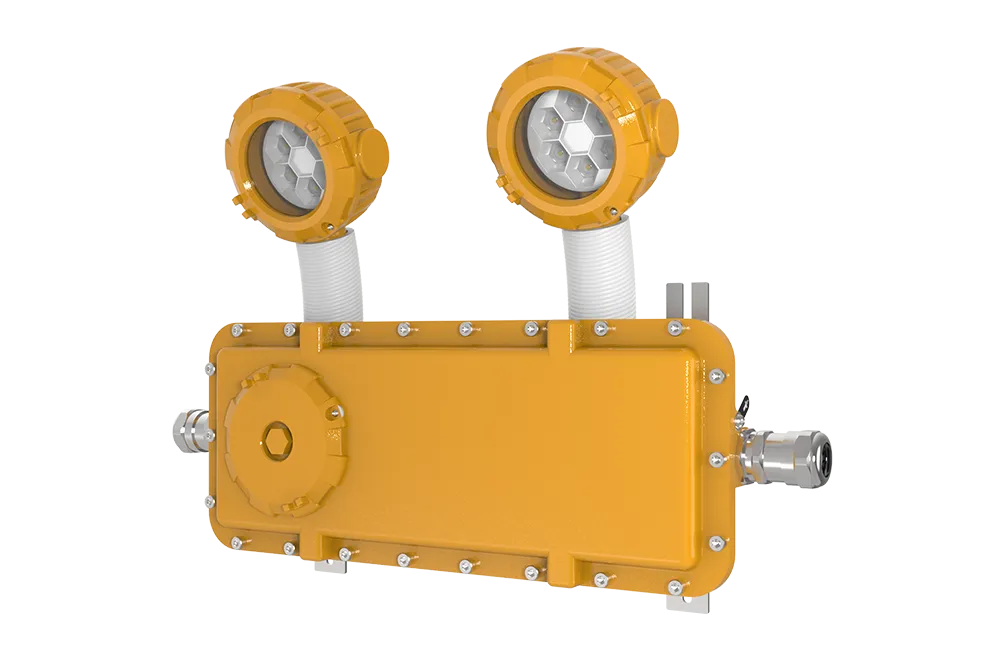
ATEX: Ex II 2G Ex db IIB T6 GbEx II 2D Ex tb IIIC T80°C Db IECEx Ex db IIB T6 Gb;Ex tb IIIC T80°C Db Feature: ● For Zone 1,2 and Zone 21,22● Flameproof type, the strongest Application: Oil and gas, marine, Chemical, pharmaceutical, semiconductor,mining,military industry, paint booth,power plant ETC hazardous area. Technical Specifications:…
View details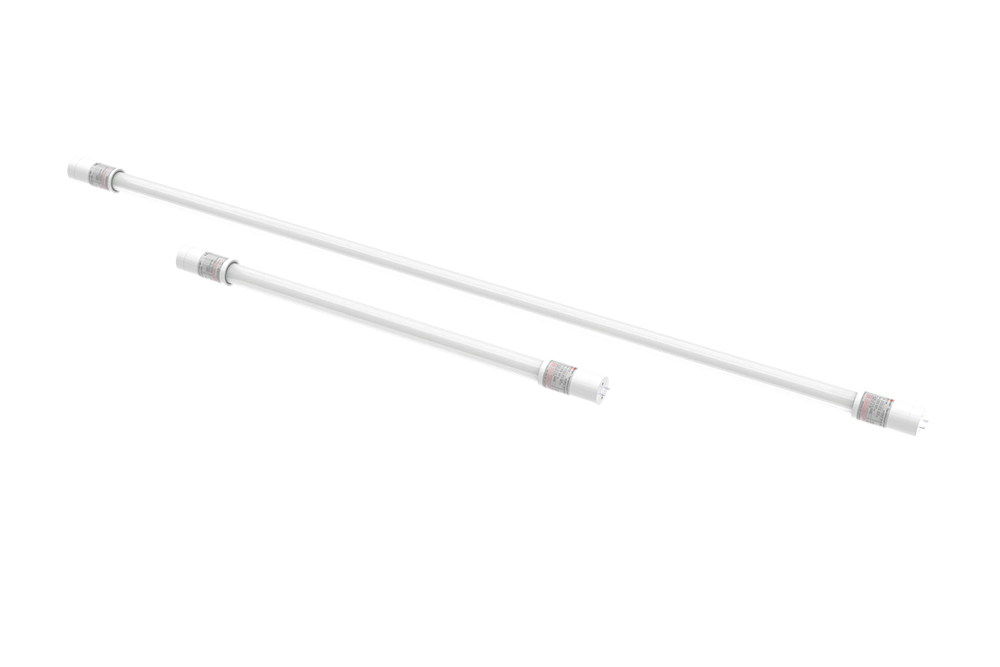
ATEX: Ex II 2G Ex d e IIB T6 Gb ATEX: Ex d e IIB T6 Gb; Feature: ● For Zone 1,2● 9W can replace 18W fluorescent lamps,50% Energy saving Application: Oil and gas, marine, Chemical, pharmaceutical, semiconductor,mining,military industry, paint booth,power plant ETC hazardous area. Technical Specifications: Standards:60079-0, 60079-1, 60079…
View details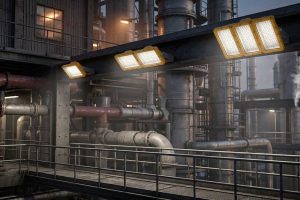
Industrial explosion proof lighting explained with real certifications, lumens, and field insights. Learn how SEEKINGLED ensures safety in hazardous environments.
View details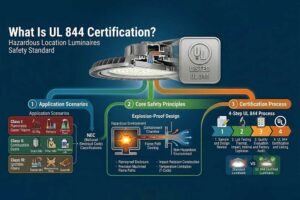
UL844 Certification is the key standard for explosion proof lighting in the US and Canada. Learn Class/Division requirements and hazardous area compliance.
View details
LED Flood Lighting for Car Dealership Entrance was implemented at a BMW 4S store using XJ-FL flood lights. This project record documents entrance lighting requirements and fixture selection for visibility and frontage clarity.
View details
How long do motion sensor flood lights last? Learn LED flood light lifespan, sensor durability, maintenance tips, and expert insights from SEEKINGLED.
View details