 Seeking LED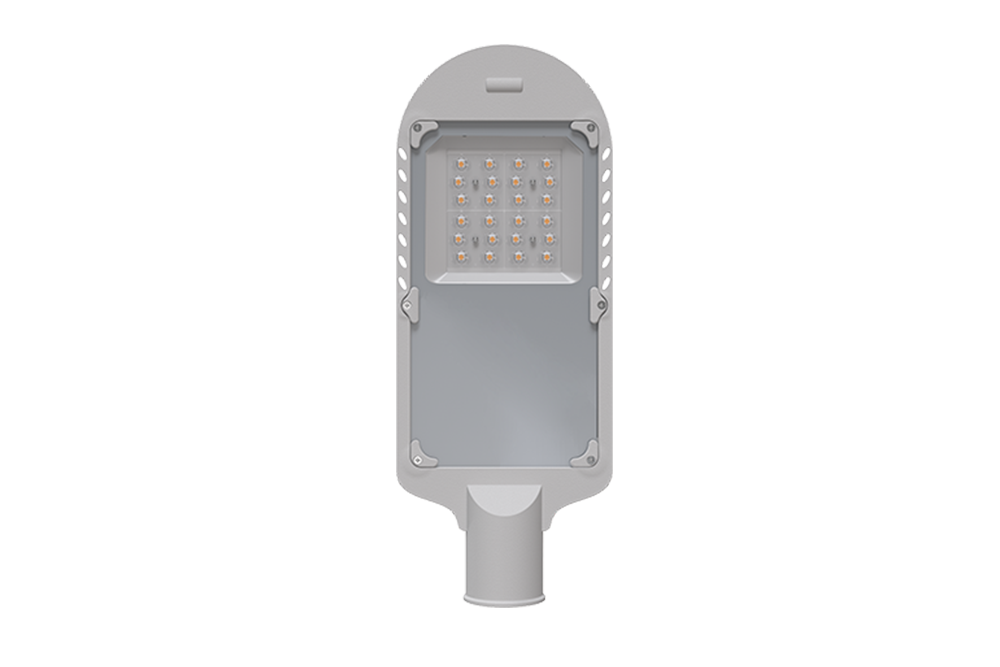
LED ATEX Lighting for Hazardous Industrial Environments
0LED ATEX lighting delivers safe, efficient illumination for hazardous zones. Learn certifications, Zone ratings, corrosion resistance, and industrial use cases.
View detailsSearch the whole station
If you are searching for a 150w led street light, chances are you already tried 100W on paper—or on site—and something didn’t line up. Spacing too wide. Road too bright in the middle, too dark on the edges. Or inspection feedback you didn’t expect.
Below are the questions we hear most often, answered without soft language.
A 150w led street light is designed for wide roads, commercial streets, industrial parks, and logistics zones where pole spacing and road width push past what 100W can handle comfortably.
From experience, once spacing goes beyond about 30 meters, 100W starts to feel tight. You can force it with narrower optics, but then glare creeps in. That’s usually where 150W becomes the cleaner solution, not the louder one.
Most modern 150W street lights deliver 22,000–25,000 lumens, depending on system efficiency. That’s not theoretical output—it’s what reaches the road when optics and drivers are done properly.
In projects using SEEKINGLED fixtures, that level of output typically allows:
Brightness alone doesn’t fix layout mistakes, but at this level you have room to design instead of compromise.
Not necessarily. Power doesn’t cause glare—poor optical control does.
I’ve seen 150W installations look calmer than older 100W setups, simply because the beam pattern was right. Type II or Type III optics make a big difference here. When the light goes where it’s supposed to go, the wattage number stops being scary.
If the road is narrow, poles are close together, or mounting height is low, 150W is usually the wrong call.
We’ve turned down projects at SEEKINGLED where clients insisted on 150W “to be safe.” In tight residential layouts, it backfires—overlap increases, glare complaints follow, and dimming becomes a workaround instead of a solution.
In retrofit projects, a 150w led street light commonly replaces:
That’s a reduction of roughly 60% energy consumption, backed by long-term municipal conversion data. Maintenance savings often matter even more than energy savings once crews stop climbing poles every year.
Three things, every time:
This is where brands separate. SEEKINGLED focuses less on headline specs and more on what survives ten years of weather and voltage swings.
Yes—when applied correctly.
A properly designed 150w led street light typically targets L80 at 100,000 hours under standard operating conditions. That doesn’t mean “zero failures.” It means predictable performance over time, which is what road authorities actually budget for.
A 150w led street light isn’t about excess. It’s about margin—margin for spacing, aging, dirt, and real-world conditions that drawings don’t show.
Used correctly, it simplifies projects instead of complicating them. That’s why it remains one of the most reliable choices in SEEKINGLED’s commercial street lighting work.
SEEKING STL-Series LED street lights deliver stable performance, 170 lm/W efficiency and 10KV surge protection. Ideal for city streets, parking lots, public roads and outdoor area lighting projects. Durable IP66 & IK08 design for long-term reliabi…
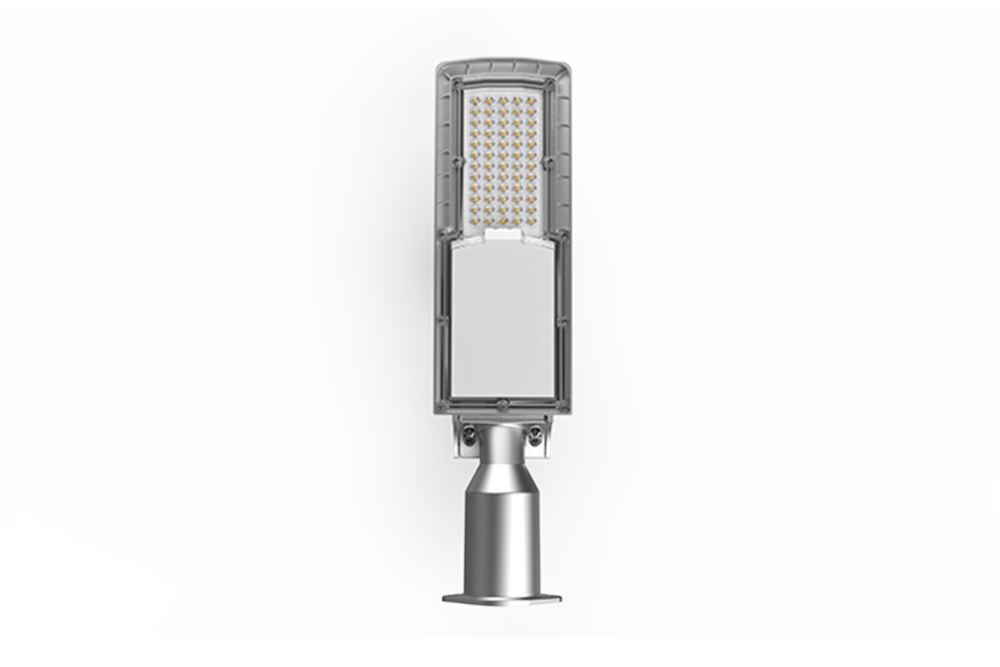
The SEEKING STC Series LED light street light delivers up to 170lm/W efficiency with MOSO drivers, IP66 protection, and a ±15° adjustable arm—ideal for roads, residential areas, and public lighting upgrades.
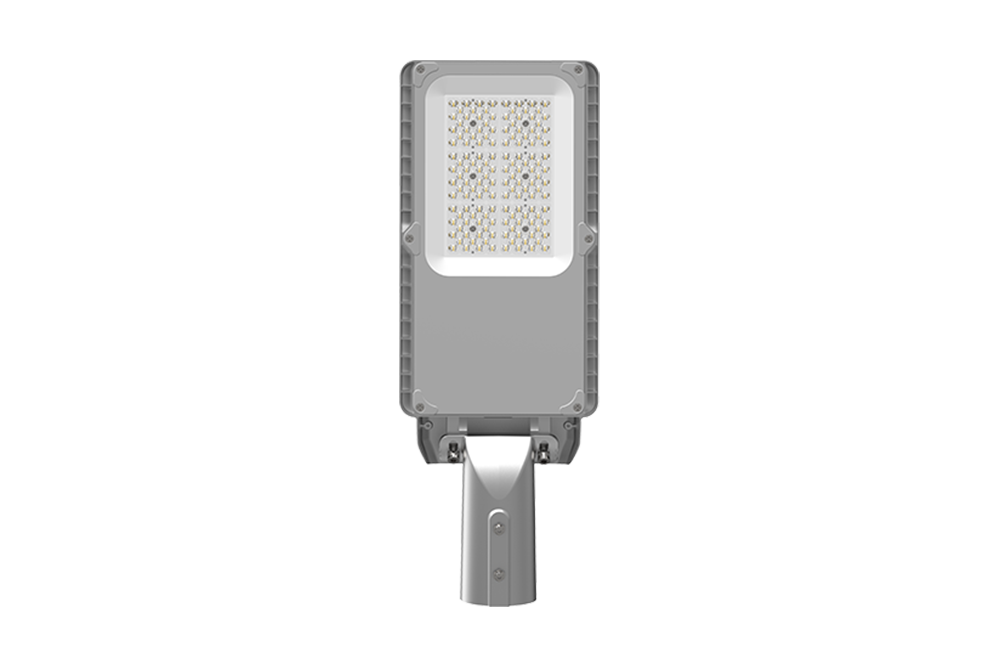
SEEKING STB Series LED street lighting delivers up to 160 lm/W, 10kV surge protection, IP66 waterproofing, and durable IK08 impact resistance. Ideal for streets, parking lots, and large outdoor areas needing long-lasting, energy-saving LED roadway…
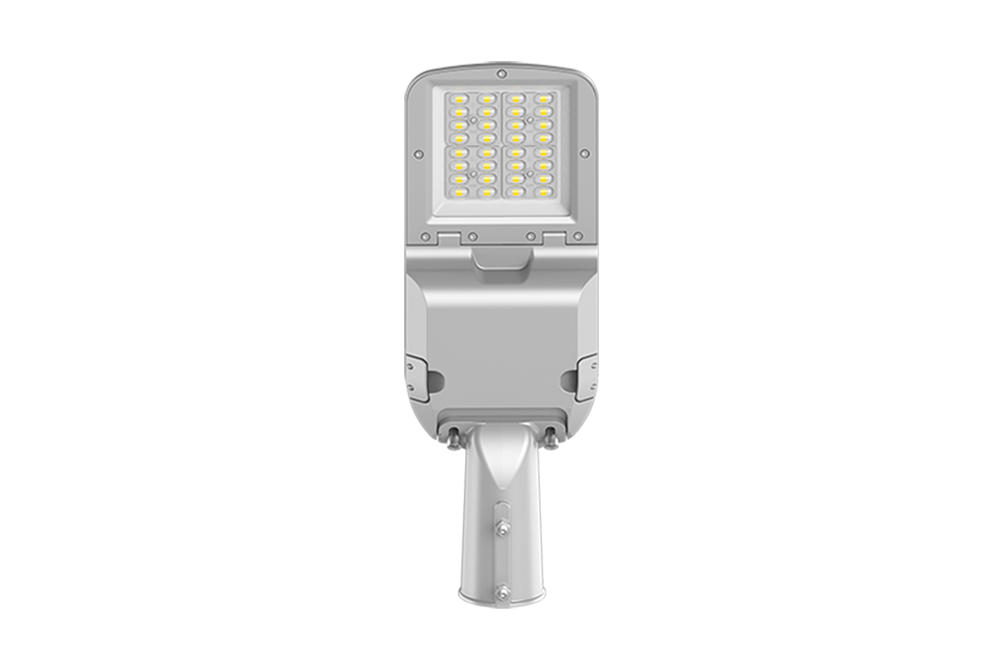
The SEEKING STA Series LED street light delivers strong efficiency, IP66 protection, 10kV surge resistance and multiple beam patterns for roads, parking lots and urban areas. High lumen output, easy installation and reliable performance for long-t…
loading…
This is the last post!

LED ATEX lighting delivers safe, efficient illumination for hazardous zones. Learn certifications, Zone ratings, corrosion resistance, and industrial use cases.
View details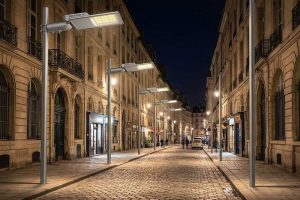
how far apart are street lights? Learn standard spacing ranges, design factors, and expert insights for efficient road lighting and uniform illumination.
View details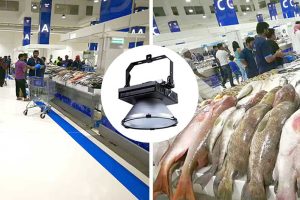
LED High Bay Lighting for Seafood Market was required in a Dubai seafood market where high floor lux was essential. This project record documents multiple Dialux calculations and on-site decision-making using XJ-HBL high bays.
View details
Ex proof led flood light engineered for hazardous oil, gas and chemical sites. Certified, durable and high-output LED solutions by SEEKINGLED.
View details