 Seeking LED
What are hazardous light fixtures?
0What are hazardous light fixtures? Learn how hazardous area lighting works, where it is used, and why certified fixtures protect oil, gas, and chemical facilities.
View detailsSearch the whole station
atex lighting solutions provide certified illumination systems designed for hazardous environments where explosive gases, vapors, or combustible dust may exist, helping industries maintain safe and reliable operations.
In hazardous industrial environments, lighting is not simply about producing enough brightness.
It is about controlling risk.
A lighting system installed in a refinery, chemical plant, or offshore platform must continue working in conditions where ordinary fixtures may create safety concerns.
At SEEKINGLED, our engineering experience with industrial lighting projects has shown that customers often begin with one question:
“Which light should we choose for this hazardous area?”
The answer depends on more than wattage or lumen output.
A complete atex lighting solutions approach considers:
A well-designed system supports daily operations while providing protection in environments where safety standards are strict.
atex lighting solutions are lighting systems designed and certified for use in potentially explosive atmospheres.
The term ATEX comes from the European Union framework covering equipment intended for explosive environments.
Reference:
European Commission – Equipment for potentially explosive atmospheres (ATEX)
https://single-market-economy.ec.europa.eu/sectors/mechanical-engineering/equipment-potentially-explosive-atmospheres-atex_en
These solutions are commonly used in locations where combustible substances may appear, including:
Unlike conventional industrial lighting, hazardous area lighting requires additional protection measures.
Typical components include:
The goal is not only illumination.
The goal is safe illumination.
Industrial facilities operate under demanding conditions.
A lighting system may face:
A normal commercial light fixture may fail under these conditions.
More importantly, it may not meet hazardous area safety requirements.
Industries choose certified lighting systems because lighting directly affects:
| Area | Safety Impact |
|---|---|
| Worker movement | Reduces visibility risks |
| Equipment inspection | Supports accurate maintenance |
| Emergency response | Improves evacuation visibility |
| Production operations | Maintains workplace efficiency |
According to the International Energy Agency (IEA), lighting represents a significant share of global electricity consumption, which has accelerated the adoption of efficient LED technologies in industrial applications.
Reference:
International Energy Agency – Lighting
https://www.iea.org/topics/lighting
Modern hazardous lighting solutions combine safety compliance with energy efficiency.
The main purpose of ATEX certification is to ensure equipment does not become an ignition source in explosive atmospheres.
Reference:
European Commission ATEX Directive 2014/34/EU
https://single-market-economy.ec.europa.eu/sectors/mechanical-engineering/equipment-potentially-explosive-atmospheres-atex_en
When selecting atex lighting solutions, engineers usually review:
| Certification Factor | Importance |
|---|---|
| Equipment category | Defines permitted usage area |
| Protection method | Controls ignition prevention |
| Temperature class | Limits surface temperature |
| Gas group | Matches explosive gas characteristics |
| Dust classification | Addresses combustible particles |
A lighting system for a safe warehouse cannot automatically be used in a hazardous production zone.
The certification must match the actual working environment.
Hazardous areas are classified according to the possibility of explosive atmospheres being present.
The IEC 60079 series provides internationally recognized methods for classification of explosive atmospheres.
Reference:
International Electrotechnical Commission – IEC 60079 Standards
https://www.iec.ch/standards
Common gas zone classifications include:
| Zone | Description |
|---|---|
| Zone 0 | Explosive atmosphere exists continuously or for long periods |
| Zone 1 | Explosive atmosphere may occur during normal operation |
| Zone 2 | Explosive atmosphere is unlikely but may appear temporarily |
Selecting the correct atex lighting solutions requires understanding:
A project located near fuel storage tanks may require a completely different lighting specification compared with an industrial workshop.
LED explosion-proof lights are widely used in hazardous industries because they provide:
Common applications include:
Flood lighting systems provide wide-area illumination for:
They are especially useful where workers require broad visibility.
High bay hazardous lighting is designed for:
Important factors include:
Emergency lighting becomes critical during:
Reliable emergency systems help workers identify safe routes quickly.
Choosing hazardous lighting requires more than comparing prices.
Engineers usually evaluate:
Confirm:
Review:
Consider:
Think about:
A lighting solution that looks suitable on paper may perform differently after years of industrial operation.
Modern hazardous lighting systems provide several advantages.
LED technology reduces electricity usage compared with traditional lighting technologies.
Long-life LED fixtures reduce replacement frequency.
In hazardous locations, maintenance activities may require:
Reducing maintenance frequency creates operational advantages.
Applications include:
Lighting must operate reliably around flammable materials.
Chemical facilities use hazardous lighting around:
Some pharmaceutical environments require controlled lighting solutions because of:
A hazardous lighting system represents a long-term industrial investment.
At SEEKINGLED, product development focuses on:
In real projects, the biggest problems are often not caused by brightness.
They come from choosing equipment that does not match the environment.
A professional hazardous lighting supplier helps customers avoid these mistakes.
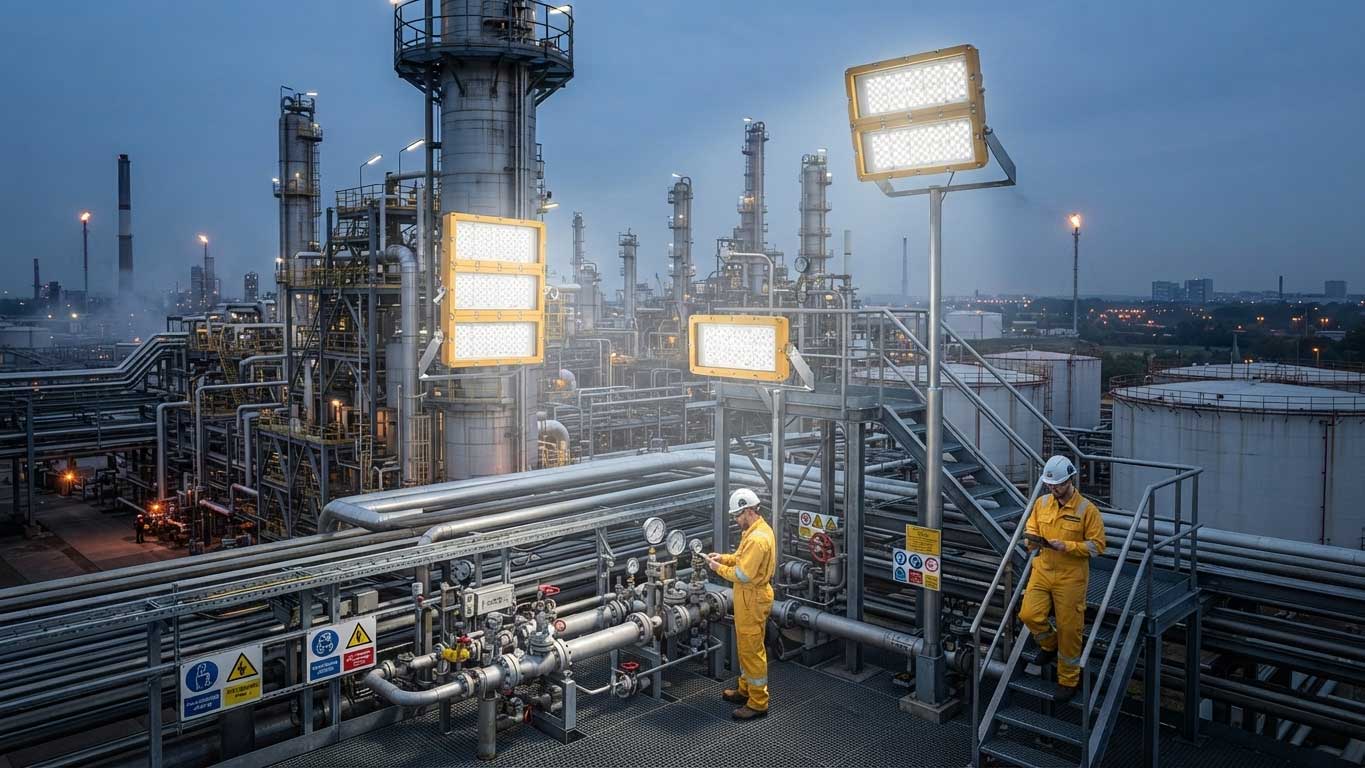
Choosing atex lighting solutions requires more than checking whether a product carries a certification mark.
In industrial projects, engineers usually look at the complete operating environment.
A lighting fixture may be technically certified, but the final performance depends on whether the product matches the site conditions.
During hazardous lighting projects, several details often decide whether a system performs well after installation.
These include:
A refinery maintenance manager once described the challenge this way: the light fixture is installed for years, but the decision is often made in a single procurement meeting.
That decision needs technical understanding.
Hazardous lighting products normally include detailed markings that define their application range.
A typical ATEX marking may include information related to:
| Specification | Purpose |
|---|---|
| Equipment category | Defines hazardous area suitability |
| Gas or dust protection | Identifies explosive atmosphere type |
| Temperature class | Controls maximum surface temperature |
| Protection concept | Defines explosion protection method |
For example, equipment used in a gas hazardous area must prevent ignition caused by:
The correct protection method depends on the risk level.
Temperature control is a critical part of hazardous lighting design.
The fixture surface temperature must remain below the ignition temperature of surrounding substances.
Common temperature classes include:
| Temperature Class | Maximum Surface Temperature |
|---|---|
| T1 | 450°C |
| T2 | 300°C |
| T3 | 200°C |
| T4 | 135°C |
| T5 | 100°C |
| T6 | 85°C |
Reference:
IEC 60079-0 Explosive atmospheres – Equipment requirements
https://www.iec.ch/
In practical applications, engineers usually select a safer temperature margin rather than choosing the highest allowable limit.
ATEX certification addresses explosion protection, but industrial environments create additional challenges.
A lighting fixture installed outdoors may experience:
Therefore, many atex lighting solutions also require strong environmental protection.
| Rating | Application Example |
|---|---|
| IP65 | Dust-tight industrial areas |
| IP66 | Outdoor and wash-down environments |
| IP67 | Areas requiring temporary water protection |
Reference:
IEC 60529 Degrees of protection provided by enclosures
https://www.iec.ch/
For offshore platforms or coastal chemical plants, corrosion resistance can be as important as explosion protection.
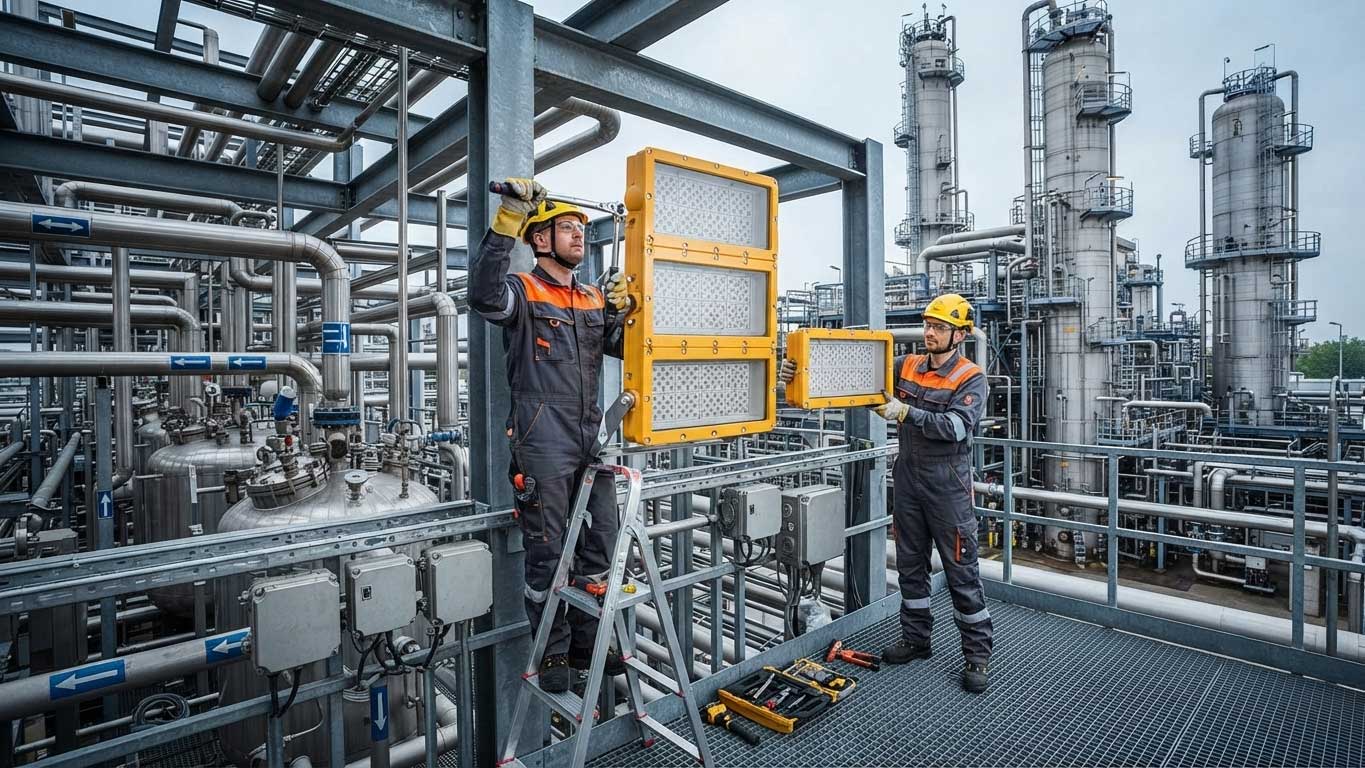
Maintenance in hazardous areas is different from normal commercial lighting maintenance.
Every intervention may require:
A planned inspection program helps reduce unexpected failures.
Recommended inspection points include:
Check:
Check:
Check:
A small lighting failure in a hazardous area can create a much larger operational problem.
Many facilities are replacing older fluorescent hazardous lighting systems with LED-based solutions.
The main reasons include:
| Traditional Systems | Modern LED Hazardous Lighting |
|---|---|
| Higher maintenance frequency | Longer service intervals |
| Lower efficiency | Improved energy performance |
| More frequent replacement | Extended operating life |
| Limited smart control options | Easier monitoring integration |
According to the U.S. Department of Energy, LED lighting products can use at least 75% less energy and last up to 25 times longer than incandescent lighting products.
Reference:
U.S. Department of Energy – LED Lighting
https://www.energy.gov/energysaver/led-lighting
Although hazardous lighting applications have additional certification requirements, LED technology has become an important direction for industrial upgrades.
The supplier behind a lighting system matters.
A reliable manufacturer should provide:
Industrial customers often require more than a product quotation.
They need technical support before installation and after delivery.
At SEEKINGLED, hazardous lighting development focuses on real industrial requirements rather than only product specifications.
The objective is to provide lighting systems that remain dependable in challenging environments.
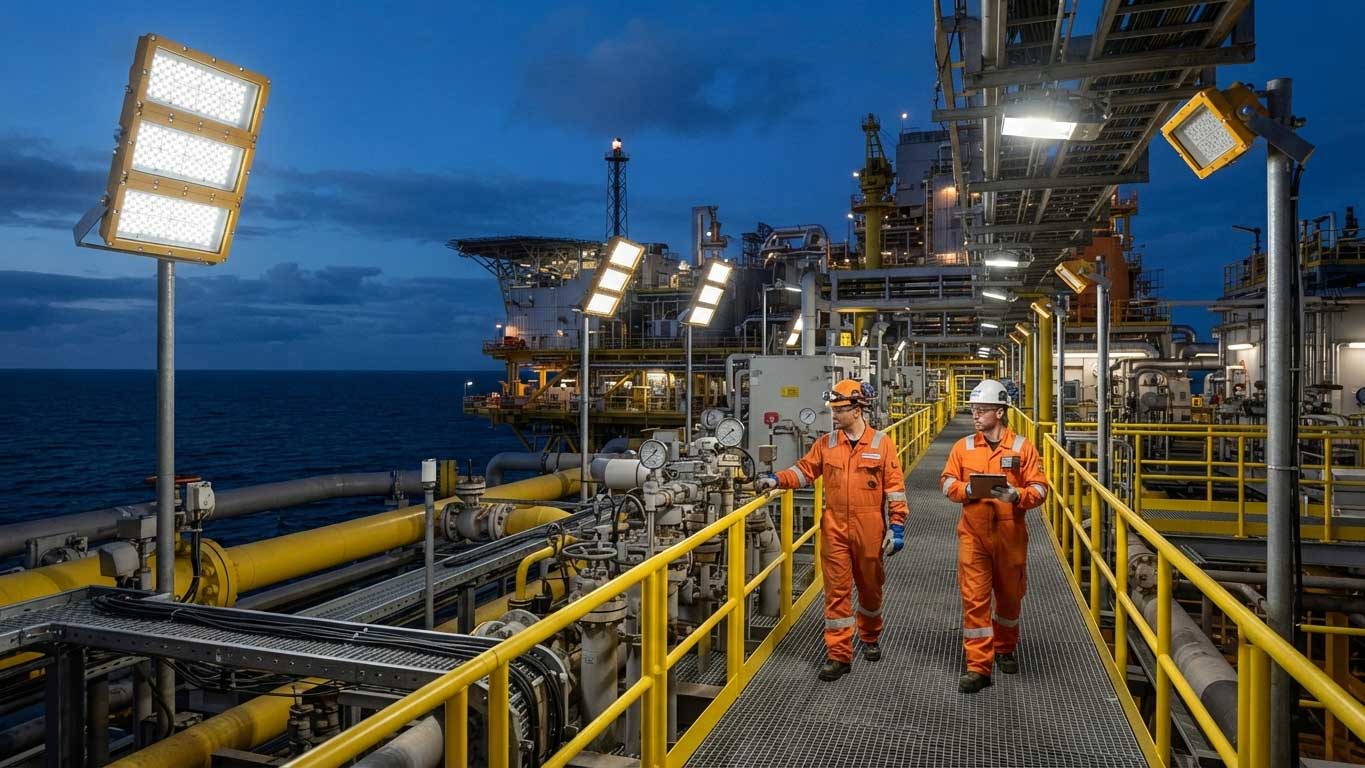
atex lighting solutions are designed for hazardous locations where explosive gases, vapors, or combustible dust may exist. They are commonly used in oil and gas, chemical processing, manufacturing, and energy industries.
Normal industrial lights are designed for standard environments. ATEX-certified lighting includes protection features designed to reduce ignition risks in explosive atmospheres.
Selection depends on:
The correct product must match the actual site conditions.
Yes. Many hazardous outdoor locations use certified lighting systems. However, outdoor applications should consider additional requirements such as:
Yes. Modern hazardous area LED lighting solutions are widely used because they offer energy efficiency, longer lifespan, and reduced maintenance requirements.
Common industries include:
Professional suppliers should provide:
Choosing the right atex lighting solutions requires understanding the complete hazardous environment, not simply selecting a high-output lamp.
A reliable system combines:
Hazardous industries depend on lighting every day.
Workers need clear visibility during normal operations, inspections, and emergency situations.
The best lighting solution is the one that continues performing after years of exposure to demanding industrial conditions.
SEEKINGLED provides professional industrial lighting solutions designed for hazardous applications, helping customers improve safety, reliability, and operational efficiency.
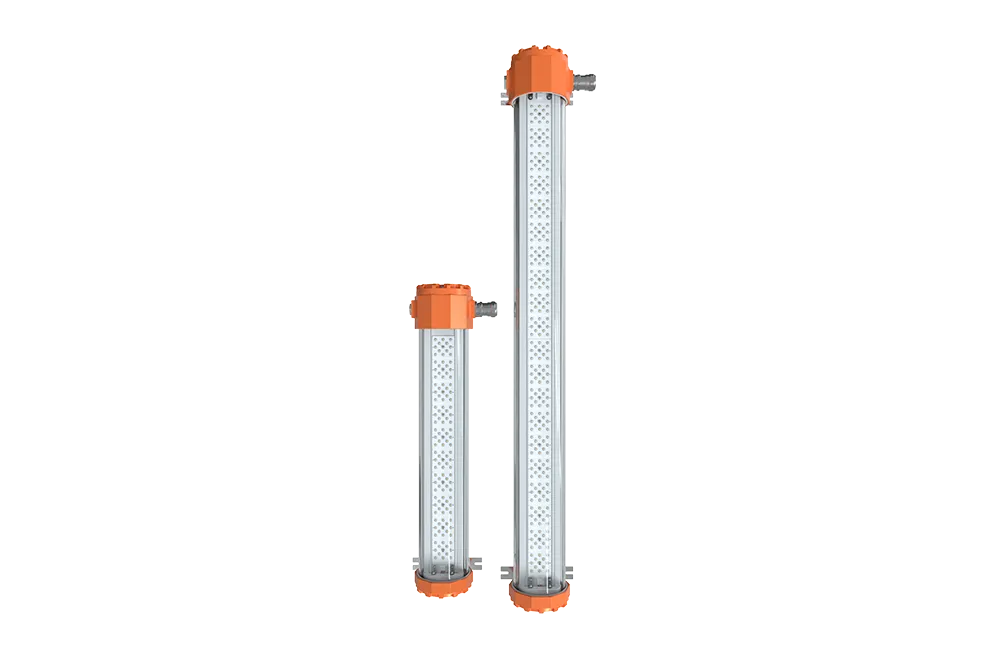
SEEKINGLED LED Linear Explosion Proof Light and Explosion Proof lighting is ATEX and IECEx certified for Zone 1, Zone 2, Zone 21 and Zone 22 hazardous locations, built for long-term industrial use.
View details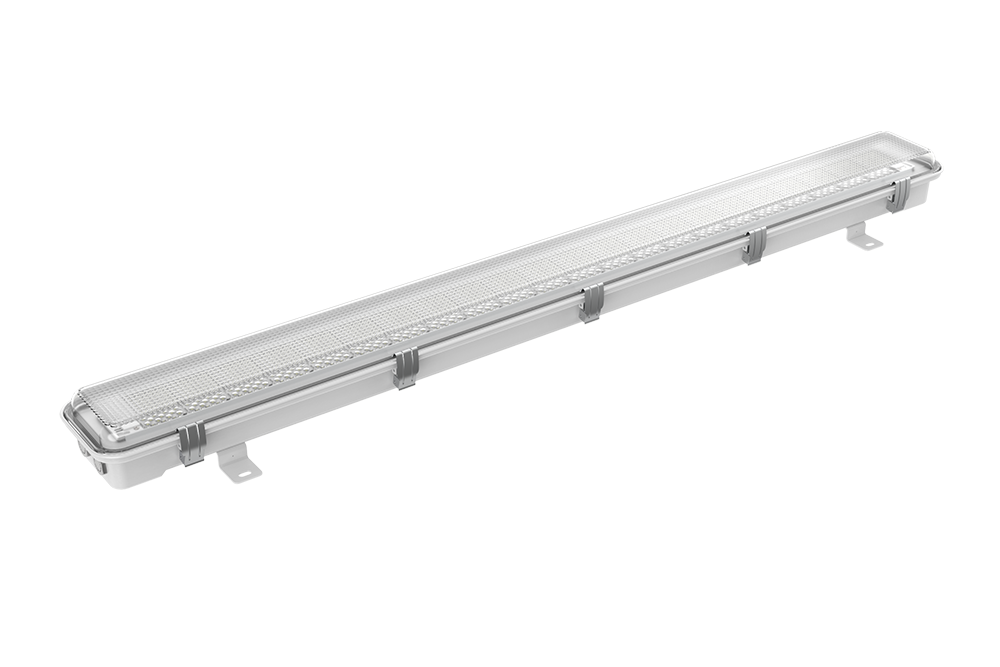
LED Linear Explosion Proof Lights and EX Proof lights for Zone 1, Zone 2, Zone 21 and Zone 22 hazardous areas. ATEX & IECEx certified explosion proof LED linear lighting with emergency function, adjustable power and IP67 protection by SEEKINGLED.
View details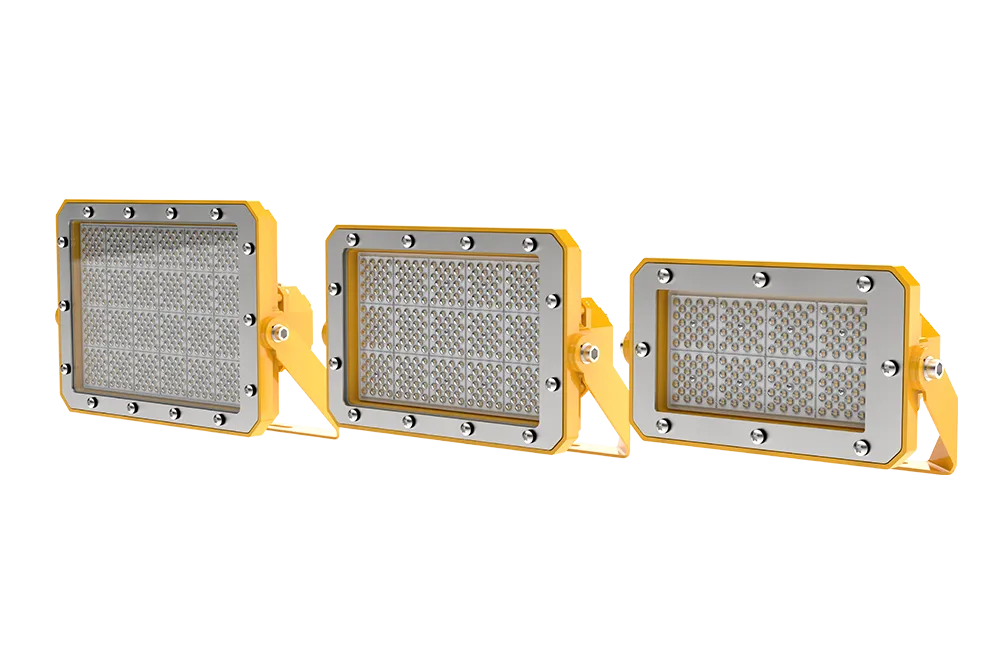
SEEKINGLED LED Explosion Proof Flood Lights are ATEX certified for Zone 2 and Zone 22 hazardous areas, offering high efficiency, adjustable power and integrated junction box.
View details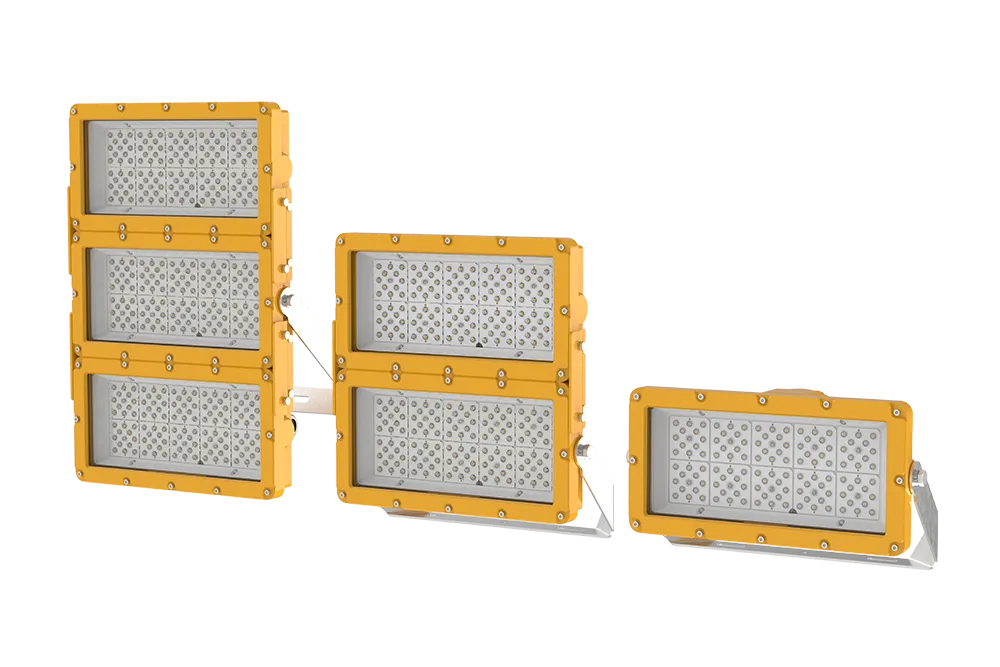
SEEKINGLED LED Explosion Proof Flood Lights are flameproof ATEX and IECEx certified for Zone 1 and Zone 2 hazardous areas, offering high power, adjustable output and long service life.
View details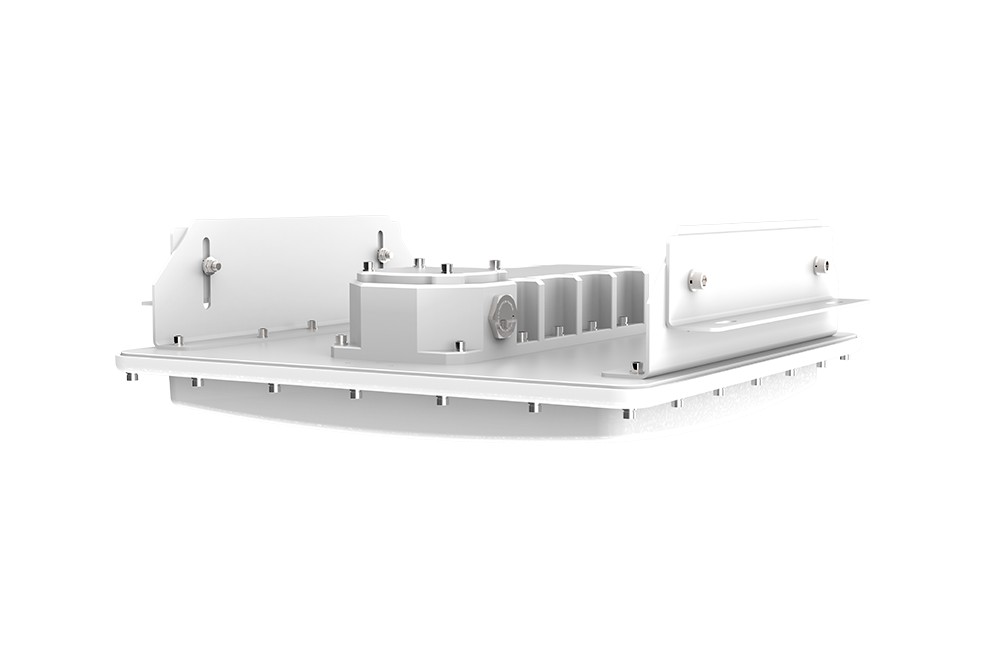
SEEKINGLED LED Gas Station Canopy Lights are ATEX certified for Zone 2 and Zone 22 hazardous areas, featuring adjustable power and built-in explosion-proof junction box.
View details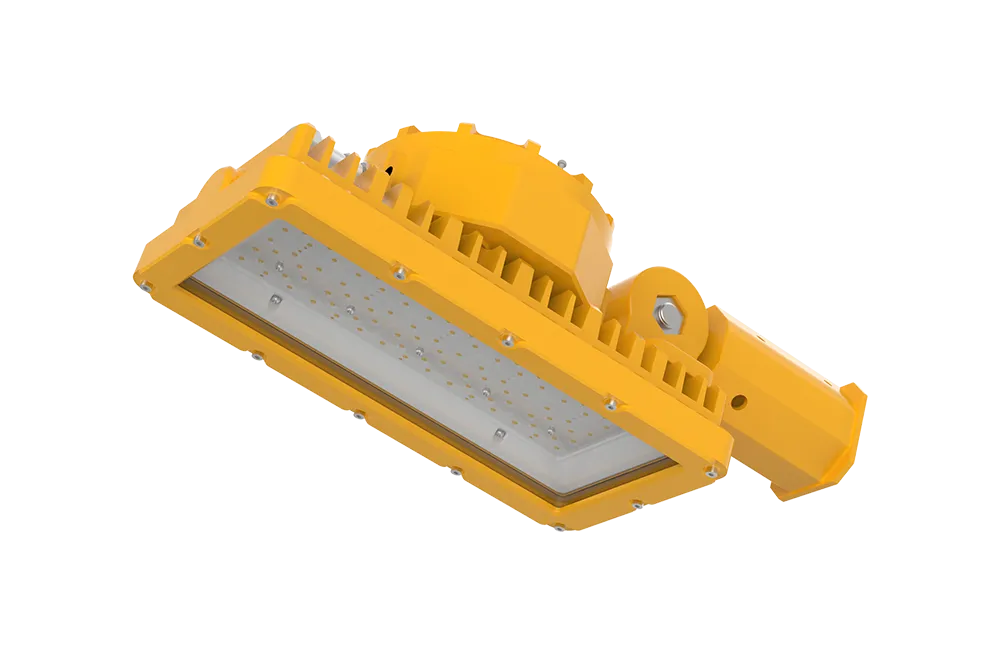
ATEX: Ex II 2G Ex db IIB T6/T5 GbEx II 2D Ex tb IIIC T80°C/ T95°C Db IECEx Ex db IIB T6 Gb;Ex tb IIIC T80°C Db Feature: ● For Zone 1,2 and Zone 21,22● Flameproof type, the strongest● 100W can replace 250W HID,energy saving● Power:60W,80W,100W Application: Oil and gas, marine, Chemical, pharmaceutical, semiconductor,mining,military industr…
View details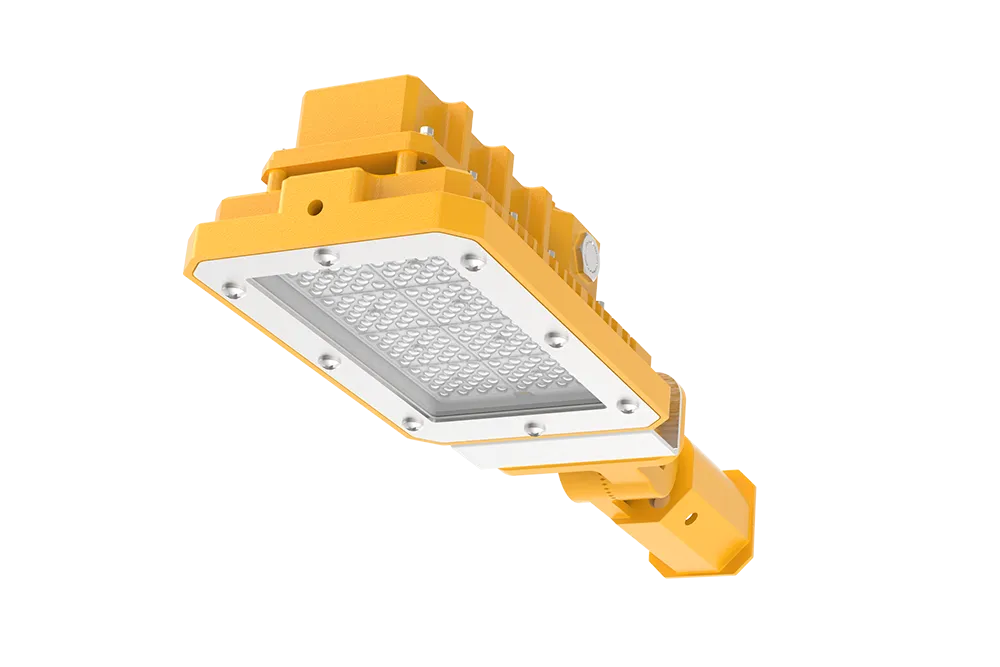
ATEX: II 3G Ex nR ⅡC T5/T6 GcII 3D Ex tc ⅢC T80℃/T95℃Dc ATEX Certificate NO: TÜV CY 26 ATEX 0207611 X Feature: ● For Zone 2 and Zone 22● 150W can replace 250W HID lamps,Energy saving● Power:50W,75W,100W,150W,200W Application: Oil and gas, marine, Chemical, pharmaceutical, semiconductor,mining,military industry, paint booth,power plant ETC…
View details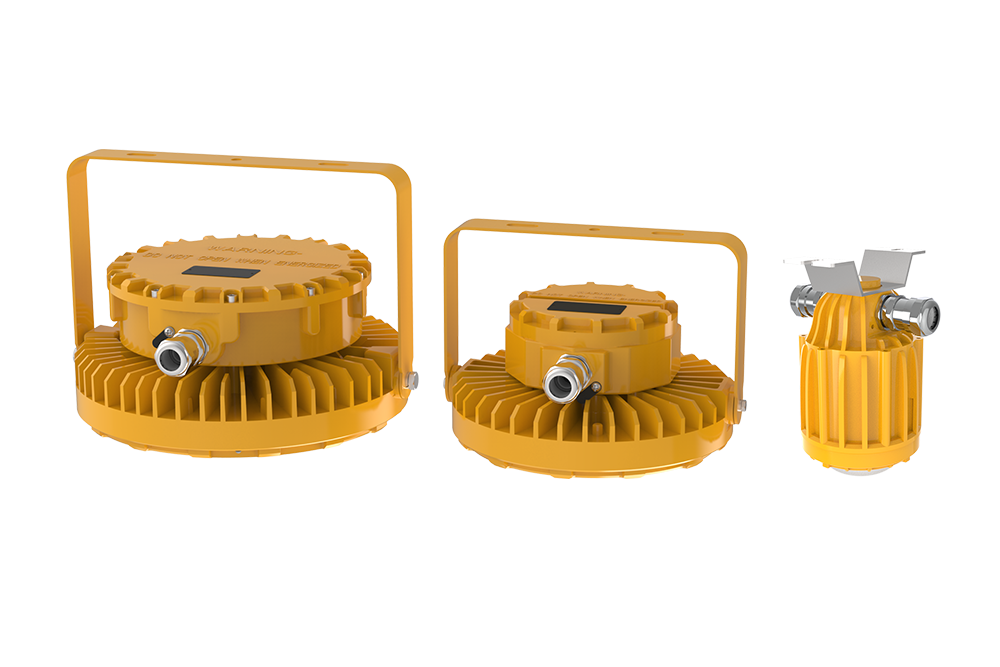
LED explosion proof high bay lights are designed for Zone 1, Zone 2, Zone 21 and Zone 22 hazardous areas. This page introduces the HB21 Series from SEEKING, including certifications, power options and real application considerations.
View details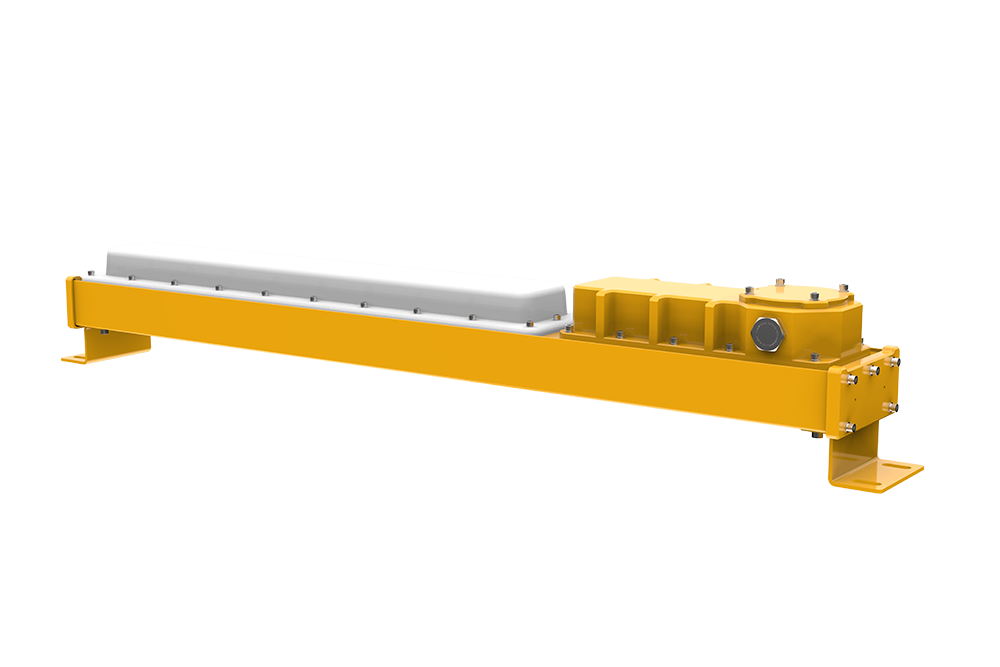
LED Linear Explosion Proof Lights from SEEKINGLED. LU Series Flame Proof lights ATEX-certified explosion proof LED linear lighting for Zone 2 gas and Zone 22 dust areas, IP69K, IK10, long lifetime and flexible power options.
View details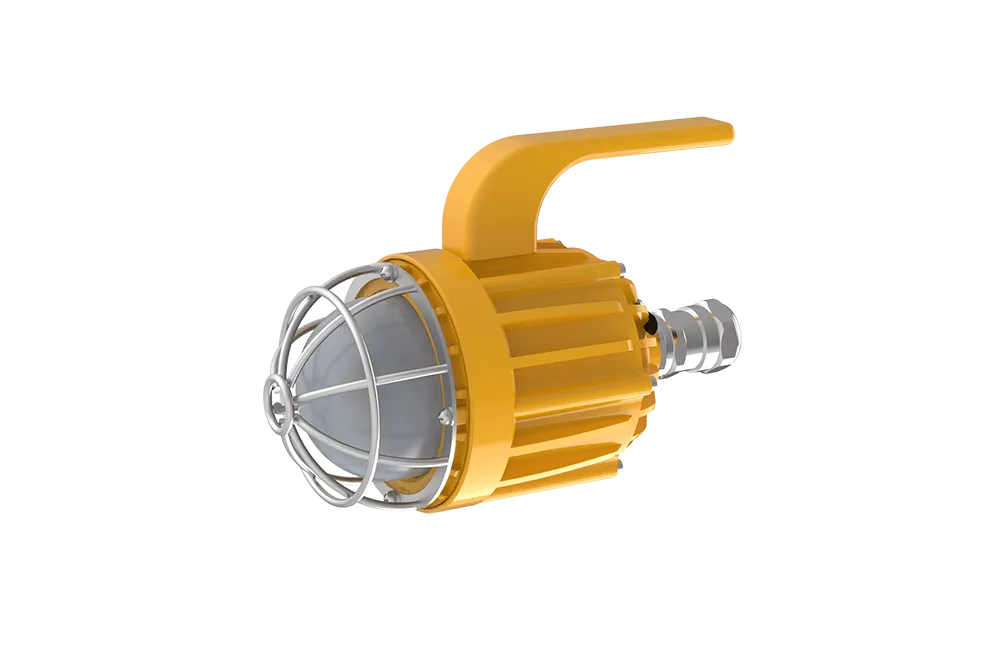
Certified explosion proof work lights for Zone 1 & 21 hazardous areas. Portable, ATEX & IECEx approved, built for oil, gas and chemical plants by SEEKINGLED.
View details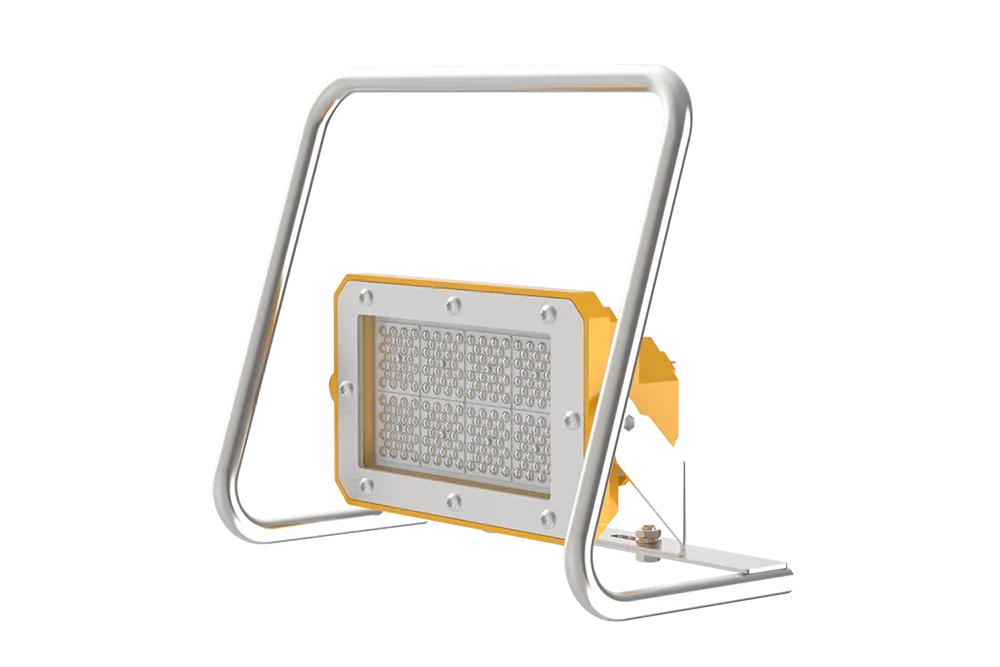
ATEX: II 3G Ex nR ⅡC T6 GcII 3D Ex tc ⅢC T80℃ Dc ATEX Certificate NO: TÜV CY 26 ATEX 0207611 X Feature: ● For Zone 2 and Zone 22● Accepts battery-powered supply● indestructible● Power:AC input:50W,75W,100WDC input:15W,25W,35W Application: Oil and gas, marine, Chemical, pharmaceutical, semiconductor,mining,military industry, paint booth,po…
View details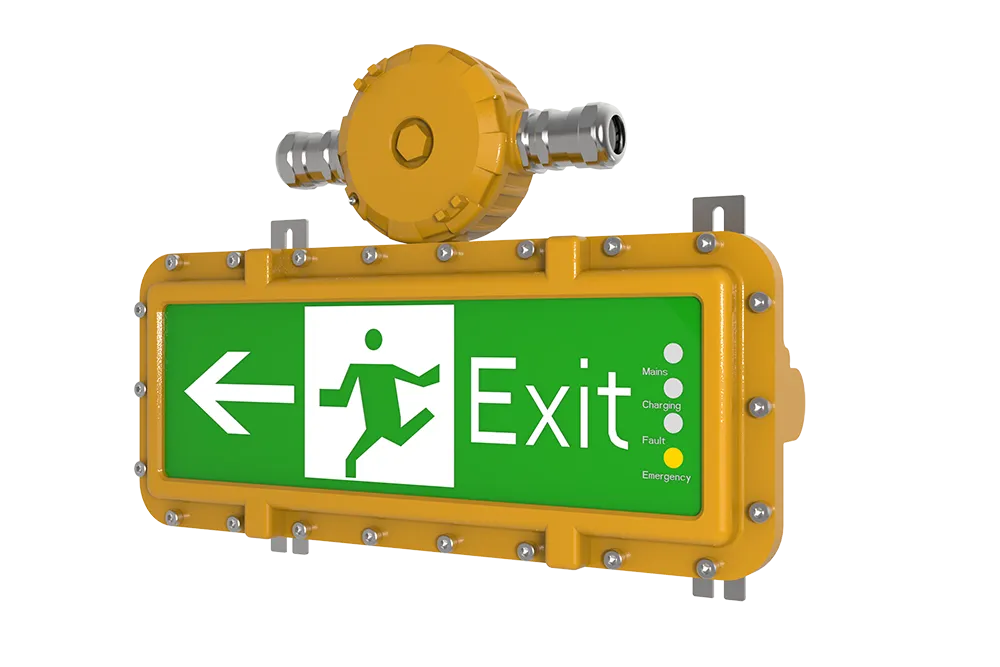
ATEX: Ex II 2G Ex db IIB T6 GbEx II 2D Ex tb IIIC T80°C Db IECEx Ex db IIB T6 Gb;Ex tb IIIC T80°C Db Feature: ● For Zone 1,2 and Zone 21,22● Flameproof type, the strongest Application: Oil and gas, marine, Chemical, pharmaceutical, semiconductor,mining,military industry, paint booth,power plant ETC hazardous area. Technical Specifications:…
View details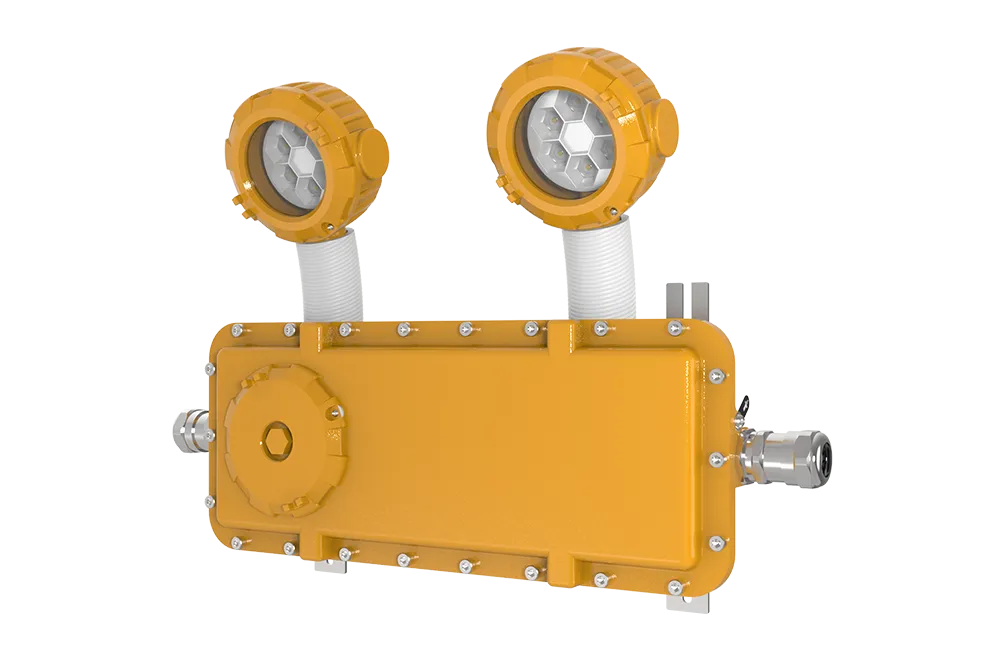
ATEX: Ex II 2G Ex db IIB T6 GbEx II 2D Ex tb IIIC T80°C Db IECEx Ex db IIB T6 Gb;Ex tb IIIC T80°C Db Feature: ● For Zone 1,2 and Zone 21,22● Flameproof type, the strongest Application: Oil and gas, marine, Chemical, pharmaceutical, semiconductor,mining,military industry, paint booth,power plant ETC hazardous area. Technical Specifications:…
View details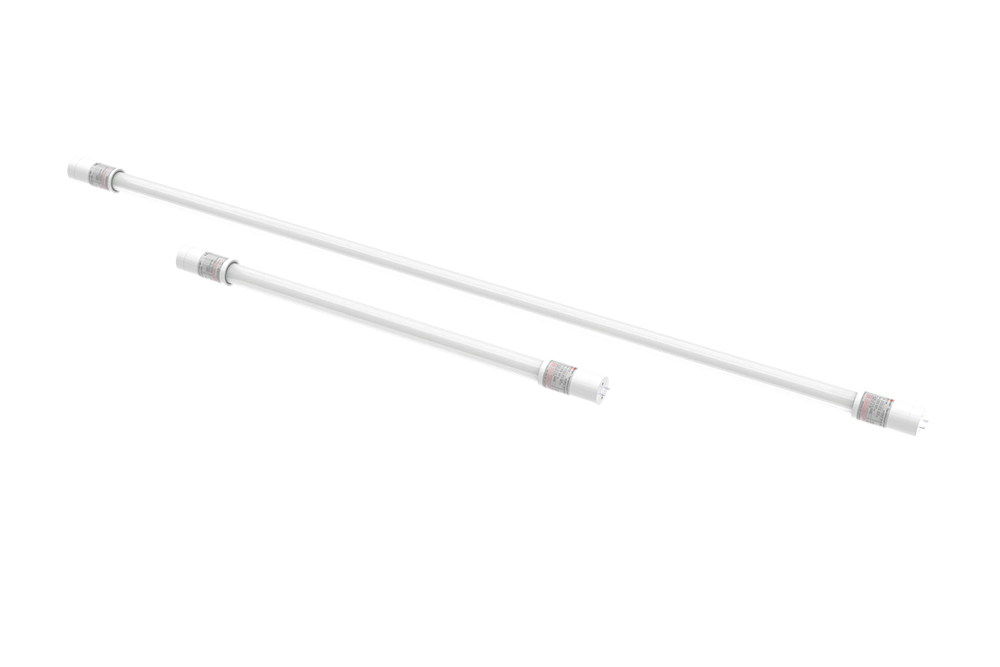
ATEX: Ex II 2G Ex d e IIB T6 Gb ATEX: Ex d e IIB T6 Gb; Feature: ● For Zone 1,2● 9W can replace 18W fluorescent lamps,50% Energy saving Application: Oil and gas, marine, Chemical, pharmaceutical, semiconductor,mining,military industry, paint booth,power plant ETC hazardous area. Technical Specifications: Standards:60079-0, 60079-1, 60079…
View details
What are hazardous light fixtures? Learn how hazardous area lighting works, where it is used, and why certified fixtures protect oil, gas, and chemical facilities.
View details
Are LED Flood Lights Dimmable in real use? Learn how dimmable LED flood lights work, driver types, dimming methods, and common issues in outdoor lighting.
View details
What are LED flood lights and how they are used outdoors. Learn real-world applications, differences, and why SEEKINGLED flood lights matter.
View details
what are flood lights? Learn how LED flood lights work, where they are used, and how to choose reliable outdoor lighting solutions with expert insights from SEEKINGLED.
View details