 Seeking LED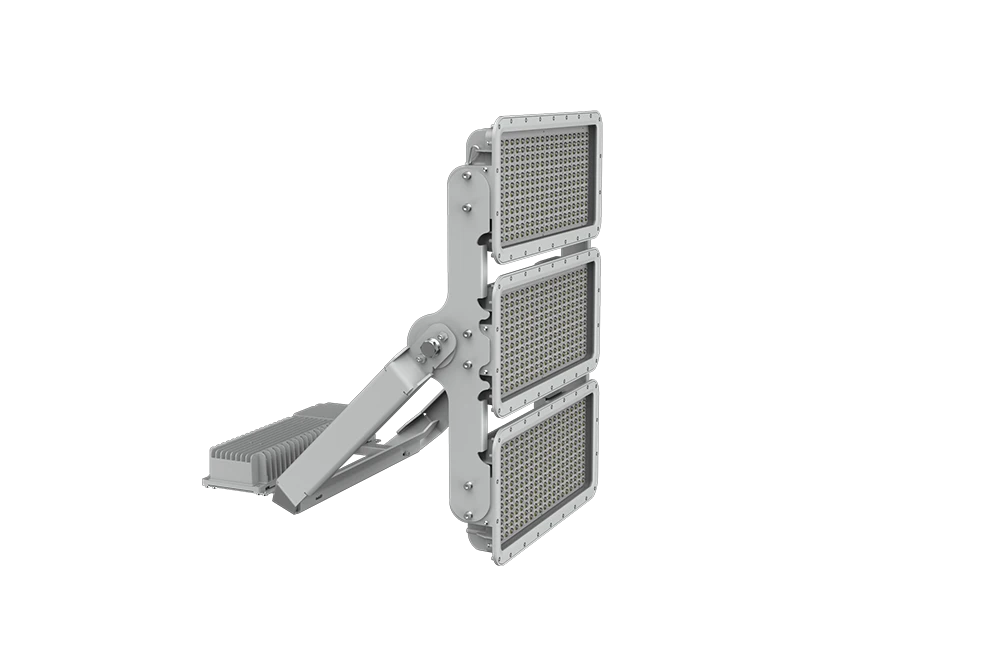
explosion proof led low bay lighting for low ceiling hazardous areas
0explosion proof led low bay solutions for hazardous areas. Learn applications, certifications, and real-world performance for safe, efficient low ceiling lighting.
View detailsSearch the whole station
Replacing an LED flood light looks simple on paper, but in real projects it’s often where small mistakes turn into callbacks, flickering fixtures, or early failures. I’ve replaced LED flood lights on warehouses, parking lots, building facades, and residential yards, and the process is rarely identical twice. Below is a practical, site‑tested Q&A guide on how to replace LED flood light units without shortcuts or guesswork.
If an LED flood light has lost brightness unevenly, shows visible driver failure, or has moisture inside the housing, replacement is usually the smarter call. In theory, drivers can be replaced. In practice, opening a sealed outdoor fixture often breaks its IP rating. Once that seal is compromised, water finds its way back in. For older installations using early‑generation LEDs, efficiency gains alone justify replacement. Modern LED flood lights can deliver the same light output at 30–40% lower wattage, which matters in long‑runtime outdoor use.
Turning off power at the breaker is obvious, but verifying it with a tester is what actually prevents accidents. Outdoor flood lights are often on shared circuits with signage or landscape lighting. I’ve seen fixtures stay live even when the wrong breaker was off. Gloves help with sharp housings, and stable access matters more than speed. Falls cause more injuries than electrical faults during flood light replacement.
Sometimes yes, often no. Many older flood lights use proprietary brackets or outdated bolt spacing. Forcing a new fixture onto an old bracket usually leads to poor aiming or stress on the housing. SEEKINGLED flood lights are designed with adjustable yokes that fit standard mounting patterns, which reduces surprises during replacement. If the bracket shows corrosion or distortion, replace it. Metal fatigue outdoors is real.
Match lumen output first, not wattage. Many people still replace watt‑for‑watt, which often results in over‑lighting. Check beam angle as well. A 120° flood behaves very differently from a 60° model on the same wall. For outdoor projects, IP65 or higher is not optional. SEEKINGLED recommends selecting fixtures tested for long‑term outdoor exposure rather than indoor‑rated conversions.
Short lead wires and brittle insulation are common on older fixtures. When replacing, inspect junction boxes for moisture and corrosion. If wire nuts show oxidation, change them. Loose grounding is another silent issue. LED flood lights are sensitive to poor grounding and may flicker or fail prematurely if it’s ignored.
No warm‑up is required, but a short observation period helps. After installing a replacement LED flood light, power it on and let it run for 20–30 minutes. Watch for flicker, abnormal heat, or driver noise. Problems that appear here are easier to fix before ladders are packed away.
In clean conditions, a single replacement can take 20–30 minutes. On older buildings with rusted hardware or hidden wiring issues, it can stretch much longer. Planning extra time avoids rushed decisions. Speed rarely improves quality in outdoor lighting work.
Technically yes, but lighting levels often change. Replacing outdated fixtures with modern LED flood lights usually increases brightness even at lower wattage. In commercial settings, this may affect glare or compliance. SEEKINGLED often advises checking spacing and aiming rather than assuming direct replacement is enough.
Over‑tightening mounting bolts, ignoring thermal clearance, and sealing fixtures against uneven surfaces are common errors. LED flood lights need airflow. Trapping heat shortens driver life quickly. Silicone should be used carefully, not as a cure‑all.
For small sites, replacement makes sense. For large outdoor areas, upgrading multiple fixtures together often delivers better uniformity and energy savings. SEEKINGLED works with both approaches, but the decision should be based on site conditions, not habit.
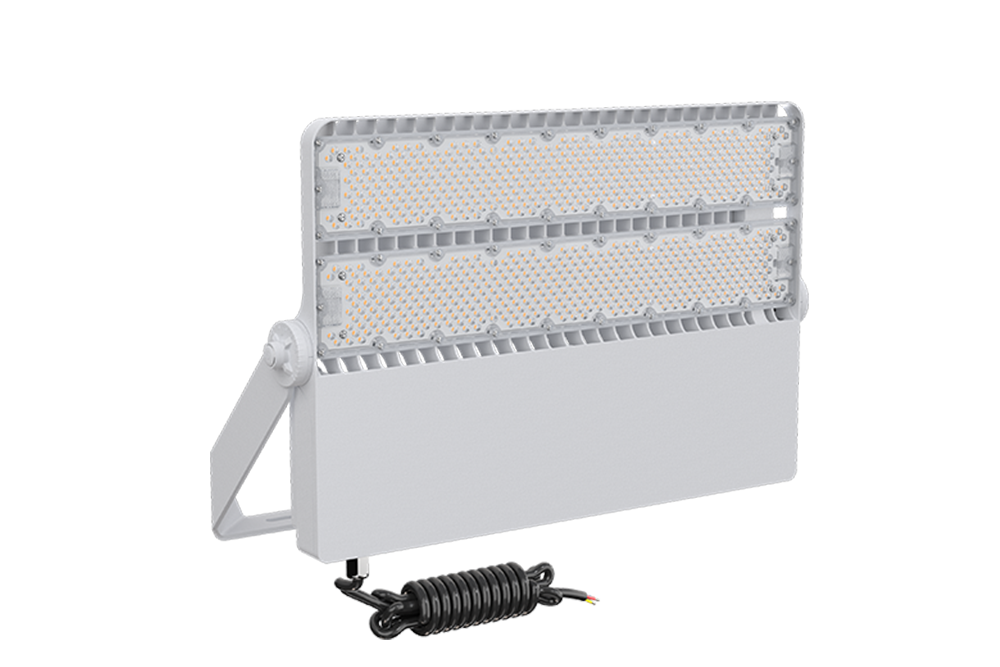
Sports Stadium LED Lighting by SEEKINGLED delivers high mast illumination, precise beam control, and EN 12193 compliant performance for professional venues.
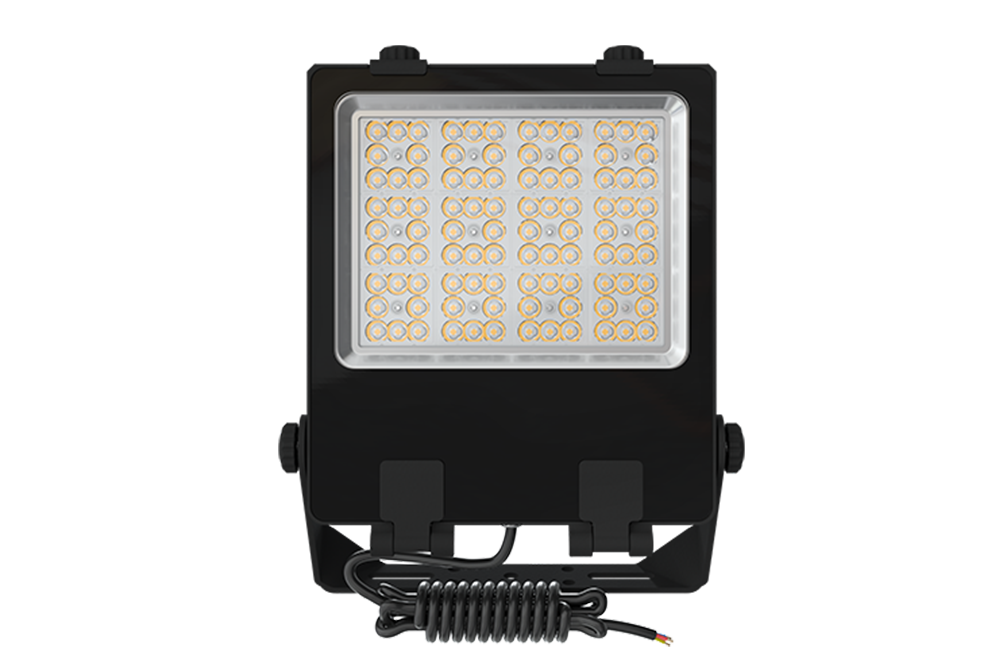
SEEKING FLX Series LED flood light outdoor for sports courts and open-area projects with 170lm/W efficiency, IP66 protection and multiple beam distributions. Designed for long-life commercial and public outdoor use.
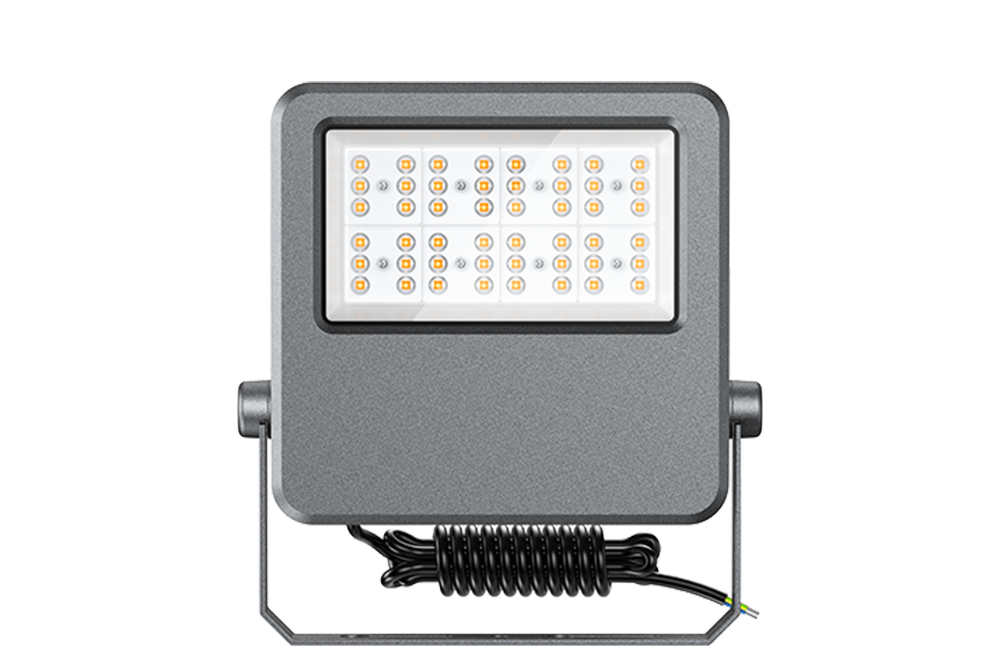
SEEKING FLE Series LED outdoor flood lights for sports grounds and open areas with multiple beam angles, IP66 protection and up to 170lm/W. Designed for long-life outdoor installations with professional driver options.
SEEKING FLD Series outdoor LED flood lights and high power led flood light deliver up to 960W with precision beam angles for sports fields, stadiums and large outdoor areas. IK08 & IP66 protection, 170lm/W efficiency and 100,000h lifetime.
loading…
This is the last post!

explosion proof led low bay solutions for hazardous areas. Learn applications, certifications, and real-world performance for safe, efficient low ceiling lighting.
View details
Explosion proof LED lighting Class 1 Division 1 for high-risk locations. Certified safety, stable output, and long-term reliability by SEEKINGLED.
View details
Class 1 Div 1 lighting is engineered for locations with continuous or frequent explosive gas hazards. Learn certifications, applications, and selection tips from hazardous-area lighting experts.
View details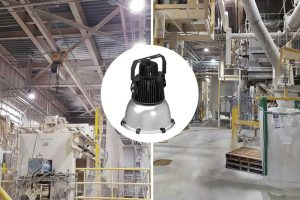
Factory lighting upgrade using XJ-HBS150W high bays to replace 600W metal halide lamps, achieving over 75% energy savings after redesign and on-site testing.
View details