 Seeking LED
How Long Do LED High Bay Lights Last?
323How long do LED high bay lights last in warehouses, factories, and gyms? This Q&A explains real lifespan, usage factors, and what affects LED high bay longevity.
View detailsSearch the whole station
atex zone 1 lighting is designed for hazardous areas where explosive gas, vapor, or mist may occur during normal operation. These certified lighting systems reduce ignition risks through controlled temperature, protected electrical components, and ATEX compliance.
Unlike ordinary industrial lighting, Zone 1 lighting is installed in areas where hazardous atmospheres are expected to appear periodically during daily operations. The fixture is not simply providing illumination—it is operating inside a controlled safety environment.
At SEEKINGLED, I have worked with industrial lighting projects involving oil terminals, chemical facilities, and heavy manufacturing sites. Through these applications, one thing becomes clear: selecting hazardous lighting is less about choosing the highest lumen output and more about understanding the actual risk classification of the installation area.
A lighting fixture installed beside a fuel processing pipeline faces completely different requirements from one installed in a standard factory workshop.
The term atex zone 1 lighting refers to lighting equipment certified under the ATEX framework for use in Zone 1 hazardous areas.
According to the European Commission’s ATEX Directive 2014/34/EU, equipment used in explosive atmospheres must meet essential health and safety requirements before being placed on the market.
Reference:
A Zone 1 area is defined as a location where an explosive gas atmosphere is likely to occur occasionally during normal operation.
Typical examples include:
Many industrial lighting mistakes happen because users focus on product specifications without checking hazardous area classification.
The difference between zones is based on the probability and duration of explosive atmospheres.
| Zone | Hazard Condition | Typical Application |
|---|---|---|
| Zone 0 | Explosive atmosphere continuously or for long periods | Inside tanks or vessels |
| Zone 1 | Explosive atmosphere likely during normal operation | Processing equipment areas |
| Zone 2 | Explosive atmosphere unlikely or short duration | Surrounding areas |
Zone 1 requires equipment designed for a higher level of protection than ordinary industrial fixtures.
A normal LED fixture is designed primarily around:
An ATEX Zone 1 lighting system must additionally consider:
The fixture must ensure that internal components cannot create a dangerous ignition source.
A certified Zone 1 LED fixture usually includes:
The housing is not only protecting the electronics from the environment.
It is also controlling how the fixture behaves if an internal electrical fault occurs.Visit the product page: Explosion Proof Lighting
Heat management is one of the most important safety factors.
Hazardous gases have different ignition temperatures. Therefore, lighting fixtures must maintain controlled surface temperatures.
Common temperature classes include:
| Temperature Class | Maximum Surface Temperature |
|---|---|
| T1 | 450°C |
| T2 | 300°C |
| T3 | 200°C |
| T4 | 135°C |
| T5 | 100°C |
| T6 | 85°C |
For many oil and gas applications, T4-rated equipment is frequently selected because it provides a practical balance between performance and safety.
Reference:
During industrial lighting discussions, initial questions are often:
However, experienced maintenance teams usually ask different questions:
I remember reviewing a refinery lighting replacement project where the customer rejected a cheaper fixture. The reason was simple—the installation area was difficult to access, and every replacement required additional safety preparation.
The lower purchase price would have created higher operational costs later.
That is a common pattern in hazardous lighting projects.
Oil and gas operations are among the largest users of Zone 1 lighting.
Applications include:
These environments often contain hydrocarbon vapors requiring certified lighting systems.
Chemical plants use ATEX Zone 1 lighting around:
The lighting must remain reliable despite:
Some manufacturing environments also require Zone 1 solutions, including:
The classification depends on the materials and processes used.
A practical selection process starts with:
Check:
Evaluate:
Industrial facilities should evaluate:
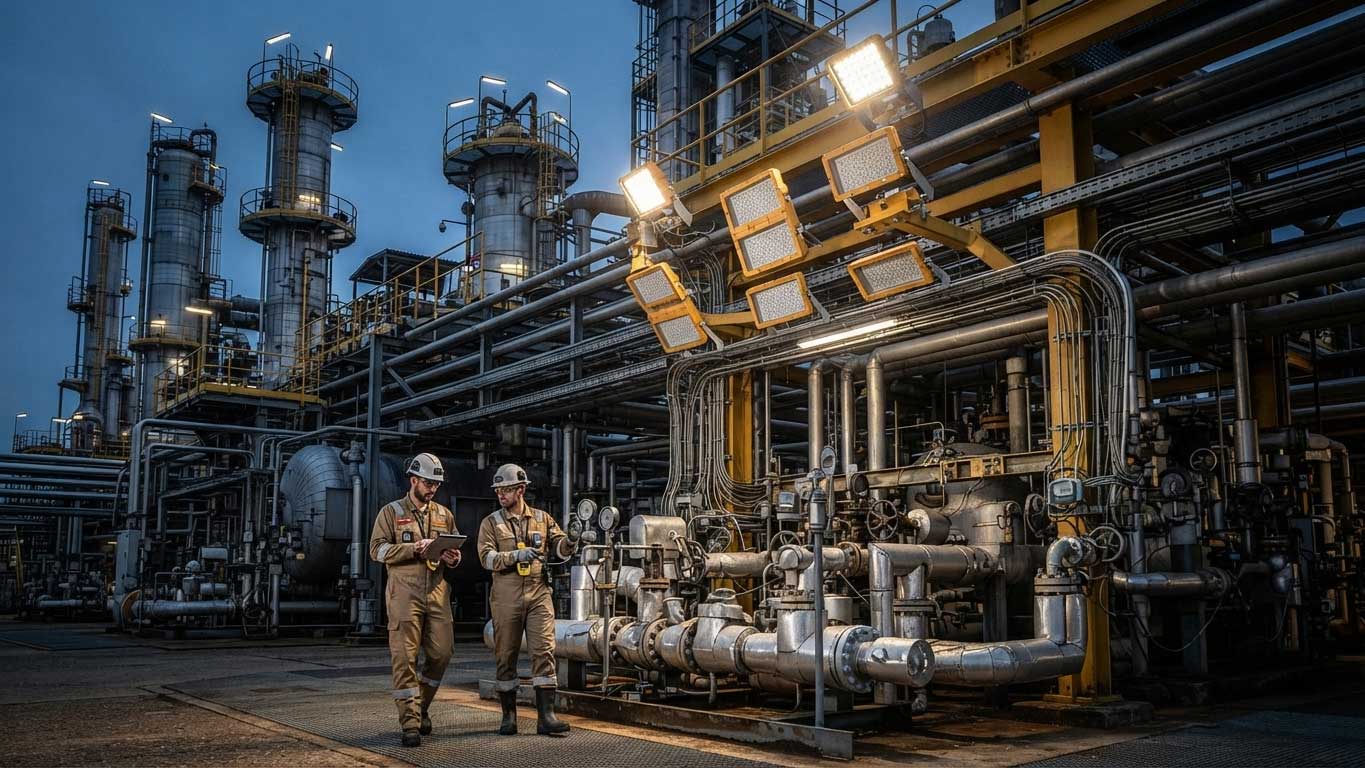
At SEEKINGLED, hazardous lighting development starts from real industrial requirements.
The engineering focus includes:
A hazardous lighting product is not successful only because it passes certification testing.
It must continue performing after years of exposure to heat, moisture, vibration, and demanding industrial conditions.
That is the standard industrial customers expect.
An atex zone 1 lighting system is selected for environments where explosive gas atmospheres may appear during normal operation. In these locations, lighting equipment becomes part of the overall hazardous area protection strategy.
The most important lesson from industrial projects is that hazardous lighting is rarely replaced because of brightness problems. It is usually replaced because of reliability issues, difficult maintenance access, corrosion damage, or incorrect classification.
Liquefied natural gas facilities require strict control of ignition risks because natural gas can create explosive atmospheres under certain conditions.
A typical LNG facility includes:
During a lighting upgrade project, engineers usually review:
| Evaluation Point | Why It Matters |
|---|---|
| ATEX Zone 1 certification | Confirms suitability for hazardous areas |
| Temperature classification | Controls surface temperature risk |
| IP protection | Handles outdoor exposure |
| LED efficiency | Reduces operating costs |
| Maintenance interval | Minimizes work in hazardous zones |
The lighting system must provide consistent illumination while avoiding unnecessary maintenance activities.
In these facilities, every maintenance task around process equipment requires planning, permits, and safety procedures.
Chemical plants often create challenging conditions for lighting equipment.
A fixture installed near production equipment may experience:
During technical evaluations, I have seen situations where lighting performance remained acceptable, but the external enclosure degraded faster than expected.
This is why professional buyers evaluate more than electrical specifications.
They examine:
A Zone 1 lighting fixture must continue protecting its internal components throughout its service life.
Offshore platforms combine hazardous classification with severe environmental conditions.
Lighting systems may face:
According to the International Maritime Organization (IMO), corrosion prevention is a major consideration for marine structures because seawater environments accelerate material degradation.
Reference:
https://www.imo.org
For offshore Zone 1 applications, engineers often prioritize:
A lighting failure offshore is not simply a replacement issue. It can involve additional logistics and operational planning.
| Feature | ATEX Zone 1 Lighting | Standard Industrial LED |
|---|---|---|
| Hazardous area approval | Designed for explosive atmospheres | Usually unavailable |
| Ignition protection | Required | Not considered |
| Temperature control | Safety-focused | General thermal design |
| Application | Oil, gas, chemical industries | Warehouses, factories |
| Maintenance requirement | Hazard-focused | General maintenance |
The visual appearance of two fixtures can be similar.
The engineering difference is inside the product.
A standard LED light may provide excellent brightness, but it is not automatically suitable for a hazardous location.
Before purchasing, verify:
The fixture must match the hazardous environment, not simply the lighting requirement.
A proper evaluation should include:
Consider:
Review:
Check:
The lowest purchase price is not always the lowest operating cost.
Industrial lighting costs include:
According to the U.S. Department of Energy, LED lighting technology can use significantly less energy and provide a much longer service life compared with traditional lighting technologies.
Reference:
https://www.energy.gov/energysaver/led-lighting
For facilities operating continuously, these differences become substantial over years of operation.
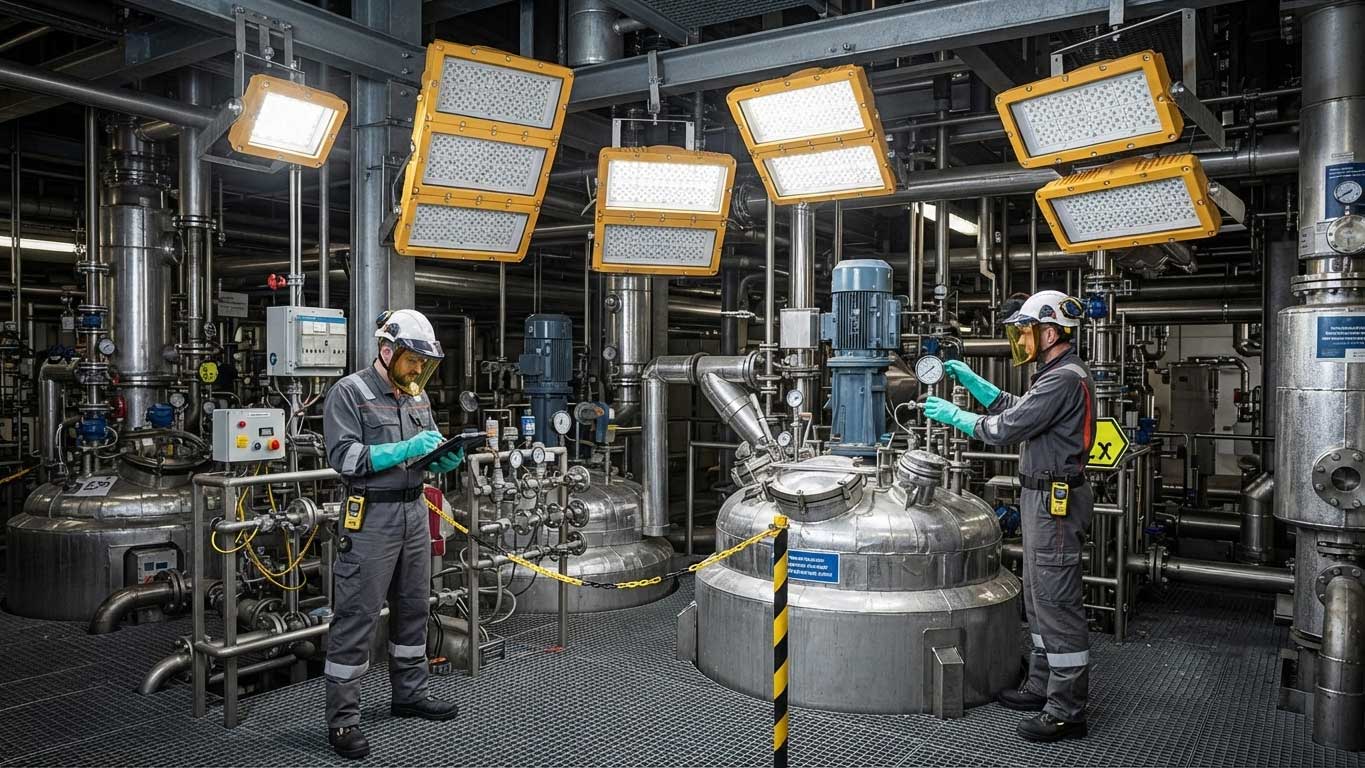
Certified lighting equipment still requires proper maintenance.
Recommended practices include:
Regularly check:
Remove:
Maintain records of:
Proper documentation supports safer maintenance decisions.
Industrial lighting continues moving toward more intelligent systems.
Future developments include:
However, hazardous area lighting development must always balance innovation with safety certification requirements.
A smarter fixture is useful only when it remains suitable for the environment where it operates.
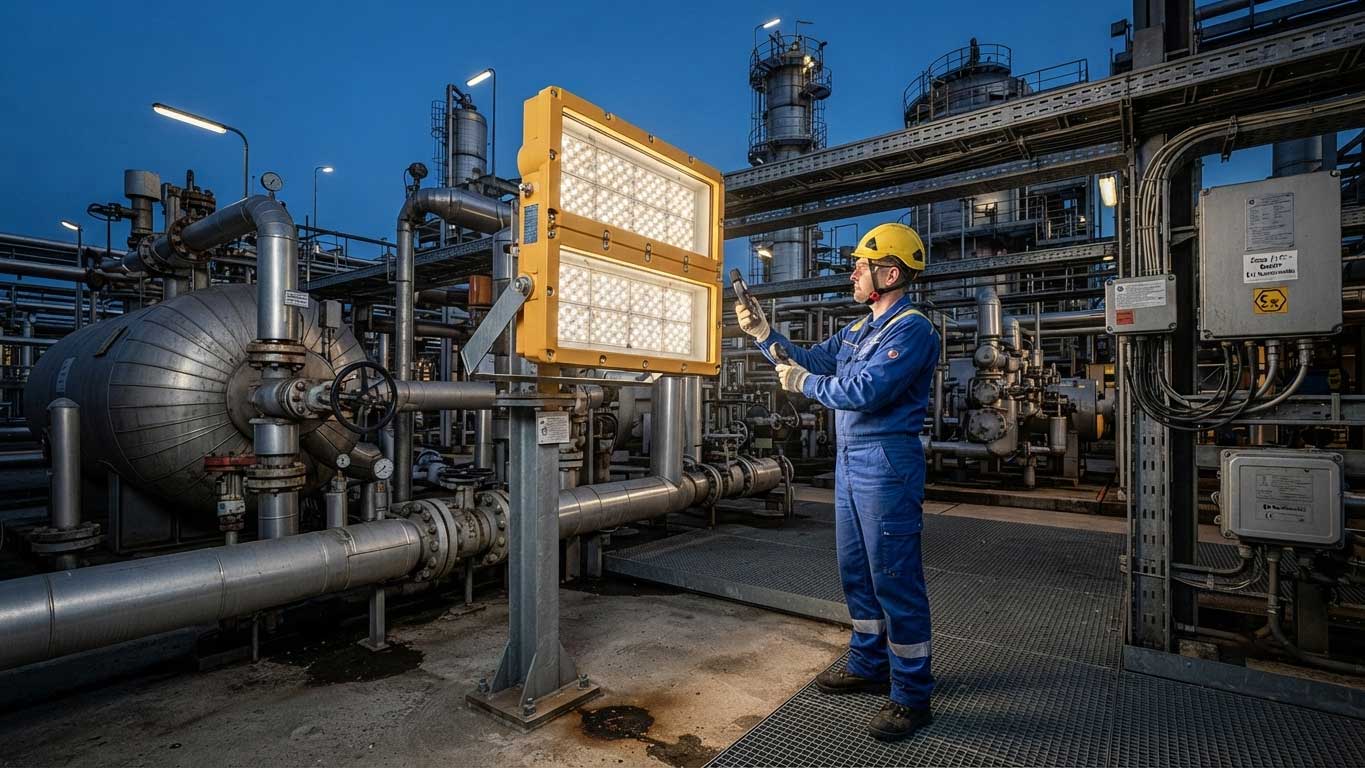
ATEX Zone 1 lighting is used in hazardous areas where explosive gas, vapor, or mist may occur during normal operation, including oil, gas, and chemical facilities.
Zone 1 means an explosive atmosphere is likely to occur occasionally during normal operation, requiring equipment with appropriate protection certification.
Yes. Many ATEX Zone 1 lighting fixtures are designed for outdoor industrial environments when they have suitable weather and corrosion protection.
Typical requirements include ATEX certification, correct equipment category, gas group classification, and temperature rating.
No. Standard LED fixtures are not designed to control ignition risks in explosive atmospheres and should not replace certified hazardous area equipment.
Service life depends on design quality, operating temperature, and installation conditions. High-quality industrial LED fixtures are commonly designed for tens of thousands of operating hours.
LED lighting offers energy efficiency, long operating life, lower maintenance requirements, and reliable performance compared with many traditional lighting technologies.
atex zone 1 lighting provides certified illumination for industrial environments where explosive gases or vapors may occur during normal operation.
Selecting the correct solution requires careful evaluation of hazardous classification, certification requirements, environmental conditions, and long-term reliability.
For oil and gas facilities, chemical plants, and other industrial applications, SEEKINGLED focuses on developing lighting products that combine safety engineering with practical field performance.
In hazardous environments, reliable lighting is not only about seeing clearly—it supports safer decisions, smoother maintenance, and more dependable industrial operations.
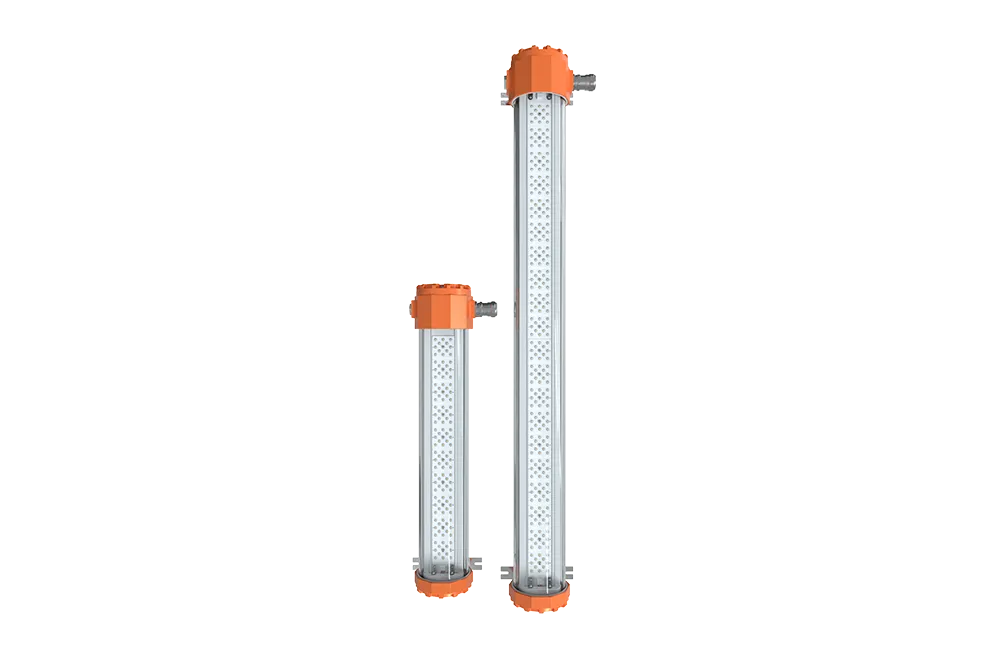
SEEKINGLED LED Linear Explosion Proof Light and Explosion Proof lighting is ATEX and IECEx certified for Zone 1, Zone 2, Zone 21 and Zone 22 hazardous locations, built for long-term industrial use.
View details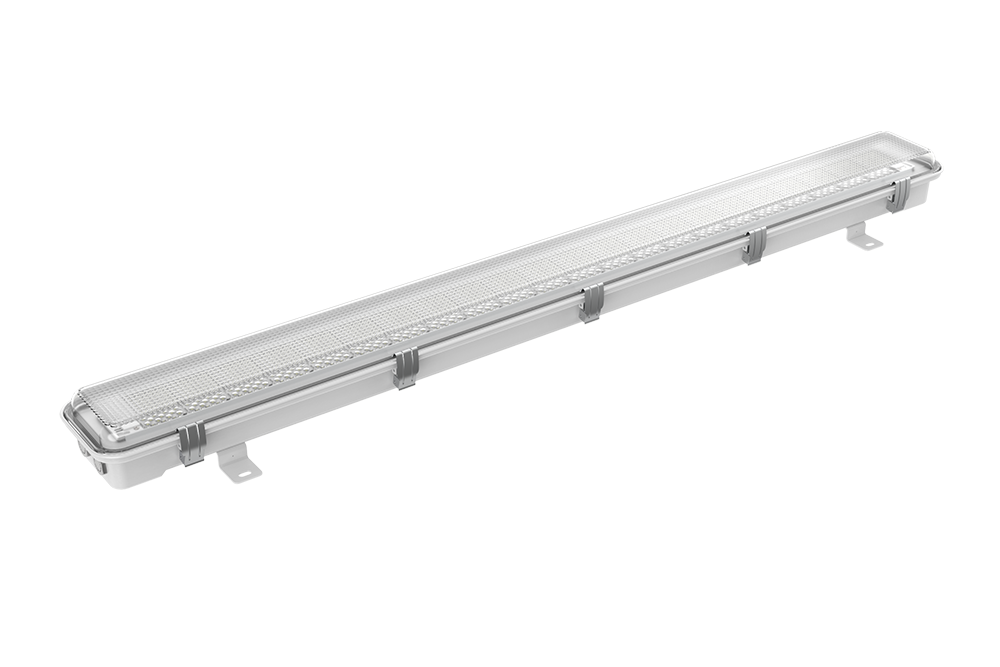
LED Linear Explosion Proof Lights and EX Proof lights for Zone 1, Zone 2, Zone 21 and Zone 22 hazardous areas. ATEX & IECEx certified explosion proof LED linear lighting with emergency function, adjustable power and IP67 protection by SEEKINGLED.
View details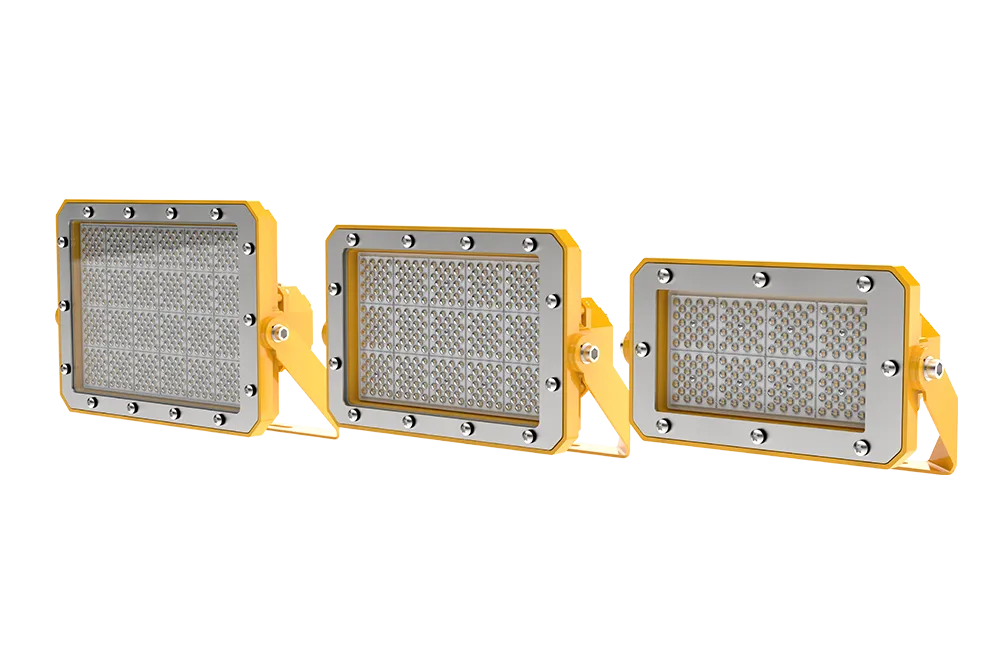
SEEKINGLED LED Explosion Proof Flood Lights are ATEX certified for Zone 2 and Zone 22 hazardous areas, offering high efficiency, adjustable power and integrated junction box.
View details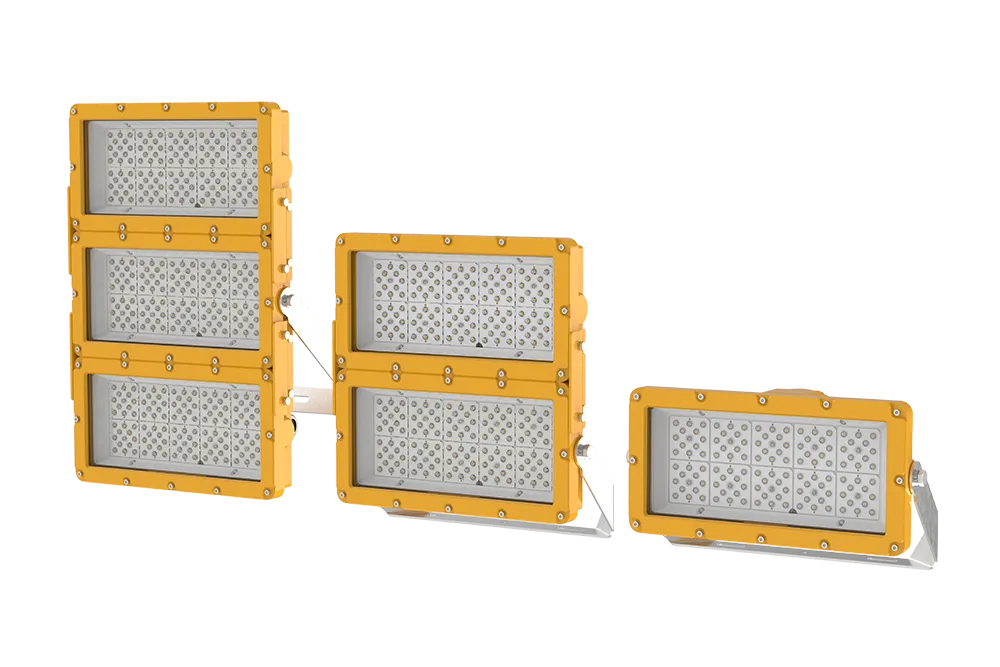
SEEKINGLED LED Explosion Proof Flood Lights are flameproof ATEX and IECEx certified for Zone 1 and Zone 2 hazardous areas, offering high power, adjustable output and long service life.
View details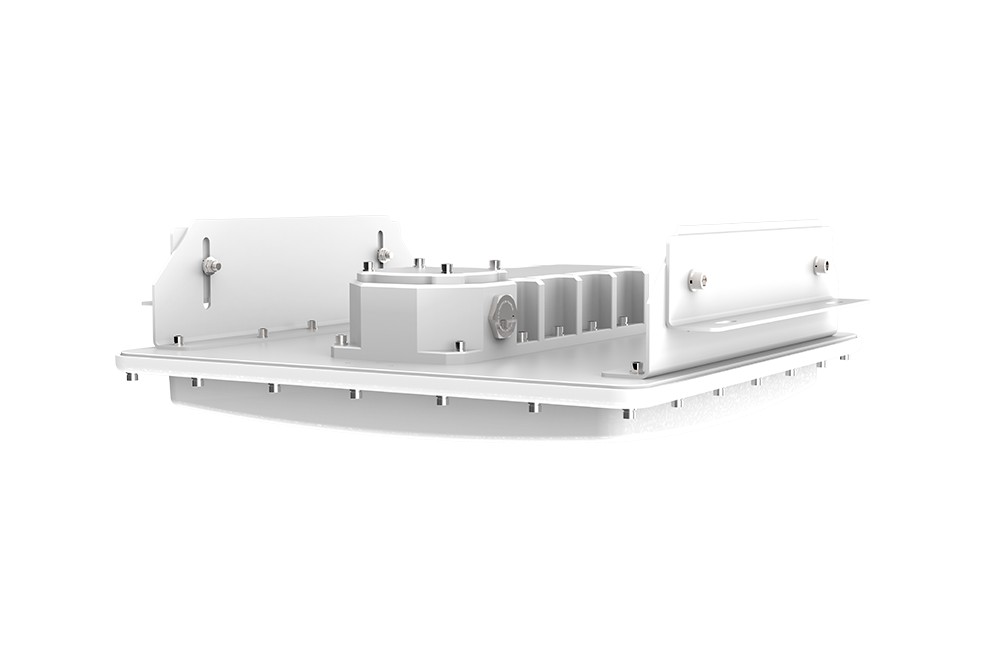
SEEKINGLED LED Gas Station Canopy Lights are ATEX certified for Zone 2 and Zone 22 hazardous areas, featuring adjustable power and built-in explosion-proof junction box.
View details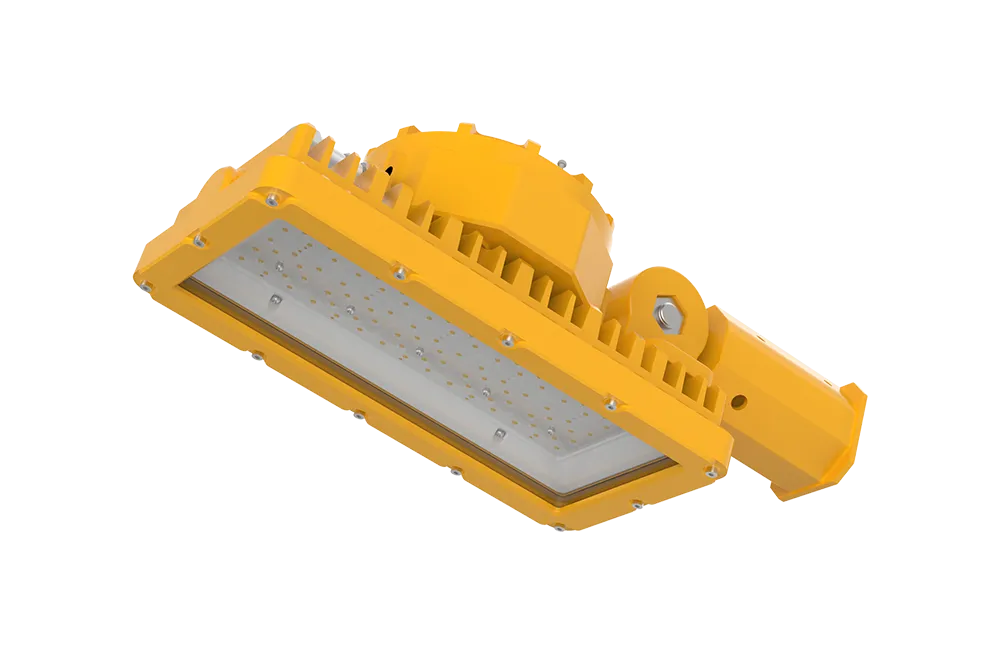
ATEX: Ex II 2G Ex db IIB T6/T5 GbEx II 2D Ex tb IIIC T80°C/ T95°C Db IECEx Ex db IIB T6 Gb;Ex tb IIIC T80°C Db Feature: ● For Zone 1,2 and Zone 21,22● Flameproof type, the strongest● 100W can replace 250W HID,energy saving● Power:60W,80W,100W Application: Oil and gas, marine, Chemical, pharmaceutical, semiconductor,mining,military industr…
View details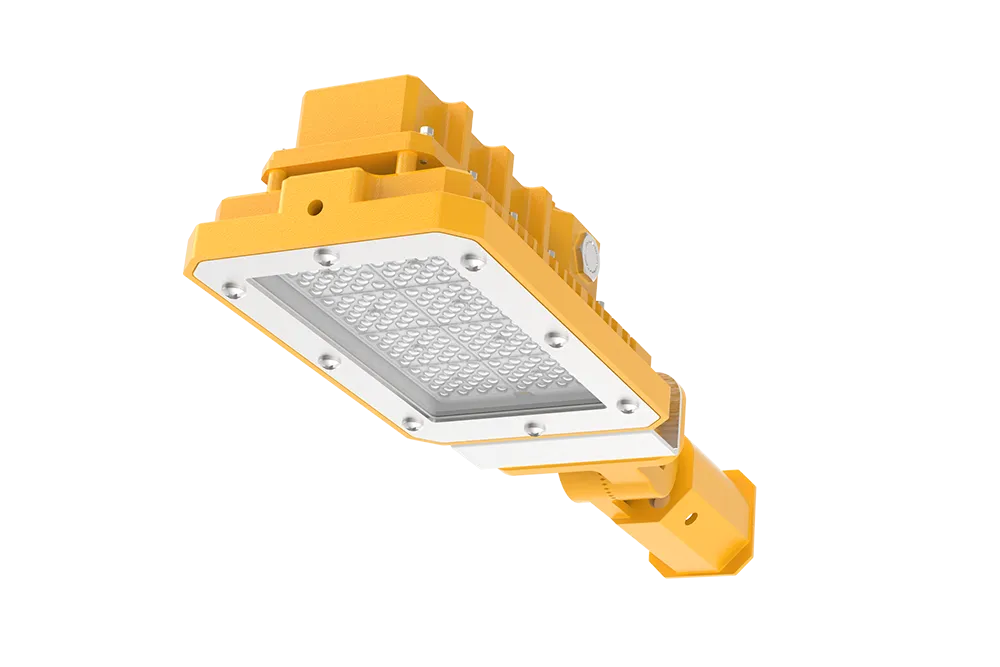
ATEX: II 3G Ex nR ⅡC T5/T6 GcII 3D Ex tc ⅢC T80℃/T95℃Dc ATEX Certificate NO: TÜV CY 26 ATEX 0207611 X Feature: ● For Zone 2 and Zone 22● 150W can replace 250W HID lamps,Energy saving● Power:50W,75W,100W,150W,200W Application: Oil and gas, marine, Chemical, pharmaceutical, semiconductor,mining,military industry, paint booth,power plant ETC…
View details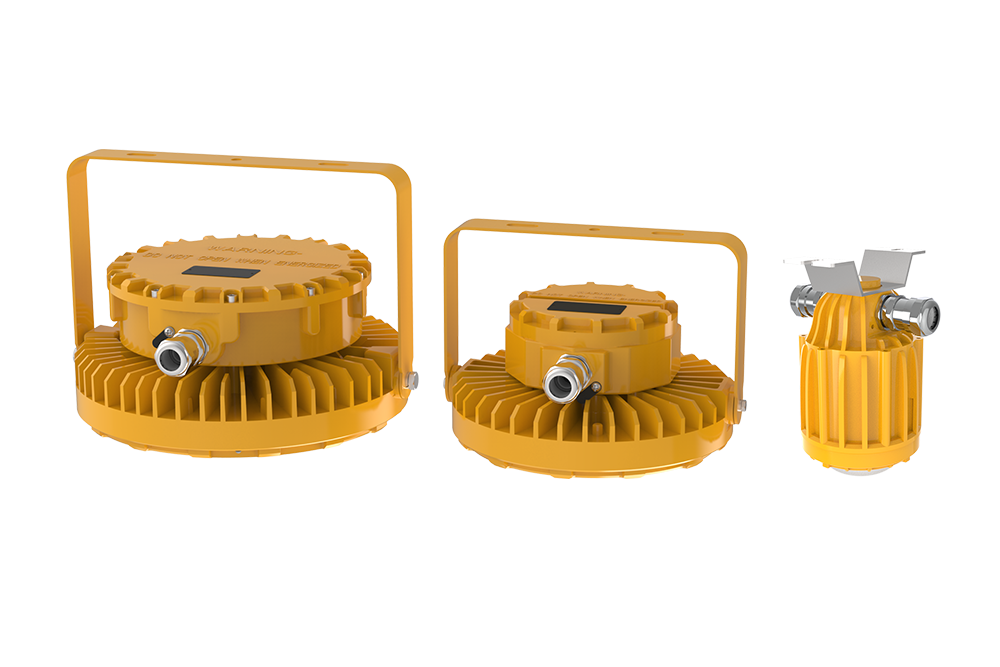
LED explosion proof high bay lights are designed for Zone 1, Zone 2, Zone 21 and Zone 22 hazardous areas. This page introduces the HB21 Series from SEEKING, including certifications, power options and real application considerations.
View details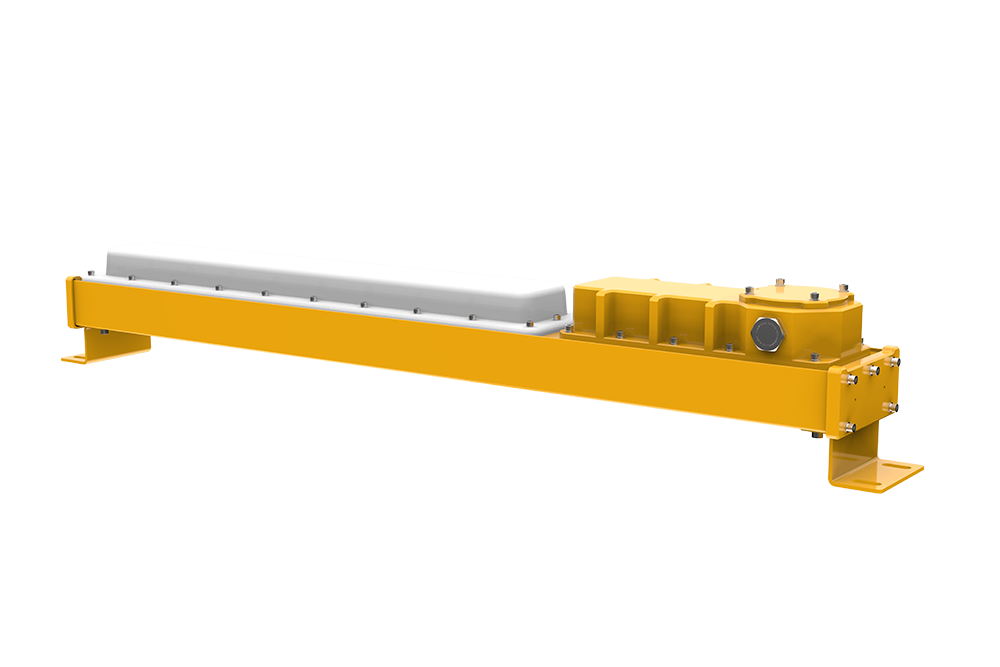
LED Linear Explosion Proof Lights from SEEKINGLED. LU Series Flame Proof lights ATEX-certified explosion proof LED linear lighting for Zone 2 gas and Zone 22 dust areas, IP69K, IK10, long lifetime and flexible power options.
View details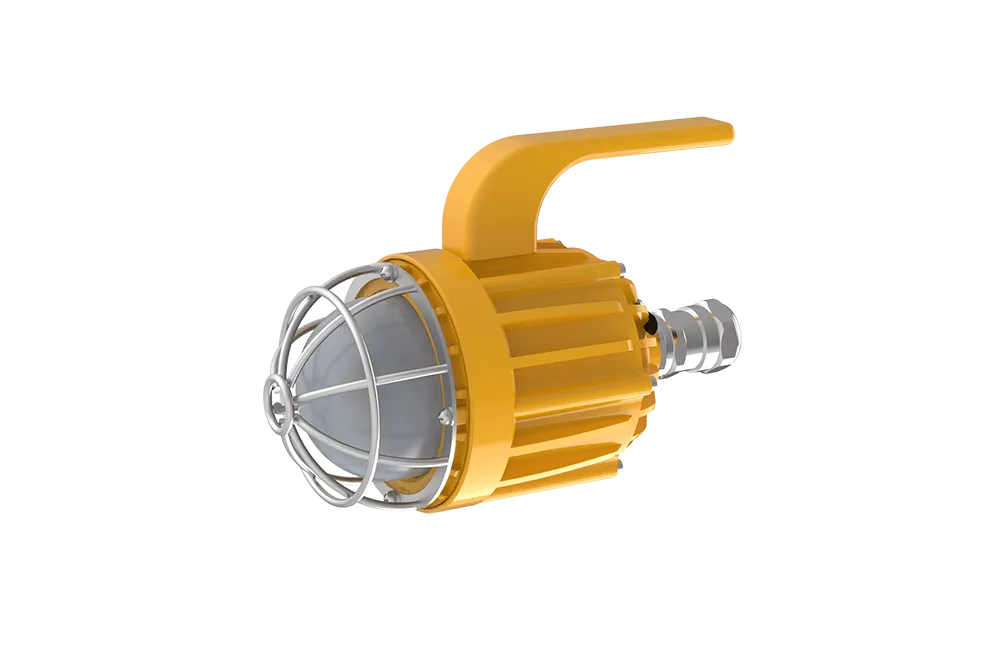
Certified explosion proof work lights for Zone 1 & 21 hazardous areas. Portable, ATEX & IECEx approved, built for oil, gas and chemical plants by SEEKINGLED.
View details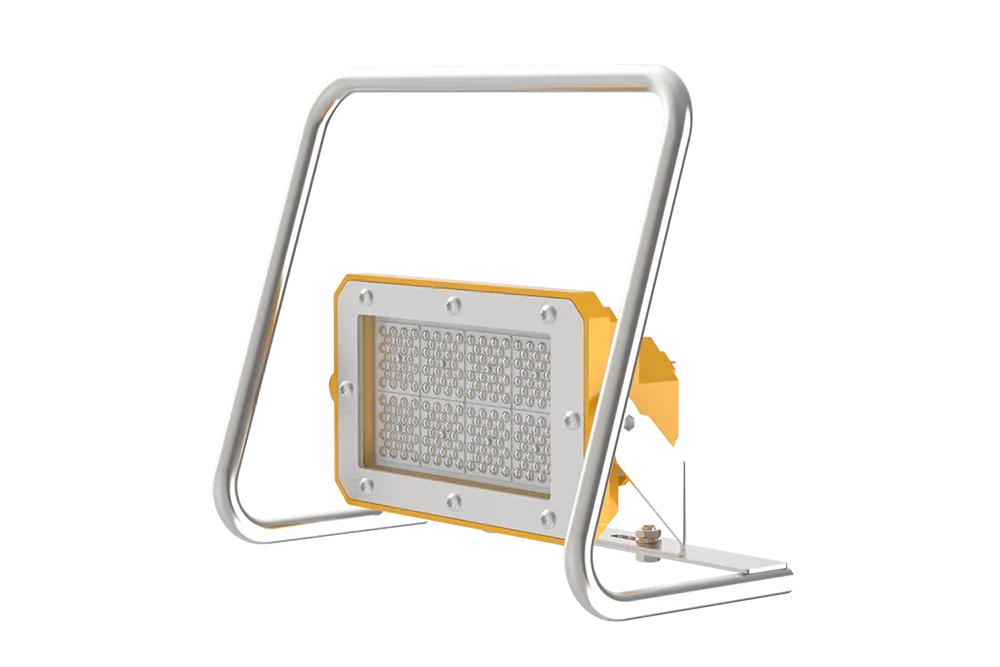
ATEX: II 3G Ex nR ⅡC T6 GcII 3D Ex tc ⅢC T80℃ Dc ATEX Certificate NO: TÜV CY 26 ATEX 0207611 X Feature: ● For Zone 2 and Zone 22● Accepts battery-powered supply● indestructible● Power:AC input:50W,75W,100WDC input:15W,25W,35W Application: Oil and gas, marine, Chemical, pharmaceutical, semiconductor,mining,military industry, paint booth,po…
View details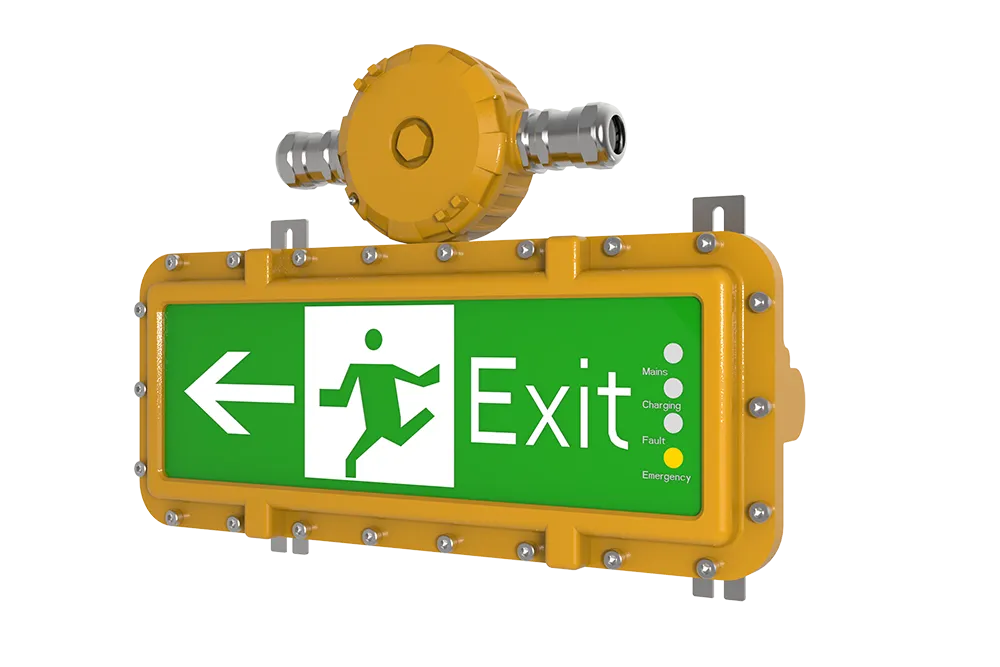
ATEX: Ex II 2G Ex db IIB T6 GbEx II 2D Ex tb IIIC T80°C Db IECEx Ex db IIB T6 Gb;Ex tb IIIC T80°C Db Feature: ● For Zone 1,2 and Zone 21,22● Flameproof type, the strongest Application: Oil and gas, marine, Chemical, pharmaceutical, semiconductor,mining,military industry, paint booth,power plant ETC hazardous area. Technical Specifications:…
View details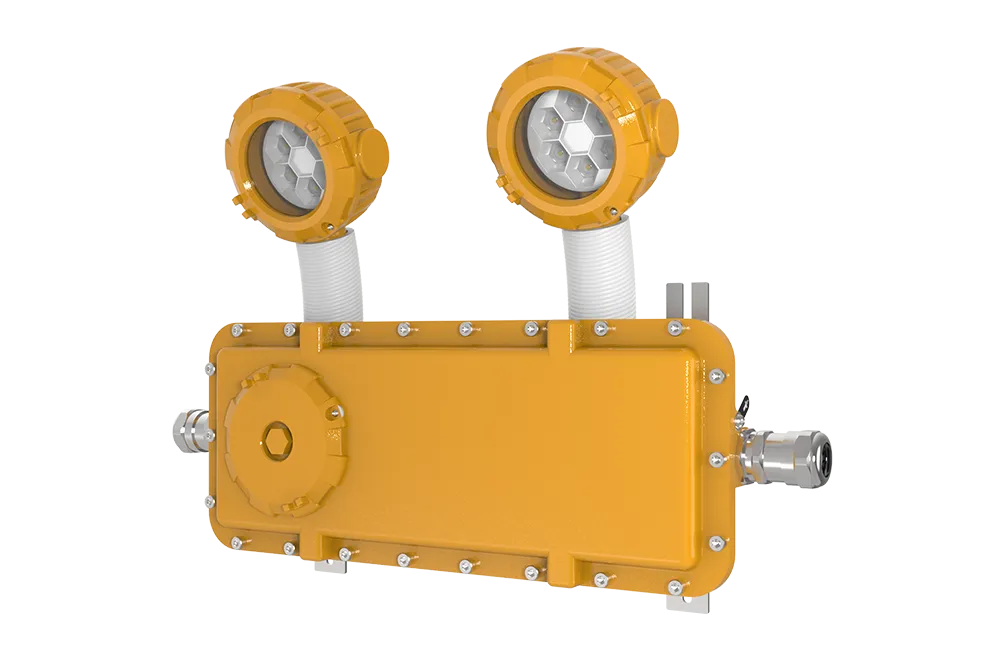
ATEX: Ex II 2G Ex db IIB T6 GbEx II 2D Ex tb IIIC T80°C Db IECEx Ex db IIB T6 Gb;Ex tb IIIC T80°C Db Feature: ● For Zone 1,2 and Zone 21,22● Flameproof type, the strongest Application: Oil and gas, marine, Chemical, pharmaceutical, semiconductor,mining,military industry, paint booth,power plant ETC hazardous area. Technical Specifications:…
View details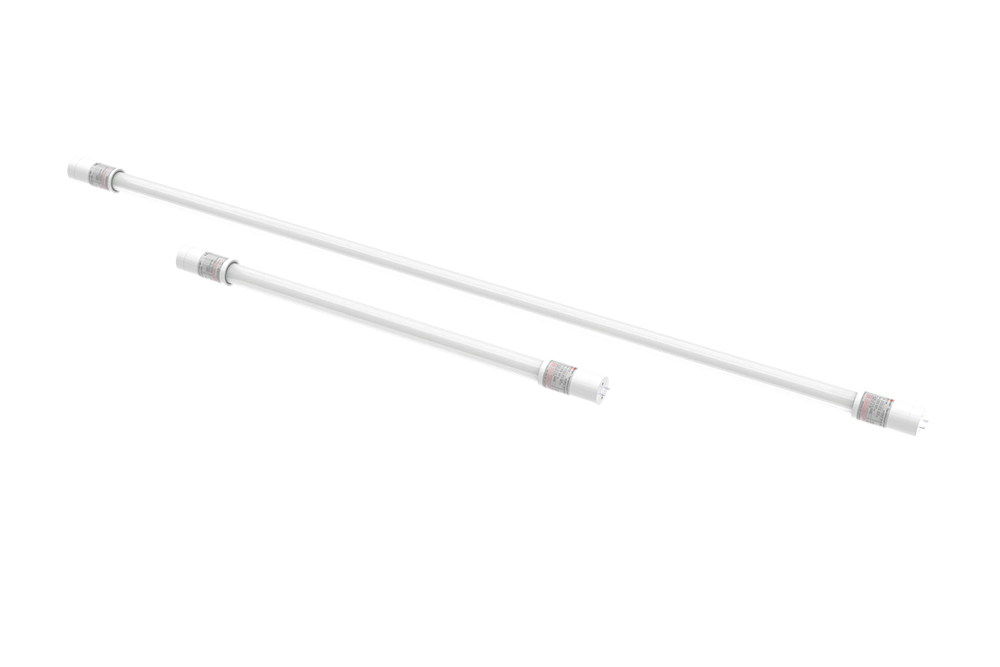
ATEX: Ex II 2G Ex d e IIB T6 Gb ATEX: Ex d e IIB T6 Gb; Feature: ● For Zone 1,2● 9W can replace 18W fluorescent lamps,50% Energy saving Application: Oil and gas, marine, Chemical, pharmaceutical, semiconductor,mining,military industry, paint booth,power plant ETC hazardous area. Technical Specifications: Standards:60079-0, 60079-1, 60079…
View details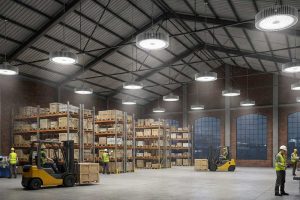
How long do LED high bay lights last in warehouses, factories, and gyms? This Q&A explains real lifespan, usage factors, and what affects LED high bay longevity.
View details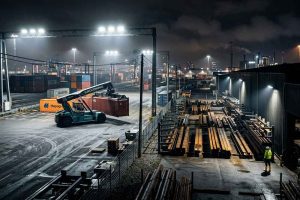
Floodlight vs spotlight—what really works on-site? Compare beam angles, lighting effects, and choose the right solution with SEEKINGLED professional lighting.
View details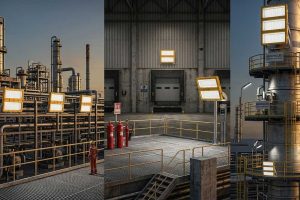
Explosion proof lamp ensures safe lighting in explosive environments. Learn standards, real-world insights, and expert selection tips from SEEKINGLED.
View details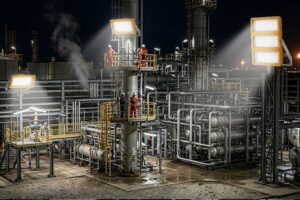
ATEX Zone 1 floodlight solutions provide certified illumination for hazardous gas environments. Learn certifications, performance, and real-world industrial applications.
View details