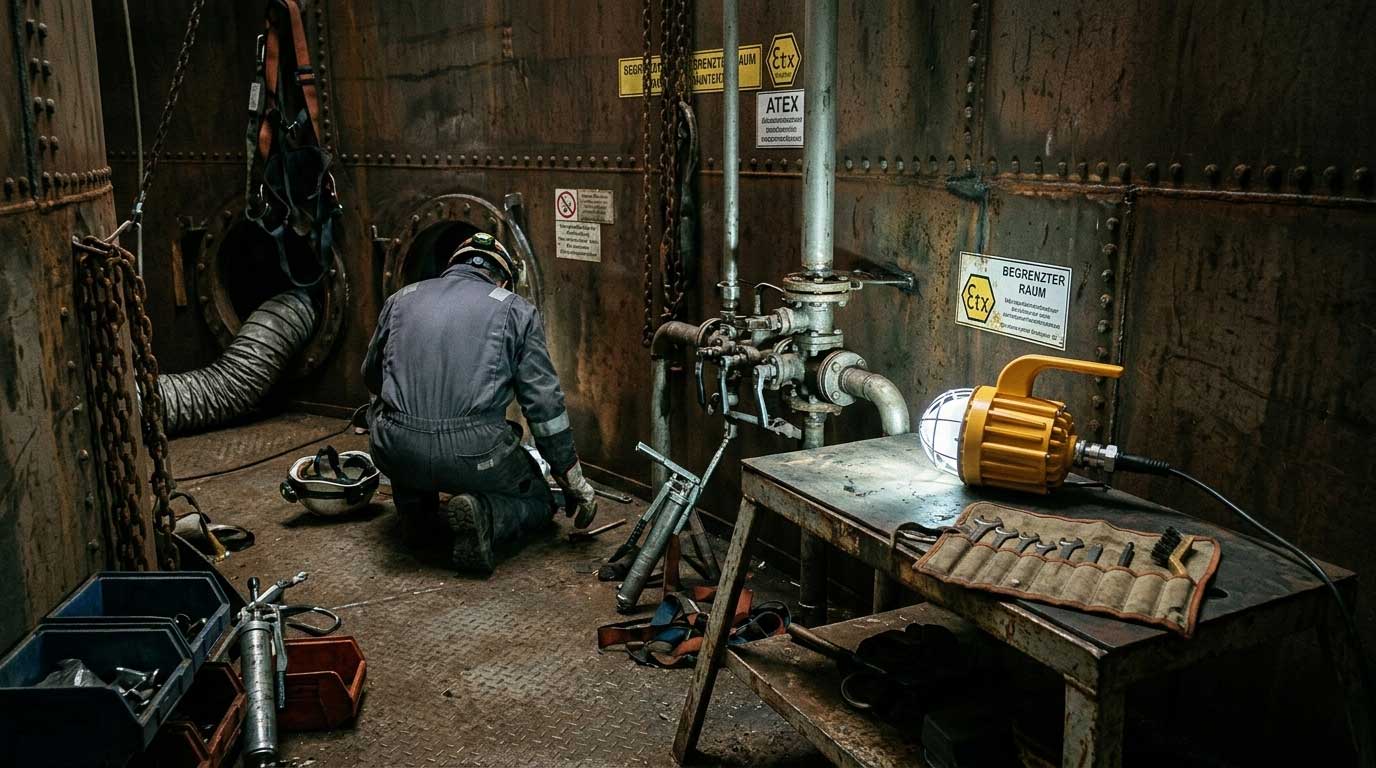
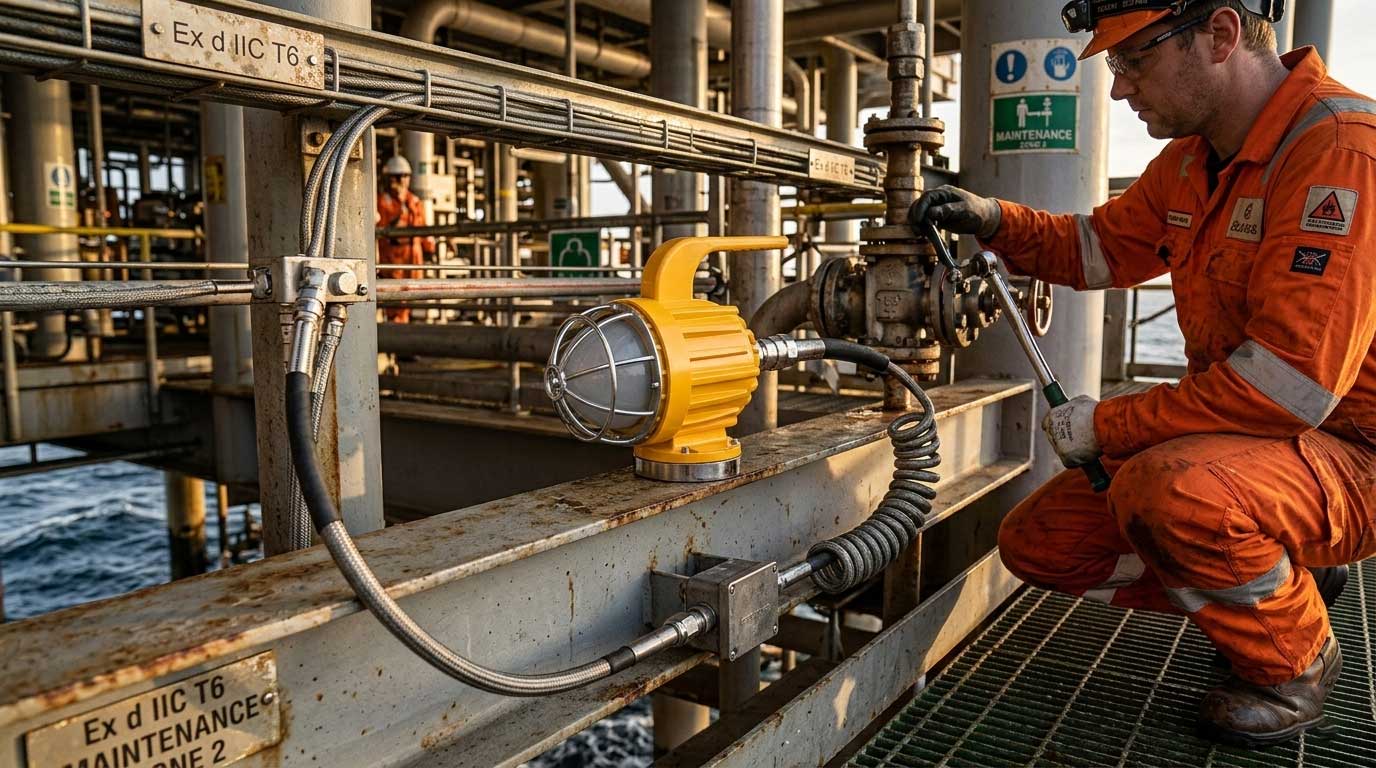
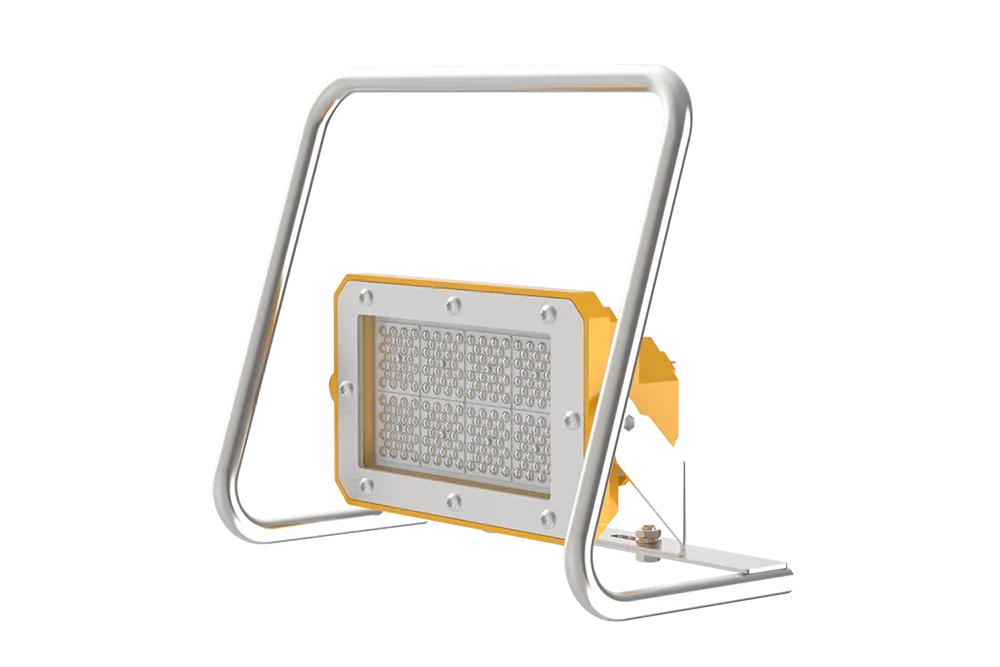
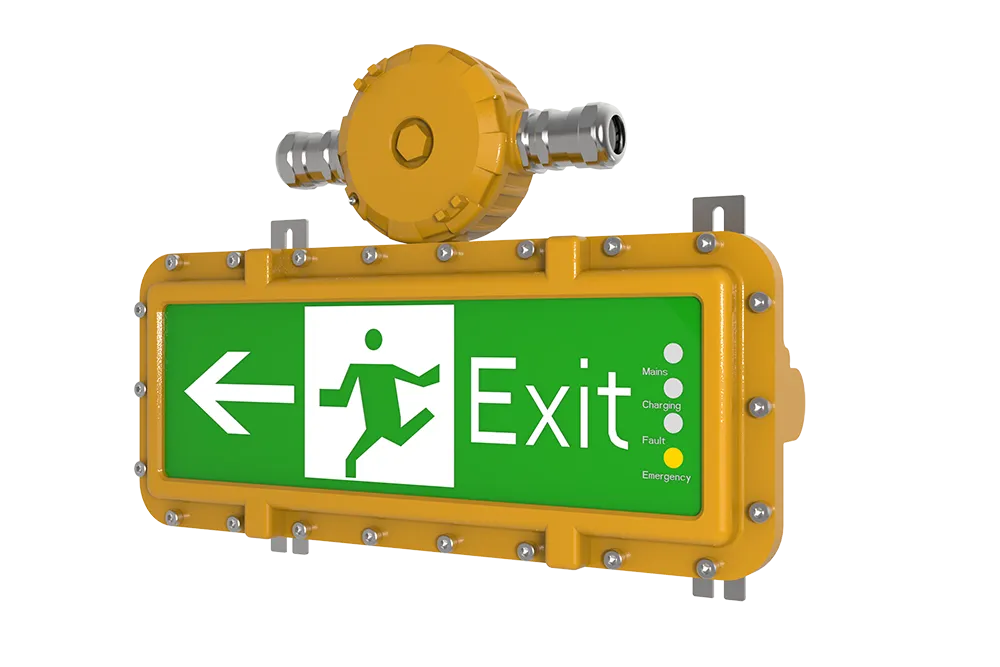
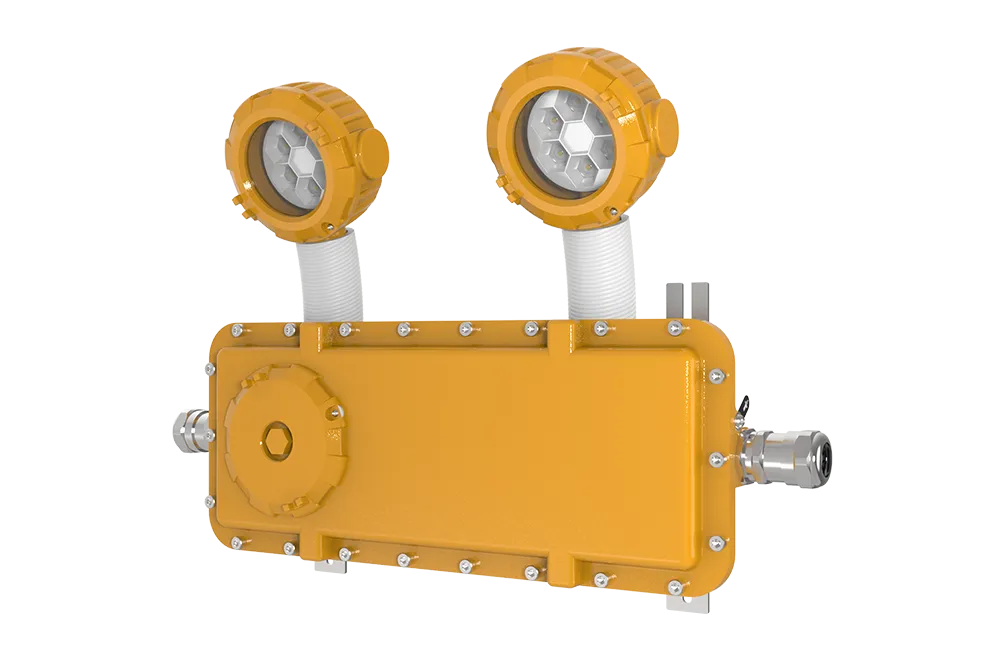
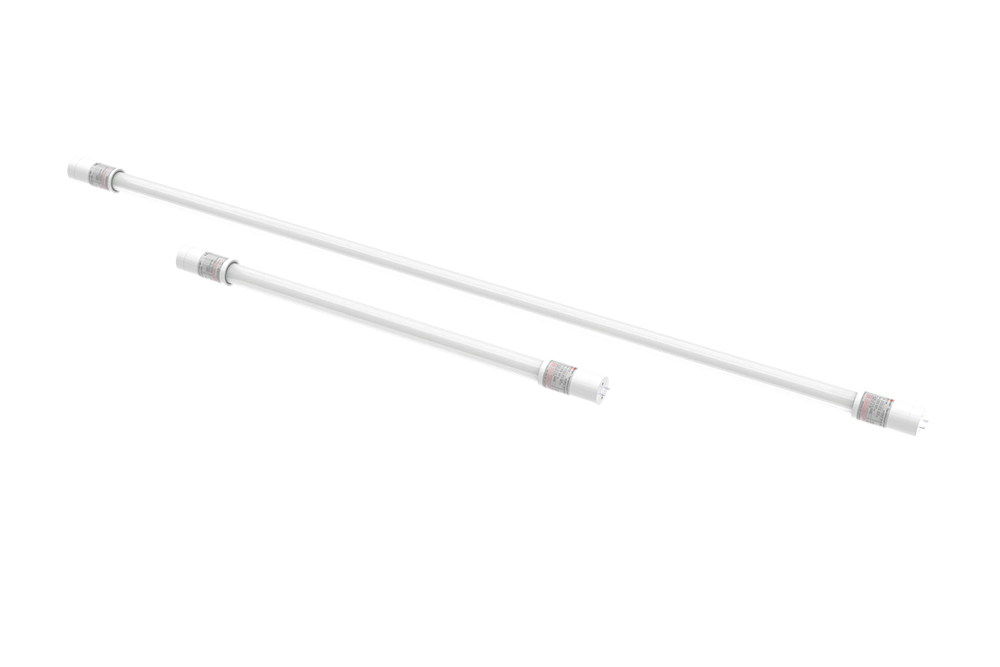
When engineers discuss fixed hazardous luminaires, the conversation usually revolves around mounting height and beam angles. But when we talk about portable explosion proof lighting, the focus changes completely. Now we are dealing with maintenance crews, confined spaces, temporary shutdowns and unpredictable working conditions.
I’ve spent over ten years working in hazardous area lighting engineering, supporting refinery retrofits and offshore projects. At SEEKINGLED, we design and manufacture portable explosion proof lighting systems specifically for real industrial use — not showroom demonstrations. Most of what I’ve learned about portable hazardous lights came from watching technicians use them in difficult places: inside vessels, under pipe racks, on vibrating offshore platforms.
Portable lighting fails fast if it is poorly designed.
Why Portable Explosion Proof Lighting Is Different
Fixed explosion-proof fixtures are mounted once and rarely touched. Portable explosion proof lighting, however, is moved, repositioned, occasionally dropped, and sometimes used in extremely tight areas.
According to standards issued by the International Electrotechnical Commission under IEC 60079, portable equipment used in hazardous atmospheres must meet the same explosion protection principles as fixed equipment. That includes proper enclosure design, temperature control and certification marking.
Zone classification still applies:
- Zone 1 / Zone 2 for gas
- Zone 21 / Zone 22 for dust
The mistake I see most often is assuming “temporary use” reduces risk. It does not. A spark from a portable device can ignite vapor just as easily as a fixed luminaire.
LED Efficiency and Thermal Stability
The U.S. Department of Energy reports that LED technology can reduce energy consumption by 50–70% compared to traditional HID systems in industrial environments. For portable explosion proof lighting, this efficiency brings two key benefits:
- Lower battery demand
- Reduced surface temperature
Lower surface temperature is critical for maintaining T-class compliance (for example, T6 ≤85°C). Portable units often operate closer to workers and flammable sources. Thermal control cannot be compromised.
At SEEKINGLED, we test portable units at full load under +55°C ambient conditions. The heat sink design must be effective even when the luminaire is mounted vertically, horizontally, or magnetically attached to steel.
Real usage is rarely ideal.
Practical Design Elements That Matter
From field experience, here’s what truly matters in portable explosion proof lighting:
- Balanced weight distribution: If the center of gravity is poor, the unit tips easily.
- Magnetic or hook mounting options: Hands-free operation is essential.
- Shock resistance (IK rating): Drops happen.
- Sealed cable entries or battery compartments: Dust intrusion destroys reliability.
On one offshore turnaround project, we observed technicians switching between AC-powered and battery-powered units depending on accessibility. Flexibility reduced downtime significantly.
A portable hazardous area light should adapt to the environment, not the other way around.
Battery vs AC: Engineering Considerations
Battery-powered portable explosion proof lighting is common in confined spaces where temporary power is unavailable. But battery selection must consider:
- Discharge curve stability
- Thermal behavior under load
- Charging safety
For AC-powered units, proper cable gland selection is critical. Hazardous area certification extends beyond the luminaire to the connection interface.
The International Energy Agency has emphasized that LED system longevity depends heavily on thermal management and electrical stability. Portable designs add mechanical stress to that equation.
Certification and Compliance
ATEX Directive 2014/34/EU and IECEx certification confirm compliance for hazardous areas globally. For North American projects, Class 1 Division 2 classifications also apply under NFPA 70.
Portable explosion proof lighting must clearly indicate:
- Protection concept (Ex d, Ex nR, etc.)
- Gas group compatibility
- Temperature class
- Ambient range
Missing or unclear marking leads to rejection during inspection.
At SEEKINGLED, we coordinate directly with certification bodies to ensure documentation aligns with product labeling. That level of traceability prevents delays during commissioning.
Final Thoughts from the Field
In my experience, portable explosion proof lighting is often underestimated. It is viewed as a “temporary accessory.” In reality, it is a frontline safety tool during shutdowns, inspections and emergency repairs.
A well-engineered portable explosion proof lighting solution improves visibility, reduces maintenance time and supports safe operation in hazardous areas. A poorly designed one becomes a liability.
At SEEKINGLED, we treat portable explosion proof lighting as critical infrastructure — engineered carefully, tested thoroughly, and built for the environments where safety margins matter most.
portable explosion proof lighting recommended
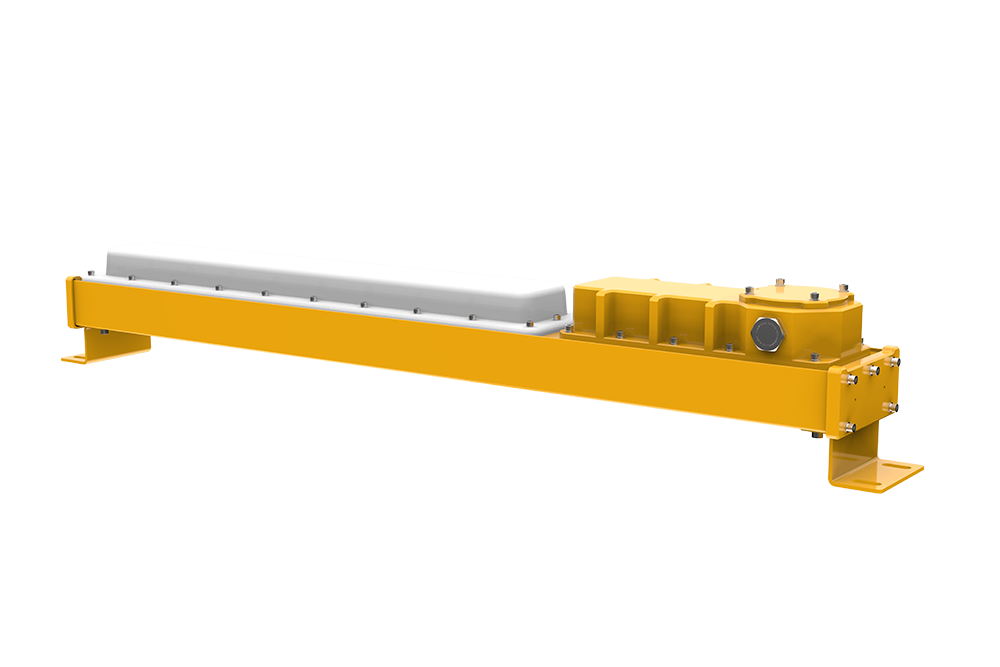
SEEKINGLED LED Linear Explosion Proof Light and Explosion Proof lighting is ATEX and IECEx certified for Zone 1, Zone 2, Zone 21 and Zone 22 hazardous locations, built for long-term industrial use.
LED Linear Explosion Proof Lights and EX Proof lights for Zone 1, Zone 2, Zone 21 and Zone 22 hazardous areas. ATEX & IECEx certified explosion proof LED linear lighting with emergency function, adjustable power and IP67 protection by SEEKINGLED.
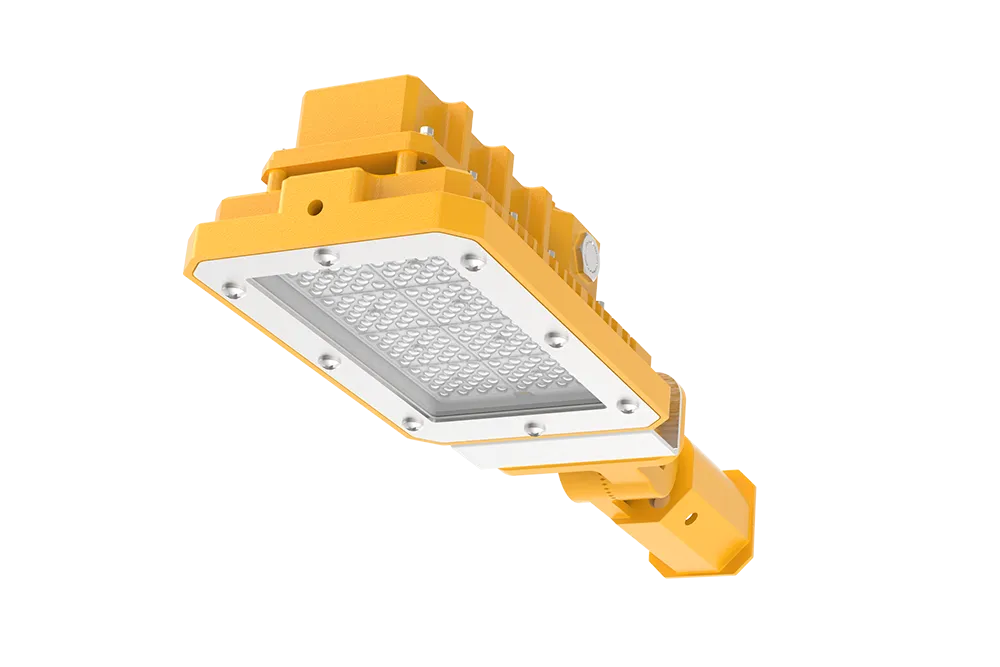
SEEKINGLED LED Explosion Proof Flood Lights are ATEX certified for Zone 2 and Zone 22 hazardous areas, offering high efficiency, adjustable power and integrated junction box.
SEEKINGLED LED Explosion Proof Flood Lights are flameproof ATEX and IECEx certified for Zone 1 and Zone 2 hazardous areas, offering high power, adjustable output and long service life.
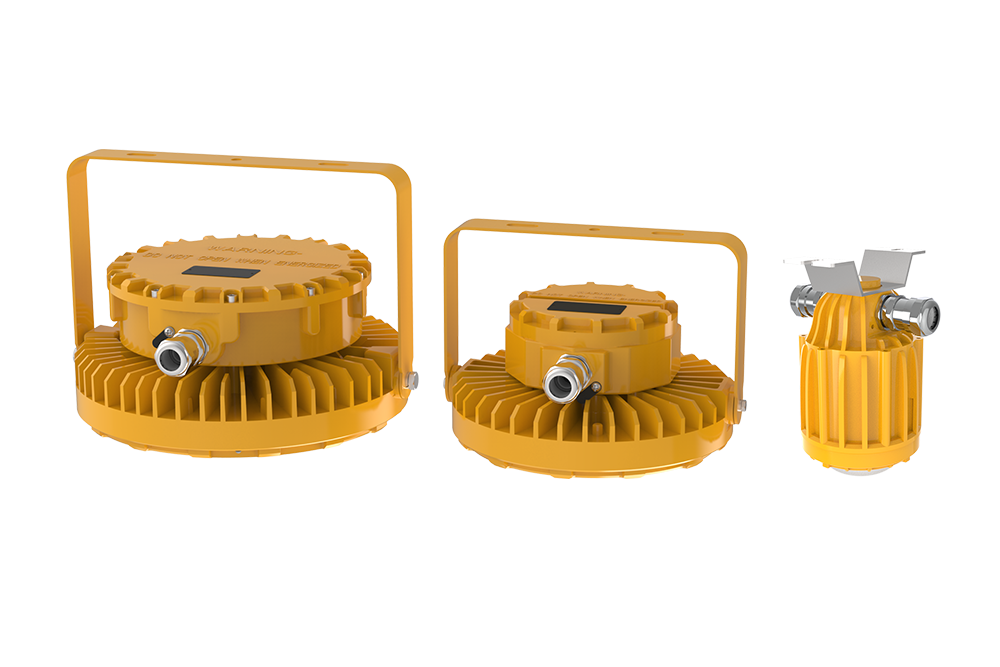
SEEKINGLED LED Gas Station Canopy Lights are ATEX certified for Zone 2 and Zone 22 hazardous areas, featuring adjustable power and built-in explosion-proof junction box.
ATEX: Ex II 2G Ex db IIB T6/T5 GbEx II 2D Ex tb IIIC T80°C/ T95°C Db IECEx Ex db IIB T6 Gb;Ex tb IIIC T80°C Db Feature: ● For Zone 1,2 and Zone 21,22● Flameproof type, the strongest● 100W can replace 250W HID,energy saving● Power:60W,80W,10…
ATEX: II 3G Ex nR ⅡC T5/T6 GcII 3D Ex tc ⅢC T80℃/T95℃Dc ATEX Certificate NO: TÜV CY 26 ATEX 0207611 X Feature: ● For Zone 2 and Zone 22● 150W can replace 250W HID lamps,Energy saving● Power:50W,75W,100W,150W,200W Application: Oil and gas, m…
LED explosion proof high bay lights are designed for Zone 1, Zone 2, Zone 21 and Zone 22 hazardous areas. This page introduces the HB21 Series from SEEKING, including certifications, power options and real application considerations.
LED Linear Explosion Proof Lights from SEEKINGLED. LU Series Flame Proof lights ATEX-certified explosion proof LED linear lighting for Zone 2 gas and Zone 22 dust areas, IP69K, IK10, long lifetime and flexible power options.
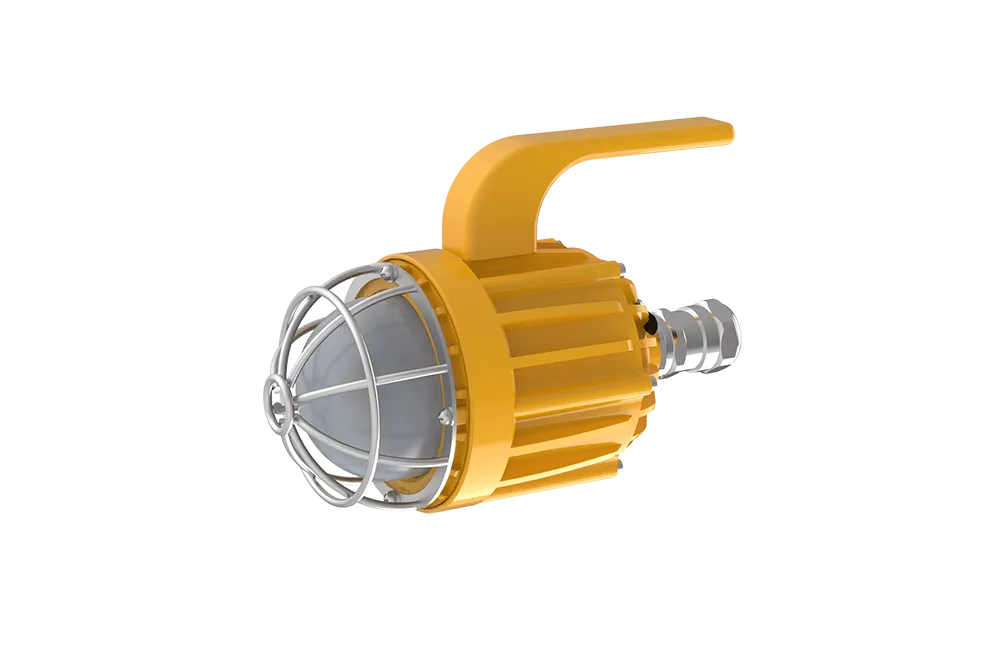
Certified explosion proof work lights for Zone 1 & 21 hazardous areas. Portable, ATEX & IECEx approved, built for oil, gas and chemical plants by SEEKINGLED.
ATEX: II 3G Ex nR ⅡC T6 GcII 3D Ex tc ⅢC T80℃ Dc ATEX Certificate NO: TÜV CY 26 ATEX 0207611 X Feature: ● For Zone 2 and Zone 22● Accepts battery-powered supply● indestructible● Power:AC input:50W,75W,100WDC input:15W,25W,35W Application: O…
ATEX: Ex II 2G Ex db IIB T6 GbEx II 2D Ex tb IIIC T80°C Db IECEx Ex db IIB T6 Gb;Ex tb IIIC T80°C Db Feature: ● For Zone 1,2 and Zone 21,22● Flameproof type, the strongest Application: Oil and gas, marine, Chemical, pharmaceutical, semicondu…
ATEX: Ex II 2G Ex db IIB T6 GbEx II 2D Ex tb IIIC T80°C Db IECEx Ex db IIB T6 Gb;Ex tb IIIC T80°C Db Feature: ● For Zone 1,2 and Zone 21,22● Flameproof type, the strongest Application: Oil and gas, marine, Chemical, pharmaceutical, semicondu…
ATEX: Ex II 2G Ex d e IIB T6 Gb ATEX: Ex d e IIB T6 Gb; Feature: ● For Zone 1,2● 9W can replace 18W fluorescent lamps,50% Energy saving Application: Oil and gas, marine, Chemical, pharmaceutical, semiconductor,mining,military industry, pain…
loading…
This is the last post!
 Seeking LED