How to Match T-Code (Temperature Class) with On-Site Gases in the NEC Class/Division System
In the North American NEC system, the T-Code is a critical safety parameter for explosion-proof equipment. It defines the maximum surface temperature the equipment can reach, which must be lower than the auto-ignition temperature (AIT) of the hazardous gases present.
1.T-Code Table (NEC)
T-CodeMax Surface TemperatureSuitable AIT RangeCommon Gas ExamplesT1≤ 450°C> 450°CHydrogen, AcetyleneT2≤ 300°C> 300°CEthanol, PropaneT3≤ 200°C> 200°CGasoline, DieselT4≤ 135°C> 135°CDiethyl ether (most common)T5≤ 100°C> 100°CCarbon disulfideT6≤ 85°C> 85°CHighly sensitive gases
(NEC also has sub-ratings like T2A, T3B, T4A for finer matching.)
2.How to Match T-Code with On-Site Gases (Practical Steps)
Identify Class and Group first
Confirm it is Class I (gases) and the specific Group (A, B, C, or D).
Find the Auto-Ignition Temperature (AIT) of the gas
Check the Material Safety Data Sheet (MSDS/SDS) or NFPA 497 tables.
Matching Rules:
Equipment’s maximum surface temperature must be lower than the gas AIT.
Recommend a safety margin of at least 20°C.
When multiple gases are present, use the lowest AIT.
3.Practical Matching Examples
GasAIT (approx.)Recommended T-CodeNotesHydrogen560°CT1 ~ T4 (commonly T4)Very commonNatural Gas/Propane450–540°CT1 ~ T4CommonGasoline Vapor280°CT3 or lowerGas stationsDiethyl Ether160°CT4 or lowerCareful selectionCarbon Disulfide90°CT6Very strict
4.Equipment Marking Example
Class I, Division 1, Group B, T4
→ Suitable for Class I Group B gases, maximum surface temperature ≤ 135°C.
5.Key Notes
T-Code is mandatory and must appear on the equipment nameplate.
T4 is the most commonly used rating in oil & gas and chemical industries.
For high ambient temperatures (>40°C), use de-rated or specially certified
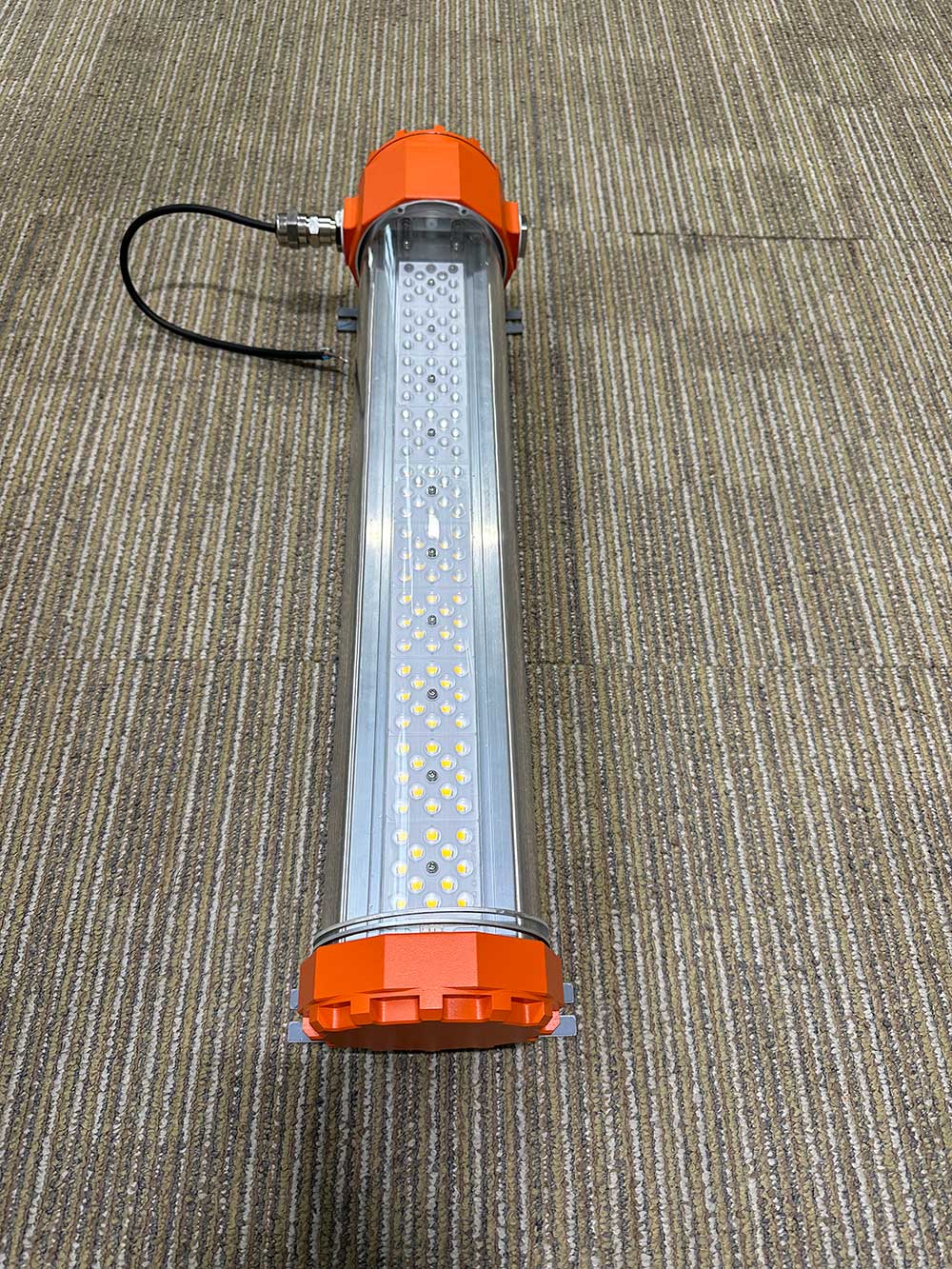
details:https://seekingled.com/lo-series-led-linear-explosion-proof-lights
Product Video: https://youtube.com/shorts/nUjB5WcywmM
SEEKINGLED | Zone 1 & Zone 2 Explosion Proof LED Lights
📩 sales01@seekingled.com
📱 WhatsApp: +86 134 1860 0102
 Seeking LED