 Seeking LED
How to Wire High Bay LED Lights?
452Learn how to wire high bay LED lights safely in warehouses and factories. This guide explains power wiring, grounding, dimming lines, and common mistakes during installation.
View detailsSearch the whole station
Do LED flood lights attract bugs? Yes, LED flood lights can attract insects, but they generally attract fewer insects than some traditional light sources. The number of bugs depends on the light spectrum, brightness, placement, insect species, and surrounding environment. Choosing the right LED floodlight can reduce insect activity around entrances, patios, warehouses, and outdoor work areas.
Many nocturnal insects respond to artificial light, although different species react differently to specific wavelengths. Shorter wavelengths, including ultraviolet and blue light, are particularly attractive to many insect groups.
LED technology can help because many general-purpose white LEDs emit little ultraviolet radiation compared with some traditional light sources. However, LED does not automatically mean insect-free.
A peer-reviewed study published in Ecology and Evolution in 2016 compared four commercially available household lights: one tungsten incandescent lamp, one compact fluorescent lamp, one cool-white LED, and one warm-white LED. Researchers found that the tested LEDs attracted significantly fewer aerial insects than the other light sources. However, the study found no significant difference between the warm-white and cool-white LEDs tested. Results therefore depend on the actual lamp spectrum, not simply its color label. Read the research on PubMed.
For commercial lighting, this means a high-efficiency LED floodlight may reduce insect attraction compared with certain alternatives, but its spectral characteristics and installation still matter.
Color temperature, measured in kelvins (K), describes the appearance of white light. It does not fully describe the wavelengths emitted by a lamp, so two products with similar color temperatures may attract different numbers of insects.
| Light type | Potential insect attraction | Practical guidance |
|---|---|---|
| Warm-white LED | Often a useful choice for reducing attraction | Consider for entrances and outdoor areas |
| Cool-white LED | May attract more insects in some settings | Check spectrum and lighting requirements |
| UV-rich lighting | Can attract many nocturnal insects | Avoid where insect attraction is unwanted |
| Amber or yellow lighting | Often reduces attraction for many species | Consider where color accuracy is less important |
Research by Longcore and colleagues, published in Philosophical Transactions of the Royal Society B in 2015, showed that researchers could adjust the spectral output of white LEDs to reduce attraction of nocturnal arthropods. Importantly, their customized LEDs attracted fewer invertebrates than commercial lamps with similar color temperatures. This demonstrates why spectrum matters beyond the warm-white or cool-white label. Read the full study on PubMed Central.
Not in every situation. Warm-white lighting is a practical starting point, but insect response varies by species and location. For industrial facilities, lighting selection must also meet visibility, color recognition, and workplace safety requirements. Reducing insect attraction should not compromise safe illumination.
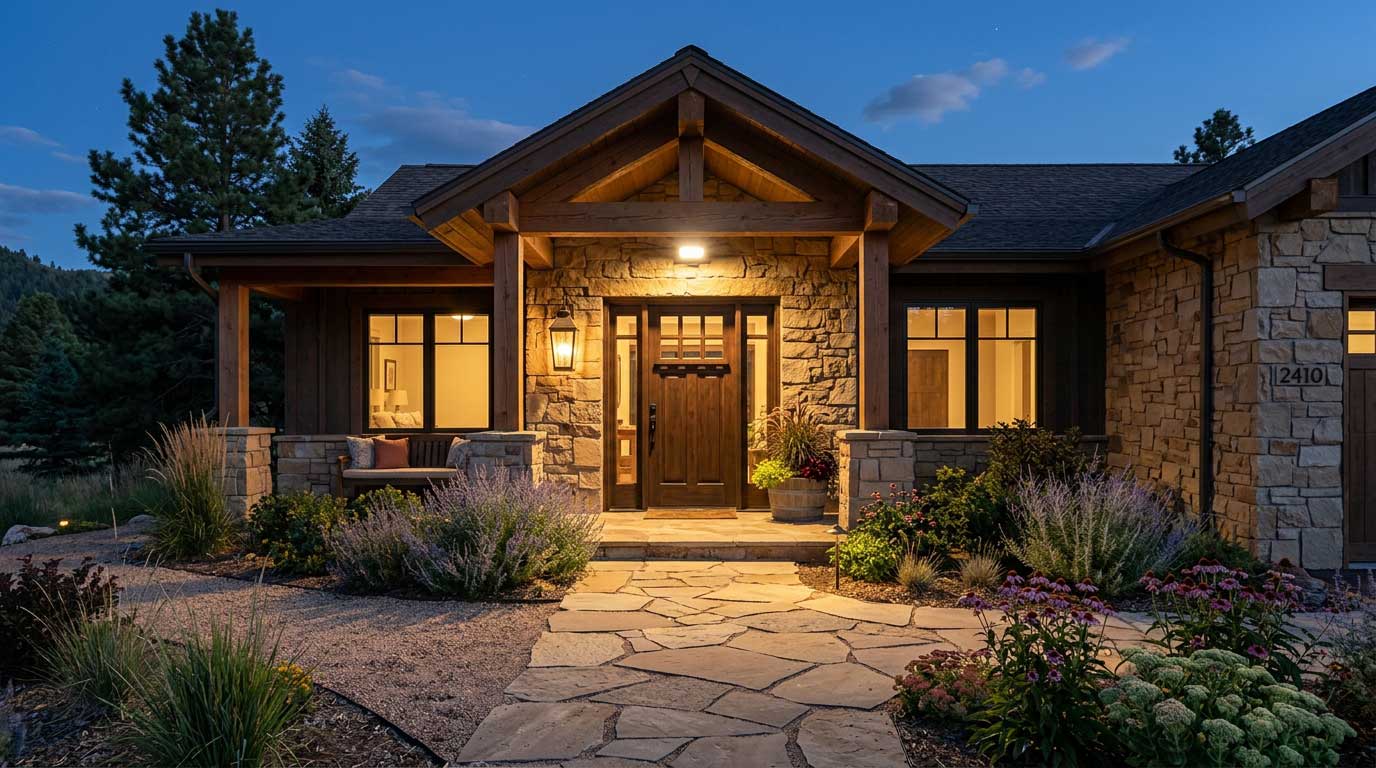
Even a carefully selected LED floodlight can attract insects when it is bright, exposed, or surrounded by vegetation. Installation choices can make a noticeable difference.
For example, a floodlight mounted above a warehouse door may illuminate the entire wall and nearby landscaping if it is aimed too broadly. A properly aimed fixture can concentrate light on the access route instead, improving useful visibility without unnecessarily lighting the surrounding area.
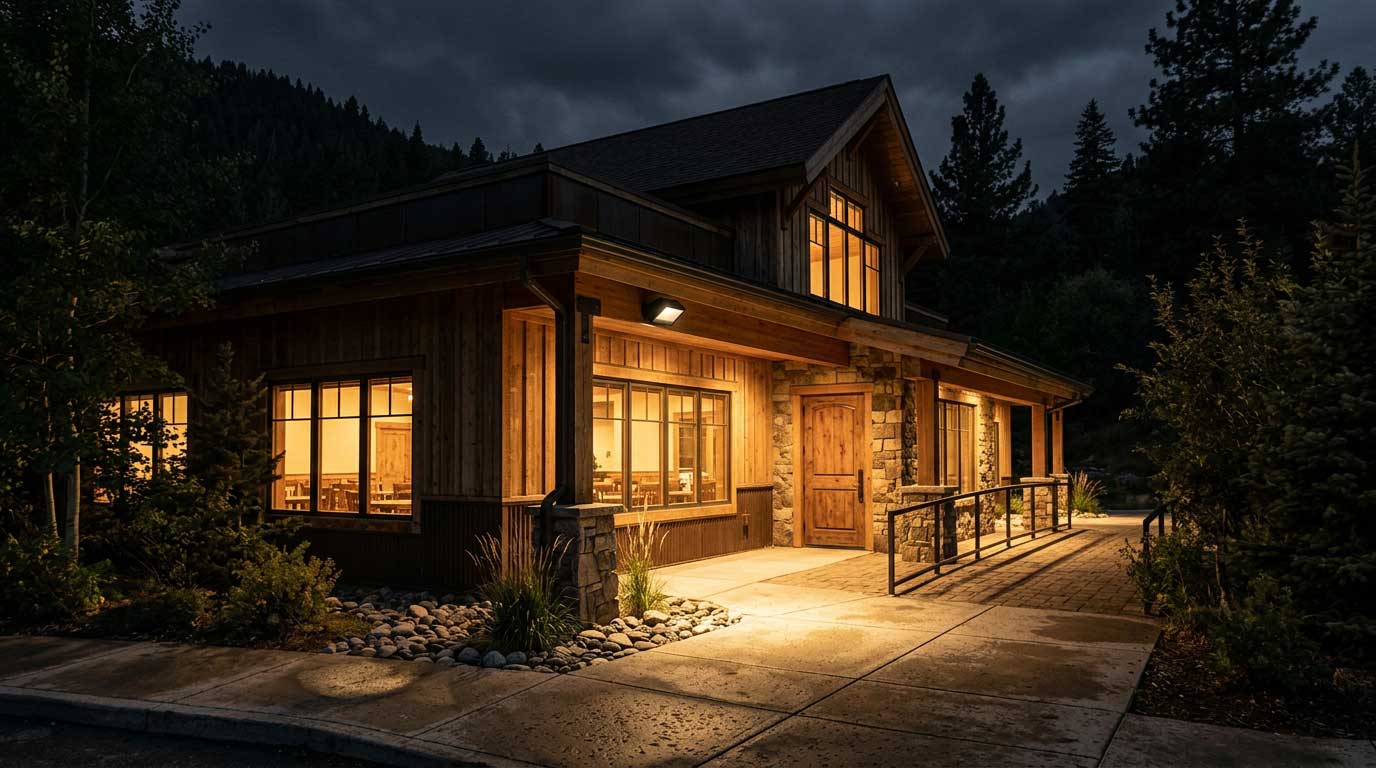
Often, yes. Research has found that tested LEDs attracted fewer aerial insects than certain incandescent and compact fluorescent lamps, although results vary by product and insect species.
Warm-white or amber lighting is a reasonable starting point. However, the lamp’s actual spectrum and local insect species affect the result.
Brightness can influence insect exposure and attraction, but it is not the only factor. Spectrum, location, and species also matter.
They can reduce the time a light stays on, potentially reducing unnecessary nighttime illumination. They do not guarantee that insects will never gather around the fixture.
No. Yellow or amber lighting may attract fewer insects in some situations, but no ordinary outdoor light can guarantee zero insect attraction.
Some mosquitoes may respond to artificial light, but their behavior also depends on species and environmental conditions. Light color alone is not a reliable mosquito-control method.
Yes. Use suitable light output, careful aiming, shielding, and automatic controls. Select the light spectrum according to the site’s visibility and safety requirements.
Do LED flood lights attract bugs? Yes, but the level of attraction depends on the emitted spectrum, brightness, placement, and local insect activity. For outdoor and industrial projects, SEEKINGLED recommends choosing suitable LED lighting, directing illumination where it is needed, and avoiding unnecessary nighttime light spill.
Author and technical review: SEEKINGLED Lighting Technical Team. This guide summarizes published lighting research and general outdoor lighting practices. Actual insect attraction varies by fixture and environment; product selection should also satisfy the project’s illumination and safety requirements.
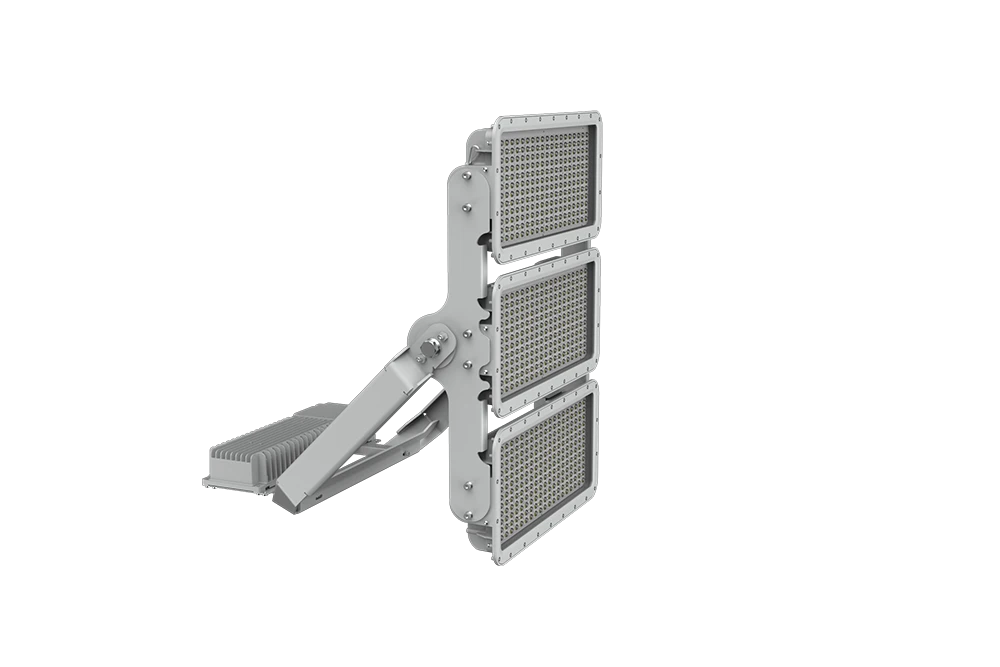
Sports Stadium LED Lighting by SEEKINGLED delivers high mast illumination, precise beam control, and EN 12193 compliant performance for professional venues.
View details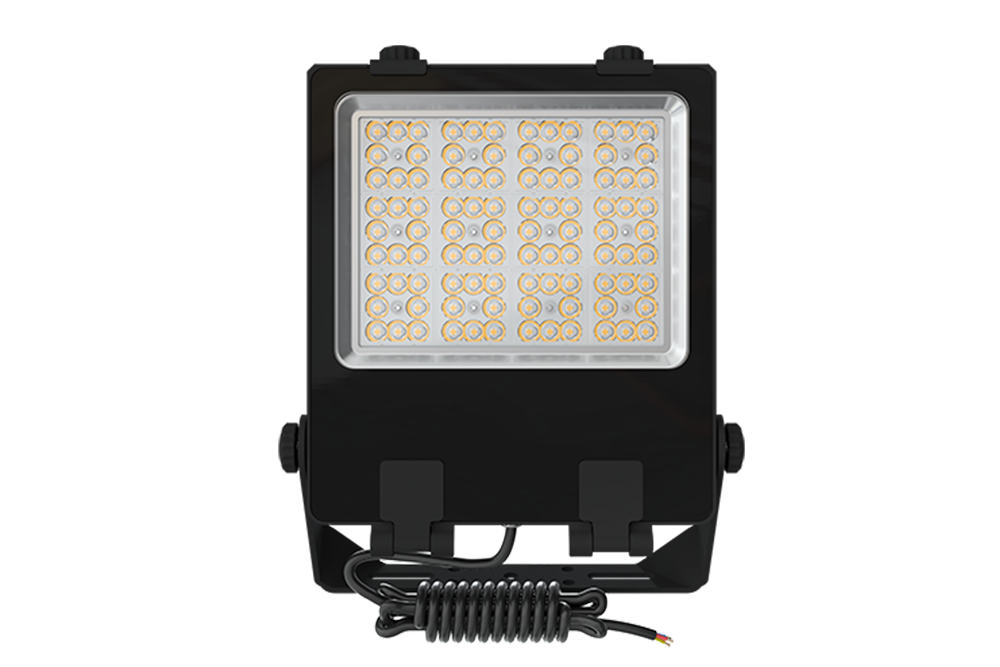
SEEKING FLX Series LED flood light outdoor for sports courts and open-area projects with 170lm/W efficiency, IP66 protection and multiple beam distributions. Designed for long-life commercial and public outdoor use.
View details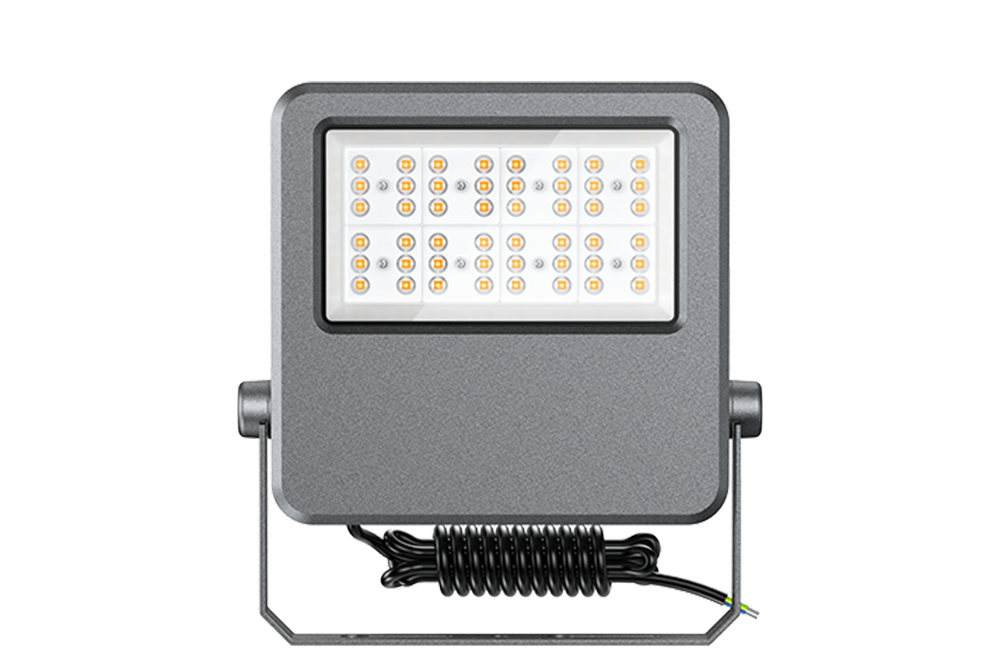
SEEKING FLE Series LED outdoor flood lights for sports grounds and open areas with multiple beam angles, IP66 protection and up to 170lm/W. Designed for long-life outdoor installations with professional driver options.
View details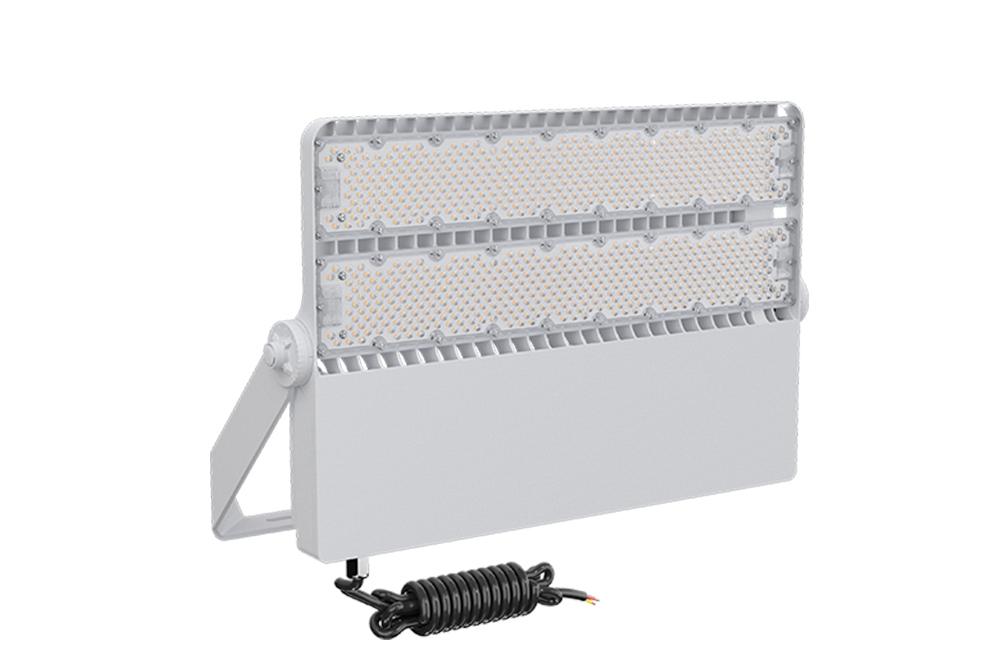
SEEKING FLD Series outdoor LED flood lights and high power led flood light deliver up to 960W with precision beam angles for sports fields, stadiums and large outdoor areas. IK08 & IP66 protection, 170lm/W efficiency and 100,000h lifetime.
View details
Learn how to wire high bay LED lights safely in warehouses and factories. This guide explains power wiring, grounding, dimming lines, and common mistakes during installation.
View details
100 watt LED flood light delivers high brightness with low energy cost. Discover real-world performance, installation tips, and expert insights for outdoor lighting with SEEKINGLED.
View details
Do LED lights get hot? Learn how much heat LED lights produce, where the heat goes, and whether LED lights are safe to touch in home and commercial lighting applications.
View details
What Are Hazardous Area Floodlights? Learn how explosion-proof floodlights protect oil, gas, marine, and chemical facilities with certified hazardous-area safety.
View details