 Seeking LED
How to Choose LED High Bay Optics by Ceiling Height—What Actually Works in Warehouses
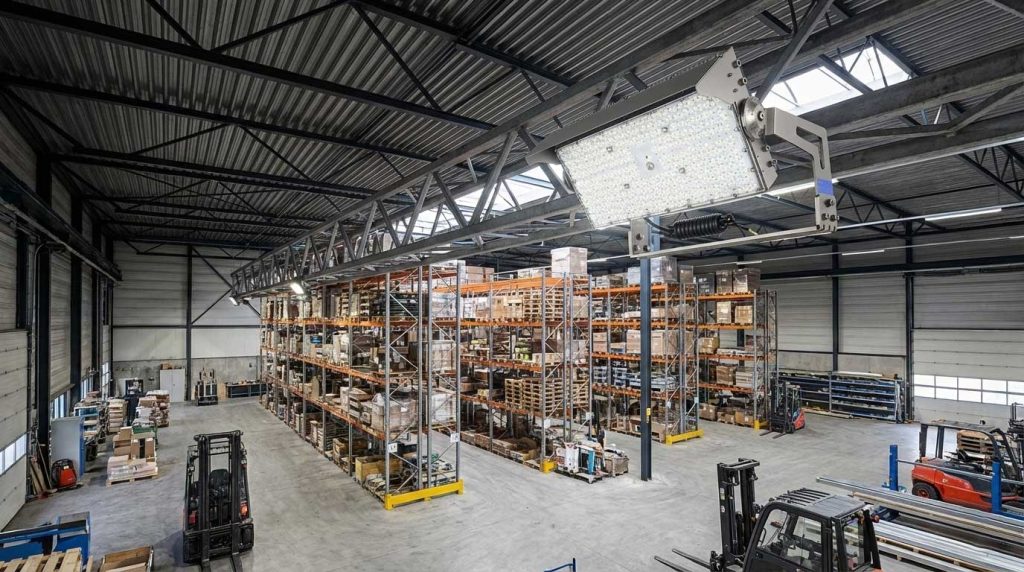
179How to choose LED high bay optics by ceiling height without guesswork. Real warehouse rules for beam angle, glare control, and usable light.
View detailsSearch the whole station
Question:
Do LED lights get hot, and are they safe to use for long periods of time?
Answer:
Yes, LED lights do get hot, but not in the same way traditional bulbs do. Unlike incandescent or halogen lights that release heat forward through the bulb surface, LEDs generate heat at the base and internal components, then move it away through heat sinks and housing structures.
In normal operation, most LED lights feel warm rather than hot, and they are generally safe to touch for short periods. This controlled heat behavior is one of the reasons LEDs are widely used in homes, offices, and industrial spaces.
If you’re wondering how hot do LED lights get, the answer depends on design and usage:
Brands like SEEKING focus heavily on thermal management, using aluminum housings and optimized airflow to keep surface temperatures stable, even during extended operation.
Compared to traditional lighting, LED lights do not get hot to the touch in most cases. You won’t experience the sharp heat common with incandescent bulbs. That said, high-power LEDs used in warehouses or outdoor lighting may feel warm after running for several hours.
This is normal and does not indicate a safety issue, as long as the fixture is installed correctly and rated for its environment.
A common concern is are LED lights hot enough to cause fires?
The short answer: very rarely.
LED lights operate at much lower surface temperatures than older technologies. When used with proper drivers, wiring, and ventilation, LEDs are among the safest lighting options available today.
Problems usually arise only when:
Even though LEDs run cooler, heat still affects performance. Excessive internal heat can shorten lifespan and reduce brightness over time. That’s why commercial LED lighting emphasizes heat dissipation design as much as light output.
A properly cooled LED doesn’t just run safer—it lasts longer and performs more consistently.
So, do LED lights get hot? Yes—but far less than traditional bulbs, and in a much safer, more controlled way. With quality design and correct installation, LED heat is rarely a problem and often a sign of efficient energy conversion rather than waste.

How to choose LED high bay optics by ceiling height without guesswork. Real warehouse rules for beam angle, glare control, and usable light.
View details
How high to mount high bay LED lights for proper coverage and efficiency? This guide explains mounting height ranges, spacing logic, and real-world installation tips from SEEKINGLED projects.
View details
explosion-proof flashlights provide safe portable lighting for hazardous environments. Learn certifications, industrial applications, and field insights from SEEKINGLED.
View details
Paint booth light fixtures ensure safe, shadow-free illumination in hazardous spray areas. Learn standards, materials, and real-world selection tips.
View details