 Seeking LED
What is an explosion proof linear light?
0What is an explosion proof linear light? Learn how hazardous area linear fixtures work, where they are used, and why ATEX-certified LED lighting matters.
View detailsSearch the whole station
What Are Hazardous Area Floodlights?
Hazardous area floodlights are certified industrial lighting fixtures engineered for explosive or flammable environments where gases, vapors, dust, or fibers may ignite under normal operating conditions. These floodlights safely contain sparks, heat, and electrical faults to prevent industrial explosions.
That definition sounds clinical on paper. In reality, hazardous area floodlights exist because ordinary lighting has failed in dangerous places before.
Several years ago, during a petrochemical maintenance shutdown, I watched an operations manager reject an entire shipment of imported LED floodlights before they were even unboxed. His reasoning was blunt: “If the housing cracks after two monsoon seasons, certification means nothing.”
That stuck with me. In hazardous facilities, lighting is judged less by brightness charts and more by whether it survives corrosion, vibration, heat, salt, and human error without becoming an ignition source.
In hazardous industrial zones, explosive atmospheres can form from:
A normal floodlight may produce:
Inside a refinery or gas plant, even a small ignition source can trigger a chain reaction.
According to the U.S. Chemical Safety and Hazard Investigation Board (CSB), ignition of flammable gases and vapors remains a recurring cause of industrial accidents across oil, chemical, and manufacturing sectors.
Source: https://www.csb.gov/
Hazardous area floodlights are designed specifically to prevent those ignition events from escaping into the surrounding atmosphere.
This is where many online product listings become misleading.
A waterproof LED floodlight is not automatically hazardous-area certified.
A true hazardous area floodlight must pass strict testing standards for explosive atmospheres.
| Certification | Region | Application |
|---|---|---|
| ATEX | Europe | Explosive gas and dust zones |
| IECEx | International | Global hazardous-area compliance |
| UL844 | North America | Hazardous location lighting |
| Class 1 Div 1 | USA/Canada | Gas and vapor hazards |
| Class 1 Div 2 | USA/Canada | Abnormal hazardous conditions |
Real certification testing evaluates:
That last one matters more than many buyers realize.
I’ve inspected fixtures in coastal terminals where salt buildup gradually destroyed cable entries within three years. The LEDs still worked. The sealing system didn’t.
And once sealing integrity disappears, hazardous-area protection disappears with it.
This is still the largest application sector.
Floodlights are installed around:
These sites often contain continuous vapor exposure, which means lighting must tolerate both hazardous gases and brutal environmental conditions simultaneously.
In Middle Eastern refinery projects, ambient temperatures around installed fixtures can exceed 50°C during summer afternoons. That thermal stress destroys low-quality drivers surprisingly fast.
Saltwater changes failure rates dramatically.
Marine hazardous-area floodlights typically require:
One offshore engineer once told me, “Corrosion always starts where procurement teams tried to save money.”
Hard to argue with that.
Chemical environments introduce another challenge: vapor unpredictability.
Some solvents produce invisible ignition risks long before workers notice odor levels.
Hazardous area floodlights installed in these plants must maintain stable operating temperatures and secure enclosure integrity for years—not months.
Many people assume explosion-proof lights “prevent explosions.”
That’s only partially true.
The fixture is engineered with the expectation that an internal spark or ignition could happen.
Instead of allowing flames to escape, the enclosure contains and cools expanding gases before they contact the external atmosphere.
This principle depends heavily on:
A genuine explosion-proof floodlight usually feels much heavier than standard commercial fixtures for exactly this reason.
Some industrial floodlights exceed 20 kilograms once mounting hardware is included.
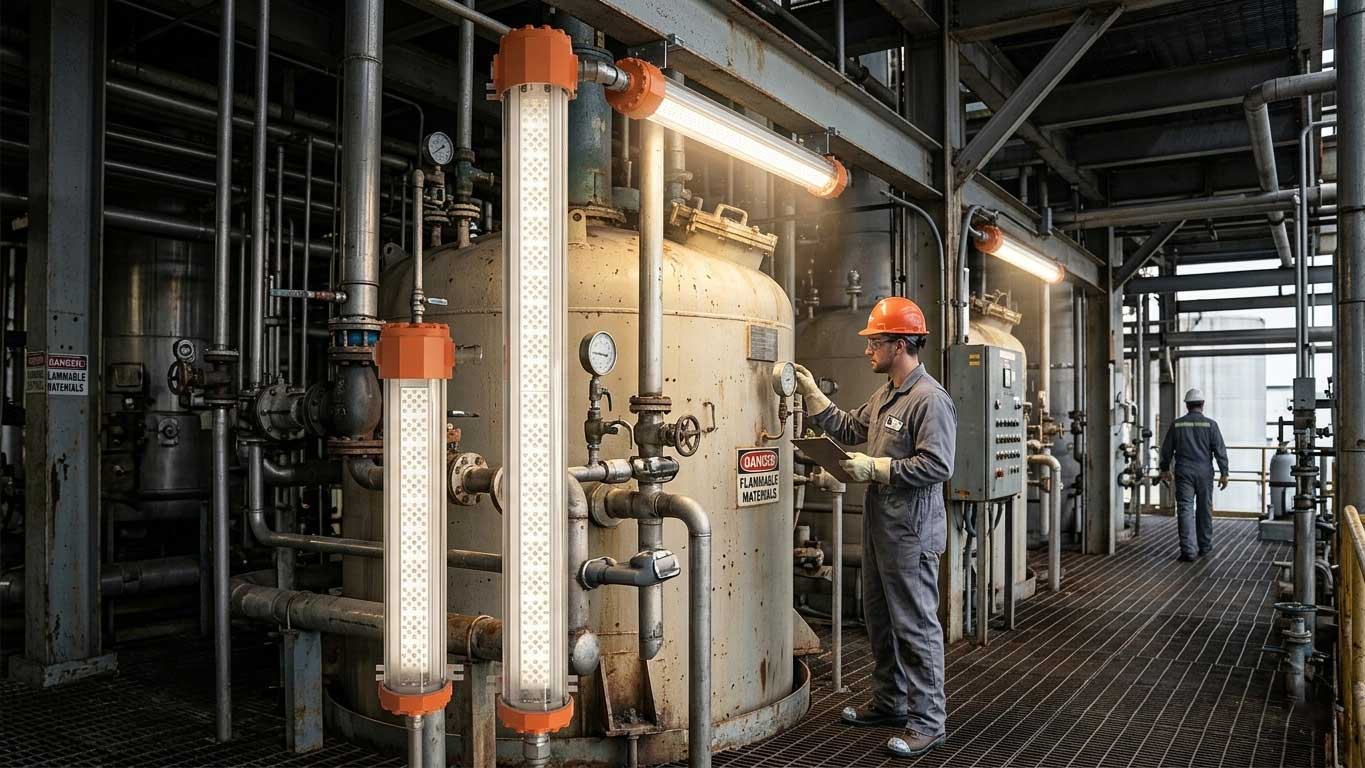
Older hazardous-area facilities relied heavily on metal halide floodlights.
Those systems had several problems:
LED technology changed the economics of hazardous-area illumination.
According to the U.S. Department of Energy, LED lighting systems can reduce industrial lighting energy use by roughly 50–70% compared to conventional HID technologies.
Source: https://www.energy.gov/
That efficiency matters more than people think.
In large industrial facilities with hundreds of floodlights operating continuously, lighting upgrades can significantly reduce electrical infrastructure load.
I’ve personally seen older refineries postpone transformer expansion projects simply because LED conversion lowered nighttime demand enough to stabilize capacity margins.
That kind of operational impact rarely appears in product brochures.
One mistake inexperienced buyers make is focusing only on lumen output.
In hazardous environments, temperature classification may be more important than brightness.
| T Rating | Maximum Surface Temperature |
|---|---|
| T1 | 450°C |
| T2 | 300°C |
| T3 | 200°C |
| T4 | 135°C |
| T5 | 100°C |
| T6 | 85°C |
Certain gases ignite at relatively low temperatures.
If a fixture surface exceeds the ignition temperature of the surrounding atmosphere, the enclosure itself becomes dangerous.
That’s why many petrochemical operators now prioritize T4-rated or T5-rated hazardous area floodlights.
This section rarely gets discussed publicly.
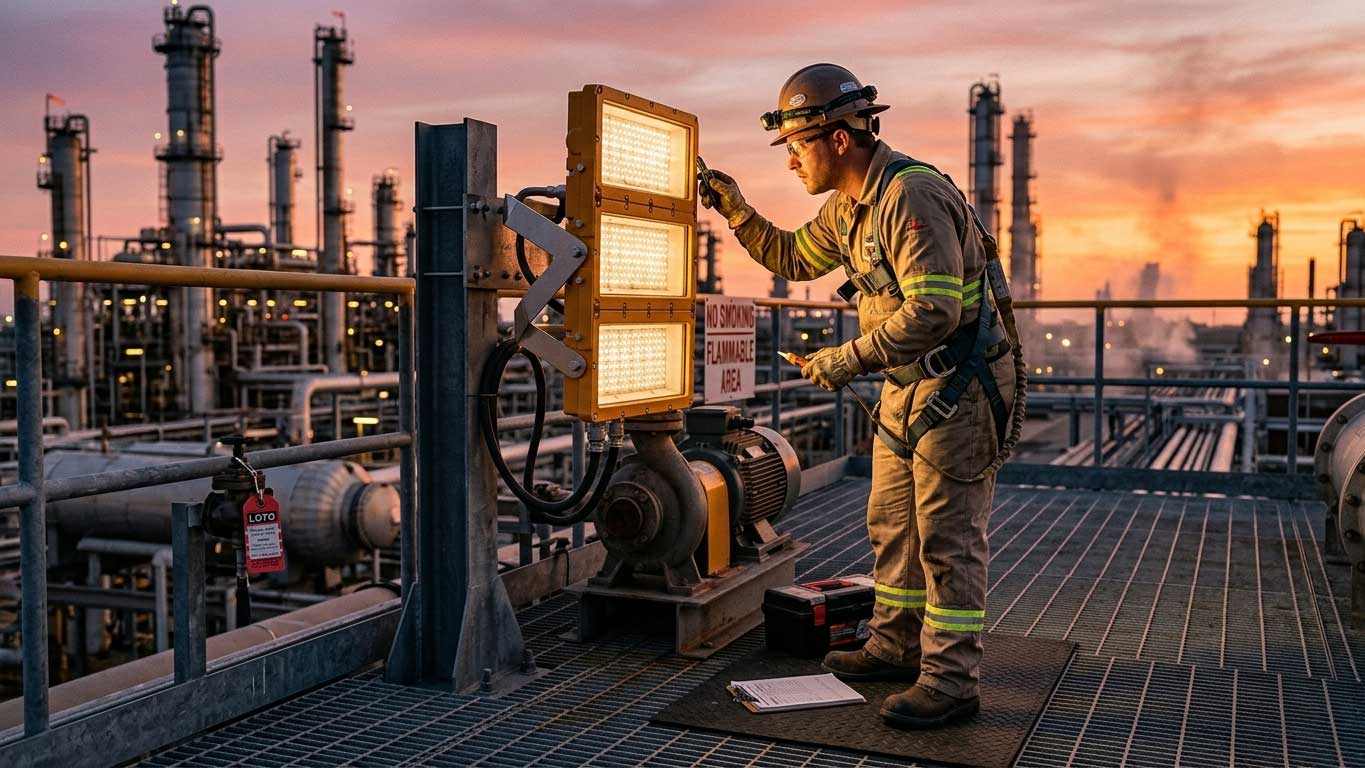
Hazardous-area fixtures can lose compliance after improper maintenance.
Common mistakes include:
I once saw a maintenance contractor polish flame-path surfaces with abrasive tools to “remove corrosion.” The fixture looked cleaner afterward. Technically, though, the certification was compromised because machining tolerances changed.
Small details matter enormously in hazardous-area lighting.
| Feature | Hazardous Area Floodlight | Standard Industrial Floodlight |
|---|---|---|
| Explosion Protection | Yes | No |
| Certified Flame Containment | Yes | No |
| Hazardous Gas Approval | Yes | No |
| Surface Temperature Control | Strictly regulated | Limited |
| Heavy-Duty Housing | Required | Optional |
| Corrosion Protection | Enhanced | Standard |
The visual difference between the two is often smaller than buyers expect.
The engineering difference is enormous.
Many hazardous area floodlights are explosion proof, but classifications vary by region and environment. Certifications such as ATEX, IECEx, and Class 1 Div 1 determine suitability for specific hazardous locations.
Yes. Modern hazardous-area floodlights are predominantly LED because LEDs offer lower operating temperatures, improved energy efficiency, and longer service life.
Most certified models feature IP66 or IP67 protection against dust and water ingress. However, waterproofing alone does not equal hazardous-area certification.
Oil and gas, offshore drilling, marine terminals, chemical plants, mining facilities, wastewater treatment plants, and aviation fueling stations commonly use hazardous-area floodlights.
The longer I work around hazardous-area facilities, the less I trust product brochures alone.
Real-world reliability comes from details that don’t photograph well:
That’s the real answer behind What Are Hazardous Area Floodlights.
They are not simply brighter industrial lamps with stronger housings. They are engineered safety systems designed for environments where electrical failure can escalate into disaster unusually fast.
SEEKINGLED develops hazardous-area LED floodlights for industrial operators who need dependable illumination, certified protection, and long-term durability in the world’s most demanding environments.
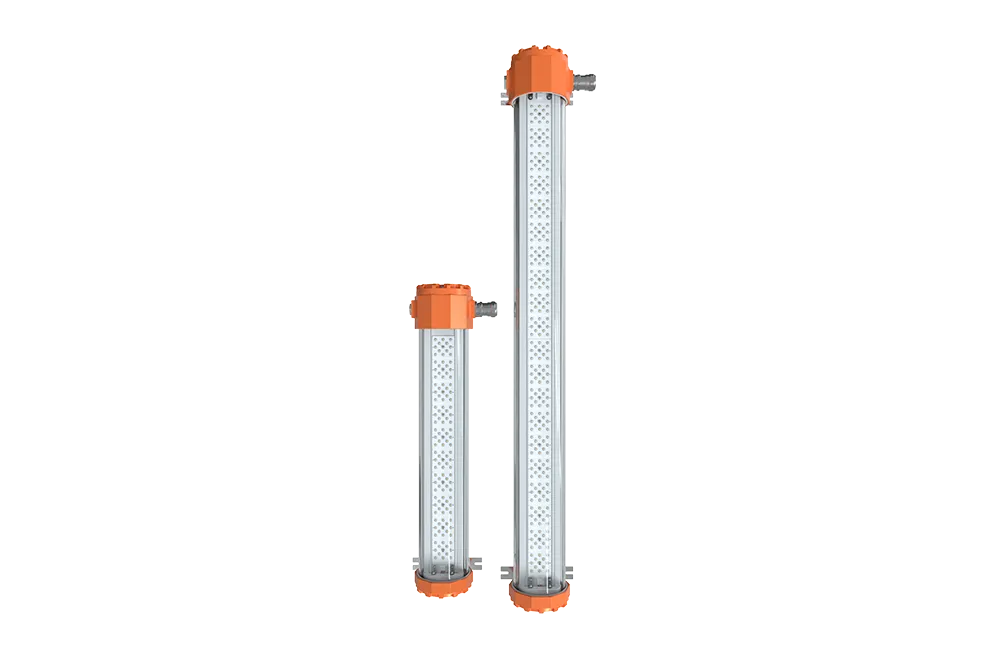
SEEKINGLED LED Linear Explosion Proof Light and Explosion Proof lighting is ATEX and IECEx certified for Zone 1, Zone 2, Zone 21 and Zone 22 hazardous locations, built for long-term industrial use.
View details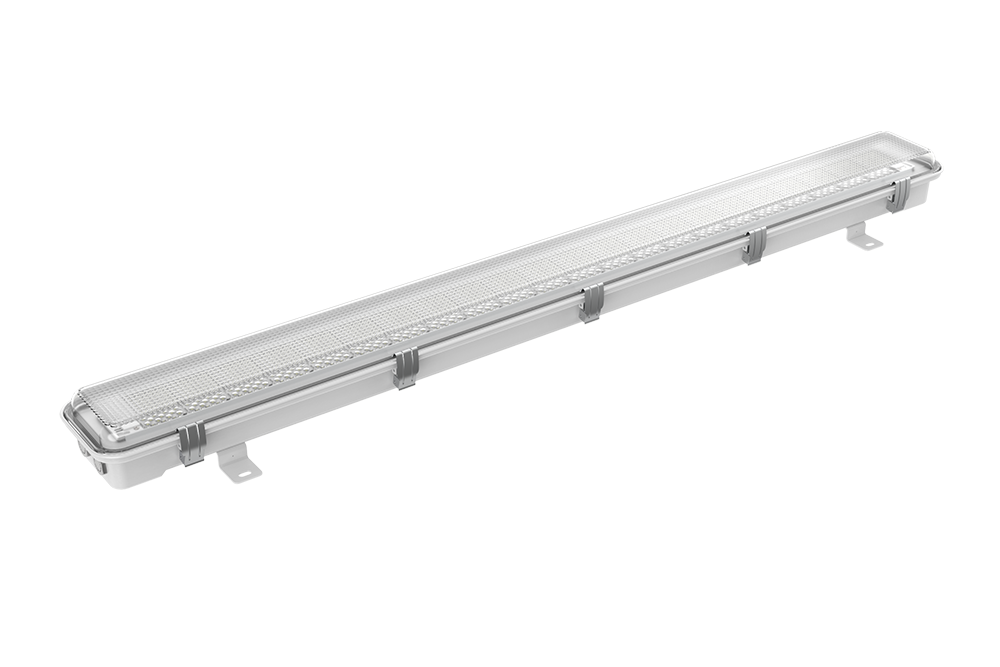
LED Linear Explosion Proof Lights and EX Proof lights for Zone 1, Zone 2, Zone 21 and Zone 22 hazardous areas. ATEX & IECEx certified explosion proof LED linear lighting with emergency function, adjustable power and IP67 protection by SEEKINGLED.
View details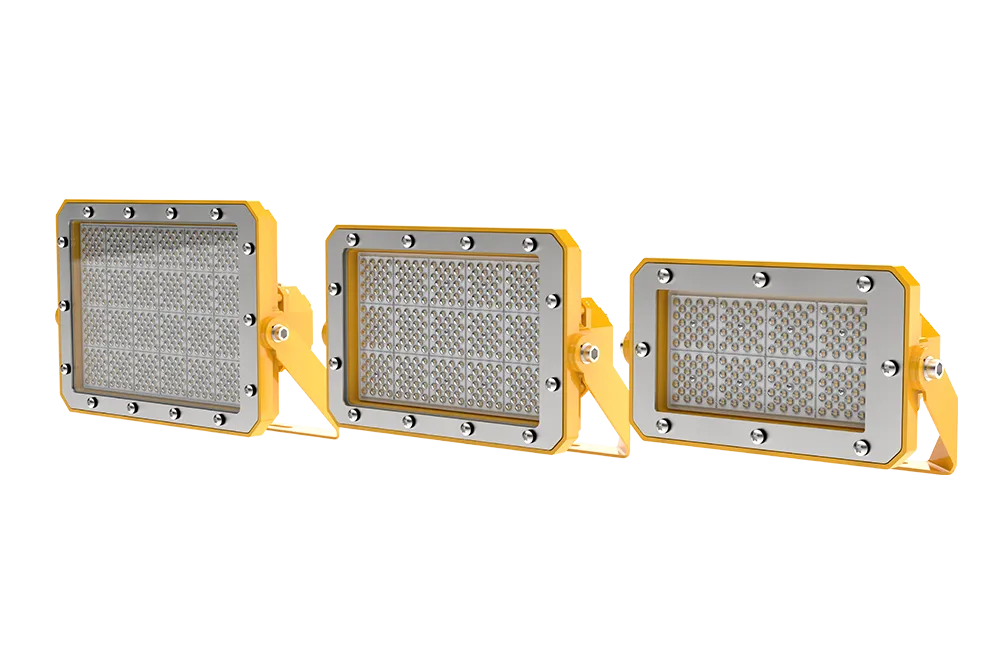
SEEKINGLED LED Explosion Proof Flood Lights are ATEX certified for Zone 2 and Zone 22 hazardous areas, offering high efficiency, adjustable power and integrated junction box.
View details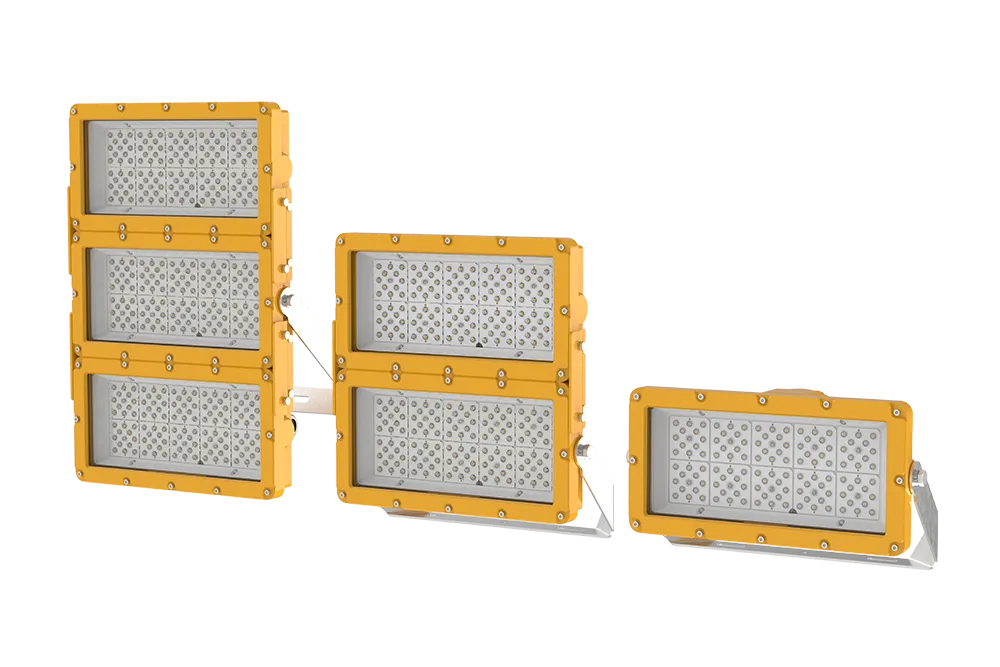
SEEKINGLED LED Explosion Proof Flood Lights are flameproof ATEX and IECEx certified for Zone 1 and Zone 2 hazardous areas, offering high power, adjustable output and long service life.
View details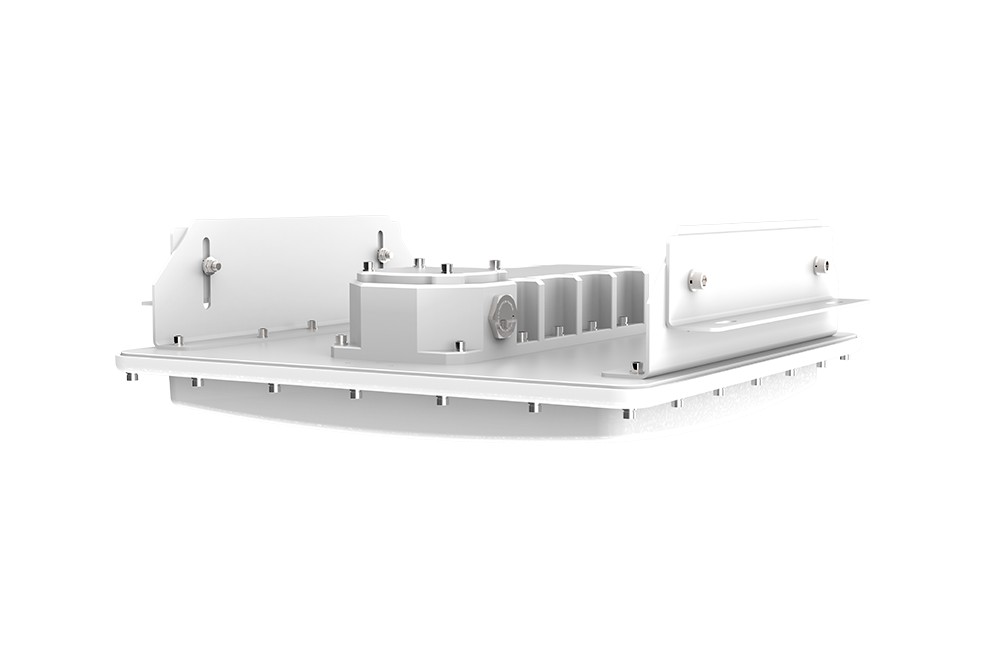
SEEKINGLED LED Gas Station Canopy Lights are ATEX certified for Zone 2 and Zone 22 hazardous areas, featuring adjustable power and built-in explosion-proof junction box.
View details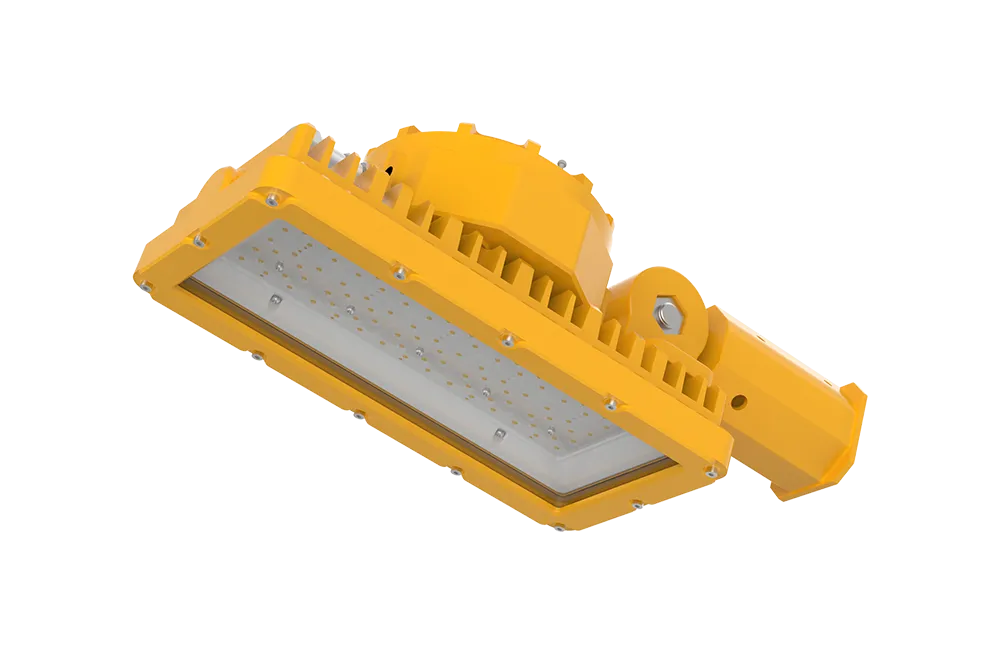
ATEX: Ex II 2G Ex db IIB T6/T5 GbEx II 2D Ex tb IIIC T80°C/ T95°C Db IECEx Ex db IIB T6 Gb;Ex tb IIIC T80°C Db Feature: ● For Zone 1,2 and Zone 21,22● Flameproof type, the strongest● 100W can replace 250W HID,energy saving● Power:60W,80W,100W Application: Oil and gas, marine, Chemical, pharmaceutical, semiconductor,mining,military industr…
View details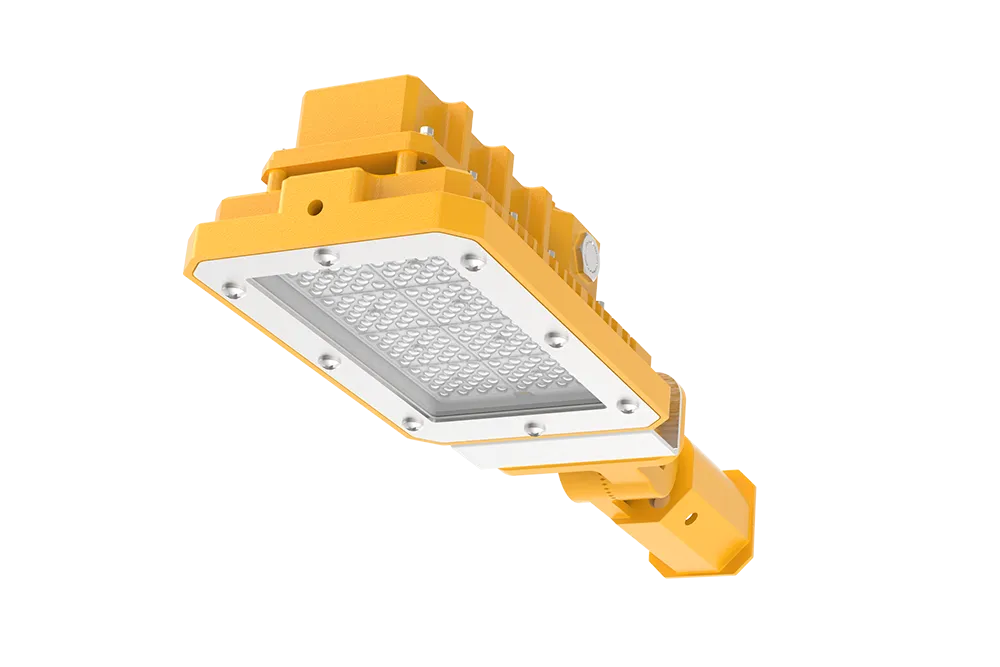
ATEX: II 3G Ex nR ⅡC T5/T6 GcII 3D Ex tc ⅢC T80℃/T95℃Dc ATEX Certificate NO: TÜV CY 26 ATEX 0207611 X Feature: ● For Zone 2 and Zone 22● 150W can replace 250W HID lamps,Energy saving● Power:50W,75W,100W,150W,200W Application: Oil and gas, marine, Chemical, pharmaceutical, semiconductor,mining,military industry, paint booth,power plant ETC…
View details
LED explosion proof high bay lights are designed for Zone 1, Zone 2, Zone 21 and Zone 22 hazardous areas. This page introduces the HB21 Series from SEEKING, including certifications, power options and real application considerations.
View details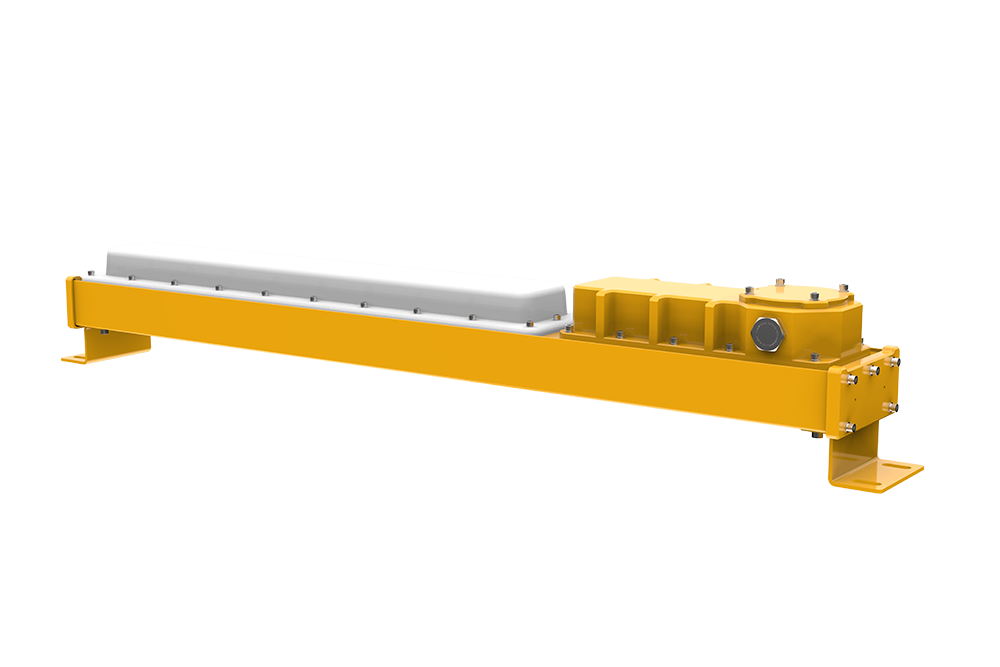
LED Linear Explosion Proof Lights from SEEKINGLED. LU Series Flame Proof lights ATEX-certified explosion proof LED linear lighting for Zone 2 gas and Zone 22 dust areas, IP69K, IK10, long lifetime and flexible power options.
View details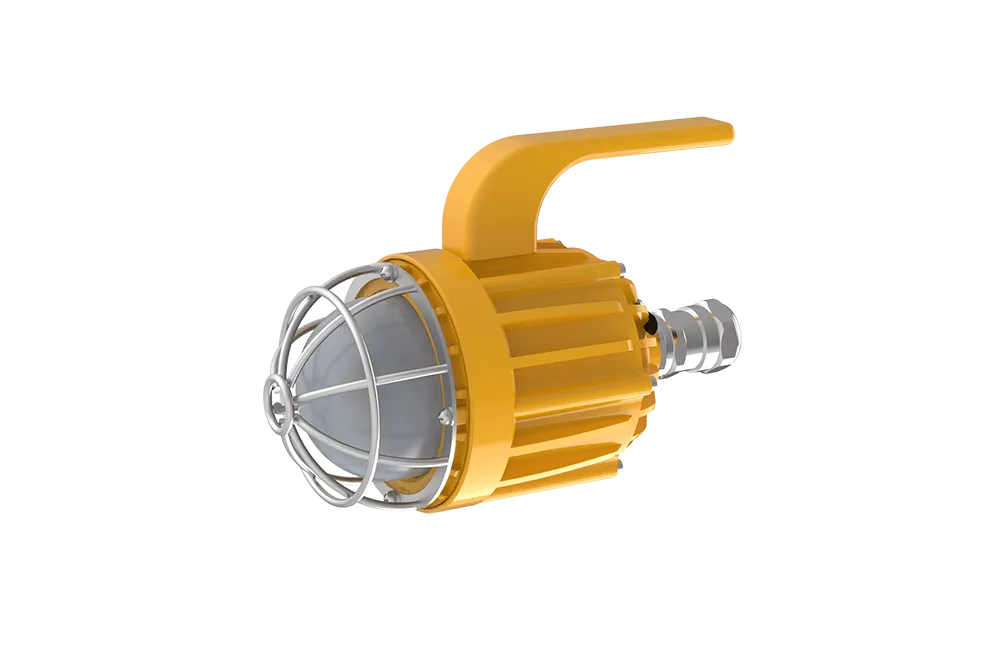
Certified explosion proof work lights for Zone 1 & 21 hazardous areas. Portable, ATEX & IECEx approved, built for oil, gas and chemical plants by SEEKINGLED.
View details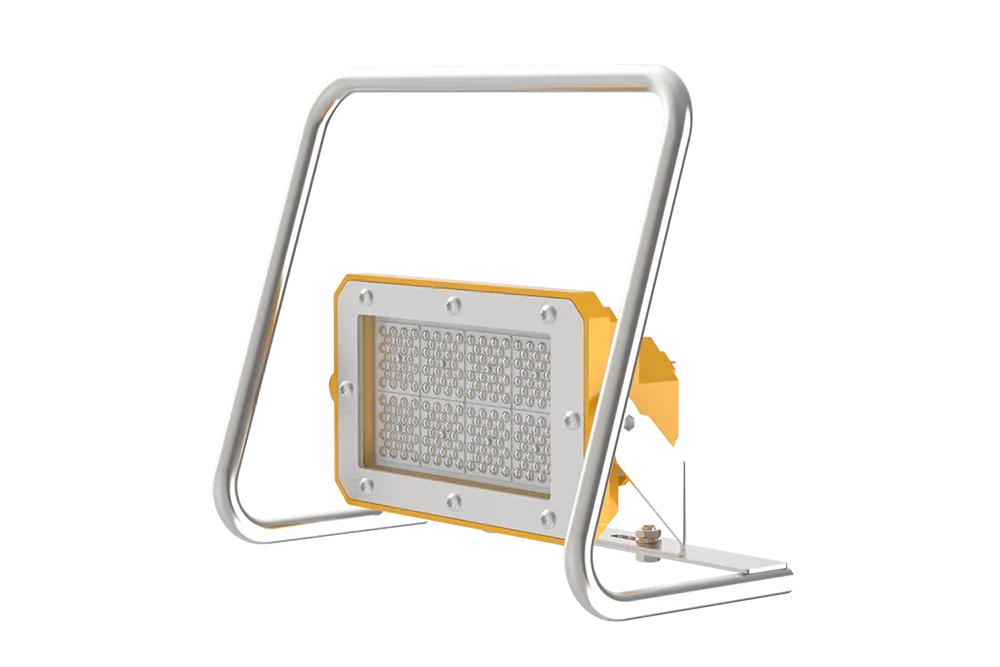
ATEX: II 3G Ex nR ⅡC T6 GcII 3D Ex tc ⅢC T80℃ Dc ATEX Certificate NO: TÜV CY 26 ATEX 0207611 X Feature: ● For Zone 2 and Zone 22● Accepts battery-powered supply● indestructible● Power:AC input:50W,75W,100WDC input:15W,25W,35W Application: Oil and gas, marine, Chemical, pharmaceutical, semiconductor,mining,military industry, paint booth,po…
View details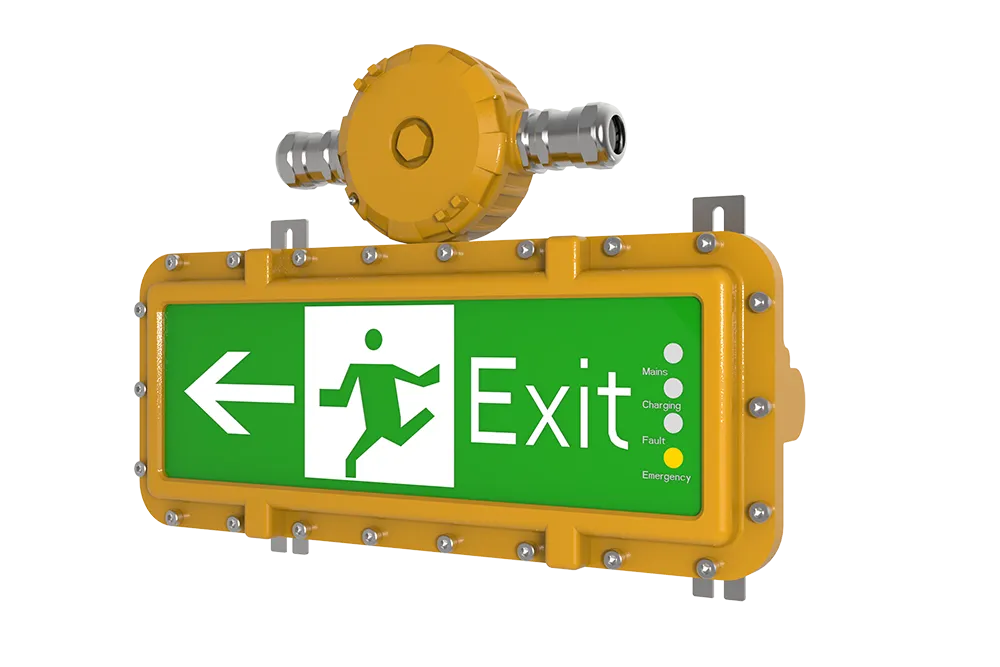
ATEX: Ex II 2G Ex db IIB T6 GbEx II 2D Ex tb IIIC T80°C Db IECEx Ex db IIB T6 Gb;Ex tb IIIC T80°C Db Feature: ● For Zone 1,2 and Zone 21,22● Flameproof type, the strongest Application: Oil and gas, marine, Chemical, pharmaceutical, semiconductor,mining,military industry, paint booth,power plant ETC hazardous area. Technical Specifications:…
View details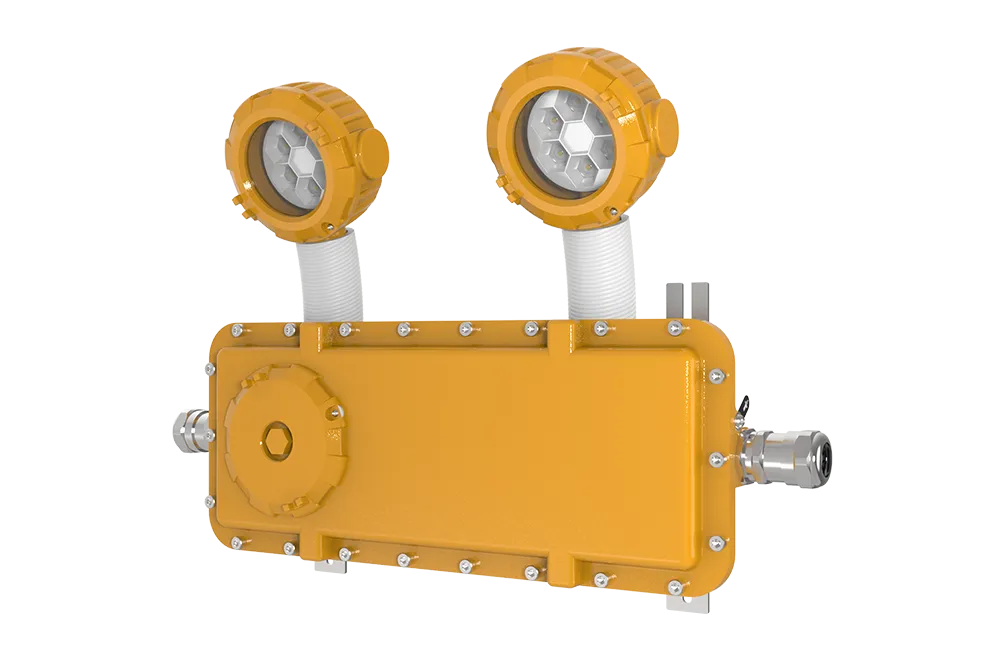
ATEX: Ex II 2G Ex db IIB T6 GbEx II 2D Ex tb IIIC T80°C Db IECEx Ex db IIB T6 Gb;Ex tb IIIC T80°C Db Feature: ● For Zone 1,2 and Zone 21,22● Flameproof type, the strongest Application: Oil and gas, marine, Chemical, pharmaceutical, semiconductor,mining,military industry, paint booth,power plant ETC hazardous area. Technical Specifications:…
View details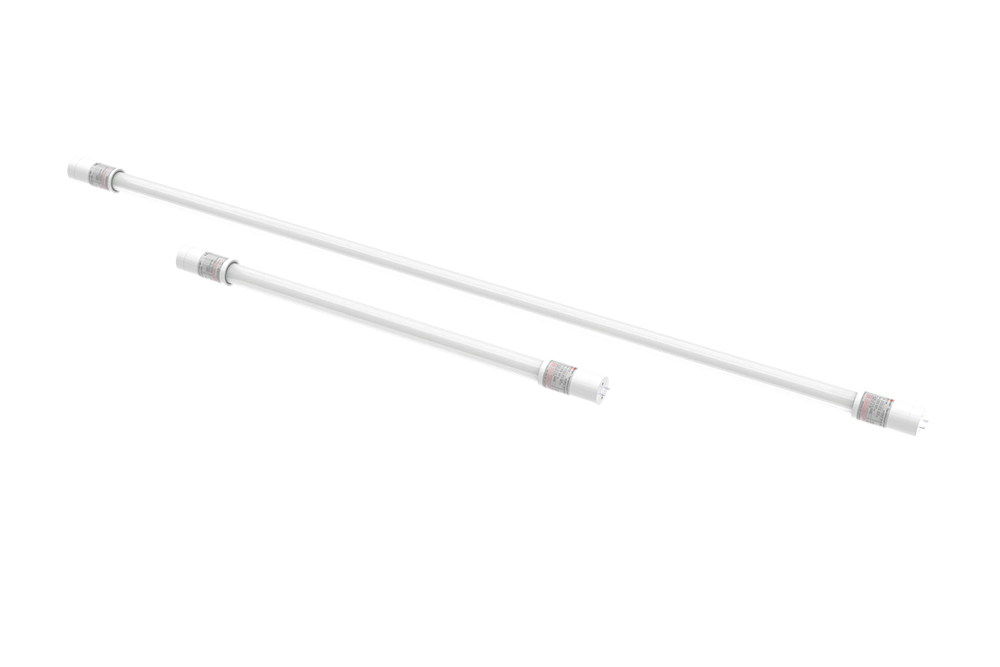
ATEX: Ex II 2G Ex d e IIB T6 Gb ATEX: Ex d e IIB T6 Gb; Feature: ● For Zone 1,2● 9W can replace 18W fluorescent lamps,50% Energy saving Application: Oil and gas, marine, Chemical, pharmaceutical, semiconductor,mining,military industry, paint booth,power plant ETC hazardous area. Technical Specifications: Standards:60079-0, 60079-1, 60079…
View details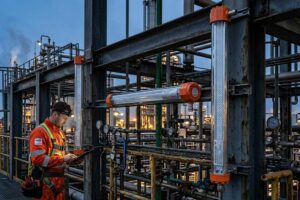
What is an explosion proof linear light? Learn how hazardous area linear fixtures work, where they are used, and why ATEX-certified LED lighting matters.
View details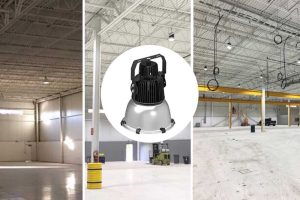
XJ-HBS100W & 150W high bays in Indiana USA chemical plant replacing 250W and 400W HPS lights. Project record by SEEKINGLED engineering team with real energy data and on-site decisions.
View details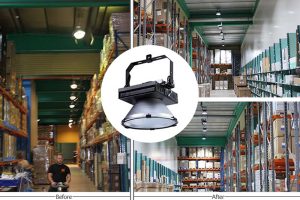
LED High Bay Replacement for Warehouse Lighting was required in a Russian warehouse with low lux levels from metal halide lamps. This record documents a one-to-one replacement using XJ-HBL150W and Dialux calculation.
View details
LED high bay optics explained for warehouses with real-world insight. Learn how lenses, reflectors, and light control affect safety and efficiency.
View details