 Seeking LED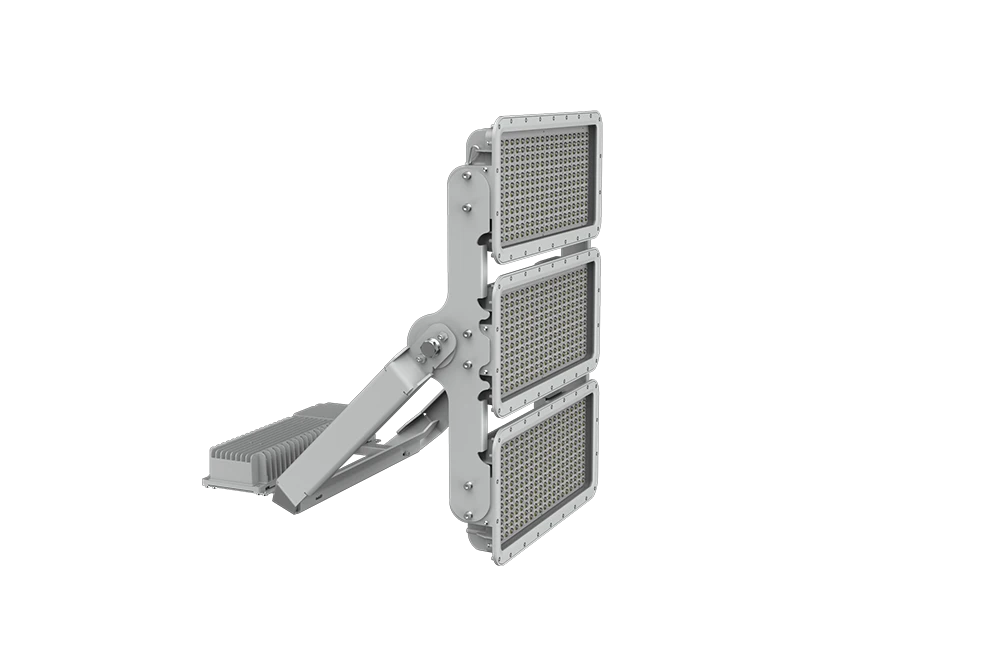
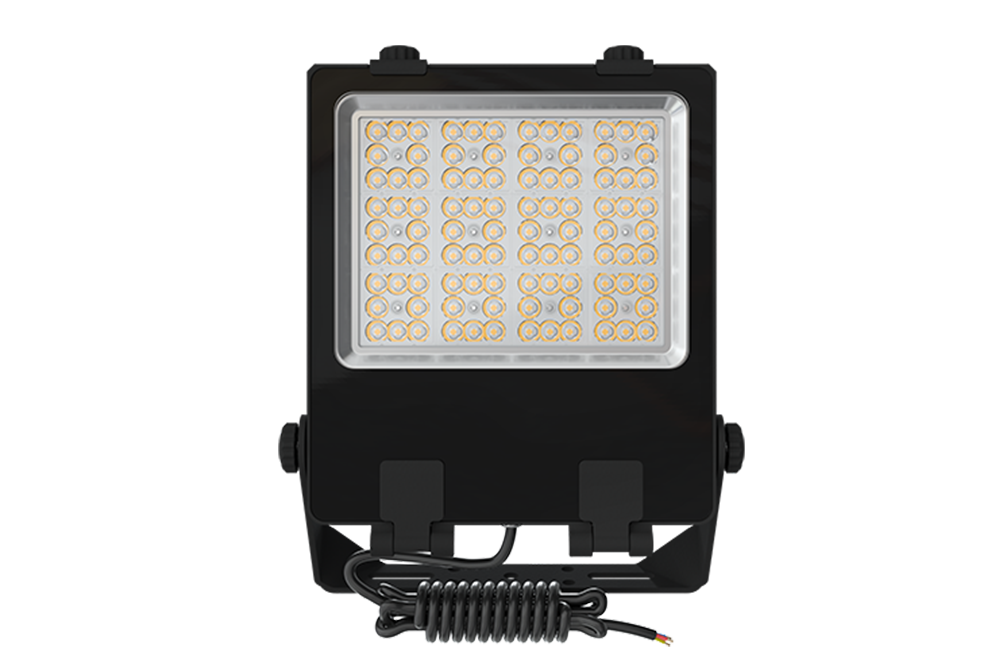
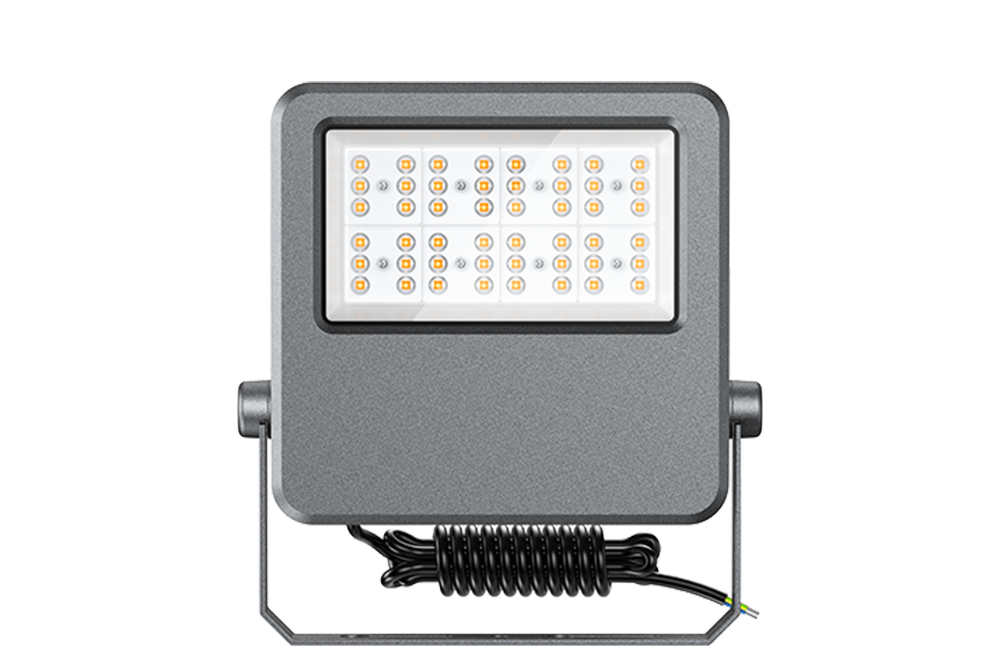
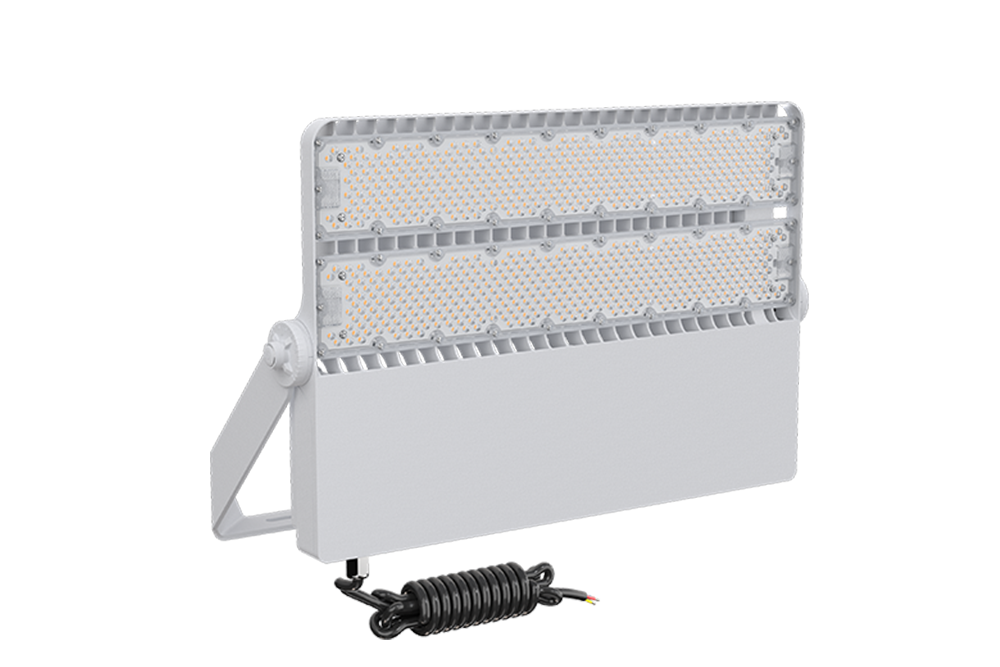
portable led flood lights: flexible lighting for real-world mobility
32portable led flood lights provide flexible, energy-efficient illumination for job sites, outdoor events, and emergency use with durable, high-performance design.
View detailsSearch the whole station
Direct answer:
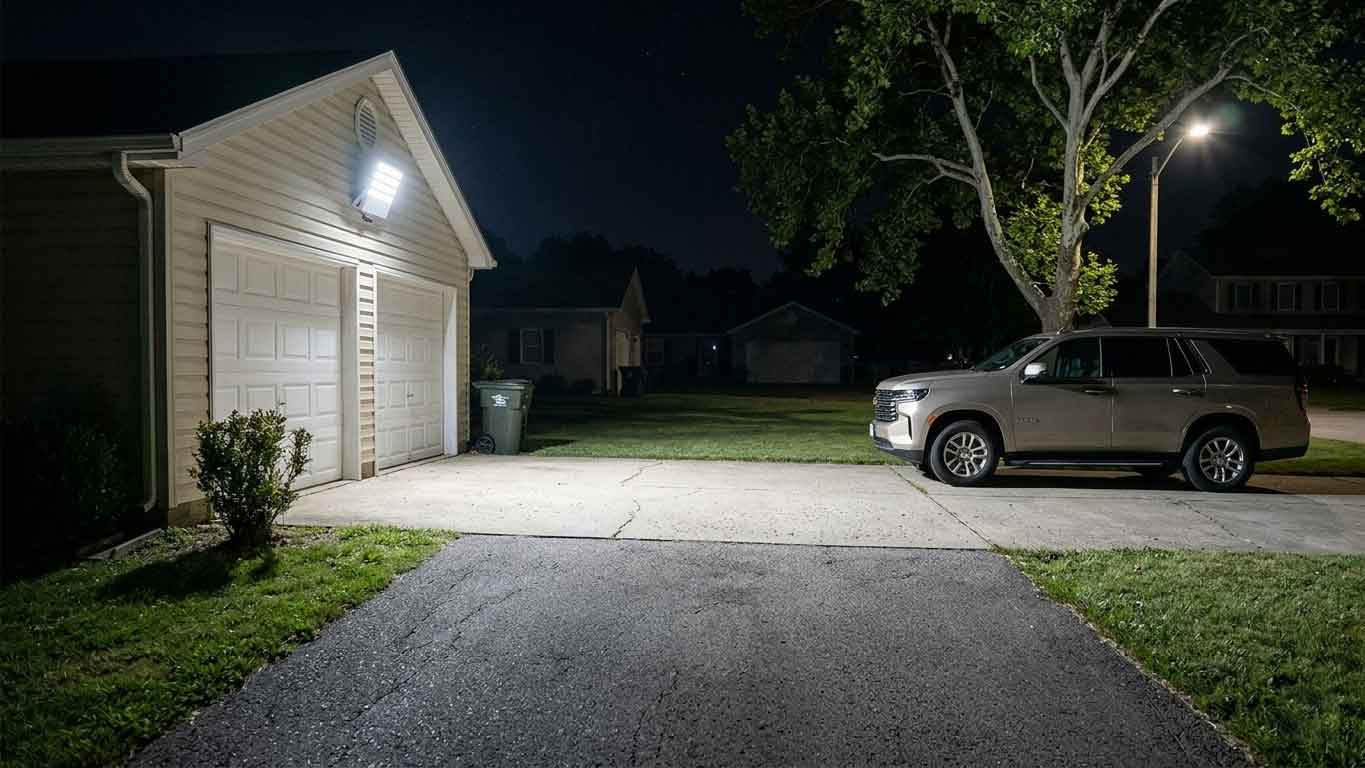
A 100 watt LED flood light typically produces 13,000–15,000 lumens, enough to illuminate medium outdoor areas like driveways, small parking lots, or building perimeters. It replaces 300–400W halogen systems while cutting energy use by over 60% and requiring far less maintenance.
I’ve installed everything from 30W garden lights to 300W stadium units.
100W sits right in that practical zone.
Not overkill. Not underpowered.
One job—small warehouse yard, maybe 6–8 parking spaces. The client initially wanted 200W fixtures. I pushed back. Installed three SEEKINGLED 100 watt LED flood light units instead.
Result?
Cleaner spread. Less glare. Lower cost.
And no one complained about brightness after that.
On paper, you’re looking at roughly:
But brightness doesn’t feel the same everywhere.
I’ve seen a 100 watt LED flood light look “too bright” in a backyard—and barely enough in a wide-open lot.
Why? Beam angle.
SEEKINGLED units usually lean toward balanced optics—not too tight, not too scattered. That helps avoid the “spotlight effect” you sometimes see with cheaper lights.
According to the U.S. Department of Energy, LEDs can reduce lighting energy use by 50%–70% compared to traditional systems. That matches what I’ve seen when replacing halogen floodlights at this wattage range.
People fixate on “100W” like it guarantees performance.
It doesn’t.
Here’s what I check instead:
SEEKINGLED tends to get these right. Not flashy—but reliable.
Rain, dust, heat cycles.
That’s what kills fixtures—not lab conditions.
The Illuminating Engineering Society emphasizes durability and consistent illumination in outdoor environments. A light that flickers or dims unevenly? That’s not just annoying—it’s a safety issue.
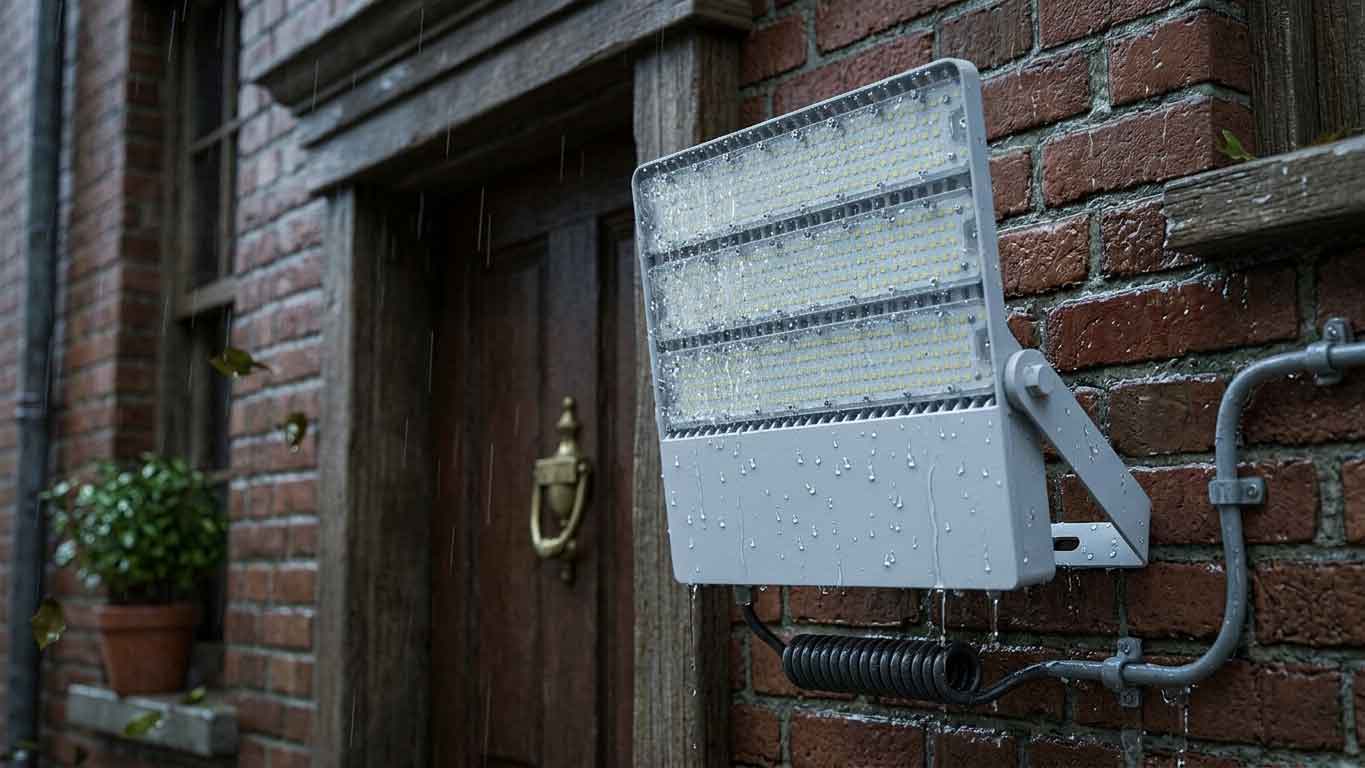
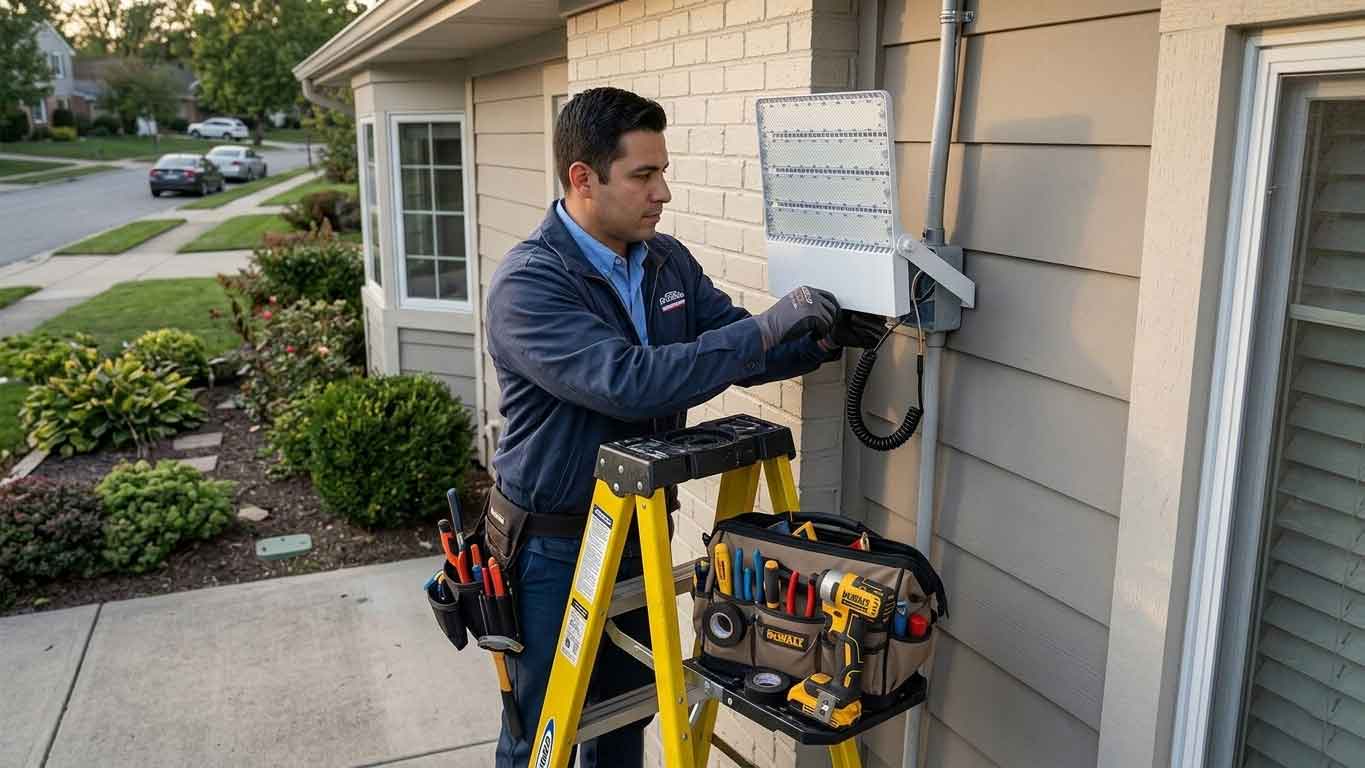
The wiring? Simple.
Mounting? That’s where problems start.
I’ve seen:
One install looked perfect—until the first storm. Water got in through a tiny gap. That was enough.
After powering on, don’t just leave.
Step back. Look at the spread.
Adjust it.
That extra 2 minutes saves you from a bad lighting layout you’ll notice every night.
I’ve been working in outdoor and commercial lighting for nearly 10 years—mostly retrofits, parking areas, and residential perimeter setups.
Not lab testing. Real environments.
I’ve replaced failed fixtures, corrected bad installs, and seen what actually lasts.
That’s why I don’t just look at specs anymore.
SEEKINGLED stands out not because it promises more—but because it fails less. And in this line of work, that’s what matters.
A 100 watt LED flood light is one of those rare cases where “standard choice” actually makes sense.
It fits most scenarios. It performs consistently.
But only if you install it properly—and choose one that’s built to handle real outdoor conditions.
portable led flood lights provide flexible, energy-efficient illumination for job sites, outdoor events, and emergency use with durable, high-performance design.
View details
LED interior flood lights deliver efficient, uniform indoor lighting. Explore real-world insights, energy data, and expert tips for reliable performance.
View details
Learn how to stop my high bay LED lights from flickering by identifying wiring, driver, and control issues. Field-based guidance from SEEKINGLED.
View details
Certified Explosion-Proof Lights help prevent fires, explosions, and costly shutdowns. Protect workers and facilities with proven hazardous area safety.
View details