 Seeking LED
Explosion Proof Lighting LED: Field Experience from Hazardous Area Projects
91explosion proof lighting led engineered for Zone 1 & 2 hazardous areas. ATEX & IECEx certified, energy-efficient and built for oil, gas and chemical safety.
View detailsSearch the whole station
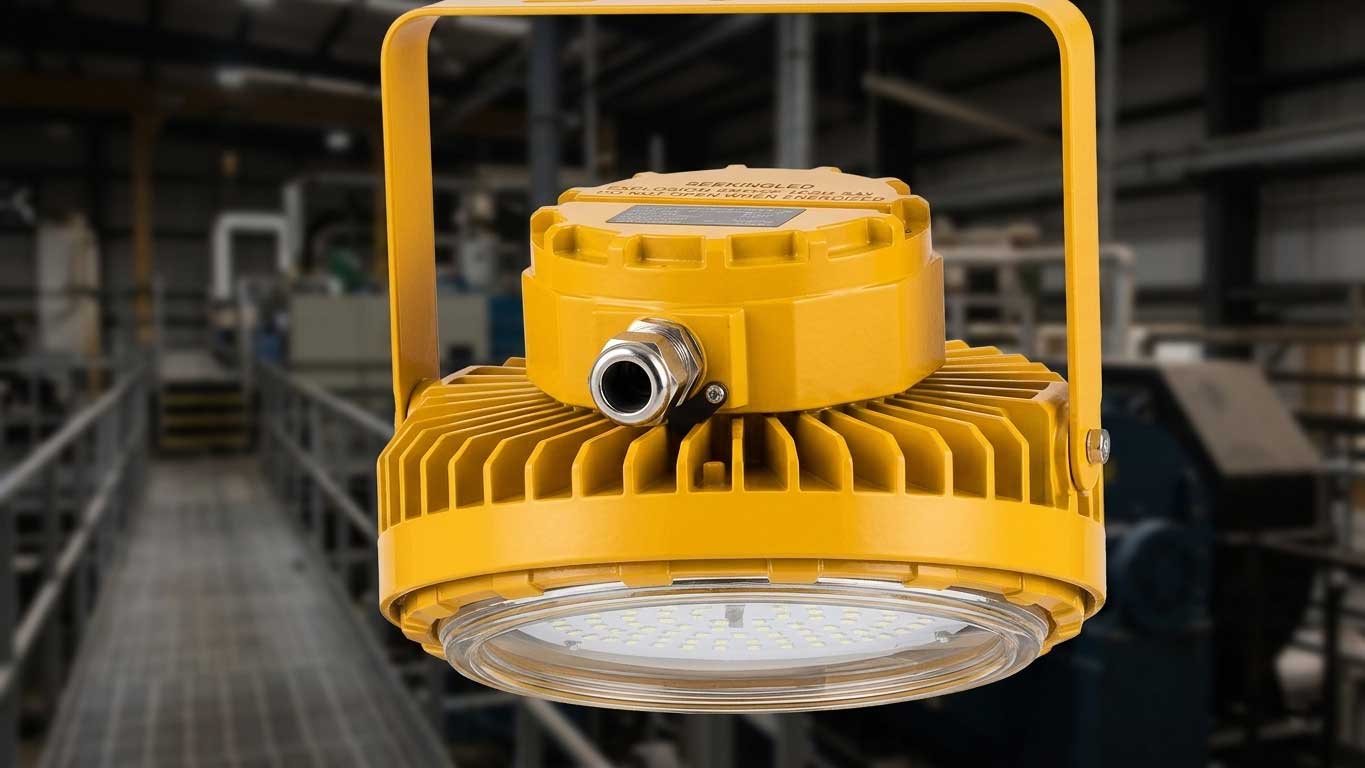
An explosion proof high bay LED light is a sealed industrial fixture designed to prevent ignition in hazardous environments, delivering high-lumen output (typically 10,000–40,000 lm) while containing sparks, heat, and arcs within certified enclosures.
That’s the short answer.
But it barely scratches what actually matters on site.
I’ve spent the better part of a decade working around petrochemical plants, grain processing facilities, and offshore maintenance zones—places where lighting failure isn’t just inconvenient, it’s dangerous. And if there’s one thing I’ve learned:
Specs on paper don’t keep facilities safe—engineering does.
The term “explosion proof” is often misunderstood—even by procurement teams.
It doesn’t mean the light can survive an explosion.
It means:
The fixture is engineered to contain any internal ignition and prevent it from igniting surrounding flammable gases or dust.
This is critical in environments classified under:
Standards such as ATEX (EU) and IECEx (global) define strict enclosure, sealing, and thermal limits.
According to the International Electrotechnical Commission (IEC), certified equipment must ensure that surface temperatures remain below ignition thresholds of surrounding gases.
I’ve personally seen a grain facility in Southeast Asia shut down for weeks after a minor dust ignition—caused not by machinery, but by an improperly sealed light fixture.
That’s the level of risk we’re talking about.
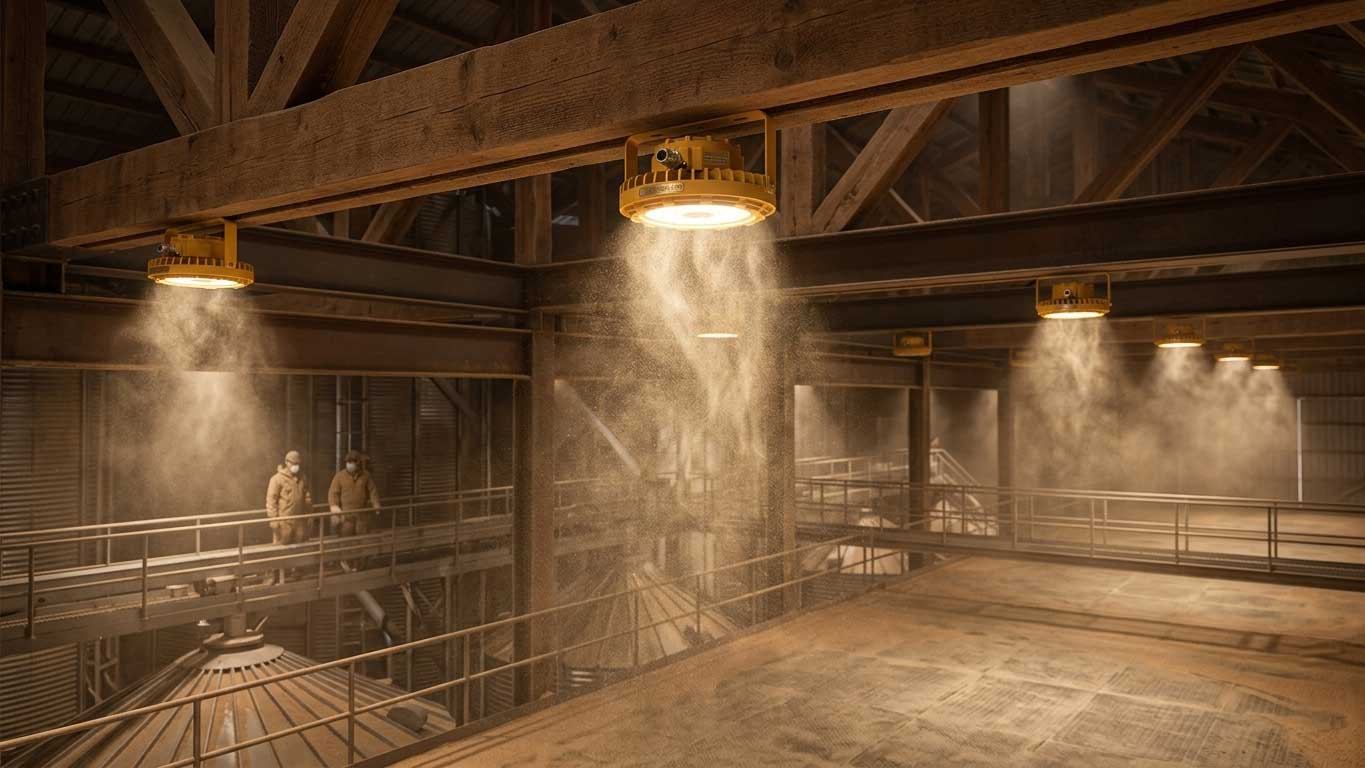
Here’s where things get interesting.
Most buyers initially focus on brightness (lumens).
Engineers focus on thermal management and certification.
Both matter—but in a specific order.
| Power | Lumens | Application |
|---|---|---|
| 80W | 10,000–12,000 lm | small hazardous rooms |
| 100W | 13,000–16,000 lm | workshops |
| 150W | 20,000–24,000 lm | warehouses |
| 200W | 28,000–32,000 lm | large industrial bays |
| 300W | 40,000+ lm | offshore / heavy industry |
The U.S. Department of Energy reports that industrial LEDs can reach efficiencies above 150 lumens per watt, dramatically reducing energy consumption compared to HID fixtures.
But here’s what rarely gets mentioned:
In hazardous zones, overheating is more dangerous than under-lighting.
That’s why explosion proof high bays often run slightly lower drive currents than standard high bays—to control junction temperature.
A poorly designed high bay might pass lumen tests—but fail in the field.
Key thermal protections include:
At SEEKINGLED, we’ve rejected entire production batches over 5°C temperature deviation under full load testing.
Because in a Class I Div 1 environment, that difference matters.
Not all certifications carry equal weight.
Here are the ones you should actually check:
According to OSHA, improper electrical equipment is a major contributing factor in hazardous location incidents.
I’ve seen “explosion proof” products online with no verifiable certification body.
Avoid those. Completely.
Installation is where theory meets reality.
And things rarely go perfectly.
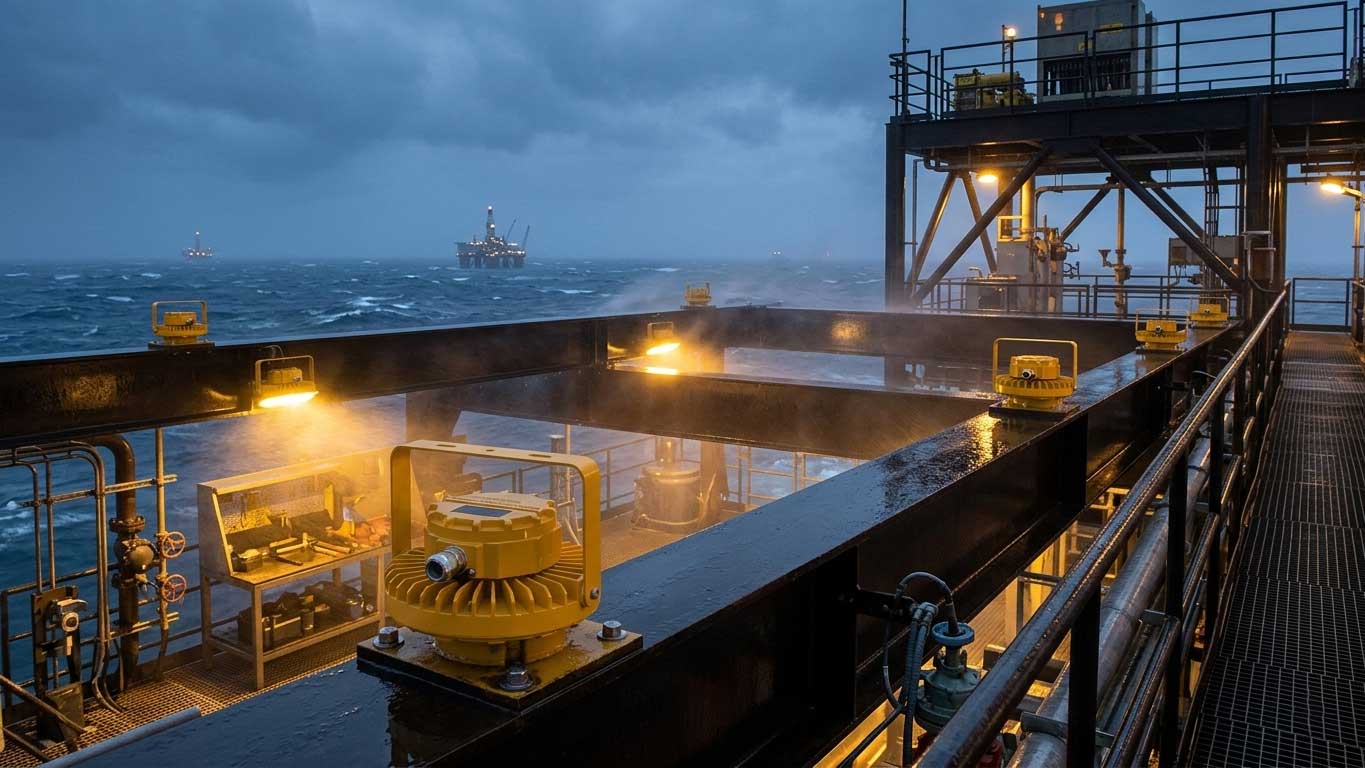
In one offshore retrofit project, we had to replace 60% of fixtures—not because they failed electrically, but because condensation formed inside due to improper gland sealing.
That’s not a product issue. That’s installation discipline.
Not because of wattage.
Not because of price.
But because consistency matters.
From my side—engineering and field deployment—what we prioritize:
Lighting in hazardous areas is not a “buy and forget” category.
It’s part of your safety system.
Typically 50,000–100,000 hours, depending on thermal management and driver quality.
Yes, but usually unnecessary due to higher cost and heavier design.
Div 1 = hazard present during normal operation
Div 2 = hazard only under abnormal conditions
No. Proper lumen distribution and safety certification matter more.
An explosion proof high bay LED light is not just a lighting product—it’s a controlled safety device.
Brightness gets attention.
But containment, certification, and thermal discipline are what actually prevent disasters.
And that’s where most buying decisions go wrong.
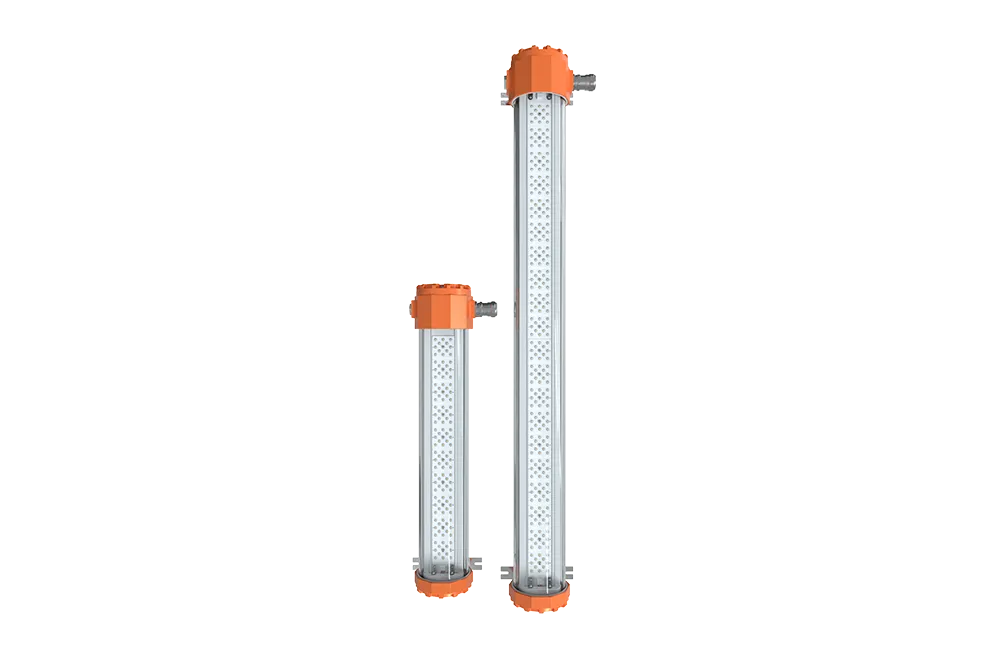
SEEKINGLED LED Linear Explosion Proof Light and Explosion Proof lighting is ATEX and IECEx certified for Zone 1, Zone 2, Zone 21 and Zone 22 hazardous locations, built for long-term industrial use.
View details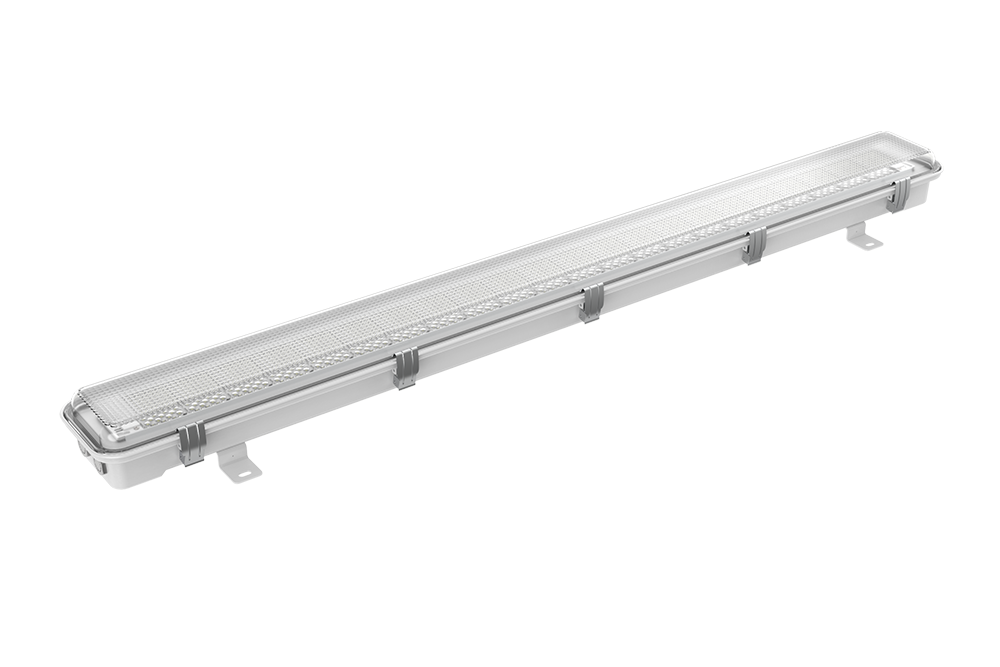
LED Linear Explosion Proof Lights and EX Proof lights for Zone 1, Zone 2, Zone 21 and Zone 22 hazardous areas. ATEX & IECEx certified explosion proof LED linear lighting with emergency function, adjustable power and IP67 protection by SEEKINGLED.
View details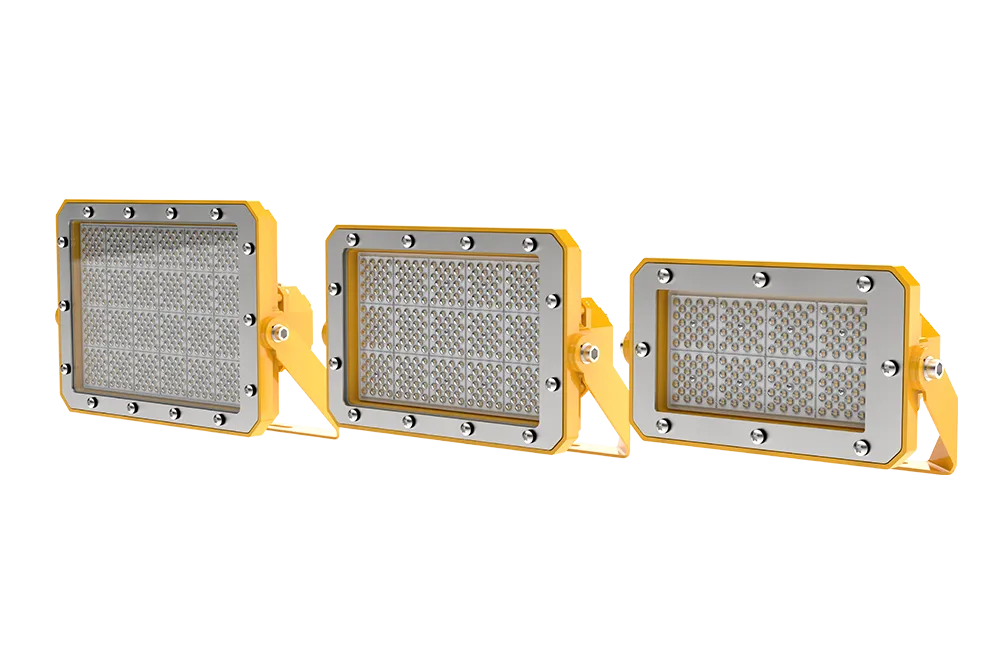
SEEKINGLED LED Explosion Proof Flood Lights are ATEX certified for Zone 2 and Zone 22 hazardous areas, offering high efficiency, adjustable power and integrated junction box.
View details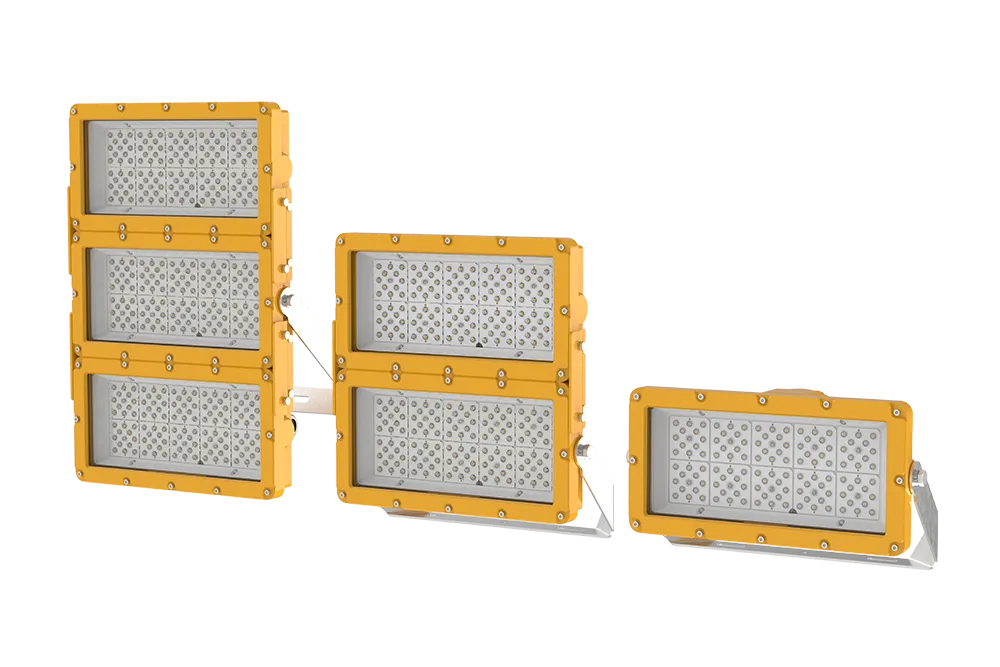
SEEKINGLED LED Explosion Proof Flood Lights are flameproof ATEX and IECEx certified for Zone 1 and Zone 2 hazardous areas, offering high power, adjustable output and long service life.
View details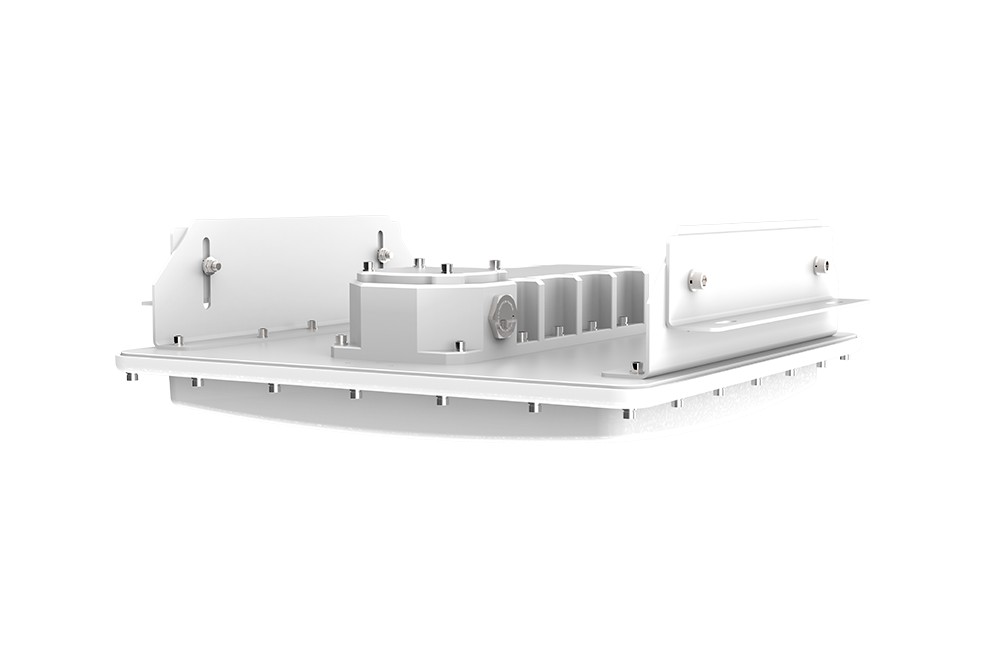
SEEKINGLED LED Gas Station Canopy Lights are ATEX certified for Zone 2 and Zone 22 hazardous areas, featuring adjustable power and built-in explosion-proof junction box.
View details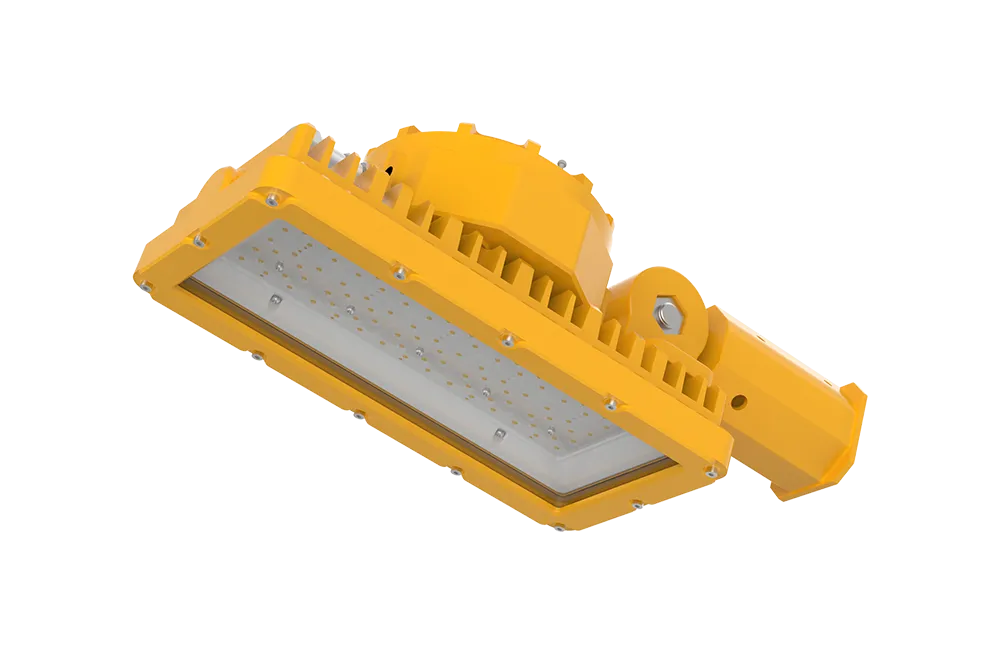
ATEX: Ex II 2G Ex db IIB T6/T5 GbEx II 2D Ex tb IIIC T80°C/ T95°C Db IECEx Ex db IIB T6 Gb;Ex tb IIIC T80°C Db Feature: ● For Zone 1,2 and Zone 21,22● Flameproof type, the strongest● 100W can replace 250W HID,energy saving● Power:60W,80W,100W Application: Oil and gas, marine, Chemical, pharmaceutical, semiconductor,mining,military industr…
View details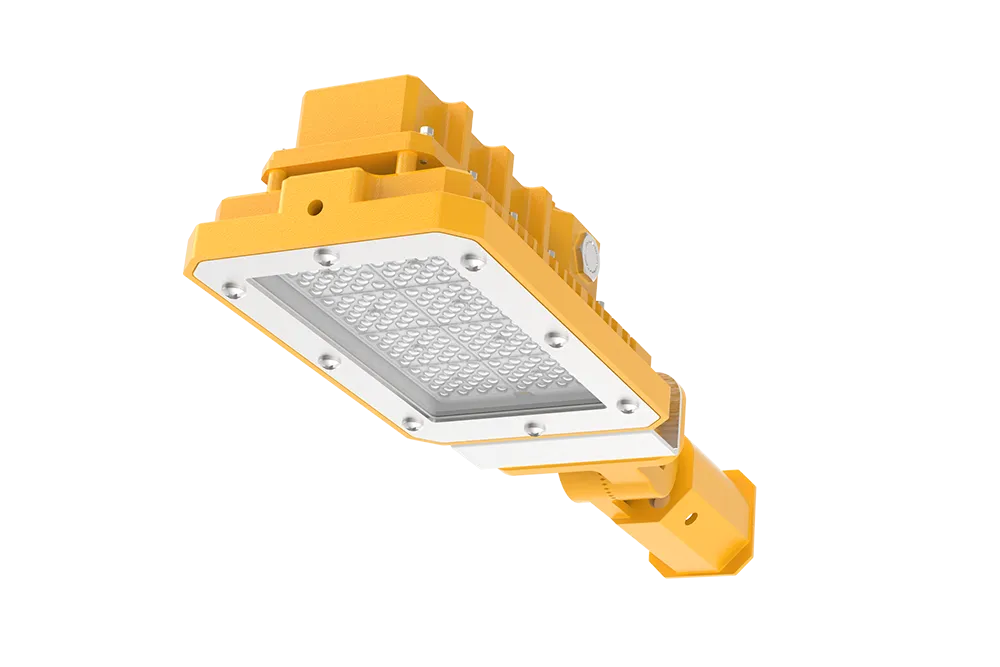
ATEX: II 3G Ex nR ⅡC T5/T6 GcII 3D Ex tc ⅢC T80℃/T95℃Dc ATEX Certificate NO: TÜV CY 26 ATEX 0207611 X Feature: ● For Zone 2 and Zone 22● 150W can replace 250W HID lamps,Energy saving● Power:50W,75W,100W,150W,200W Application: Oil and gas, marine, Chemical, pharmaceutical, semiconductor,mining,military industry, paint booth,power plant ETC…
View details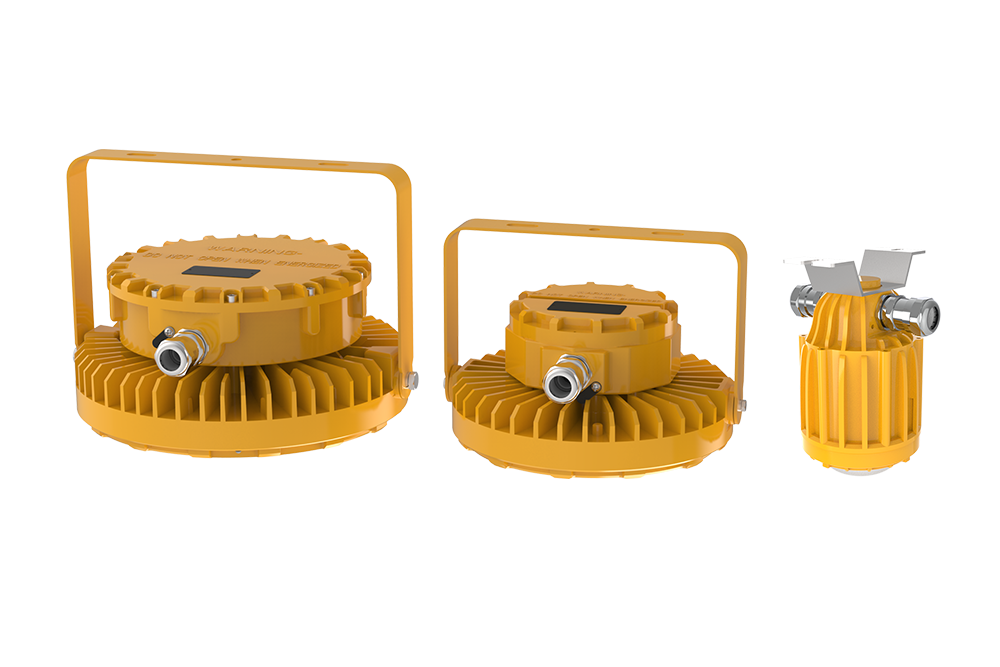
LED explosion proof high bay lights are designed for Zone 1, Zone 2, Zone 21 and Zone 22 hazardous areas. This page introduces the HB21 Series from SEEKING, including certifications, power options and real application considerations.
View details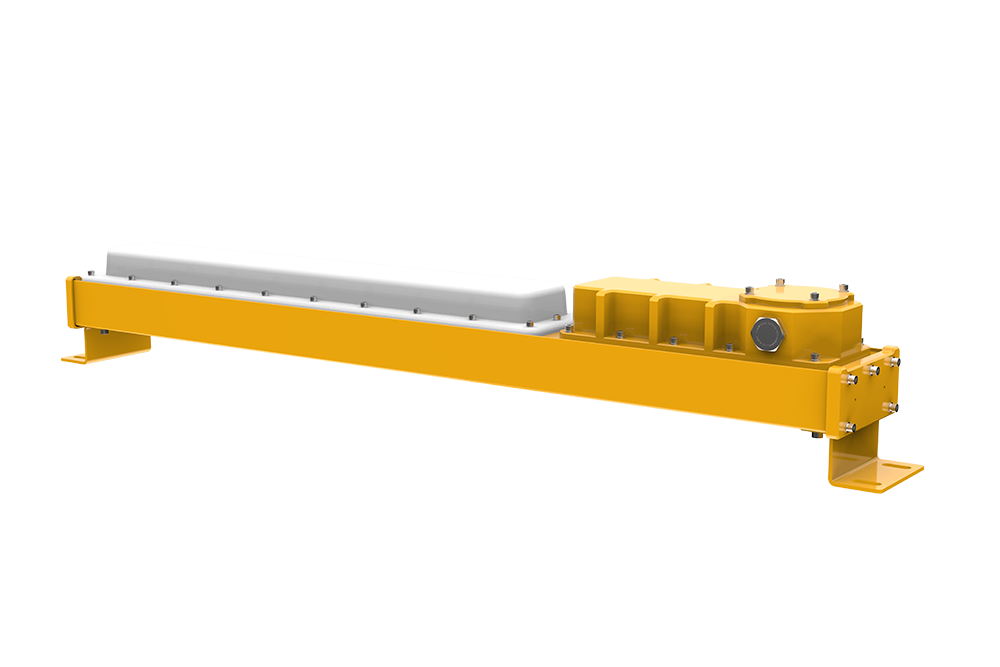
LED Linear Explosion Proof Lights from SEEKINGLED. LU Series Flame Proof lights ATEX-certified explosion proof LED linear lighting for Zone 2 gas and Zone 22 dust areas, IP69K, IK10, long lifetime and flexible power options.
View details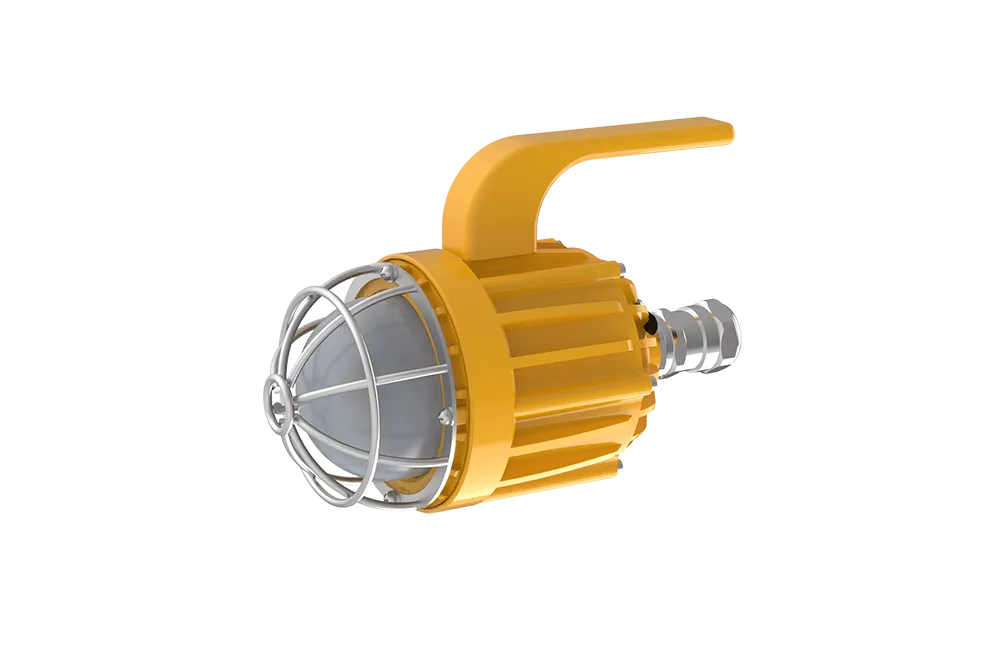
Certified explosion proof work lights for Zone 1 & 21 hazardous areas. Portable, ATEX & IECEx approved, built for oil, gas and chemical plants by SEEKINGLED.
View details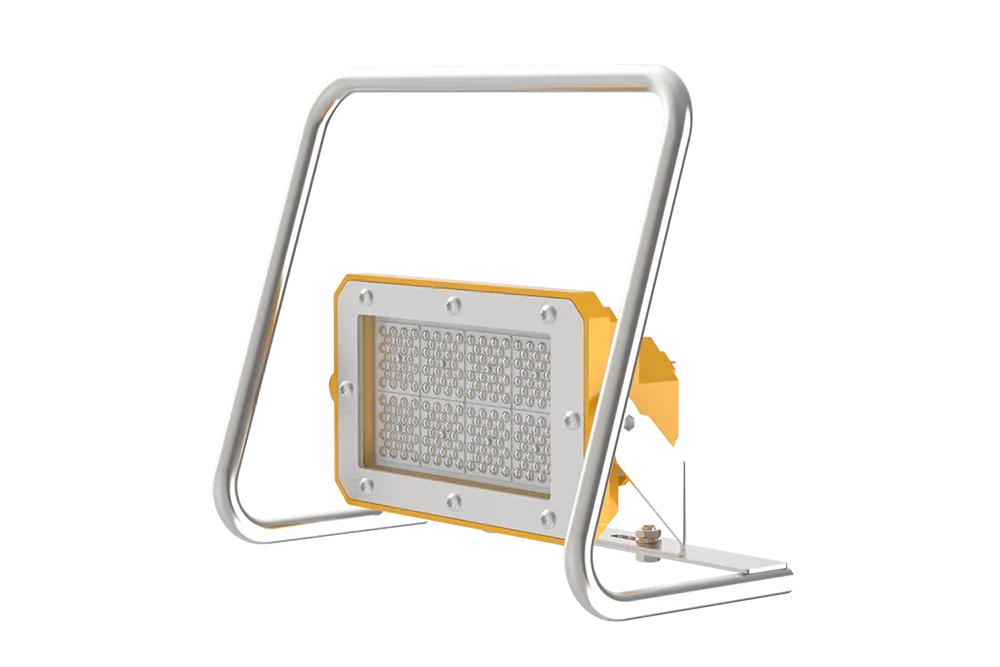
ATEX: II 3G Ex nR ⅡC T6 GcII 3D Ex tc ⅢC T80℃ Dc ATEX Certificate NO: TÜV CY 26 ATEX 0207611 X Feature: ● For Zone 2 and Zone 22● Accepts battery-powered supply● indestructible● Power:AC input:50W,75W,100WDC input:15W,25W,35W Application: Oil and gas, marine, Chemical, pharmaceutical, semiconductor,mining,military industry, paint booth,po…
View details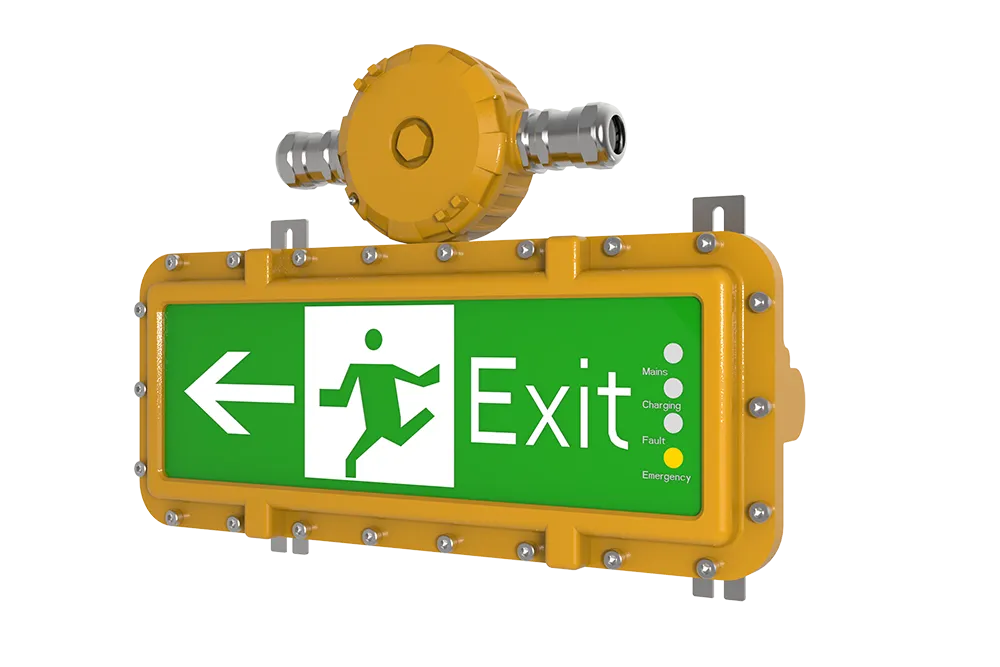
ATEX: Ex II 2G Ex db IIB T6 GbEx II 2D Ex tb IIIC T80°C Db IECEx Ex db IIB T6 Gb;Ex tb IIIC T80°C Db Feature: ● For Zone 1,2 and Zone 21,22● Flameproof type, the strongest Application: Oil and gas, marine, Chemical, pharmaceutical, semiconductor,mining,military industry, paint booth,power plant ETC hazardous area. Technical Specifications:…
View details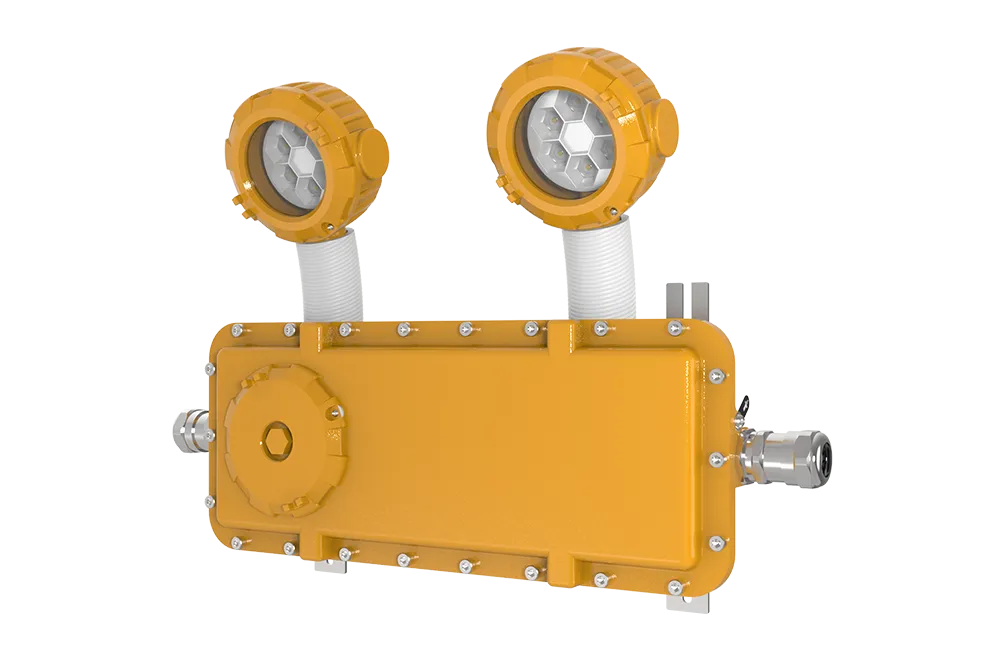
ATEX: Ex II 2G Ex db IIB T6 GbEx II 2D Ex tb IIIC T80°C Db IECEx Ex db IIB T6 Gb;Ex tb IIIC T80°C Db Feature: ● For Zone 1,2 and Zone 21,22● Flameproof type, the strongest Application: Oil and gas, marine, Chemical, pharmaceutical, semiconductor,mining,military industry, paint booth,power plant ETC hazardous area. Technical Specifications:…
View details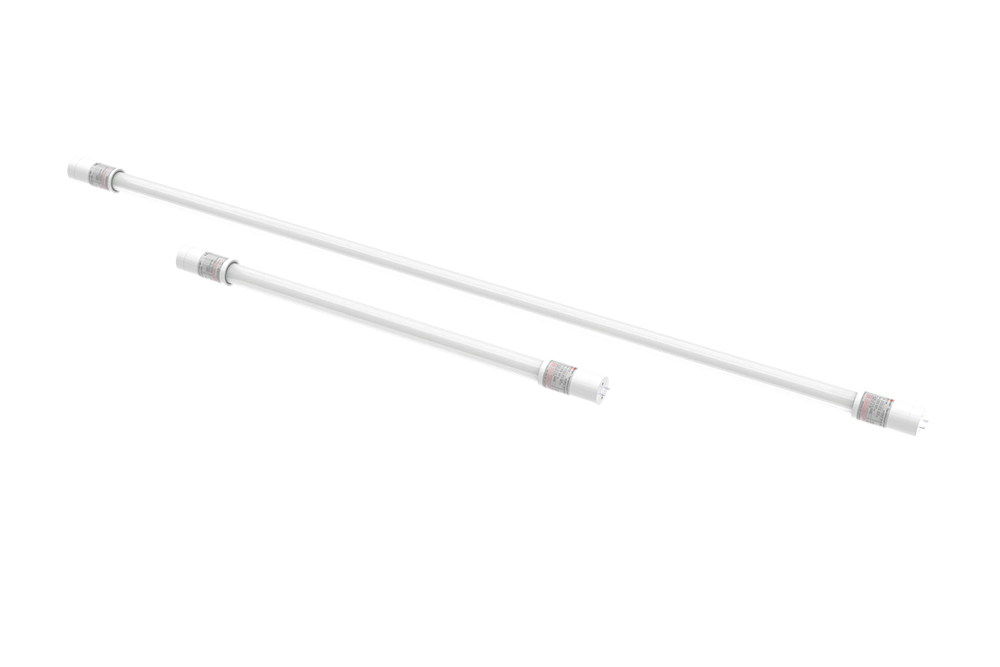
ATEX: Ex II 2G Ex d e IIB T6 Gb ATEX: Ex d e IIB T6 Gb; Feature: ● For Zone 1,2● 9W can replace 18W fluorescent lamps,50% Energy saving Application: Oil and gas, marine, Chemical, pharmaceutical, semiconductor,mining,military industry, paint booth,power plant ETC hazardous area. Technical Specifications: Standards:60079-0, 60079-1, 60079…
View details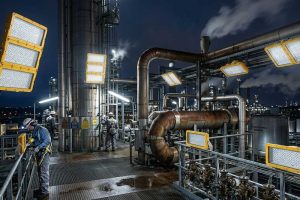
explosion proof lighting led engineered for Zone 1 & 2 hazardous areas. ATEX & IECEx certified, energy-efficient and built for oil, gas and chemical safety.
View details
How to replace LED flood light bulb safely outdoors. Practical steps, common mistakes, and when replacement is not possible. By SEEKINGLED.
View details
This engineering news article explains outdoor LED lighting installation and maintenance for industrial sites, covering real project experience with LED Street Light, LED Flood Light, Explosion Proof Light, and other SEEKINGLED outdoor lighting so...
View details
When fixing LED high bay lighting costs more than replacing, small upgrades stop making sense. Learn when repair turns into wasted money.
View details