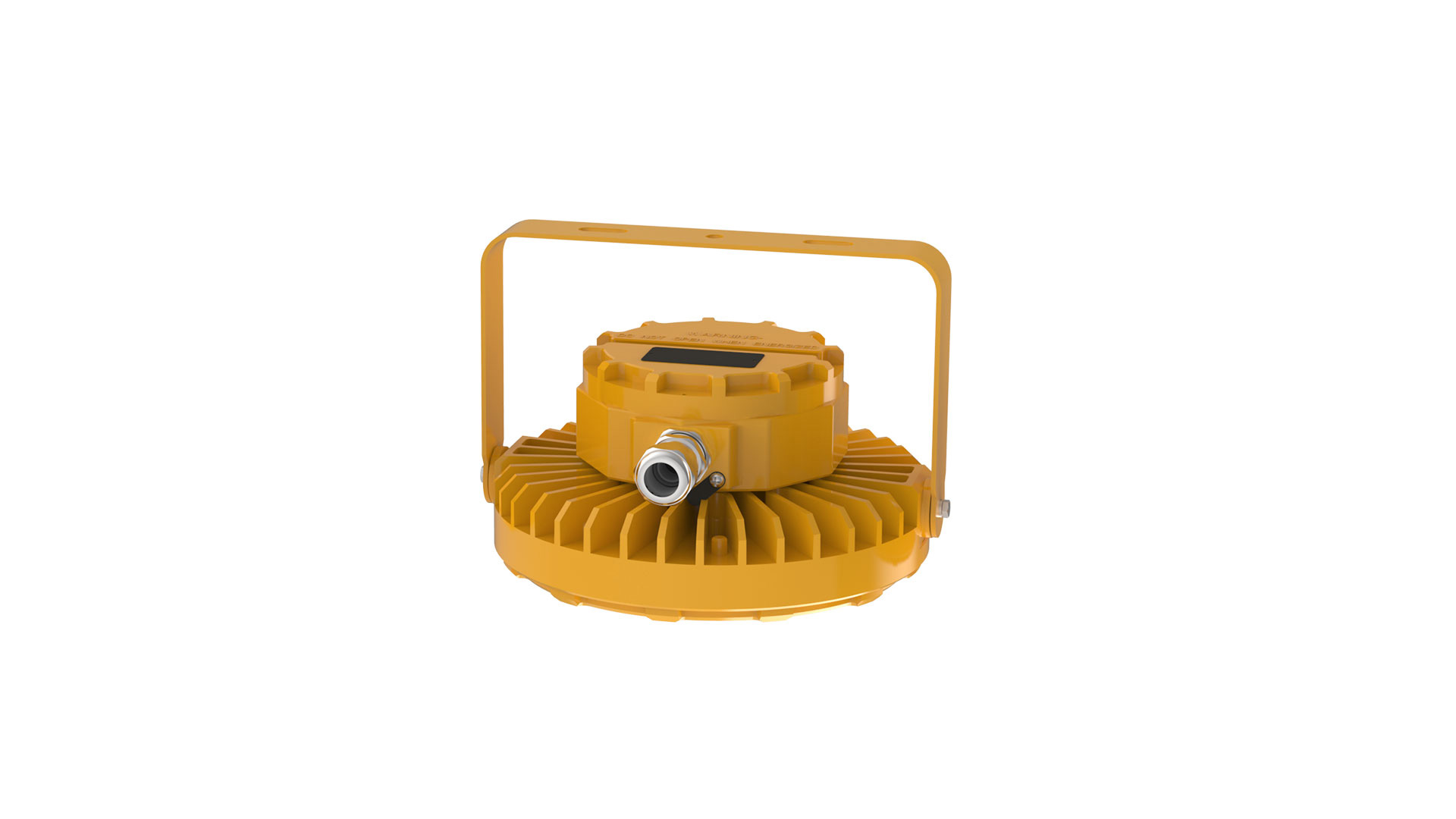
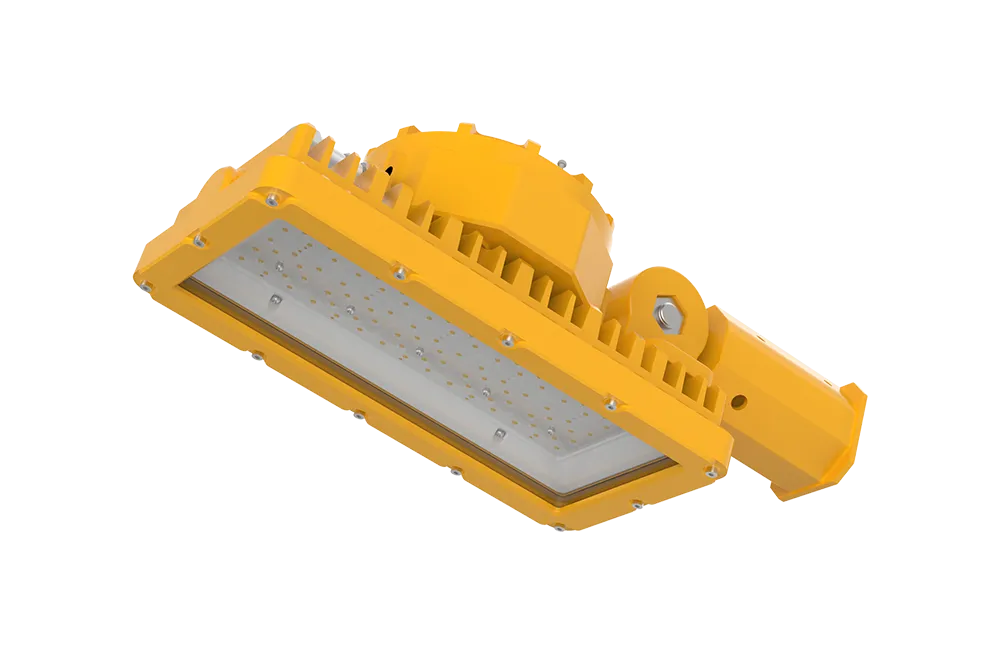
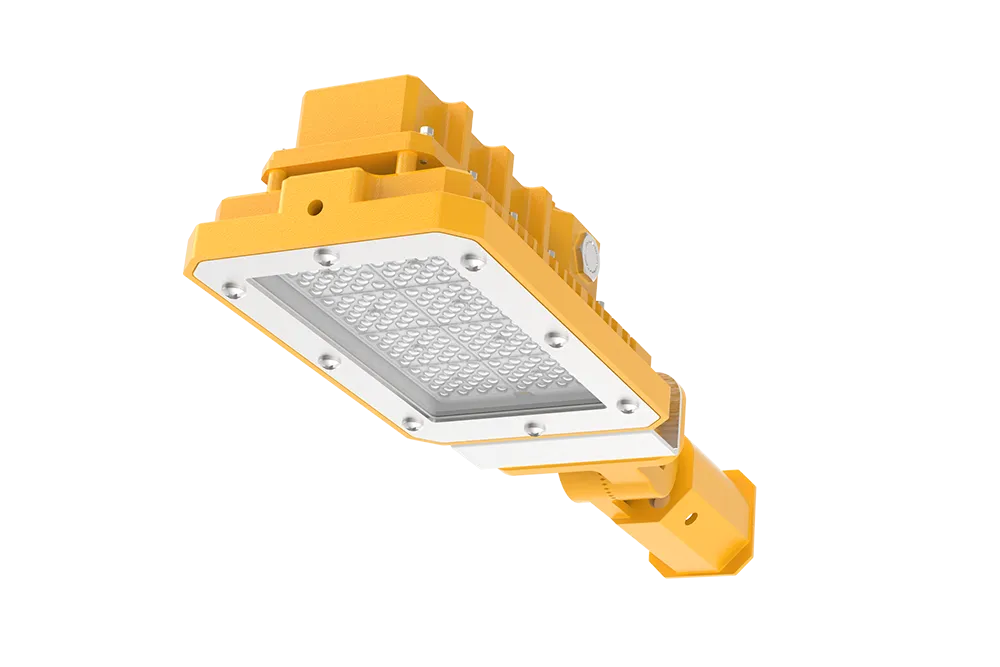
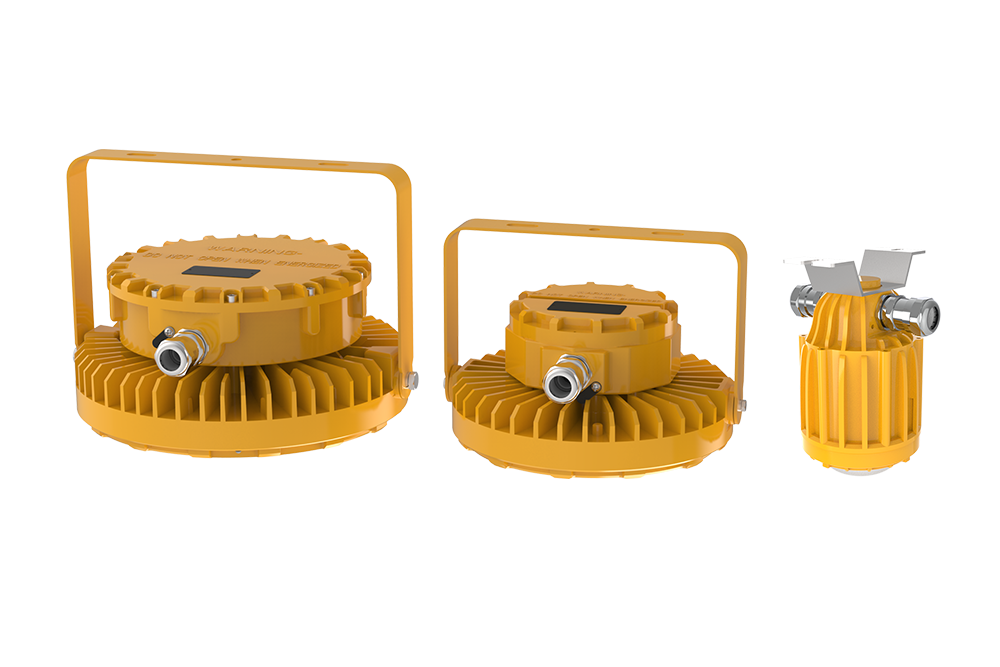
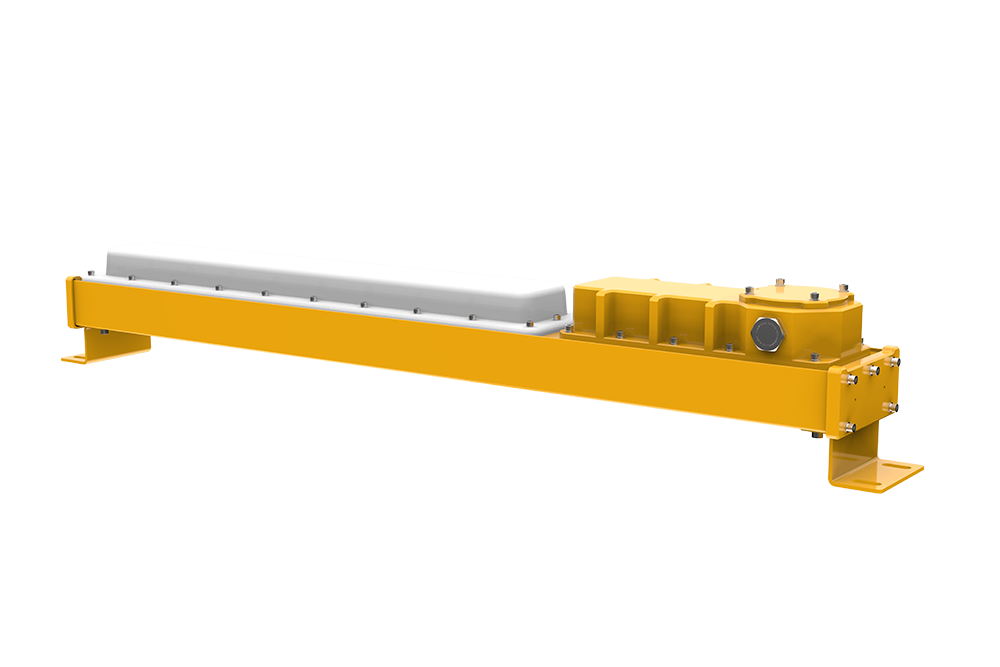
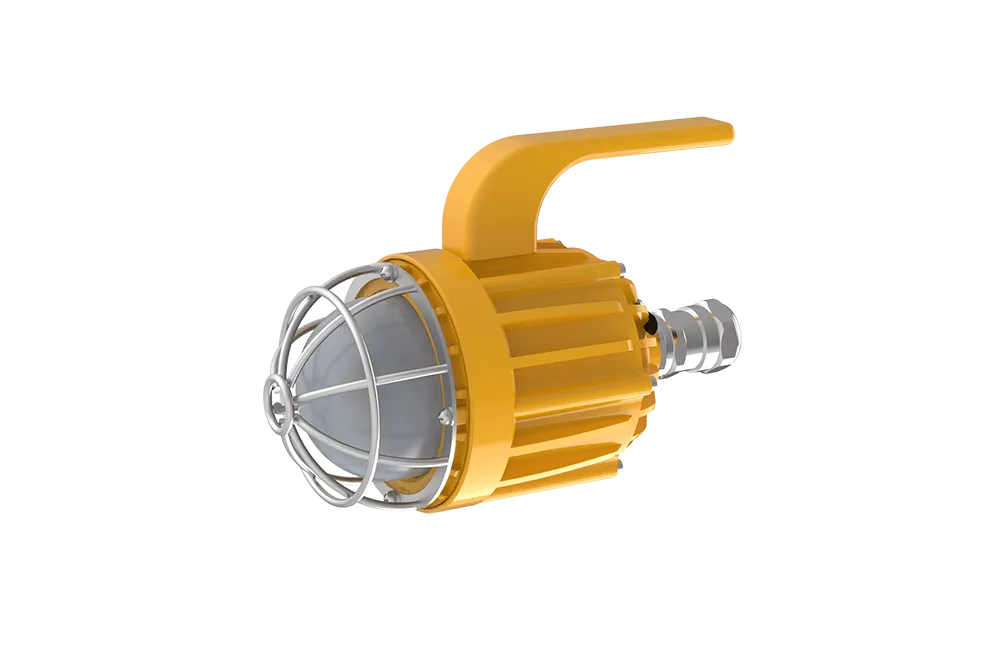
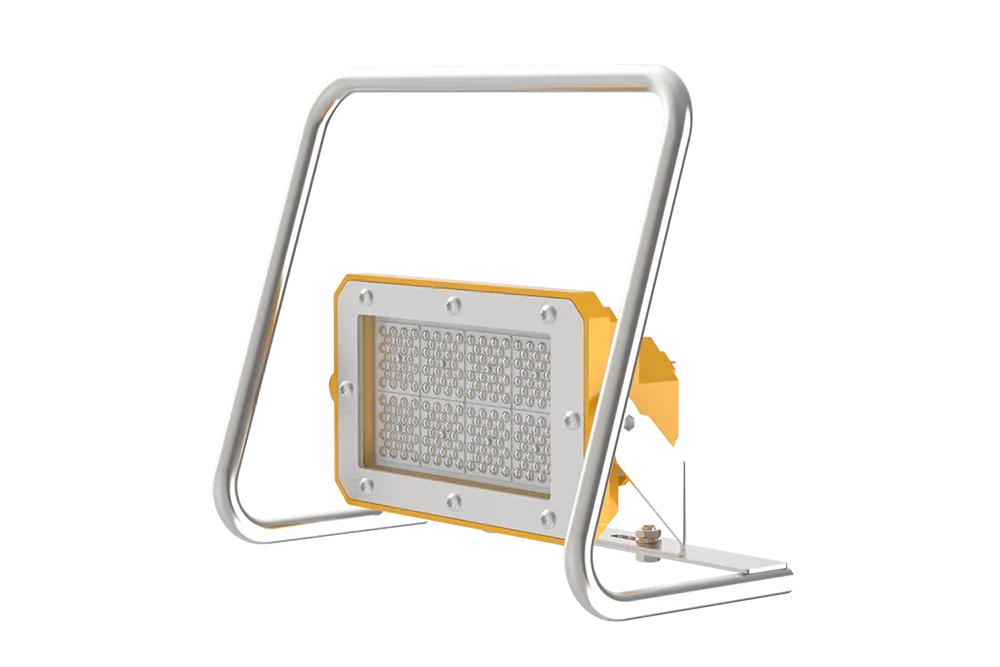
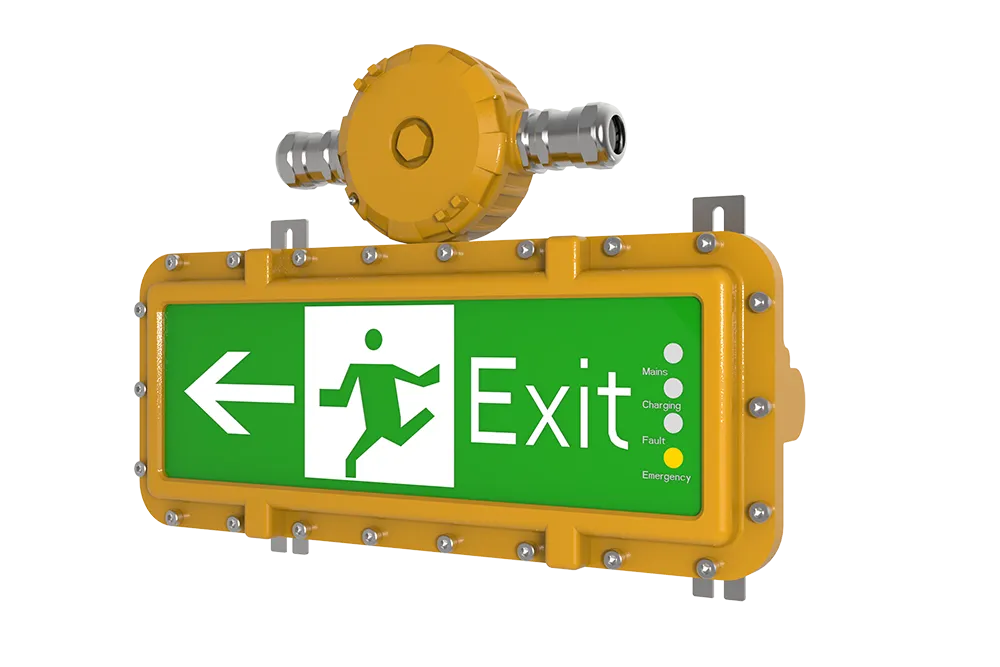
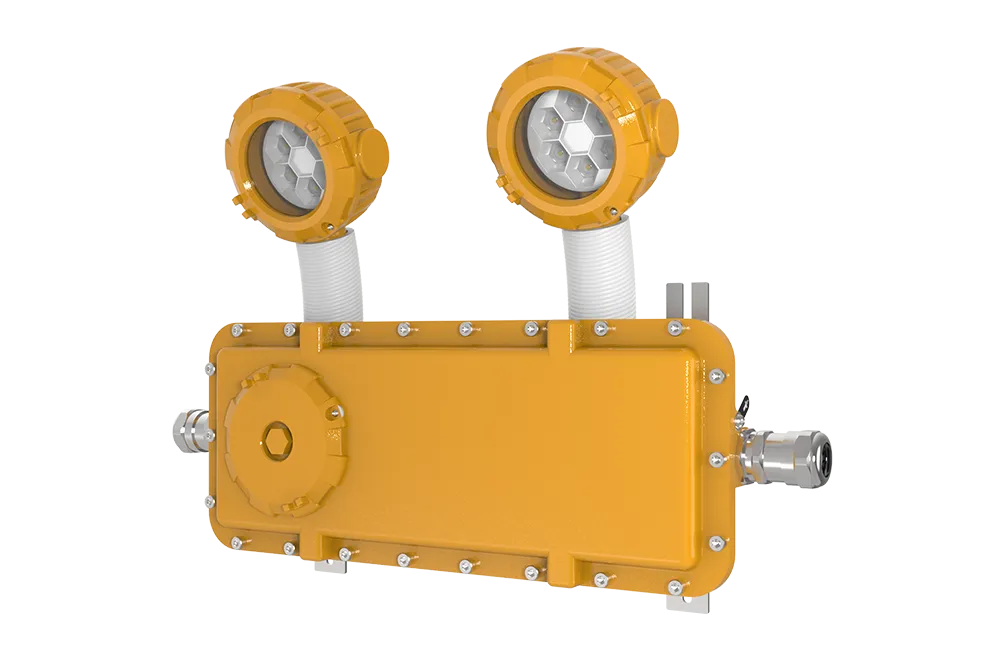
A LED explosion proof lamp is a sealed lighting fixture engineered to prevent internal sparks, heat, or arcs from igniting surrounding flammable gases or dust, while delivering stable high-lumen illumination for hazardous industrial environments.
That’s the straightforward answer.
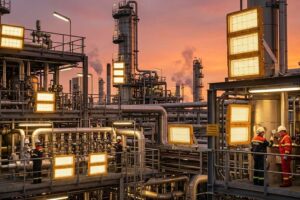
But if you’ve ever stood inside a refinery at 2 a.m., with vapor drifting through pipe racks and lighting humming overhead—you already know this isn’t just about illumination.
It’s about control.
I’ve spent years working alongside maintenance teams in chemical plants and storage terminals. And in those environments, lighting failures don’t show up as complaints. They show up as shutdowns… or worse.
led explosion proof lamp: Not Just “Rugged Lighting”
There’s a persistent misconception in the market:
“Explosion proof just means stronger housing.”
It doesn’t.
A LED explosion proof lamp is engineered around containment principles:
Prevent ignition from escaping
Maintain surface temperature below gas ignition thresholds
Withstand internal pressure from potential ignition
Standards like IECEx and ATEX define these requirements in detail.
According to the International Electrotechnical Commission, certified equipment must ensure that any internal explosion cannot propagate to the external atmosphere. Source:
That’s a completely different design philosophy compared to standard industrial lighting.
Where These Lamps Are Actually Used
You don’t install explosion proof lamps “just in case.”
You install them because the environment demands it.
Typical scenarios:
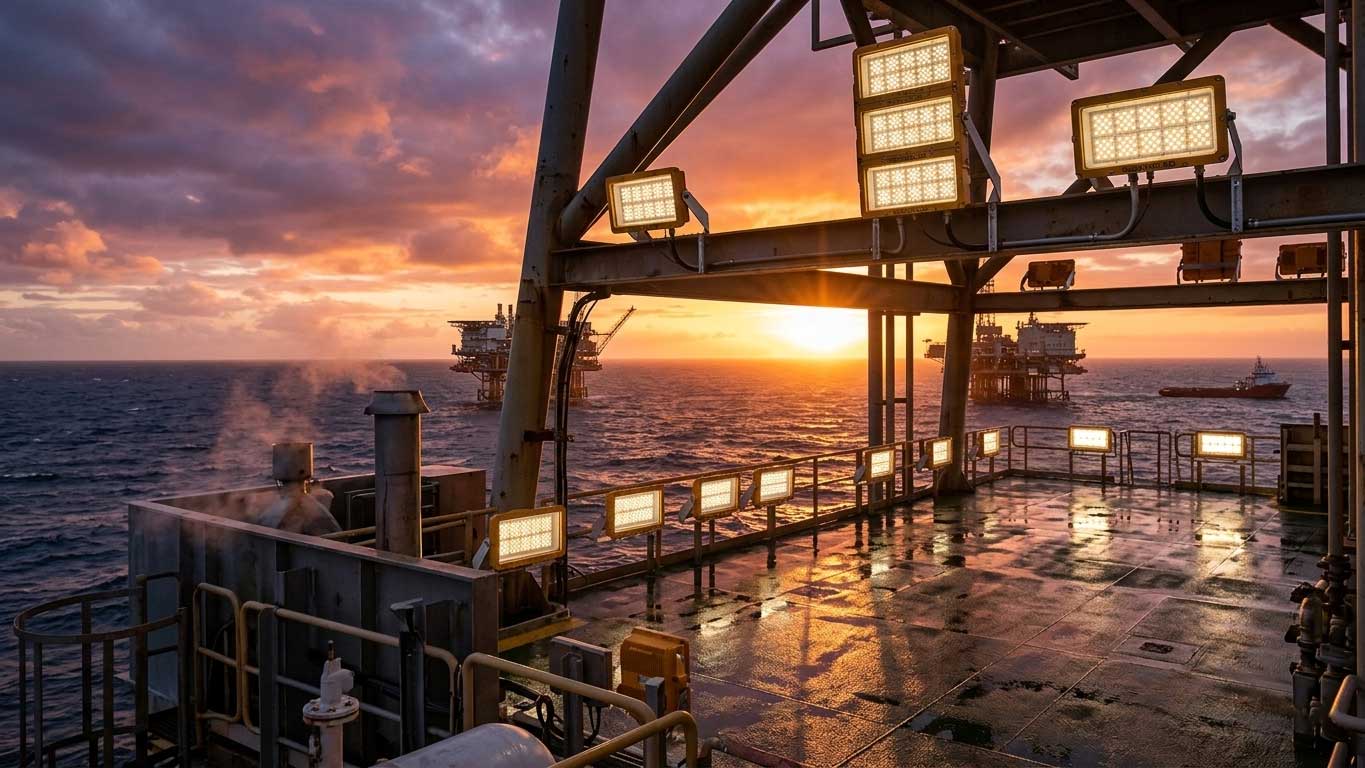
Oil refineries
LNG terminals
Chemical mixing plants
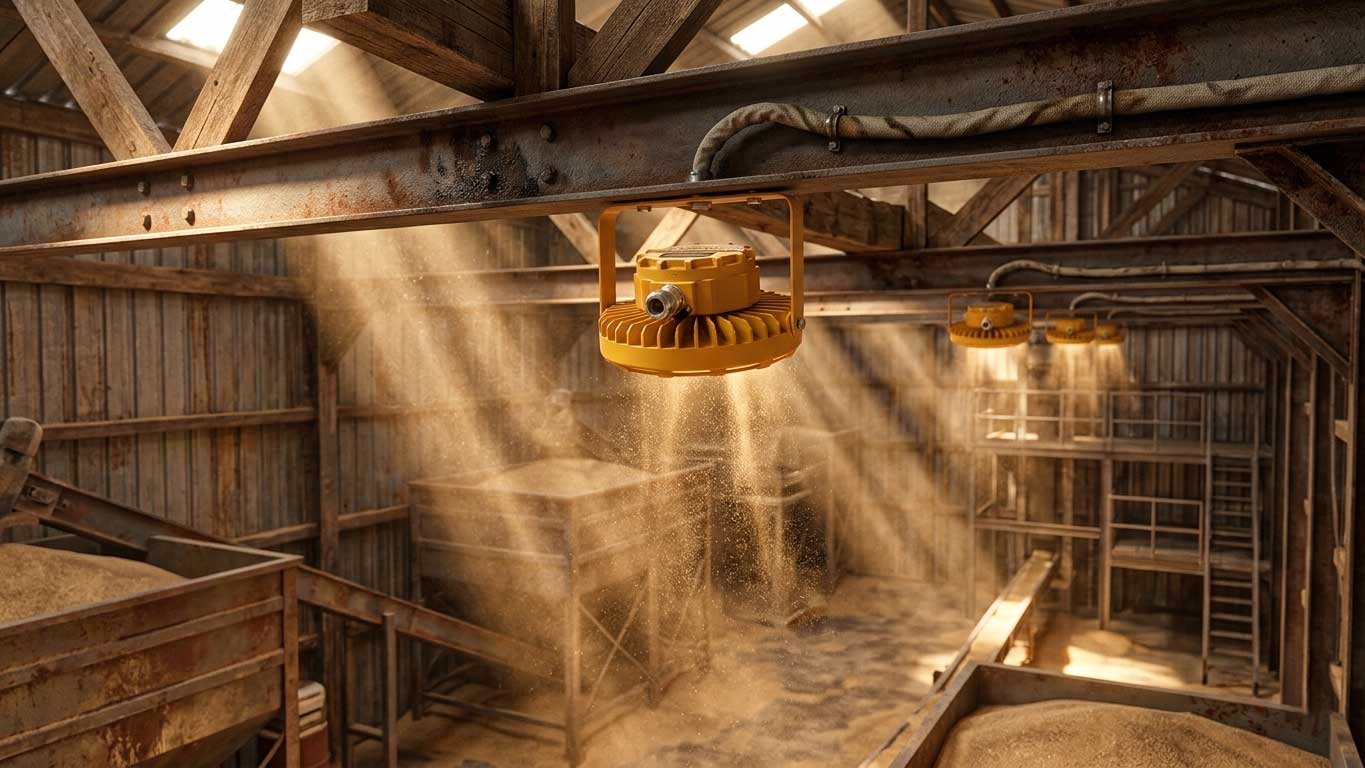
Grain silos (combustible dust)
Paint booths
Fuel storage depots
A dust explosion in a grain facility, for example, can occur at concentrations as low as 50 g/m³, according to industry safety studies.
That’s not a lot.
explosion proof led light fixture: Brightness vs Risk
Most buyers still start with wattage.
That’s understandable—but incomplete.
Typical Performance Range
Power
Lumens
Use Case
50W
6,000–8,000 lm
confined hazardous areas
100W
12,000–15,000 lm
workshops
150W
18,000–22,000 lm
warehouses
200W
25,000–30,000 lm
large industrial spaces
The U.S. Department of Energy reports LED fixtures can reduce energy consumption by up to 75% compared to incandescent systems.
But here’s something I’ve learned the hard way:
In hazardous zones, thermal stability matters more than peak brightness.
A fixture running too hot can become the ignition source it was supposed to prevent.
Thermal Design: What You Don’t See on the Spec Sheet
In real installations, failures rarely come from LEDs burning out.
They come from heat.
Key design features:
heavy aluminum housing
explosion-proof joints
silicone sealing rings
tempered glass lens
controlled driver current
At SEEKINGLED, we run continuous thermal testing under full load. If a unit drifts beyond safe temperature margins—even slightly—it doesn’t ship.
Because small deviations scale up under real conditions.
hazardous location led lighting: Certification Matters More Than Price
There’s no shortcut here.
If a product doesn’t have verifiable certification, it doesn’t belong in hazardous areas.
Key certifications:
ATEX (Europe)
IECEx (global)
UL844 (North America)
Class I Division 1 / 2
According to OSHA, improper electrical equipment is a major factor in hazardous workplace incidents.
What to Check Before Buying
Temperature class (T-rating)
Gas group compatibility
IP rating (IP66 or higher)
Impact resistance
Certification number traceability
I’ve personally audited sites where “explosion proof” lights had no valid certification body behind them.
Those installations didn’t pass inspection—and had to be replaced entirely.
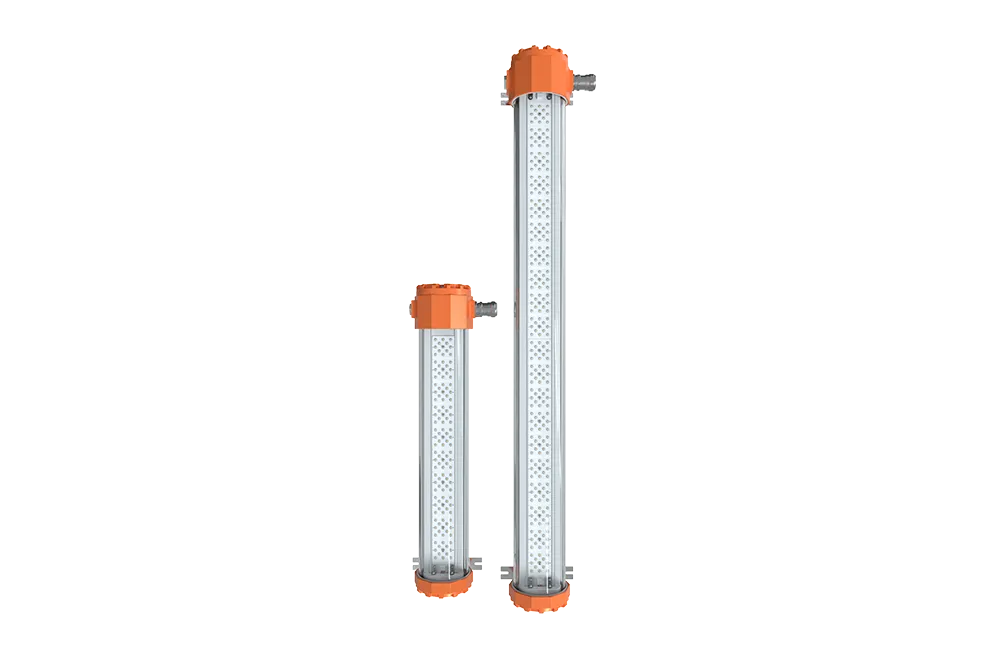
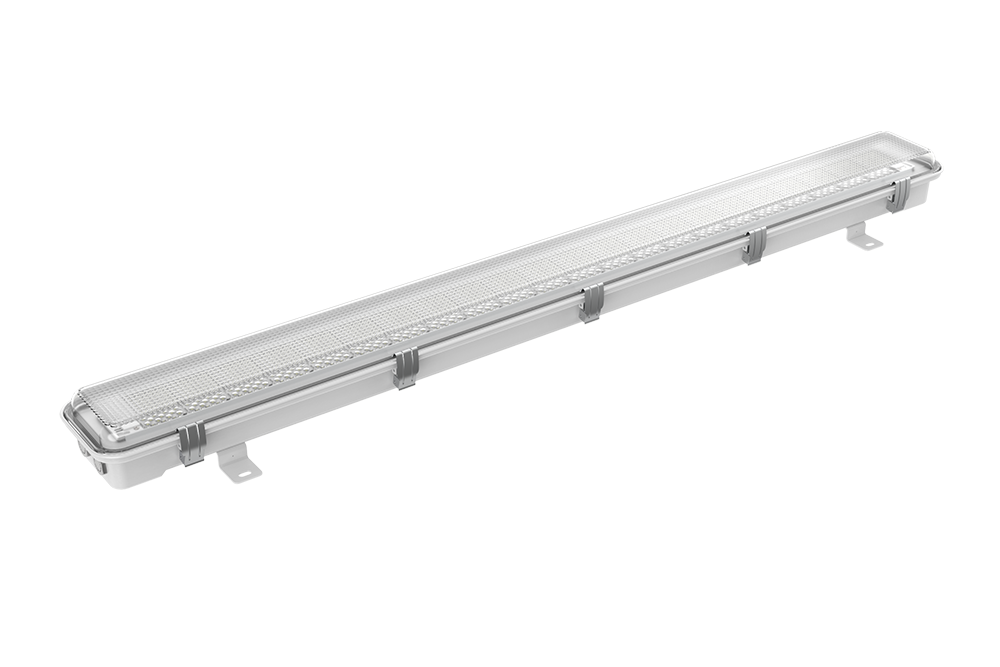
SEEKINGLED LED Linear Explosion Proof Light and Explosion Proof lighting is ATEX and IECEx certified for Zone 1, Zone 2, Zone 21 and Zone 22 hazardous locations, built for long-term industrial use.
LED Linear Explosion Proof Lights and EX Proof lights for Zone 1, Zone 2, Zone 21 and Zone 22 hazardous areas. ATEX & IECEx certified explosion proof LED linear lighting with emergency function, adjustable power and IP67 protection by SEEKINGLED.
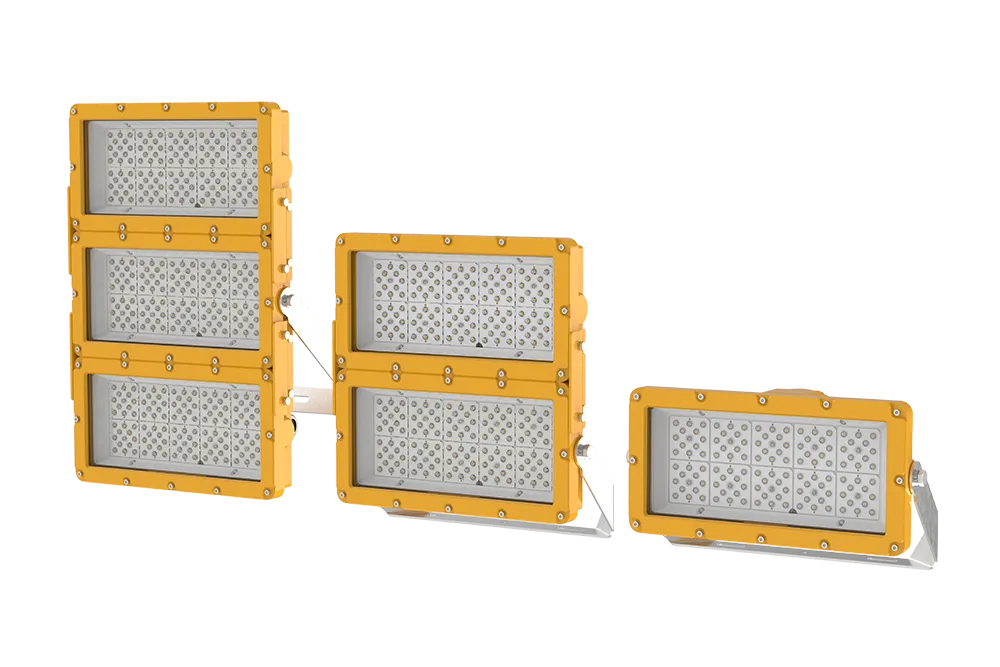
SEEKINGLED LED Explosion Proof Flood Lights are ATEX certified for Zone 2 and Zone 22 hazardous areas, offering high efficiency, adjustable power and integrated junction box.
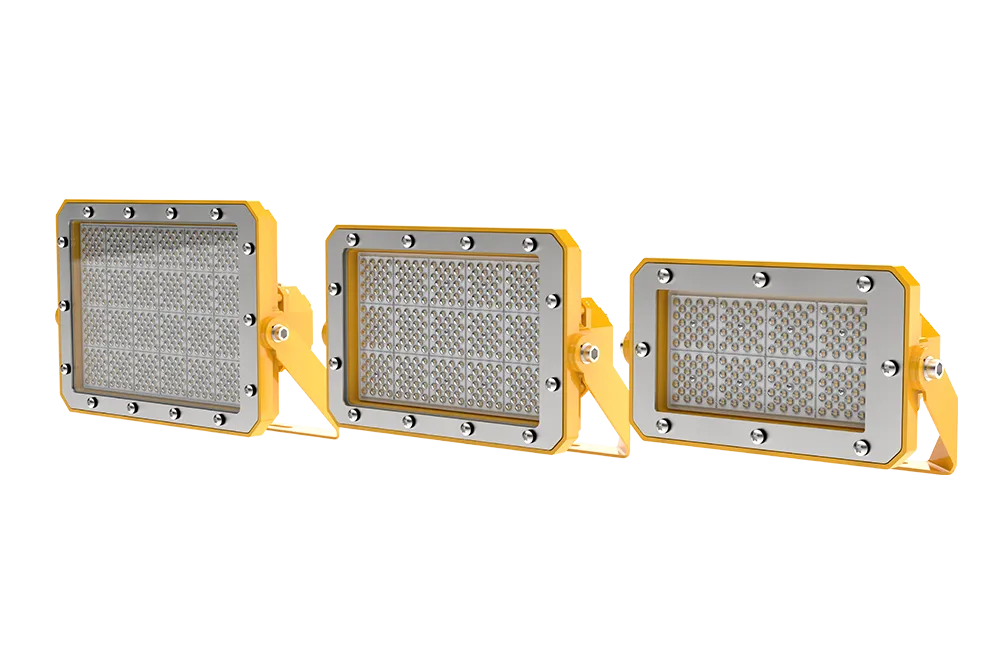
SEEKINGLED LED Explosion Proof Flood Lights are flameproof ATEX and IECEx certified for Zone 1 and Zone 2 hazardous areas, offering high power, adjustable output and long service life.
SEEKINGLED LED Gas Station Canopy Lights are ATEX certified for Zone 2 and Zone 22 hazardous areas, featuring adjustable power and built-in explosion-proof junction box.
ATEX: Ex II 2G Ex db IIB T6/T5 GbEx II 2D Ex tb IIIC T80°C/ T95°C Db IECEx Ex db IIB T6 Gb;Ex tb IIIC T80°C Db Feature: ● For Zone 1,2 and Zone 21,22● Flameproof type, the strongest● 100W can replace 250W HID,energy saving● Power:60W,80W,100W Application: Oil and gas, marine, Chemical, pharmaceutical, semiconductor,mining,military industr…
ATEX: II 3G Ex nR ⅡC T5/T6 GcII 3D Ex tc ⅢC T80℃/T95℃Dc ATEX Certificate NO: TÜV CY 26 ATEX 0207611 X Feature: ● For Zone 2 and Zone 22● 150W can replace 250W HID lamps,Energy saving● Power:50W,75W,100W,150W,200W Application: Oil and gas, marine, Chemical, pharmaceutical, semiconductor,mining,military industry, paint booth,power plant ETC…
LED explosion proof high bay lights are designed for Zone 1, Zone 2, Zone 21 and Zone 22 hazardous areas. This page introduces the HB21 Series from SEEKING, including certifications, power options and real application considerations.
LED Linear Explosion Proof Lights from SEEKINGLED. LU Series Flame Proof lights ATEX-certified explosion proof LED linear lighting for Zone 2 gas and Zone 22 dust areas, IP69K, IK10, long lifetime and flexible power options.
Certified explosion proof work lights for Zone 1 & 21 hazardous areas. Portable, ATEX & IECEx approved, built for oil, gas and chemical plants by SEEKINGLED.
ATEX: II 3G Ex nR ⅡC T6 GcII 3D Ex tc ⅢC T80℃ Dc ATEX Certificate NO: TÜV CY 26 ATEX 0207611 X Feature: ● For Zone 2 and Zone 22● Accepts battery-powered supply● indestructible● Power:AC input:50W,75W,100WDC input:15W,25W,35W Application: Oil and gas, marine, Chemical, pharmaceutical, semiconductor,mining,military industry, paint booth,po…
ATEX: Ex II 2G Ex db IIB T6 GbEx II 2D Ex tb IIIC T80°C Db IECEx Ex db IIB T6 Gb;Ex tb IIIC T80°C Db Feature: ● For Zone 1,2 and Zone 21,22● Flameproof type, the strongest Application: Oil and gas, marine, Chemical, pharmaceutical, semiconductor,mining,military industry, paint booth,power plant ETC hazardous area. Technical Specifications:…
ATEX: Ex II 2G Ex db IIB T6 GbEx II 2D Ex tb IIIC T80°C Db IECEx Ex db IIB T6 Gb;Ex tb IIIC T80°C Db Feature: ● For Zone 1,2 and Zone 21,22● Flameproof type, the strongest Application: Oil and gas, marine, Chemical, pharmaceutical, semiconductor,mining,military industry, paint booth,power plant ETC hazardous area. Technical Specifications:…
ATEX: Ex II 2G Ex d e IIB T6 Gb ATEX: Ex d e IIB T6 Gb; Feature: ● For Zone 1,2● 9W can replace 18W fluorescent lamps,50% Energy saving Application: Oil and gas, marine, Chemical, pharmaceutical, semiconductor,mining,military industry, paint booth,power plant ETC hazardous area. Technical Specifications: Standards:60079-0, 60079-1, 60079…
Since April, SEEKINGLED’s production workshop has been operating at full capacity. Due to rising material prices, lamp manufacturers and overseas buyers have been placing orders aggressively, resulting in a sharp surge in demand. The supply chain ...
LED industrial high bay lights designed for warehouses, workshops and logistics hubs. Discover how SEEKINGLED HBF Series reduces energy cost, improves reliability and simplifies industrial lighting upgrades.
Discover how ATEX light fittings improve safety in explosive atmospheres. Learn certifications, applications, selection tips, and real-world industry insights from SEEKINGLED.
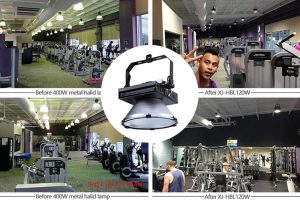
LED High Bay Replacement for Gym Lighting was required after 400W metal halide lamps degraded in an Australian gym. This record documents how XJ-HBL120W was selected after on-site lux testing and adjustment.
 Seeking LED