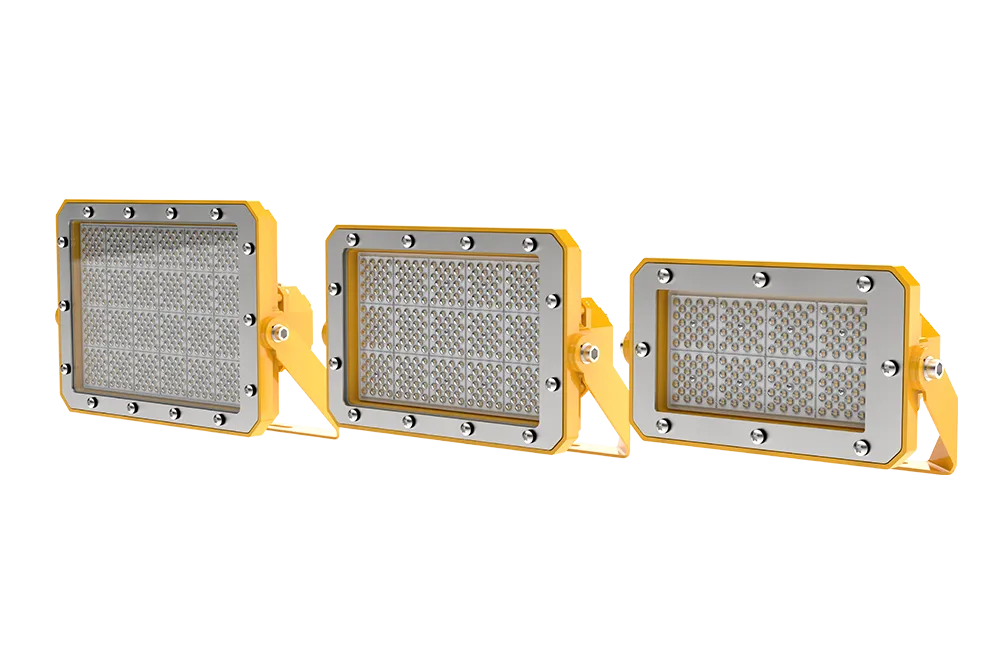
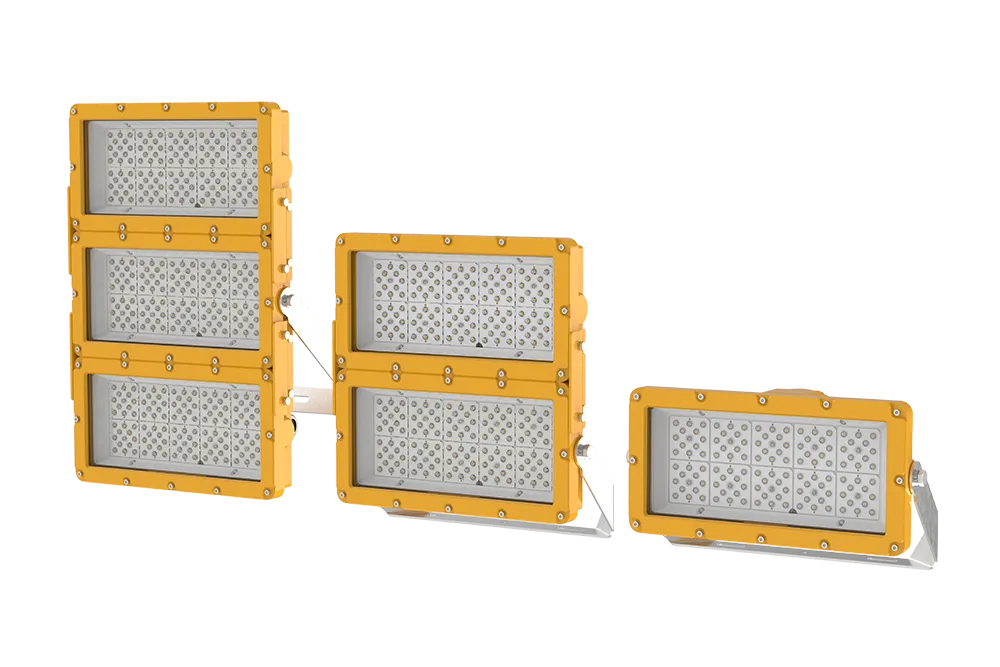
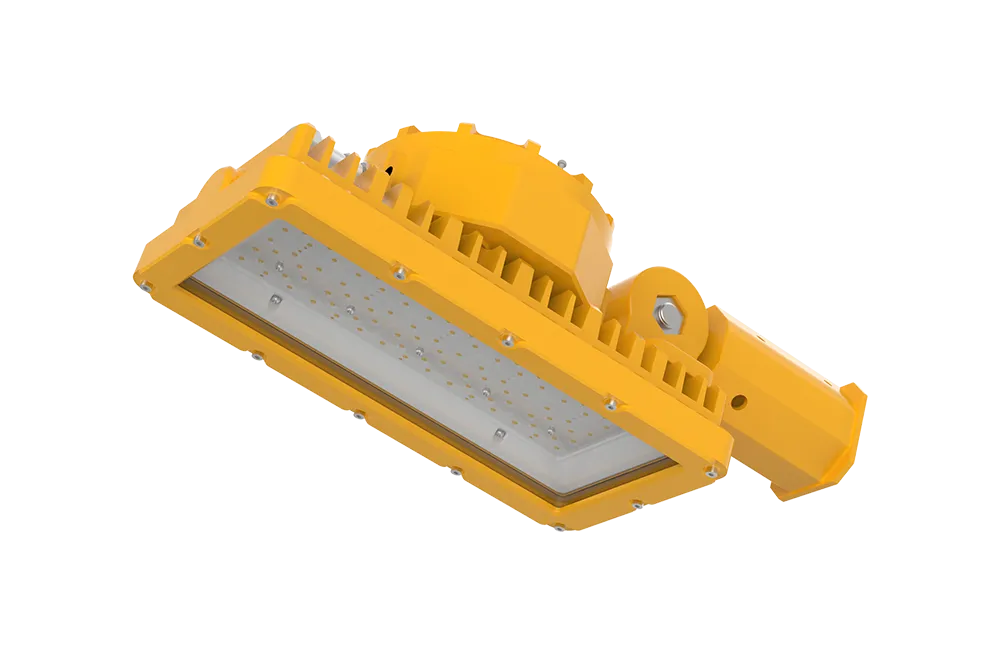
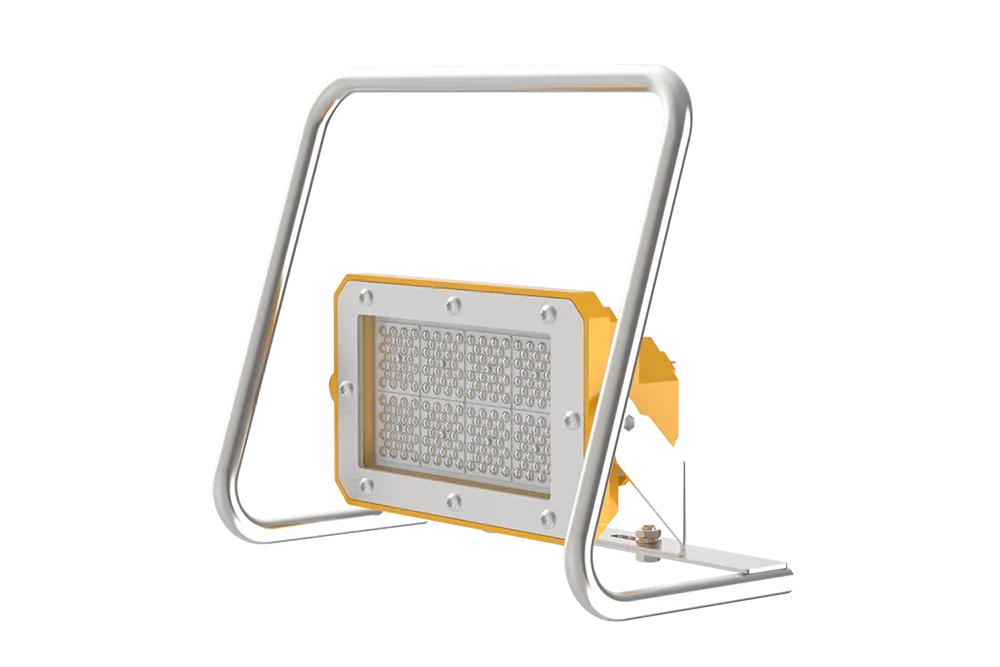
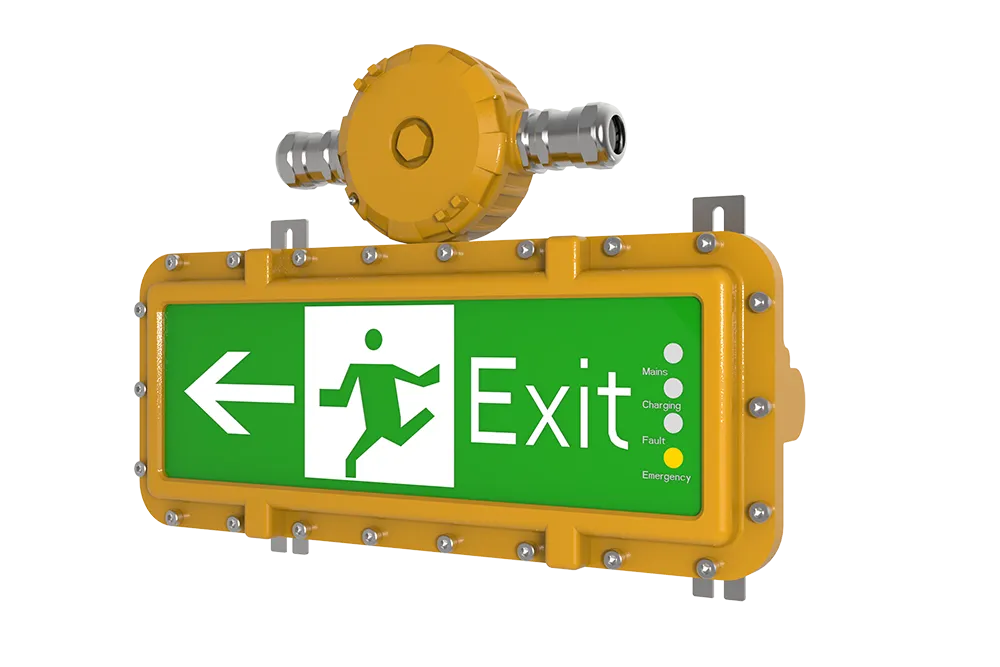
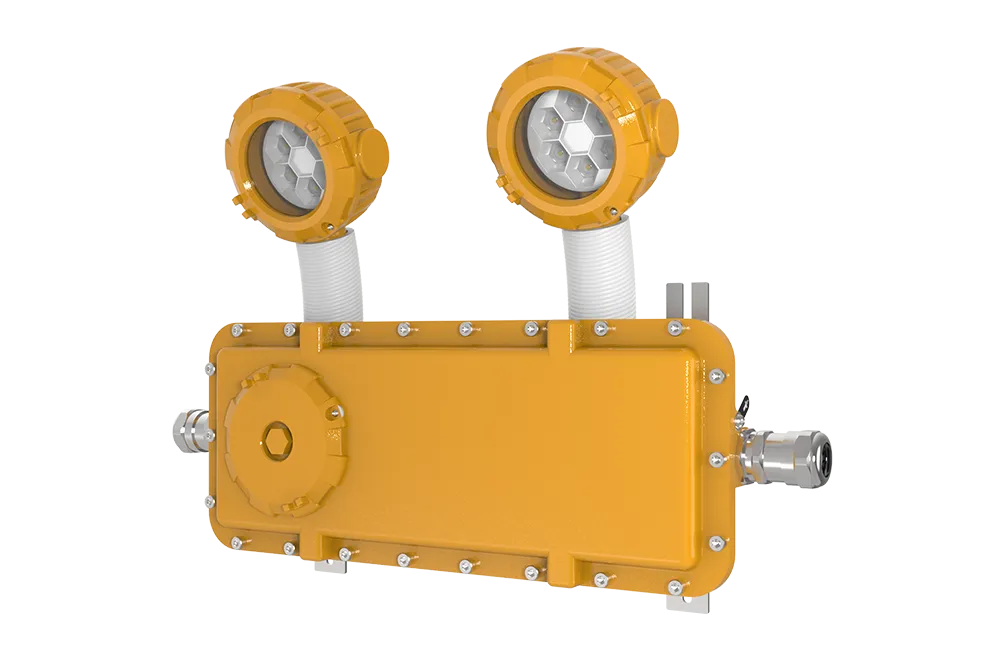
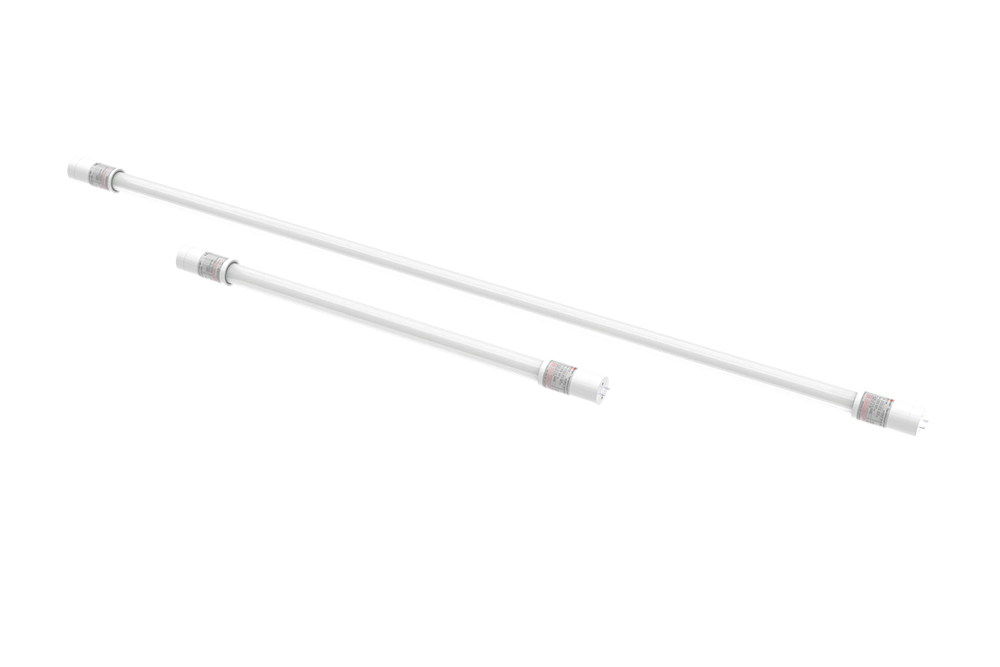
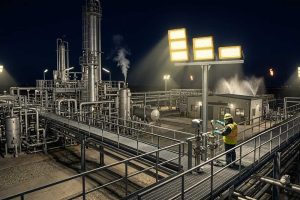
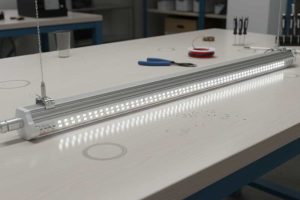
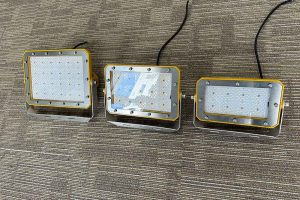
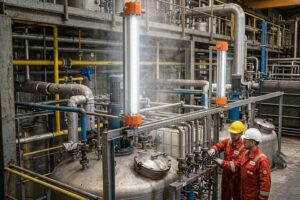
A hazardous area flood light is a certified explosion-proof lighting system designed to operate safely in gas, vapor, or dust explosive atmospheres without becoming an ignition source.
In practice, this means sealed housings, controlled surface temperature, and verified electrical isolation. It is not “a stronger LED”—it is a completely different safety architecture.
During field inspections in petrochemical zones, I’ve seen lighting systems treated like structural safety components rather than electrical accessories. One engineer in a Singapore terminal once told me: “We don’t install lights here for brightness. We install them so nothing goes wrong at 2 a.m.”
That mindset defines how hazardous lighting is engineered and evaluated.
What makes hazardous area flood light fundamentally different
A standard industrial flood light is designed around efficiency and lumen output. A hazardous area flood light is designed around failure containment.
The difference shows up in three engineering layers:
- ignition prevention
- thermal control
- enclosure integrity
This is where global standards such as ATEX Directive 2014/34/EU and IECEx certification systems define strict performance boundaries.
Reference sources:
Hazardous area classification explained in real terms
Zone system used in industrial lighting design
Industrial sites classify explosive risk zones based on how often hazardous gas or dust may be present:
- Zone 0: continuous presence of explosive gas
- Zone 1: occasional presence during normal operation
- Zone 2: abnormal or short-duration presence
For dust environments:
- Zone 20 / 21 / 22 follow similar logic
According to OSHA hazardous location guidance (https://www.osha.gov), incorrect equipment selection in these zones is a major contributor to industrial ignition incidents in processing facilities.
In field audits, Zone 1 areas usually dictate the strictest lighting requirements because they combine accessibility with active process risk.
Engineering structure inside a hazardous area flood light
It is not sealed “for protection”—it is sealed for containment
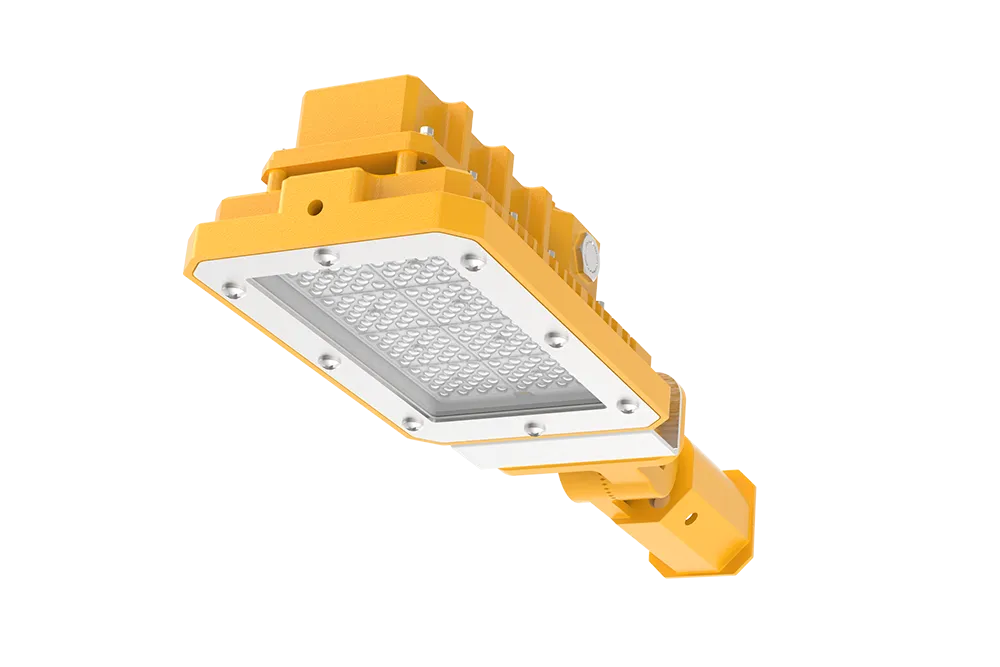
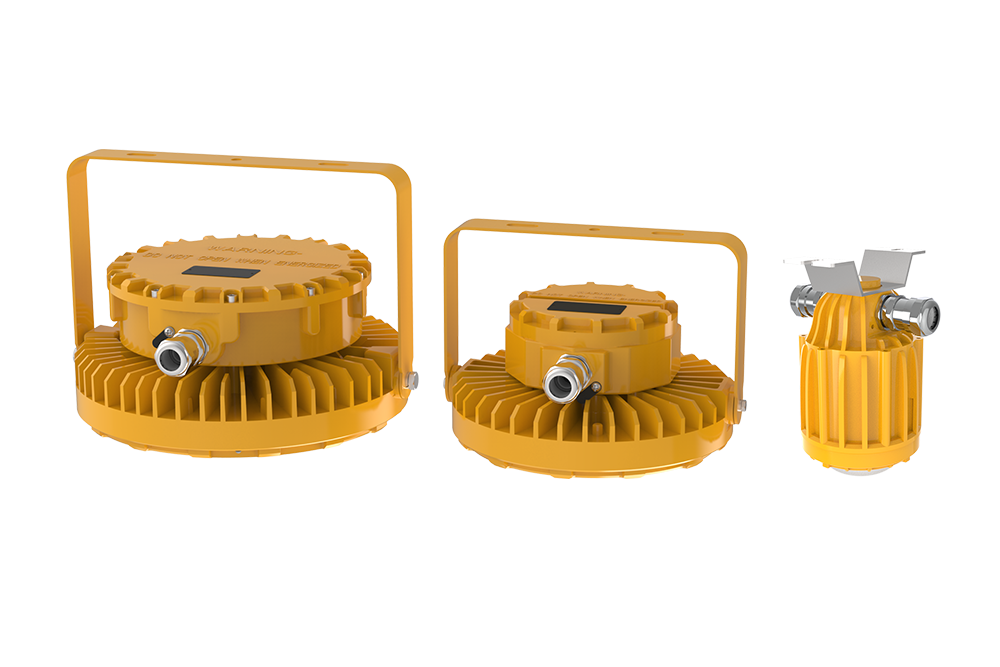
A typical SEEKINGLED hazardous area flood light integrates:
- flameproof housing (die-cast aluminum or stainless steel)
- explosion-proof glass lens system
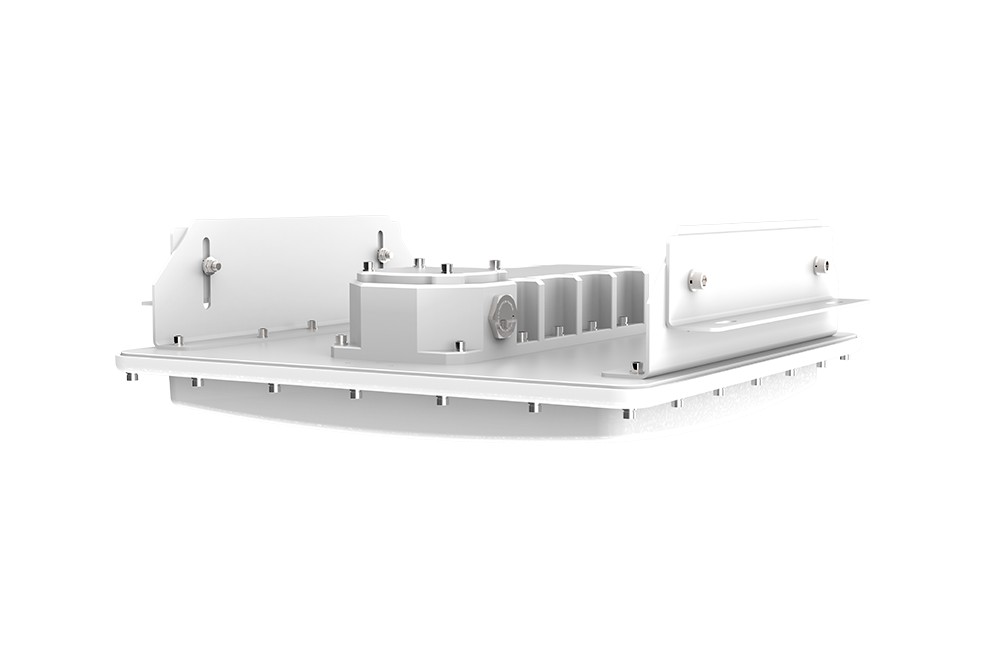
- encapsulated LED driver compartment
- stainless steel external fasteners
- IP66 / IP67 ingress protection
But what matters more is how these parts interact.
The enclosure is not just sealed—it is designed to ensure that if internal failure occurs, no ignition energy escapes the housing.Visit the product page: Explosion Proof Lighting
Field reality – where lighting systems actually fail
In industrial maintenance environments, failures rarely come from LEDs themselves.
From inspection logs across offshore and refinery sites, three recurring issues dominate:
- cable gland misalignment during installation
- corrosion in salt-rich coastal air
- thermal cycling stress on sealing interfaces
These failures are subtle. A light may still operate, but its certification integrity is already compromised.
One maintenance supervisor described it bluntly:
“A hazardous light doesn’t fail like a normal light. It fails quietly first.”
Thermal control – the invisible safety parameter
Why temperature matters more than brightness
In hazardous zones, ignition risk is tied to surface temperature rather than luminous output.
Standards define T-class ratings (T1–T6), controlling maximum surface temperature.
Example:
- T4 rating limits surface temperature to 135°C
This is critical because many industrial gases have ignition points well below typical LED heat sink temperatures if not engineered properly.
In real installations, thermal design determines whether a fixture can operate inside Zone 1 chemical processing units or only peripheral zones.
Real-world application environments
Where hazardous area flood light systems are used
These lighting systems are deployed in:
- offshore oil platforms
- LNG terminals
- petrochemical refineries
- solvent production plants
- grain and flour processing silos
- fuel storage depots
Each environment introduces a different risk profile:
- gas-based hazards require spark isolation
- dust-based hazards require enclosure sealing against fine particles
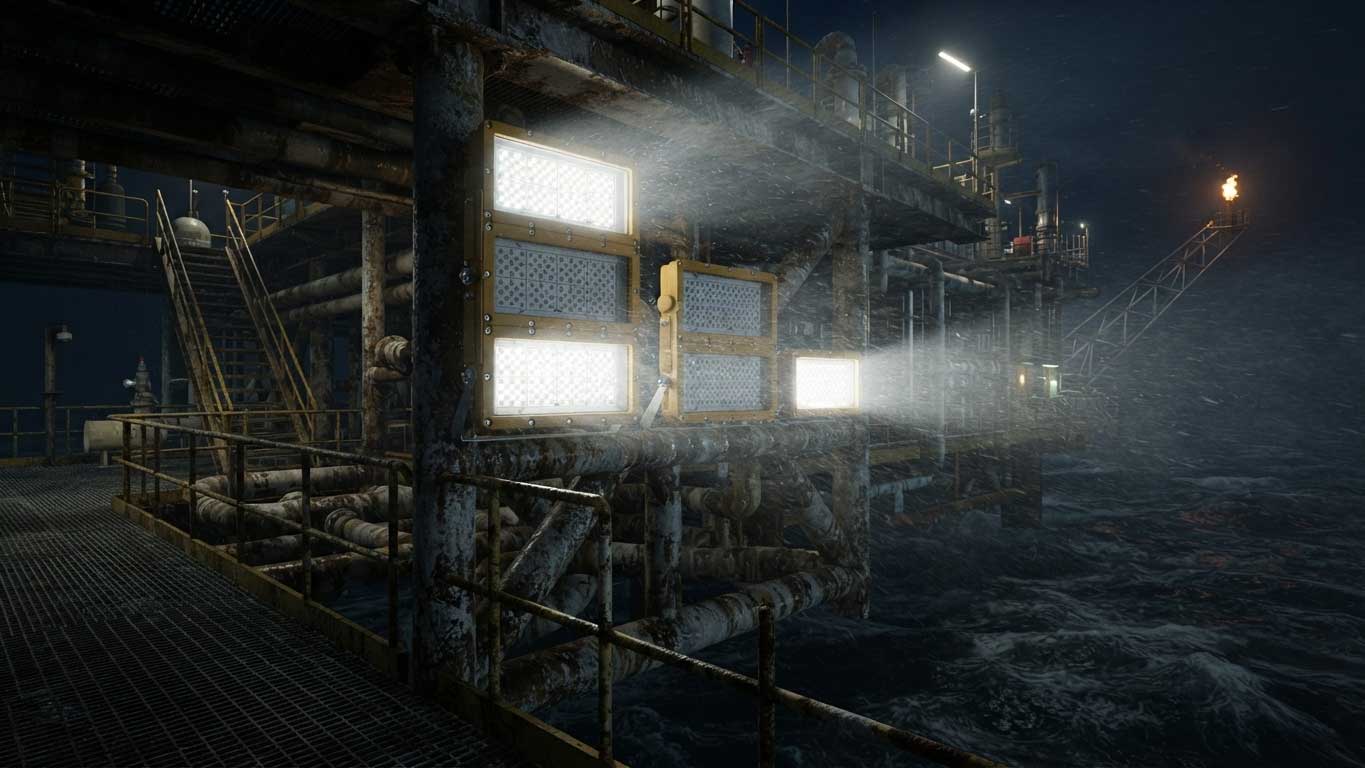
- offshore environments add corrosion and vibration stress
Installation constraints that engineers often overlook
Cable entry is the weakest safety point
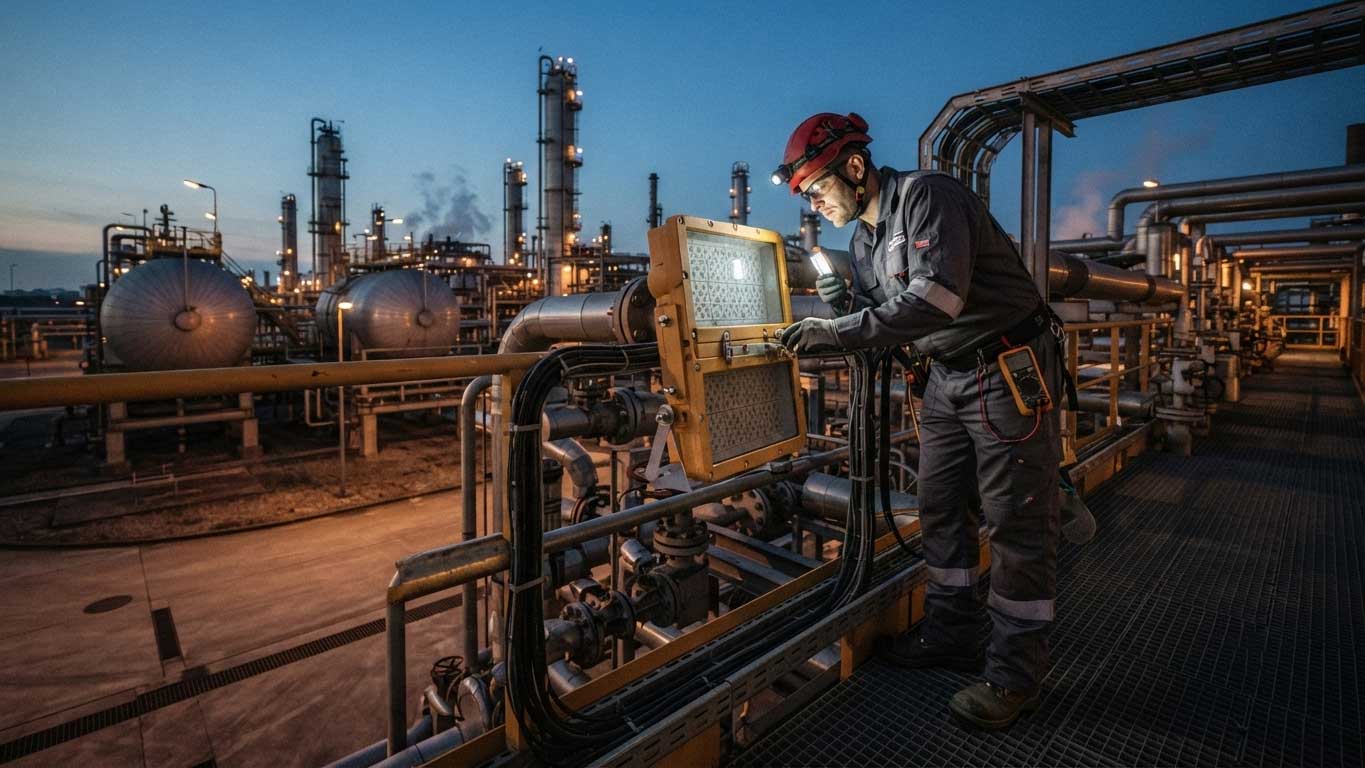
In most real-world inspections, the weakest point is not the housing—it is the cable entry system.
Common installation mistakes:
- incorrect torque on cable glands
- improper sealing compound usage
- mixed certification components
Vibration and mounting fatigue
Platforms with heavy machinery generate continuous micro-vibration. Over time, this affects:
- bracket alignment
- sealing compression
- internal driver stability
SEEKINGLED engineering perspective (field-driven design logic)
At SEEKINGLED, hazardous lighting design follows a simple internal rule:
“If a failure mode is predictable, it must be designed out—not tested for tolerance.”
This means every production batch undergoes:
- thermal cycling stress tests
- humidity exposure simulation
- vibration endurance testing
- dielectric strength verification
In industrial lighting, compliance is the baseline. Stability under long operational stress is the real differentiator.
Real engineering cases from industrial deployments
A hazardous area flood light is often judged correctly only after months—or years—of continuous exposure. In controlled lab conditions, almost everything passes. The difference appears when salt air, vibration, and heat cycles start stacking together.
Case 1 — Offshore corrosion reality check
In an offshore gas platform maintenance cycle, we observed a batch of flood lights that were still operational after 18 months. Electrically, they were fine. Structurally, however, the early warning signs were visible:
- micro-pitting on external fasteners
- slight discoloration around cable entries
- gasket compression loss under thermal cycling
These are not immediate failure points, but they indicate degradation of explosion-proof integrity.
According to NACE (National Association of Corrosion Engineers) studies on marine corrosion (https://www.nace.org), corrosion rates in coastal industrial zones can be 3–5 times higher than inland environments due to salt deposition and humidity cycles.
That single factor explains why offshore hazardous lighting must prioritize material stability over raw efficiency.
Case 2 — Chemical plant vibration fatigue
In a chemical processing facility Zone 1 area, lighting systems mounted on steel frames near pumps showed a different failure pattern:
- bracket loosening after repeated vibration cycles
- cable gland rotation under micro-movement
- seal compression fatigue at driver housing interface
What made this interesting was not the failure itself, but the timing—most issues appeared after the 8–14 month operational window, not immediately after installation.
This aligns with IEC 60079 equipment lifecycle considerations, where mechanical stress is treated as a long-term degradation factor rather than an installation variable.
Material behavior under explosive atmosphere conditions
Why aluminum alloy and stainless steel dominate design
In hazardous area flood light construction, material selection is not cosmetic—it directly affects certification compliance.
Typical choices:
- Die-cast aluminum alloy → lightweight, strong heat dissipation
- 316 stainless steel → high corrosion resistance in offshore/chemical zones
In field observations, aluminum housings tend to perform better thermally, while stainless steel excels in chemical resistance. Hybrid designs often balance both.
A refinery maintenance engineer once summarized it simply:
“We don’t choose materials for lifespan. We choose them for predictable degradation.”
That idea is central to hazardous lighting engineering.
Operational performance in real lighting environments
Lumen stability vs perceived brightness
One overlooked factor in hazardous area flood light systems is lumen depreciation under long-term thermal load.
Industry LED testing data from ENERGY STAR LED program (https://www.energystar.gov) shows:
- LED systems typically retain ~90% lumen output after 25,000 hours under controlled conditions
- Harsh industrial environments can reduce effective output faster due to heat and contamination
In real installations, the issue is not sudden dimming—it is gradual uneven light distribution caused by lens contamination and thermal stress.
Selection checklist used by industrial engineers
When procurement teams evaluate hazardous lighting systems, they rarely start from price. They start from risk classification.
Core technical checklist
- ATEX / IECEx certification validity
- Zone compatibility (Zone 1 / Zone 2 / dust zones)
- IP66 or higher ingress protection
- IK08–IK10 impact resistance
- T-class thermal rating compliance
- corrosion resistance grade (C5-M preferred for offshore)
Hidden selection factor — maintenance accessibility
In real facilities, maintenance cost over 5–10 years often exceeds initial equipment cost. Engineers therefore evaluate:
- ease of seal replacement
- driver compartment accessibility
- mounting hardware standardization
FAQ — hazardous area flood light
What is a hazardous area flood light used for?
It is used in explosive gas or dust environments such as refineries, chemical plants, and offshore platforms to provide safe illumination without ignition risk.
What certifications are required?
Most industrial applications require ATEX (EU) or IECEx international certification depending on region and project specification.
Can it be used in Zone 1 environments?
Yes, if the fixture is specifically certified for Zone 1 gas atmospheres under IEC 60079 standards.
What is the typical lifespan?
Industrial-grade units typically last 50,000–100,000 hours depending on thermal and environmental conditions.
Why is temperature rating important?
Because surface temperature determines ignition risk; T-class ratings ensure the fixture stays below gas ignition thresholds.
What causes most failures in real use?
Cable entry sealing issues, vibration loosening, and corrosion—not LED chip failure.
Are explosion-proof lights brighter than normal lights?
Not necessarily. They prioritize safety compliance and thermal control over maximum lumen output.
Conclusion — where real safety engineering becomes visible
In controlled environments, a flood light is a lighting device. In hazardous environments, it becomes part of the safety system architecture.
What defines a hazardous area flood light is not how bright it is on day one, but how predictably it behaves after thousands of hours in unstable, corrosive, and vibration-heavy conditions.
The engineering goal is simple but strict: eliminate ignition pathways before they can ever exist in real operation.
hazardous area flood light

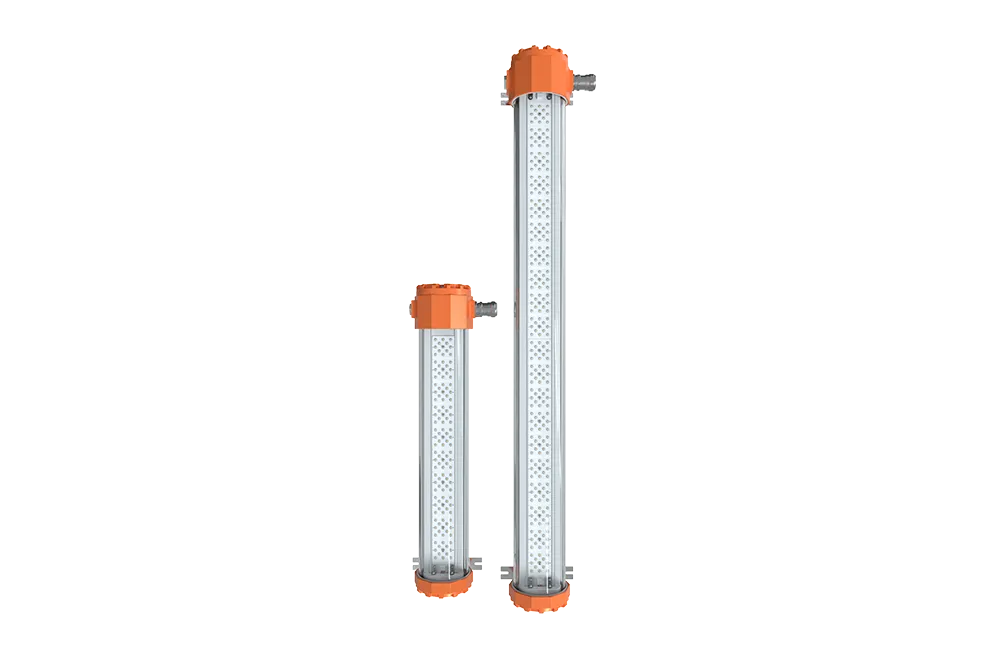
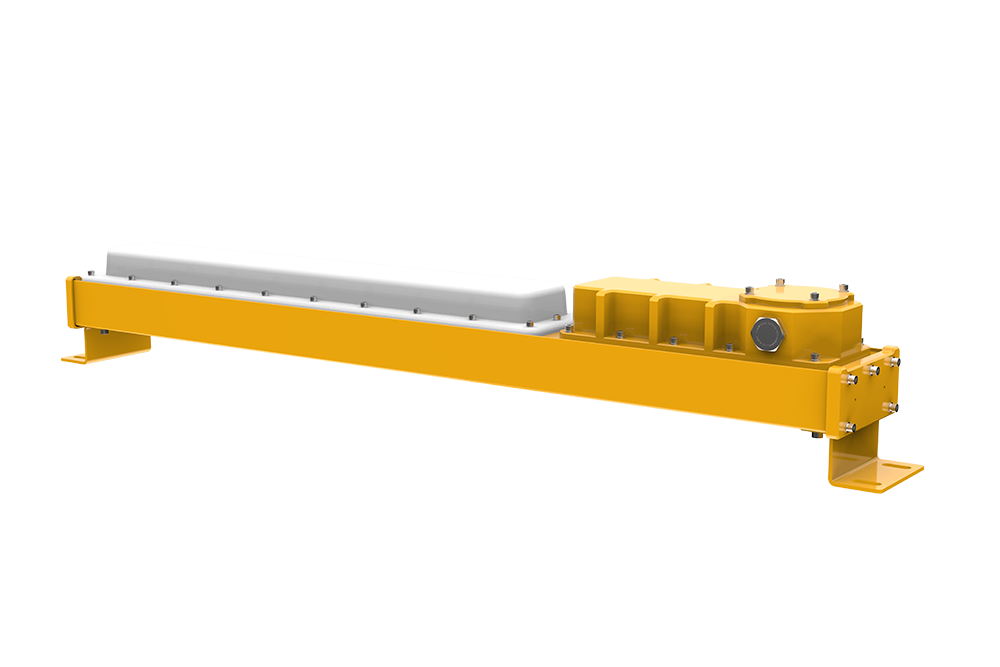
SEEKINGLED LED Linear Explosion Proof Light and Explosion Proof lighting is ATEX and IECEx certified for Zone 1, Zone 2, Zone 21 and Zone 22 hazardous locations, built for long-term industrial use.
View detailsLED Linear Explosion Proof Lights and EX Proof lights for Zone 1, Zone 2, Zone 21 and Zone 22 hazardous areas. ATEX & IECEx certified explosion proof LED linear lighting with emergency function, adjustable power and IP67 protection by SEEKINGLED.
View detailsSEEKINGLED LED Explosion Proof Flood Lights are ATEX certified for Zone 2 and Zone 22 hazardous areas, offering high efficiency, adjustable power and integrated junction box.
View detailsSEEKINGLED LED Explosion Proof Flood Lights are flameproof ATEX and IECEx certified for Zone 1 and Zone 2 hazardous areas, offering high power, adjustable output and long service life.
View detailsSEEKINGLED LED Gas Station Canopy Lights are ATEX certified for Zone 2 and Zone 22 hazardous areas, featuring adjustable power and built-in explosion-proof junction box.
View detailsATEX: Ex II 2G Ex db IIB T6/T5 GbEx II 2D Ex tb IIIC T80°C/ T95°C Db IECEx Ex db IIB T6 Gb;Ex tb IIIC T80°C Db Feature: ● For Zone 1,2 and Zone 21,22● Flameproof type, the strongest● 100W can replace 250W HID,energy saving● Power:60W,80W,100W Application: Oil and gas, marine, Chemical, pharmaceutical, semiconductor,mining,military industr…
View detailsATEX: II 3G Ex nR ⅡC T5/T6 GcII 3D Ex tc ⅢC T80℃/T95℃Dc ATEX Certificate NO: TÜV CY 26 ATEX 0207611 X Feature: ● For Zone 2 and Zone 22● 150W can replace 250W HID lamps,Energy saving● Power:50W,75W,100W,150W,200W Application: Oil and gas, marine, Chemical, pharmaceutical, semiconductor,mining,military industry, paint booth,power plant ETC…
View detailsLED explosion proof high bay lights are designed for Zone 1, Zone 2, Zone 21 and Zone 22 hazardous areas. This page introduces the HB21 Series from SEEKING, including certifications, power options and real application considerations.
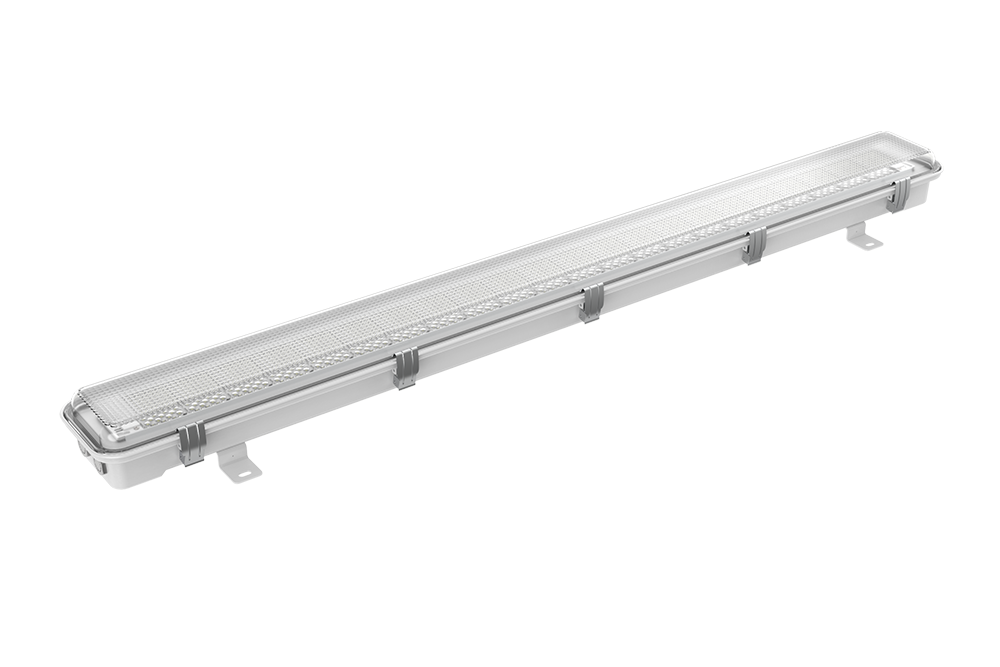
View detailsLED Linear Explosion Proof Lights from SEEKINGLED. LU Series Flame Proof lights ATEX-certified explosion proof LED linear lighting for Zone 2 gas and Zone 22 dust areas, IP69K, IK10, long lifetime and flexible power options.
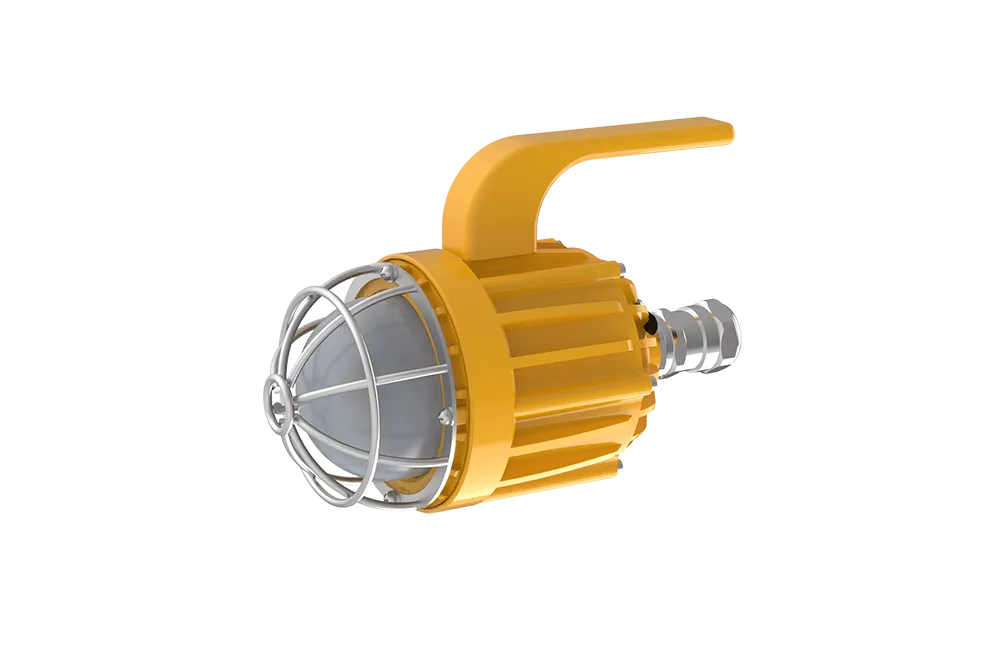
View detailsCertified explosion proof work lights for Zone 1 & 21 hazardous areas. Portable, ATEX & IECEx approved, built for oil, gas and chemical plants by SEEKINGLED.
View detailsATEX: II 3G Ex nR ⅡC T6 GcII 3D Ex tc ⅢC T80℃ Dc ATEX Certificate NO: TÜV CY 26 ATEX 0207611 X Feature: ● For Zone 2 and Zone 22● Accepts battery-powered supply● indestructible● Power:AC input:50W,75W,100WDC input:15W,25W,35W Application: Oil and gas, marine, Chemical, pharmaceutical, semiconductor,mining,military industry, paint booth,po…
View detailsATEX: Ex II 2G Ex db IIB T6 GbEx II 2D Ex tb IIIC T80°C Db IECEx Ex db IIB T6 Gb;Ex tb IIIC T80°C Db Feature: ● For Zone 1,2 and Zone 21,22● Flameproof type, the strongest Application: Oil and gas, marine, Chemical, pharmaceutical, semiconductor,mining,military industry, paint booth,power plant ETC hazardous area. Technical Specifications:…
View detailsATEX: Ex II 2G Ex db IIB T6 GbEx II 2D Ex tb IIIC T80°C Db IECEx Ex db IIB T6 Gb;Ex tb IIIC T80°C Db Feature: ● For Zone 1,2 and Zone 21,22● Flameproof type, the strongest Application: Oil and gas, marine, Chemical, pharmaceutical, semiconductor,mining,military industry, paint booth,power plant ETC hazardous area. Technical Specifications:…
View detailsATEX: Ex II 2G Ex d e IIB T6 Gb ATEX: Ex d e IIB T6 Gb; Feature: ● For Zone 1,2● 9W can replace 18W fluorescent lamps,50% Energy saving Application: Oil and gas, marine, Chemical, pharmaceutical, semiconductor,mining,military industry, paint booth,power plant ETC hazardous area. Technical Specifications: Standards:60079-0, 60079-1, 60079…
View details  Seeking LED