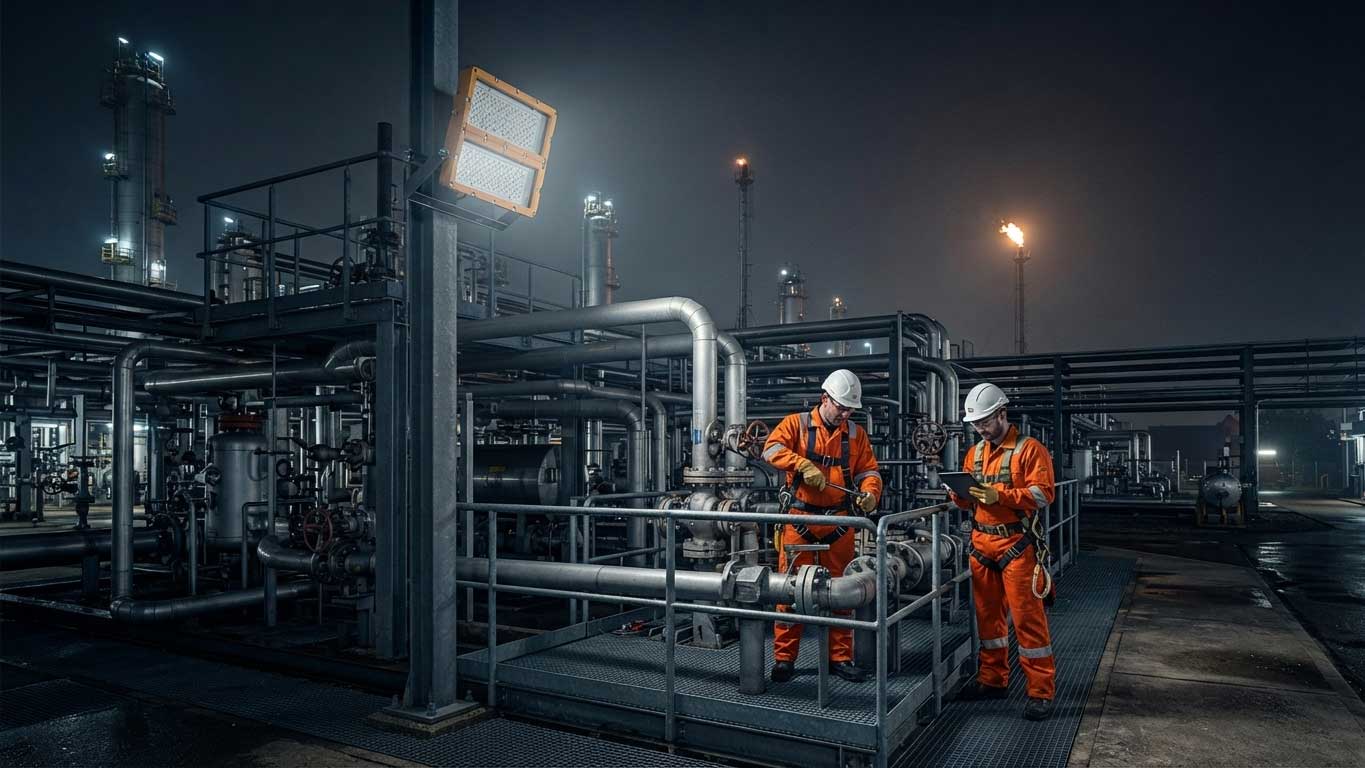
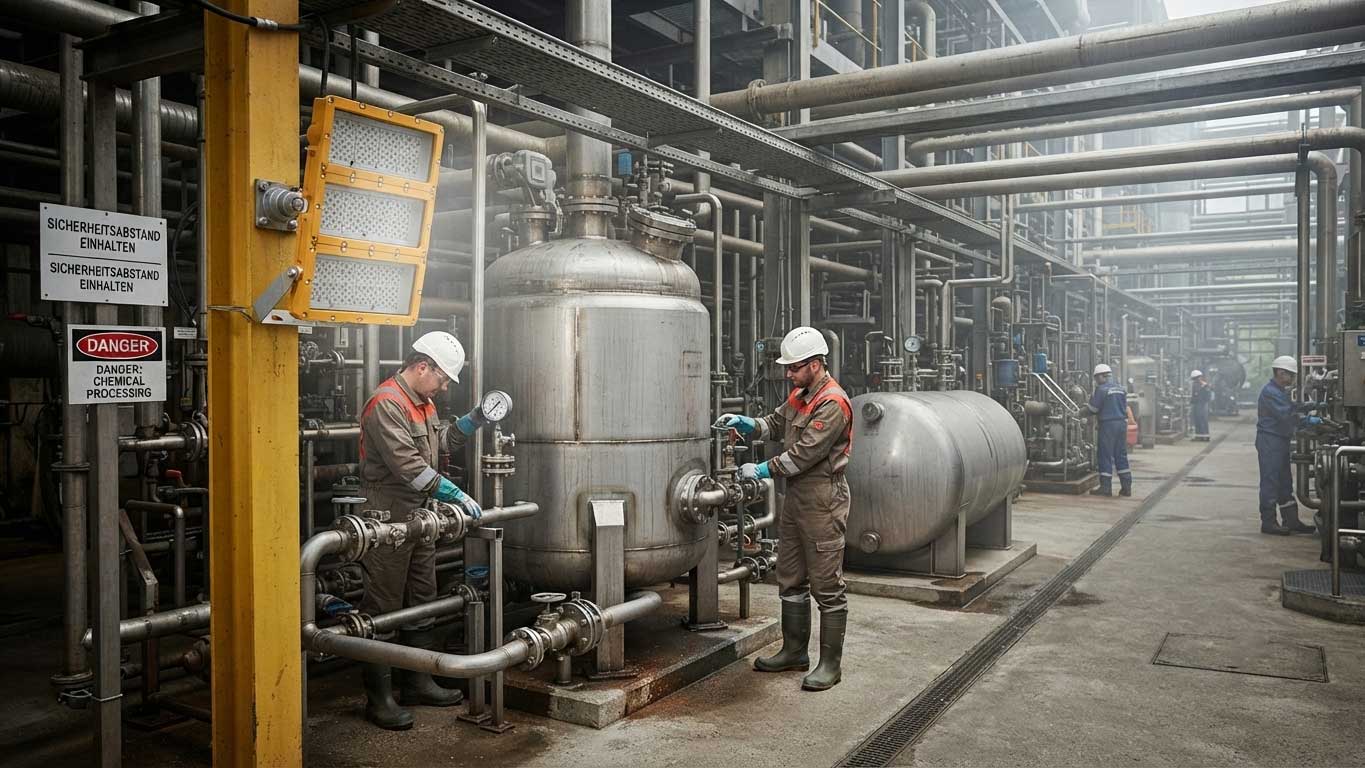
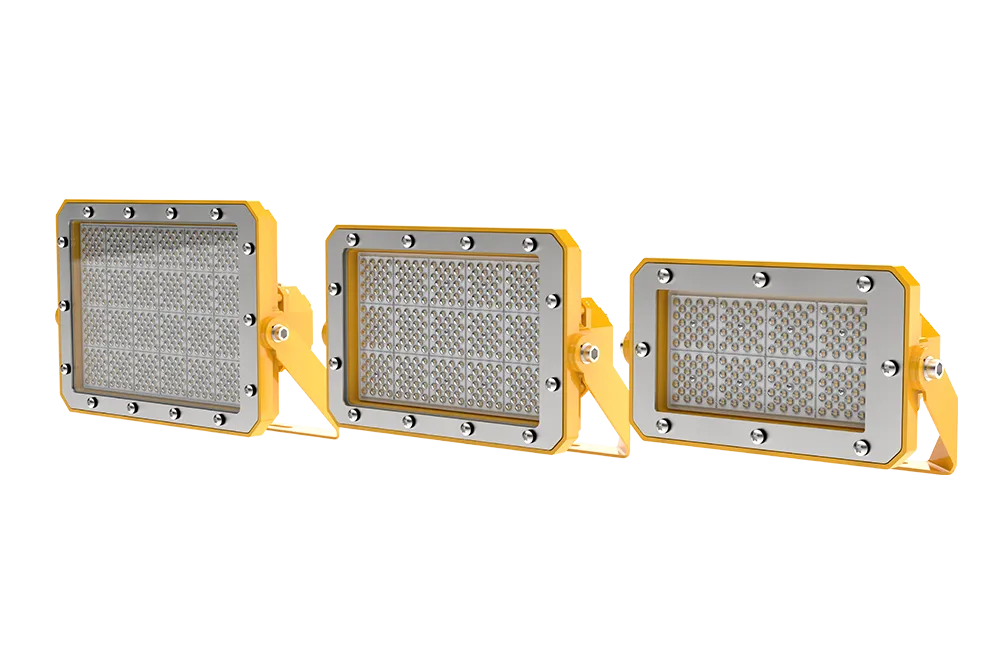
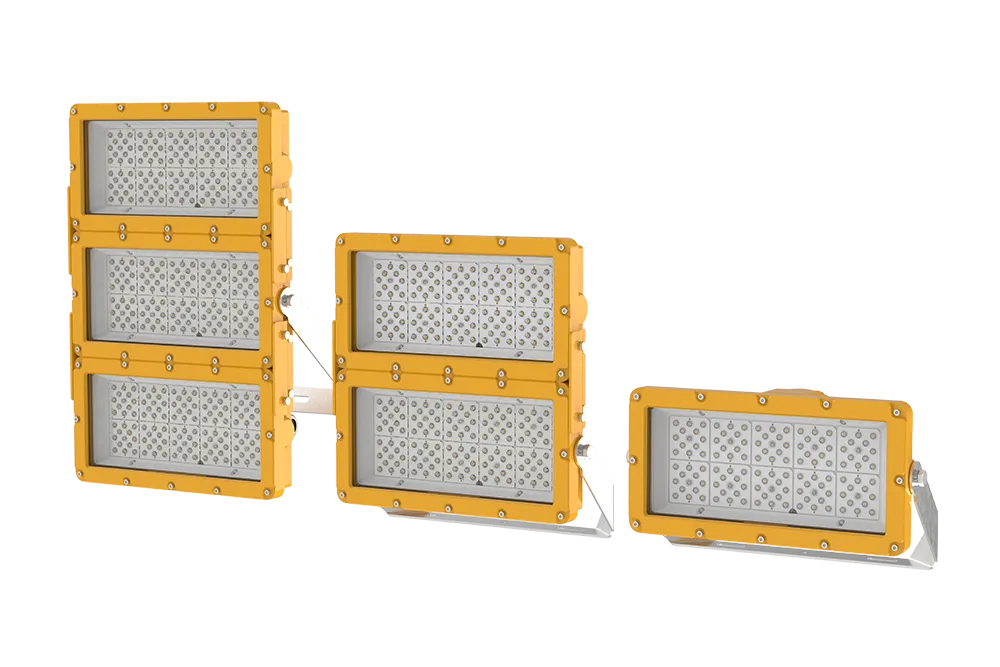
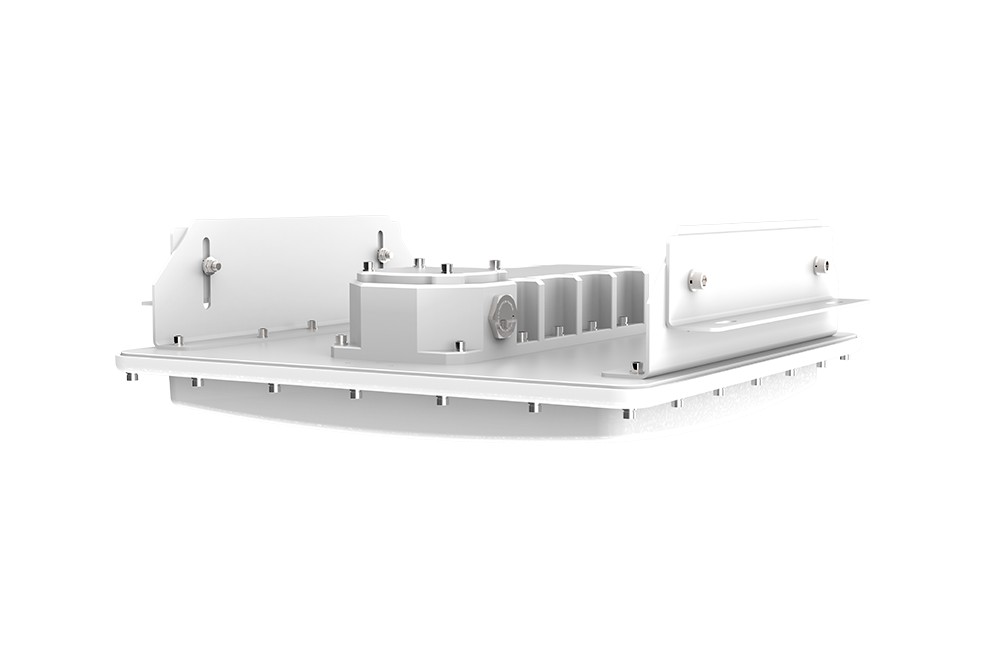
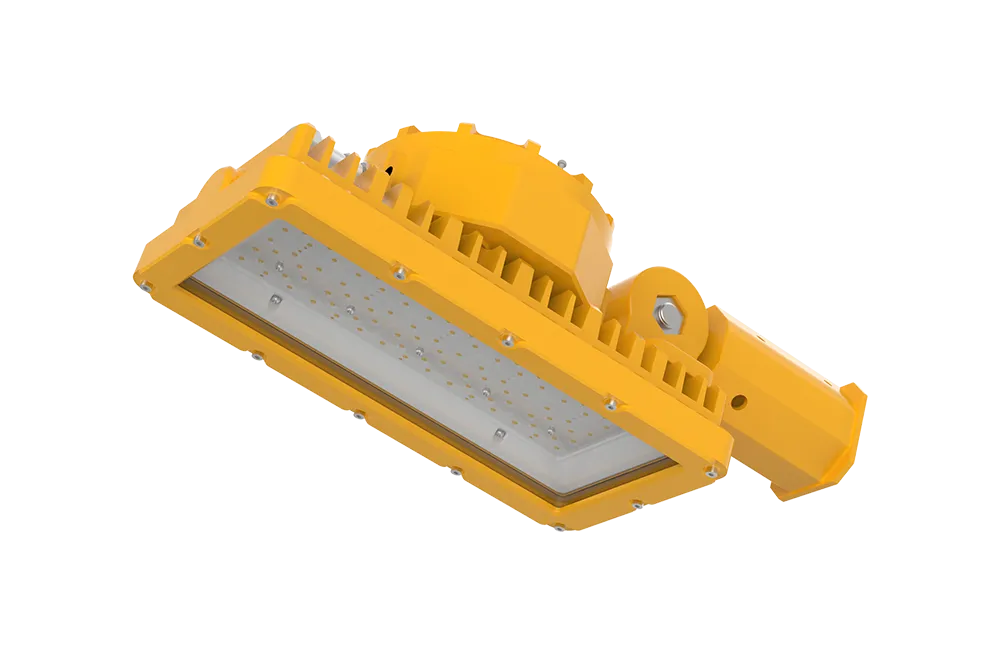
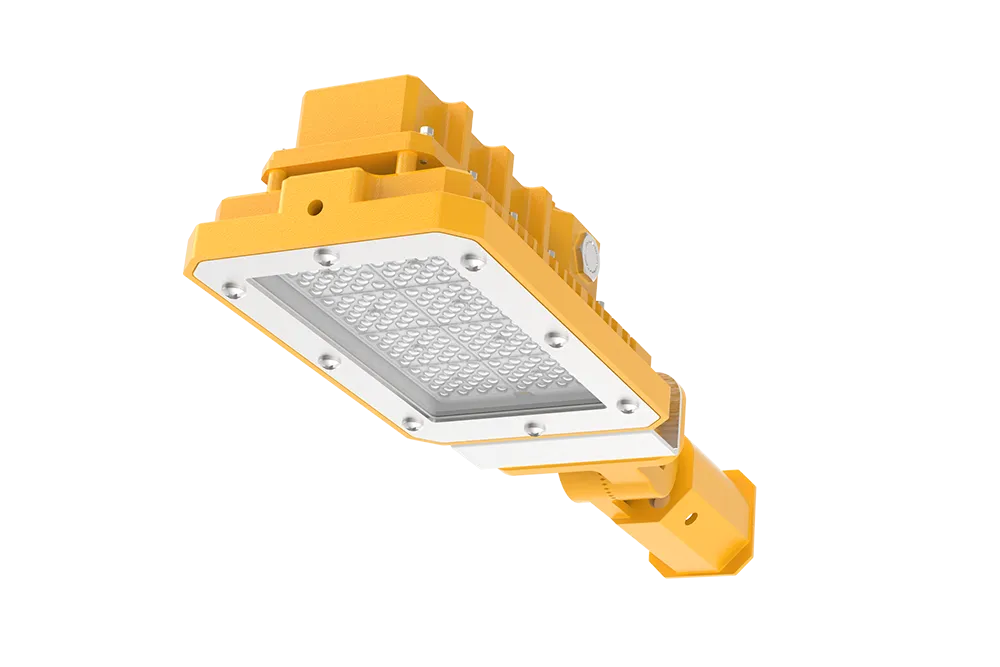
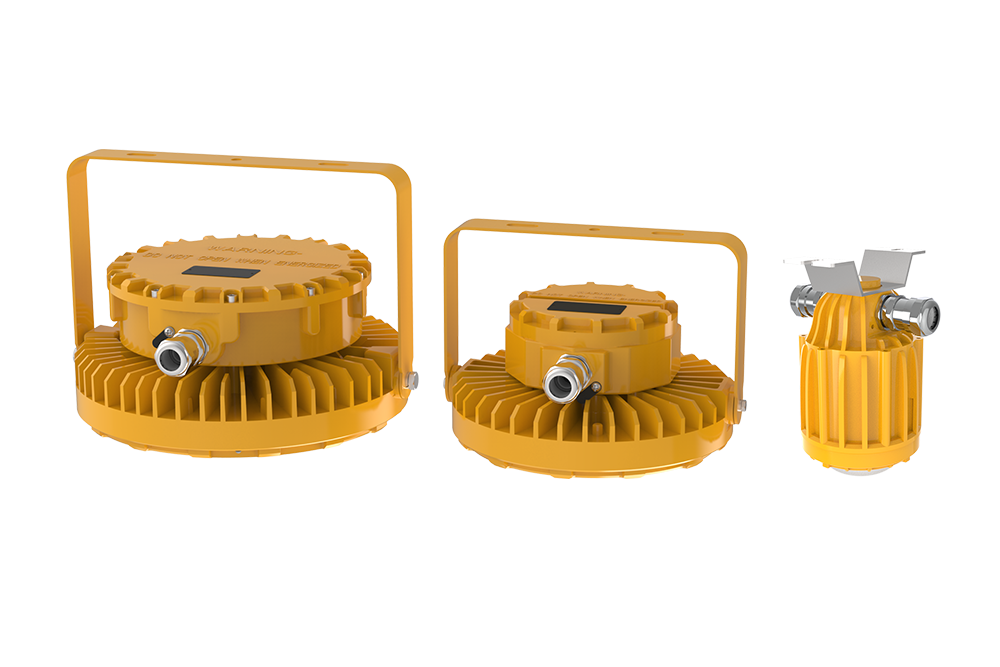
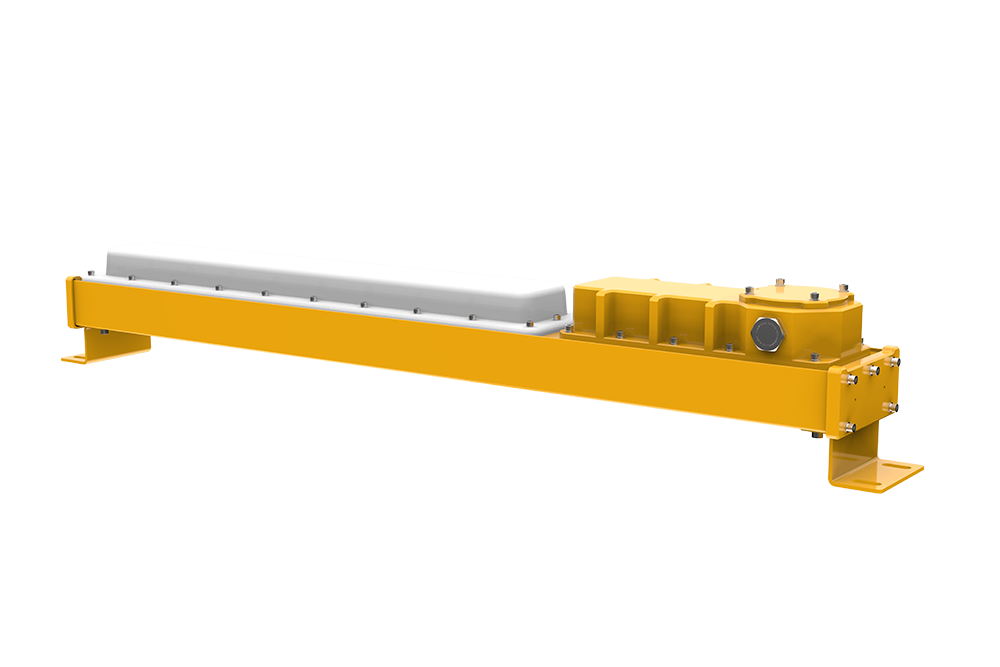
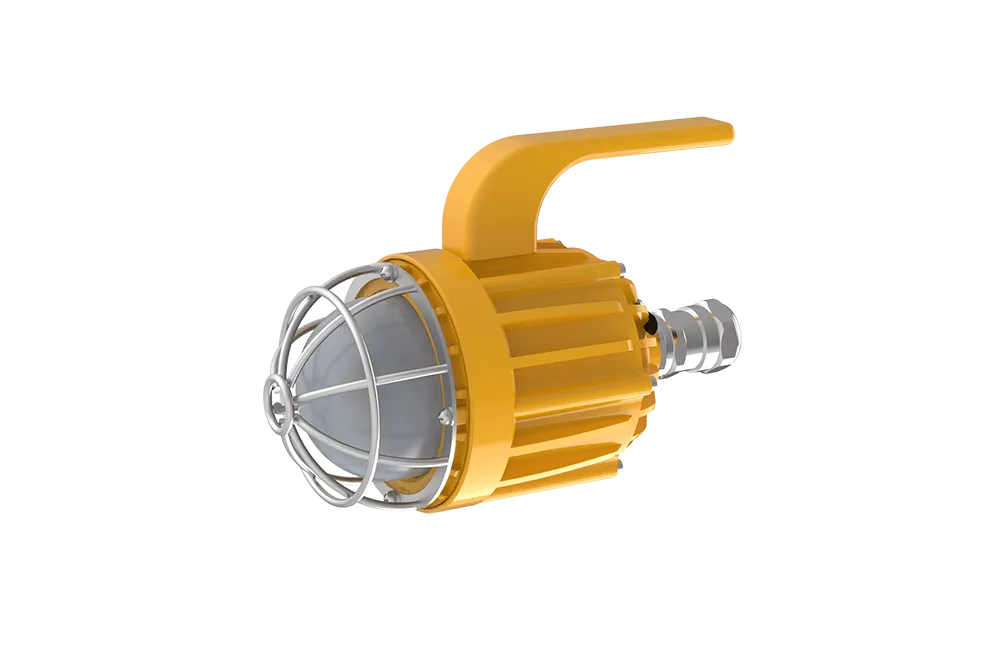
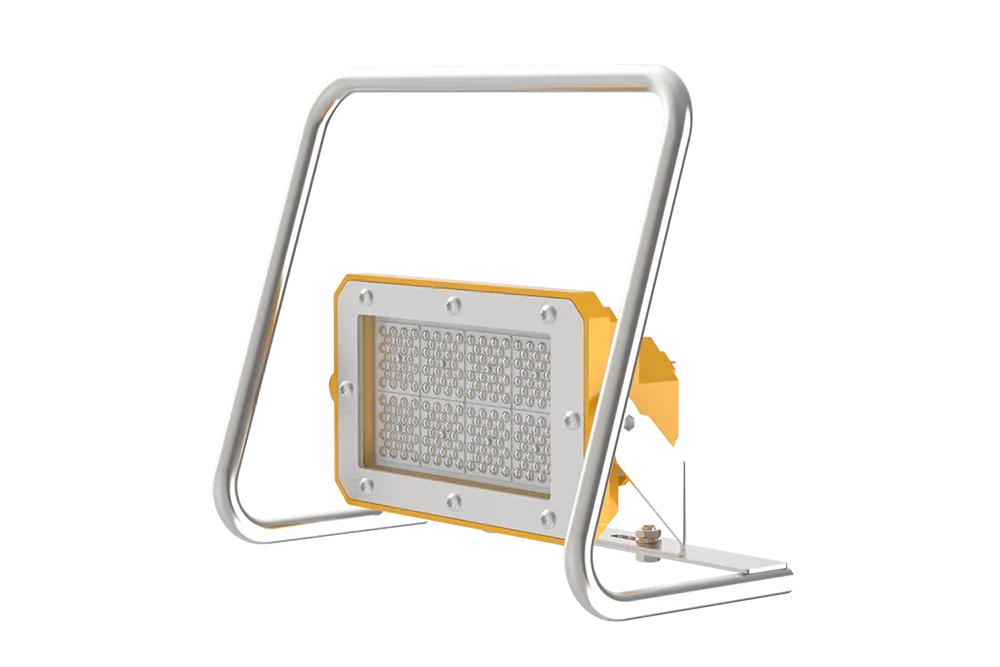
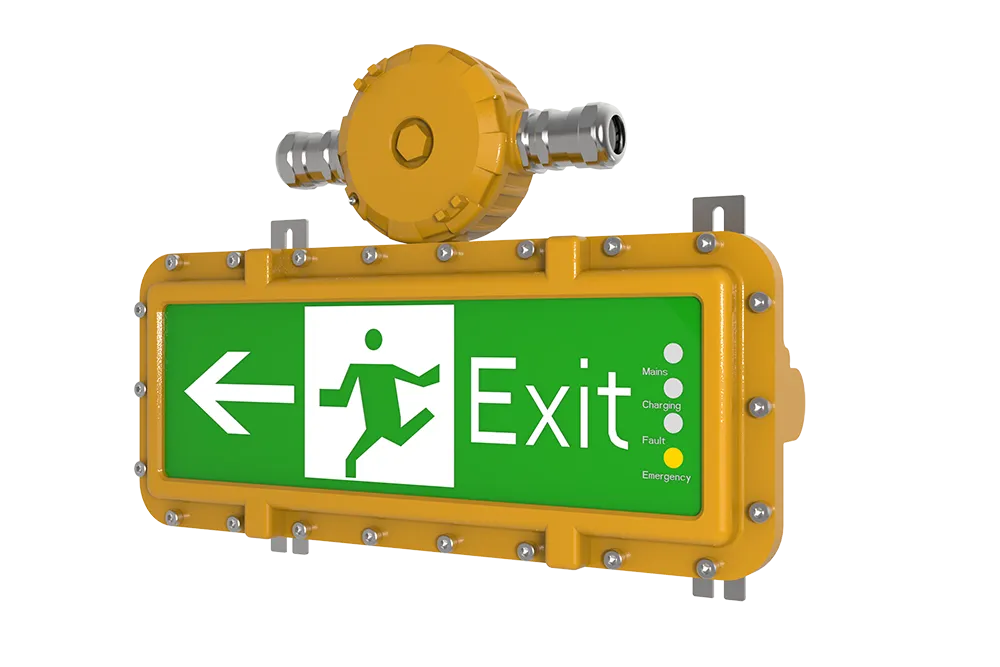
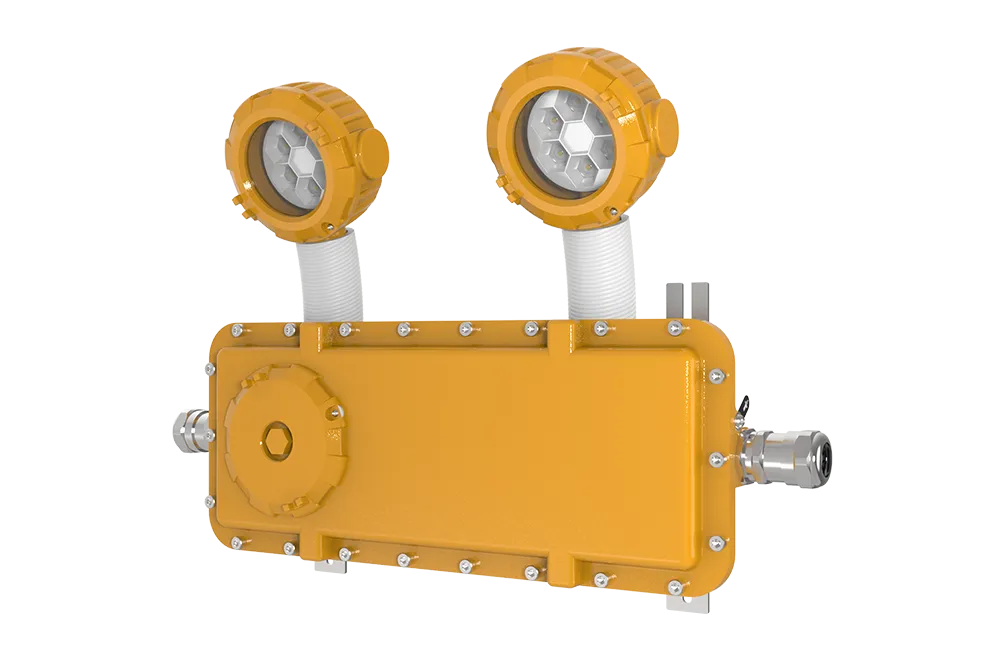
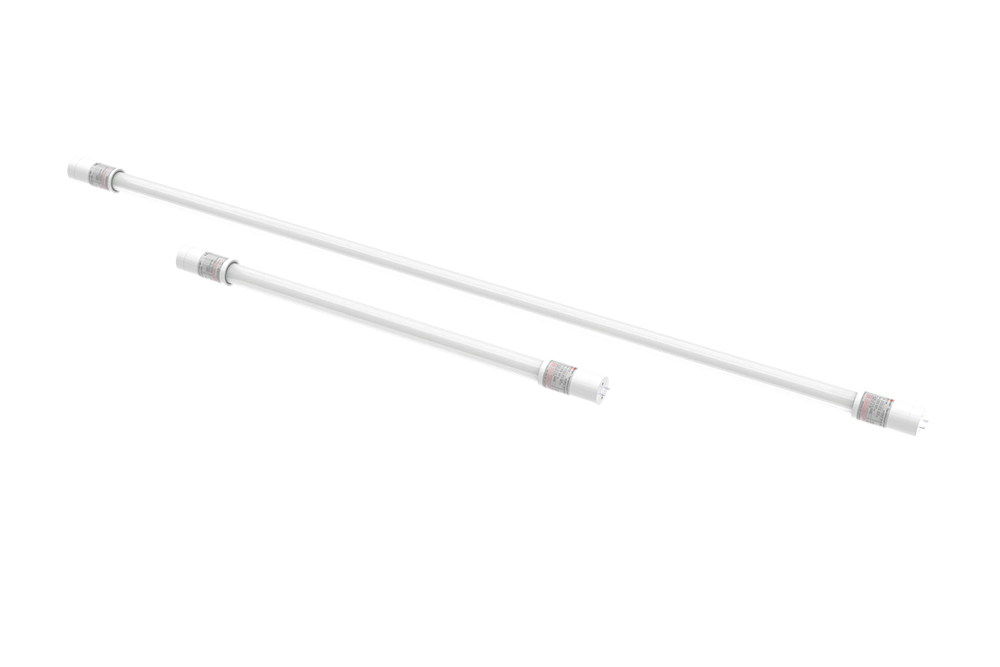
Class 1 division 1 light fixtures are explosion-proof lighting products designed for locations where flammable gases, vapors, or liquids may exist continuously or frequently during normal operations. They prevent internal sparks, heat, or electrical faults from igniting surrounding atmospheres.
In industrial environments, lighting is often underestimated because it appears simple. However, in a Class I Division 1 area, a fixture is part of the safety system. A lighting failure is not only an equipment issue—it can become a process safety concern.
Over the years working with industrial LED lighting solutions at SEEKINGLED, I have reviewed lighting requirements for oil terminals, chemical plants, and heavy industrial facilities. One thing becomes clear from these projects: the brightest fixture is not always the right fixture. The correct fixture is the one designed for the actual hazardous classification.
Understanding Class 1 Division 1 hazardous locations
What does Class I Division 1 mean?
The term Class 1 Division 1 light fixtures comes from the National Electrical Code (NEC) hazardous location classification system used primarily in North America.
According to the National Fire Protection Association (NFPA), hazardous locations are classified based on the possibility that flammable materials may be present.
Division 1 means these hazardous substances may exist:
under normal operating conditions
frequently during maintenance operations
due to equipment breakdowns or leakage
Typical locations include:
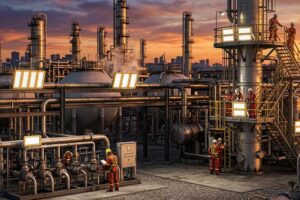
petroleum refineries
fuel processing areas
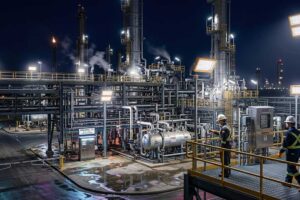
chemical production plants
LNG facilities
paint manufacturing areas
Why class 1 division 1 light fixtures require special engineering
A normal industrial LED fixture is designed around efficiency and durability.
A Class I Division 1 fixture is designed around containment and prevention.
The main engineering objectives include:
preventing ignition sources from escaping
controlling external surface temperature
protecting internal electrical components
maintaining performance in harsh environments
A small electrical arc inside a normal fixture may be harmless in a warehouse.
Inside a hazardous gas environment, the same event can have completely different consequences.
Explosion-proof design principles behind Class I Division 1 lighting
Flameproof enclosure structure
The enclosure is the first protection barrier.
Typical Class I Division 1 light fixtures use:
heavy-duty aluminum alloy housing
reinforced glass lens
precision-machined joints
sealed electrical compartments
The purpose is not simply to block dust or water.
The enclosure must control any possible internal ignition event and prevent it from reaching the surrounding atmosphere.Visit the product page: Explosion Proof Lighting
Thermal management and temperature rating
Heat management is one of the most important aspects of hazardous lighting design.
Industrial gases have different ignition temperatures, which means lighting fixtures must maintain controlled surface temperatures.
Common temperature classifications include:
Temperature Class
Maximum Surface Temperature
T1
450°C
T2
300°C
T3
200°C
T4
135°C
T5
100°C
T6
85°C
For many oil and chemical applications, T4-rated equipment is commonly selected because it provides a balance between performance and safety requirements.
During industrial lighting projects, I have seen purchasing teams initially focus on:
wattage
lumen output
purchase price
But after discussing with maintenance engineers, priorities often change.
The questions become:
Is this fixture approved for the classified area?
Can technicians maintain it safely?
Can it survive vibration and corrosion?
Will replacement parts remain available?
One maintenance manager from a petrochemical facility explained the selection process this way:
“A cheap light that cannot be installed here is not a cheap light.”
That sentence represents the reality of hazardous area lighting procurement.
Applications of class 1 division 1 light fixtures
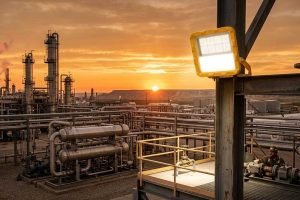
Oil and gas facilities
Oil and gas environments are among the most common applications.
Examples include:
drilling platforms
compressor stations
crude oil processing areas
fuel storage terminals
These locations may contain explosive hydrocarbon vapors requiring certified lighting systems.
Chemical processing plants
Chemical facilities often handle:
solvents
gases
volatile liquids
Lighting fixtures must operate safely near processing equipment, storage tanks, and production lines.
Industrial manufacturing environments
Some manufacturing industries also require Class I Division 1 solutions:
pharmaceutical chemical areas
paint production
industrial coating facilities
The hazard classification depends on the materials and processes involved.
Comparing Class I Division 1 and standard industrial lighting
Why substitution creates safety problems
Feature
Class 1 Division 1 Light Fixtures
Standard LED Fixtures
Hazardous area approval
Required
Usually unavailable
Explosion protection
Designed for ignition prevention
Not designed for explosive zones
Temperature control
Certified limits
General thermal management
Application
Oil, gas, chemical areas
Warehouses, commercial buildings
Certification
NEC / UL / CSA options
General electrical standards
Choosing lighting based only on appearance or lumen output can create compliance problems.
SEEKINGLED engineering approach for hazardous lighting
At SEEKINGLED, hazardous lighting development focuses on the conditions that products experience after installation.
Engineering considerations include:
thermal performance
enclosure reliability
industrial vibration
corrosion resistance
long operating cycles
A fixture installed in a hazardous location may operate for years without human attention. That means reliability has to be designed into every component.
The goal is not simply producing an LED light.
The goal is creating lighting equipment suitable for environments where failure has consequences.
Real-world case studies of class 1 division 1 light fixtures
A class 1 division 1 light fixture is rarely evaluated only by its first-day performance. In hazardous environments, the real test begins after months of exposure to heat, vibration, chemicals, and continuous operation.
Industrial lighting engineers often discover that long-term reliability depends on details that are easy to overlook during procurement.
Case Study 1 — Refinery maintenance lighting upgrade
Replacing traditional fixtures in hydrocarbon processing areas
A petroleum refinery expansion project required lighting upgrades around processing equipment where flammable vapors could potentially be present.
The original lighting system had several operational challenges:
frequent maintenance access requirements
high ambient temperature
difficult replacement procedures
inconsistent illumination around equipment platforms
The engineering team evaluated replacement fixtures based on:
Evaluation Factor
Practical Requirement
Hazard classification
Class I Division 1 suitability
Operating temperature
Stable performance in high heat
Housing durability
Resistance to industrial conditions
Light distribution
Reduced shadow areas
Maintenance interval
Longer service cycles
The final decision was not based only on lumen output.
The maintenance team focused on reducing intervention frequency because every service visit inside hazardous areas requires additional safety preparation.
According to the U.S. Energy Information Administration (EIA), petroleum refining facilities operate complex processing systems where continuous operation and safety management are critical factors.
Case Study 2 — Chemical plant production area lighting
Protecting lighting systems from aggressive environments
Chemical plants introduce another challenge: corrosion.
Unlike simple outdoor applications, chemical environments may include:
solvent vapor exposure
chemical residue
humidity fluctuations
cleaning processes
During a lighting assessment at a chemical production facility, the biggest concern was not LED failure. It was enclosure degradation over time.
Engineers reviewed:
housing material
sealing performance
cable entry protection
surface coating durability
A properly designed class 1 division 1 light fixture must maintain its protective characteristics throughout its operational life, not only when it leaves the factory.
Key factors when selecting Class I Division 1 lighting
1. Confirm certification requirements first
The first selection step is always classification.
Before choosing a fixture, confirm:
Class I hazardous location requirements
Division classification
gas group
temperature class
regional approval requirements
A fixture that works perfectly in a warehouse may be completely unsuitable for a classified area.
2. Evaluate light performance in real working conditions
Brightness numbers alone do not tell the complete story.
Industrial users should consider:
mounting height
beam angle
equipment shadows
inspection requirements
working distance
For example, a refinery walkway and a processing platform may require completely different optical designs.
3. Consider environmental protection ratings
Hazardous industrial locations often combine multiple challenges.
Important specifications include:
Specification
Purpose
IP66/IP67
Protection against water and contaminants
IK rating
Impact resistance
Corrosion coating
Longer outdoor service life
Wide temperature range
Stable operation
Maintenance considerations for Class I Division 1 fixtures
Why installation quality matters
Even the best hazardous location fixture depends on correct installation.
Common installation problems include:
incorrect cable gland selection
improper torque settings
damaged sealing surfaces
unsuitable mounting hardware
In hazardous areas, installation is part of the safety system.
A certified product installed incorrectly may not provide the expected protection level.
How SEEKINGLED approaches Class I Division 1 lighting development
At SEEKINGLED, hazardous lighting solutions are developed around industrial application requirements.
The engineering process focuses on:
enclosure strength
thermal management
electrical protection
environmental resistance
Feedback from industrial users often reveals practical issues that laboratory testing cannot fully represent.
For example:
A fixture may pass electrical testing, but field engineers still ask:
Can workers install it quickly?
Can maintenance teams inspect it easily?
Can it survive years outdoors?
Those questions influence better product design.
Technical checklist before purchasing class 1 division 1 light fixtures
Industrial buyer checklist
Before placing an order, verify:
Certification
✓ Class I Division 1 approval ✓ Applicable NEC requirements ✓ Regional certification compatibility
Construction
✓ Explosion-proof enclosure ✓ Durable lens material ✓ Corrosion-resistant housing
Performance
✓ Appropriate lumen output ✓ Correct beam distribution ✓ Suitable operating temperature range
What are class 1 division 1 light fixtures used for?
Class I Division 1 light fixtures are used in hazardous locations where flammable gases, vapors, or liquids may exist during normal operations, such as refineries, chemical plants, and fuel processing facilities.
What is the difference between Class I Division 1 and Class I Division 2 lighting?
Class I Division 1 areas have a higher probability of hazardous gases being present during normal operation, while Division 2 areas typically involve abnormal or accidental release conditions.
Are all explosion-proof lights suitable for Class I Division 1 locations?
No. Explosion-proof classification varies by certification, gas group, temperature rating, and application requirements. A fixture must specifically meet Class I Division 1 requirements.
What certifications should Class I Division 1 fixtures have?
Depending on the market, common approvals include UL, CSA, NEC compliance, and other regional hazardous location certifications.
How long do Class I Division 1 LED fixtures typically last?
Industrial LED fixtures can often provide 50,000 hours or more of operation, depending on environmental conditions, thermal management, and maintenance practices.
Can Class I Division 1 lights be used outdoors?
Yes. Many are designed for outdoor hazardous environments such as oil fields, refineries, and chemical processing facilities, especially when combined with suitable IP and corrosion protection.
Why are Class I Division 1 fixtures more expensive than standard LED lights?
The additional cost comes from specialized enclosure design, certification testing, industrial materials, and safety engineering required for hazardous environments.
Conclusion — Choosing the right class 1 division 1 light fixtures
A class 1 division 1 light fixture is more than an industrial LED product. It is a safety component designed for locations where lighting equipment must operate without creating additional risk.
The correct selection depends on more than brightness or price. Engineers must consider hazardous classification, certification requirements, environmental conditions, and long-term reliability.
For oil, gas, chemical, and industrial applications, SEEKINGLED focuses on providing lighting solutions designed around real operational challenges.
In hazardous locations, reliable lighting is not only about seeing better—it is about creating a safer working environment.
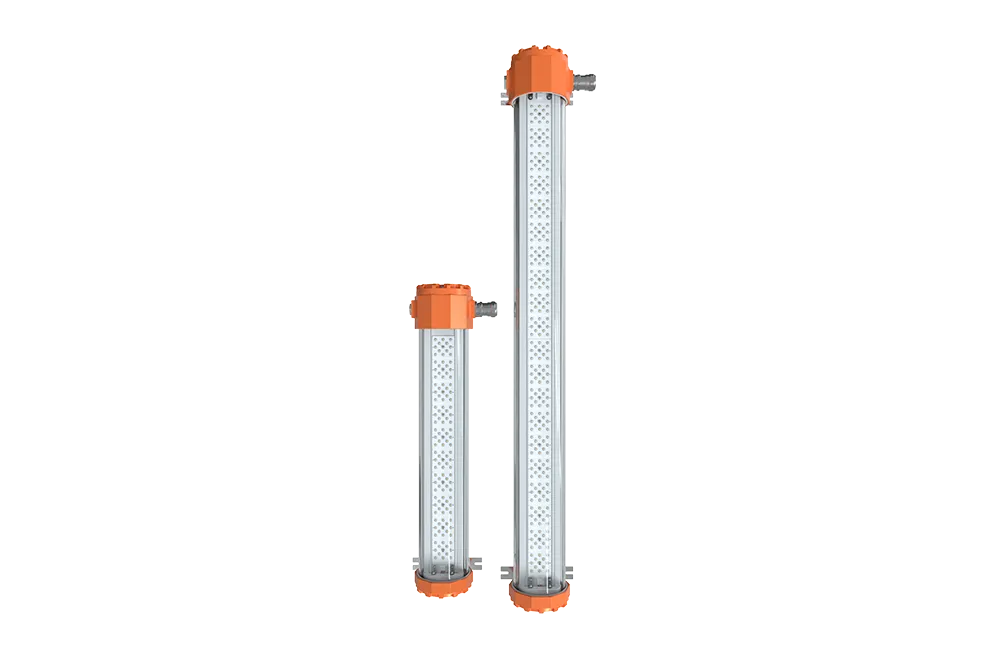
SEEKINGLED LED Linear Explosion Proof Light and Explosion Proof lighting is ATEX and IECEx certified for Zone 1, Zone 2, Zone 21 and Zone 22 hazardous locations, built for long-term industrial use.
LED Linear Explosion Proof Lights and EX Proof lights for Zone 1, Zone 2, Zone 21 and Zone 22 hazardous areas. ATEX & IECEx certified explosion proof LED linear lighting with emergency function, adjustable power and IP67 protection by SEEKINGLED.
SEEKINGLED LED Explosion Proof Flood Lights are ATEX certified for Zone 2 and Zone 22 hazardous areas, offering high efficiency, adjustable power and integrated junction box.
SEEKINGLED LED Explosion Proof Flood Lights are flameproof ATEX and IECEx certified for Zone 1 and Zone 2 hazardous areas, offering high power, adjustable output and long service life.
SEEKINGLED LED Gas Station Canopy Lights are ATEX certified for Zone 2 and Zone 22 hazardous areas, featuring adjustable power and built-in explosion-proof junction box.
ATEX: Ex II 2G Ex db IIB T6/T5 GbEx II 2D Ex tb IIIC T80°C/ T95°C Db IECEx Ex db IIB T6 Gb;Ex tb IIIC T80°C Db Feature: ● For Zone 1,2 and Zone 21,22● Flameproof type, the strongest● 100W can replace 250W HID,energy saving● Power:60W,80W,100W Application: Oil and gas, marine, Chemical, pharmaceutical, semiconductor,mining,military industr…
ATEX: II 3G Ex nR ⅡC T5/T6 GcII 3D Ex tc ⅢC T80℃/T95℃Dc ATEX Certificate NO: TÜV CY 26 ATEX 0207611 X Feature: ● For Zone 2 and Zone 22● 150W can replace 250W HID lamps,Energy saving● Power:50W,75W,100W,150W,200W Application: Oil and gas, marine, Chemical, pharmaceutical, semiconductor,mining,military industry, paint booth,power plant ETC…
LED explosion proof high bay lights are designed for Zone 1, Zone 2, Zone 21 and Zone 22 hazardous areas. This page introduces the HB21 Series from SEEKING, including certifications, power options and real application considerations.
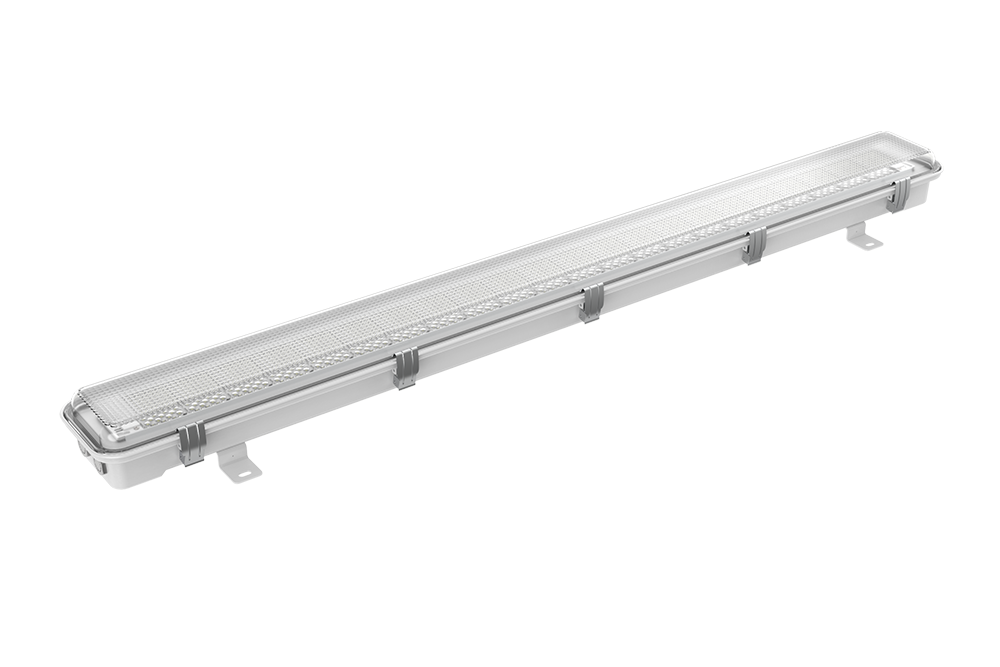
LED Linear Explosion Proof Lights from SEEKINGLED. LU Series Flame Proof lights ATEX-certified explosion proof LED linear lighting for Zone 2 gas and Zone 22 dust areas, IP69K, IK10, long lifetime and flexible power options.
Certified explosion proof work lights for Zone 1 & 21 hazardous areas. Portable, ATEX & IECEx approved, built for oil, gas and chemical plants by SEEKINGLED.
ATEX: II 3G Ex nR ⅡC T6 GcII 3D Ex tc ⅢC T80℃ Dc ATEX Certificate NO: TÜV CY 26 ATEX 0207611 X Feature: ● For Zone 2 and Zone 22● Accepts battery-powered supply● indestructible● Power:AC input:50W,75W,100WDC input:15W,25W,35W Application: Oil and gas, marine, Chemical, pharmaceutical, semiconductor,mining,military industry, paint booth,po…
ATEX: Ex II 2G Ex db IIB T6 GbEx II 2D Ex tb IIIC T80°C Db IECEx Ex db IIB T6 Gb;Ex tb IIIC T80°C Db Feature: ● For Zone 1,2 and Zone 21,22● Flameproof type, the strongest Application: Oil and gas, marine, Chemical, pharmaceutical, semiconductor,mining,military industry, paint booth,power plant ETC hazardous area. Technical Specifications:…
ATEX: Ex II 2G Ex db IIB T6 GbEx II 2D Ex tb IIIC T80°C Db IECEx Ex db IIB T6 Gb;Ex tb IIIC T80°C Db Feature: ● For Zone 1,2 and Zone 21,22● Flameproof type, the strongest Application: Oil and gas, marine, Chemical, pharmaceutical, semiconductor,mining,military industry, paint booth,power plant ETC hazardous area. Technical Specifications:…
ATEX: Ex II 2G Ex d e IIB T6 Gb ATEX: Ex d e IIB T6 Gb; Feature: ● For Zone 1,2● 9W can replace 18W fluorescent lamps,50% Energy saving Application: Oil and gas, marine, Chemical, pharmaceutical, semiconductor,mining,military industry, paint booth,power plant ETC hazardous area. Technical Specifications: Standards:60079-0, 60079-1, 60079…
Discover how hazardous location LED lights improve safety, reduce maintenance costs, and meet ATEX, IECEx, and UL requirements for explosive industrial environments.
how many amps does a 50w led draw in real lighting systems? Learn the typical current draw at 120V and 240V, plus practical wiring insights from SEEKINGLED engineers.
Class 1 Div 2 light fixtures provide safe illumination in hazardous gas environments. Learn certifications, applications, and LED explosion-proof solutions.
 Seeking LED