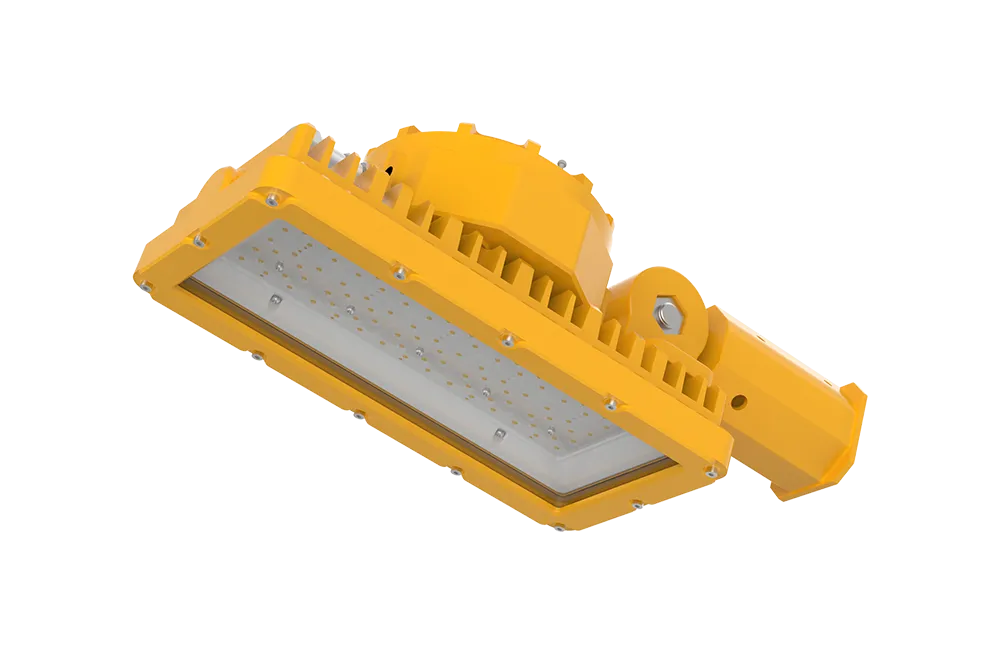
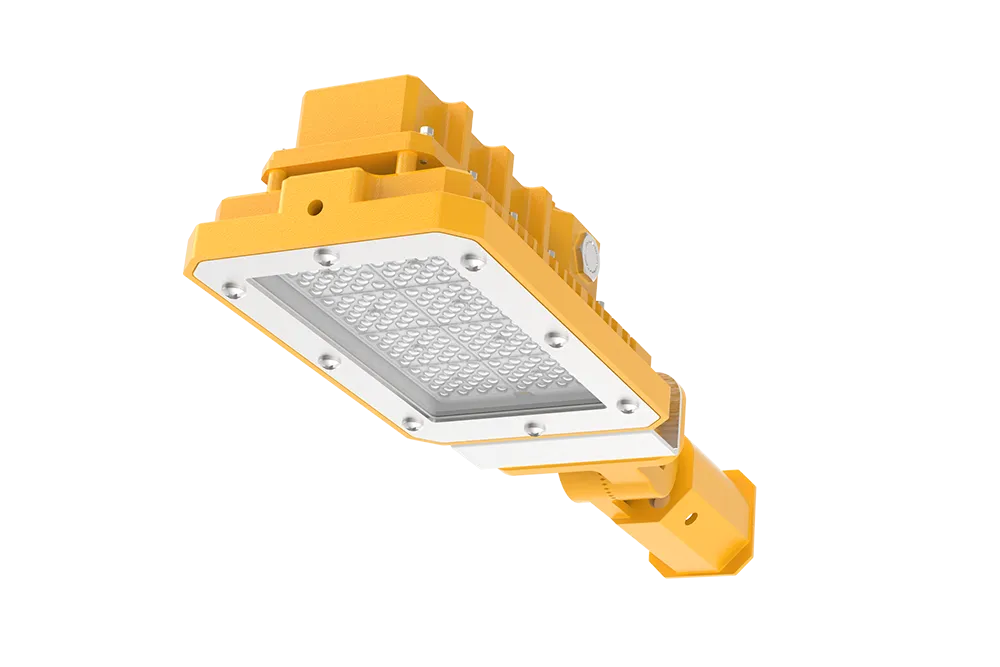
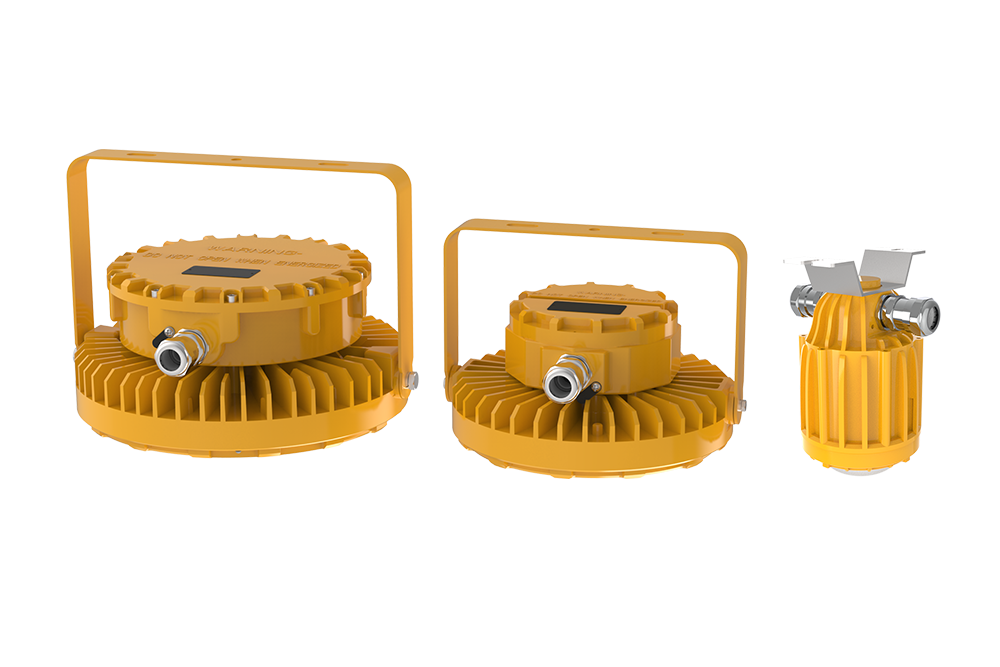
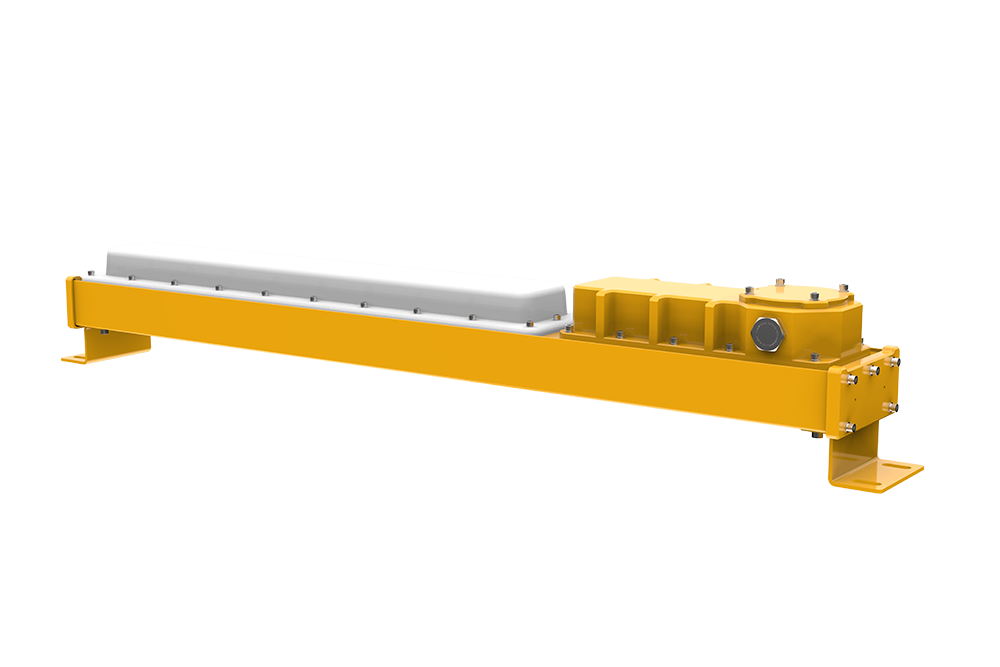
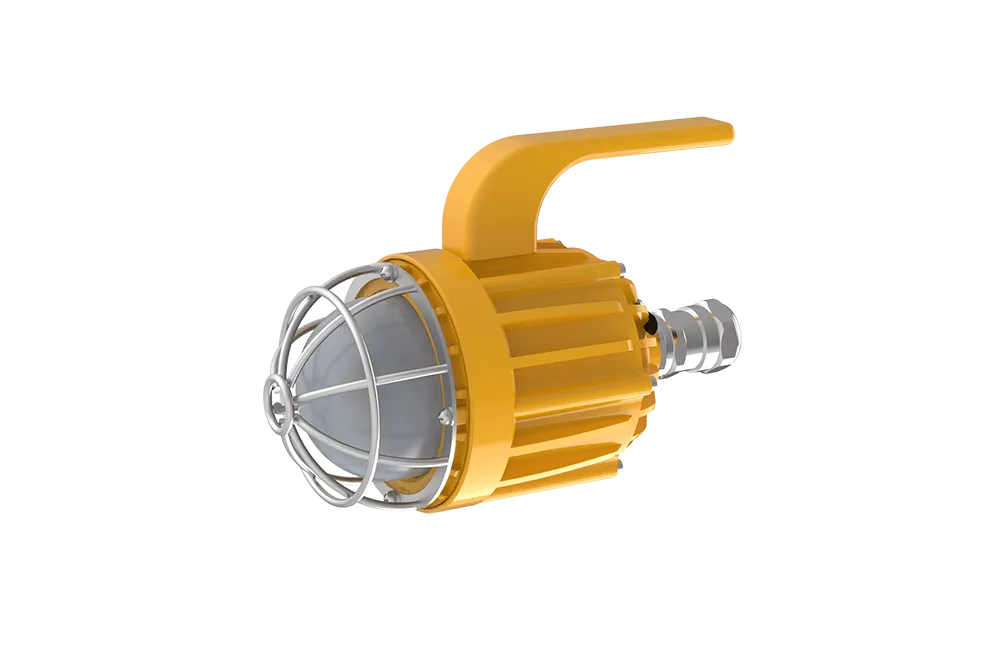
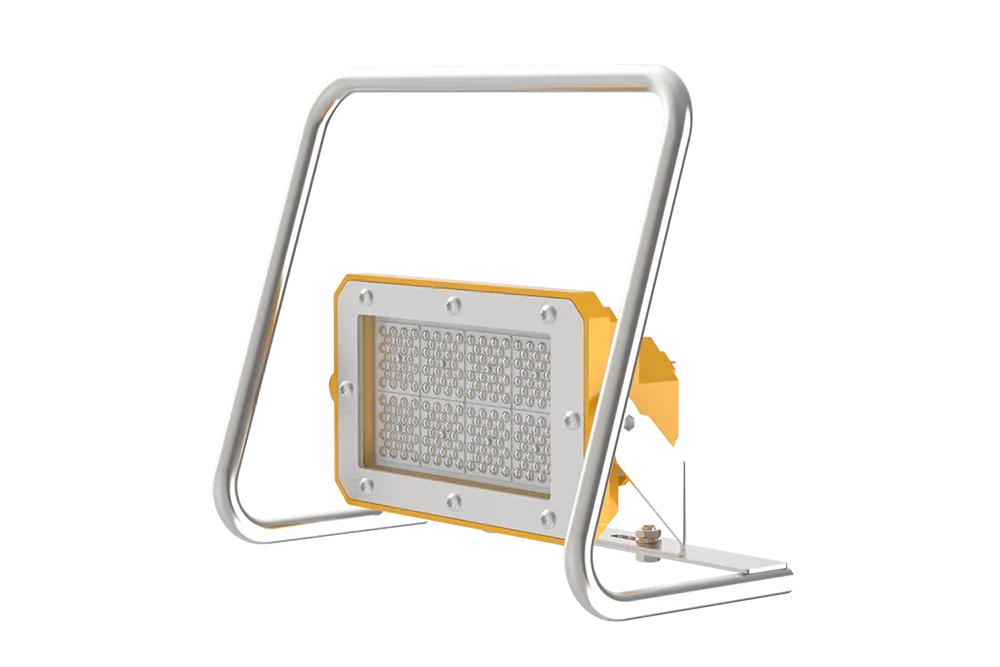
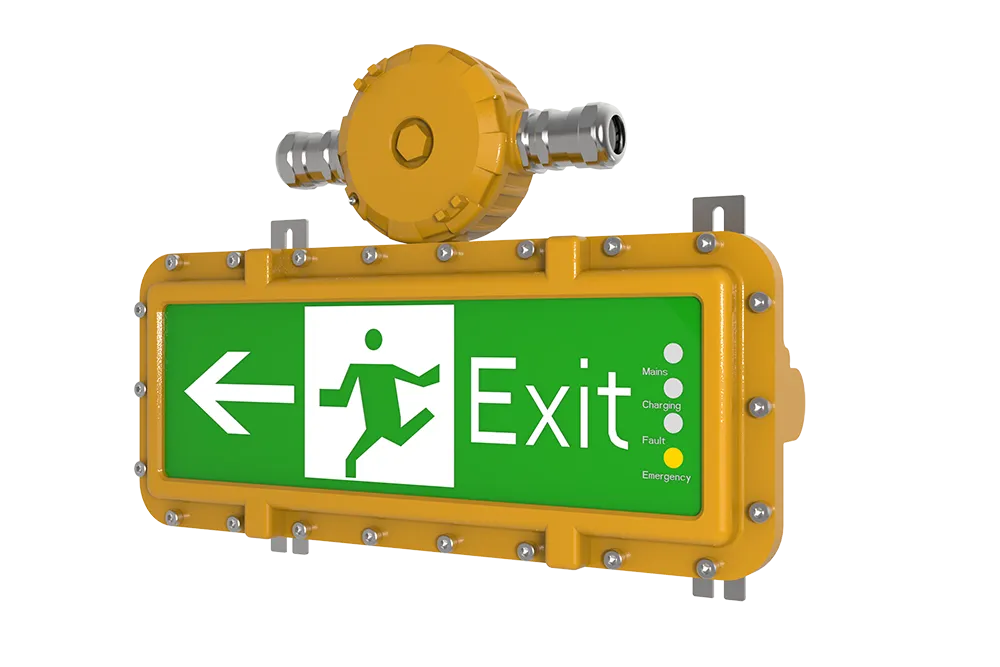
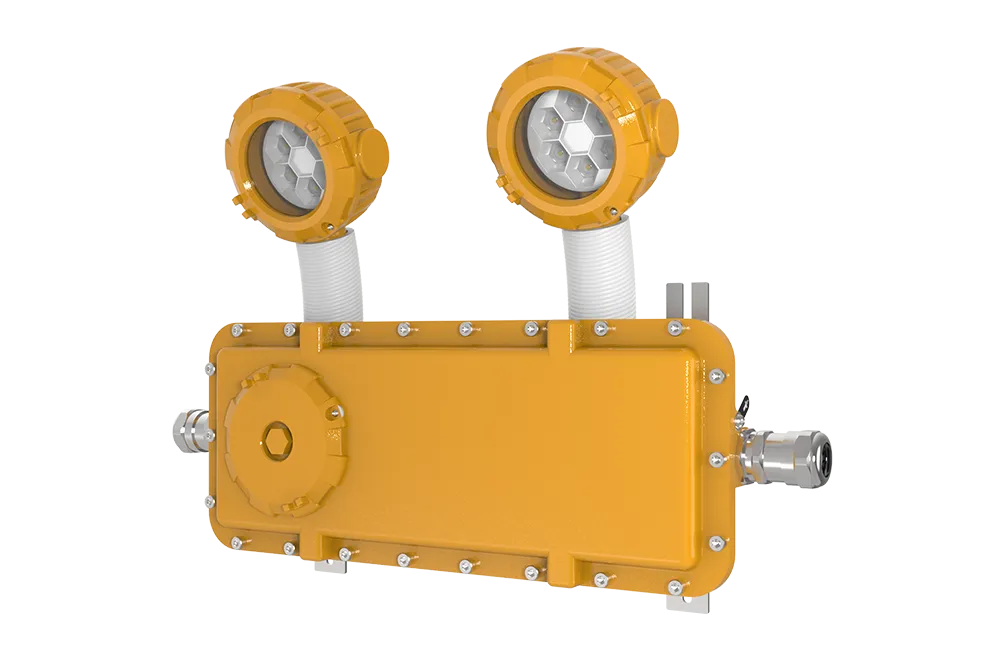
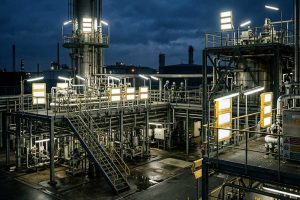
hazardous area bay lighting provides high-intensity, certified illumination for large industrial spaces where explosive gases, vapors, or dust may be present, ensuring both safety compliance and stable long-term operation.
In most industrial facilities I’ve worked with, lighting failures rarely start as a dramatic event. They begin quietly—flicker, overheating, or corrosion inside a fixture that was never designed for the environment it was installed in.
That is exactly where hazardous area bay lighting becomes essential.
Unlike standard high bay fixtures, these luminaires are engineered for environments where a single spark or excessive surface temperature could trigger ignition. The goal is not just illumination. It is containment, thermal control, and certification-backed safety.
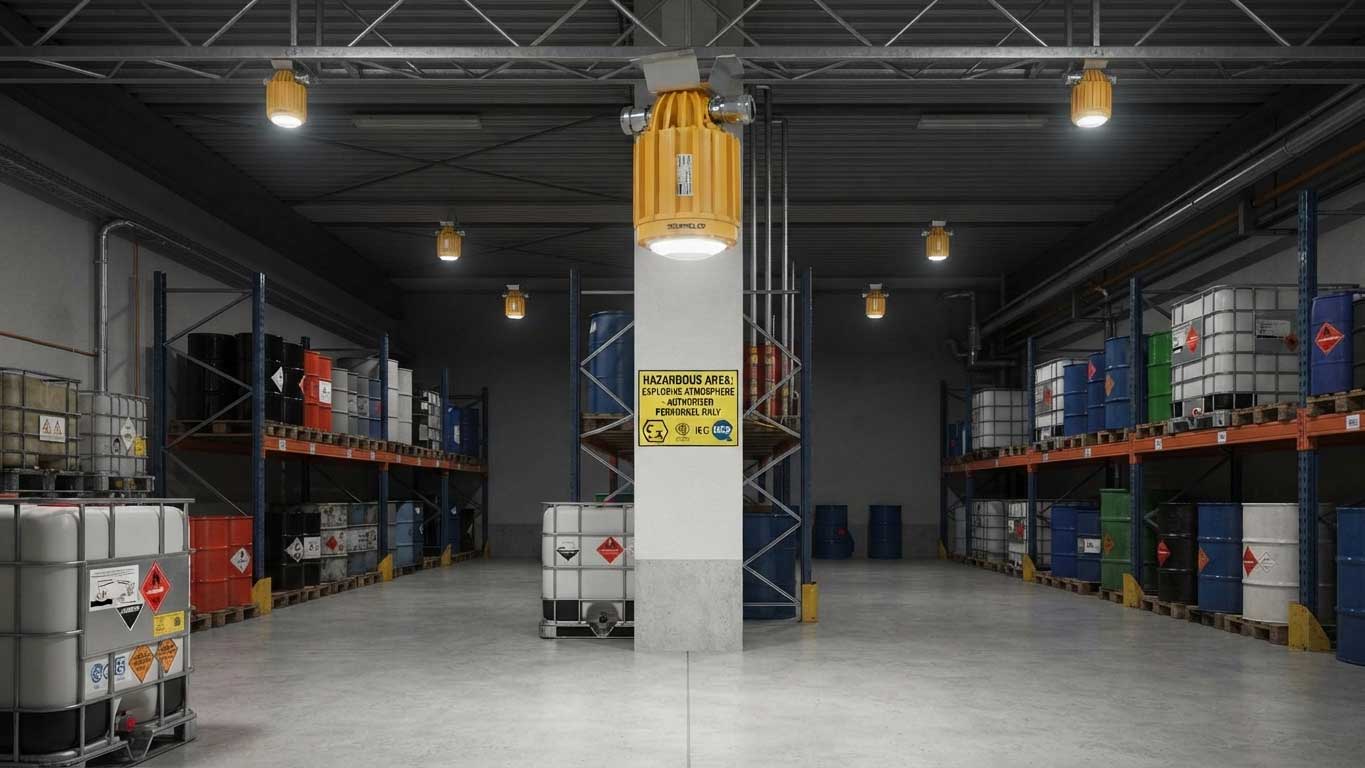
During a commissioning project in a chemical storage warehouse, I once saw maintenance teams replace conventional high bays every 8–10 months due to vapor corrosion. After switching to certified hazardous area bay lighting, replacement cycles extended beyond 3 years with stable output performance. That change alone reduced maintenance downtime by nearly 40% in that facility.
According to the International Energy Agency (IEA), industrial lighting accounts for roughly 17% of global electricity use in manufacturing facilities, making reliability and efficiency improvements a measurable operational advantage.
This is why hazardous area bay lighting is not just a compliance requirement—it directly affects operational cost, safety risk exposure, and production continuity.
What Makes Bay Lighting “Hazardous Area Rated”?
Hazardous area bay lighting is not defined by brightness or shape. It is defined by certification and construction integrity.
To qualify for use in explosive atmospheres, fixtures must meet international standards such as:
ATEX Directive 2014/34/EU (Europe)
IECEx certification system (global)
NEC Class/Division system (North America)
These frameworks ensure that lighting equipment cannot ignite surrounding explosive atmospheres under normal or fault conditions.
Enclosures are flameproof or dust-ignition protected
Surface temperature is strictly controlled
Electrical arcs are fully contained
Joints and seals prevent gas ingress
Materials resist corrosion and mechanical stress
Where Hazardous Area Bay Lighting Is Used
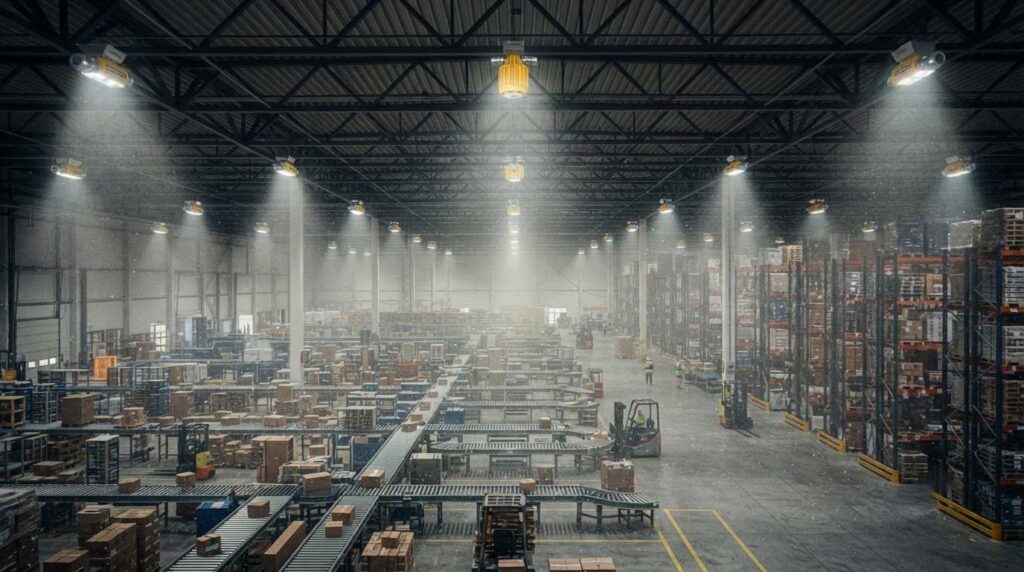
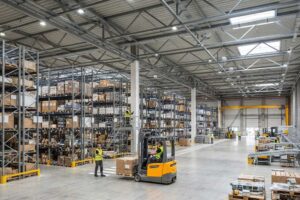
Hazardous area bay lighting is typically installed in large-volume industrial environments where overhead illumination is required at scale.
Common Applications
Oil refineries and petrochemical plants
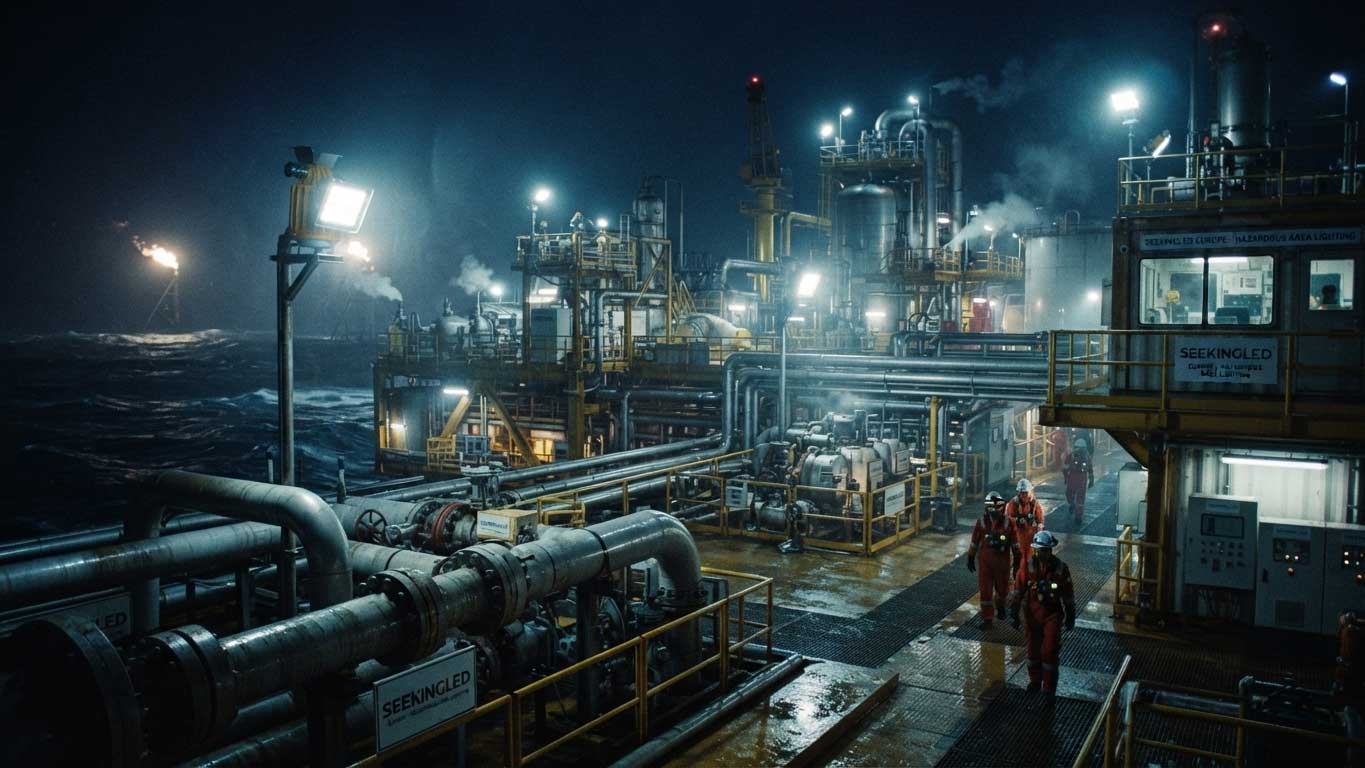
Offshore drilling platforms
Grain and flour processing facilities
Paint and solvent storage warehouses
Pharmaceutical manufacturing plants
Wastewater treatment facilities
Each environment presents a different ignition risk profile, but all share one requirement: reliable high-output lighting that does not compromise safety classification.
Why High Bay Design Matters in Hazardous Locations
Bay lighting fixtures are typically installed at heights between 6–20 meters. This introduces unique engineering challenges:
Heat dissipation becomes more difficult
Maintenance access is limited
Light distribution must cover large areas evenly
Vibration and air movement increase mechanical stress
In hazardous environments, these challenges are amplified by:
Gas or dust presence
Corrosive atmospheres
Temperature fluctuations
Regulatory inspection requirements
This is why hazardous area bay lighting is typically designed with:
Die-cast aluminum or stainless steel housings
Large thermal surfaces
Tempered glass lenses
External or integrated heat sinks
IP66/IP67 protection ratings
Industry Insight from Field Deployment
From our engineering experience at SEEKINGLED, one pattern appears repeatedly across projects:
Facilities that prioritize certification first, and lumens second, consistently achieve lower total lifecycle cost.
In one warehouse retrofit project, switching from standard LED high bays to hazardous area bay lighting resulted in:
52% reduction in maintenance interventions
28% reduction in energy consumption (system-level optimization)
Improved inspection compliance scores during safety audits
The key factor was not only the lighting efficiency, but enclosure reliability under real industrial stress conditions.
H2 Hazardous Area Bay Lighting vs Standard High Bay Lighting
Although both fixture types are used for large-area illumination, their engineering goals are fundamentally different.
Standard high bay lighting focuses on:
Energy efficiency
Lumen output
Cost per fixture
General industrial visibility
Hazardous area bay lighting focuses on:
Explosion containment
Surface temperature control
Certification compliance (ATEX / IECEx / Class I, II, III)
Long-term structural integrity under risk conditions
A useful way to summarize the difference is this:
Standard high bay lighting is designed to illuminate space. Hazardous area bay lighting is designed to prevent ignition while doing the same job.Visit the product page: Explosion Proof Lighting
Feature
Standard High Bay
Hazardous Area Bay Lighting
Certification
Optional
Mandatory (ATEX / IECEx)
Housing strength
Moderate
Reinforced flameproof design
Sealing level
IP20–IP54 typical
IP66–IP68 typical
Heat control
Basic heat sink
Advanced thermal isolation design
Application
Warehouses, factories
Oil, gas, chemical, dust zones
Key Engineering Structure of Hazardous Area Bay Lighting
To understand why these fixtures are more expensive and heavier, it helps to break down their construction.
1. Flameproof Enclosure System
The enclosure is designed to contain any internal ignition.
If an electrical fault occurs inside the fixture, the housing ensures:
Explosion pressure is contained
Flame paths cool escaping gases
External atmosphere remains unaffected
This is achieved through precision-machined joints often measured in microns.
2. Thermal Management Architecture
Heat is one of the most critical failure factors in LED systems.
In hazardous environments, overheating is not only a reliability issue—it is a safety risk.
Typical design strategies include:
Integrated aluminum heat sinks
External fin structures for airflow cooling
Thermal isolation between driver and LED board
Low thermal resistance PCB materials
According to the U.S. Department of Energy, improved thermal management can significantly extend LED system lifespan and maintain lumen stability over time.
Wide beam distribution (60°–120° depending on mounting height)
The goal is not just brightness, but uniform ground-level lux distribution in large industrial zones.
Selection Guide: How to Choose Hazardous Area Bay Lighting
Choosing the correct fixture requires understanding the environment first, not the product catalog.
Environmental Selection Table
Condition
Recommended Specification
Oil refinery
ATEX Zone 1 / IECEx, aluminum housing
Offshore platform
Stainless steel 316, IP67+
Grain silo
Dust ignition proof (Zone 21/22)
Chemical plant
Corrosion-resistant coating + ATEX Zone 2
Cold storage
Wide temperature LED driver (-40°C support)
Critical Selection Factors
Before purchase, engineers typically evaluate:
Hazard classification (Zone 0, 1, 2 / 20, 21, 22)
Ambient temperature range
Corrosive exposure level
Mounting height and spacing
Maintenance accessibility
Required lux level per task zone
A mistake in classification selection is far more costly than fixture pricing—it can lead to compliance failure or unsafe installation approval rejection.
Real-World Deployment Insight
In one petrochemical lighting upgrade project we supported, the client initially selected standard high bays due to budget pressure.
Within 6 months, inspection reports highlighted:
Lens discoloration
Seal degradation
Driver overheating warnings
After switching to certified hazardous area bay lighting, the facility achieved:
Stable operation beyond 18,000+ hours without failure
Reduced emergency maintenance calls
Improved audit compliance scoring
The lesson was simple: in hazardous environments, upfront cost savings often become operational losses later.
FAQ About hazardous area bay lighting Guide
What is the lifespan of hazardous area bay lighting?
Typically 50,000–100,000 hours depending on driver quality, thermal design, and environmental severity.
Can standard LED high bays be used in hazardous zones?
No. Only certified hazardous area lighting is permitted in explosive gas or dust environments.
Why are these fixtures heavier than normal LEDs?
Because of reinforced flameproof housings, thicker lenses, and additional sealing structures required for certification.
Are they energy efficient?
Yes. Most modern hazardous area bay lighting uses LED technology with high luminous efficacy (often 120–160 lm/W depending on model).
Final Summary
hazardous area bay lighting is not simply a stronger version of a high bay fixture—it is a certified safety system designed for environments where lighting failure can have severe consequences.
From enclosure design to thermal control and optical engineering, every detail serves one purpose: maintaining safe illumination in explosive atmospheres without compromise.
At SEEKINGLED, we approach hazardous area lighting as an engineering system rather than a product category. That means every fixture is designed with real operating conditions in mind—not just laboratory performance.
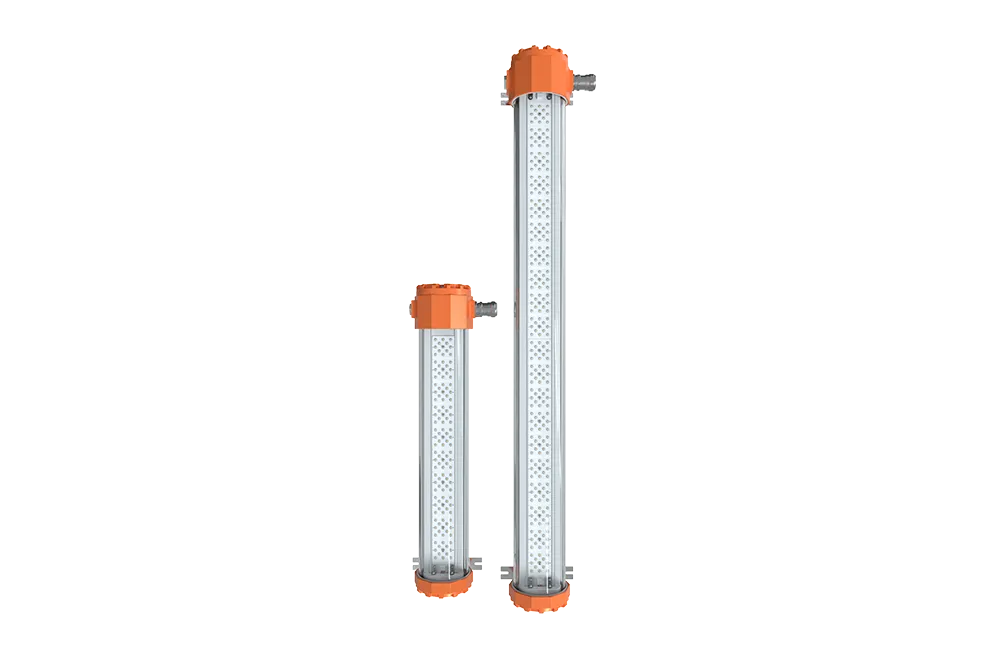
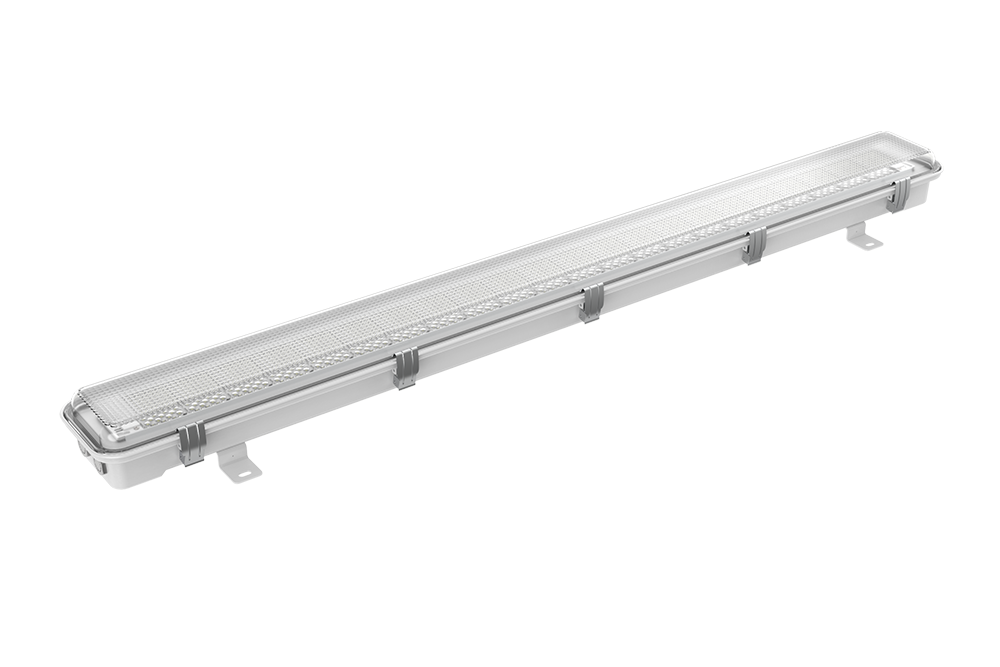
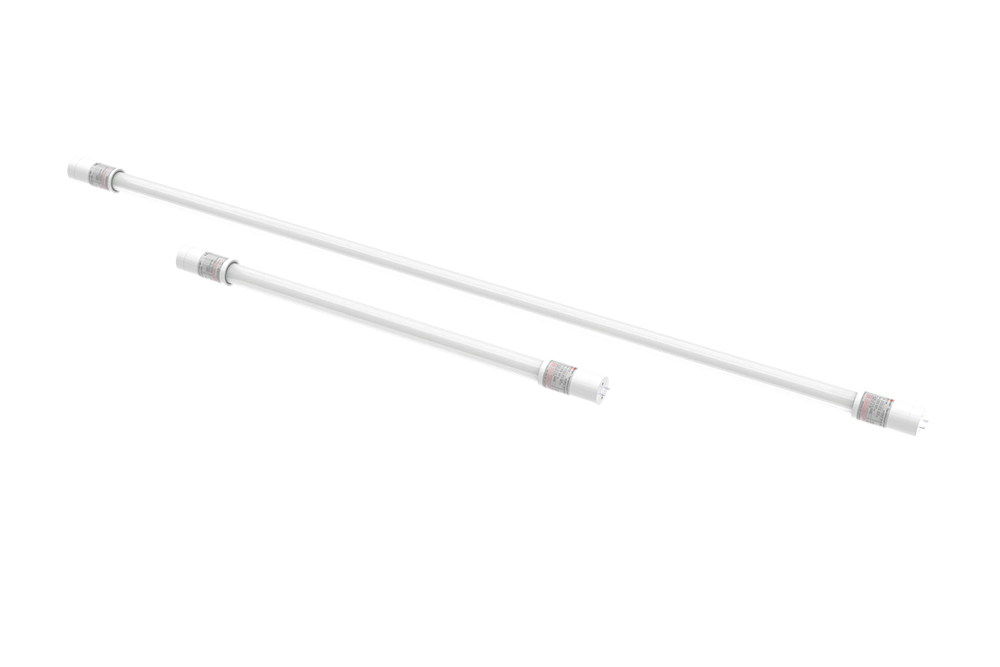
SEEKINGLED LED Linear Explosion Proof Light and Explosion Proof lighting is ATEX and IECEx certified for Zone 1, Zone 2, Zone 21 and Zone 22 hazardous locations, built for long-term industrial use.
LED Linear Explosion Proof Lights and EX Proof lights for Zone 1, Zone 2, Zone 21 and Zone 22 hazardous areas. ATEX & IECEx certified explosion proof LED linear lighting with emergency function, adjustable power and IP67 protection by SEEKINGLED.
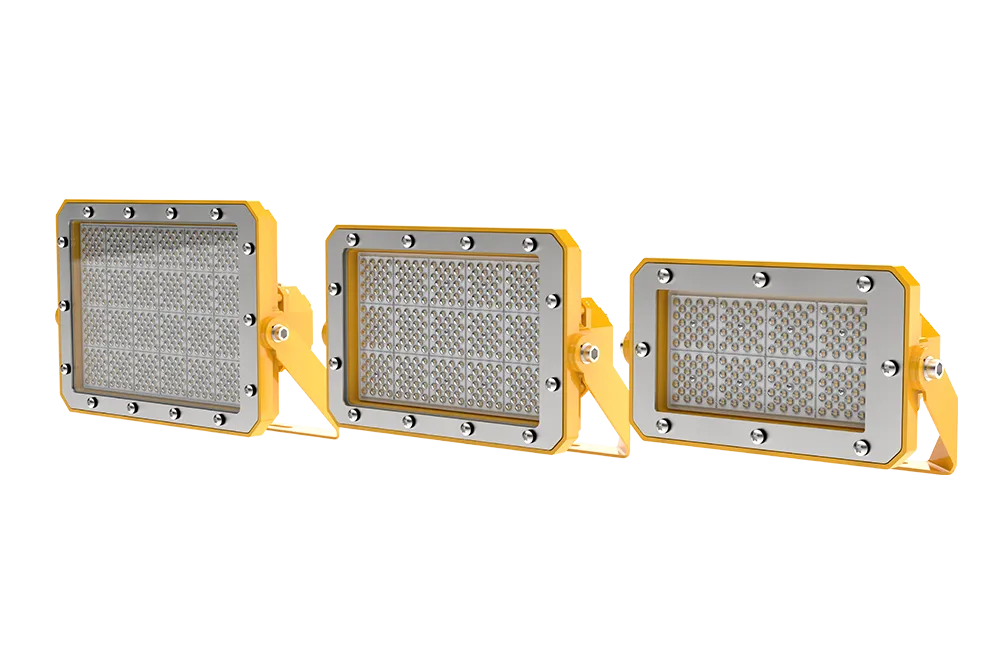
SEEKINGLED LED Explosion Proof Flood Lights are ATEX certified for Zone 2 and Zone 22 hazardous areas, offering high efficiency, adjustable power and integrated junction box.
SEEKINGLED LED Explosion Proof Flood Lights are flameproof ATEX and IECEx certified for Zone 1 and Zone 2 hazardous areas, offering high power, adjustable output and long service life.
SEEKINGLED LED Gas Station Canopy Lights are ATEX certified for Zone 2 and Zone 22 hazardous areas, featuring adjustable power and built-in explosion-proof junction box.
ATEX: Ex II 2G Ex db IIB T6/T5 GbEx II 2D Ex tb IIIC T80°C/ T95°C Db IECEx Ex db IIB T6 Gb;Ex tb IIIC T80°C Db Feature: ● For Zone 1,2 and Zone 21,22● Flameproof type, the strongest● 100W can replace 250W HID,energy saving● Power:60W,80W,100W Application: Oil and gas, marine, Chemical, pharmaceutical, semiconductor,mining,military industr…
ATEX: II 3G Ex nR ⅡC T5/T6 GcII 3D Ex tc ⅢC T80℃/T95℃Dc ATEX Certificate NO: TÜV CY 26 ATEX 0207611 X Feature: ● For Zone 2 and Zone 22● 150W can replace 250W HID lamps,Energy saving● Power:50W,75W,100W,150W,200W Application: Oil and gas, marine, Chemical, pharmaceutical, semiconductor,mining,military industry, paint booth,power plant ETC…
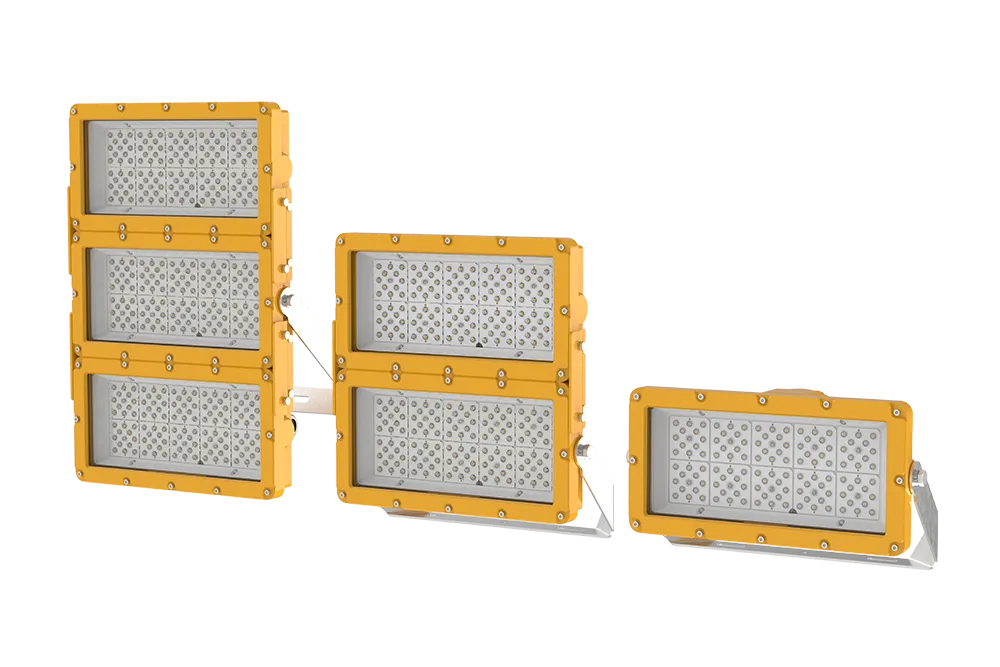
LED explosion proof high bay lights are designed for Zone 1, Zone 2, Zone 21 and Zone 22 hazardous areas. This page introduces the HB21 Series from SEEKING, including certifications, power options and real application considerations.
LED Linear Explosion Proof Lights from SEEKINGLED. LU Series Flame Proof lights ATEX-certified explosion proof LED linear lighting for Zone 2 gas and Zone 22 dust areas, IP69K, IK10, long lifetime and flexible power options.
Certified explosion proof work lights for Zone 1 & 21 hazardous areas. Portable, ATEX & IECEx approved, built for oil, gas and chemical plants by SEEKINGLED.
ATEX: II 3G Ex nR ⅡC T6 GcII 3D Ex tc ⅢC T80℃ Dc ATEX Certificate NO: TÜV CY 26 ATEX 0207611 X Feature: ● For Zone 2 and Zone 22● Accepts battery-powered supply● indestructible● Power:AC input:50W,75W,100WDC input:15W,25W,35W Application: Oil and gas, marine, Chemical, pharmaceutical, semiconductor,mining,military industry, paint booth,po…
ATEX: Ex II 2G Ex db IIB T6 GbEx II 2D Ex tb IIIC T80°C Db IECEx Ex db IIB T6 Gb;Ex tb IIIC T80°C Db Feature: ● For Zone 1,2 and Zone 21,22● Flameproof type, the strongest Application: Oil and gas, marine, Chemical, pharmaceutical, semiconductor,mining,military industry, paint booth,power plant ETC hazardous area. Technical Specifications:…
ATEX: Ex II 2G Ex db IIB T6 GbEx II 2D Ex tb IIIC T80°C Db IECEx Ex db IIB T6 Gb;Ex tb IIIC T80°C Db Feature: ● For Zone 1,2 and Zone 21,22● Flameproof type, the strongest Application: Oil and gas, marine, Chemical, pharmaceutical, semiconductor,mining,military industry, paint booth,power plant ETC hazardous area. Technical Specifications:…
ATEX: Ex II 2G Ex d e IIB T6 Gb ATEX: Ex d e IIB T6 Gb; Feature: ● For Zone 1,2● 9W can replace 18W fluorescent lamps,50% Energy saving Application: Oil and gas, marine, Chemical, pharmaceutical, semiconductor,mining,military industry, paint booth,power plant ETC hazardous area. Technical Specifications: Standards:60079-0, 60079-1, 60079…
LED parking lot flood lights deliver brighter, safer outdoor lighting with lower energy use. Learn real-world installation insights, performance data, and expert tips from SEEKINGLED.
How many amps does a LED flood light use? This guide explains real current draw at different voltages, common wattages, and what installers usually see on site. By SEEKINGLED.
explosion-proof light engineered for Zone 1 & 2 hazardous areas with ATEX & IECEx certification. Practical safety insights and engineering from SEEKINGLED.
 Seeking LED