 Seeking LED
What Height Should High Bay LED Lights Be?
293What height should high bay LED lights be for warehouses, factories, and gyms? This Q&A explains mounting height ranges and real installation considerations.
View detailsSearch the whole station
what is a flood light? A flood light is a powerful lighting fixture designed to illuminate large areas with a wide and even beam of light. It is commonly used for outdoor spaces, industrial facilities, sports fields, security areas, and architectural lighting projects.
After more than 10 years working with commercial LED lighting solutions at SEEKINGLED, I have inspected and supported flood light applications in factories, warehouses, outdoor facilities, and public spaces. One thing I have learned from real installations is that brightness alone does not define a good flood light. Beam control, heat management, installation height, and environmental protection often determine whether a lighting project performs well.Visit the product page:LED Flood Lights
Many customers initially compare flood lights by wattage. However, a 150W LED flood light from one manufacturer may deliver completely different results from another because LED efficiency, optical design, and thermal structure affect the final illumination.
According to the U.S. Department of Energy, LED lighting uses at least 75% less energy and lasts up to 25 times longer than traditional incandescent lighting. This efficiency advantage has made LED flood lights a preferred replacement for older halogen and metal halide systems.
Source: U.S. Department of Energy – LED Lighting
https://www.energy.gov/energysaver/led-lighting
A flood light is designed to spread illumination across a wide area rather than concentrate light into a narrow beam. The fixture normally combines high-power LED chips, optical lenses, a heat dissipation structure, and a protective housing.
Unlike a spotlight, which focuses light on a specific object or location, a flood light creates broad coverage. This makes it suitable for applications where people need clear visibility across an entire space.
A typical LED flood light includes:
| Component | Function |
|---|---|
| LED Module | Produces high-efficiency illumination |
| Optical Lens | Controls beam angle and light distribution |
| Aluminum Housing | Helps release heat and maintain performance |
| LED Driver | Converts and regulates electrical power |
| Waterproof Structure | Protects internal components outdoors |
In practical projects, the optical system is often overlooked. I have seen installations where expensive fixtures failed to achieve expected brightness simply because the beam angle was not matched with the mounting height.
A flood light works by converting electrical energy into visible light through LED semiconductor technology. When electricity passes through LED chips, light is generated with much lower energy loss compared with traditional lighting sources.
The performance of a flood light depends on several technical factors:
Brightness is measured in lumens. A higher lumen output provides more illumination, but selecting the correct lumen level requires understanding the size and purpose of the area.
For example:
| Application | Lighting Requirement |
|---|---|
| Residential Garden | Moderate brightness with wide coverage |
| Parking Lot | Uniform illumination and security visibility |
| Warehouse Yard | High output for long operating hours |
| Stadium | High-power output with controlled glare |
A common mistake is choosing the brightest fixture available. In reality, excessive brightness can create glare and reduce visual comfort.
Beam angle determines how widely the light spreads.
Common flood light beam options include:
During lighting design discussions, I usually ask customers about the installation distance before recommending a fixture. A flood light mounted on a 12-meter pole requires a different optical design compared with one installed on a 4-meter building wall.
Outdoor lighting must handle rain, dust, humidity, and temperature changes. This is why IP protection ratings are important.
The IEC 60529 standard defines the IP classification system used worldwide for electrical enclosure protection.
Common ratings:
| Rating | Protection Level |
|---|---|
| IP65 | Dust protected and protected against water jets |
| IP66 | Dust protected and protected against powerful water jets |
| IP67 | Temporary immersion protection |
For industrial environments, choosing the correct IP rating can directly influence maintenance frequency and product lifespan.
Source: International Electrotechnical Commission (IEC)
https://www.iec.ch
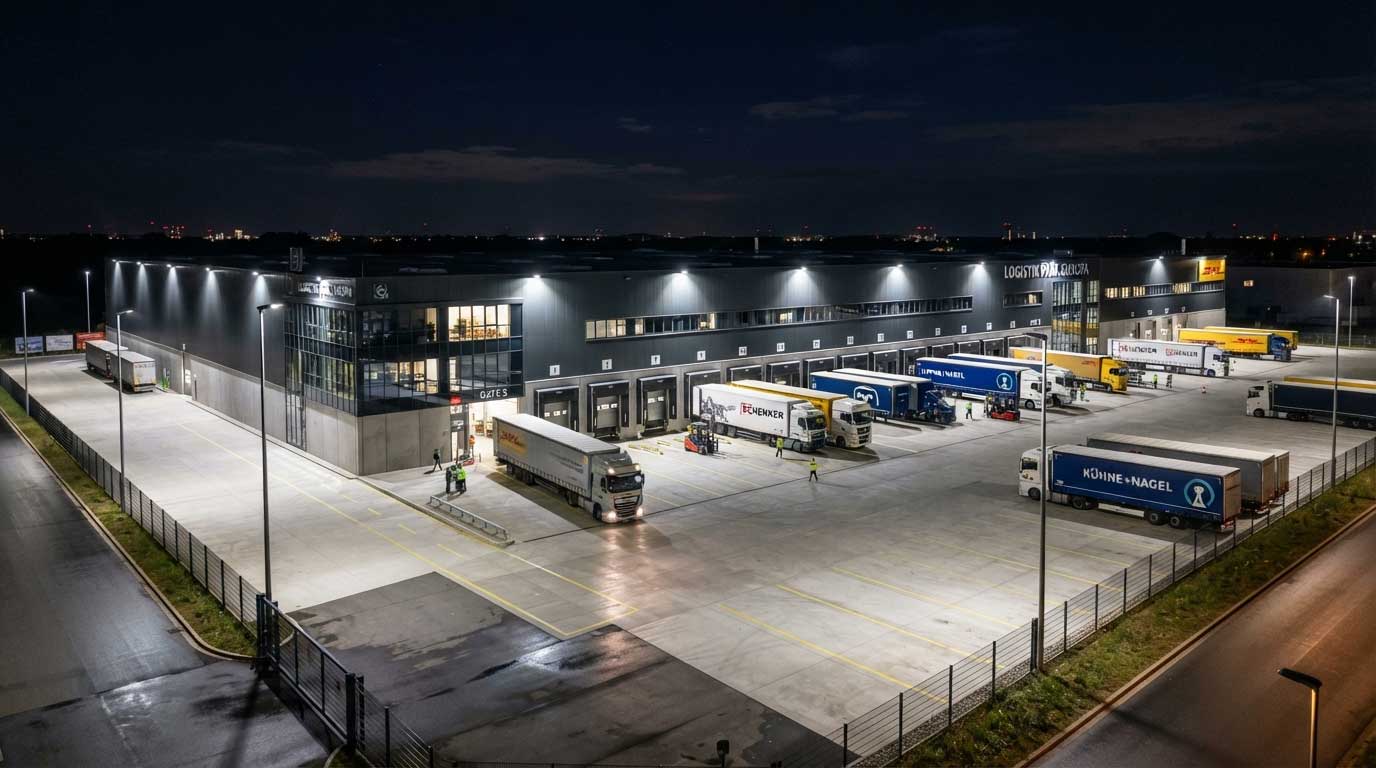
Flood lights are widely used in environments where large-scale illumination is required. Their ability to cover open spaces makes them valuable for both commercial and industrial projects.
Factories and warehouses often require reliable lighting for safety and productivity. LED flood lights provide consistent illumination for loading docks, storage areas, and outdoor operations.
Security lighting depends on visibility. Flood lights help reduce dark areas around buildings, entrances, and parking facilities while improving surveillance camera performance.
Sports facilities require controlled illumination without excessive glare. High-power LED flood lights are commonly used for football fields, tennis courts, and outdoor arenas.
Flood lights can highlight building structures, monuments, and commercial properties by creating dramatic nighttime appearances.
Compared with traditional lighting technologies, LED flood lights provide several practical advantages:
In commercial projects, the biggest value is often seen after installation. A fixture that operates reliably for years without frequent replacement can reduce both labor costs and downtime.
SEEKINGLED focuses on developing LED lighting solutions based on real application requirements, including industrial environments, outdoor facilities, and demanding commercial projects.
Choosing the correct LED flood light requires evaluating the actual installation environment instead of simply selecting the highest wattage model. A professional lighting solution balances brightness, efficiency, coverage, and durability.
Before purchasing or replacing flood lights, consider these factors:
The required brightness depends on:
A small outdoor pathway and a large factory yard may both use flood lights, but their lighting requirements are completely different.
For commercial projects, lighting designers often refer to standards such as the recommended illumination levels from organizations including the Illuminating Engineering Society (IES).
Source: Illuminating Engineering Society
https://www.ies.org
Wattage indicates energy consumption, not actual brightness. Modern LED technology produces more lumens with fewer watts compared with traditional lighting.
Typical applications:
| Flood Light Power | Common Applications |
|---|---|
| 30W–100W | Residential areas, small commercial spaces |
| 100W–300W | Parking lots, warehouses, industrial areas |
| 300W+ | Stadiums, ports, large outdoor facilities |
In my experience reviewing lighting projects, selecting a lower wattage fixture with better optical efficiency can sometimes achieve better results than using a higher wattage product with poor light distribution.
Even high-quality flood lights require proper installation to perform effectively.
The installation height and angle affect the illuminated area. Incorrect positioning may create uneven brightness, shadows, or unnecessary glare.
LED performance is strongly connected to temperature control. A well-designed aluminum housing allows heat to escape and helps maintain LED efficiency.
Professional installation should include:
Outdoor environments can experience voltage fluctuations caused by lightning or power system changes, making protection measures important for long-term reliability.
Although LED flood lights require less maintenance than traditional lighting, regular inspection helps maintain performance.
Recommended checks include:
In coastal areas or industrial environments, salt, dust, and chemical exposure can gradually affect lighting equipment. Selecting a suitable housing material and protection rating from the beginning prevents many future issues.
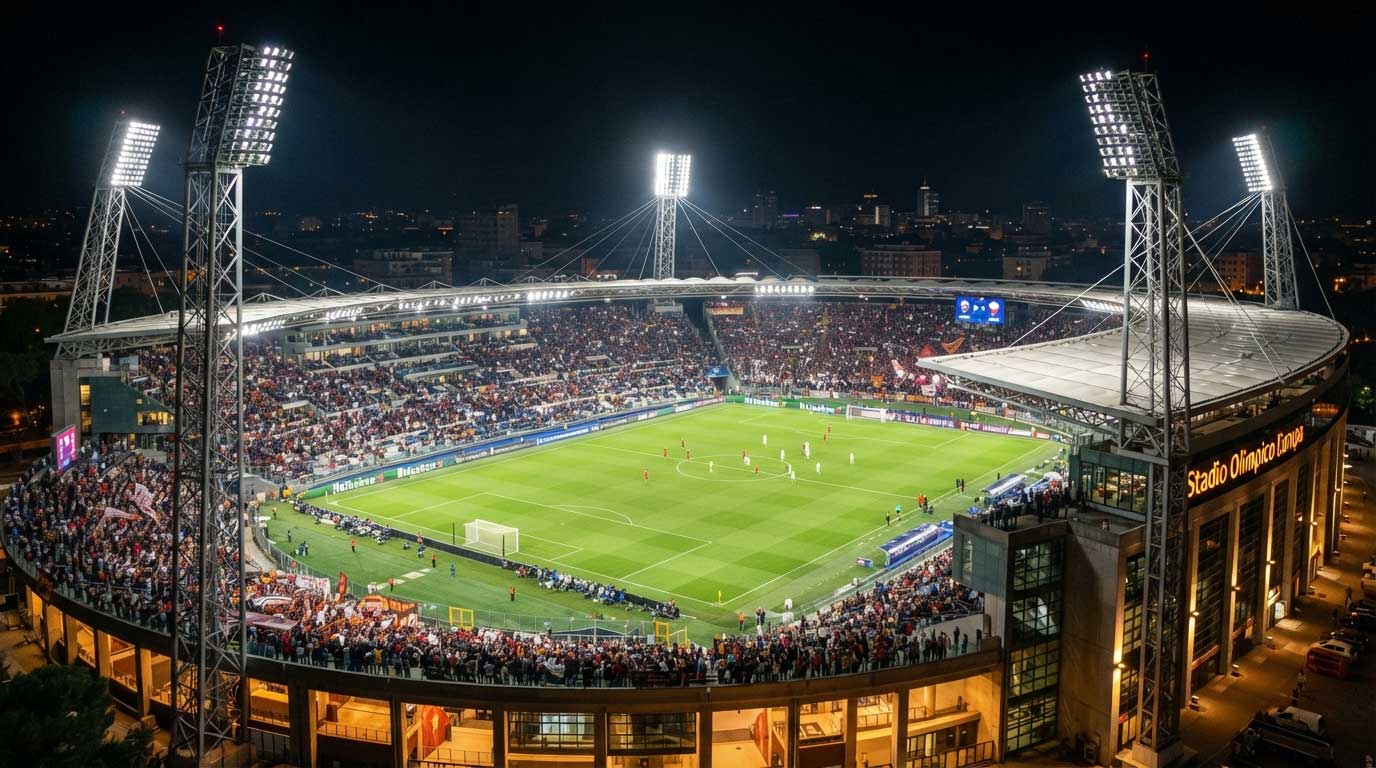
A flood light is used to illuminate large areas with wide and powerful lighting. Common applications include warehouses, parking lots, sports fields, security zones, and building exteriors.
A flood light produces a wide beam for covering large spaces, while a spotlight creates a narrow beam designed for highlighting specific objects or areas.
Yes. LED flood lights consume significantly less electricity than traditional lighting technologies and provide longer operational life, reducing replacement and maintenance costs.
The required wattage depends on the application, mounting height, and coverage area. Small outdoor spaces may use lower wattage fixtures, while industrial sites often require higher power models.
Yes. Outdoor LED flood lights are designed for external environments when they have suitable waterproof and dust protection ratings such as IP65 or IP66.
High-quality LED flood lights can operate for many years depending on product quality, temperature conditions, usage hours, and installation environment.
what is a flood light? It is a professional lighting fixture created to deliver powerful and wide-area illumination where visibility, safety, and efficiency are essential.
From industrial warehouses to outdoor sports facilities, flood lights play an important role in modern lighting systems. The best results come from matching the fixture design with the real environment instead of focusing only on wattage or price.
With years of experience in commercial LED lighting development, SEEKINGLED continues to provide reliable flood lighting solutions designed for demanding applications worldwide.
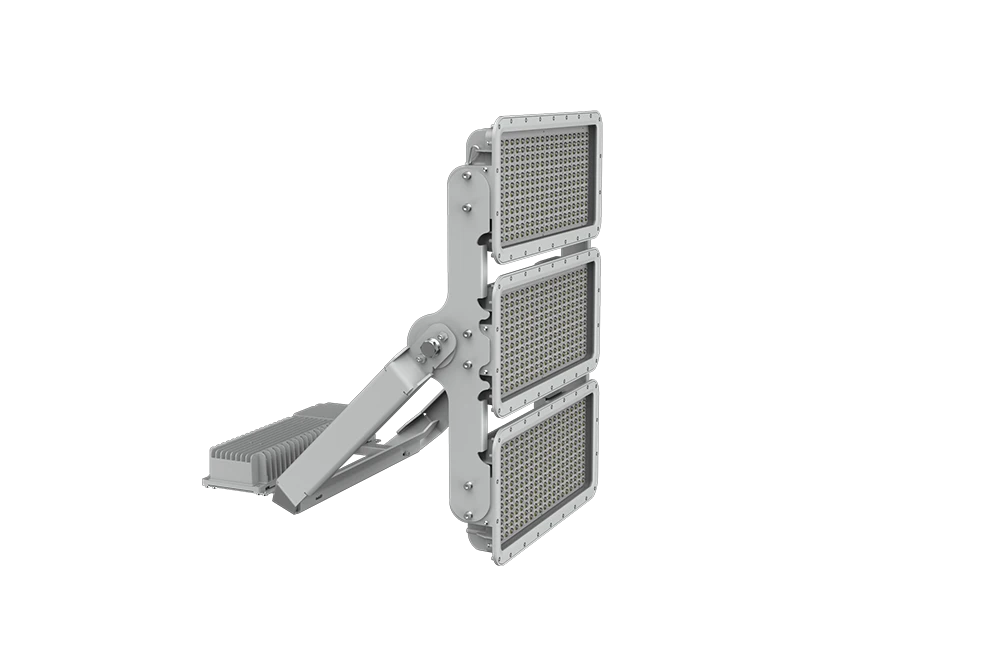
Sports Stadium LED Lighting by SEEKINGLED delivers high mast illumination, precise beam control, and EN 12193 compliant performance for professional venues.
View details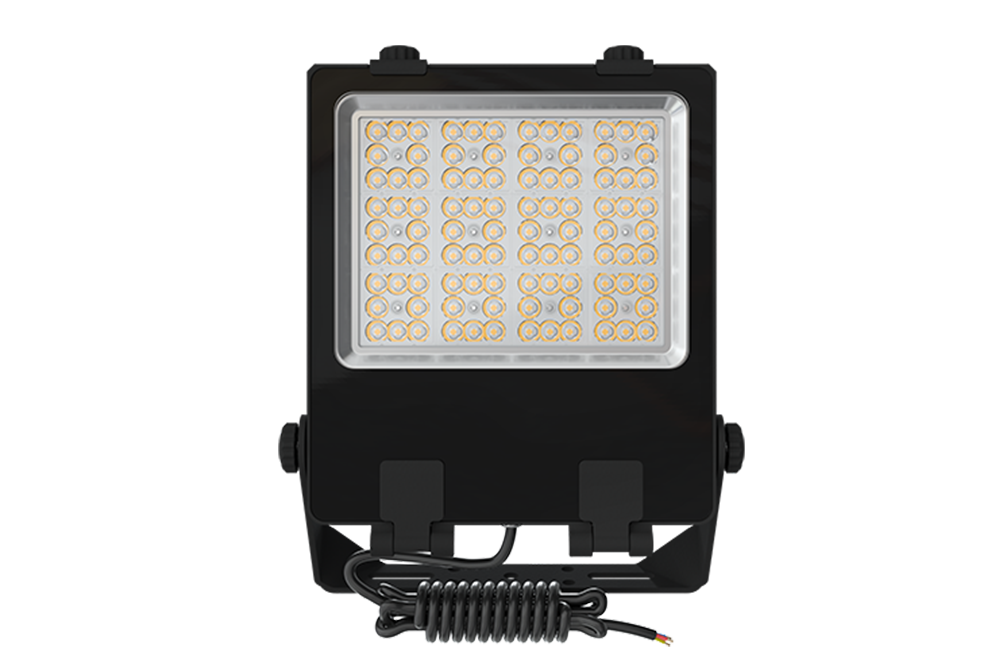
SEEKING FLX Series LED flood light outdoor for sports courts and open-area projects with 170lm/W efficiency, IP66 protection and multiple beam distributions. Designed for long-life commercial and public outdoor use.
View details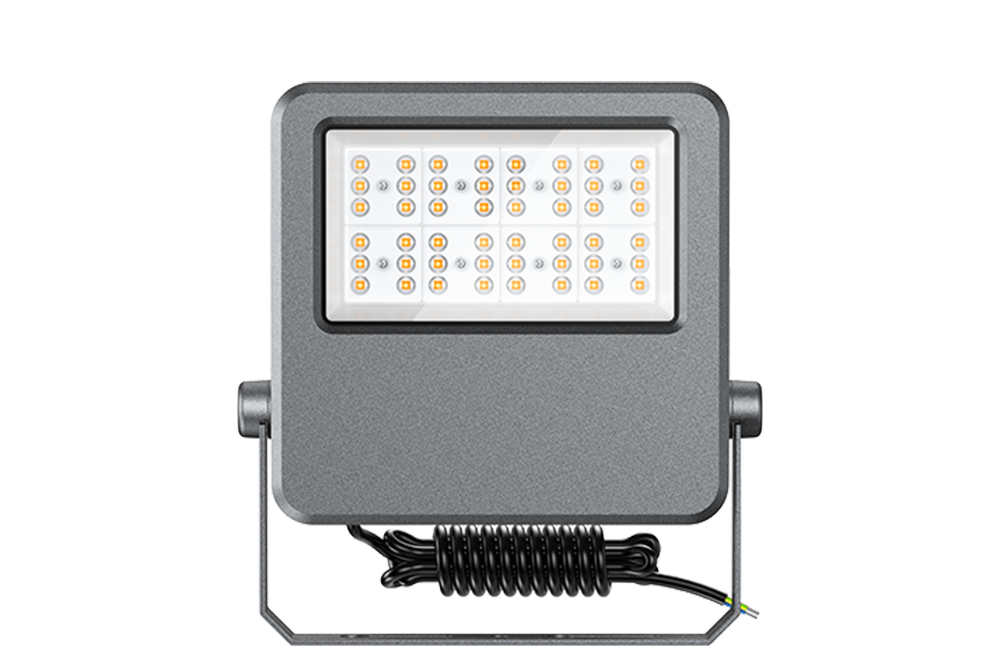
SEEKING FLE Series LED outdoor flood lights for sports grounds and open areas with multiple beam angles, IP66 protection and up to 170lm/W. Designed for long-life outdoor installations with professional driver options.
View details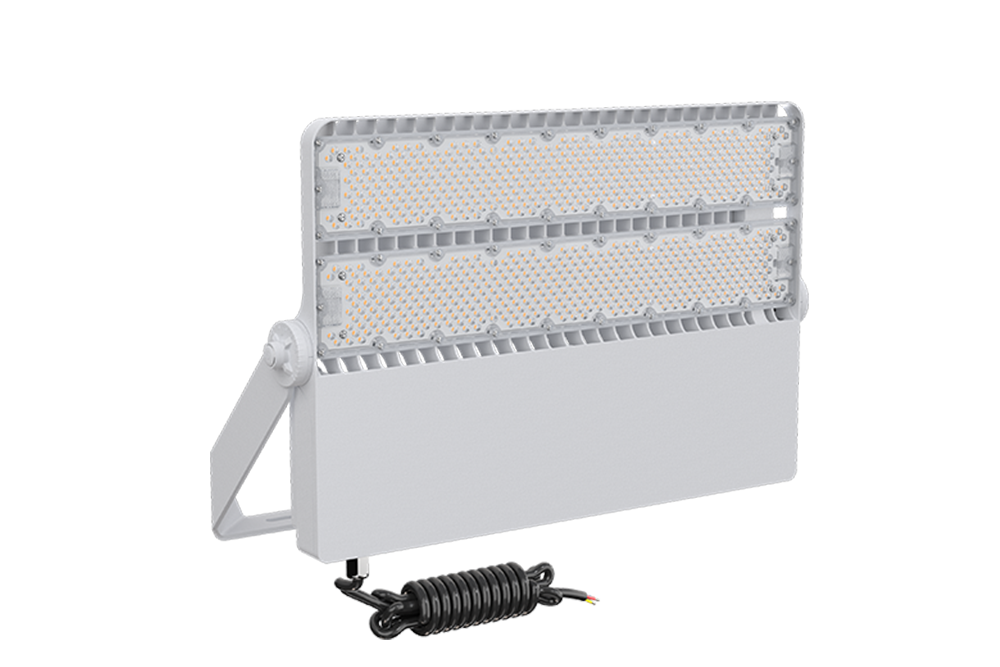
SEEKING FLD Series outdoor LED flood lights and high power led flood light deliver up to 960W with precision beam angles for sports fields, stadiums and large outdoor areas. IK08 & IP66 protection, 170lm/W efficiency and 100,000h lifetime.
View details
What height should high bay LED lights be for warehouses, factories, and gyms? This Q&A explains mounting height ranges and real installation considerations.
View details
ATEX explosion proof lighting is essential for Zone 1 and Zone 21 hazardous areas. This article shares real engineering experience with SEEKINGLED HB21 Series LED explosion proof high bay lights, referencing IEC 60079 standards and ATEX compliance.
View details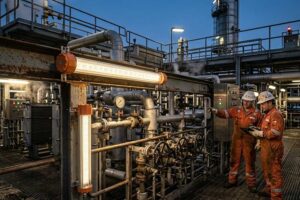
Where are explosion proof linear lights used? Discover the industries, hazardous zones, and industrial environments that require certified LED linear lighting.
View details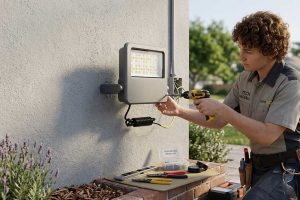
How to change LED outdoor lights safely? Step-by-step guide with expert tips, real installation insights, and common mistakes explained by SEEKINGLED.
View details