Quick Answer: How many lumens for backyard flood light?
A backyard flood light typically needs 1,000–3,000 lumens for general outdoor illumination. Small patios may work with 700–1,500 lumens, while larger yards, driveways, and security areas often require 2,000–5,000 lumens for wider coverage and stronger visibility.
At SEEKINGLED, we have tested outdoor LED flood lights in residential gardens, commercial landscapes, and security applications. In real installations, the correct lumen output depends on yard size, mounting height, beam angle, and whether the goal is decoration or security.
Understanding the right lumens for backyard flood light applications
When customers ask how many lumens for backyard flood light, the first mistake is choosing brightness only by wattage. Modern LED technology has changed outdoor lighting. A 50W LED flood light today can easily replace much higher-wattage traditional fixtures because lumen efficiency has improved significantly.
According to the U.S. Department of Energy, modern LED lighting can produce more than 100 lumens per watt, while traditional incandescent lighting produces much less light output. This is why lumens—not watts—should be the primary measurement when selecting outdoor flood lights.
From our field experience, these ranges work well:
Backyard Area
Recommended Lumens
Typical Application
Small patio or balcony
700–1,500 lumens
Ambient lighting
Medium backyard
1,500–3,000 lumens
Garden and walkway lighting
Large yard
3,000–5,000 lumens
Wide-area illumination
Security lighting
2,000–6,000 lumens
Motion detection and surveillance
The correct choice is not always the brightest fixture. Over-lighting can create harsh glare, uncomfortable shadows, and unnecessary energy consumption.
Best lumens for backyard flood light by installation purpose
1. Backyard security lighting
For security purposes, most homeowners need between 2,000 and 5,000 lumens. A brighter fixture helps security cameras capture clearer images and reduces dark areas around entrances, fences, and driveways.
During outdoor lighting projects, we usually recommend mounting flood lights between 8 and 15 feet high. A higher installation requires more lumens because light spreads over a larger area.
2. Landscape and garden lighting
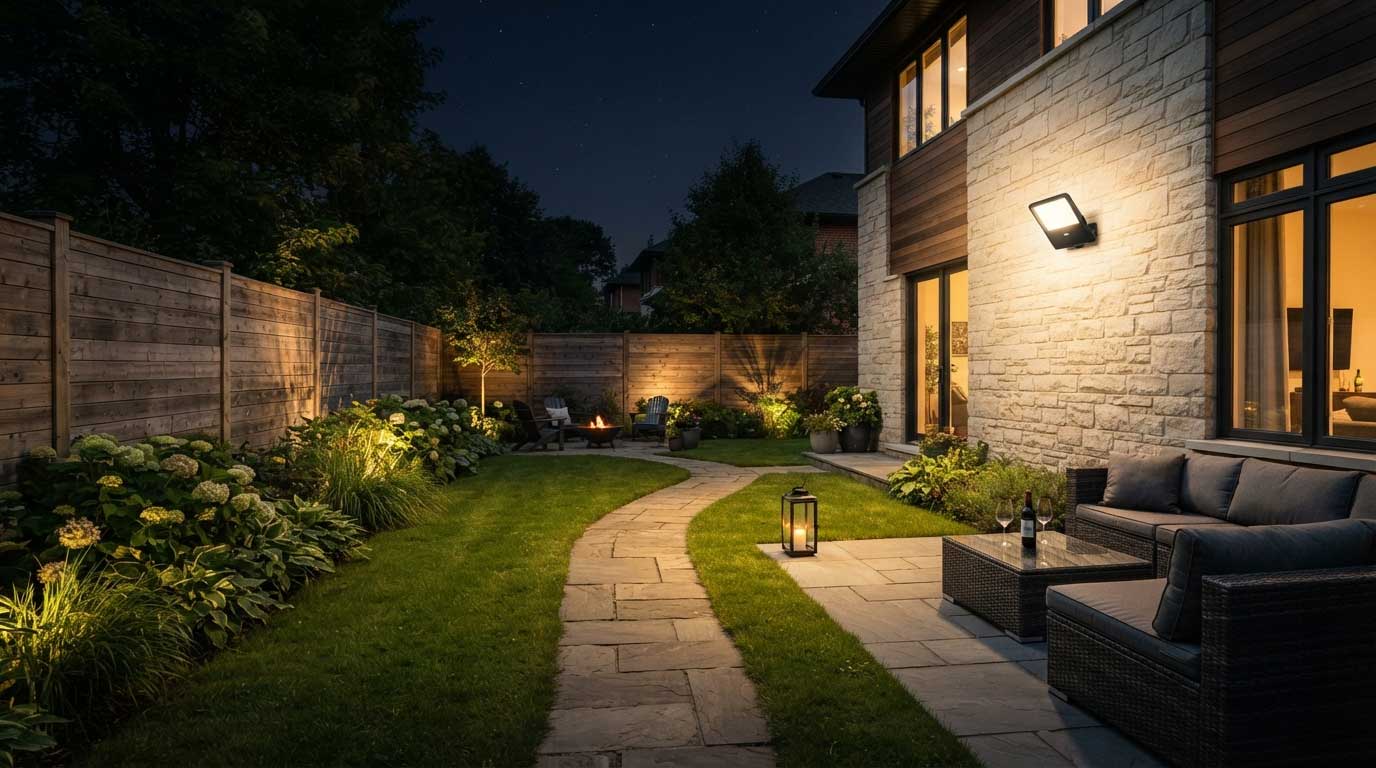
Decorative backyard lighting does not require extreme brightness. A 1,000–2,000 lumen LED flood light is usually enough to highlight trees, plants, walls, and outdoor seating areas.
Using adjustable beam angles is often more effective than simply increasing lumen output.
How to calculate the required lumens for backyard flood light
A simple way to estimate your lighting requirement is:
Required lumens = area size × desired brightness level
Outdoor lighting is usually measured by foot-candles. For general residential outdoor spaces, approximately 1–5 foot-candles are commonly used depending on the purpose.
For example:
A 300 square foot backyard area with moderate lighting may require around 1,500–2,000 lumens.
A 1,000 square foot yard used for security may require several fixtures totaling 4,000–6,000 lumens.
Professional lighting designers also consider:
Mounting height
Beam angle
Reflective surfaces
Weather conditions
Light distribution pattern
A flood light with poor beam control can waste energy even if the lumen rating looks impressive.
Why LED efficiency matters for backyard flood lights
Choosing LED flood lights provides advantages beyond brightness. According to the U.S. Department of Energy, LED products use significantly less electricity and last much longer than traditional lighting technologies.
For example, a high-quality LED flood light can operate for 25,000–50,000 hours, depending on product quality and operating conditions.
SEEKINGLED focuses on commercial-grade LED outdoor lighting solutions with high lumen efficiency, durable housings, and weather-resistant designs for demanding environments.
Common mistakes when choosing backyard flood light brightness
Mistake 1: Choosing watts instead of lumens
Wattage measures energy consumption, not brightness. Always compare lumen output first.
Mistake 2: Installing one extremely bright fixture
A single powerful flood light may create glare. Multiple medium-output lights often provide better coverage.
Mistake 3: Ignoring beam angle
A narrow beam creates concentrated light, while a wide beam covers larger spaces. The right combination improves comfort and visibility.
FAQ: how many lumens for backyard flood light?
How many lumens does a backyard flood light need?
Most backyards need 1,000–3,000 lumens. Larger yards or security applications may require 3,000–5,000 lumens.
Is 2000 lumens enough for backyard lighting?
Yes. A 2,000 lumen LED flood light is suitable for many medium-sized residential yards, patios, and garden areas.
How many lumens do I need for driveway flood lighting?
Driveways typically require 2,000–5,000 lumens depending on driveway length, mounting height, and security requirements.
Are higher lumen flood lights always better?
No. Excessive brightness can create glare and uneven lighting. Proper placement and beam control are equally important.
What watt LED flood light is best for a backyard?
A 30W–100W LED flood light is commonly used for residential backyards, depending on required lumen output.
How high should a backyard flood light be installed?
Most residential flood lights work well when installed 8–15 feet above ground level.
How Far Will a LED Flood Light Shine?
It’s a question people ask all the time when planning outdoor lighting: how far will a led flood light shine?
On paper, it sounds simple. In reality… it depends on a few things. Wattage matters, yes. But beam angle, mounting height, and even the surface around the light play a role.
I’ve seen installers expect a small flood light to light up an entire parking lot. That almost never works. At the same time, a well-positioned mid-power LED can easily cover a backyard or driveway with no problem.
Choosing the best LED flood light for backyard environments
Selecting the right backyard flood light is not only about lumen output. In practical installations, the fixture design, protection rating, heat management, and light distribution have a direct impact on long-term performance.
At SEEKINGLED, we have worked with outdoor LED lighting projects where the same lumen rating produced completely different results because of fixture quality and installation conditions. A 3,000-lumen flood light with poor optical control may create uncomfortable glare, while a professionally designed fixture can distribute the same brightness evenly across the entire yard.
For outdoor applications, consider these important specifications:
Feature
Recommended Standard
Why It Matters
Lumen output
1,000–5,000 lumens
Determines brightness level
Color temperature
3000K–5000K
Controls visual comfort
Protection rating
IP65 or higher
Protects against rain and dust
Beam angle
60°–120°
Controls coverage area
Lifespan
25,000+ hours
Reduces maintenance
For outdoor flood lighting, IP protection is especially important. The International Electrotechnical Commission (IEC) defines IP ratings for protection against solid particles and water penetration. An IP65-rated fixture provides dust protection and protection against water jets, making it suitable for many outdoor environments.
How many lumens for backyard flood light in different yard sizes?
The required lumen output changes depending on the size and purpose of the outdoor space. A small decorative garden and a large security-focused backyard should not use the same lighting strategy.
Based on practical outdoor lighting projects, these recommendations provide a reliable starting point:
Backyard Size
Recommended Total Lumens
Recommended Setup
Under 200 sq. ft.
700–1,500 lumens
One compact LED flood light
200–500 sq. ft.
1,500–3,000 lumens
One or two fixtures
500–1,000 sq. ft.
3,000–5,000 lumens
Multiple flood lights
Over 1,000 sq. ft.
5,000+ lumens
Distributed lighting system
A common installation mistake is placing a high-output flood light in one corner and expecting it to illuminate the entire yard. Light distribution matters as much as lumen quantity.
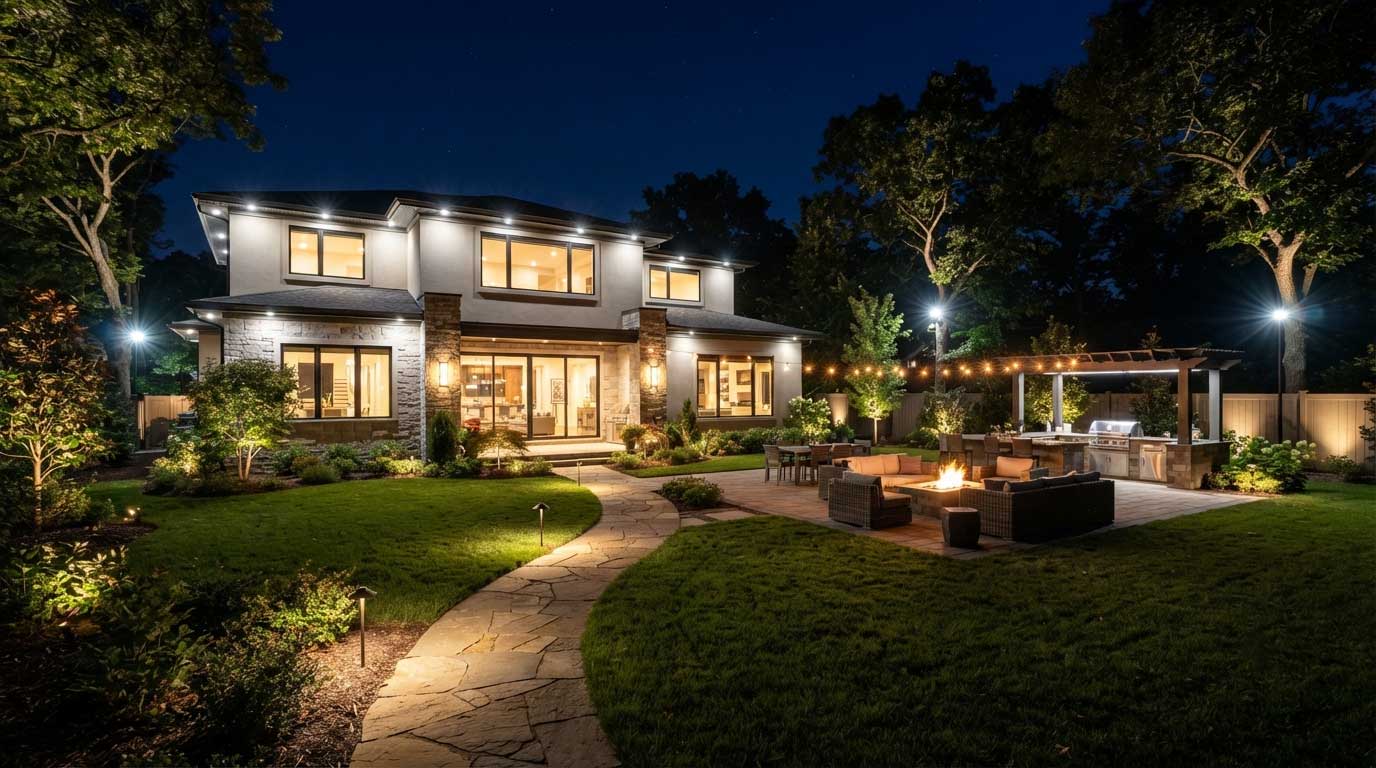
For larger outdoor areas, we normally recommend several fixtures positioned around the perimeter. This creates fewer shadows and improves visibility for walking paths, entrances, and security cameras.
Professional tips to improve backyard flood light performance
Use multiple lower-output lights instead of one oversized fixture
A 5,000-lumen flood light may sound powerful, but it can produce harsh brightness near the fixture while leaving distant areas darker.
A better approach is often:
Two 1,500-lumen fixtures on opposite sides
Three 1,000-lumen fixtures around garden areas
Adjustable mounting angles for targeted lighting
This approach improves comfort and reduces unnecessary energy usage.
Select the correct color temperature
Color temperature changes how outdoor spaces look.
2700K–3000K: Warm atmosphere, suitable for gardens and patios
4000K: Neutral white, suitable for general outdoor areas
5000K–6500K: Cooler light, commonly used for security applications
For residential backyards, many homeowners prefer 3000K–4000K because it provides visibility without making the space feel harsh.
Energy savings of LED backyard flood lights
LED technology has become the preferred solution for outdoor lighting because of its efficiency and durability.
The U.S. Department of Energy reports that residential LED lighting products use substantially less energy than traditional incandescent lighting and can last many times longer.
A properly selected LED flood light can reduce maintenance frequency while providing stable outdoor illumination throughout the year.
SEEKINGLED recommendation for backyard flood lighting
When selecting a backyard flood light, start with the lighting purpose first:
Decorative garden lighting: 1,000–2,000 lumens
Patio and outdoor activities: 1,500–3,000 lumens
Driveway and security lighting: 2,000–5,000 lumens
Large property lighting: 5,000+ lumens
The answer to how many lumens for backyard flood light depends on your space, but lumen output should always work together with beam angle, installation height, and fixture quality.
With years of experience developing LED lighting solutions, SEEKINGLED helps customers select outdoor flood lights that balance brightness, efficiency, and reliability for real-world applications.
Conclusion
Choosing the correct lumen output is the foundation of effective backyard lighting. Most residential yards perform well with 1,000–3,000 lumens, while larger areas and security applications may require higher outputs.
The best outdoor flood light is not simply the brightest option. It is the one that delivers comfortable coverage, reliable performance, and the right lighting level for your specific environment.
Sports Stadium LED Lighting by SEEKINGLED delivers high mast illumination, precise beam control, and EN 12193 compliant performance for professional venues.
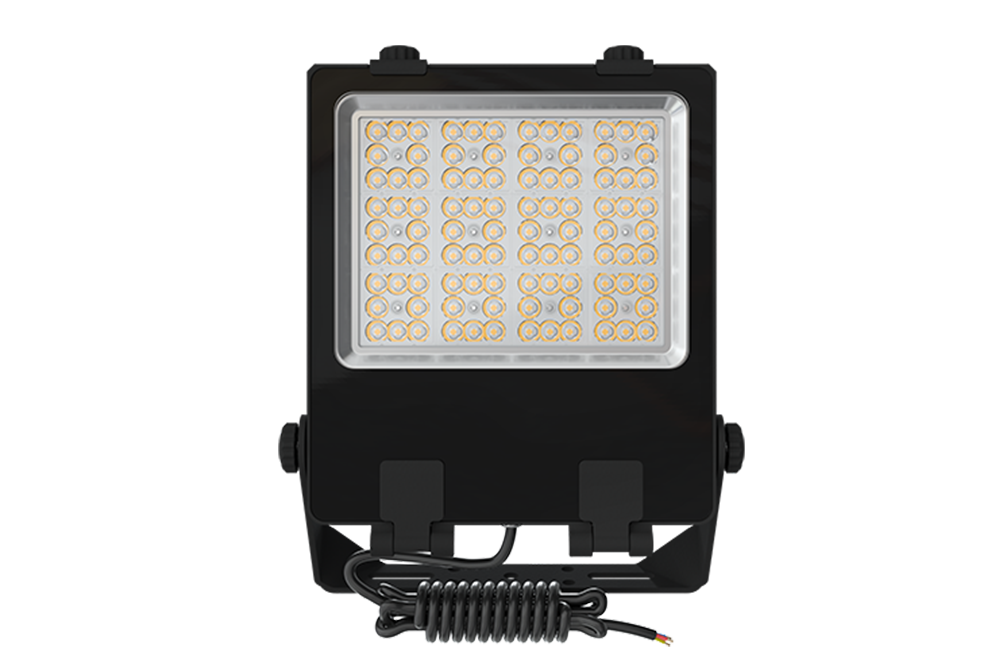
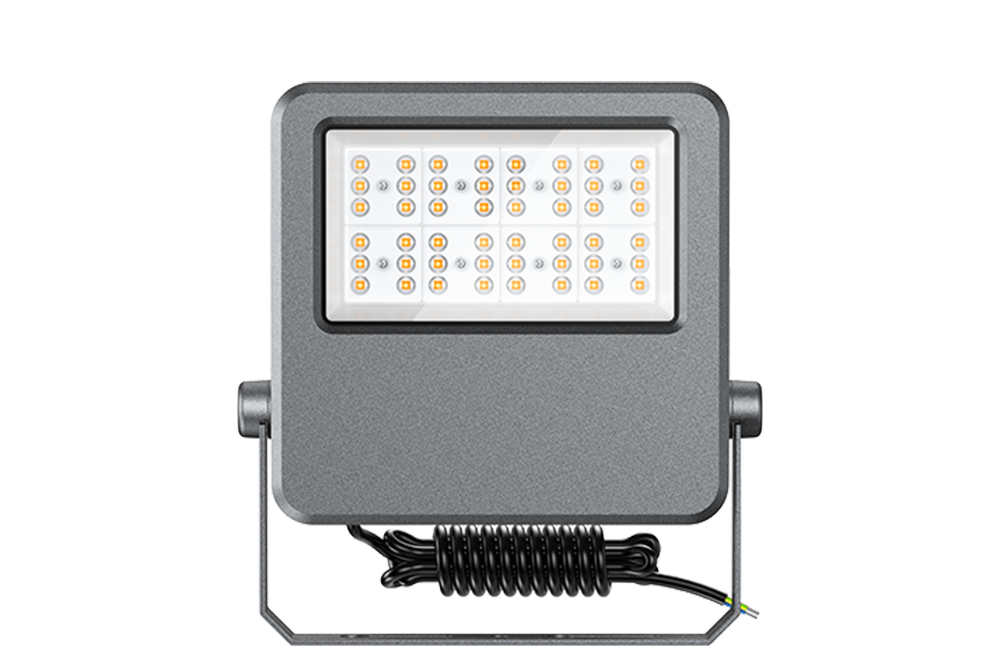
SEEKING FLX Series LED flood light outdoor for sports courts and open-area projects with 170lm/W efficiency, IP66 protection and multiple beam distributions. Designed for long-life commercial and public outdoor use.
SEEKING FLE Series LED outdoor flood lights for sports grounds and open areas with multiple beam angles, IP66 protection and up to 170lm/W. Designed for long-life outdoor installations with professional driver options.
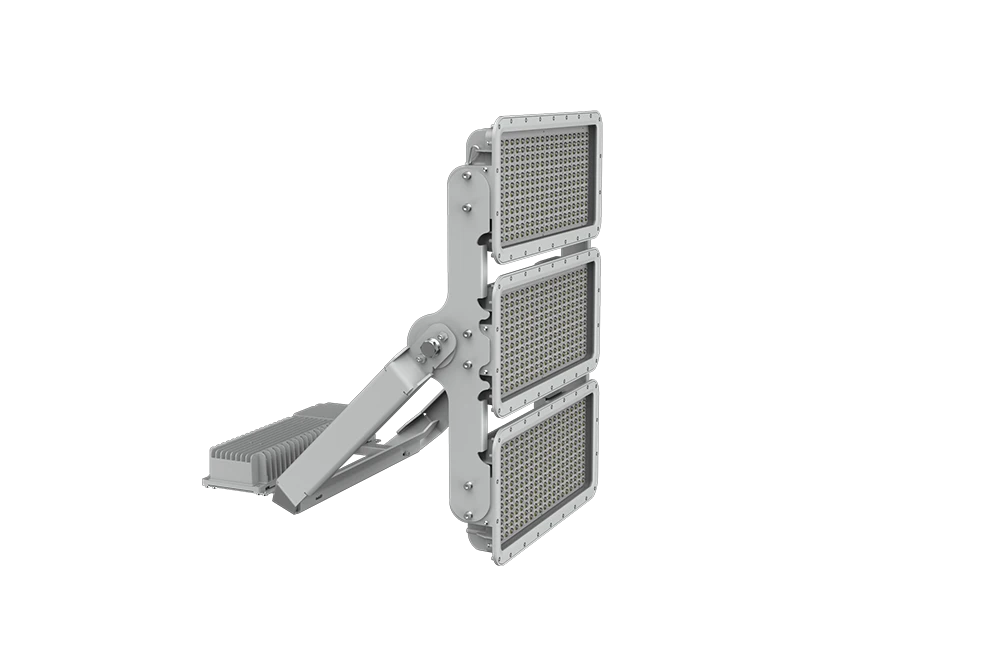
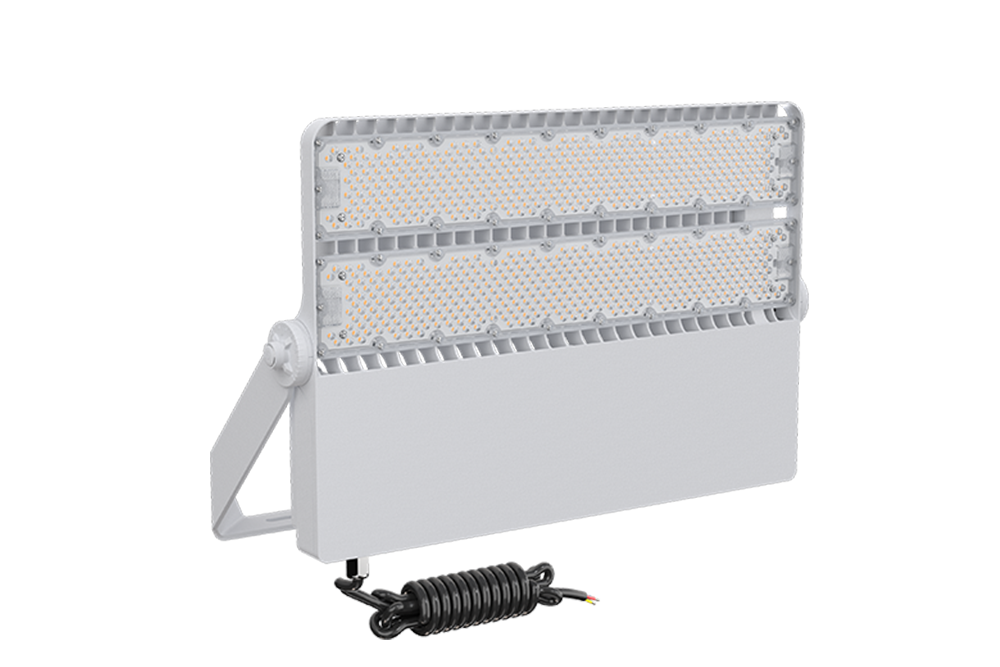
SEEKING FLD Series outdoor LED flood lights and high power led flood light deliver up to 960W with precision beam angles for sports fields, stadiums and large outdoor areas. IK08 & IP66 protection, 170lm/W efficiency and 100,000h lifetime.
explosion proof light fixture engineered for Zone 1 & 2 hazardous areas. ATEX & IECEx certified, durable, efficient and built for oil & gas safety by SEEKINGLED.
LED indoor flood light bulbs deliver focused, energy-efficient lighting for homes and commercial spaces. Learn real-world usage, brightness tips, and expert insights with SEEKINGLED.
NEC Class/Division System explains US and Canada hazardous area classifications, including Class, Division, and Group. Learn safety rules for explosion-proof lighting.
 Seeking LED