 Seeking LED
how to install high bay lights?
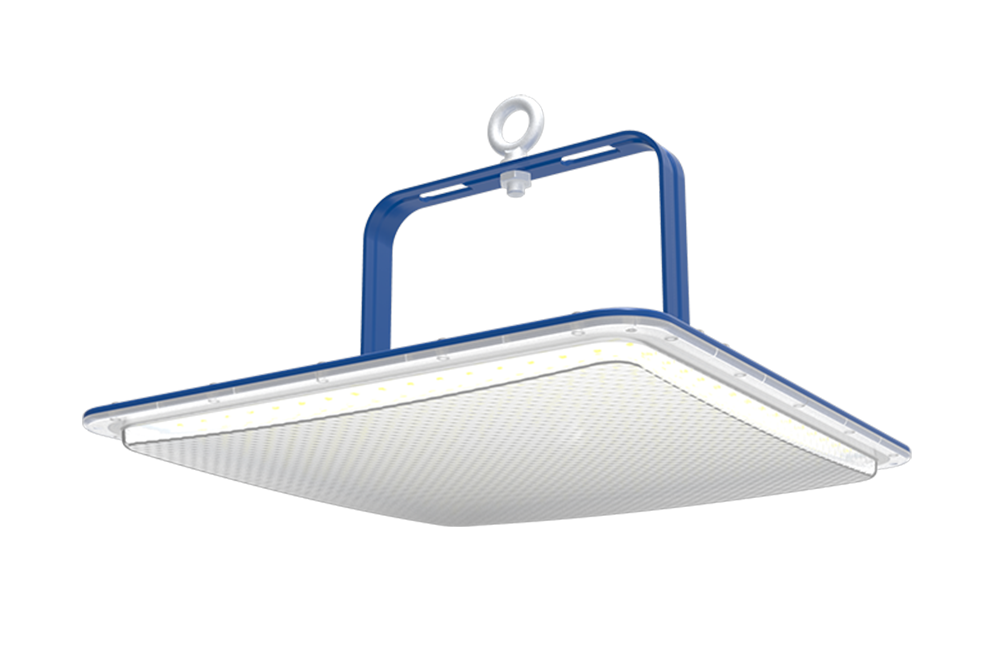
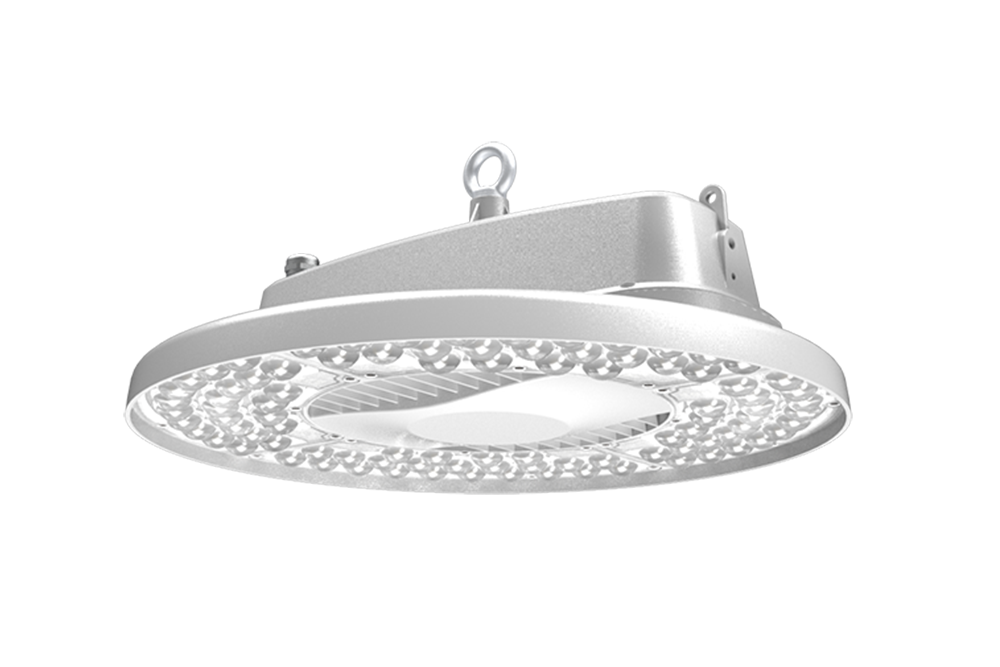
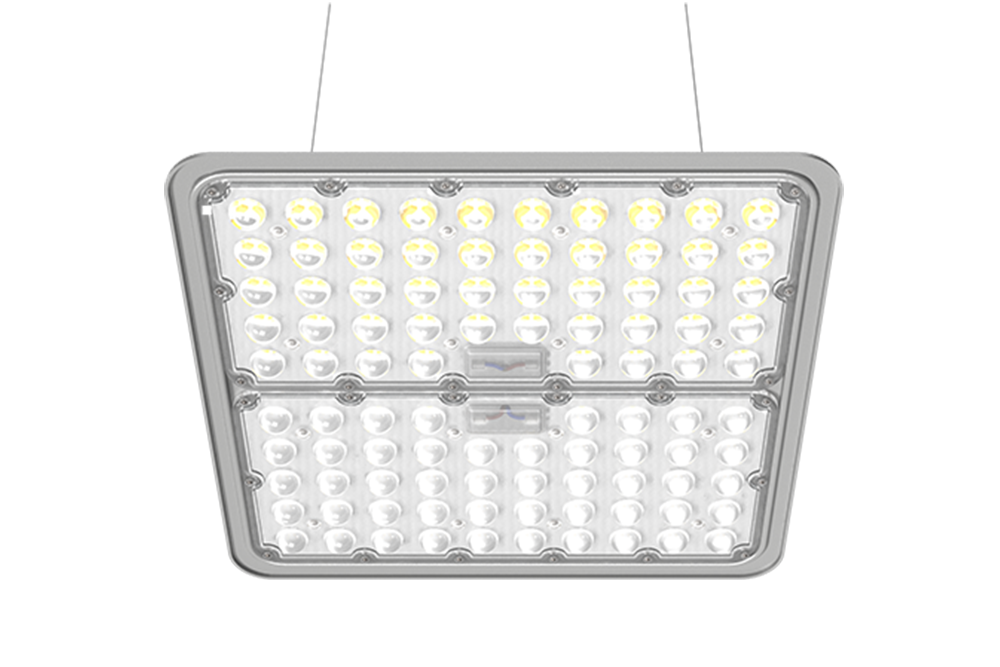
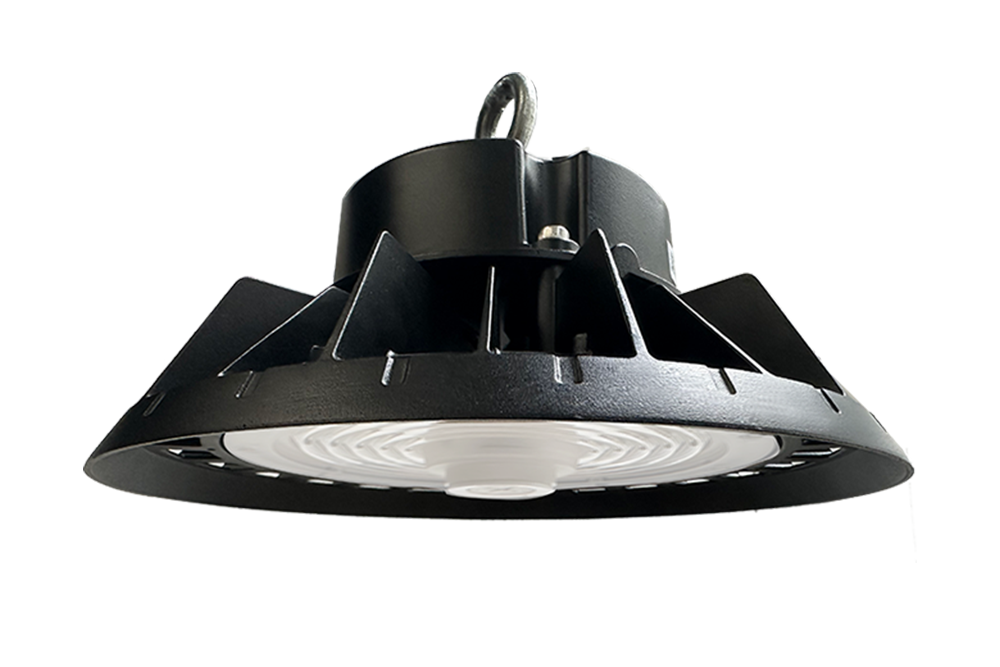
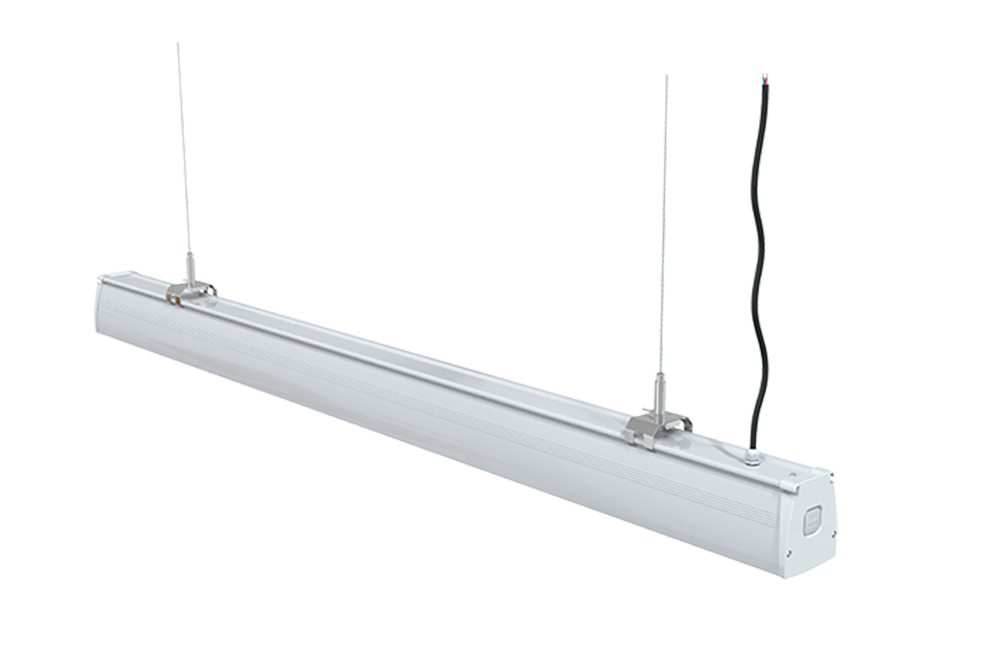
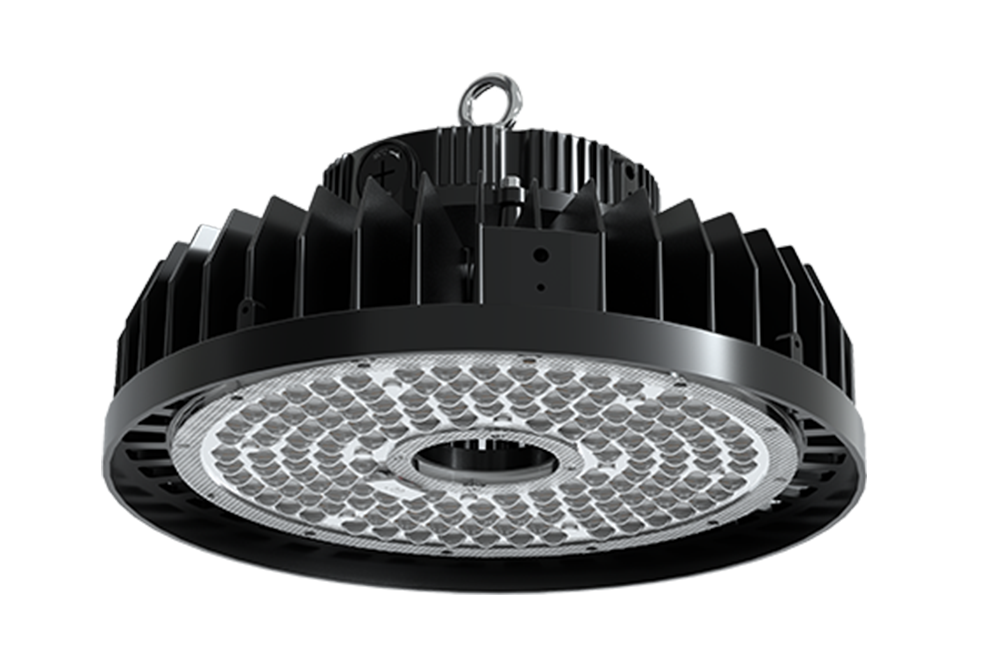
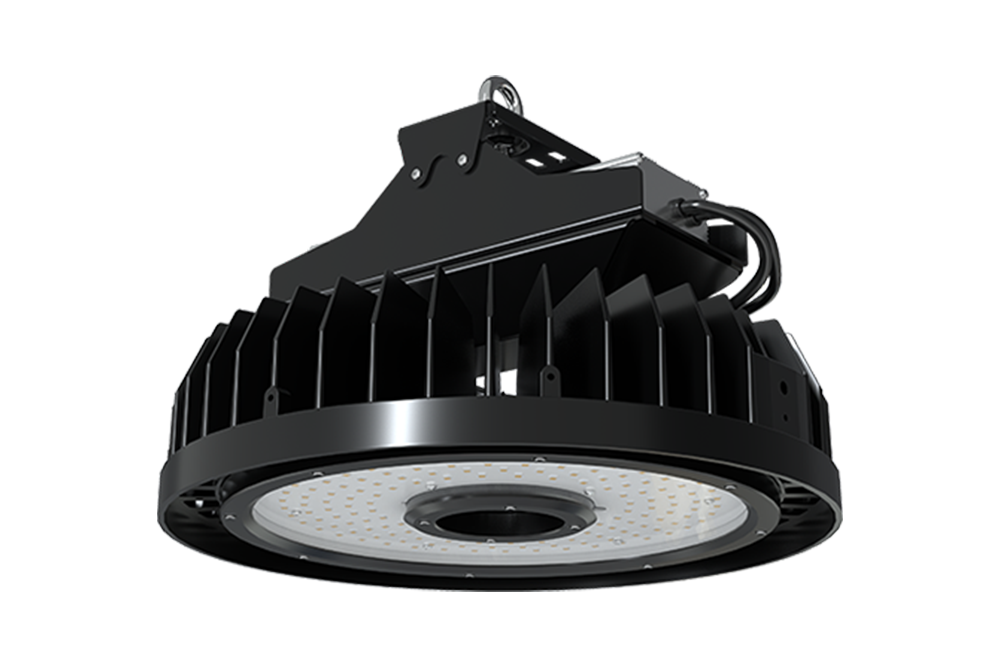
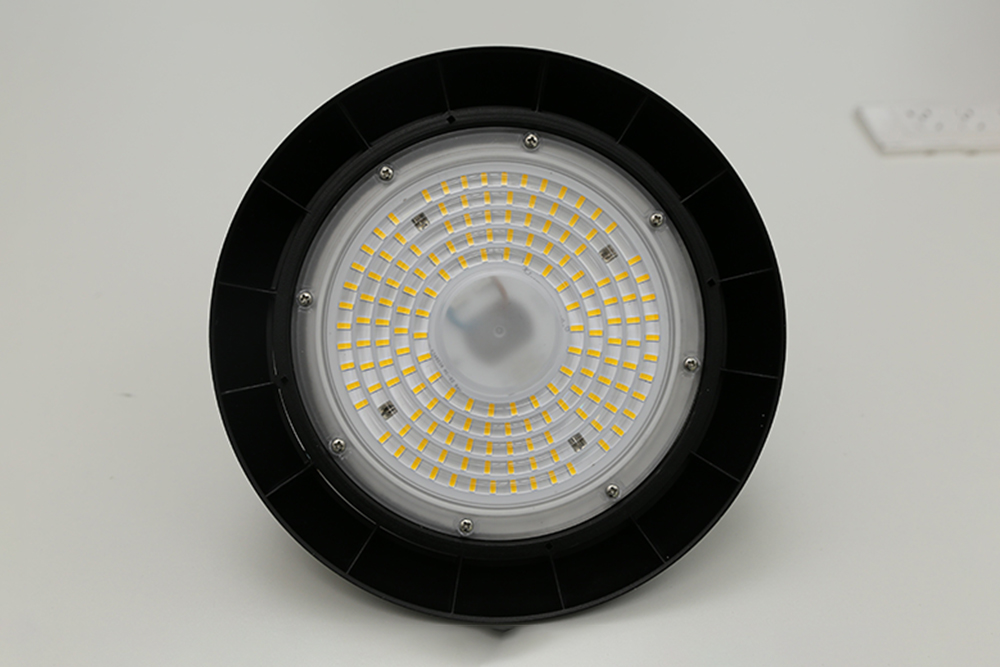
0Learn how to install high bay lights correctly with expert steps, mounting tips, spacing guidance, and professional LED lighting recommendations.
View detailsSearch the whole station
How to avoid sunk cost in LED high bay lighting projects when things already feel off?
You stop pretending the first decision doesn’t matter anymore.
That’s the hard part.
Most sunk cost problems don’t start at year five. They start on day one, right after the fixtures arrive, when someone says, “Let’s just install them first.”
From there, money keeps moving. Results don’t.
In warehouses and factories, we see this pattern over and over.
Lights are up.
Power is running.
The space looks… acceptable.
Not good. Not terrible. Just enough to delay fixing it properly.
So teams tweak instead of rethink. New drivers. Extra sensors. Dimming profiles. Sometimes even partial replacements. Each step feels small. Together, they become expensive.
That’s how sunk cost grows legs.
Here’s what gets underestimated:
Lighting projects bleed quietly. By the time managers realize it, they’ve already spent 50–70% of a full replacement budget trying to “optimize” a design that never fit the space.
At SEEKINGLED, this is where we usually pause the conversation and rewind it.
If the original LED high bay lighting project ignored:
Then upgrades won’t save it.
You’re adding technology to a geometry problem. Geometry always wins.
This is why how to avoid sunk cost in LED high bay lighting projects starts before anyone talks about wattage or rebates.
Psychologically, upgrades feel responsible. Replacement feels wasteful.
But when fixtures:
Upgrading extends the mistake. Replacement ends it.
We’ve seen sites hesitate for years. Then replace everything in one clean move—and finally stop adjusting lights every quarter.
The smarter projects do three things early:
This is exactly how SEEKINGLED approaches high bay planning. Not just brighter fixtures—but adaptable ones that don’t force you into corner decisions later.
That flexibility is cheap at the start. Painful to add later.
How to avoid sunk cost in LED high bay lighting projects isn’t about discipline. It’s about honesty.
If a lighting system isn’t working structurally, throwing smaller money at it won’t make it smarter. It only makes it harder to walk away.
The fastest savings often come from stopping early—not optimizing forever.
The SEEKING HBC-T Series high bay lights LED offer long-lasting performance for warehouses, production plants and logistics centers. Durable IP65 & IK08 housing, 60°/90° beam angles, up to 150 lm/W, and a lifespan beyond 100,000 hours. Ideal for a…
The SEEKING HBS Series LED UFO high bay light delivers 140 lm/W efficiency, IP65 protection and MEAN WELL drivers. A durable high-rise lighting solution for factories, warehouses and commercial halls.
SEEKING HBD Series LED high bay lighting delivers 160 lm/W efficiency, IP66 protection, and long 100,000-hour lifespan. A durable UFO high bay solution for warehouses, workshops, logistics centers and commercial facilities.
The SEEKING HBC Series high bay LED light fixtures combine strong efficiency, practical design and reliable SOSEN drivers. A durable UFO high bay lighting option for warehouses, workshops and wholesale projects.
The SEEKING GSL Series high bay LED light delivers powerful, efficient lighting for industrial and commercial spaces. With IP65 protection, flexible mounting, and up to 140 lm/W performance, it’s ideal for warehouses, workshops, and retail areas.
The SEEKING HB15(GLE) Series delivers advanced high bay led lighting with UGR 100,000 h) and reliable illumination for demanding commercial environments.
Discover the SEEKING HB13(GLK) Series ufo led high bay light, engineered for sports halls, airport lounges, showrooms, and large commercial spaces. UGR 100,000 h). Ideal for industrial ufo high bay lighting fixtures and commercial retrofits.
SEEKING HBF Series offers industrial LED high bay lighting with up to 200lm/W efficiency, SOSEN flicker-free driver, IP65 protection and optional microwave motion sensor. Ideal for warehouses, factories and commercial distribution projects.
The HLD Series linear high bay LED lights from SEEKING deliver up to 200 lm/W with multiple beam angles and adjustable CCT options for warehouse, workshop, corridor and general industrial lighting.
The HBK Series LED high bay light by SEEKING combines 500W power, 160–175 lm/W efficiency and IP65 durability for heavy-duty industrial lighting. Designed for warehouse, factory and production facilities with demanding ceiling heights.
LED high bay lights engineered for extreme heat and low-temperature industrial sites. SEEKING HBK Ultua Series operates from -40°C to +70°C with Nichia LEDs and Inventronics driver.
High bay LED lights built for warehouses, production plants and wholesale distribution. SEEKING HBI Series offers up to 200lm/W, IP65, IK08 and optional microwave motion sensor for energy saving operation.
loading…
This is the last post!
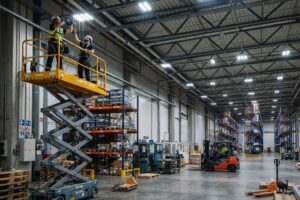
Learn how to install high bay lights correctly with expert steps, mounting tips, spacing guidance, and professional LED lighting recommendations.
View details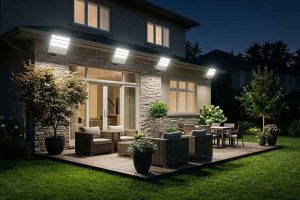
Which led flood light is best for outdoor lighting? Discover how professionals choose reliable LED flood lights for homes, yards, and commercial spaces with SEEKINGLED.
View details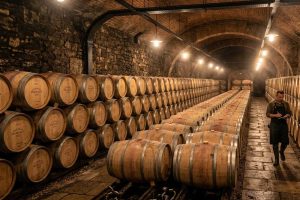
Wine cellar lighting for winery fermentation spaces. Low heat, moisture-resistant, and stable illumination for barrels and production by SEEKINGLED.
View details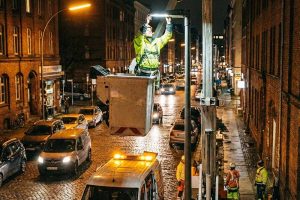
Where to buy LED light replacements for street lighting without guessing wrong. A real-world guide based on replacement projects and supplier experience.
View details