 Seeking LED
What Is the Minimum Height for High Bay LED Lighting?
318What is the minimum height for high bay LED lighting? This Q&A explains minimum mounting height, practical limits, and how to avoid glare and over-lighting.
View detailsSearch the whole station
Question & Answer
Why some LED high bays are not worth upgrading—even if they still turn on?
Because working isn’t the same as working well.
We see this a lot. Fixtures are alive. Power is stable. Light comes out. And still, the space feels wrong. Dark rows. Hot spots. Glare where people look up every day.
That’s usually the point where upgrading sounds logical. But sometimes, it’s the wrong call.
Many early-generation LED high bays were built cheap and sealed tight.
No lens options.
No beam control.
No real glare reduction.
Upgrading drivers or controls doesn’t change how light exits the fixture. You’re improving the engine while keeping bad tires. From experience, that rarely ends well.
At SEEKINGLED, this is often the moment we say it plainly: this unit isn’t upgrade-friendly. And forcing it costs more later.
Another reason why some LED high bays Light are not worth upgrading is layout.
If fixtures were spaced for:
No retrofit kit fixes that.
You can dim. You can re-aim. You can adjust schedules. But you can’t undo a bad lighting geometry without changing the fixture itself.
We’ve watched teams chase uniformity for months. The math never worked.
This part gets ignored.
LED chips age. Lumen output drops unevenly. Color shifts slightly fixture to fixture. When you upgrade controls or drivers on top of aging light engines, inconsistencies become more obvious, not less.
Now the warehouse looks patchy. Brighter here. Duller there. People notice.
At that stage, upgrading creates a new problem.
Upgrades feel cheaper on paper.
But labor repeats. Testing repeats. Adjustments repeat again. When technicians are back on lifts for the third or fourth time, the cost balance quietly flips.
We’ve reviewed projects where upgrading reached 60% of full replacement cost—and still didn’t solve glare complaints.
That’s when upgrading stops being smart.
Here’s the honest rule we use:
If upgrading can’t fix optics, spacing, and glare together, replacement is cleaner.
Modern LED high bays—like those designed by SEEKINGLED—are built for adaptability. Beam angles match ceiling height. Glare control is designed in, not bolted on. One install. Fewer surprises.
It’s not about selling new fixtures. It’s about stopping the bleed.
Why some LED high bays are not worth upgrading isn’t a theory. It’s a pattern.
If the fixture can’t change how it delivers light, upgrading just polishes the problem. Replacement feels heavier—but often ends the discussion for good.
The SEEKING HBC-T Series high bay lights LED offer long-lasting performance for warehouses, production plants and logistics centers. Durable IP65 & IK08 housing, 60°/90° beam angles, up to 150 lm/W, and a lifespan beyond 100,000 hours. Ideal for a…
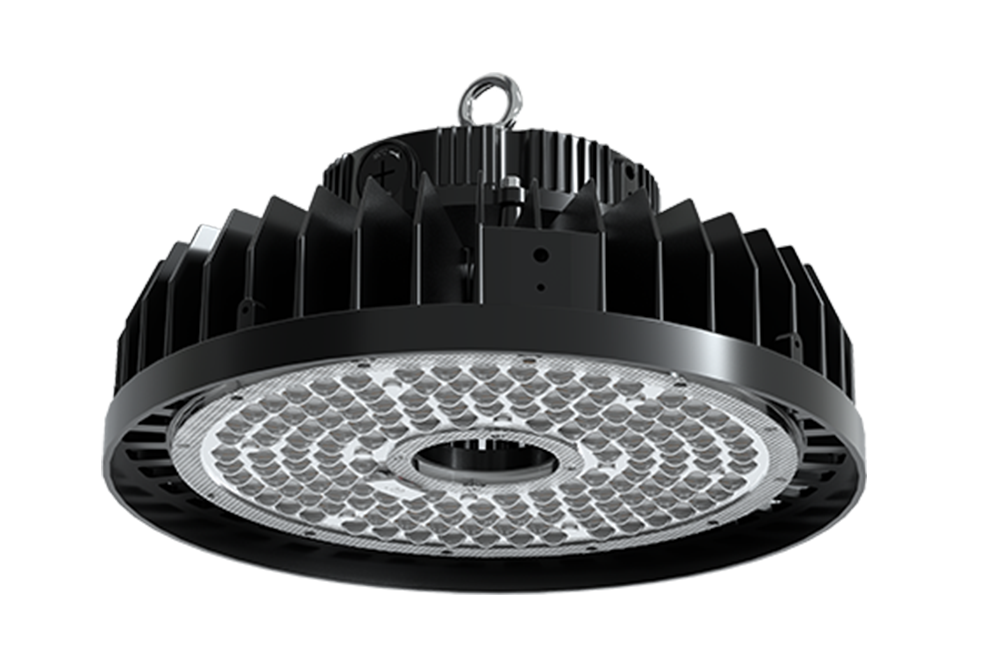
The SEEKING HBS Series LED UFO high bay light delivers 140 lm/W efficiency, IP65 protection and MEAN WELL drivers. A durable high-rise lighting solution for factories, warehouses and commercial halls.
SEEKING HBD Series LED high bay lighting delivers 160 lm/W efficiency, IP66 protection, and long 100,000-hour lifespan. A durable UFO high bay solution for warehouses, workshops, logistics centers and commercial facilities.
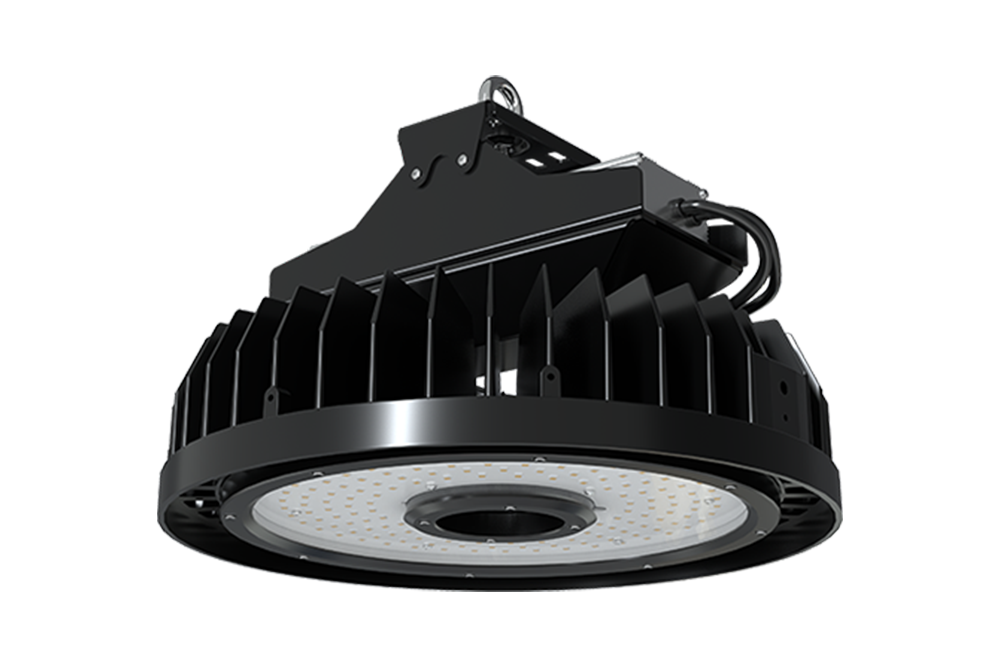
The SEEKING HBC Series high bay LED light fixtures combine strong efficiency, practical design and reliable SOSEN drivers. A durable UFO high bay lighting option for warehouses, workshops and wholesale projects.
The SEEKING GSL Series high bay LED light delivers powerful, efficient lighting for industrial and commercial spaces. With IP65 protection, flexible mounting, and up to 140 lm/W performance, it’s ideal for warehouses, workshops, and retail areas.
The SEEKING HB15(GLE) Series delivers advanced high bay led lighting with UGR 100,000 h) and reliable illumination for demanding commercial environments.
Discover the SEEKING HB13(GLK) Series ufo led high bay light, engineered for sports halls, airport lounges, showrooms, and large commercial spaces. UGR 100,000 h). Ideal for industrial ufo high bay lighting fixtures and commercial retrofits.
SEEKING HBF Series offers industrial LED high bay lighting with up to 200lm/W efficiency, SOSEN flicker-free driver, IP65 protection and optional microwave motion sensor. Ideal for warehouses, factories and commercial distribution projects.
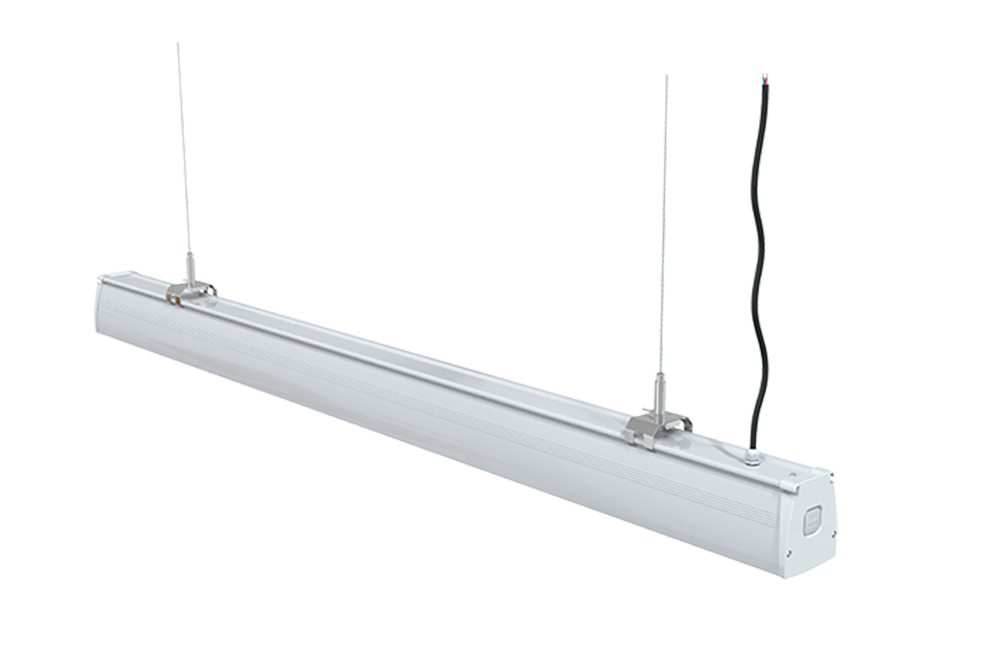
The HLD Series linear high bay LED lights from SEEKING deliver up to 200 lm/W with multiple beam angles and adjustable CCT options for warehouse, workshop, corridor and general industrial lighting.
The HBK Series LED high bay light by SEEKING combines 500W power, 160–175 lm/W efficiency and IP65 durability for heavy-duty industrial lighting. Designed for warehouse, factory and production facilities with demanding ceiling heights.
LED high bay lights engineered for extreme heat and low-temperature industrial sites. SEEKING HBK Ultua Series operates from -40°C to +70°C with Nichia LEDs and Inventronics driver.
High bay LED lights built for warehouses, production plants and wholesale distribution. SEEKING HBI Series offers up to 200lm/W, IP65, IK08 and optional microwave motion sensor for energy saving operation.
loading…
This is the last post!
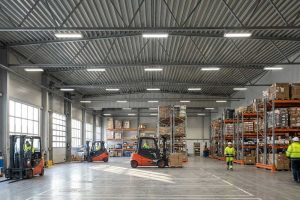
What is the minimum height for high bay LED lighting? This Q&A explains minimum mounting height, practical limits, and how to avoid glare and over-lighting.
View details
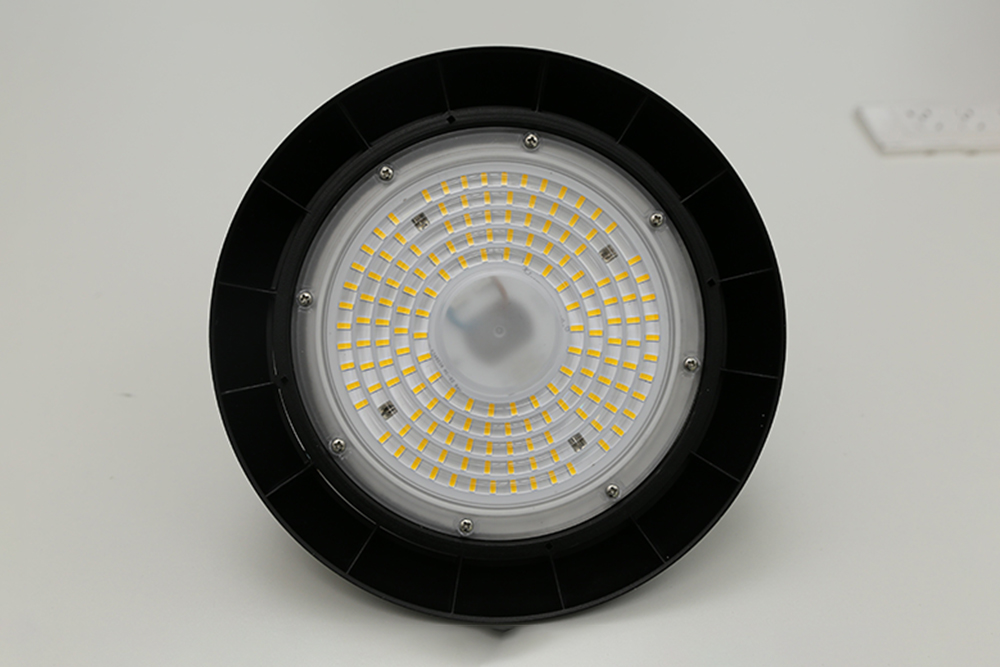
27-30th,October,2015 Booth: 5B-B29We lunch HBS round series high bay light, which include 100W, 120W, 150W, 200W, 240W, SMD3030 LED chip, IP65. use Meanwell HBG series driver, whole lamp 5 year warranty. Improve to 140lm/w, less heat. ...
View details
waterproof outdoor led flood lights deliver reliable illumination in harsh weather, with IP65+ protection, energy efficiency, and long lifespan for outdoor use.
View details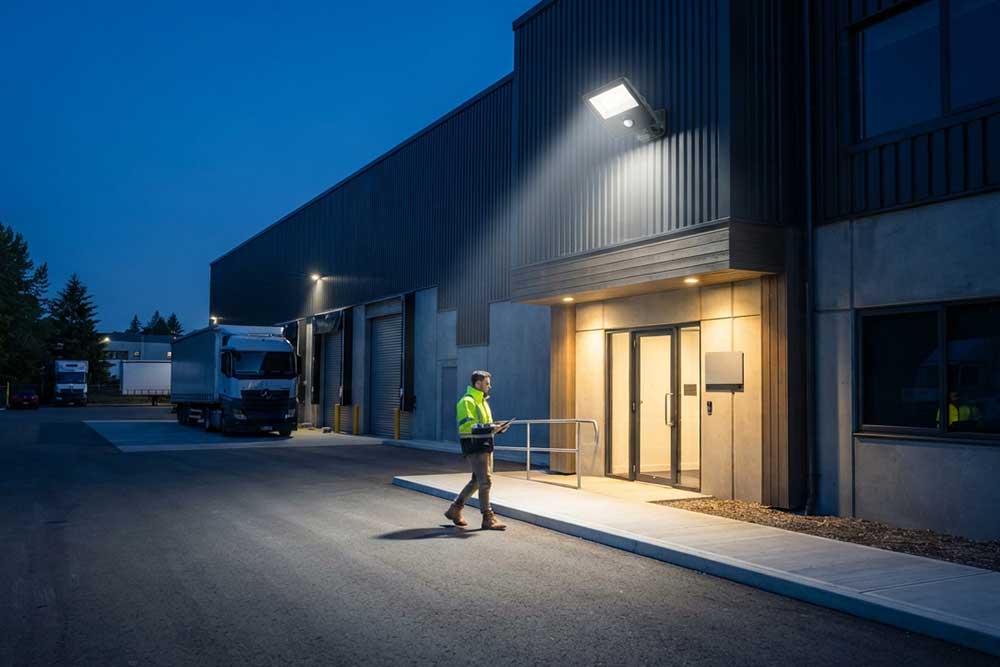
Some flood lights have motion sensors, but not all. Motion-controlled models activate when movement is detected and are useful where lighting demand is inter...
View details