Choosing an LED street light fixture looks straightforward at first. Power rating, lumen output, price, warranty—most buyers stop there. After more than 15 years working with outdoor and roadway lighting projects, I can say with confidence that those numbers rarely predict how a fixture performs after three or five years on the pole.
Street lighting doesn’t live in ideal conditions. It lives in heat, cold, moisture, vibration, and unstable power grids. The real measure of a street light fixture is how quietly it keeps working once nobody is paying attention anymore.
That is the design philosophy behind SEEKINGLED street light fixtures.
Why the Fixture Matters More Than the LED Chip
LED chips have improved dramatically over the last decade. Today, most reputable suppliers can deliver high efficacy. But in real installations, failures usually don’t start at the chip level. They start with the fixture itself.
From field inspections and maintenance reports, the most common problems come from:
- Poor thermal paths between LED boards and housing
- Water ingress through aging seals
- Optical covers yellowing or cracking
- Drivers overheating due to trapped heat
A street light fixture is a system, not a lamp holder. If any part is weak, the whole unit suffers.
Standards That Actually Guide Fixture Design
By Daniel R., Senior Outdoor Lighting Engineer (15+ years experience)
When I evaluate an LED street light fixture, I don’t look for marketing claims. I look for alignment with real standards.
- IES RP-8-21 defines roadway lighting quality, focusing on uniformity and glare control.
- LM-80 and TM-21 establish how LED lumen maintenance should be projected over time.
- The U.S. Department of Energy (DOE) reports that properly designed LED street lighting systems typically reduce energy consumption by 50–65% compared to legacy HPS systems—but only when fixtures maintain performance over years.
Fixtures that ignore thermal and sealing fundamentals rarely deliver those savings long-term.
Thermal Management Is the Silent Decider
Heat is the enemy that doesn’t announce itself.
In many failed fixtures I’ve reviewed, lumen output was excellent at installation. Two summers later, output had dropped noticeably, and drivers were already approaching end of life. The cause was simple: insufficient heat dissipation.
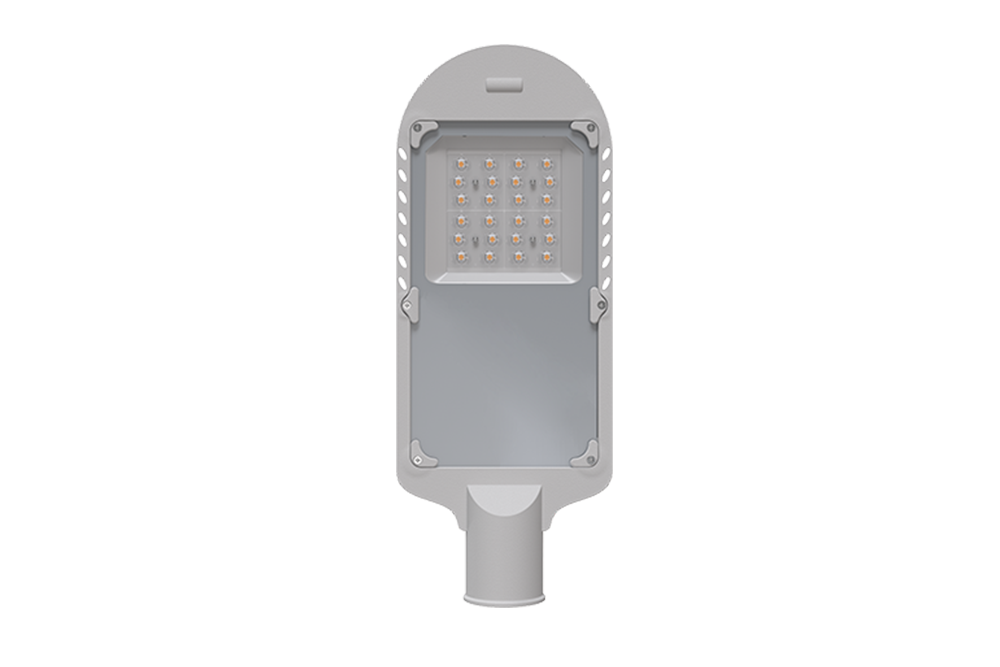
A properly designed LED street light fixture uses:
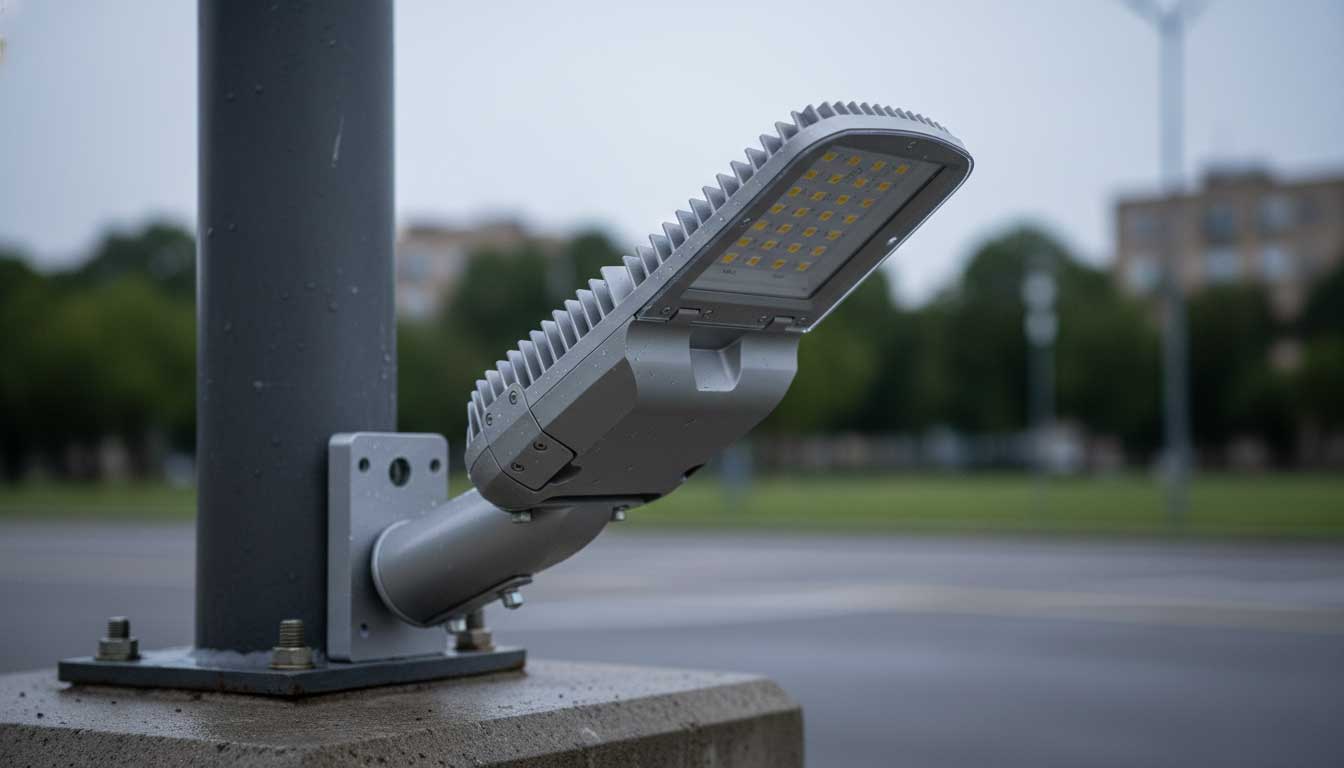
- Aluminum alloy housing with sufficient mass
- Direct thermal contact between LED board and housing
- Fin designs that allow natural airflow
This isn’t about making fixtures heavier. It’s about moving heat away consistently, night after night.
SEEKINGLED fixtures are built around thermal stability rather than peak efficiency numbers that only exist in lab conditions.
Optics Shape What Drivers and Pedestrians See
Brightness alone doesn’t improve visibility. Distribution does.
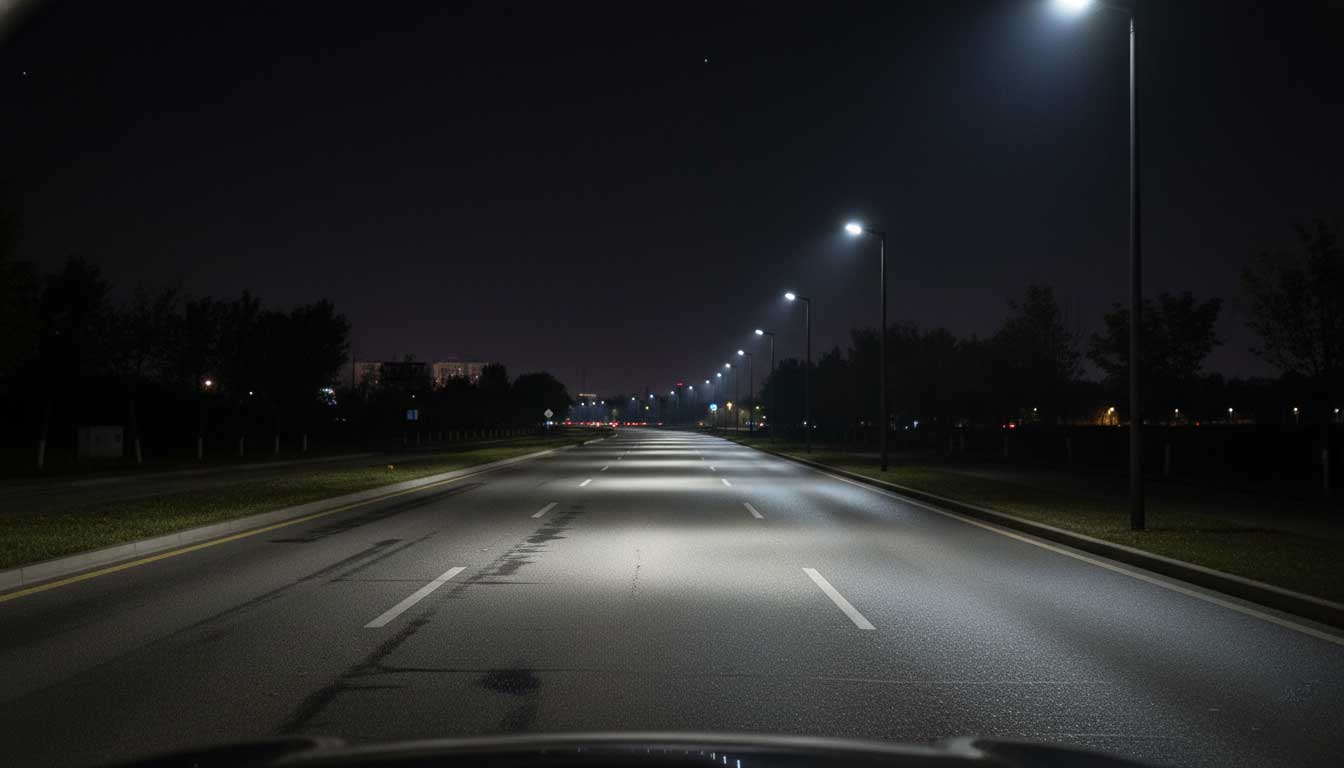
According to IES recommendations, street lighting should prioritize uniform illumination and glare limitation. Poor optics create bright spots under poles and dark gaps between them—conditions drivers notice immediately.
In retrofit projects I’ve supervised, switching to better optical control often improved perceived brightness even at lower wattage. That’s why lens design matters as much as LED output.
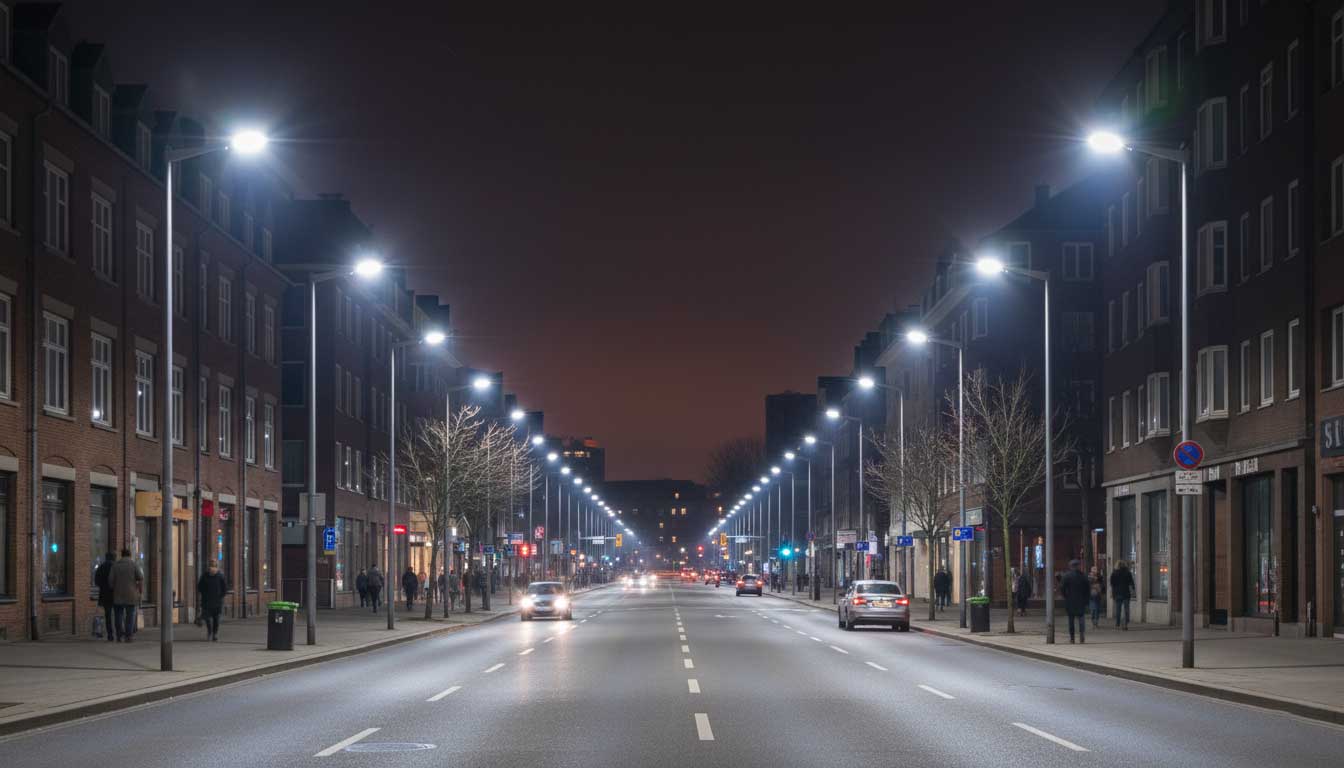
A good LED street light fixture guides light forward along the roadway, not straight down or outward into nearby homes.
Durability Is Not Optional Outdoors
Street lights operate for 4,000–4,500 hours per year, often in areas that receive minimal maintenance. Fixtures must tolerate:
- Rain, dust, and humidity
- Temperature swings
- Occasional impact or vibration
- Power surges
That’s why professional LED street light fixtures typically include:
- IP66 weather protection
- IK impact resistance
- 6–10kV surge protection
These features don’t add visual appeal. They prevent early failure—and costly replacements.
Energy Savings Only Matter If the Fixture Lasts
The DOE consistently reports strong energy savings from LED street lighting upgrades. But those savings assume fixtures remain operational for most of their rated life.
A fixture rated L80B20 >100,000 hours at 25°C, based on LM-80 and TM-21 data, gives planners realistic expectations. It doesn’t promise zero degradation—it provides predictability.
That predictability is what cities and contractors depend on.
Where LED Street Light Fixtures Perform Best
From years of deployment, LED street light fixtures are most effective in:
- Urban and suburban roads
- Residential streets
- Industrial access routes
- Campuses and parking areas
- Public pathways and parks
They are infrastructure components. When they work well, nobody notices them.
Final Thoughts from the Field
A good LED street light fixture doesn’t chase attention. It survives heat, storms, voltage spikes, and years of continuous operation without complaint.
SEEKINGLED designs fixtures around that reality. After years of inspecting failed installations and maintaining successful ones, the lesson is clear: reliability is built into the fixture long before the first light turns on.
When street lighting fades into the background and simply does its job, the fixture has succeeded.
LED street light fixture recommended
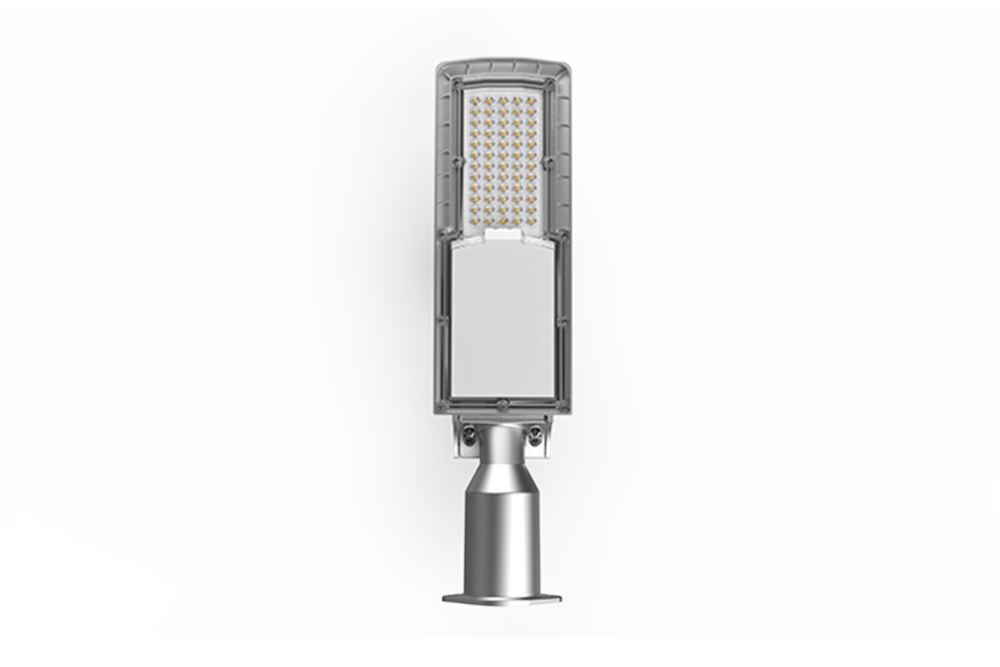
SEEKING STL-Series LED street lights deliver stable performance, 170 lm/W efficiency and 10KV surge protection. Ideal for city streets, parking lots, public roads and outdoor area lighting projects. Durable IP66 & IK08 design for long-term reliabi…
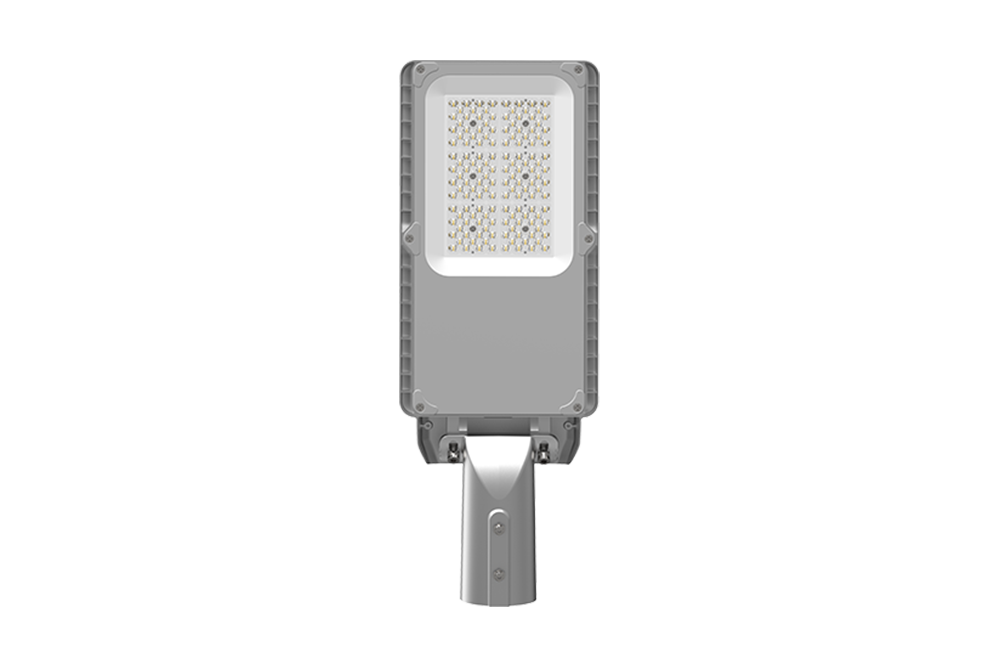
The SEEKING STC Series LED light street light delivers up to 170lm/W efficiency with MOSO drivers, IP66 protection, and a ±15° adjustable arm—ideal for roads, residential areas, and public lighting upgrades.
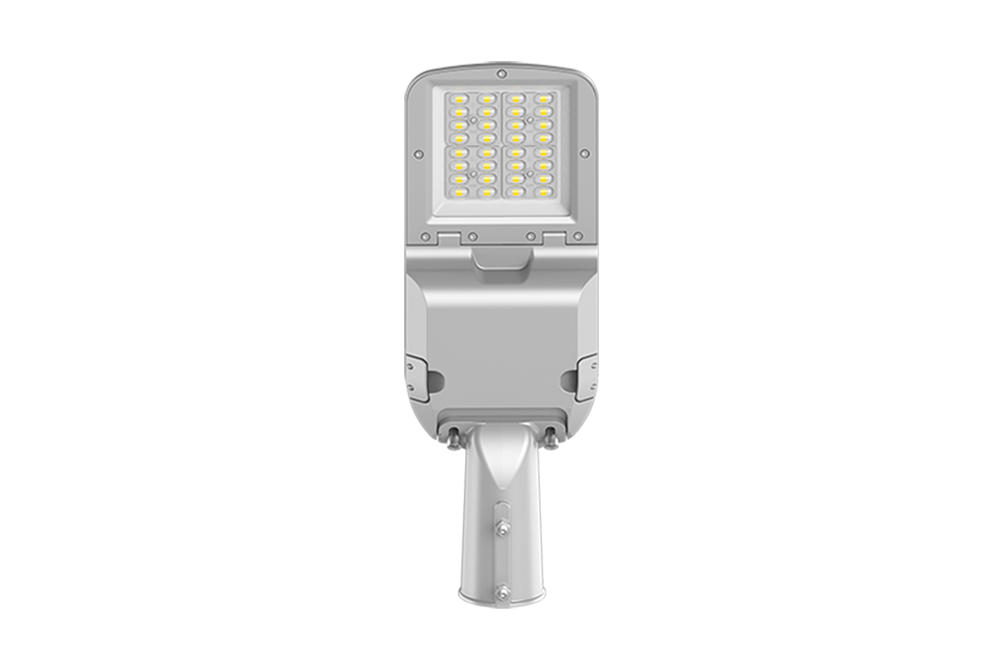
SEEKING STB Series LED street lighting delivers up to 160 lm/W, 10kV surge protection, IP66 waterproofing, and durable IK08 impact resistance. Ideal for streets, parking lots, and large outdoor areas needing long-lasting, energy-saving LED roadway…
The SEEKING STA Series LED street light delivers strong efficiency, IP66 protection, 10kV surge resistance and multiple beam patterns for roads, parking lots and urban areas. High lumen output, easy installation and reliable performance for long-t…
loading…
This is the last post!
 Seeking LED