 Seeking LED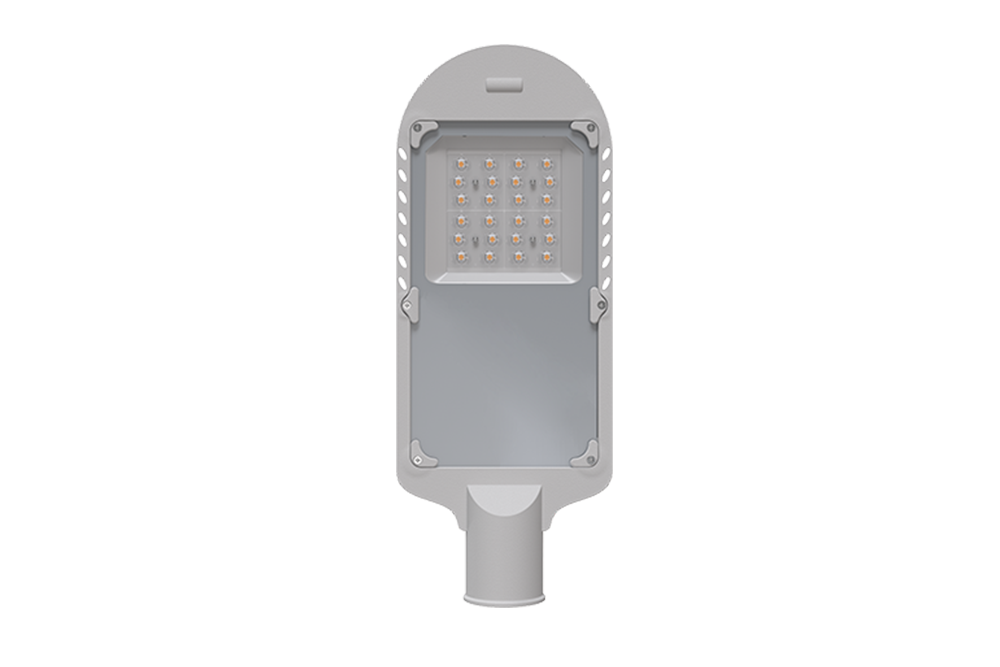
Customized Ex Proof LED Flood Light for Hazardous Area Projects
117Customized ex proof LED flood light engineered for Zone 1 & 2 hazardous areas. Reliable, certified and tailored by SEEKINGLED for demanding sites.
View detailsSearch the whole station
Yes.
But probably not in the way most people imagine.
When someone asks do LED street lights get hot, it’s usually after touching the housing at night—or noticing how cool the light itself feels compared to old sodium lamps. That contrast causes confusion.
So let’s clear it up, without the lab-talk.
LEDs are efficient. They are not cold.
Every LED street light converts electricity into light and heat. The difference is where that heat ends up.
With traditional street lights, a lot of heat radiates outward. You feel it immediately. With LEDs, heat moves inward, away from the light source, into the housing.
That’s intentional.
If you touch the lens of a working LED street light, it usually feels warm at most. Touch the back housing after hours of operation, especially on a summer night—that’s where the heat lives.
In normal operation, a quality LED street light runs hot internally but stable.
The LED chip itself can operate safely at junction temperatures far higher than what the outer housing reaches. What matters is whether that heat is managed, not whether it exists.
A poorly designed fixture traps heat.
A well-designed one spreads it and lets nature do the rest.
This is where many cheap lights fail quietly.
Two 150W LED street lights can behave very differently.
One runs hot and degrades early.
The other stays consistent for years.
The difference is rarely the LED brand. It’s thermal design.
At SEEKINGLED, the rear housing is smooth, open, and shaped so rain and airflow work together. No decorative fins. No dust traps. Heat leaves on its own.
That’s not marketing. That’s field experience.
They can. But they shouldn’t.
Ambient temperature matters. Install a street light in southern Europe, mid-summer, no wind, asphalt radiating heat upward—it’s a tough environment.
This is why European-compliant LED street lights are tested under high ambient conditions, not just comfortable labs.
If a fixture overheats, the driver will usually protect itself by dimming or shutting down. That’s a warning sign, not a feature.
From a heat standpoint, yes.
LED street lights:
They get hot internally, but they’re predictable. That predictability is safety.
Because the light is.
LEDs emit very little infrared radiation forward. That’s why insects behave differently around them. That’s also why people touch them and think they’re not hot.
It’s a misleading test.
Heat direction matters more than temperature perception.
This is where lifespan drops.
Poor heat dissipation leads to:
LED street lights don’t usually fail suddenly. They fade. Cities notice too late.
This is why SEEKINGLED integrates D4i-compliant constant-current drivers and designs the thermal path first, optics second.
So—do LED street lights get hot?
Yes. They do.
They just move heat intelligently instead of throwing it at the street.
If the housing feels warm, that’s normal. If it’s untouchable, something’s wrong. And if it never warms at all, that’s suspicious too.
Good LED street lights manage heat quietly. You don’t notice them. They just keep working.
That’s the goal.
SEEKING STL-Series LED street lights deliver stable performance, 170 lm/W efficiency and 10KV surge protection. Ideal for city streets, parking lots, public roads and outdoor area lighting projects. Durable IP66 & IK08 design for long-term reliabi…
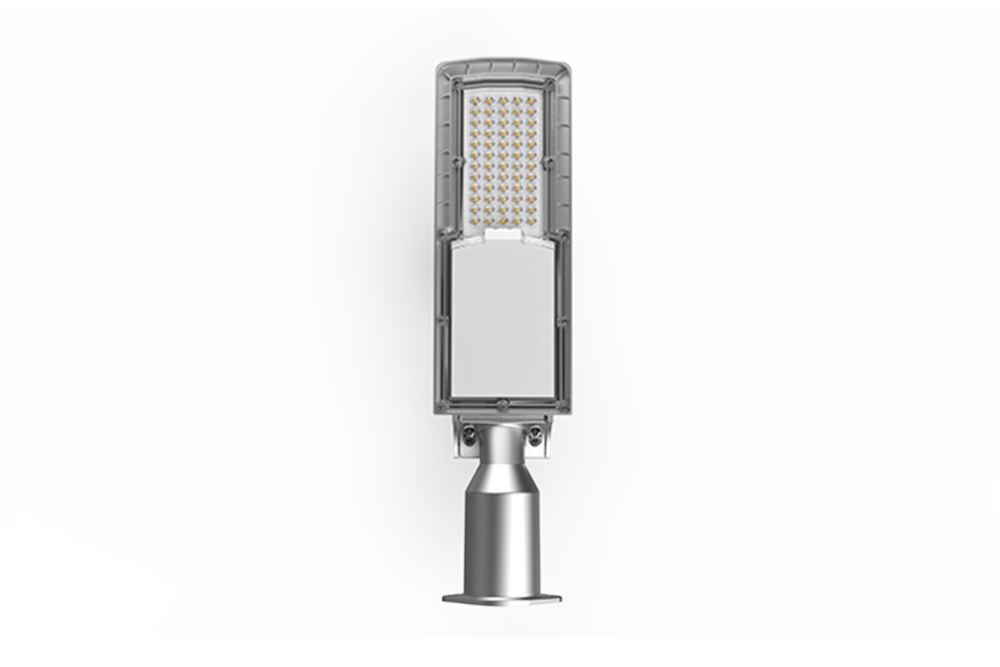
The SEEKING STC Series LED light street light delivers up to 170lm/W efficiency with MOSO drivers, IP66 protection, and a ±15° adjustable arm—ideal for roads, residential areas, and public lighting upgrades.
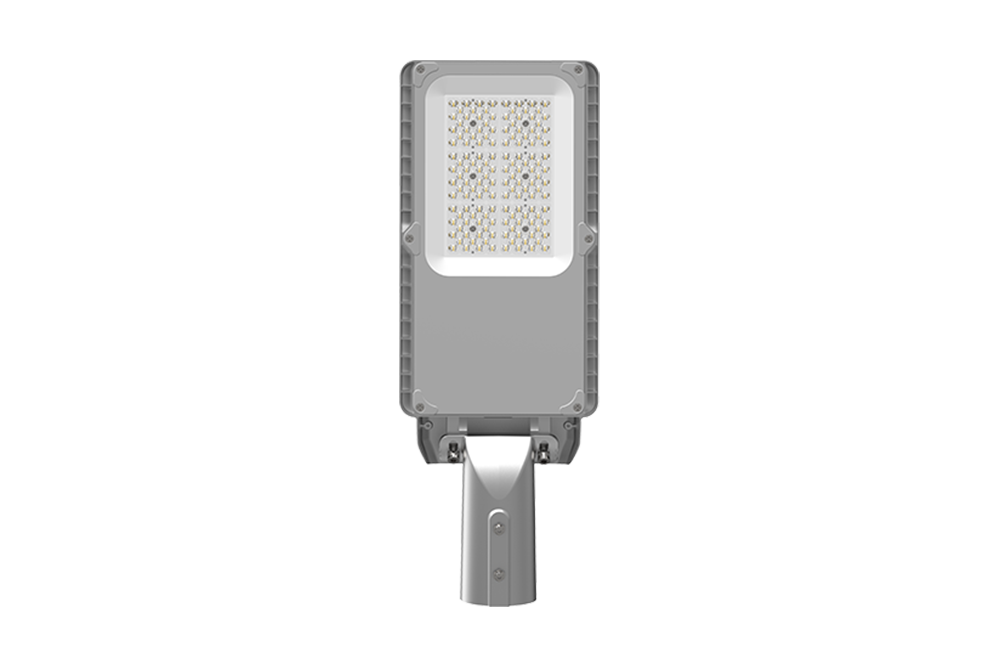
SEEKING STB Series LED street lighting delivers up to 160 lm/W, 10kV surge protection, IP66 waterproofing, and durable IK08 impact resistance. Ideal for streets, parking lots, and large outdoor areas needing long-lasting, energy-saving LED roadway…
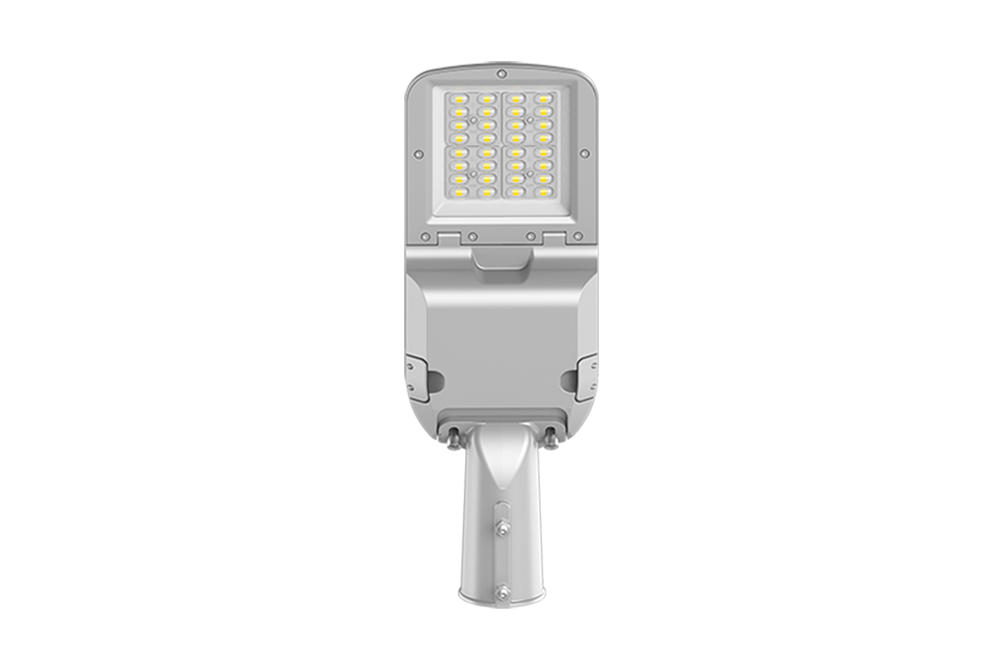
The SEEKING STA Series LED street light delivers strong efficiency, IP66 protection, 10kV surge resistance and multiple beam patterns for roads, parking lots and urban areas. High lumen output, easy installation and reliable performance for long-t…
loading…
This is the last post!
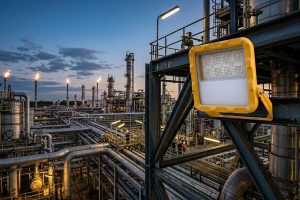
Customized ex proof LED flood light engineered for Zone 1 & 2 hazardous areas. Reliable, certified and tailored by SEEKINGLED for demanding sites.
View details
27th-30th,October,2017 Booth: 5B-E25GSL series low bay light include 80W, 100W, 150W, 200W, 240W, square appearance, IP65 protection grade. PC cover, ultrathin design, suspension, recessed, surface mounting and other installation...
View details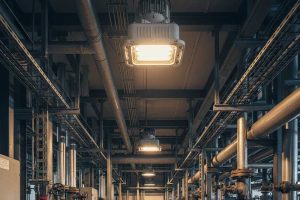
Are all LED lights explosion proof? Learn why most LED fixtures are not suitable for hazardous areas and when certified explosion proof LED lighting is required. By SEEKINGLED.
View details
Upgrade your space with led high bay shop lights. Discover how to choose the right wattage, brightness, and mounting height for garages and workshops with SEEKINGLED.
View details