As outdoor environments become more complex and safety-driven, outdoor LED lighting installation and maintenance for industrial sites has shifted from a simple construction task to a long-term engineering decision. From factories and logistics parks to municipal roads and sports facilities, lighting performance directly affects safety, visibility, and operating costs.
From an engineer’s point of view at SEEKINGLED, most outdoor lighting projects share the same reality: the fixtures must work reliably in harsh conditions, often for many years, with limited maintenance windows. This is why correct planning and proper installation matter as much as product selection.
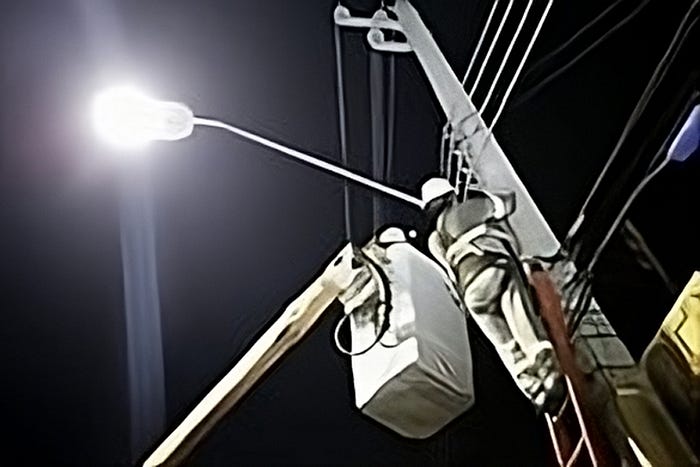
Daytime view of SEEKINGLED LED Street Light and Linear LED Light installation before system commissioning
Real Engineering Considerations in Outdoor Lighting
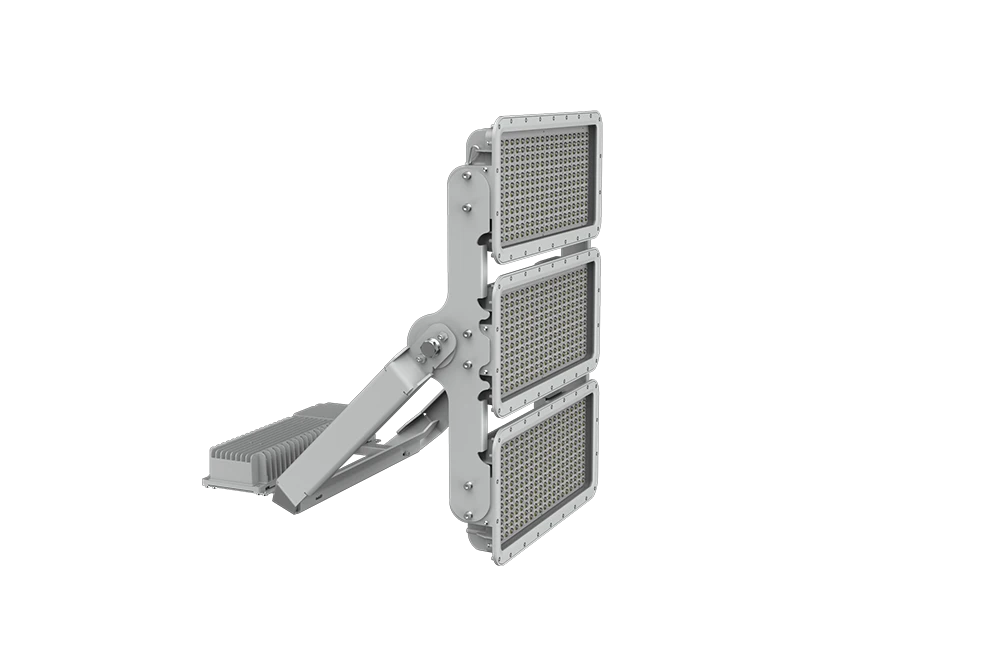
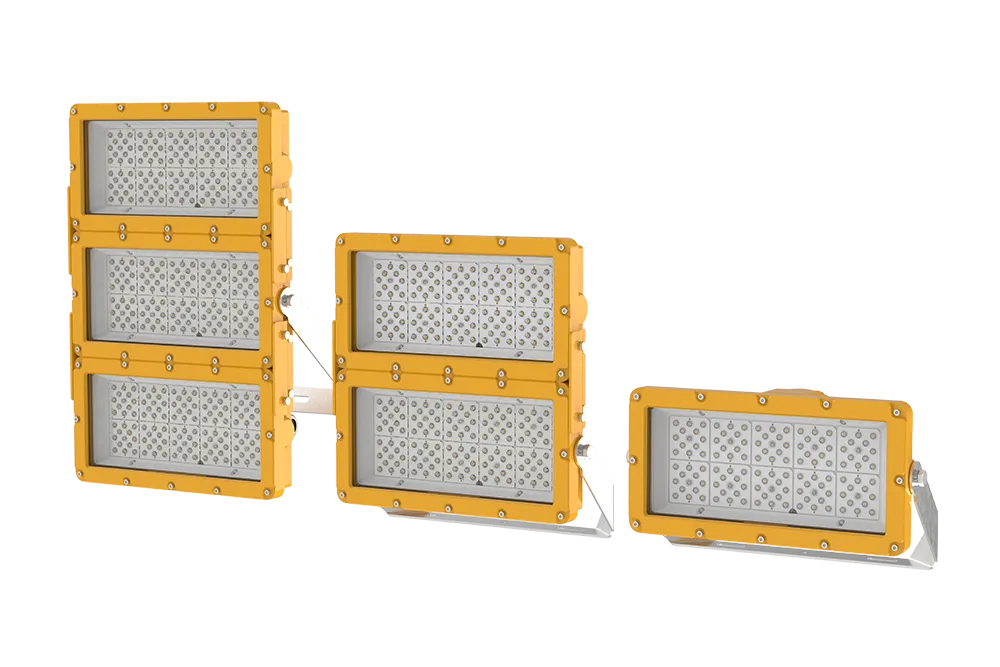
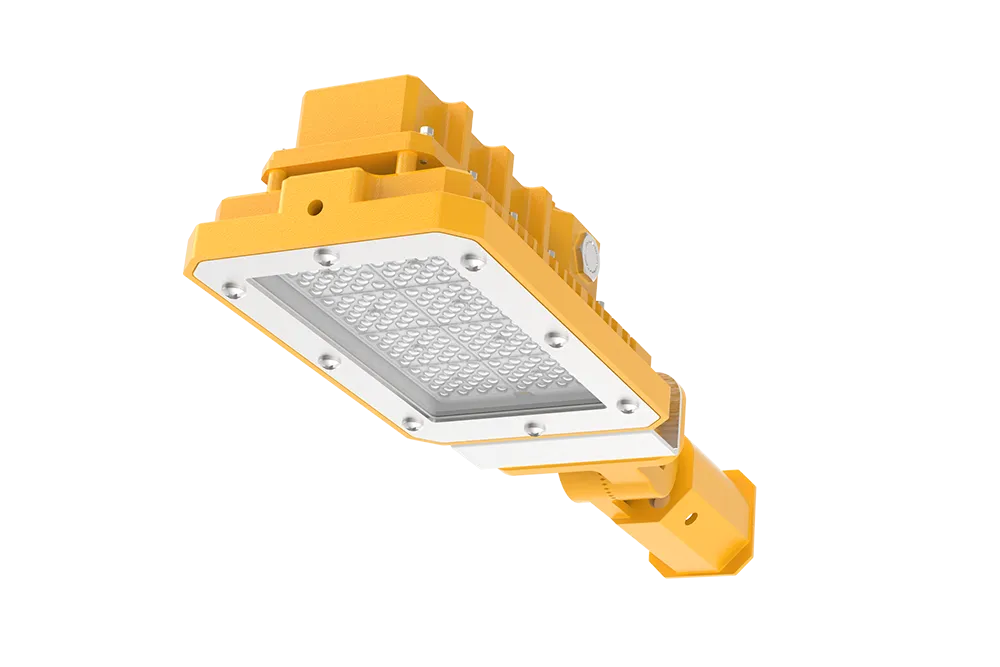
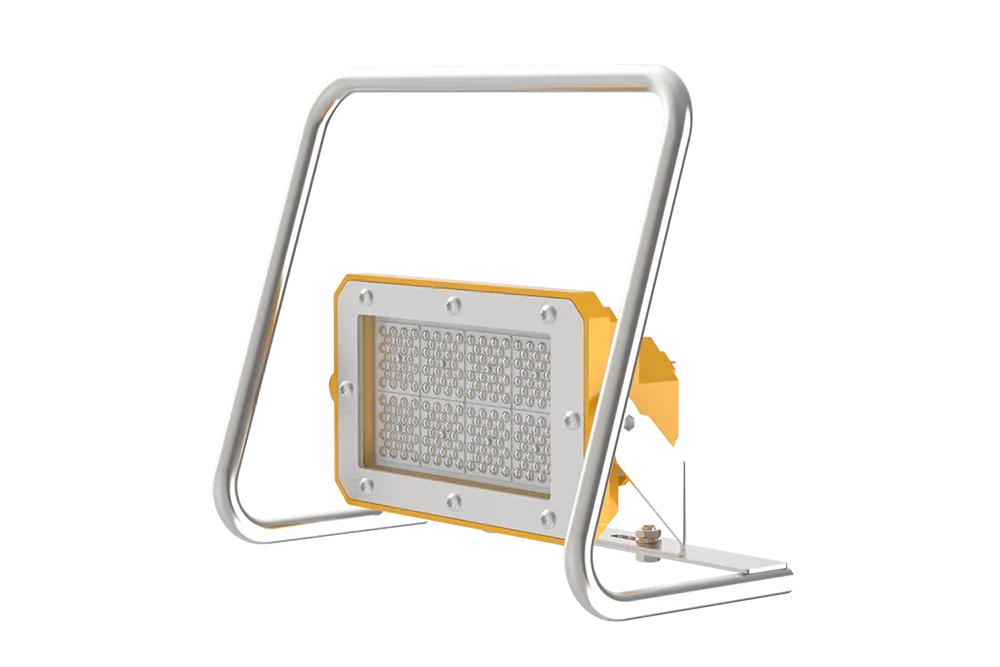
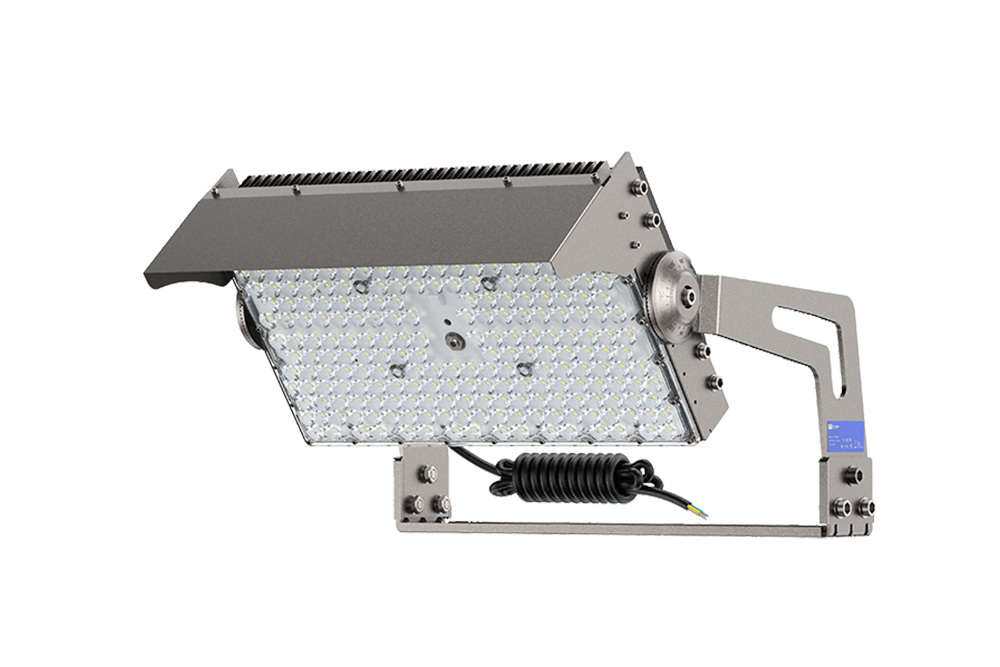
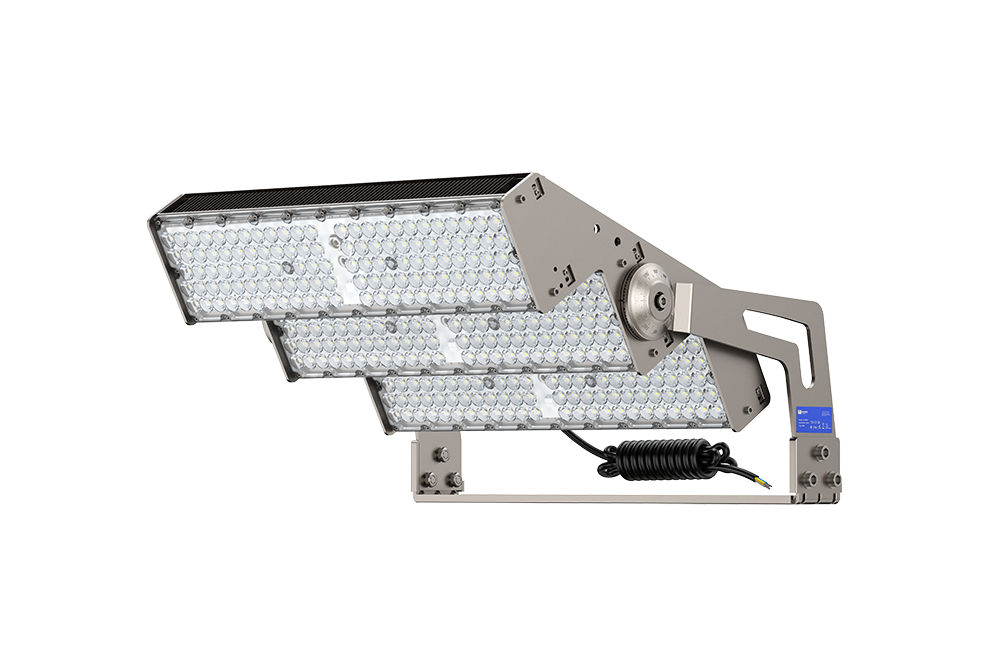
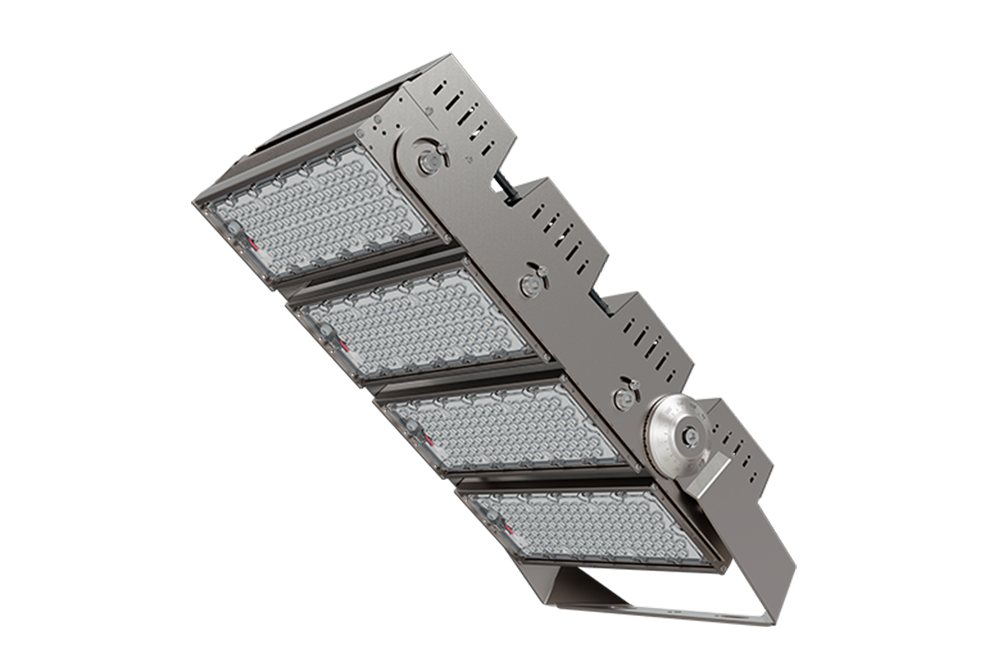
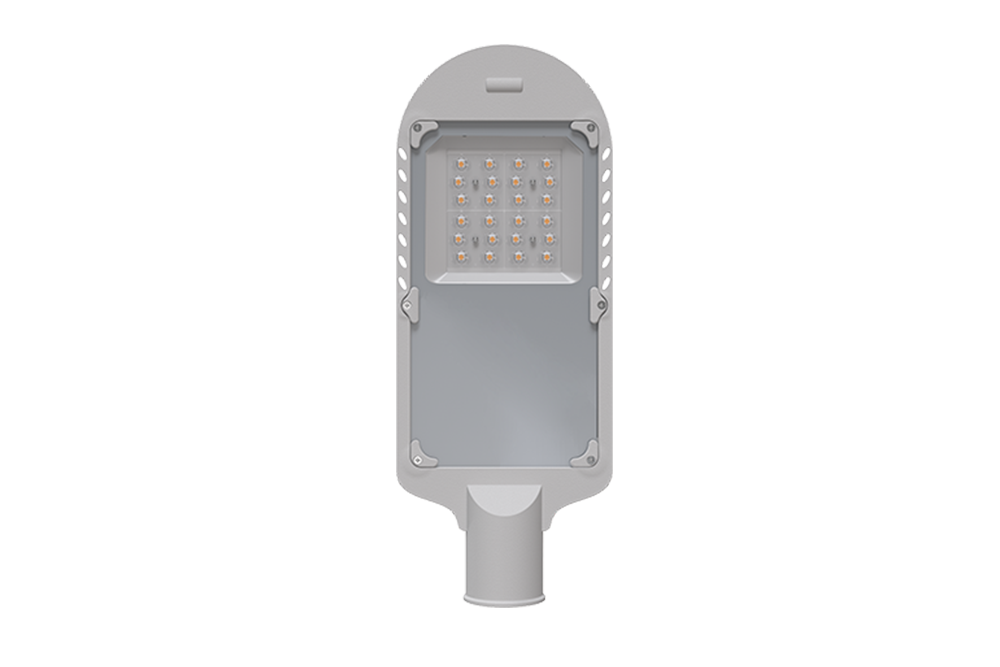
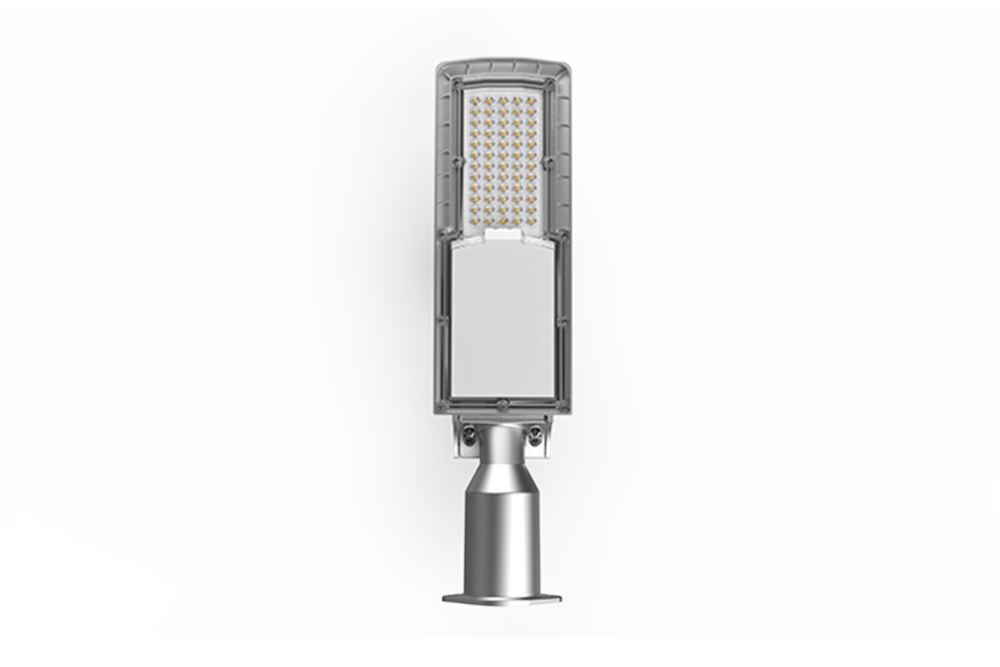
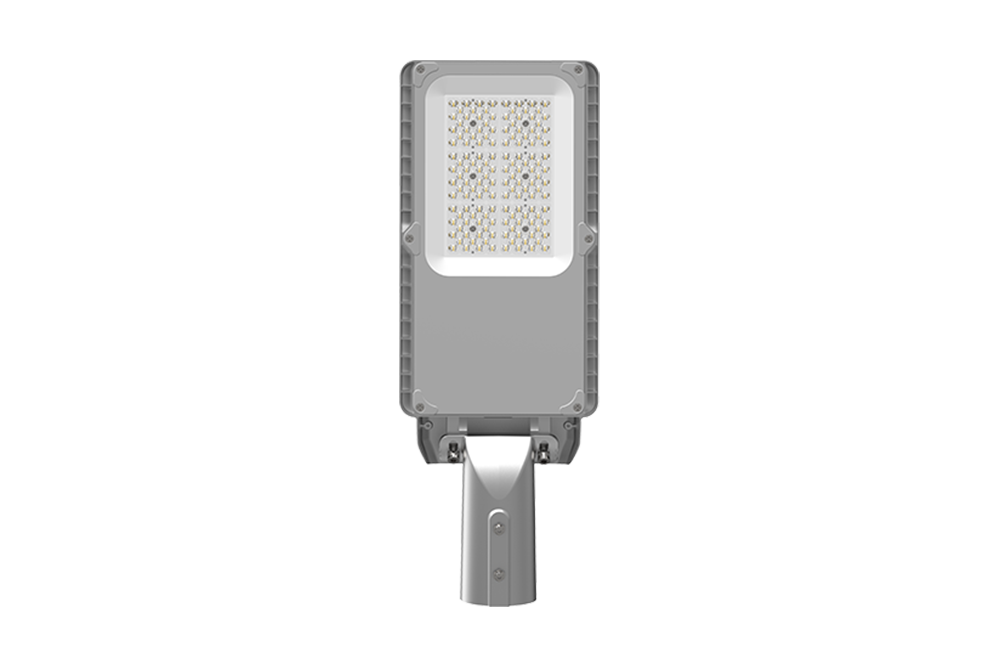
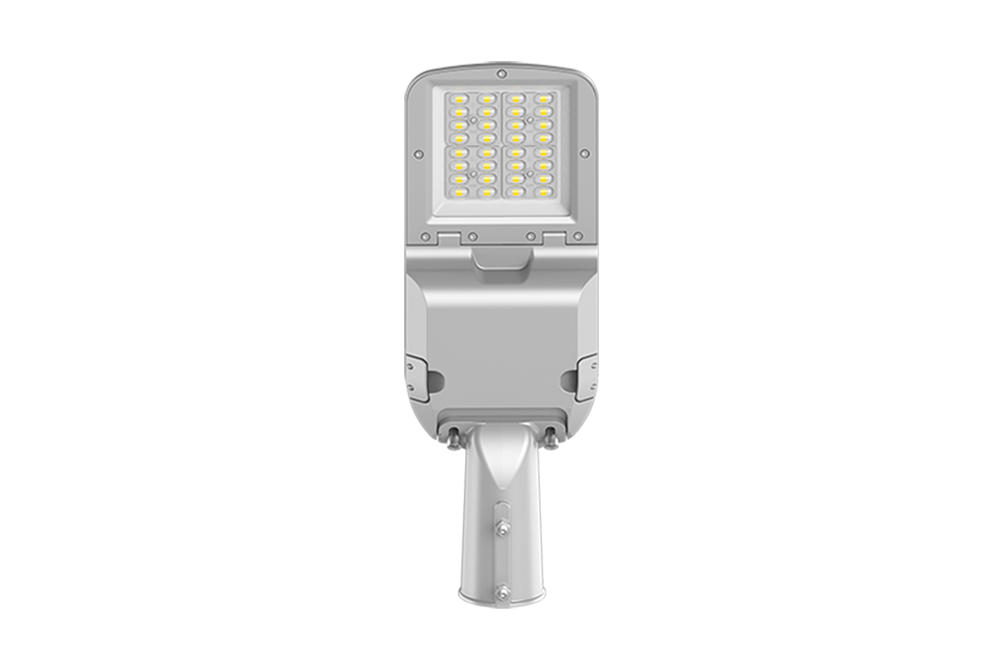
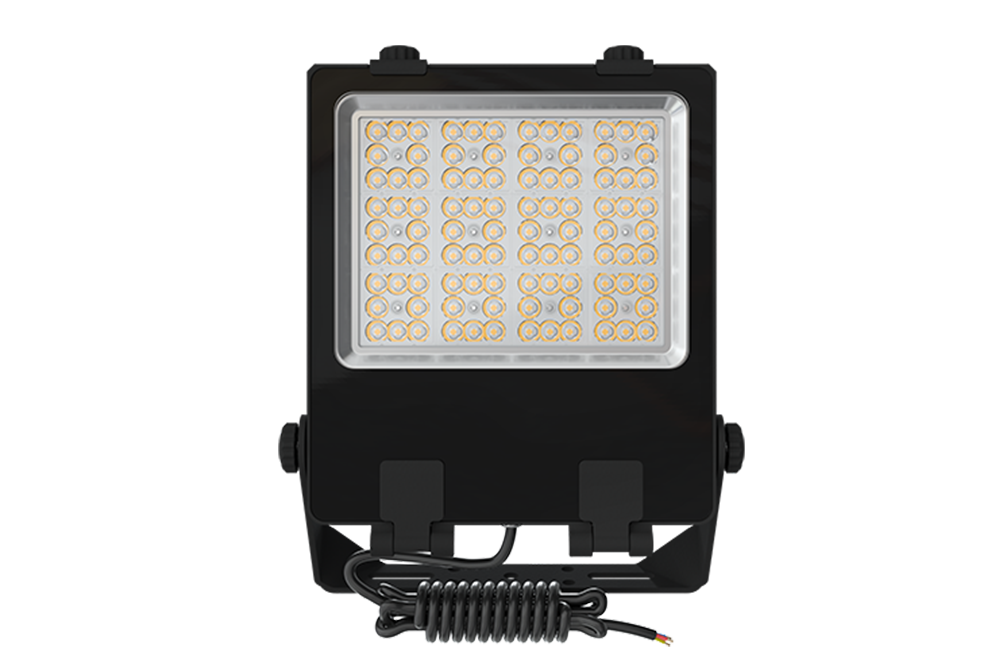
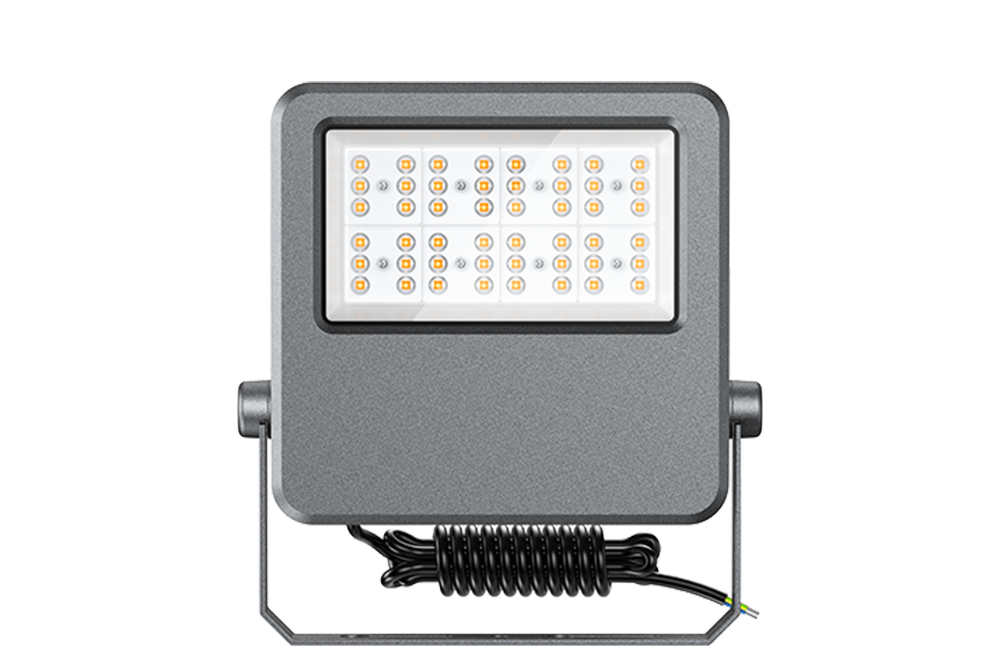
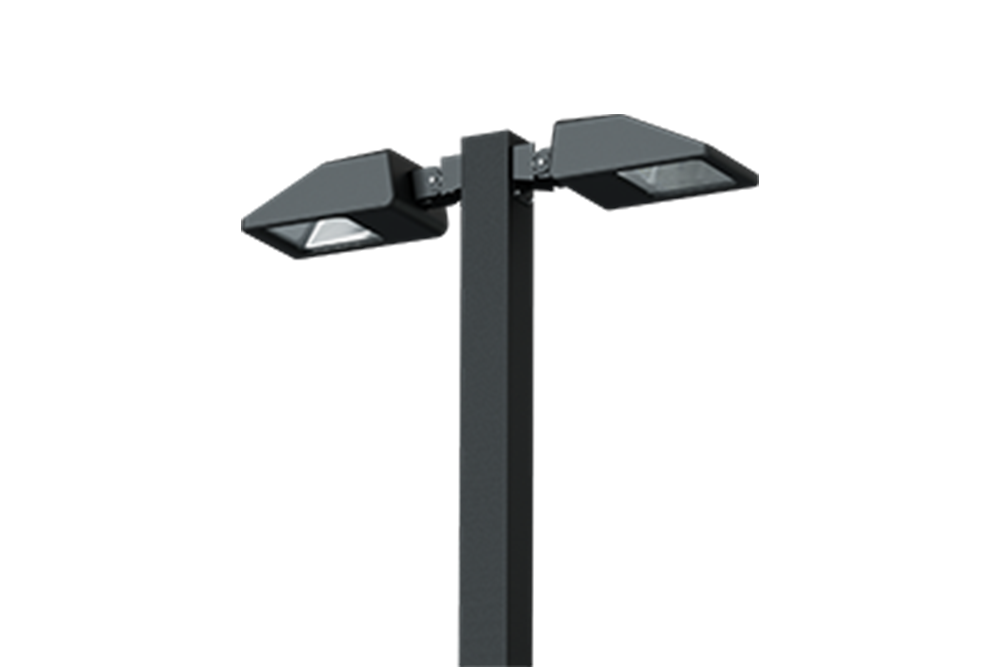
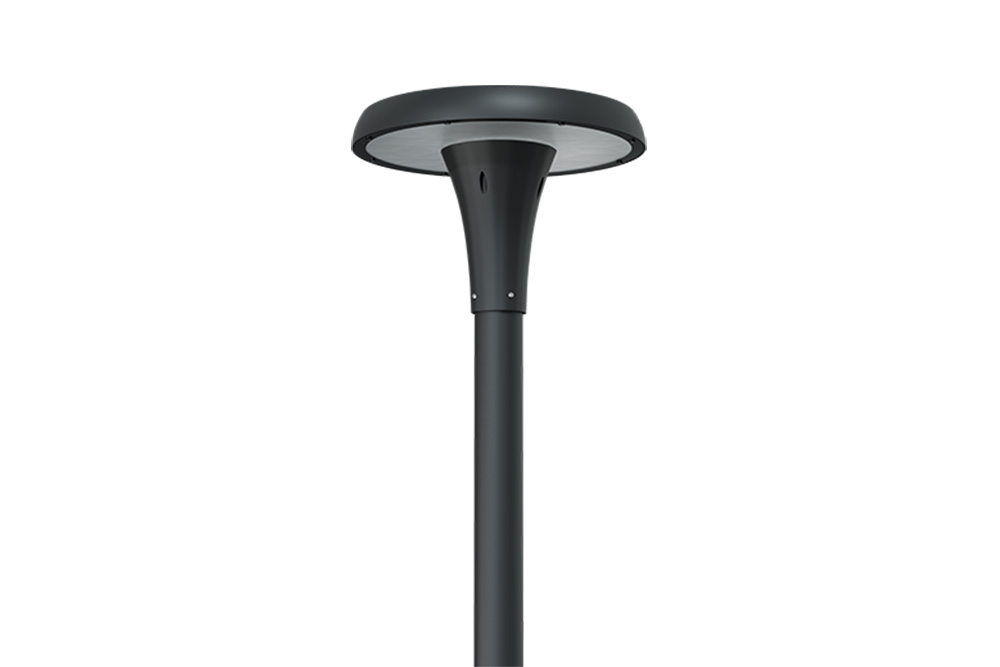
In practical projects, outdoor lighting is rarely installed just for appearance. Most clients focus first on safety and compliance. LED Street Light systems are commonly used along internal roads, loading areas, and perimeter zones to ensure consistent illumination and reduce accident risks. Meanwhile, LED Flood Light solutions are applied to wide open areas such as yards, parking zones, and building facades where uniform brightness is required.
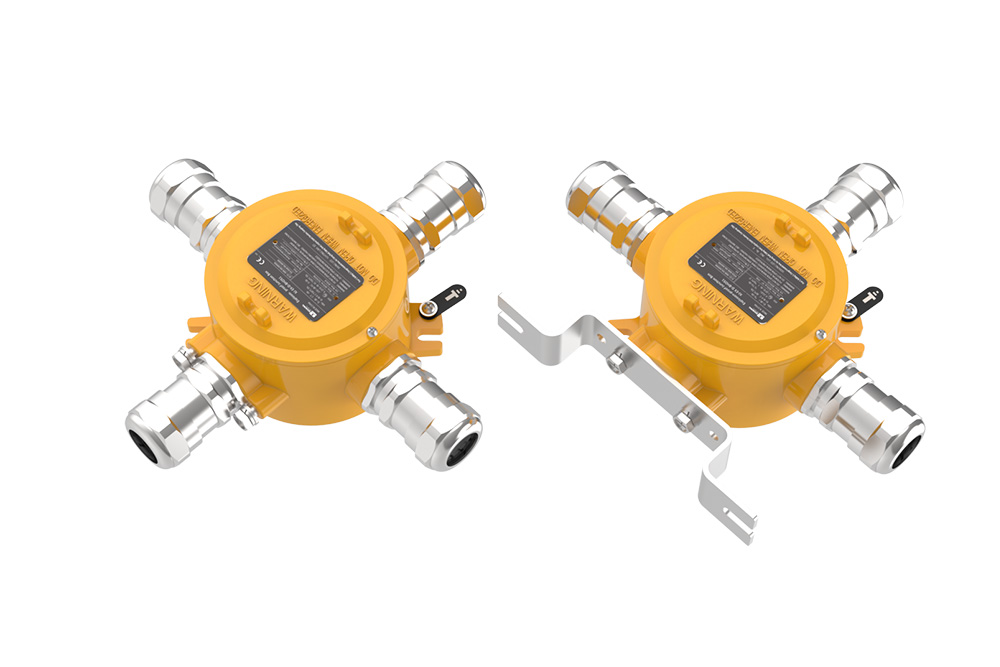
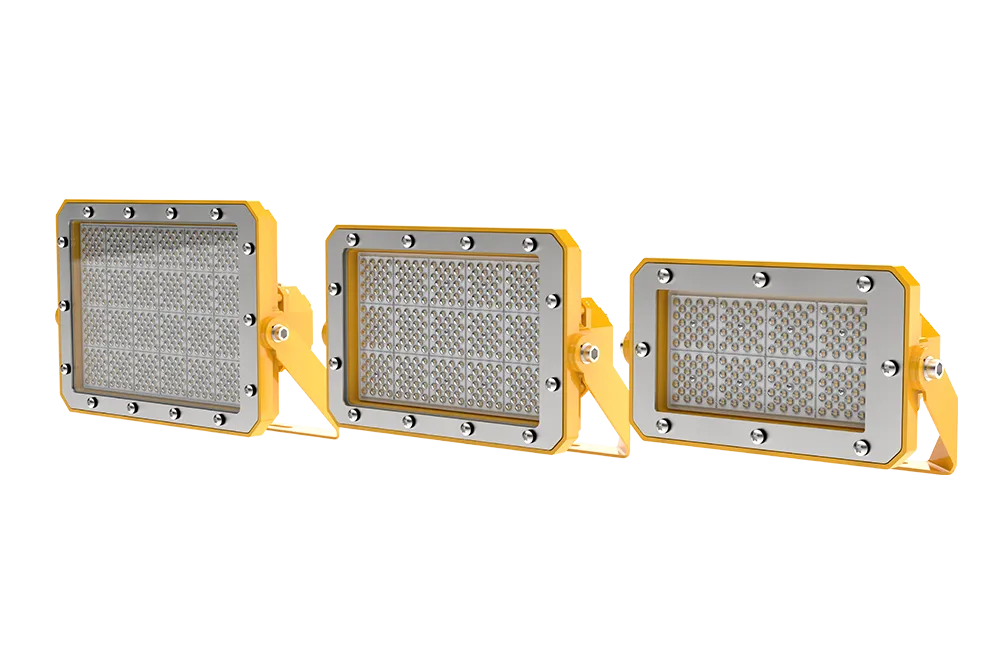
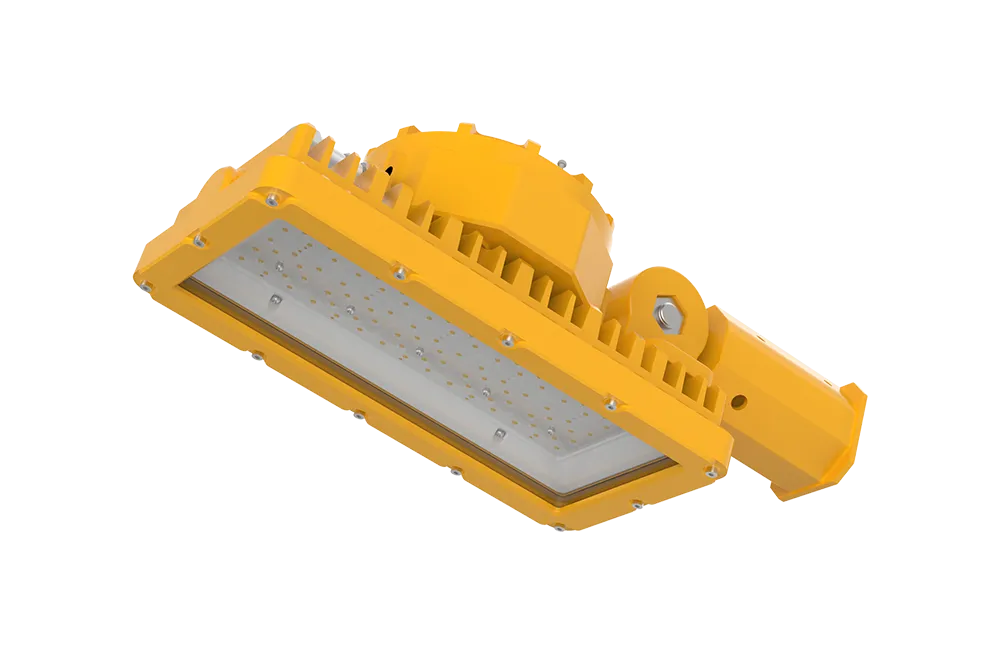
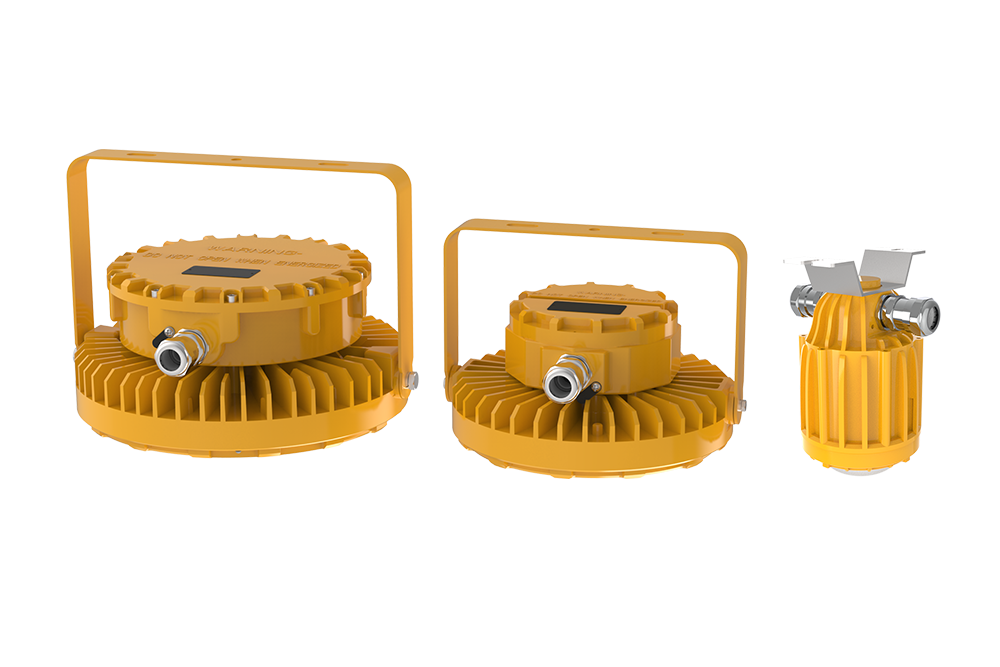
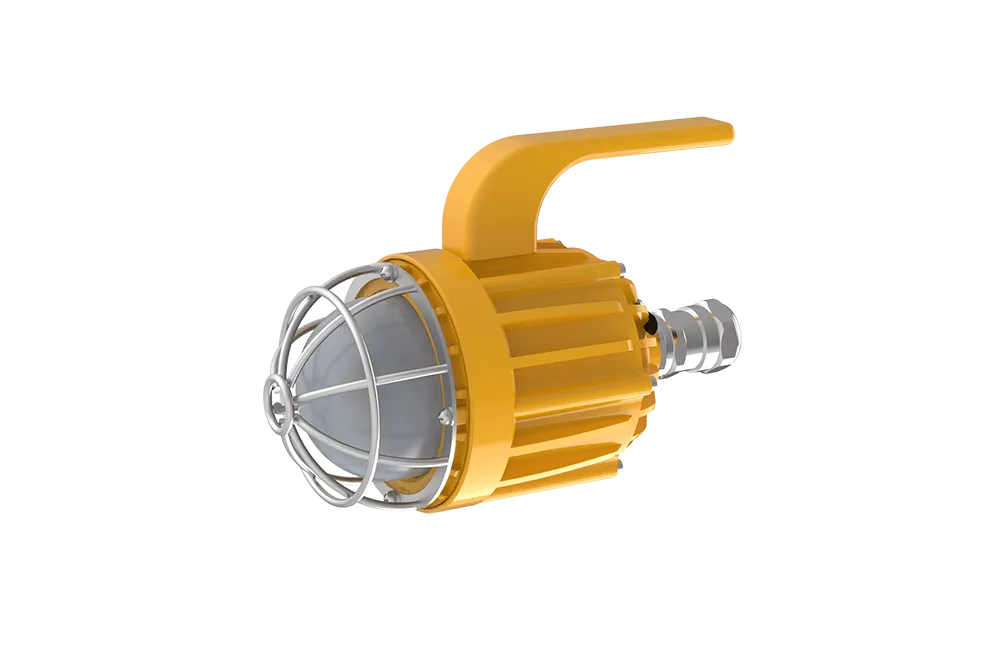
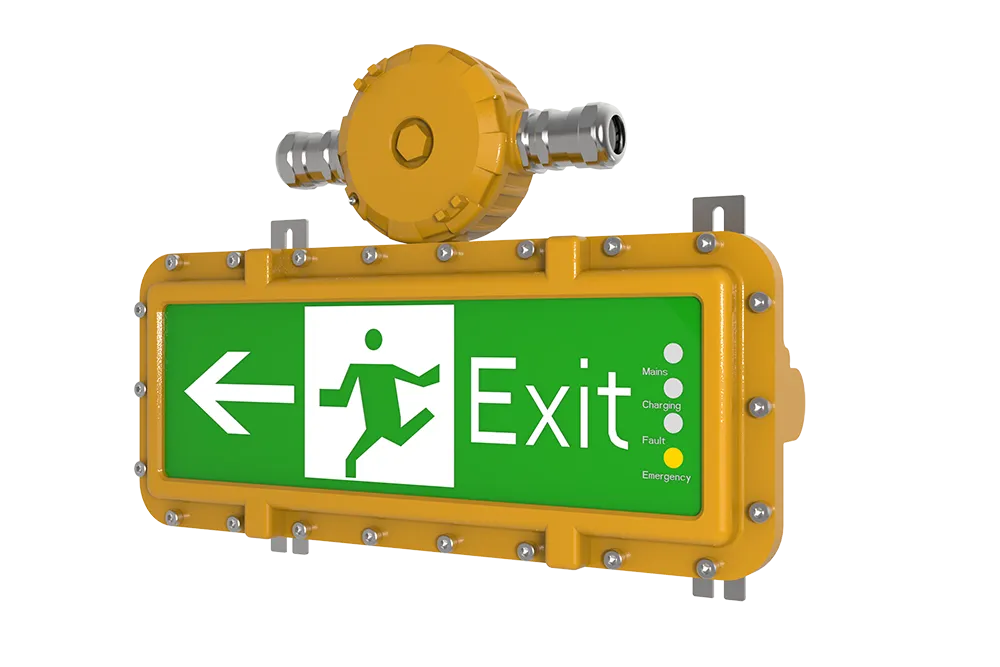
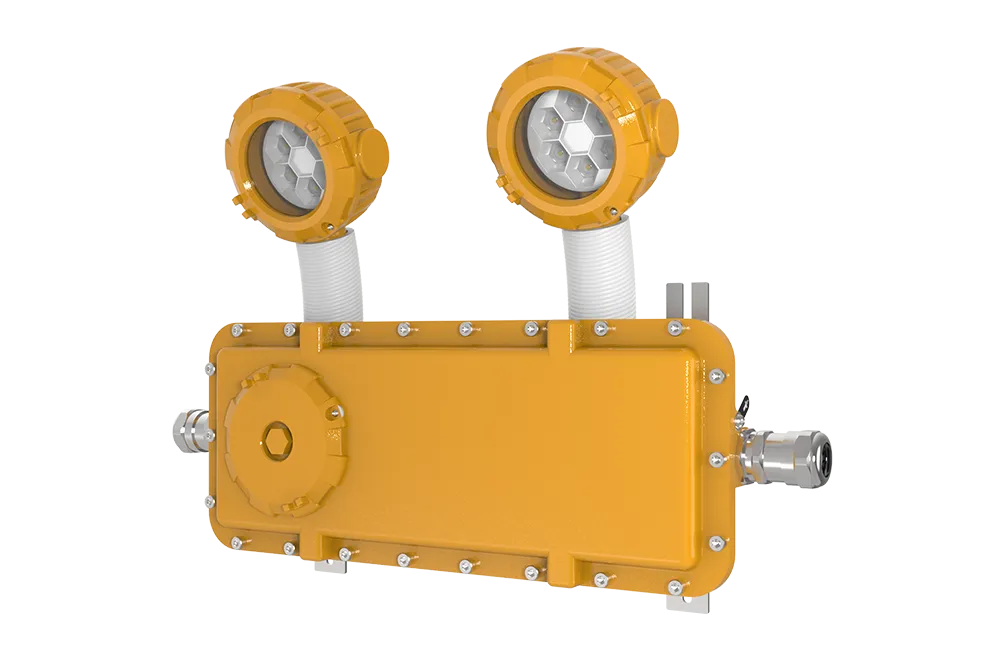
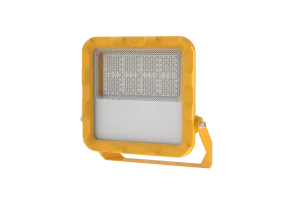
For industrial plants handling chemicals, gas, or dust, Explosion proof light fixtures are not optional. These lights are selected based on certified protection levels and installed strictly according to zone classification. From experience, improper mounting height or cable sealing is one of the most common causes of early failure in hazardous-area lighting.
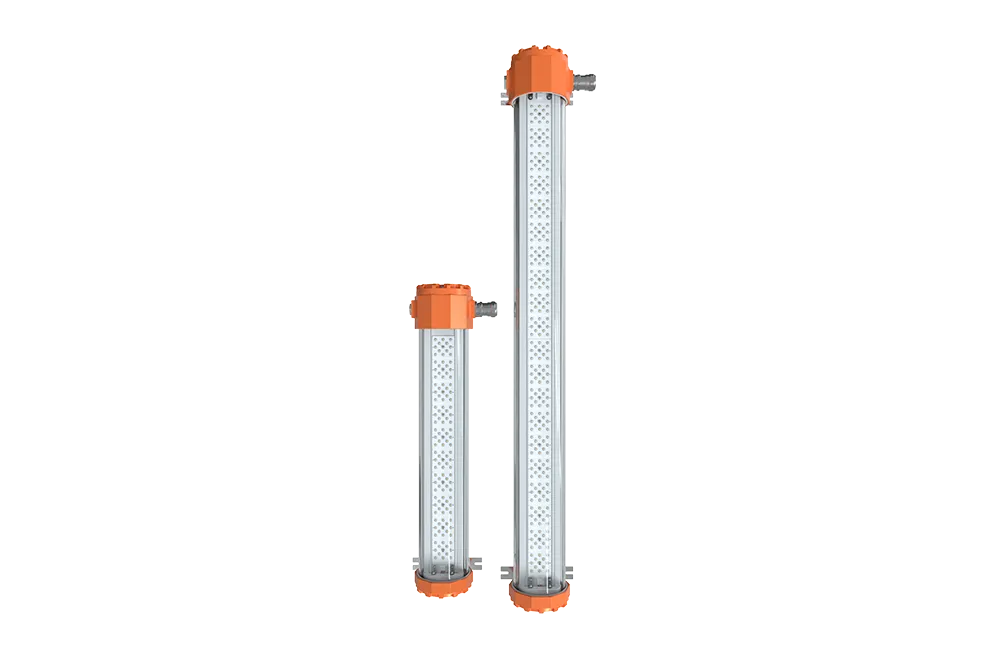
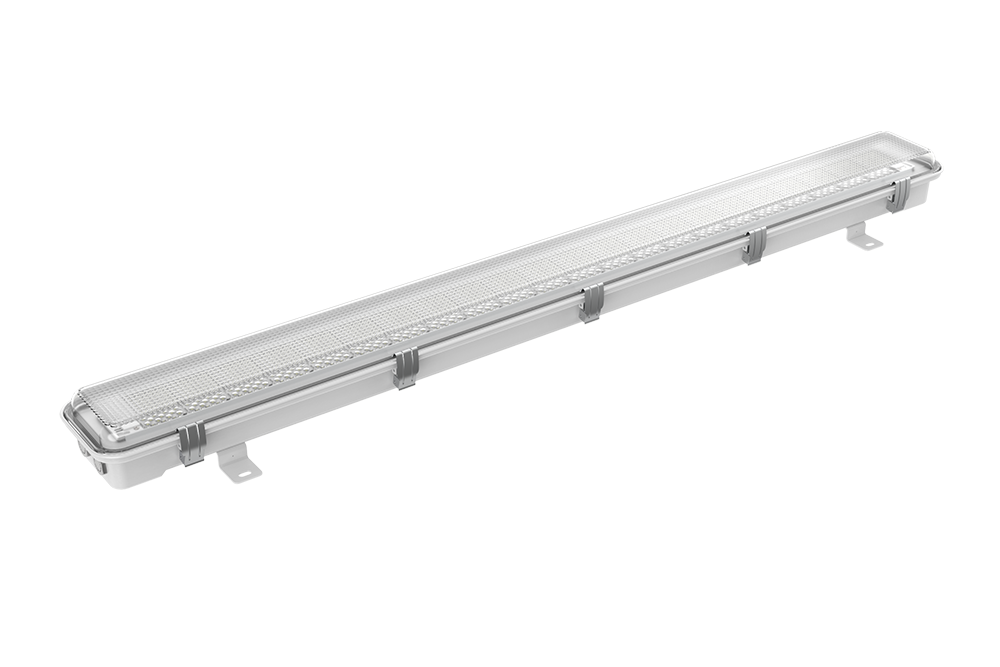
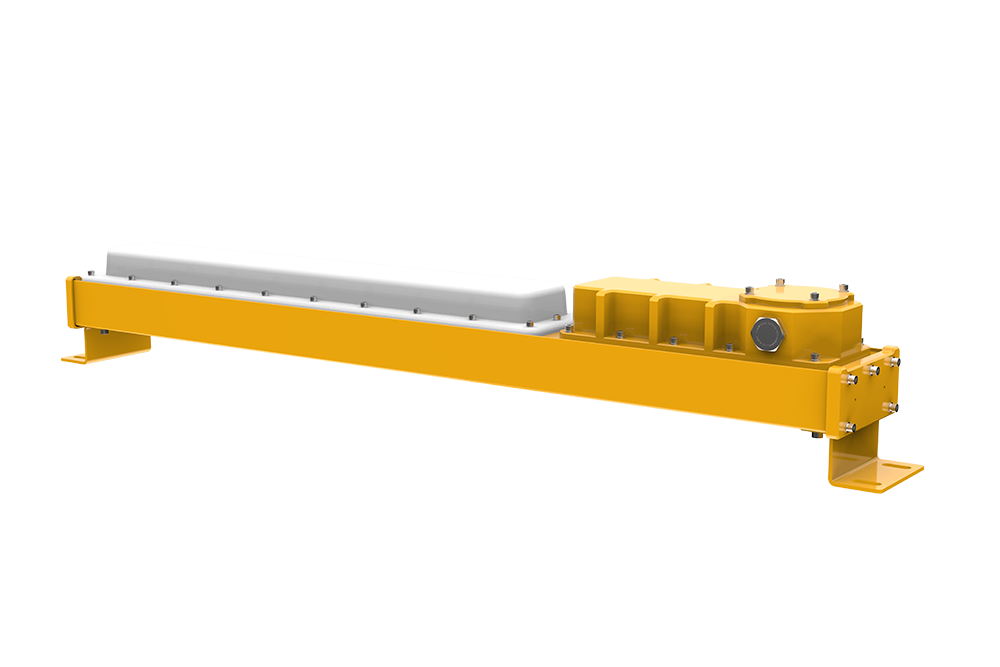
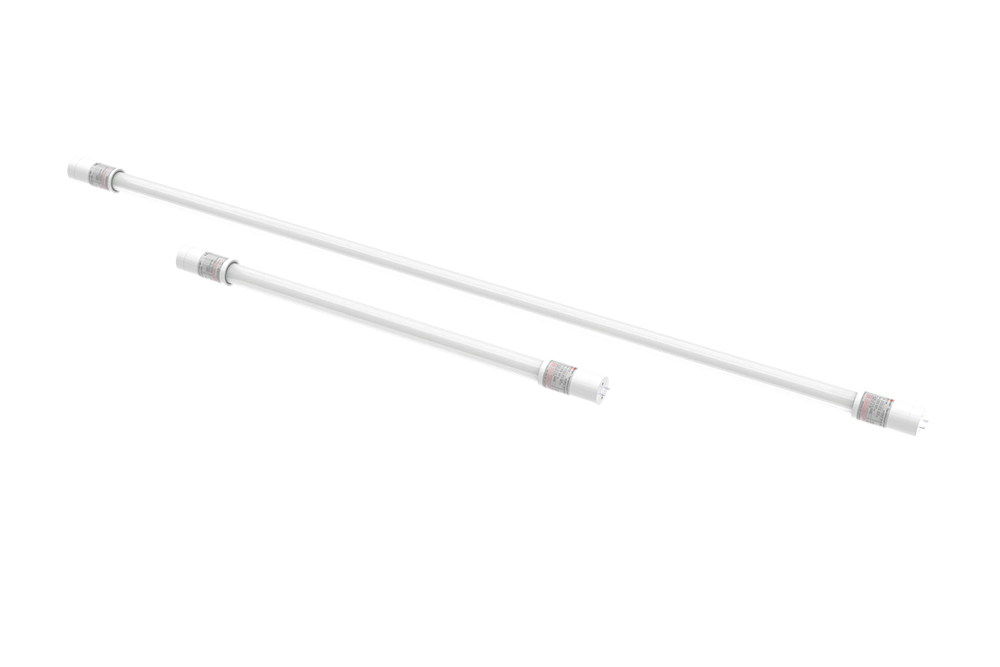
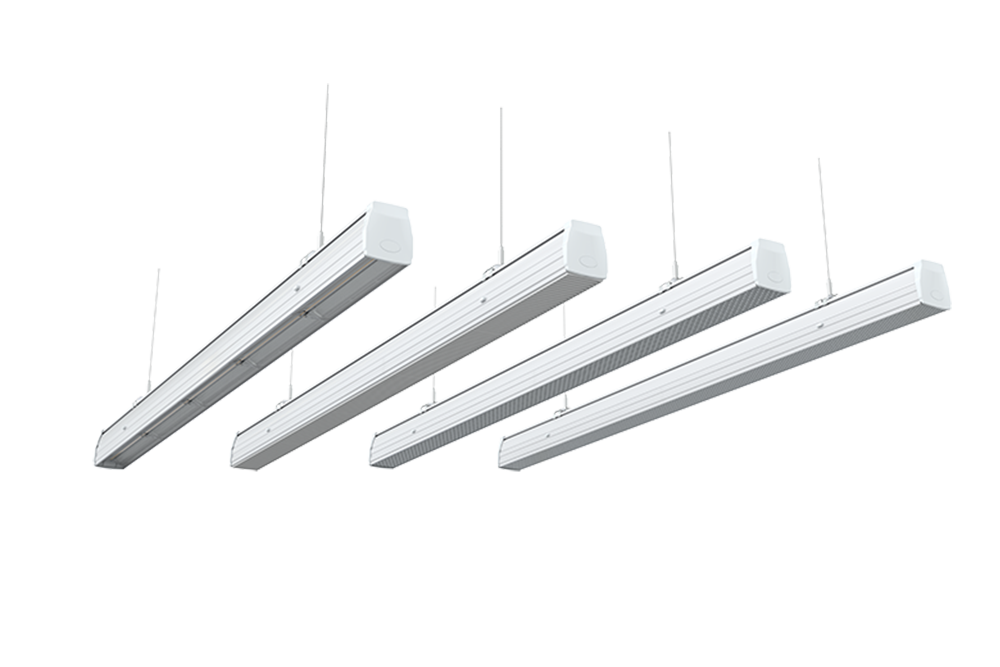
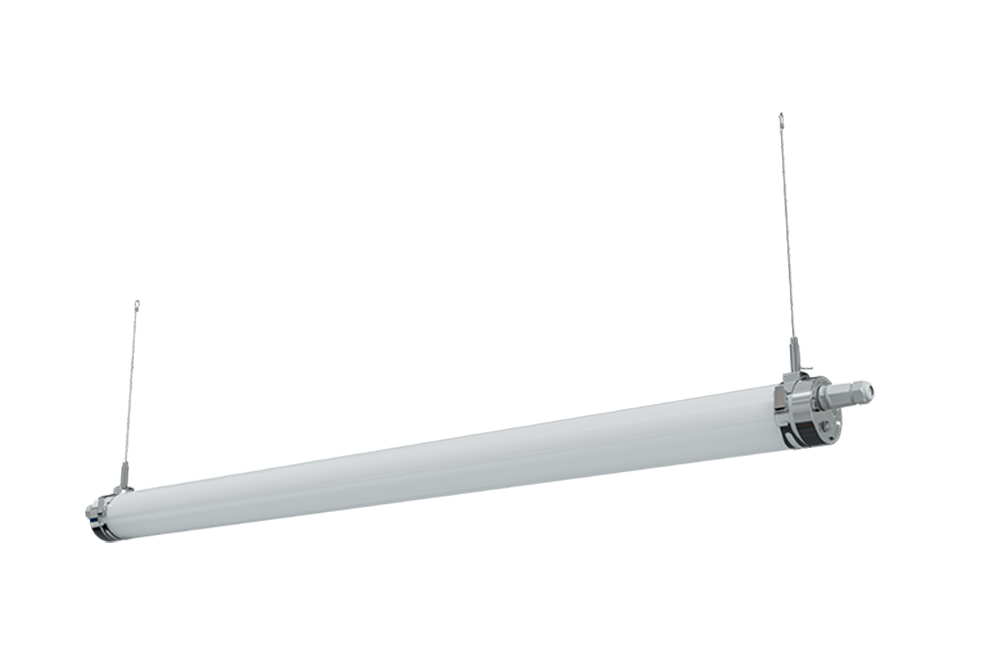
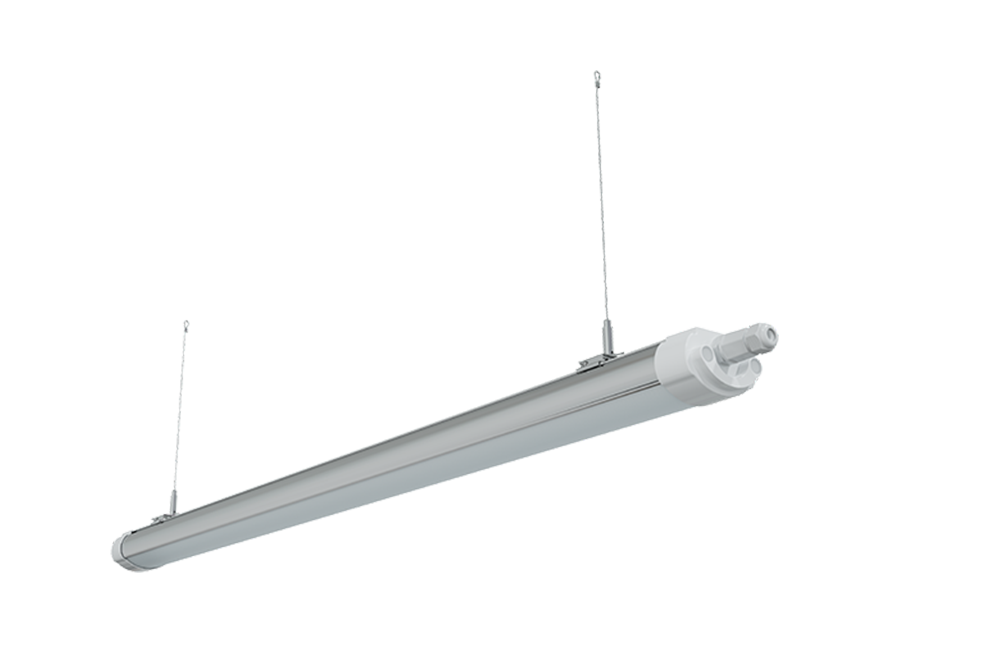
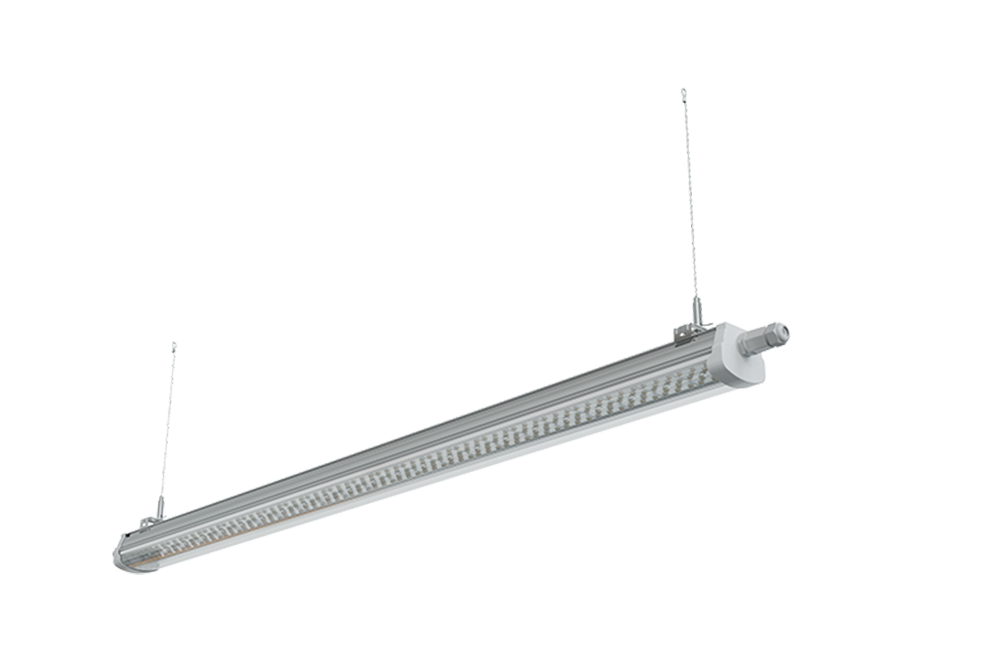
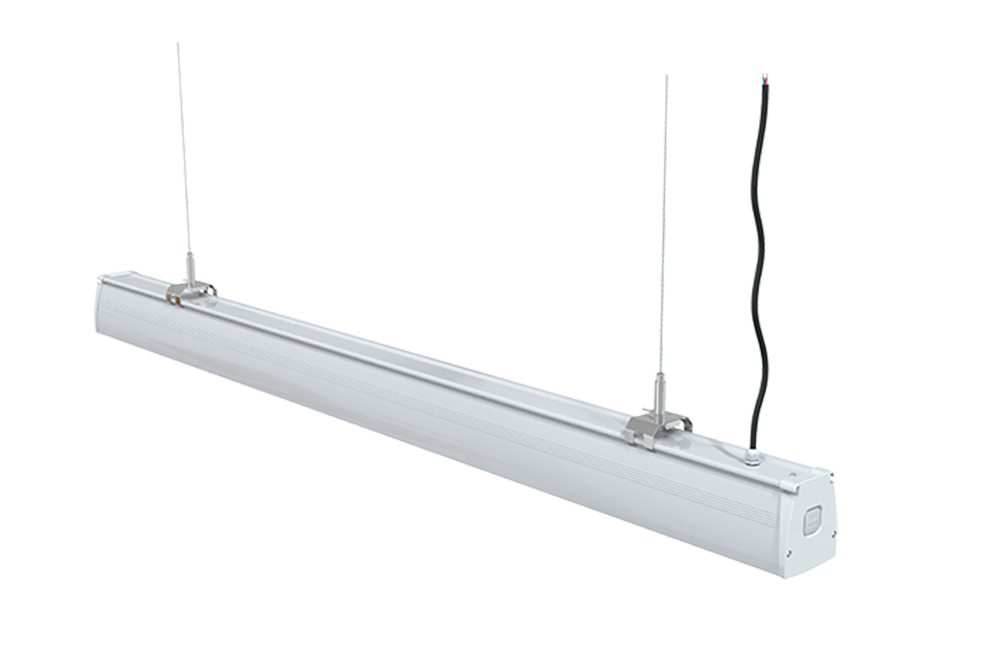
Inside semi-outdoor areas like corridors, canopies, and loading bays, LED Tri-proof lamp products are often chosen for their resistance to water, dust, and vibration. Linear spaces such as walkways and service platforms typically use Linear LED Light to avoid dark spots and shadowing.
Installation Is Not Just “Fix and Connect”
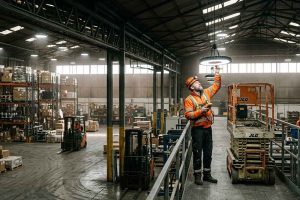
In real outdoor LED lighting installation and maintenance for industrial sites, the biggest issues usually come from shortcuts taken during installation. Cable routing without proper protection, incorrect aiming angles, and ignoring heat dissipation clearances all reduce fixture lifespan.
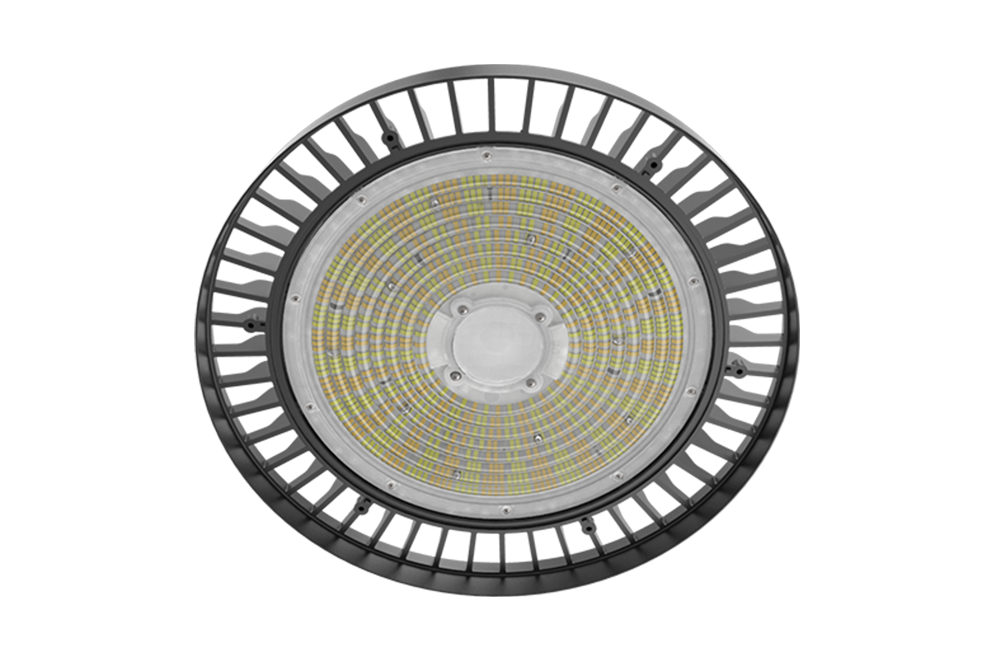
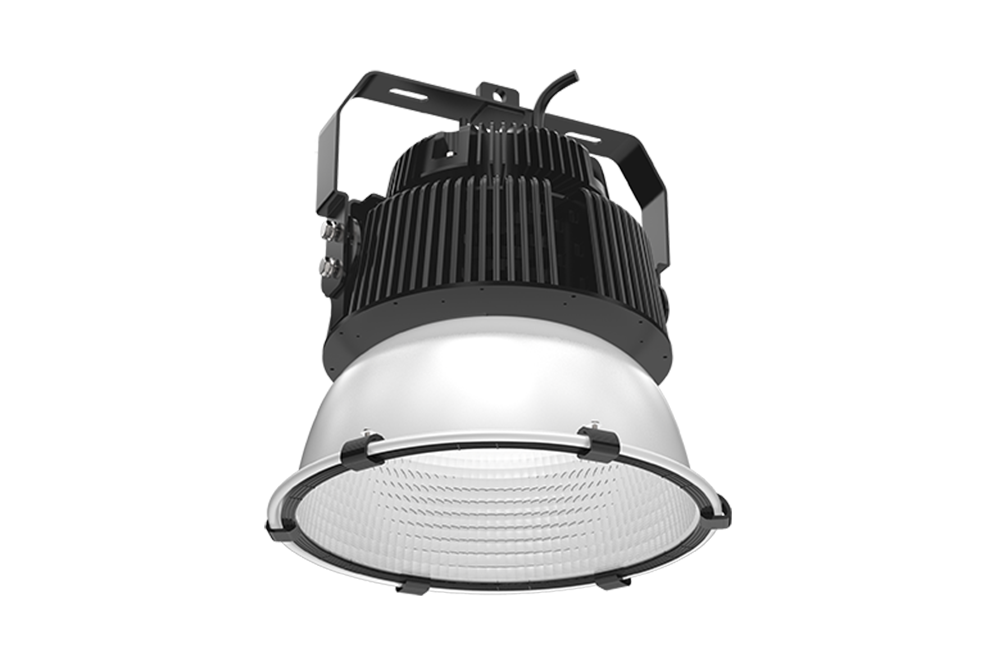
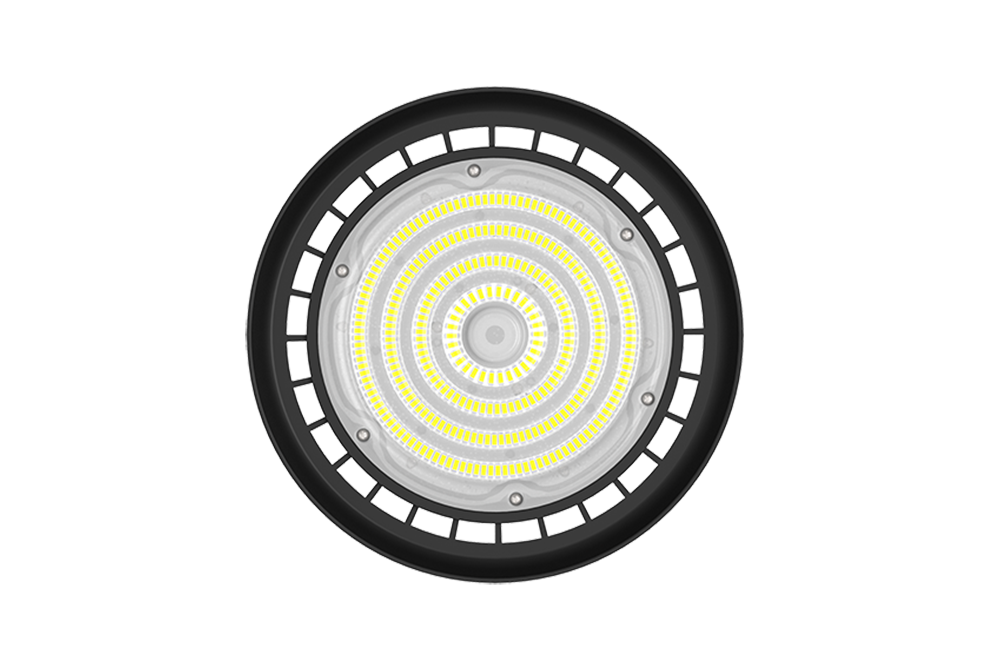
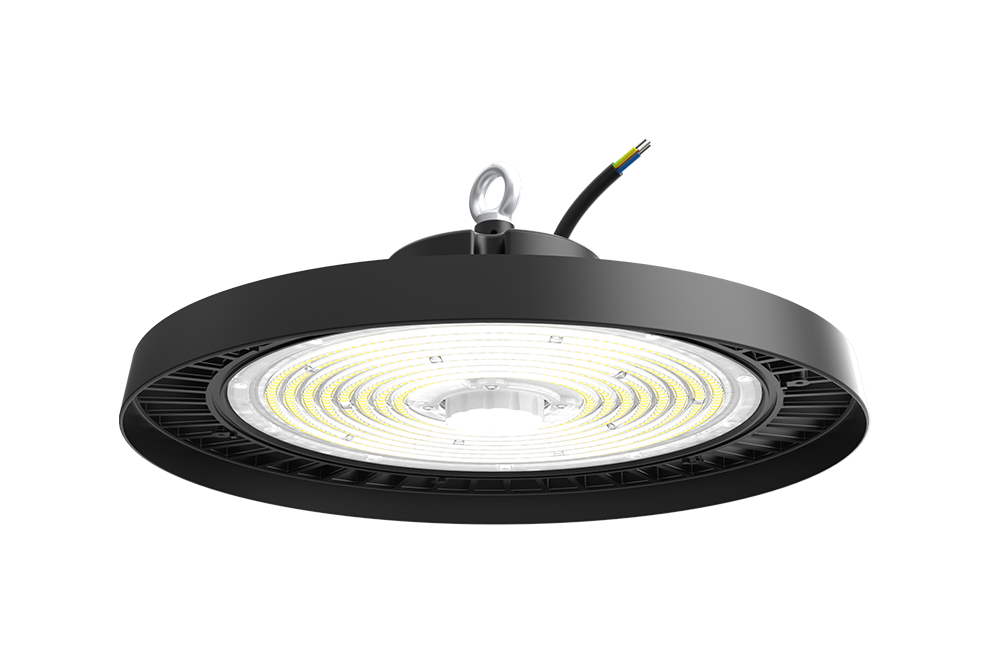
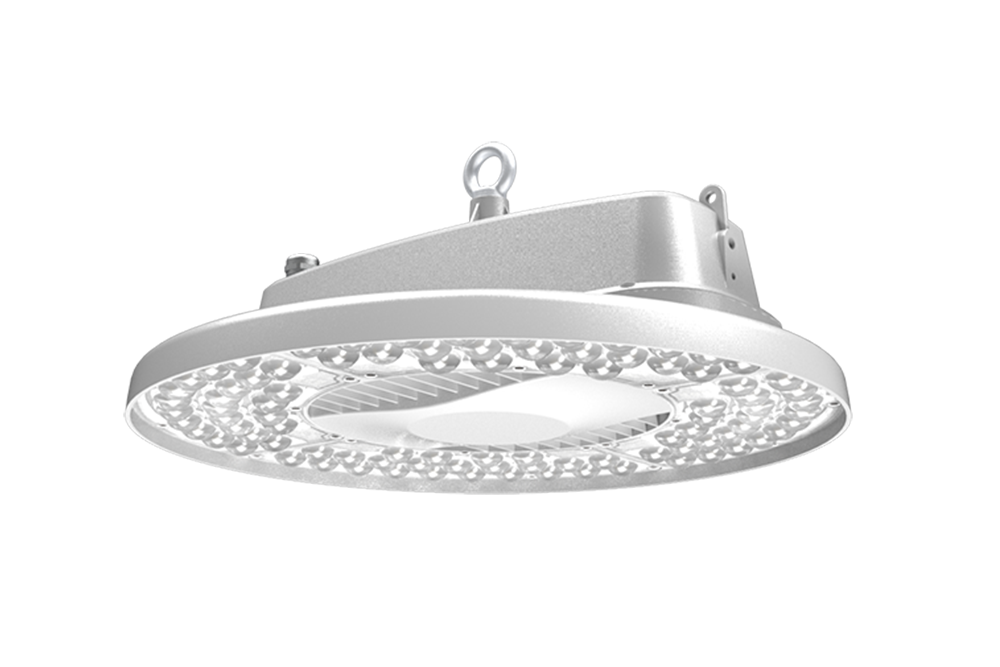
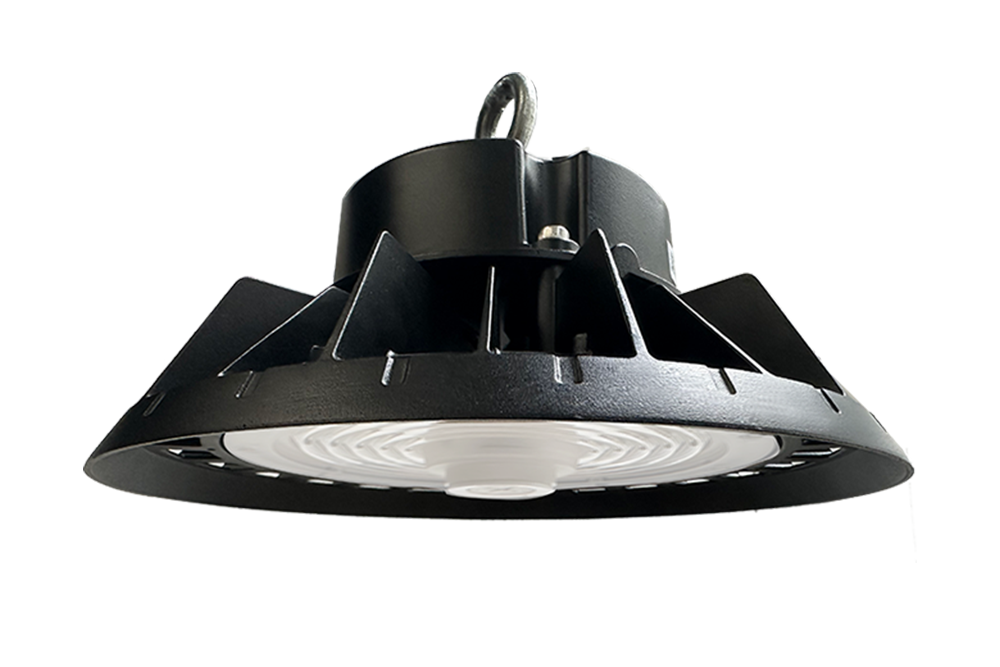
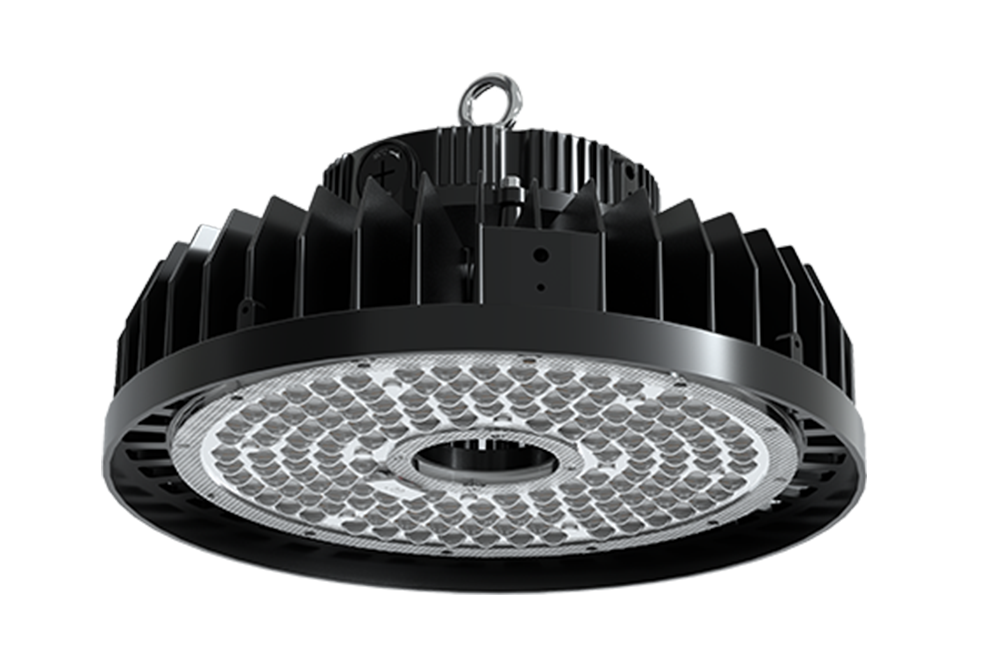
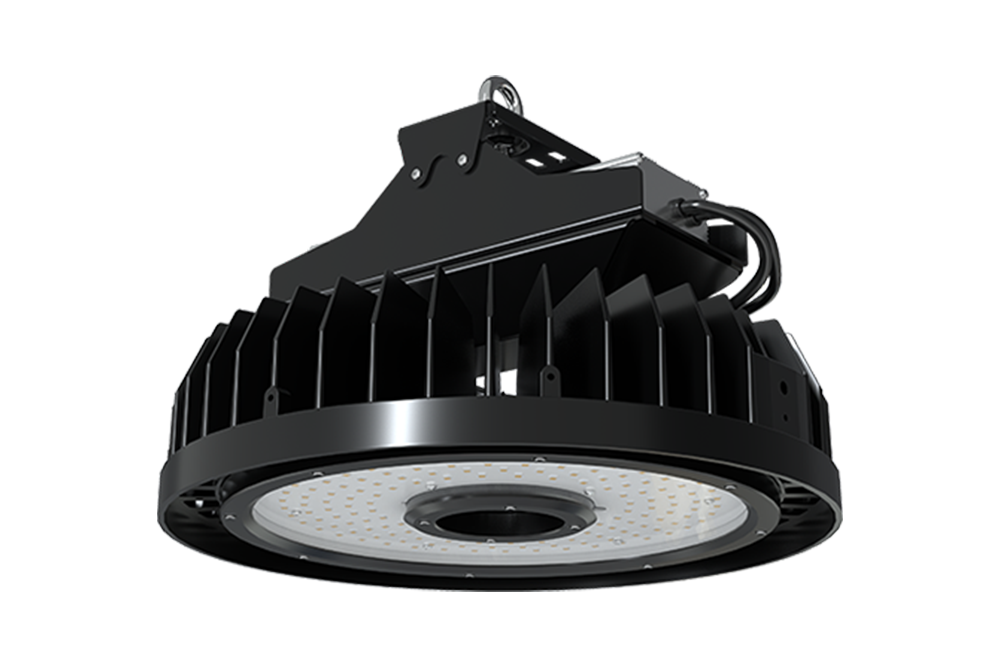
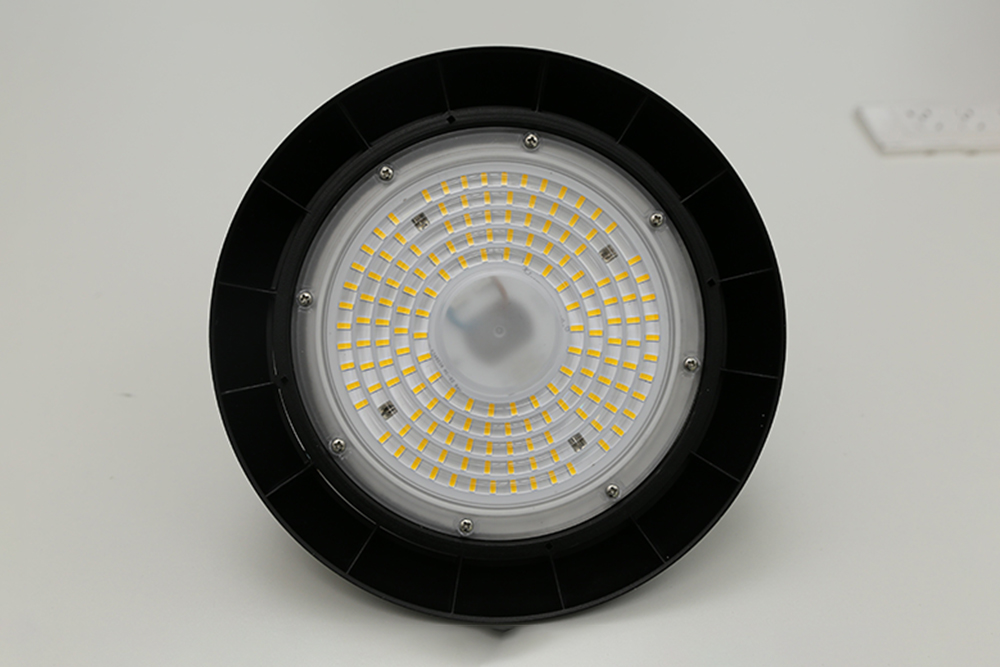
At SEEKINGLED project sites, engineers always verify mounting surfaces, wind load conditions, and thermal environments before final installation. For example, LED High Bay Light used in open industrial sheds must allow airflow, even though they are technically outdoor-rated. Garden and decorative zones often apply Garden Lights LED, but they still require waterproof connectors and stable foundations.
Maintenance Based on Reality, Not Theory
Outdoor LED lighting is known for long service life, but that does not mean zero maintenance. In actual field conditions, dust buildup, moisture intrusion, and cable aging are unavoidable. Regular visual inspections are still necessary, especially after heavy rain or extreme temperatures.
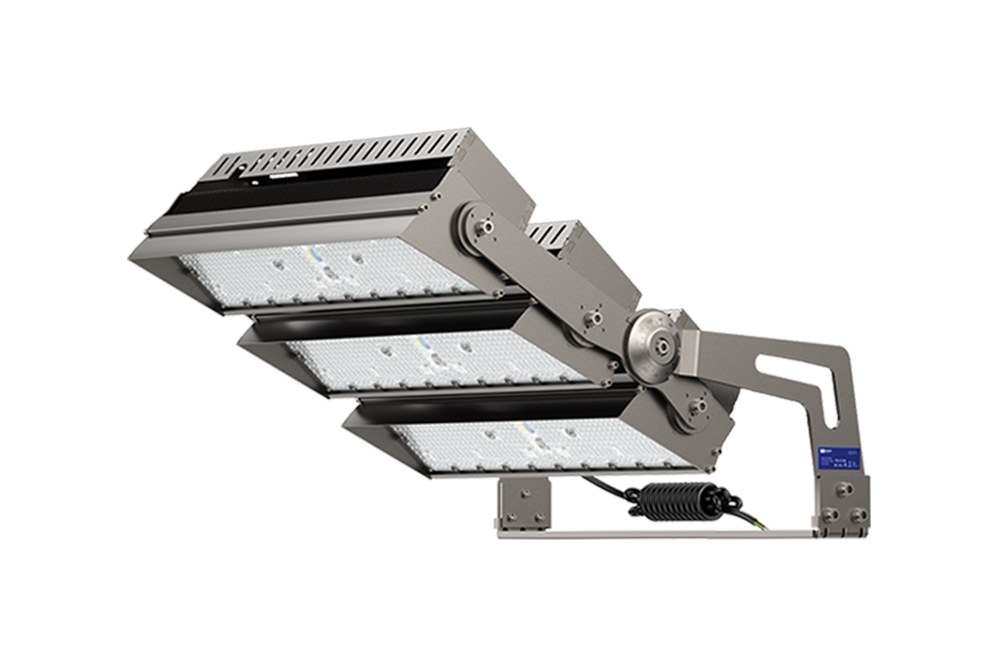
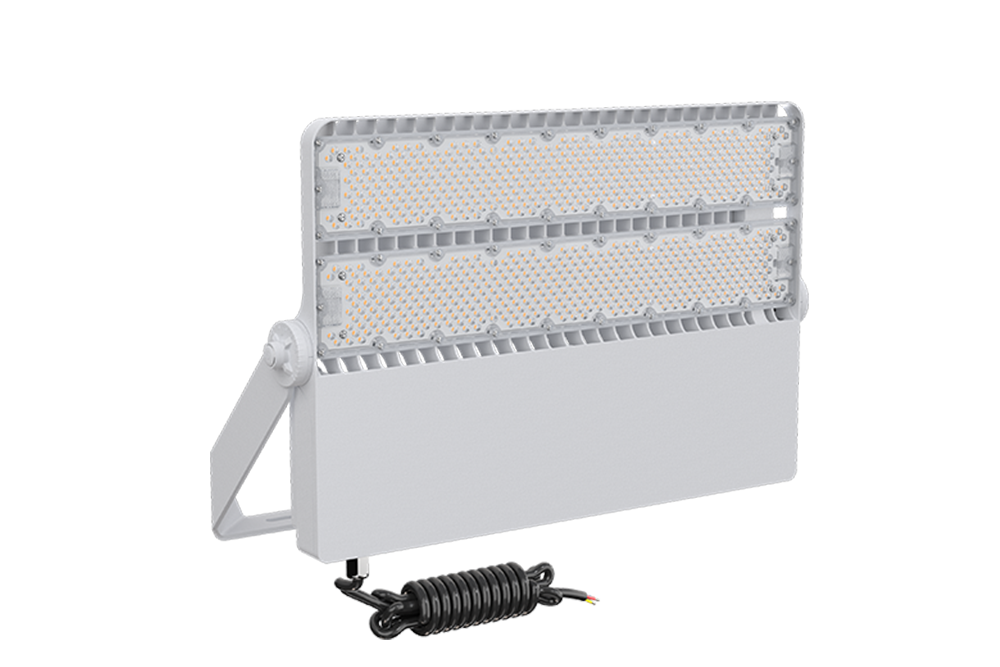
For large-scale facilities such as ports or Sports Stadium LED Lighting projects, maintenance planning is usually done together with installation. This includes choosing fixtures with easy access, standardized drivers, and clear replacement procedures. These details reduce downtime and long-term operating cost, which is a real concern for facility owners.
Why Engineering Experience Matters
Many lighting problems are not caused by the product itself, but by mismatch between application and environment. As an engineering-driven manufacturer, SEEKINGLED focuses on realistic outdoor applications rather than laboratory-only performance. Our outdoor projects are based on verified standards, real site feedback, and proven installation methods.
In today’s market, outdoor LED lighting installation and maintenance for industrial sites is no longer just about brightness. It is about reliability, safety, and long-term value. When lighting systems are designed and installed correctly from the start, they continue working quietly in the background, which is exactly what industrial users expect.
ATEX approved LED lighting wholesale for hazardous industries. Discover certified explosion-proof lighting solutions trusted in oil, chemical, and marine projects by SEEKINGLED.
Are LED Flood Lights Dimmable in real use? Learn how dimmable LED flood lights work, driver types, dimming methods, and common issues in outdoor lighting.
How long does LED lights last in real conditions? Discover true lifespan, key factors, and why SEEKINGLED lighting delivers longer, stable performance.
 Seeking LED