From an engineering standpoint, stadium lighting has never been only about brightness. It is about control, reliability, and how the system behaves over thousands of operating hours. In recent years, sports stadium LED lighting upgrade for large venues has become a practical decision rather than a trend, mainly because traditional halogen systems have reached their technical limits.
I have worked on several lighting assessments where halogen fixtures were still in operation. On paper, they deliver acceptable lumen output. In real use, however, the problems appear quickly. High energy consumption, uneven light distribution, frequent lamp replacement, and excessive heat are common complaints raised by stadium operators.
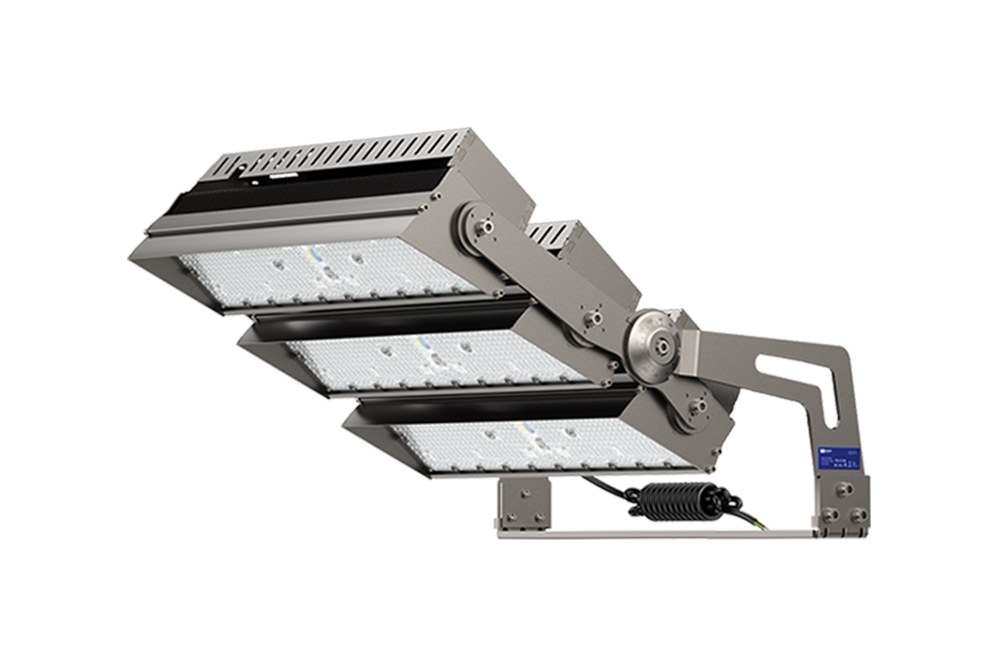
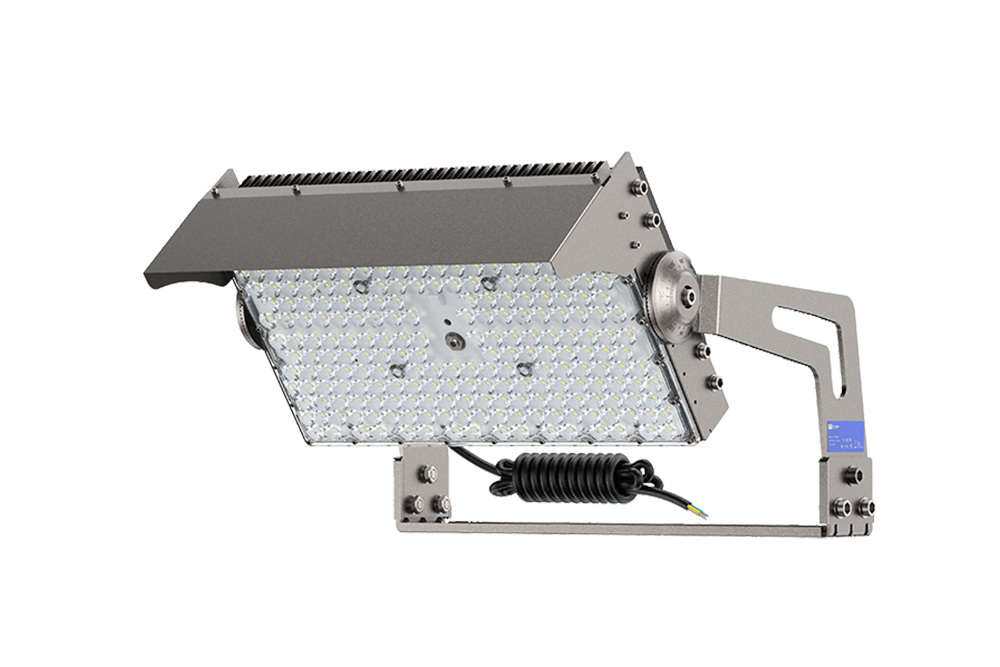
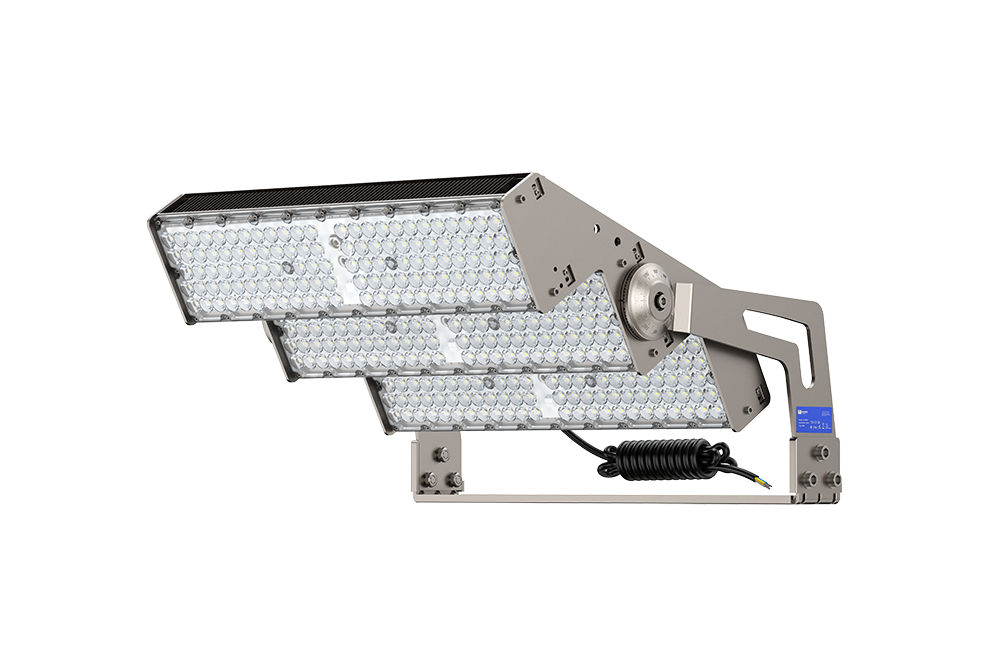
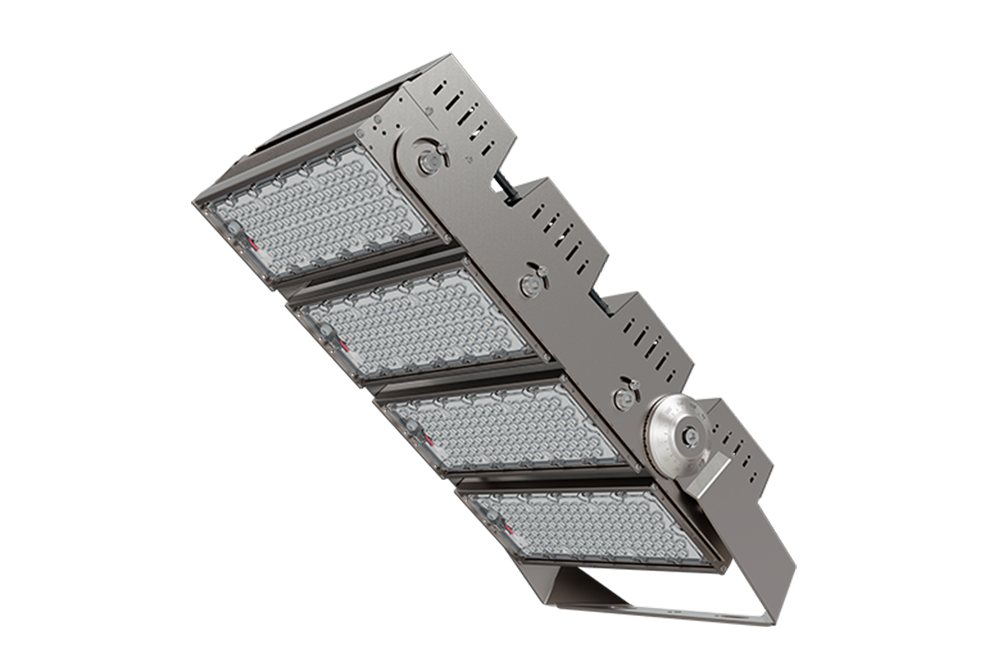
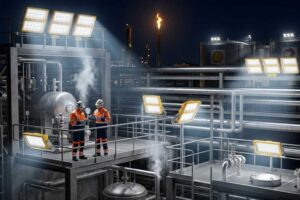
Daytime inspection of LED Flood Light and mounting structure
Why Halogen Fixtures Are Being Phased Out
Halogen stadium lights were widely used because they were simple and easy to source. That advantage no longer holds. Power demand is high, and most of the input energy is lost as heat rather than usable light. In large venues, this translates directly into higher operating costs and increased load on electrical infrastructure.
Another issue is maintenance. Replacing halogen lamps mounted at height requires shutdown time, lifting equipment, and skilled labor. Over a full season, these costs add up quickly and are often underestimated during initial planning.
LED Stadium Lighting from a Practical Engineering Angle
When evaluating a sports stadium LED lighting upgrade for large venues, the first thing engineers look at is optical control. Modern Sports Stadium LED Lighting uses precision lenses rather than reflectors. This allows light to be placed where it is needed, reducing glare and spill light.
In one project review, LED flood lighting reduced shadow zones near goal areas without increasing total power. That is not a marketing claim; it is a direct result of better beam shaping. LED Flood Light systems also perform more consistently over time, unlike halogen lamps that degrade quickly.
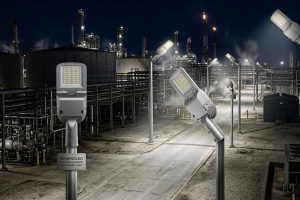
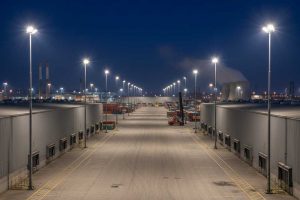
For indoor or semi-covered stadium zones, LED High Bay Light and Linear LED Light are often integrated into concourses and service areas. These spaces benefit from uniform lighting rather than extreme brightness. In outdoor circulation areas, LED Street Light and Garden Lights LED are used to maintain visual continuity and safety after events.
Reliability, Lifetime, and Real Maintenance Impact
LED systems are not maintenance-free, but the interval between interventions is much longer. Typical LED stadium fixtures operate for tens of thousands of hours with minimal lumen depreciation. From an operations view, this stability matters more than peak lumen output.
In stadium environments exposed to dust, humidity, or vibration, LED Tri-proof lamp products are commonly used in technical rooms and tunnels. In special cases, such as fuel storage or emergency generator areas, Explosion proof light is still required, even within a sports complex.
Environmental and Operational Considerations
Energy reduction is often the driving factor behind a stadium lighting upgrade, but it is not the only one. Lower heat output reduces stress on cables and mounting structures. Instant on/off capability also supports modern broadcast requirements and event scheduling flexibility.
At SEEKINGLED, most stadium projects start with an on-site assessment rather than a catalogue selection. Each venue behaves differently. Wind exposure, mounting height, camera positions, and surrounding light pollution all affect the final design.
A Gradual but Clear Industry Shift
From what I see on site, the shift away from halogen is already complete in new stadiums. The remaining work is in upgrading older venues. A sports stadium LED lighting upgrade for large venues is no longer experimental. It is a mature, engineering-driven solution that aligns performance, cost control, and long-term operation.
Learn how to choose the right led flood light hazardous area solution for Zone 1 and Zone 2 applications. Discover certifications, performance, installation tips, and expert advice from SEEKINGLED.
Emergency explosion-proof LED street light linklights deliver safe, continuous lighting in hazardous outdoor areas with backup power, high efficiency, and certified protection.
Discover how high bay LED lights 200W from SEEKINGLED solve glare, energy waste, and maintenance issues in sports halls, warehouses, and large commercial interiors. UGR
 Seeking LED