 Seeking LED
How to Stop My High Bay LED Lights from Flickering?
309Learn how to stop my high bay LED lights from flickering by identifying wiring, driver, and control issues. Field-based guidance from SEEKINGLED.
View detailsSearch the whole station
Quick Answer: What are high bay lights?
High bay lights are powerful industrial lighting fixtures designed for spaces with high ceilings, usually 15 feet or higher. They provide strong, uniform illumination for warehouses, factories, workshops, and commercial buildings where standard lighting cannot cover large areas effectively.
At SEEKINGLED, we have worked on industrial lighting projects where the correct high bay selection directly affected visibility, productivity, and energy costs. From warehouse aisles to manufacturing lines, choosing the right fixture requires understanding ceiling height, light distribution, and operating conditions.
When people search what are high bay lights, they are usually trying to understand why these fixtures are different from ordinary LED lights.
High bay lights are specialized lighting systems created for large indoor spaces with elevated ceilings. Their design allows light to travel farther downward while maintaining useful brightness at floor level.
Unlike standard ceiling fixtures, high bay lights are engineered with:
Typical installation environments include:
In real industrial applications, brightness alone is not enough. A fixture with high lumen output but poor light distribution can create strong glare near the ceiling while leaving working areas unevenly illuminated.
At SEEKINGLED, we have seen this problem frequently during industrial lighting upgrades. The best results usually come from matching the fixture design with the building layout rather than simply selecting the highest wattage product.
According to the U.S. Department of Energy, LED lighting technology provides higher efficiency and longer operating life compared with traditional lighting systems, making LED high bay lights a popular replacement for older industrial fixtures.
Source: U.S. Department of Energy LED Lighting Guide
High bay lights are designed to solve one specific challenge: delivering effective illumination from high mounting positions.
A typical industrial high bay installation may involve ceilings between 15 and 60 feet. Because light intensity decreases as distance increases, these fixtures require optimized optical systems to maintain brightness on the working surface.
The performance of high bay lights depends mainly on:
| Factor | Impact |
|---|---|
| Lumen output | Determines overall brightness |
| Beam angle | Controls coverage area |
| Mounting height | Affects light intensity |
| LED efficiency | Influences energy consumption |
| Thermal design | Maintains long-term performance |
For example:
A 100W LED high bay may produce approximately:
A 150W LED high bay may produce:
A 200W LED high bay may produce:
The correct choice depends on the application rather than wattage alone.
UFO high bay lights are one of the most common choices for modern industrial buildings.
Their compact circular design provides:
They are widely used in:
Linear high bay lights are designed for long spaces where continuous illumination is required.
They are commonly installed in:
Their longer shape helps create consistent lighting rows with fewer dark areas.
Some industrial environments operate under extreme conditions where standard fixtures may experience reduced lifespan.
High temperature high bay lights are designed for:
They use stronger thermal designs to maintain stable operation.
Many customers ask whether normal LED lights can replace high bay fixtures. The answer depends on the installation environment.
| Feature | High Bay Lights | Regular LED Lights |
|---|---|---|
| Ceiling height | 15–60+ feet | Usually below 15 feet |
| Light output | High lumen | Medium lumen |
| Application | Industrial spaces | Offices and homes |
| Coverage | Large areas | Smaller rooms |
| Design focus | Distance illumination | General lighting |
A 30-foot warehouse ceiling requires completely different lighting performance compared with a 10-foot office ceiling.
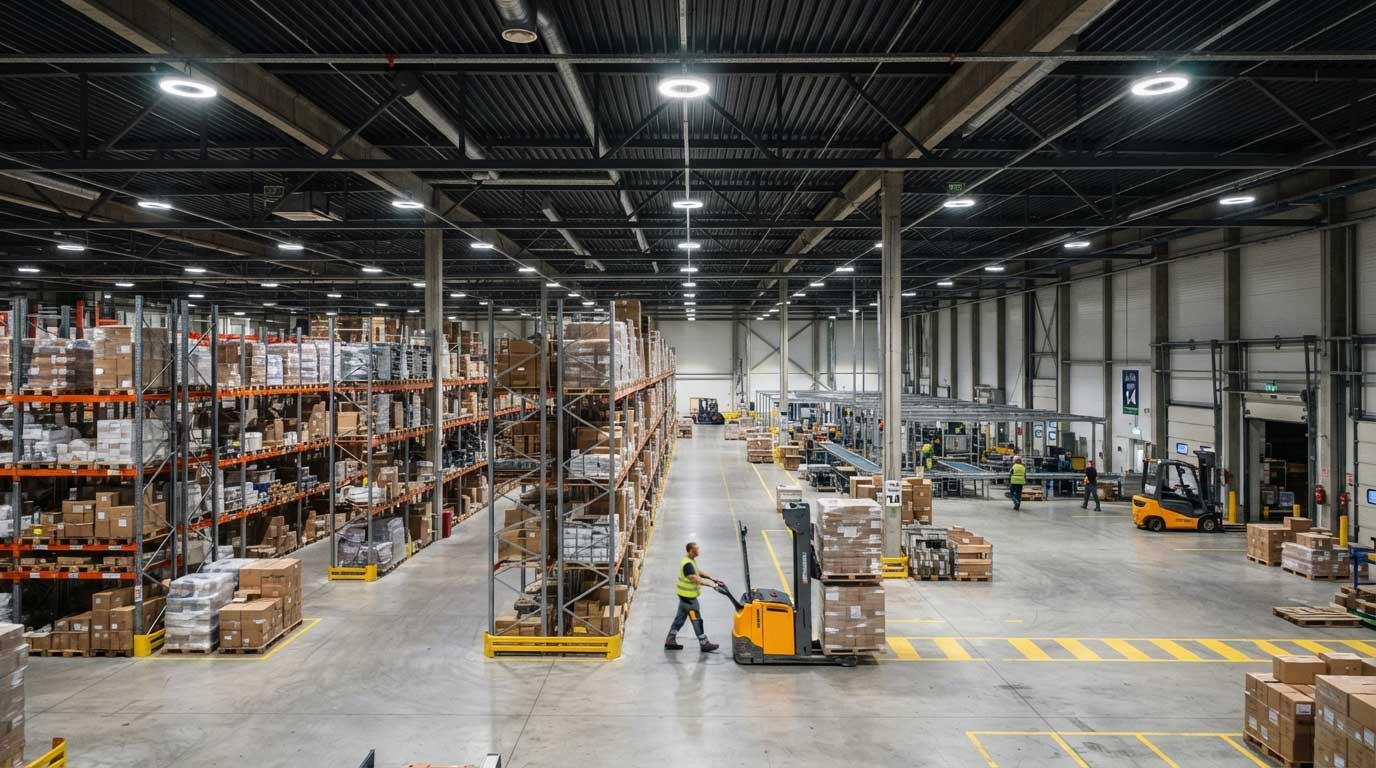
High bay lights are used wherever large indoor spaces need reliable and efficient lighting.
Warehouses often require strong vertical illumination because workers need to identify products, labels, and storage areas.
LED high bay lights help provide:
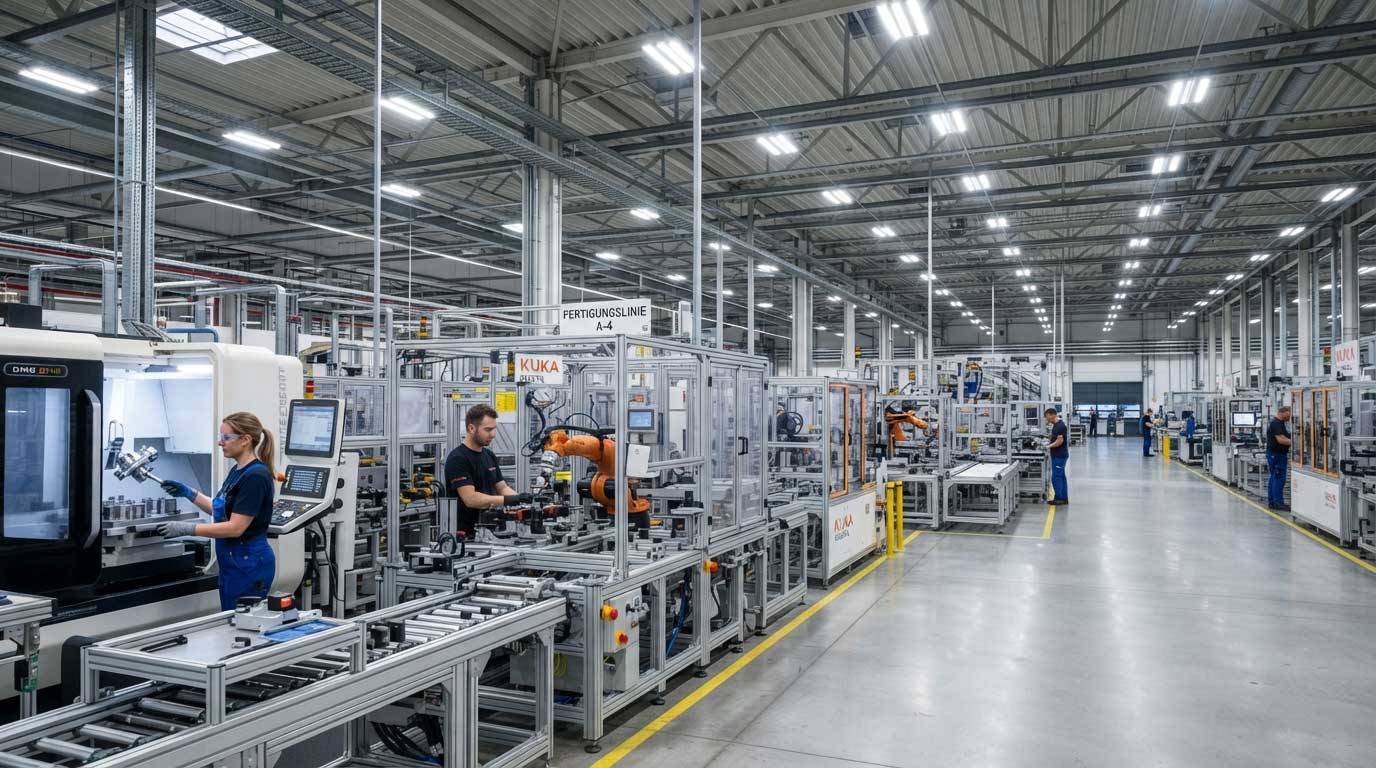
Factories depend on consistent lighting for:
Poor lighting can affect accuracy and workplace safety.
Large retail spaces, exhibition halls, and indoor sports facilities often use high bay lighting because it provides wide-area coverage.
The Illuminating Engineering Society (IES) provides professional lighting recommendations based on application type, visual tasks, and environmental requirements.
Source: Illuminating Engineering Society Official Website
Knowing what are high bay lights is only the first step. Selecting the correct fixture requires evaluating the actual installation environment.
At SEEKINGLED, we have reviewed industrial lighting projects where two buildings with the same floor area required completely different high bay solutions. A warehouse with 40-foot storage racks needs different light distribution compared with an open production workshop.
Before choosing high bay lights, consider:
| Selection Factor | Why It Matters |
|---|---|
| Ceiling height | Determines required lumen output |
| Floor layout | Influences fixture positioning |
| Working activities | Defines required brightness |
| Beam angle | Controls light coverage |
| Environment | Determines protection level |
A professional lighting design normally evaluates:
This avoids common mistakes such as installing too many fixtures, creating glare, or leaving dark areas.
The number of high bay lights required depends on several variables. There is no fixed quantity based only on building size.
A general calculation method is:
Required fixtures = Total required lumens ÷ Lumens produced by one high bay light
Example:
A 10,000-square-foot warehouse may require approximately:
However, the final number changes depending on:
For industrial projects, lighting designers often use simulation tools to predict illumination levels before installation.
The goal is not simply adding more lights. The goal is achieving balanced illumination with reasonable energy consumption.
Modern LED high bay lights have replaced many traditional industrial lighting systems because they offer better efficiency and reliability.
One of the biggest advantages of LED high bay lighting is reduced power usage.
Example comparison:
| Lighting Type | Typical Power |
|---|---|
| 400W Metal Halide | 400 watts |
| LED High Bay Replacement | 100W–240 watts |
For facilities operating lighting for many hours each day, this difference can significantly reduce electricity costs.
The U.S. Department of Energy reports that LED lighting products generally use less energy and have longer lifetimes than traditional lighting technologies.
Source: U.S. Department of Energy LED Lighting Information
Industrial environments often have difficult maintenance conditions. Replacing fixtures installed at high ceilings requires additional labor and equipment.
Quality LED high bay lights commonly provide:
For warehouses and factories operating continuously, longer service life means fewer production interruptions.
Lighting quality directly influences working conditions.
Properly designed high bay systems help:
A well-lit production area allows workers to inspect products, operate machinery, and move materials more efficiently.
Wattage does not always represent actual brightness.
A 150W fixture from one manufacturer may produce fewer lumens than another 150W model because LED efficiency and optical design are different.
Always compare:
A fixture designed for a 20-foot ceiling may not perform well at 40 feet.
Higher installations require:
Different facilities have different requirements.
For example:
SEEKINGLED develops industrial LED lighting solutions for warehouses, factories, and commercial applications.
Our high bay lighting products focus on:
Through practical project experience, we understand that successful industrial lighting depends on more than product specifications. The fixture must match the real working environment.
From small workshops to large distribution centers, SEEKINGLED helps customers create efficient lighting systems designed for long-term operation.
High bay lights are used for large indoor spaces with high ceilings, including warehouses, factories, workshops, logistics centers, and sports facilities.
High bay lights are typically used for ceilings around 15 feet or higher. Industrial buildings with 20–60 feet ceilings commonly use these fixtures.
Yes. LED high bay lights usually provide higher efficiency, longer lifespan, and lower maintenance costs compared with metal halide or fluorescent systems.
LED high bay lights commonly produce between 13,000 and 36,000 lumens depending on wattage, design, and application requirements.
Quality LED high bay lights typically provide 50,000 hours or more of operation depending on temperature conditions and product quality.
Most high bay lights are designed for indoor applications. Outdoor industrial lighting requires fixtures with suitable waterproof and environmental protection ratings.
Understanding what are high bay lights helps businesses choose the right lighting solution for large industrial spaces.
High bay lights are designed specifically for high ceilings where powerful, controlled illumination is required. With modern LED technology, they provide better efficiency, longer service life, and improved workplace visibility.
SEEKINGLED provides professional LED high bay lighting solutions for warehouses, factories, and commercial buildings, helping customers achieve reliable and energy-efficient industrial lighting performance.
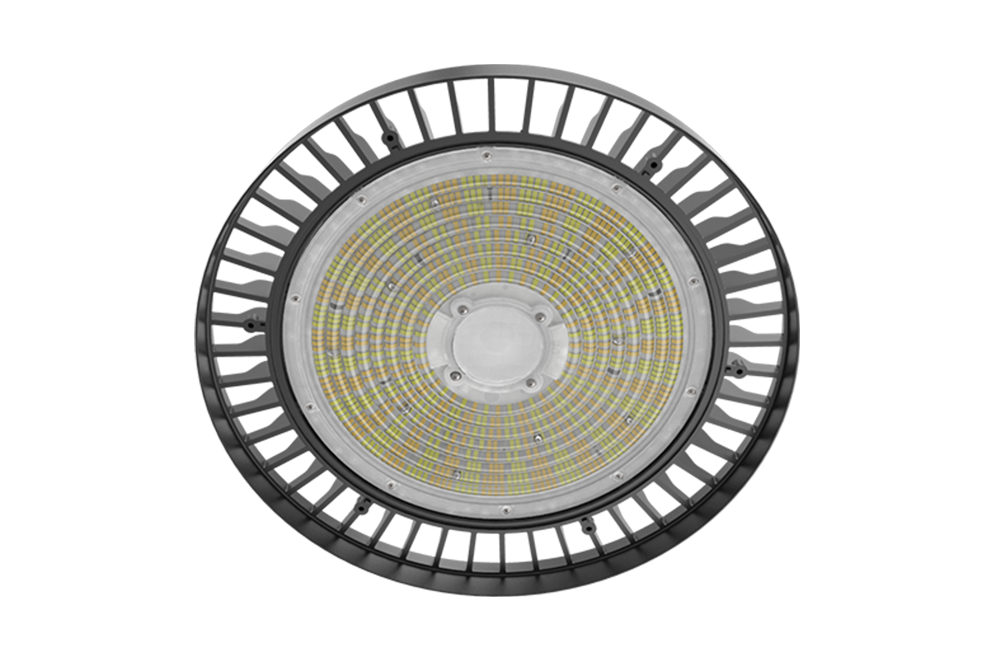
The SEEKING HBC-T Series high bay lights LED offer long-lasting performance for warehouses, production plants and logistics centers. Durable IP65 & IK08 housing, 60°/90° beam angles, up to 150 lm/W, and a lifespan beyond 100,000 hours. Ideal for airport halls, commercial storage, construction sites and large indoor spaces.
View details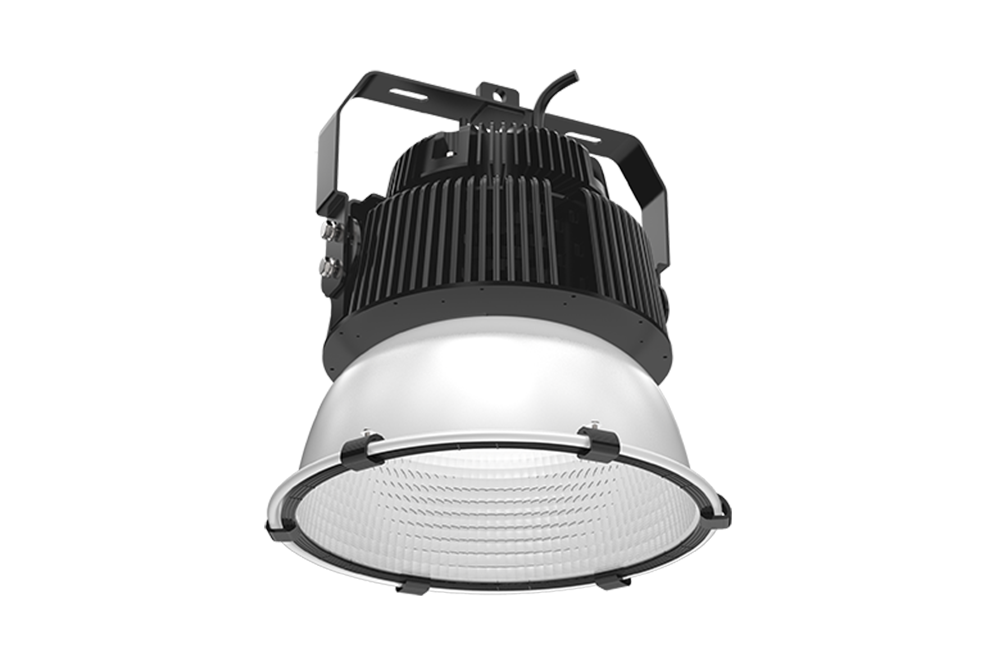
The SEEKING HBS Series LED UFO high bay light delivers 140 lm/W efficiency, IP65 protection and MEAN WELL drivers. A durable high-rise lighting solution for factories, warehouses and commercial halls.
View details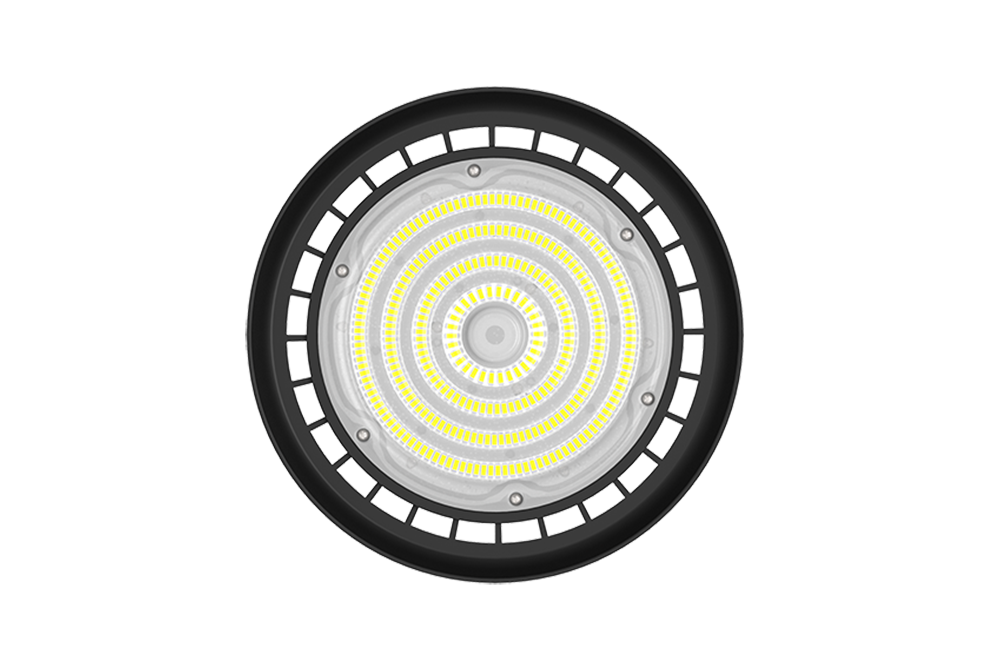
SEEKING HBD Series LED high bay lighting delivers 160 lm/W efficiency, IP66 protection, and long 100,000-hour lifespan. A durable UFO high bay solution for warehouses, workshops, logistics centers and commercial facilities.
View details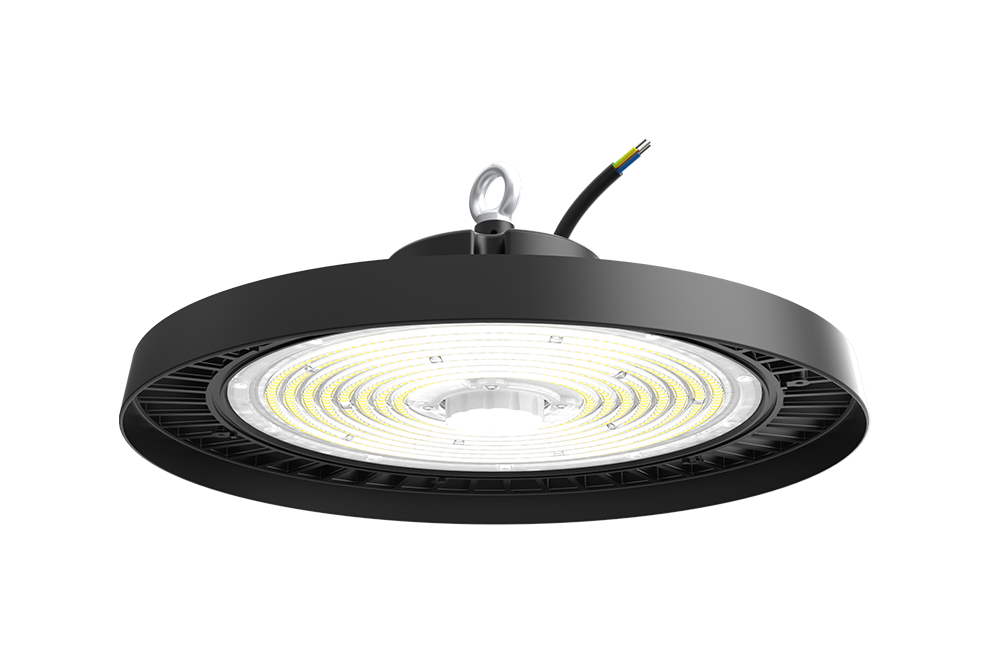
The SEEKING HBC Series high bay LED light fixtures combine strong efficiency, practical design and reliable SOSEN drivers. A durable UFO high bay lighting option for warehouses, workshops and wholesale projects.
View details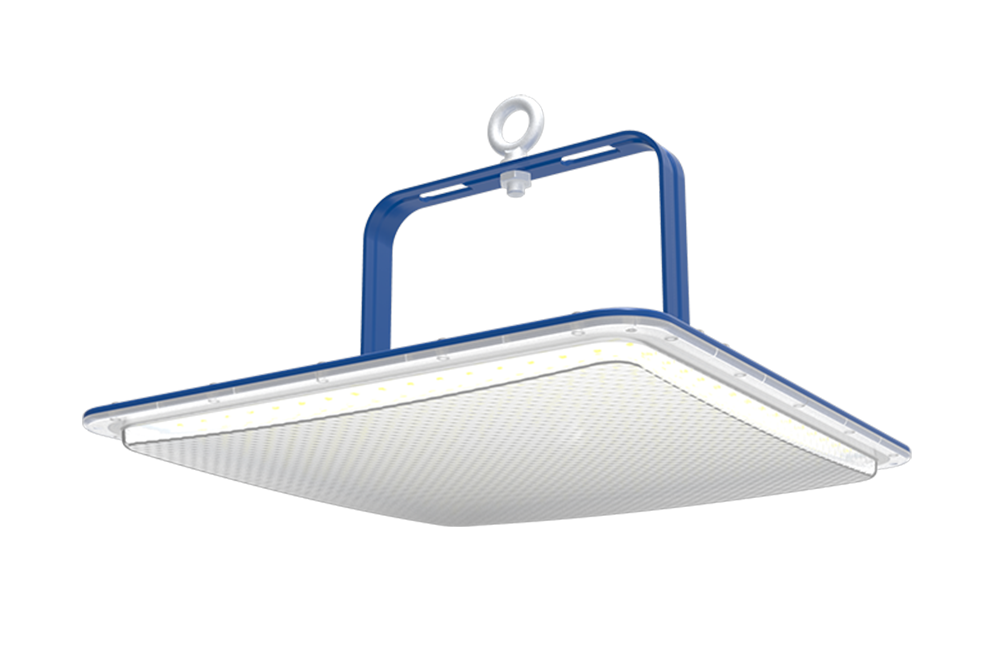
The SEEKING GSL Series high bay LED light delivers powerful, efficient lighting for industrial and commercial spaces. With IP65 protection, flexible mounting, and up to 140 lm/W performance, it’s ideal for warehouses, workshops, and retail areas.
View details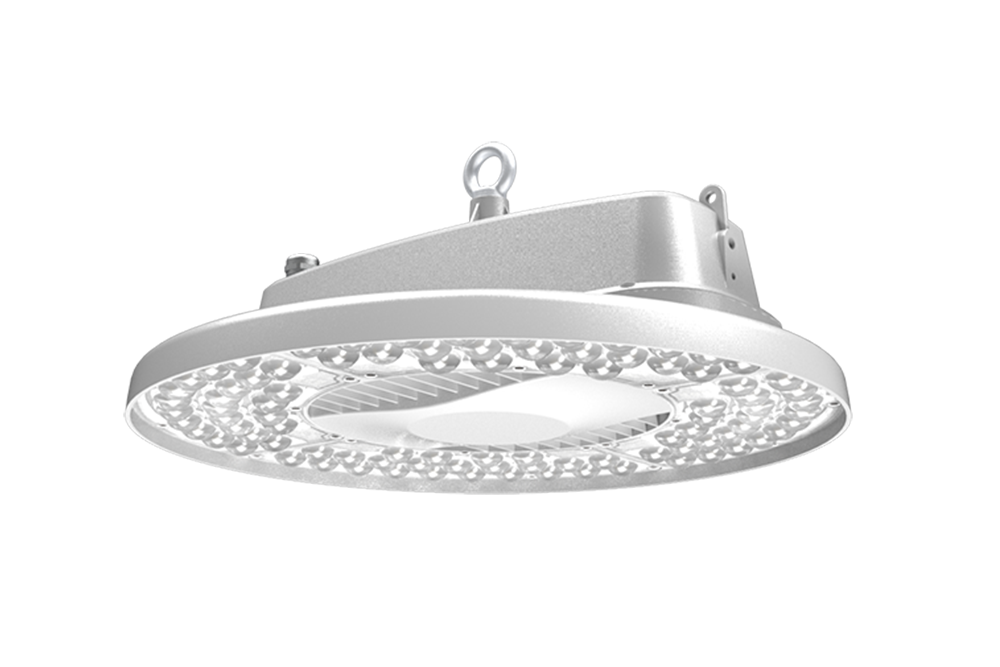
The SEEKING HB15(GLE) Series delivers advanced high bay led lighting with UGR 100,000 h) and reliable illumination for demanding commercial environments.
View details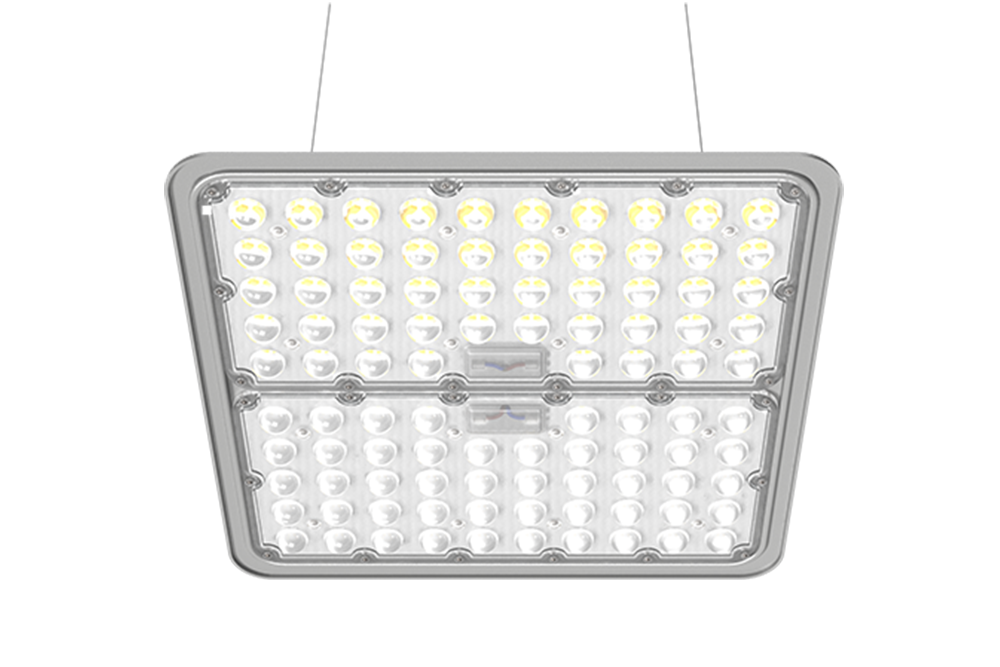
Discover the SEEKING HB13(GLK) Series ufo led high bay light, engineered for sports halls, airport lounges, showrooms, and large commercial spaces. UGR 100,000 h). Ideal for industrial ufo high bay lighting fixtures and commercial retrofits.
View details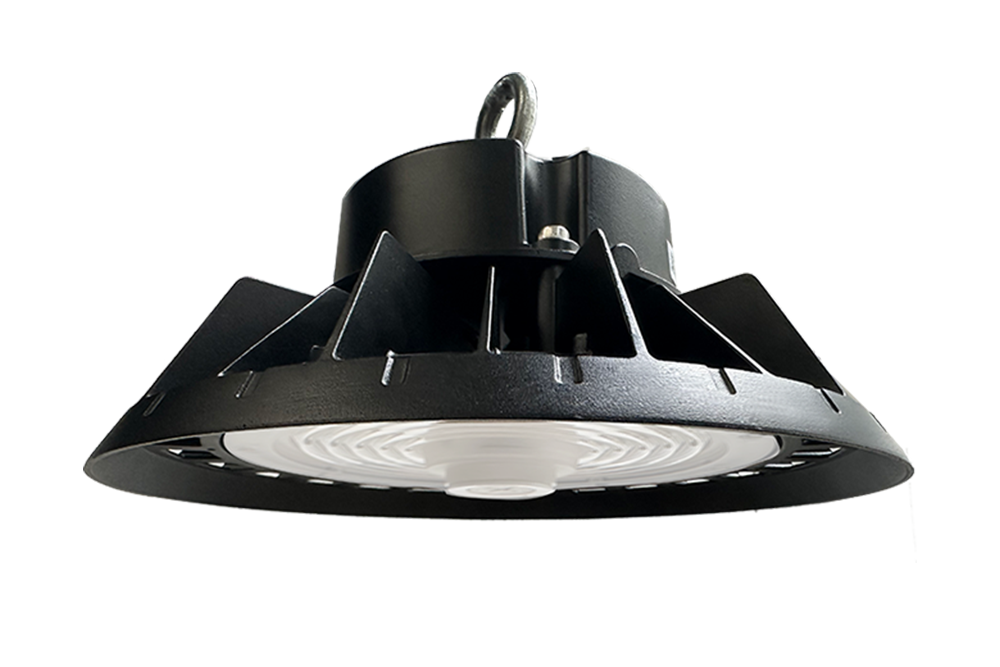
SEEKING HBF Series offers industrial LED high bay lighting with up to 200lm/W efficiency, SOSEN flicker-free driver, IP65 protection and optional microwave motion sensor. Ideal for warehouses, factories and commercial distribution projects.
View details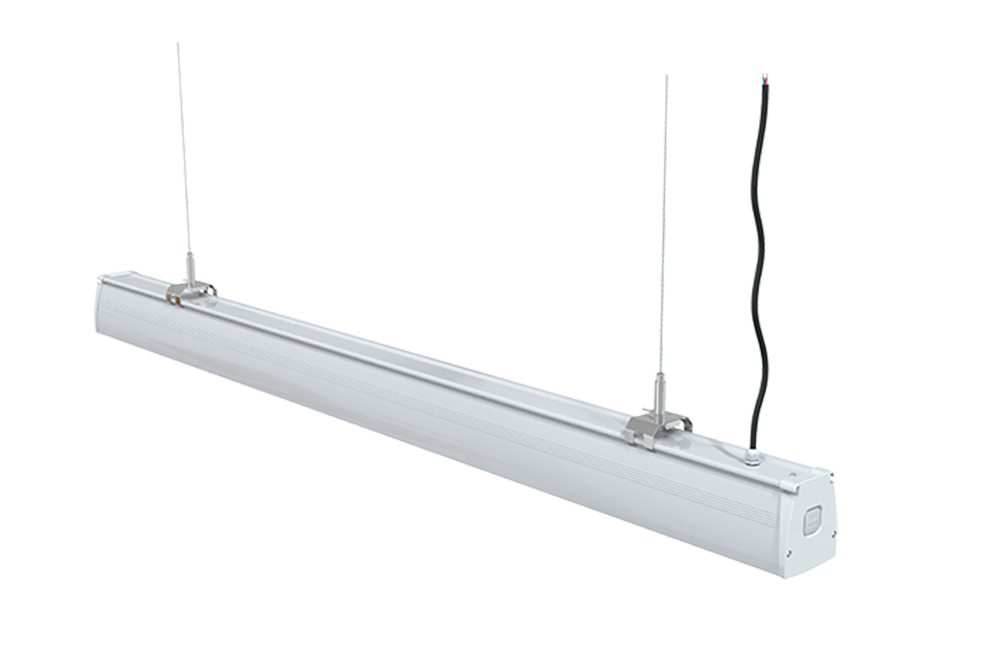
The HLD Series linear high bay LED lights from SEEKING deliver up to 200 lm/W with multiple beam angles and adjustable CCT options for warehouse, workshop, corridor and general industrial lighting.
View details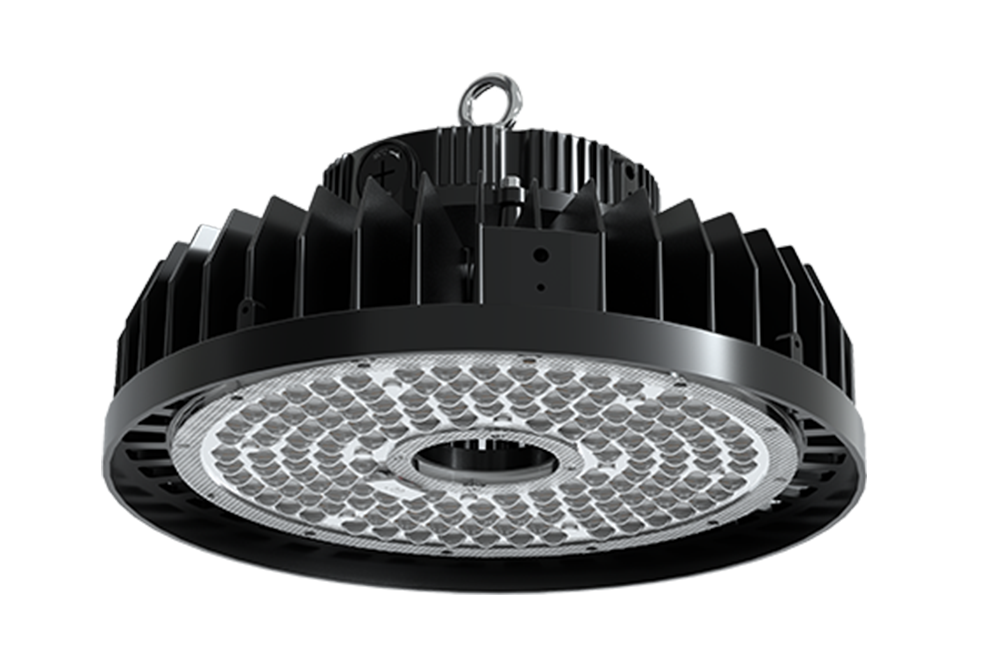
The HBK Series LED high bay light by SEEKING combines 500W power, 160–175 lm/W efficiency and IP65 durability for heavy-duty industrial lighting. Designed for warehouse, factory and production facilities with demanding ceiling heights.
View details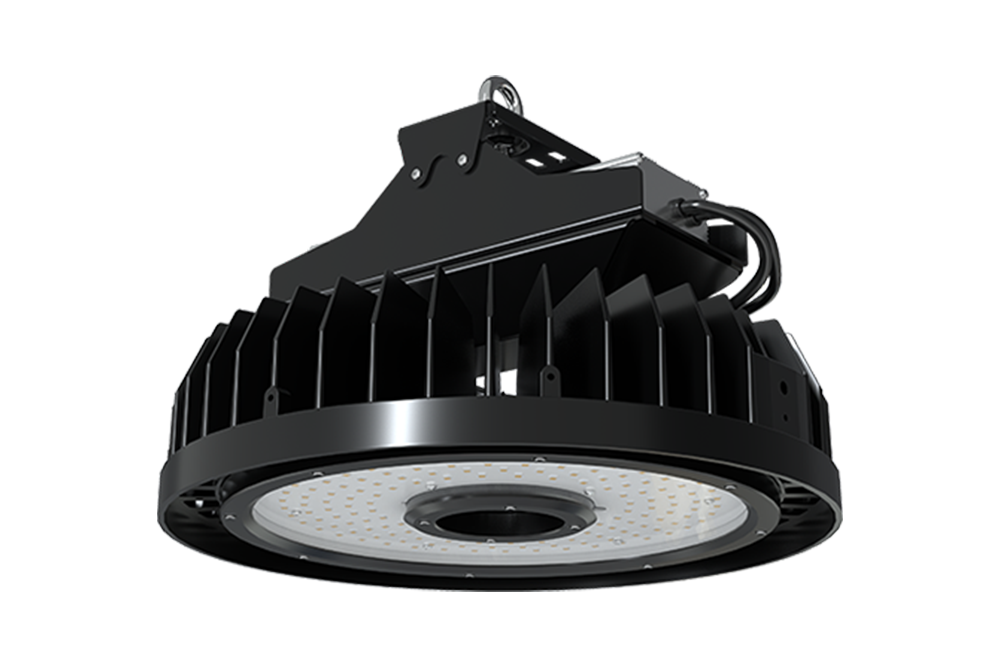
LED high bay lights engineered for extreme heat and low-temperature industrial sites. SEEKING HBK Ultua Series operates from -40°C to +70°C with Nichia LEDs and Inventronics driver.
View details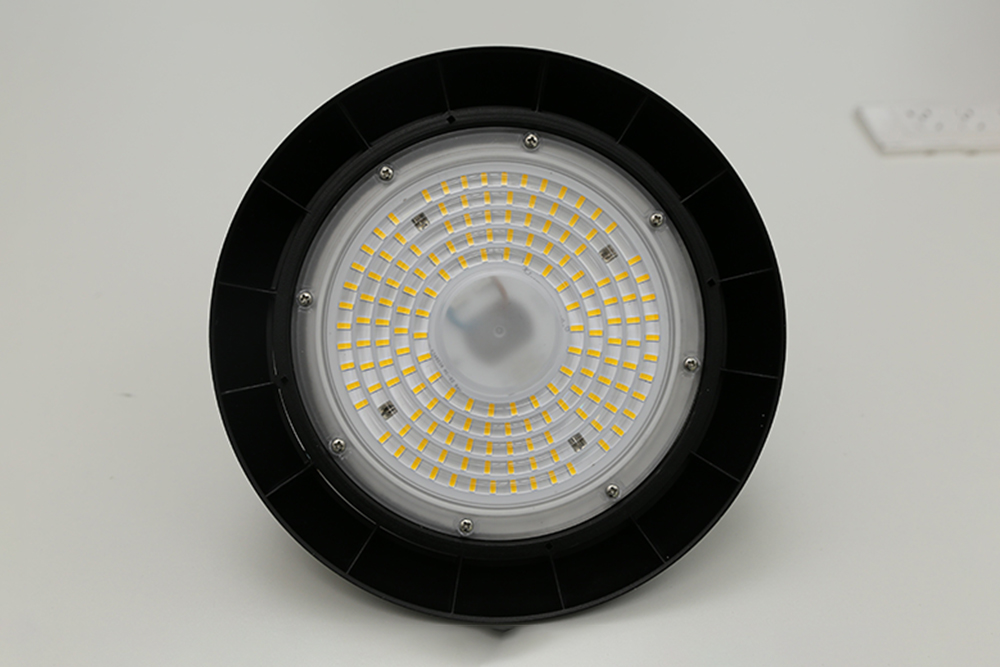
High bay LED lights built for warehouses, production plants and wholesale distribution. SEEKING HBI Series offers up to 200lm/W, IP65, IK08 and optional microwave motion sensor for energy saving operation.
View details
Learn how to stop my high bay LED lights from flickering by identifying wiring, driver, and control issues. Field-based guidance from SEEKINGLED.
View details
Explosion proof temporary lighting for hazardous zones. Learn how certified portable systems ensure safe shutdowns, maintenance, and emergency operations.
View details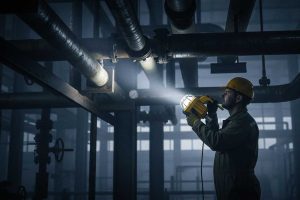
What is an explosion-proof LED work light? Learn how it works, where it is used, and why certified explosion-proof LED work lights are critical for hazardous environments.
View details
For most backyards, 700–1,300 lumens is a practical starting range; larger yards or higher mounting may need 2,000–3,000+ lumens.
View details