The question “how many amps does a led light use?” usually appears when someone is planning a circuit, upgrading lighting, or trying to understand how much electrical load a building will actually carry.
And at first glance, the answer looks easy.
Take the wattage of the light. Divide it by the voltage. Done.
But once you start installing real fixtures in real buildings, you notice the numbers don’t always line up perfectly with the calculator. Close, yes. Exact, not always.
Let’s break it down in a practical way.
The Simple Electrical Formula
The current used by any electrical device is based on a relationship described by Ohm’s Law.
The formula is:
Amps = Watts ÷ Volts
So if you want to estimate how many amps a LED light uses, you simply divide the power rating of the light by the supply voltage.
For example:
- 10W LED bulb at 120V → about 0.08 amps
- 50W LED light at 120V → about 0.42 amps
- 100W LED fixture at 120V → about 0.83 amps
If the system runs on 240V, the current drops roughly in half because the voltage is higher.
So technically, LED lighting uses very little current compared with traditional lighting systems.
But that’s only the starting point.
Why the Measured Current Isn’t Always Exactly the Same
During an installation I worked on a few years ago, we were replacing older high-pressure sodium lights in a warehouse with LED fixtures.
The spec sheet said each new light consumed about 100 watts. Using the formula, that should have meant roughly 0.83 amps at 120V.
When we actually checked the circuit using a clamp meter, the current reading was slightly higher.
Not dramatically higher. But enough for someone to ask why.
The reason is the LED driver.
LED lights contain electronic drivers that convert AC power into the stable current LEDs require. Those drivers are not perfectly efficient, and they also introduce something called power factor. Because of that, the real current draw can be slightly above the basic theoretical value.
In other words, the calculation gives you a solid estimate. The meter tells the final story.
Typical Amp Usage of Common LED Lights
Once you see enough projects, some patterns appear. Most LED lights fall roughly into these current ranges:
- 10–15W LED bulbs: around 0.08–0.12 amps at 120V
- 30–50W LED fixtures: around 0.25–0.45 amps
- 100W LED lights: roughly 0.8–1 amp
- 200W outdoor fixtures: around 1.6 amps
These numbers are not exact rules, but they are realistic working estimates electricians often use when planning circuits.
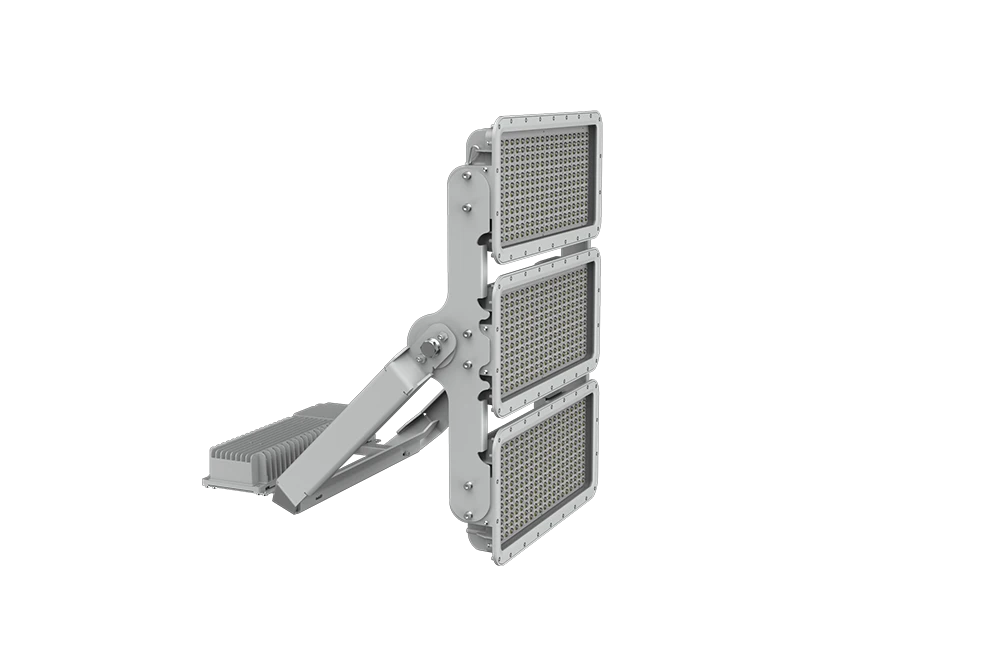
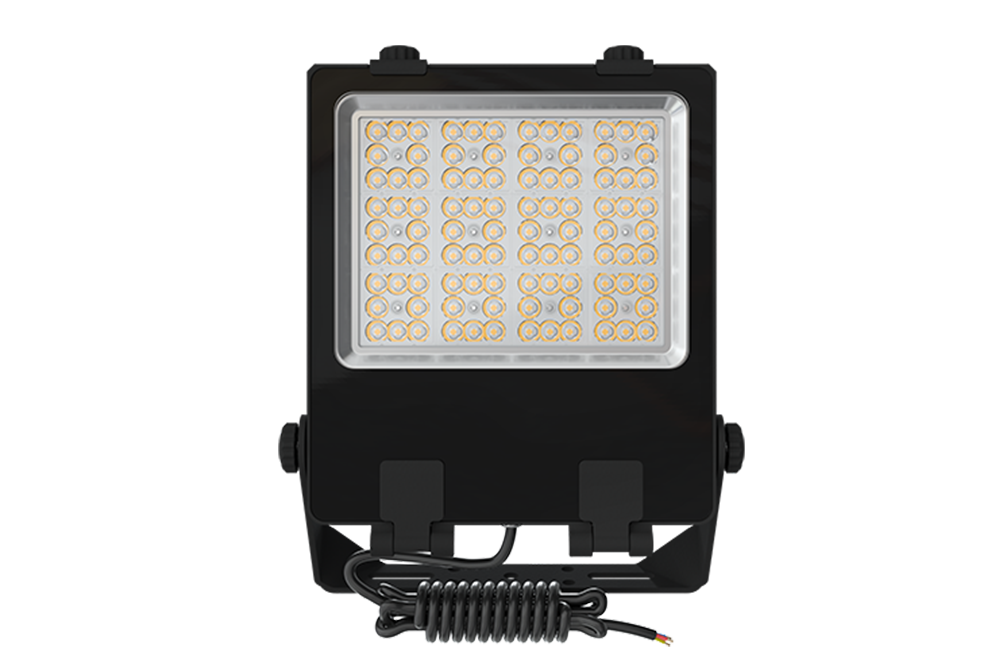
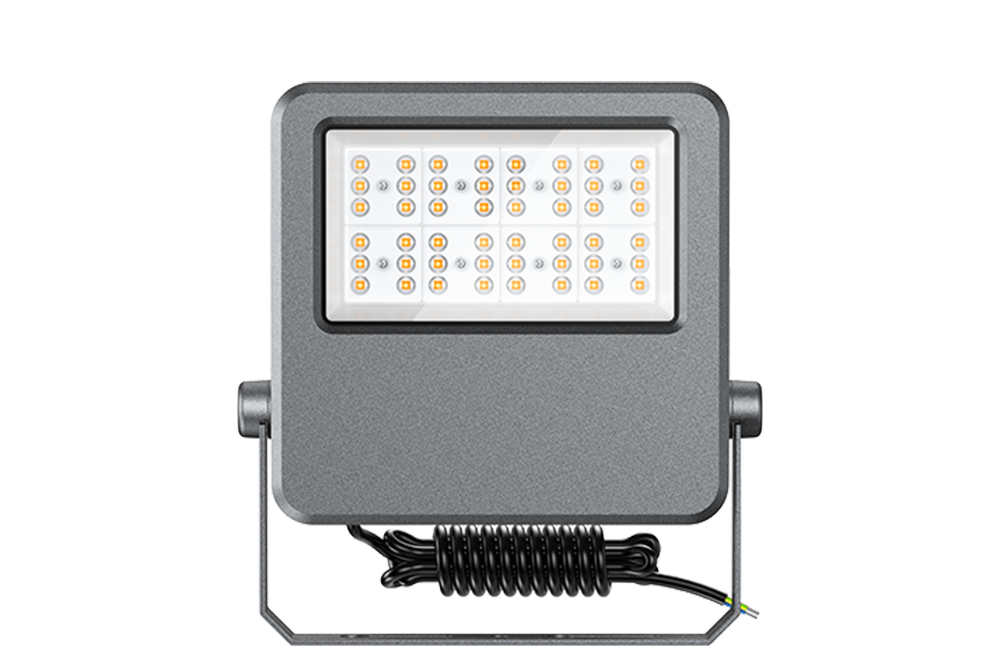
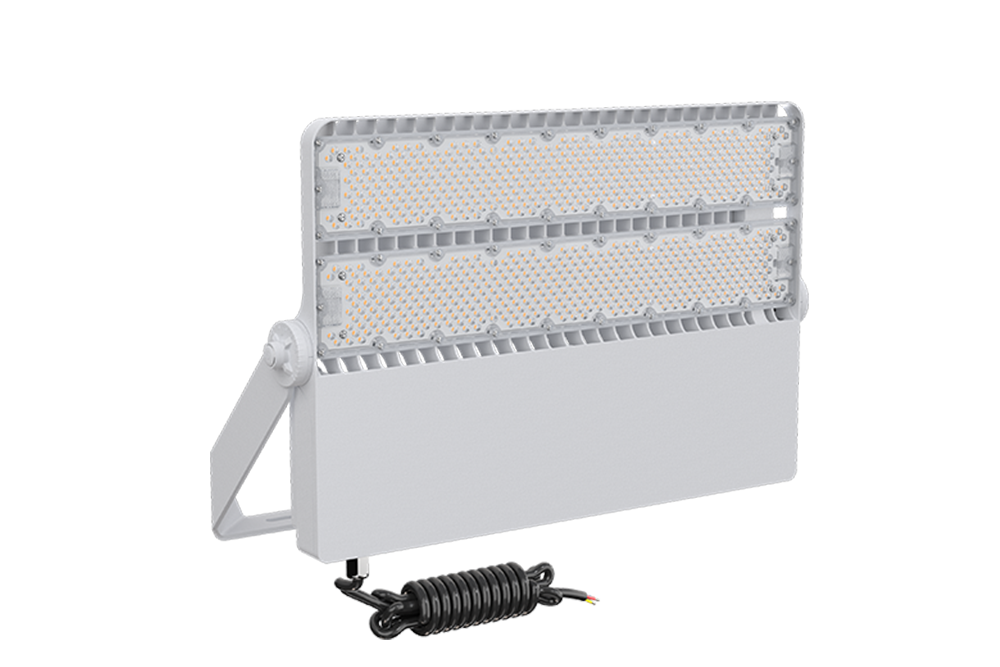
The reason LED Flood Light stay so low in current is efficiency. According to the U.S. Department of Energy, LED lighting systems can reduce energy consumption by 50–75% compared with traditional lighting technologies.
Less energy use means less current flowing through the wiring.
That’s good news for both power bills and electrical infrastructure.
Why This Matters for Circuit Design
When someone asks how many amps does a led light use, what they usually want to know is how many lights can safely run on one circuit.
Imagine a 15-amp circuit, which is very common in residential and commercial buildings in the United States.
If each LED light draws about 0.8 amps, you could theoretically install more than 15 fixtures on that circuit. But electricians typically avoid pushing circuits to the limit. Safety margins matter.
Organizations such as the National Electrical Manufacturers Association emphasize safe electrical load practices in equipment standards and installation guidelines.
So in practice, the usable number of fixtures is lower than the theoretical maximum.
Still — LED lighting dramatically reduces the total load compared with older technologies.
More answers
What We See in Real Lighting Projects
At SEEKINGLED, many customers switching from older lighting systems ask the same question about current draw. They expect complicated calculations.
The reality is usually simpler.
LED fixtures consume far less electricity than most traditional lamps, which means the amp draw is smaller, circuits run cooler, and installations become easier to manage.
So when someone asks how many amps does a led light use, the honest answer is: not much. Usually far less than people expect.
And once an entire building converts to LED lighting, the difference in electrical load becomes obvious almost immediately.
LED flood light Recommendations
 Seeking LED