 Seeking LED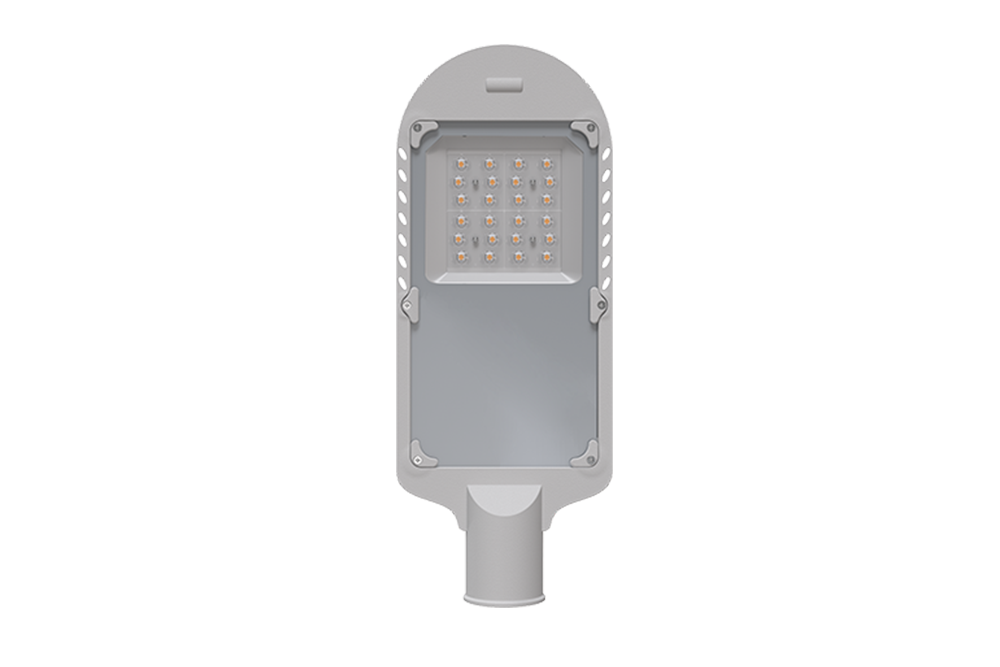
explosion proof led linear lighting
0Explosion proof LED linear lighting ensures safe, uniform illumination in hazardous areas. Learn certifications, design, and real-world applications with SEEKINGLED.
View detailsSearch the whole station
When people discuss LED for street lighting, the conversation usually starts with efficiency figures and ends with warranty years. That’s understandable. But out on real roads, neither of those things tells the full story.
I’ve worked in street and outdoor lighting projects for over 15 years, mostly on municipal roads, industrial access routes, and mixed-use developments across Europe and North America. During that time, I’ve seen excellent LED systems fail early—and modest ones quietly run for a decade without intervention.
The difference was never marketing claims. It was design discipline.
This is the mindset behind how SEEKINGLED approaches LED for street lighting.
Street lighting doesn’t get turned off. It doesn’t get cleaned often. And when it fails, people notice immediately.
From experience, most problems with LED street lighting don’t come from the LEDs themselves. They come from:
Once installed, street lights are expected to work quietly, night after night. There’s very little tolerance for adjustment or failure.
By Daniel R., Senior Outdoor Lighting Engineer (15+ years field experience)
When evaluating LED for street lighting, I look first at how the fixture aligns with real standards—not brochure highlights.
That last part is critical. Energy savings only matter if the system survives long enough to deliver them.
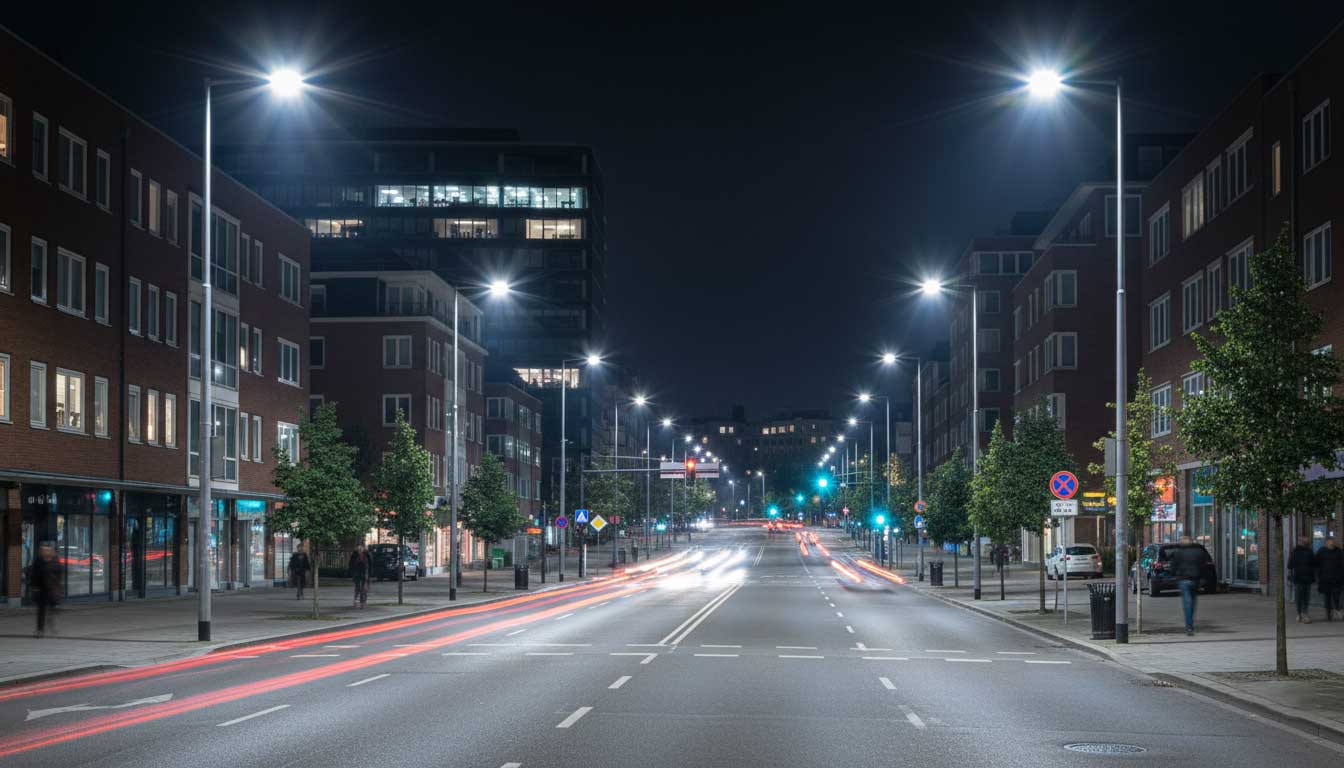
One of the most common mistakes in street lighting projects is oversizing power to compensate for poor optical control.
IES guidance makes it clear: drivers don’t need brighter light. They need even light.
Well-designed LED for street lighting uses beam control to:
In multiple retrofit projects I’ve been involved in, lowering wattage while improving optics resulted in better visibility and fewer complaints.
This is why SEEKINGLED prioritizes optical layouts over raw lumen escalation.
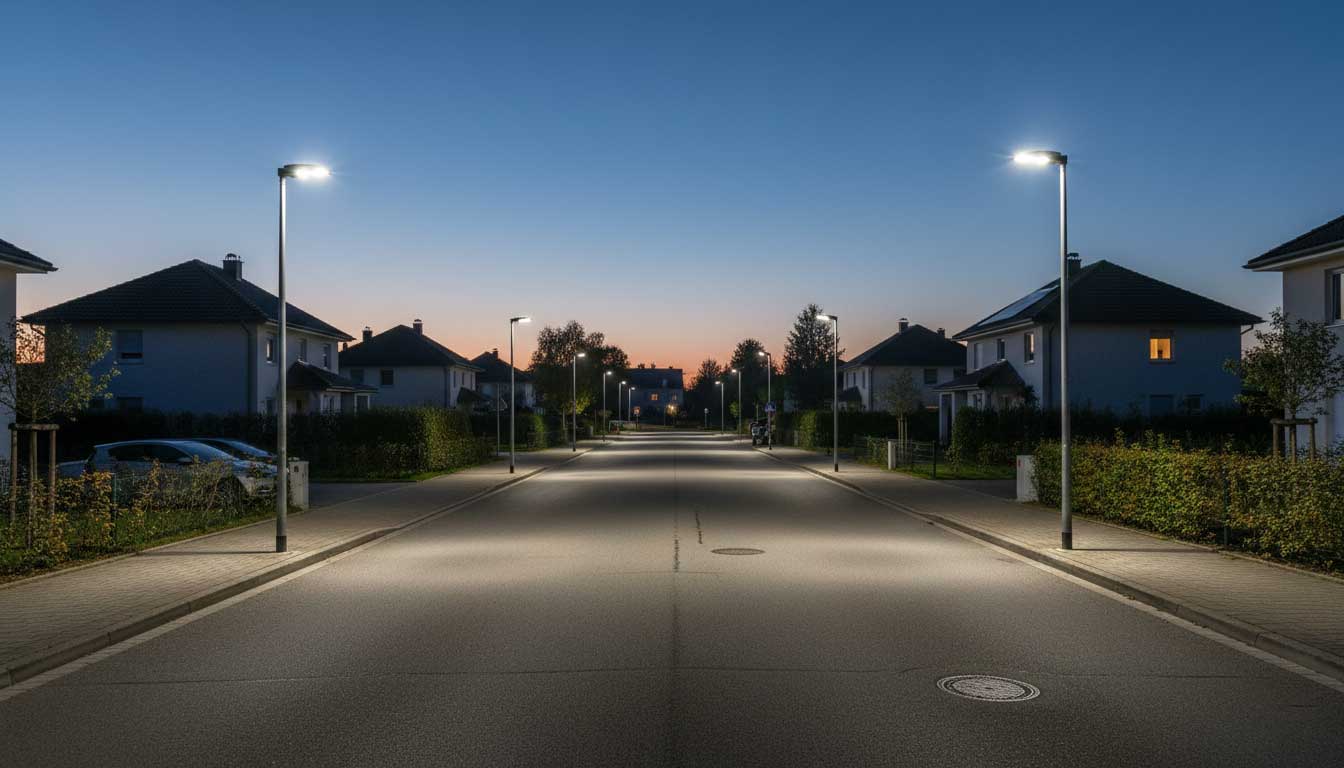
LED systems that chase maximum efficiency often run hotter and degrade faster. That tradeoff rarely appears in sales material, but it shows up in maintenance logs.
SEEKINGLED fixtures are designed to operate within thermal limits that support long-term output stability. Rated lifespans such as L80B20 >100,000 hours at 25°C, based on LM-80 and TM-21 methods, provide planners with predictable depreciation curves—not unrealistic promises.
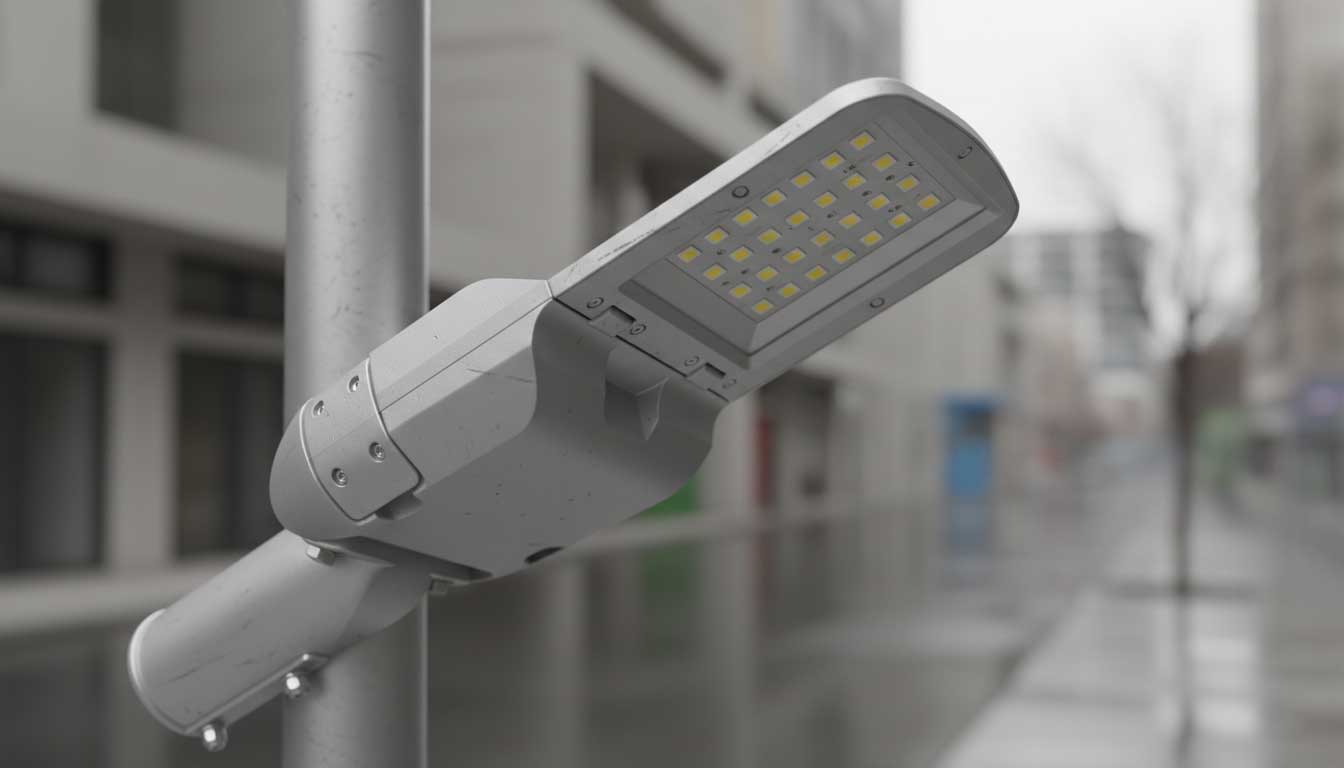
Street lighting faces rain, dust, vibration, and power irregularities as part of daily operation.
That’s why professional LED for street lighting typically includes:
These features don’t make lights brighter. They make them last.
From long-term project data, LED street lighting systems perform most reliably in:
They are infrastructure elements, not decorative fixtures.
Good LED for street lighting doesn’t draw attention to itself. It doesn’t flicker, glare, or fail after a few seasons. It simply stays on.
The SEEKINGLED approach focuses on controlled optics, stable electronics, and realistic lifetime expectations. After years of replacing failed fixtures and reviewing maintenance reports, that approach has proven to be the most reliable.
Street lighting succeeds when nobody talks about it.
And that’s exactly the point.
SEEKING STL-Series LED street lights deliver stable performance, 170 lm/W efficiency and 10KV surge protection. Ideal for city streets, parking lots, public roads and outdoor area lighting projects. Durable IP66 & IK08 design for long-term reliabi…
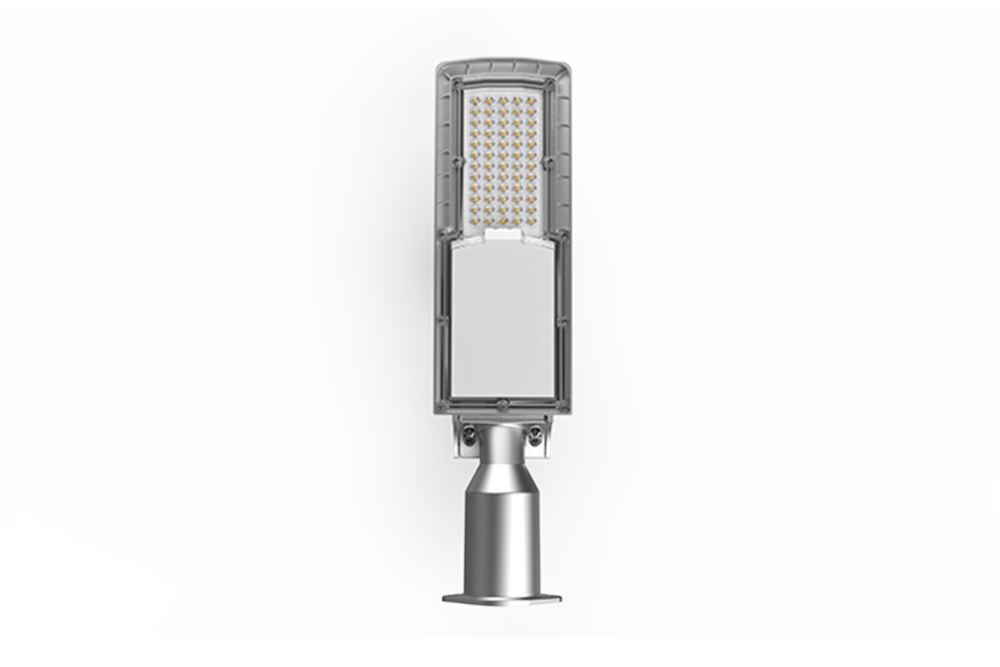
The SEEKING STC Series LED light street light delivers up to 170lm/W efficiency with MOSO drivers, IP66 protection, and a ±15° adjustable arm—ideal for roads, residential areas, and public lighting upgrades.
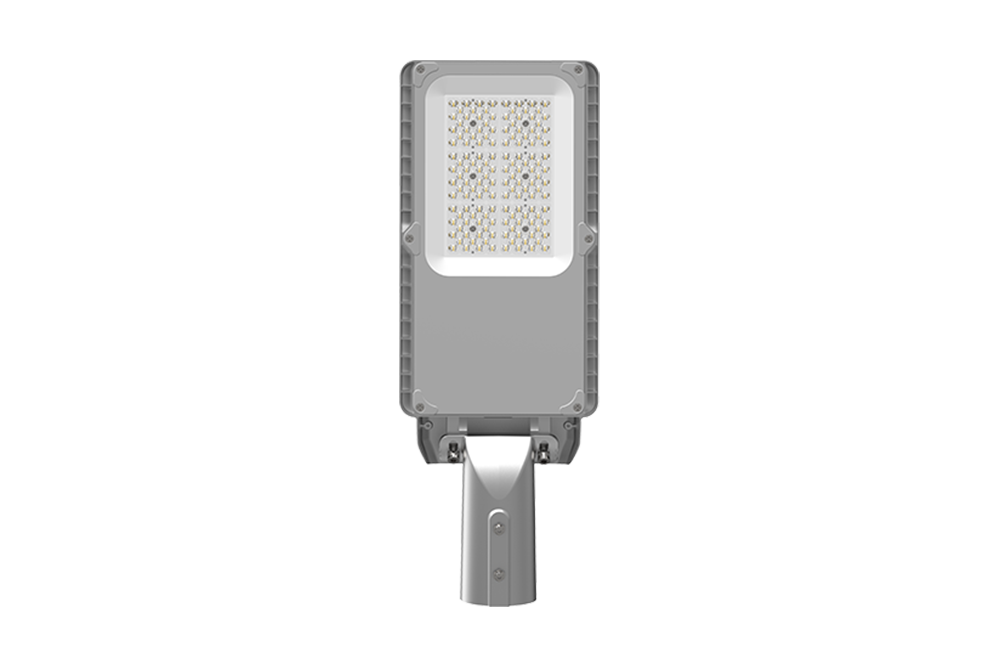
SEEKING STB Series LED street lighting delivers up to 160 lm/W, 10kV surge protection, IP66 waterproofing, and durable IK08 impact resistance. Ideal for streets, parking lots, and large outdoor areas needing long-lasting, energy-saving LED roadway…
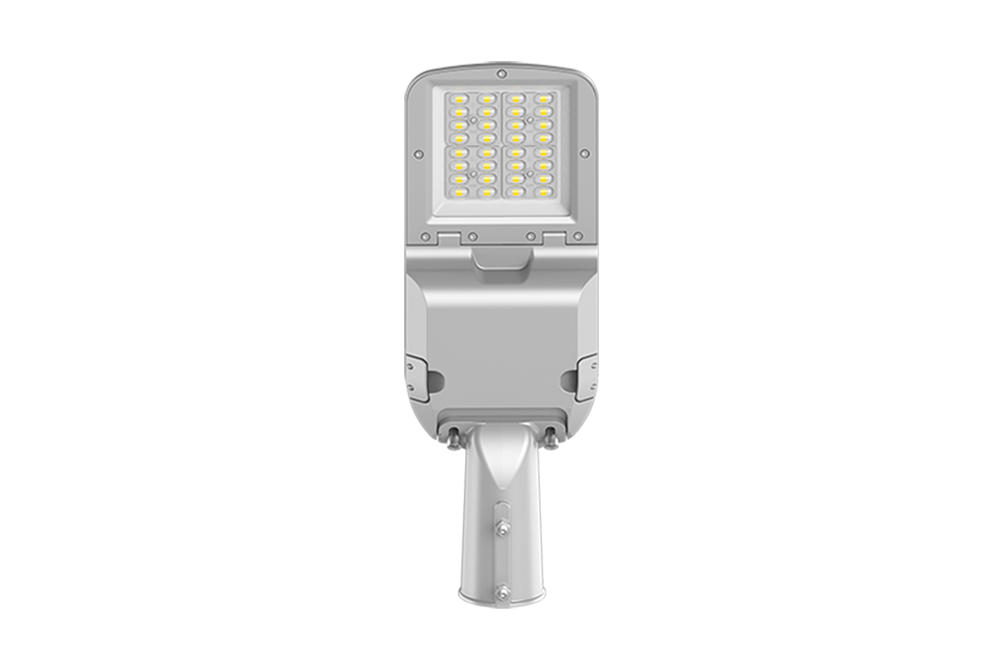
The SEEKING STA Series LED street light delivers strong efficiency, IP66 protection, 10kV surge resistance and multiple beam patterns for roads, parking lots and urban areas. High lumen output, easy installation and reliable performance for long-t…
loading…
This is the last post!
Explosion proof LED linear lighting ensures safe, uniform illumination in hazardous areas. Learn certifications, design, and real-world applications with SEEKINGLED.
View details
Which is the best LED street light for roads, parking areas, and industrial zones? Learn what really matters and how SEEKINGLED STA Series fits real projects.
View details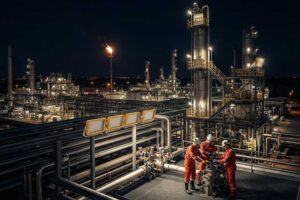
class 1 division 1 light fixtures provide certified illumination for hazardous gas areas. Explore NEC ratings, industrial applications, and engineering insights.
View details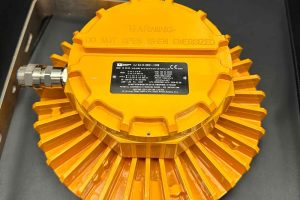
Explosion-Proof led High Bay lights engineered for hazardous areas. ATEX & IECEx certified SEEKINGLED fixtures deliver up to 150 lm/W for oil, gas, mining and heavy industry.
View details