 Seeking LED
How Bright Is a LED Flood Light?
0How bright is a led flood light? Learn real lumen output, beam range, wattage comparison, and how to choose the right LED floodlight with SEEKINGLED.
View detailsSearch the whole station
what does atex stand for? ATEX stands for “ATmosphères EXplosibles,” a French term meaning explosive atmospheres. It refers to European requirements for equipment used in areas where flammable gases, vapors, or dust may exist.
When customers ask about ATEX lighting, they often recognize the marking but not the meaning behind it. In industrial projects, I have found that understanding the abbreviation is the first step before selecting suitable hazardous area equipment.
The term ATEX is derived from the French phrase:
ATmosphères EXplosibles
Translated into English, it means:
Explosive Atmospheres
ATEX is not a product name. It is a regulatory framework used in Europe to define safety requirements for equipment and protective systems operating in potentially explosive environments.
These environments may contain:
Examples include:
Reference:
European Commission – Equipment and protective systems intended for use in potentially explosive atmospheres (ATEX)
https://single-market-economy.ec.europa.eu/sectors/mechanical-engineering/equipment-potentially-explosive-atmospheres-atex_en
ATEX was created to improve safety in workplaces where explosive atmospheres may occur.
Industrial equipment can create ignition sources through:
A normal electrical device may operate safely in a warehouse but become unsuitable in an area containing flammable gases.
ATEX requirements help manufacturers design equipment that reduces these risks.
For example, an ATEX-certified LED lighting fixture may include:
The ATEX framework mainly includes two important directives:
| Directive | Purpose |
|---|---|
| ATEX 2014/34/EU | Requirements for equipment manufacturers |
| ATEX 1999/92/EC | Workplace safety requirements for employers |
ATEX 2014/34/EU applies to manufacturers producing equipment intended for explosive atmospheres.
ATEX 1999/92/EC focuses on workplace protection, including risk assessment and hazardous area classification.
One of the most important parts of ATEX is understanding hazardous area zones.
| Zone | Meaning | Typical Location |
|---|---|---|
| Zone 0 | Explosive atmosphere exists continuously or for long periods | Inside tanks |
| Zone 1 | Explosive atmosphere may occur during normal operation | Processing areas |
| Zone 2 | Explosive atmosphere is unlikely but may occur temporarily | Areas around equipment |
The correct ATEX equipment depends on the specific zone.
In my experience working with industrial lighting applications, many installation problems happen because companies select products first and check classification later. The safer approach is the opposite: define the environment, then choose the equipment.
For lighting manufacturers, ATEX represents more than a certification label.
It affects product design from the beginning.
An ATEX lighting fixture must consider:
Industrial customers usually evaluate:
A bright fixture without the correct ATEX approval may not be acceptable for hazardous locations.
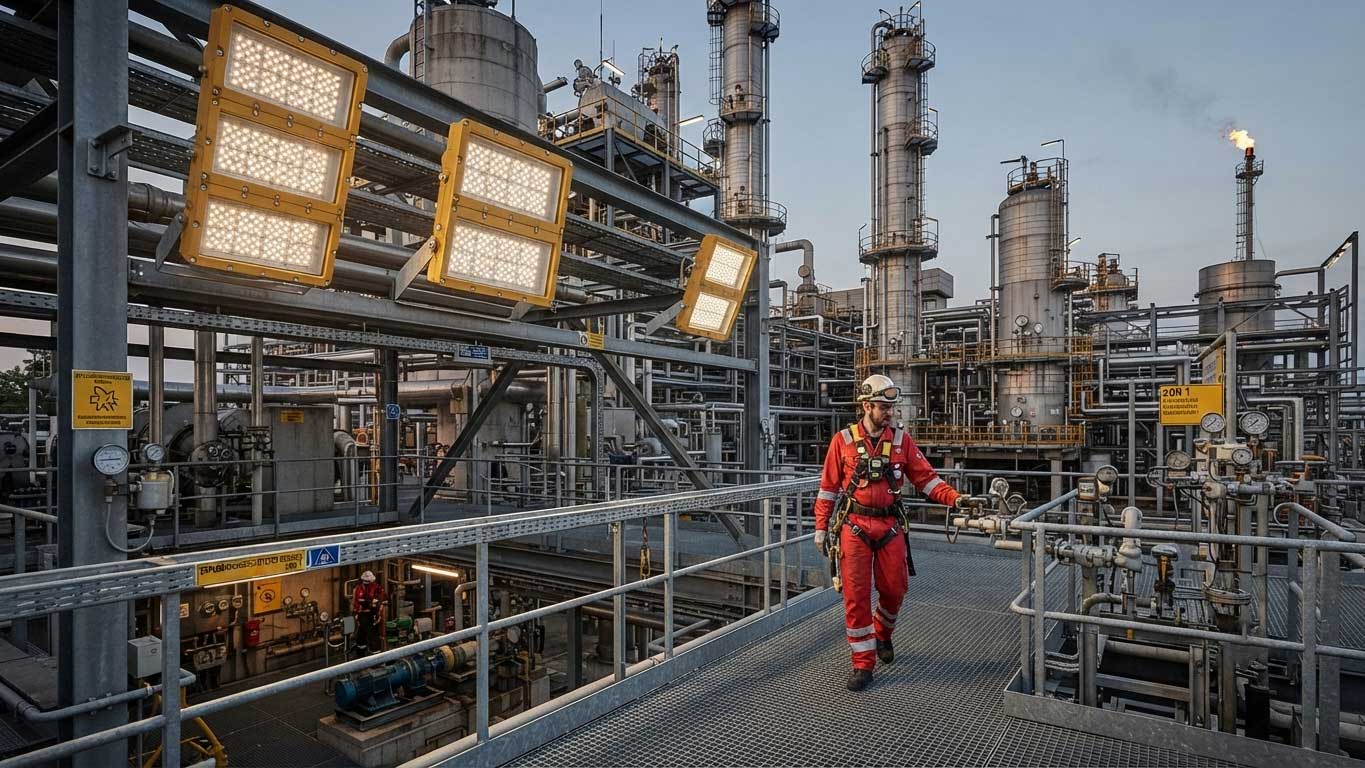
ATEX is widely recognized in Europe, but other regions use different hazardous location systems.
| Standard | Main Region |
|---|---|
| ATEX | European Union |
| IECEx | International markets |
| NEC Class/Division | United States |
| CSA | Canada |
These systems have similar goals: reducing ignition risks in hazardous environments.
However, certification requirements and classification methods are different.
During industrial lighting discussions, I often see buyers compare:
But experienced facility engineers usually focus on:
A lighting failure in a normal building may only create inconvenience.
In a hazardous area, the selection process is much stricter because every component must match the working environment.
That is why understanding what ATEX stands for is not just a vocabulary question. It connects directly to equipment safety decisions.
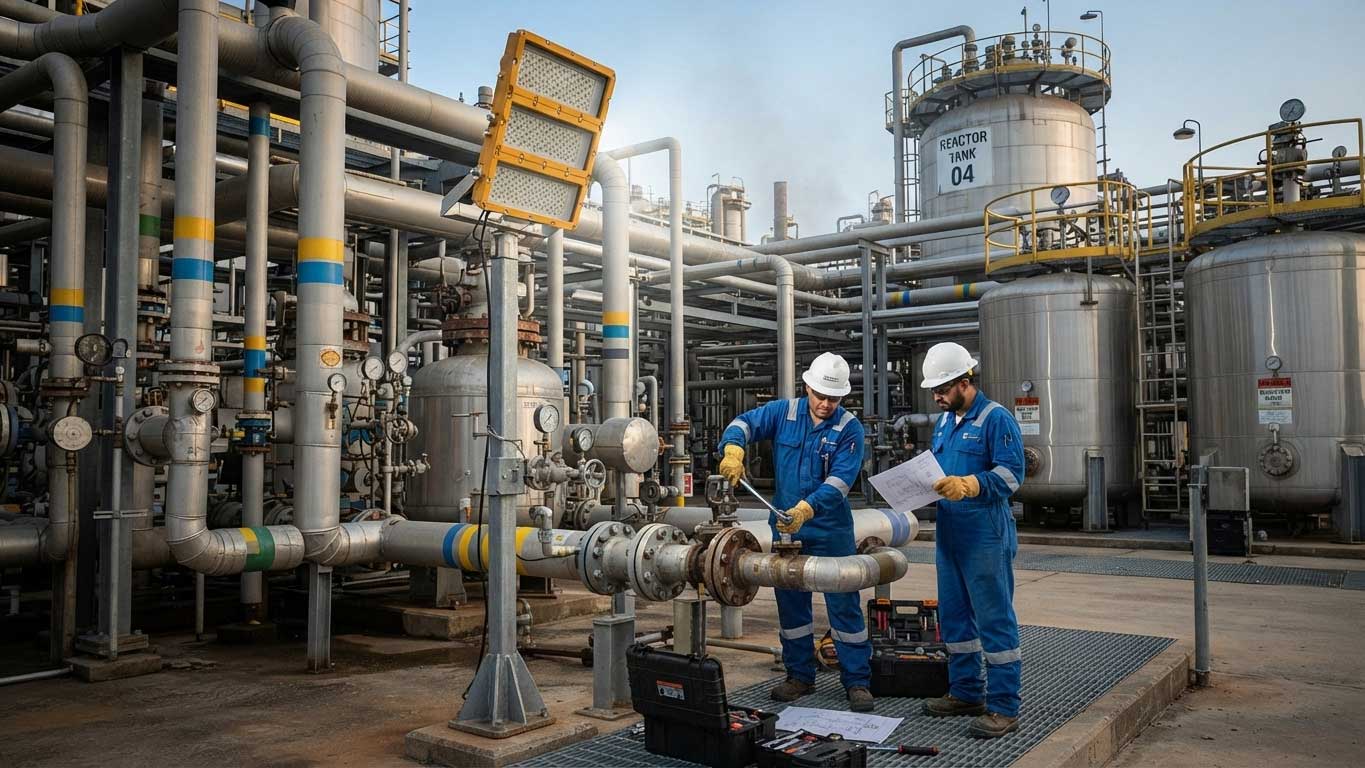
ATEX stands for “ATmosphères EXplosibles,” meaning explosive atmospheres.
ATEX is a European regulatory framework that defines requirements for equipment used in explosive environments.
Oil, gas, chemical, pharmaceutical, marine, and manufacturing industries commonly use ATEX-certified equipment.
ATEX includes explosion protection requirements, but the exact protection depends on equipment classification.Visit the product page: ATEX Explosion Proof Lighting
ATEX is mainly used in Europe, while IECEx is an international certification system.
what does atex stand for? ATEX stands for “ATmosphères EXplosibles,” describing safety requirements for equipment used in potentially explosive atmospheres.
For hazardous industries, understanding ATEX helps engineers select the correct lighting and electrical equipment for their working environment.
SEEKINGLED develops industrial lighting solutions designed for demanding applications where safety, compliance, and reliable performance are essential.
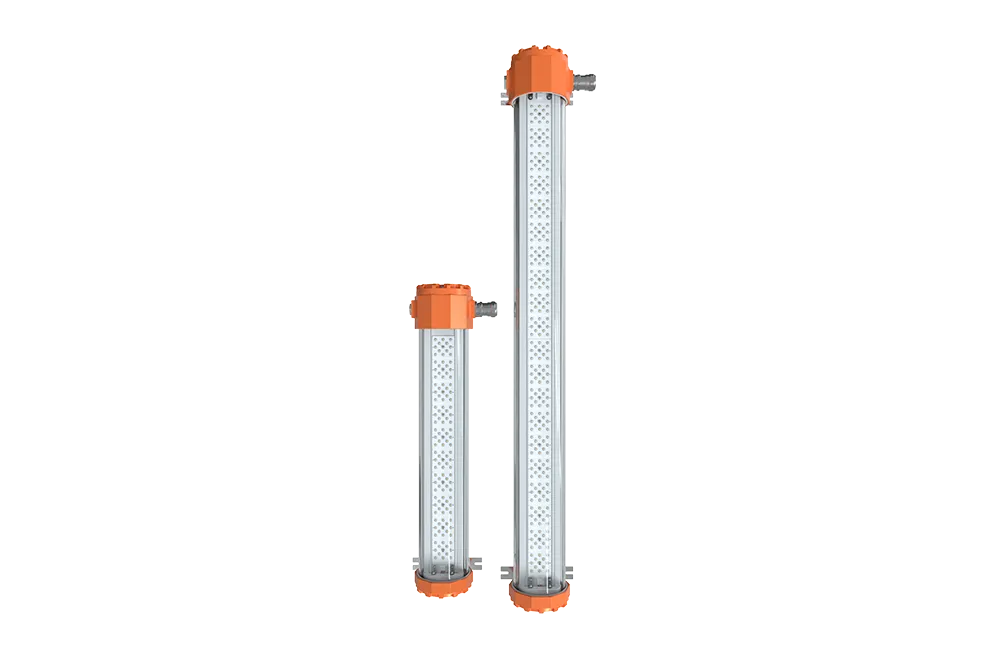
SEEKINGLED LED Linear Explosion Proof Light and Explosion Proof lighting is ATEX and IECEx certified for Zone 1, Zone 2, Zone 21 and Zone 22 hazardous locations, built for long-term industrial use.
View details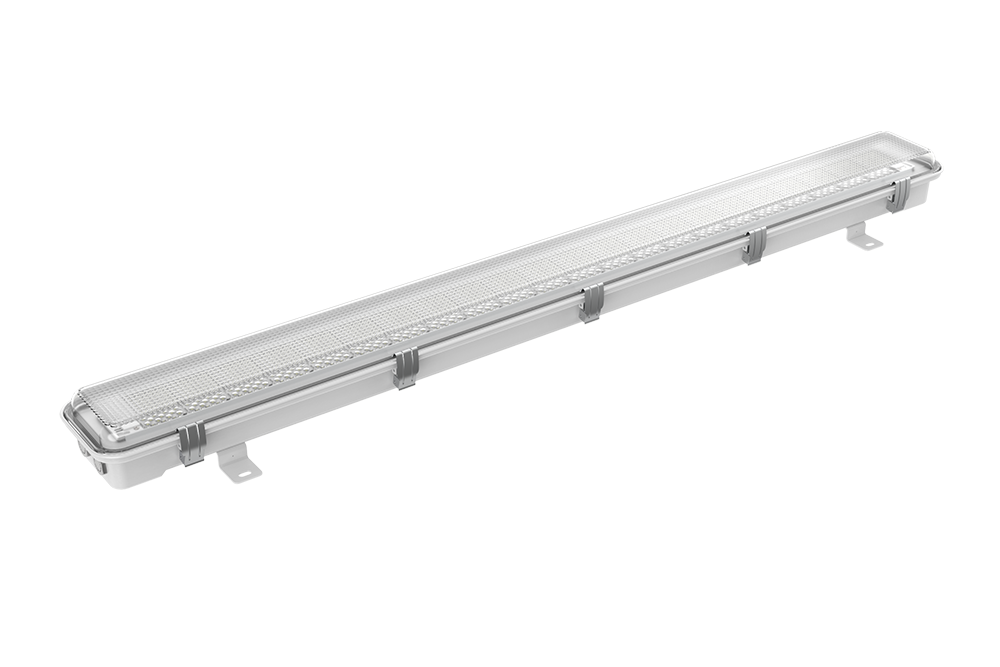
LED Linear Explosion Proof Lights and EX Proof lights for Zone 1, Zone 2, Zone 21 and Zone 22 hazardous areas. ATEX & IECEx certified explosion proof LED linear lighting with emergency function, adjustable power and IP67 protection by SEEKINGLED.
View details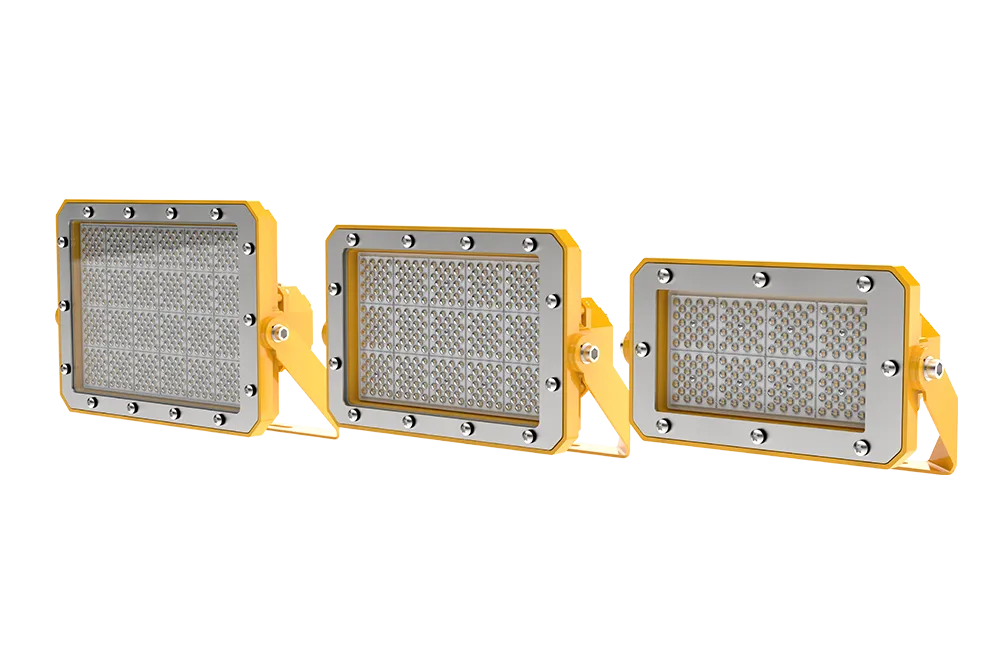
SEEKINGLED LED Explosion Proof Flood Lights are ATEX certified for Zone 2 and Zone 22 hazardous areas, offering high efficiency, adjustable power and integrated junction box.
View details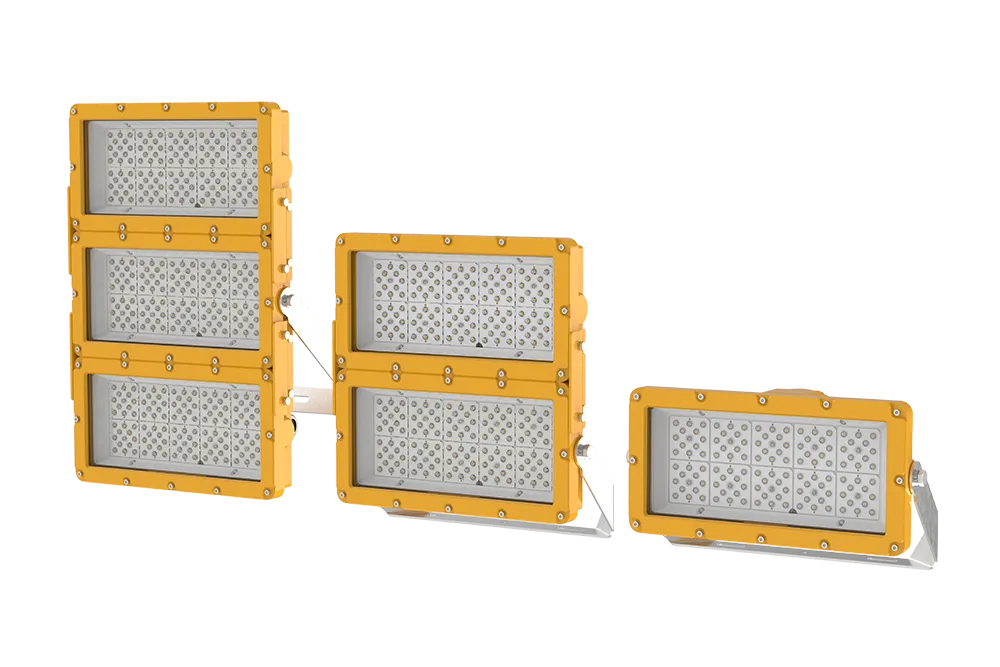
SEEKINGLED LED Explosion Proof Flood Lights are flameproof ATEX and IECEx certified for Zone 1 and Zone 2 hazardous areas, offering high power, adjustable output and long service life.
View details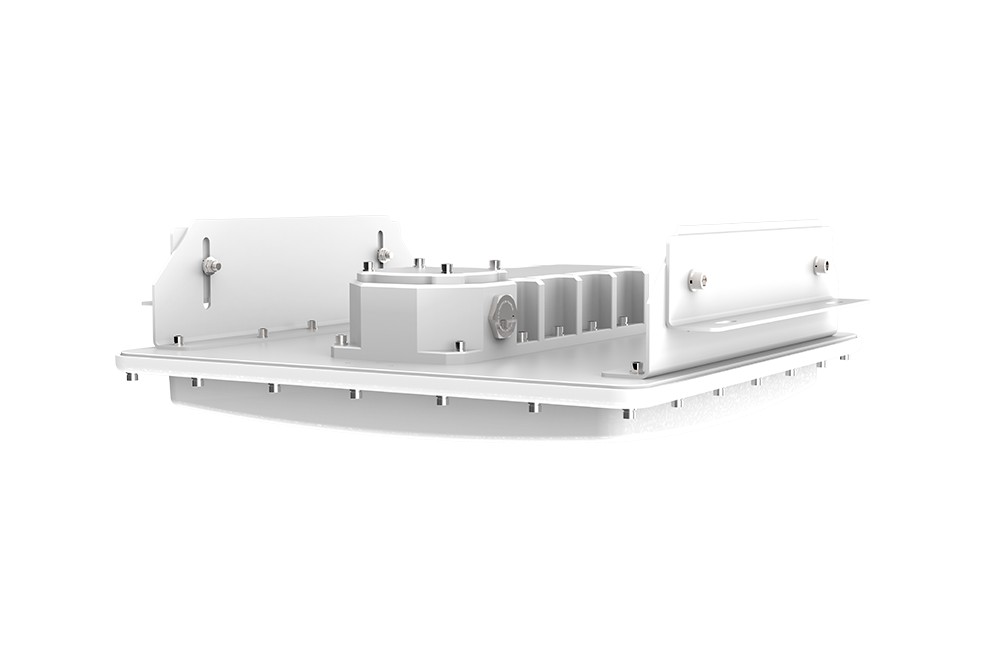
SEEKINGLED LED Gas Station Canopy Lights are ATEX certified for Zone 2 and Zone 22 hazardous areas, featuring adjustable power and built-in explosion-proof junction box.
View details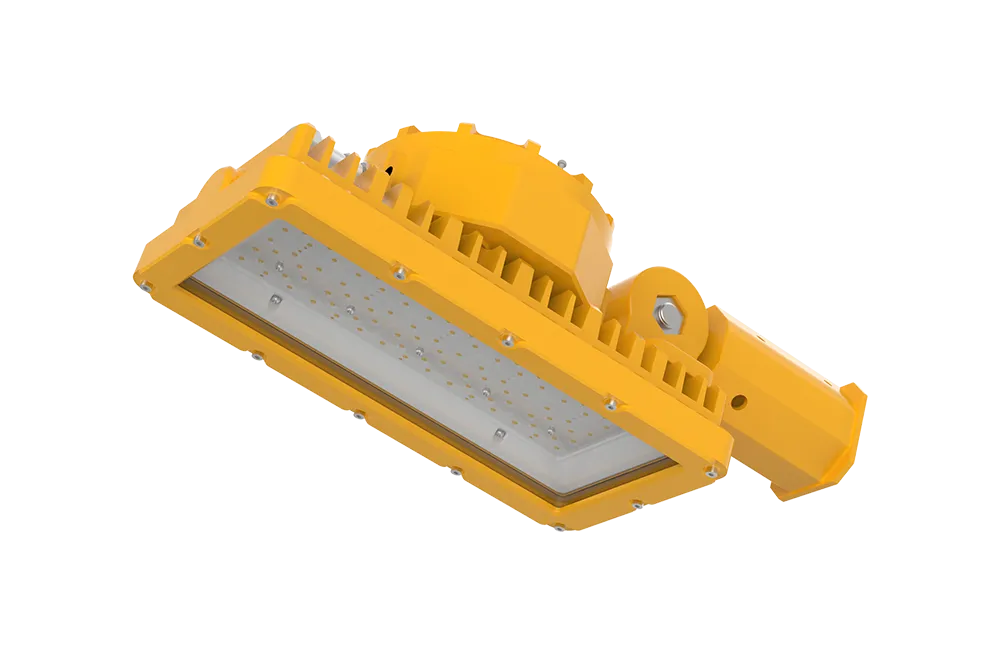
ATEX: Ex II 2G Ex db IIB T6/T5 GbEx II 2D Ex tb IIIC T80°C/ T95°C Db IECEx Ex db IIB T6 Gb;Ex tb IIIC T80°C Db Feature: ● For Zone 1,2 and Zone 21,22● Flameproof type, the strongest● 100W can replace 250W HID,energy saving● Power:60W,80W,100W Application: Oil and gas, marine, Chemical, pharmaceutical, semiconductor,mining,military industr…
View details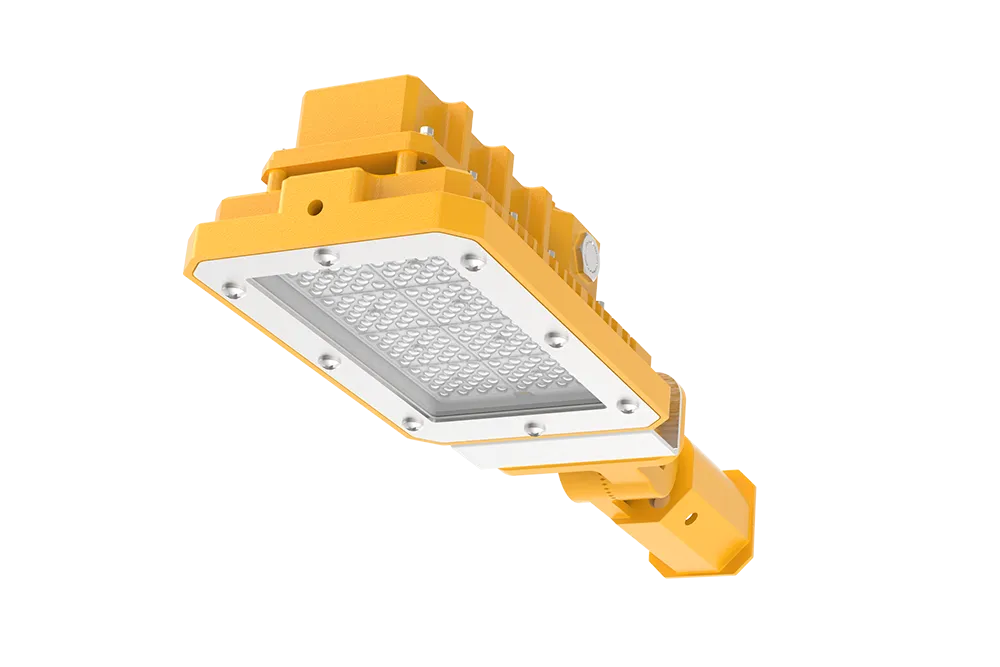
ATEX: II 3G Ex nR ⅡC T5/T6 GcII 3D Ex tc ⅢC T80℃/T95℃Dc ATEX Certificate NO: TÜV CY 26 ATEX 0207611 X Feature: ● For Zone 2 and Zone 22● 150W can replace 250W HID lamps,Energy saving● Power:50W,75W,100W,150W,200W Application: Oil and gas, marine, Chemical, pharmaceutical, semiconductor,mining,military industry, paint booth,power plant ETC…
View details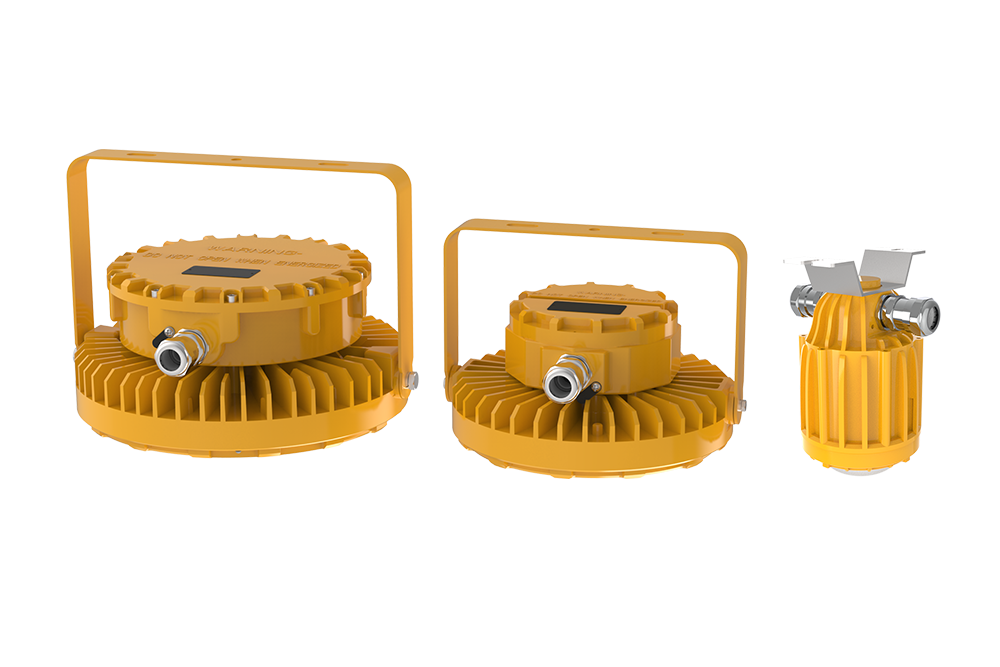
LED explosion proof high bay lights are designed for Zone 1, Zone 2, Zone 21 and Zone 22 hazardous areas. This page introduces the HB21 Series from SEEKING, including certifications, power options and real application considerations.
View details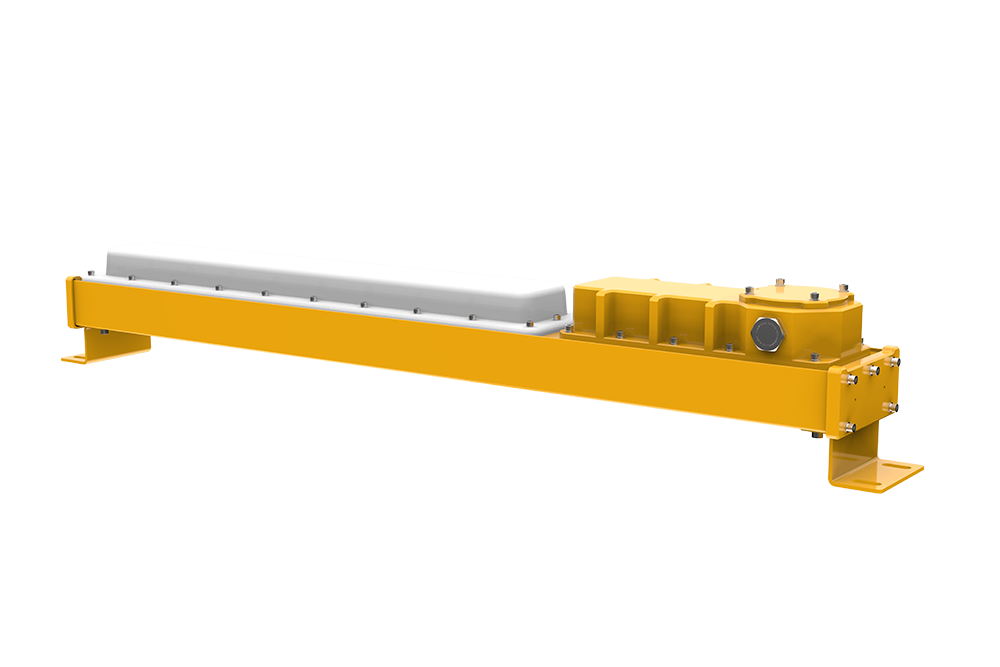
LED Linear Explosion Proof Lights from SEEKINGLED. LU Series Flame Proof lights ATEX-certified explosion proof LED linear lighting for Zone 2 gas and Zone 22 dust areas, IP69K, IK10, long lifetime and flexible power options.
View details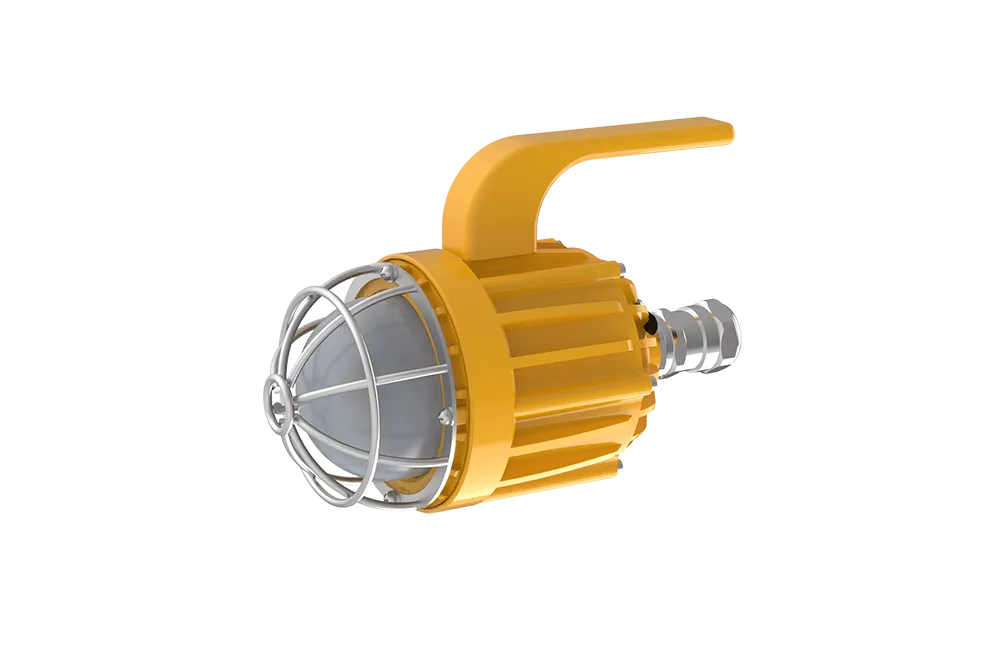
Certified explosion proof work lights for Zone 1 & 21 hazardous areas. Portable, ATEX & IECEx approved, built for oil, gas and chemical plants by SEEKINGLED.
View details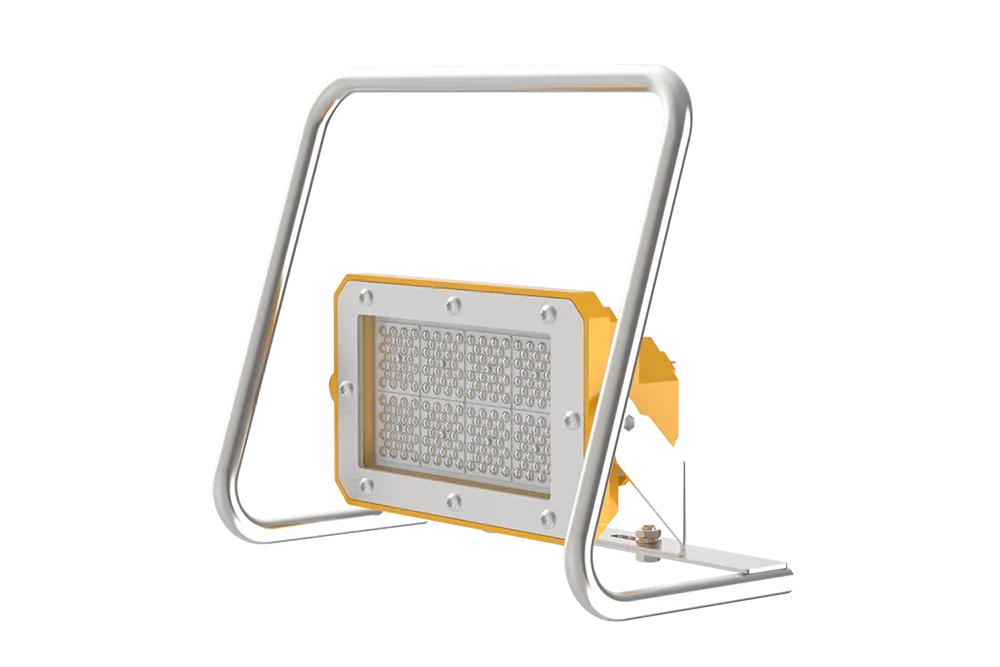
ATEX: II 3G Ex nR ⅡC T6 GcII 3D Ex tc ⅢC T80℃ Dc ATEX Certificate NO: TÜV CY 26 ATEX 0207611 X Feature: ● For Zone 2 and Zone 22● Accepts battery-powered supply● indestructible● Power:AC input:50W,75W,100WDC input:15W,25W,35W Application: Oil and gas, marine, Chemical, pharmaceutical, semiconductor,mining,military industry, paint booth,po…
View details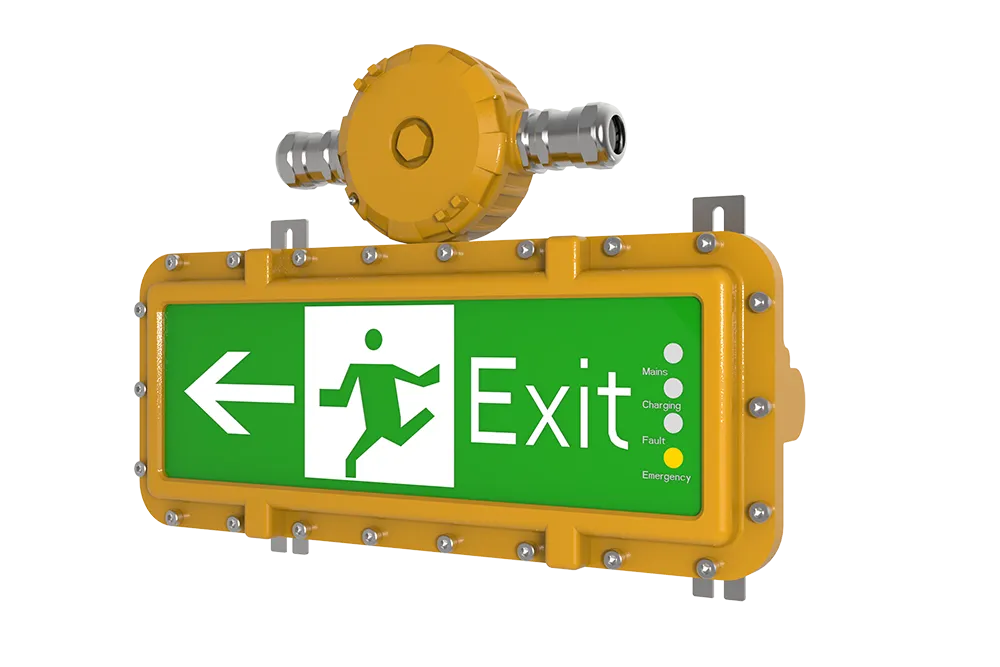
ATEX: Ex II 2G Ex db IIB T6 GbEx II 2D Ex tb IIIC T80°C Db IECEx Ex db IIB T6 Gb;Ex tb IIIC T80°C Db Feature: ● For Zone 1,2 and Zone 21,22● Flameproof type, the strongest Application: Oil and gas, marine, Chemical, pharmaceutical, semiconductor,mining,military industry, paint booth,power plant ETC hazardous area. Technical Specifications:…
View details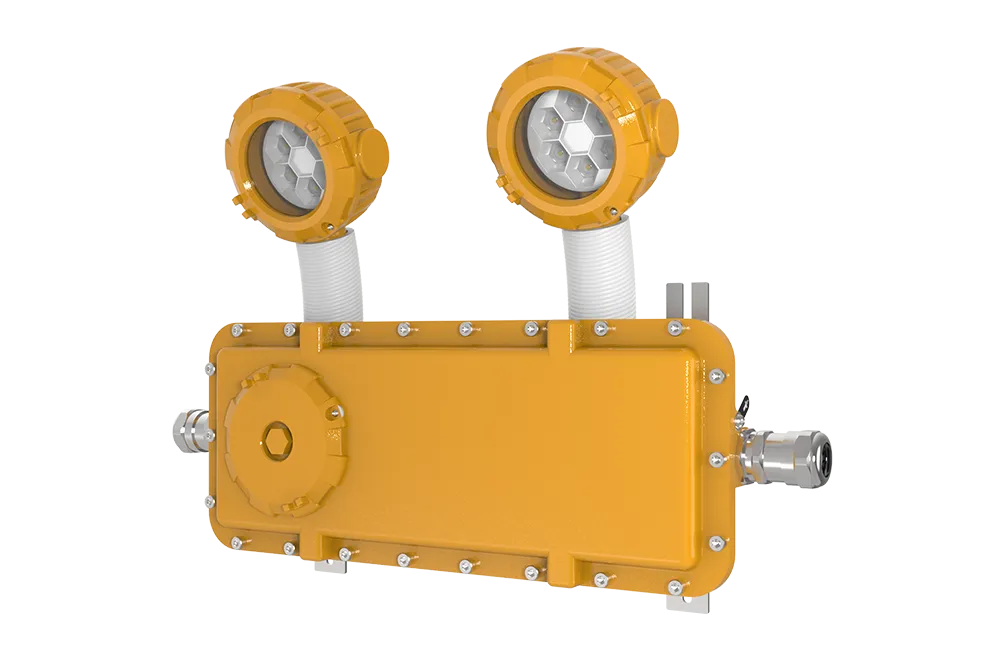
ATEX: Ex II 2G Ex db IIB T6 GbEx II 2D Ex tb IIIC T80°C Db IECEx Ex db IIB T6 Gb;Ex tb IIIC T80°C Db Feature: ● For Zone 1,2 and Zone 21,22● Flameproof type, the strongest Application: Oil and gas, marine, Chemical, pharmaceutical, semiconductor,mining,military industry, paint booth,power plant ETC hazardous area. Technical Specifications:…
View details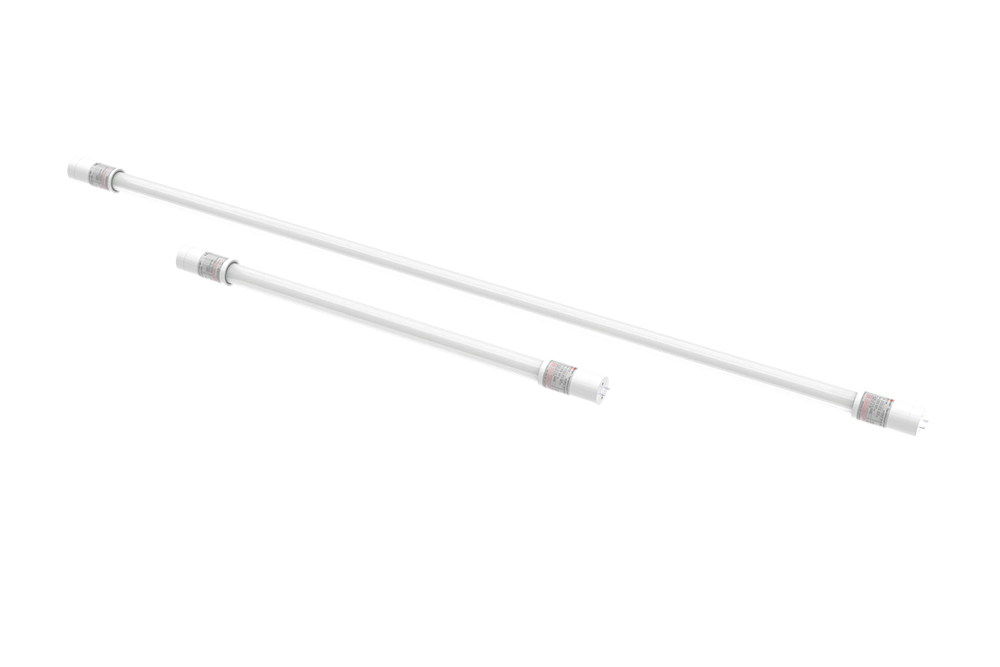
ATEX: Ex II 2G Ex d e IIB T6 Gb ATEX: Ex d e IIB T6 Gb; Feature: ● For Zone 1,2● 9W can replace 18W fluorescent lamps,50% Energy saving Application: Oil and gas, marine, Chemical, pharmaceutical, semiconductor,mining,military industry, paint booth,power plant ETC hazardous area. Technical Specifications: Standards:60079-0, 60079-1, 60079…
View details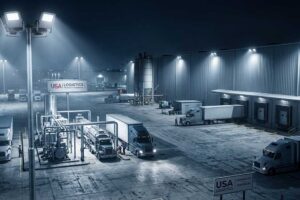
How bright is a led flood light? Learn real lumen output, beam range, wattage comparison, and how to choose the right LED floodlight with SEEKINGLED.
View details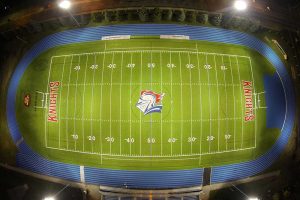
Indoor sports LED lighting solutions improve visibility, safety, and energy efficiency. Learn how SEEKINGLED applies high bay lights, linear LEDs, and stadium lighting in real indoor sports facilities.
View details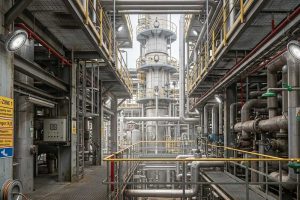
Choose reliable explosion proof lighting led from SEEKINGLED. Certified hazardous area fixtures built for oil, gas, and chemical facilities.
View details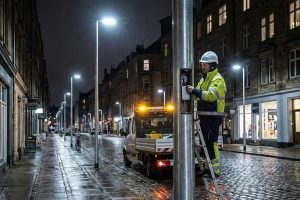
Is LED light street legit? This guide explains how to verify LED street light suppliers, avoid scams, and identify legitimate manufacturers based on real industry experience.
View details