When clients ask about indoor led floodlights, the conversation rarely starts with wattage. It usually starts with frustration.
“Why is the court still uneven?”
“Why are we replacing drivers every year?”
“Why does it look bright on paper but dim on the floor?”
I’ve stood in those spaces—empty sports halls at 7 a.m., forklifts already running in half-lit warehouses. The problem is almost never just power. It’s layout, optics, and build quality. Below are the questions we’re asked most often at SEEKINGLED. Straight answers. No over-polishing.
Q1: Are indoor led floodlights suitable for sports halls?
Yes. But only if they are designed for height and beam control.
In a typical indoor sports hall flood lighting project, mounting height ranges between 6 and 12 meters. That changes everything. A wide 120° beam might look logical. In practice, it can wash the walls and leave the playing surface uneven.
We often recommend asymmetric or 60° optics for basketball or multi-use courts. The difference is visible immediately—clearer floor markings, less glare in players’ sightlines.
Indoor led floodlights aren’t just about brightness. They’re about distribution. If the beam is wrong, even 20,000 lumens won’t fix it.
Q2: How many watts do I actually need?
This depends on ceiling height and lux requirements.
For smaller gymnasiums or training areas, 100W–150W units are often enough. Larger halls may require 200W–300W models, spaced properly. In warehouses, the layout becomes more complex. Aisles demand controlled vertical illumination, not just horizontal lux.
We’ve replaced legacy metal halide systems (400W fixtures) with 200W indoor led floodlights and achieved better uniformity. Not similar—better. The lower energy consumption was a bonus, but the clarity improvement was what facility managers noticed first.
Choosing wattage blindly is a mistake. Photometric planning matters more than raw power.
Q3: Are indoor led floodlights efficient enough to justify replacement?
Short answer: yes.
Modern high efficiency indoor led lighting solutions typically deliver 160–170 lm/W. Compared to older HID systems, that can reduce energy consumption by 40–60%. And because LED starts instantly, there’s no warm-up lag after a power interruption.
But savings aren’t only about electricity. Maintenance drops sharply. No frequent lamp replacements. No ballast failures.
One client told me after six months, “We stopped budgeting for lighting repairs.” That’s the kind of result that matters.
Q4: What color temperature works best indoors?
It depends on the environment.
- 4000K feels balanced and natural. Good for sports halls and production areas.
- 5700K increases contrast and sharpness. Often preferred in precision workshops.
For most indoor sports hall flood lighting, 4000K is the safer choice. It avoids the harsh tone that sometimes makes athletes uncomfortable during long sessions.
There’s no universal answer. But there is a wrong one—choosing based only on what looks “brighter” in a catalog photo.
Q5: Are indoor led floodlights durable even if they’re not outdoors?
Indoor doesn’t mean gentle.
Warehouses trap heat. Dust accumulates. Vibrations from machinery are constant. A weak housing will fail indoors just as quickly as outside.
At SEEKINGLED, our warehouse indoor led flood light fixtures use die-cast aluminum housings with proper thermal pathways. Heat dissipation isn’t marketing language—it determines driver lifespan.
Look for:
- IP65 protection (dust resistance still matters indoors)
- IK08 impact rating
- Surge protection (especially in large facilities)
- Power factor ≥ 0.95
A stable driver prevents flicker. Flicker causes fatigue. Fatigue affects productivity. It’s all connected.
Q6: Do indoor led floodlights create glare?
They can. Poor optics always do.
Glare is often a design failure, not a technology problem. Narrow beams at improper angles or excessive mounting tilt create hotspots. We’ve corrected installations where fixtures were simply aimed incorrectly.
Proper beam selection, controlled tilt angles, and mounting height alignment solve most glare issues. When done right, indoor led floodlights feel clean and even—not blinding.
Q7: Why choose SEEKINGLED for indoor led floodlights?
Because we build for application, not for brochure comparison.
SEEKINGLED indoor led floodlights are engineered for real industrial and sports environments. We use certified drivers, stable current design, and aluminum housings that manage heat instead of trapping it.
We don’t exaggerate lumen numbers. We don’t push unrealistic lifetime claims. We design products that hold performance after years of daily operation.
That’s the difference between lighting that looks good during inspection and lighting that still performs five years later.
Final Thoughts
If you’re considering indoor led floodlights, think beyond wattage. Think beam control. Think driver stability. Think about the space at 10 p.m., not just during installation day.
Done correctly, indoor led floodlights transform visibility, reduce maintenance costs, and improve working conditions. Done carelessly, they become another replacement cycle.
At SEEKINGLED, we prefer the first outcome.
indoor led floodlights recommended
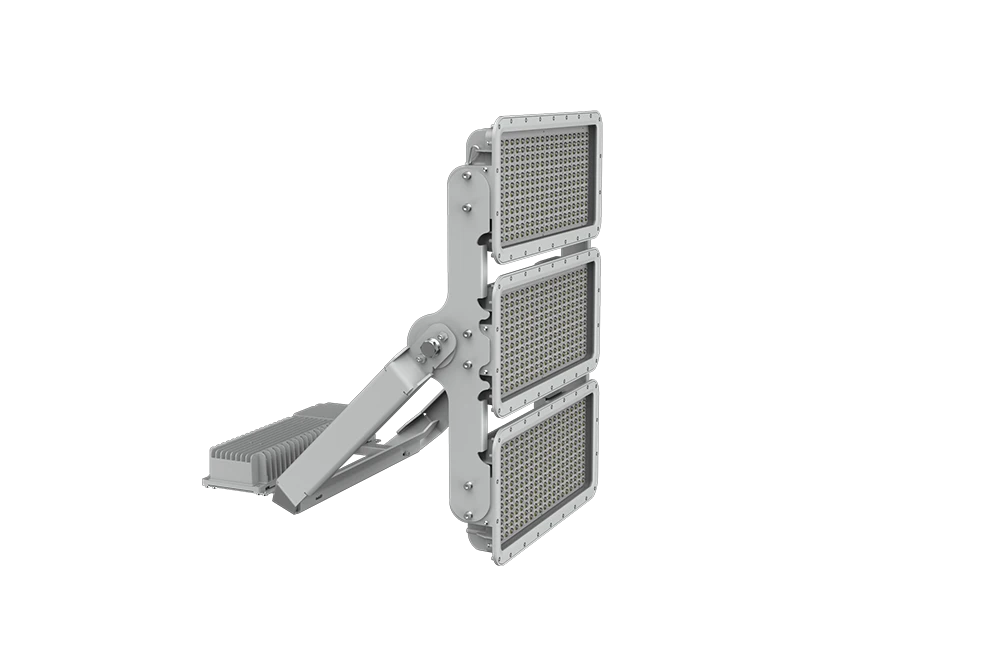
Sports Stadium LED Lighting by SEEKINGLED delivers high mast illumination, precise beam control, and EN 12193 compliant performance for professional venues.
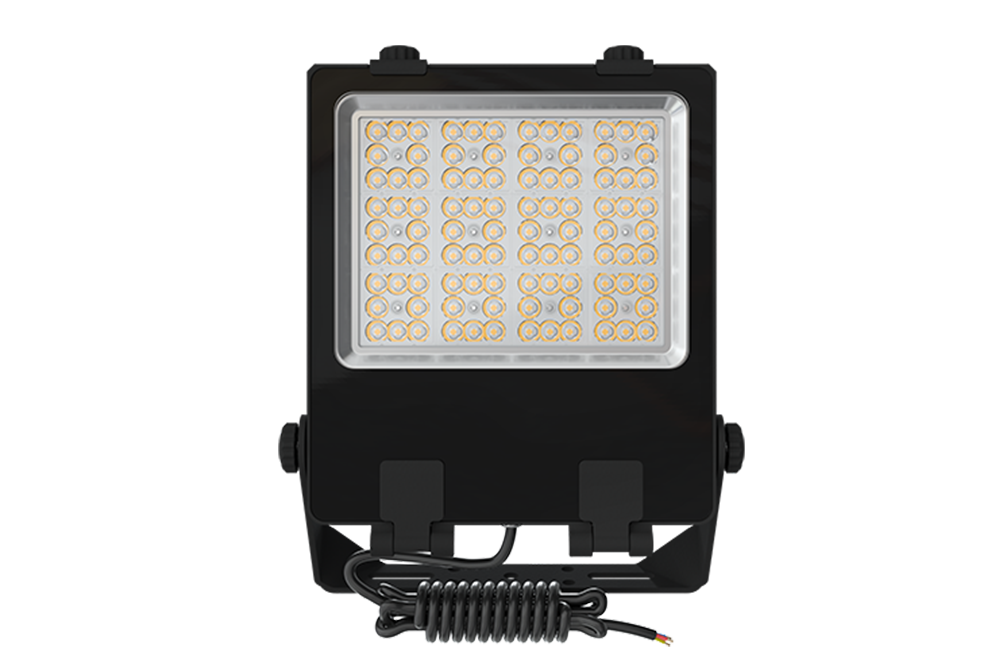
SEEKING FLX Series LED flood light outdoor for sports courts and open-area projects with 170lm/W efficiency, IP66 protection and multiple beam distributions. Designed for long-life commercial and public outdoor use.
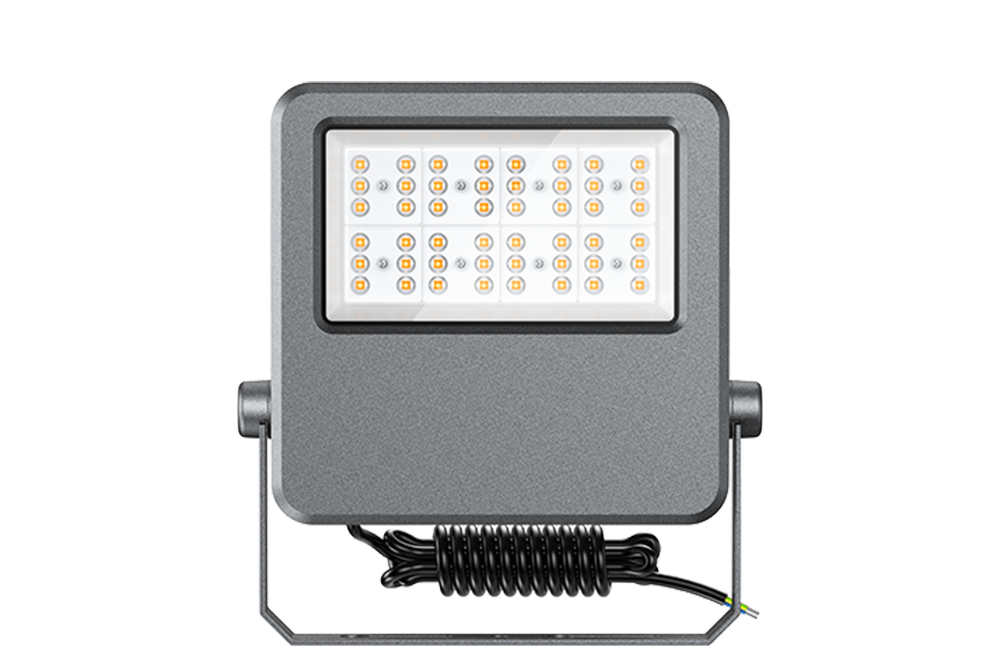
SEEKING FLE Series LED outdoor flood lights for sports grounds and open areas with multiple beam angles, IP66 protection and up to 170lm/W. Designed for long-life outdoor installations with professional driver options.
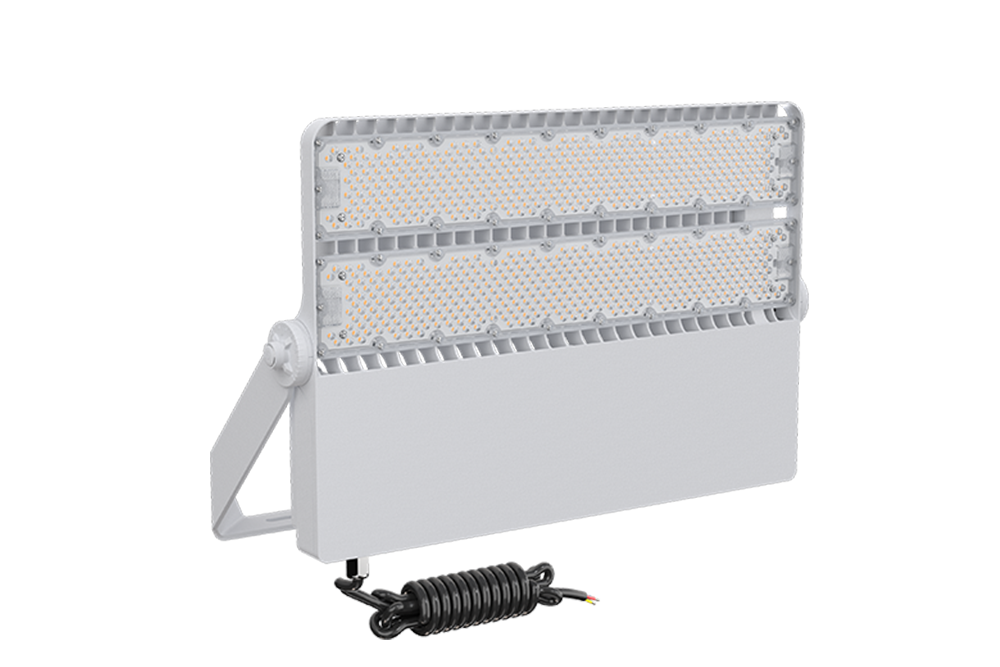
SEEKING FLD Series outdoor LED flood lights and high power led flood light deliver up to 960W with precision beam angles for sports fields, stadiums and large outdoor areas. IK08 & IP66 protection, 170lm/W efficiency and 100,000h lifetime.
loading…
This is the last post!
 Seeking LED