 Seeking LED
how many high bay lights do i need?
0how many high bay lights do i need? Learn how to calculate high bay lighting quantity using ceiling height, lumens, spacing, and industrial lighting requirements.
View detailsSearch the whole station
atex zone 0 lighting is designed for locations where explosive gas atmospheres exist continuously or for long periods, requiring the highest level of protection, certification compliance, and reliable hazardous area performance.
Zone 0 represents one of the most demanding classifications in hazardous industries. Lighting equipment installed in these areas cannot be selected like ordinary industrial fixtures because the surrounding atmosphere may contain explosive gases during normal operation.
At SEEKINGLED, we have worked with industrial lighting requirements involving oil and gas facilities, chemical processing environments, and other high-risk applications. From these experiences, one thing has become clear: Zone 0 lighting decisions must start with hazard classification, not product appearance or price.
A fixture installed near a fuel vapor area, chemical processing vessel, or gas handling system may operate for years. The engineering decisions made before installation determine whether the lighting system remains reliable throughout its service life.
atex zone 0 lighting refers to lighting equipment specifically designed for use in areas where explosive gas atmospheres are present continuously, frequently, or for extended periods.
According to IEC 60079-10-1, hazardous areas are classified based on the likelihood and duration of explosive atmospheres.
Reference:
International Electrotechnical Commission – IEC 60079 Explosive Atmospheres Standards
https://www.iec.ch/standards
Zone classifications generally include:
| Zone | Description |
|---|---|
| Zone 0 | Explosive gas atmosphere present continuously or for long periods |
| Zone 1 | Explosive atmosphere likely during normal operation |
| Zone 2 | Explosive atmosphere unlikely or only exists briefly |
Zone 0 requires the highest level of protection because the potential hazard is present more frequently.
A common misunderstanding is that hazardous lighting is mainly about choosing a brighter LED fixture.
In reality, Zone 0 applications require consideration of:
A lighting fixture may produce excellent illumination but still be unsuitable if it does not meet the required hazardous classification.
For example, a chemical processing facility may have areas where vapor concentrations can exist around tanks or transfer points.
The lighting system must operate without becoming an additional risk source.
The ATEX Directive 2014/34/EU establishes requirements for equipment used in potentially explosive atmospheres.
Reference:
European Commission – Equipment and protective systems intended for use in potentially explosive atmospheres (ATEX)
https://single-market-economy.ec.europa.eu/sectors/mechanical-engineering/equipment-potentially-explosive-atmospheres-atex_en
For gas environments, Zone 0 equipment typically corresponds to the highest protection level.
Common markings include:
| Marking | Meaning |
|---|---|
| II | Equipment group for surface industries |
| 1G | Category for gas environments requiring very high protection |
| Ex | Explosion protection designation |
Professional manufacturers must understand how these classifications affect:
Zone 0 lighting products require carefully designed protective structures.
Important design elements include:
The housing protects internal electrical components from hazardous external conditions.
Common materials include:
Internal systems must minimize potential ignition sources.
Manufacturers consider:
Surface temperature is a critical factor in hazardous areas.
The fixture must ensure that operating temperatures remain below the ignition temperature of surrounding gases.
Visit the product page: Explosion Proof Lighting
Oil and gas environments frequently include areas where explosive gases may occur.
Applications include:
Lighting systems in these locations must support:
Chemical industries often handle:
Zone 0 areas may exist near:
Lighting selection requires understanding both the process and the hazardous classification.
Some pharmaceutical processes involve flammable substances.
Lighting systems may need protection in:
Experienced engineers usually follow a different process from simple product purchasing.
The first questions are:
Only after these questions are answered should the lighting specification be selected.
During industrial lighting discussions, customers often begin with technical specifications:
Those details are important, but they are not the complete picture.
A lighting engineer working on a refinery project once explained a common challenge: the fixture location was difficult to access, meaning reliability mattered more than replacing a cheaper product later.
That conversation changed the selection approach.
Instead of asking:
“How much does the fixture cost?”
The team focused on:
“How will this fixture perform after thousands of operating hours in this environment?”
That mindset is especially important for Zone 0 applications.
A qualified manufacturer provides more than a finished product.
Customers benefit from:
For industrial facilities, lighting is part of the safety infrastructure.
| Feature | atex zone 0 lighting | Standard Industrial Lighting |
|---|---|---|
| Hazardous certification | Required | Usually unavailable |
| Explosion protection | Designed into product | Not considered |
| Gas atmosphere suitability | Zone classified | General environment |
| Temperature control | Strict requirement | Normal operation |
| Industrial safety focus | High | Limited |
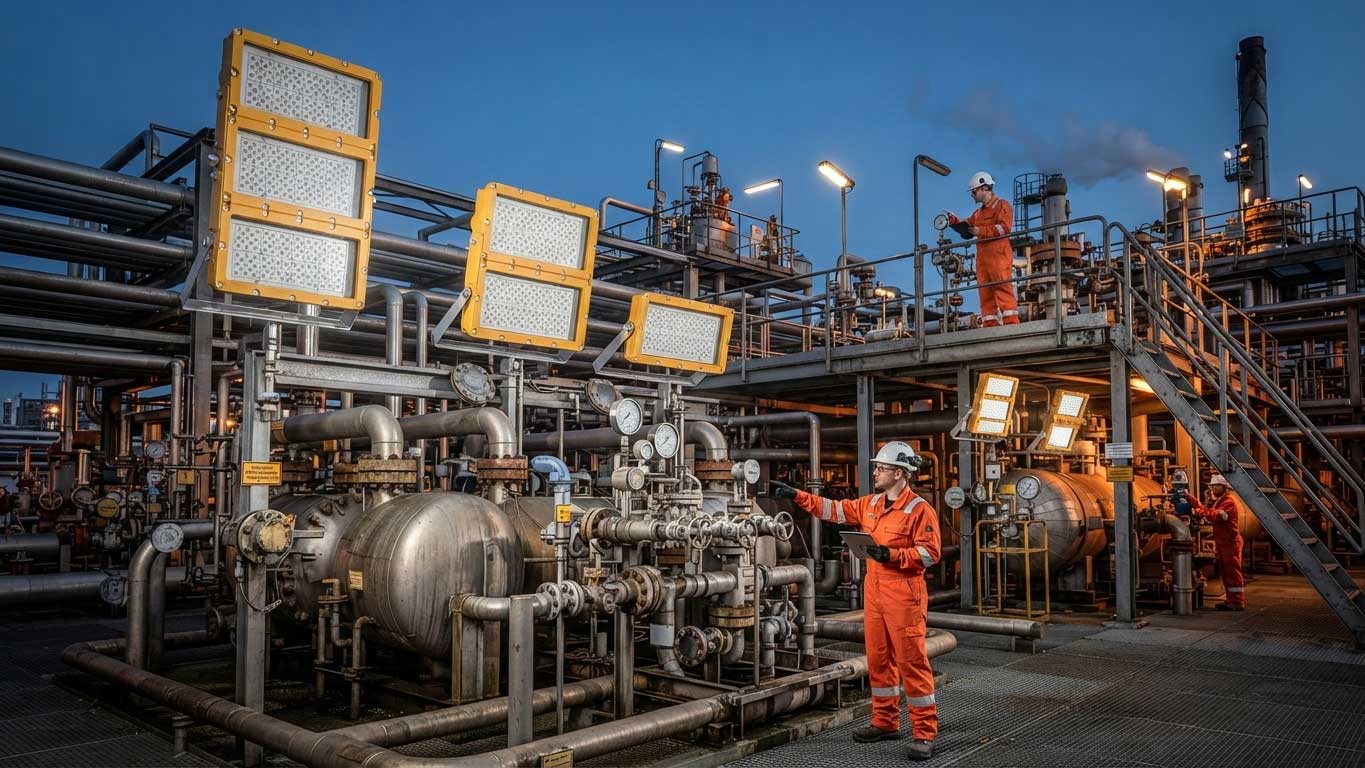
At SEEKINGLED, we understand that hazardous lighting projects require careful engineering decisions.
Our approach focuses on:
A professional atex zone 0 lighting solution is not simply a lighting product.
It is part of a larger safety system designed for environments where reliability matters every day.
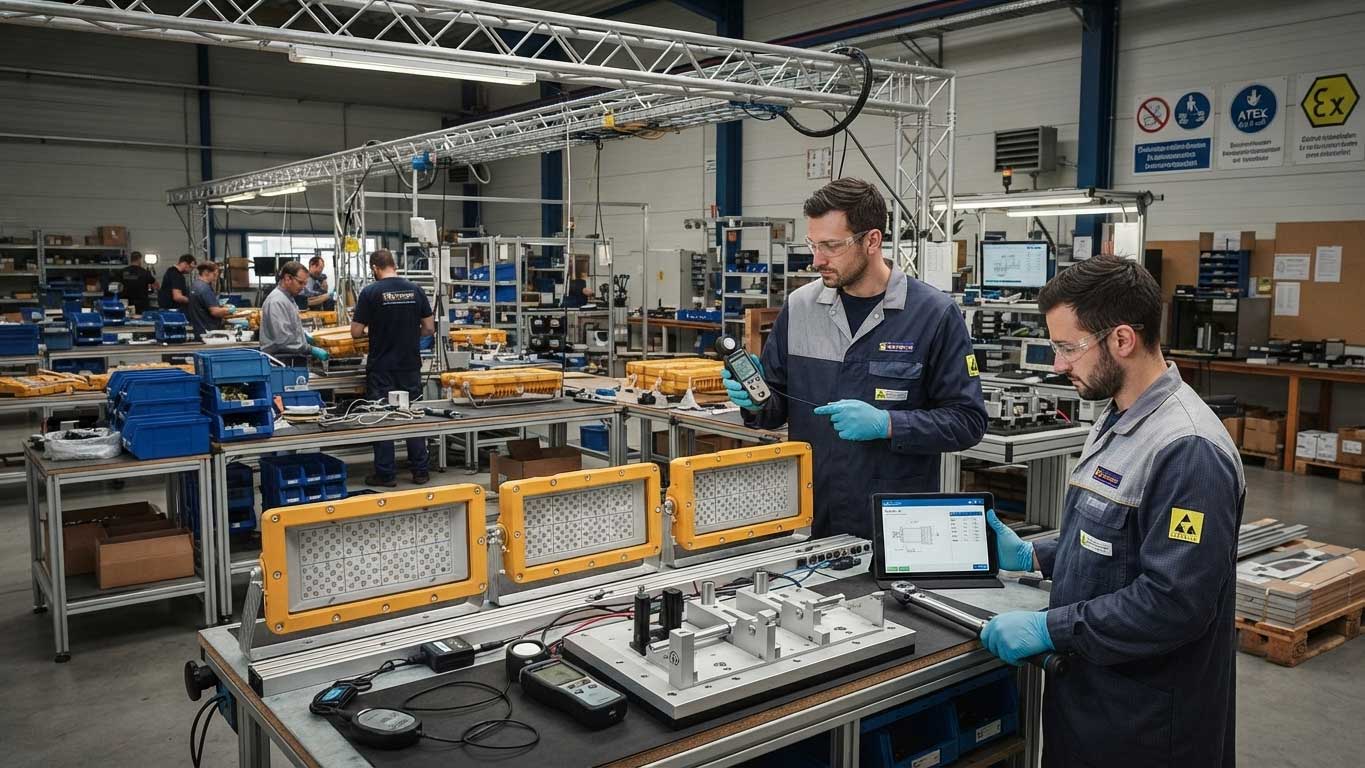
Producing atex zone 0 lighting requires a manufacturing approach that is different from conventional LED lighting production.
The process begins long before assembly.
Engineers must consider:
A professional manufacturer usually follows a controlled development process:
| Manufacturing Stage | Key Focus |
|---|---|
| Engineering design | Hazard protection and product structure |
| Component selection | Reliable industrial-grade materials |
| Prototype testing | Performance verification |
| Certification preparation | Compliance documentation |
| Production inspection | Consistent quality control |
| Final testing | Safety and operational checks |
For hazardous area products, production consistency is extremely important.
A small difference in sealing, wiring, or component assembly may affect long-term reliability.
Temperature control is one of the most important considerations in Zone 0 lighting design.
LED fixtures generate heat during operation. In ordinary environments, this mainly affects efficiency and lifespan.
In hazardous areas, temperature control is also related to safety.
Manufacturers evaluate:
IEC 60079 standards define temperature classes for explosive atmospheres.
Reference:
IEC Explosive Atmospheres Standards
https://www.iec.ch/standards
Common temperature classes include:
| Temperature Class | Maximum Surface Temperature |
|---|---|
| T1 | 450°C |
| T2 | 300°C |
| T3 | 200°C |
| T4 | 135°C |
| T5 | 100°C |
| T6 | 85°C |
The correct temperature rating depends on the gases present in the working environment.
One of the most common mistakes in industrial lighting projects is selecting products before confirming the hazardous area requirements.
A correct selection process should review:
Determine whether the environment contains:
Confirm whether the area is:
Review:
Consider:
Hazardous lighting installations often operate in difficult locations.
Replacing a fixture may require:
The original purchase price is only one part of the total cost.
A more reliable fixture may reduce:
In industries such as oil and gas, minimizing downtime can be more valuable than saving a small amount during initial purchasing.
Consider a gas processing facility.
The area around certain equipment may require lighting that can operate where explosive gases may exist continuously.
Engineers must consider:
A successful lighting solution is not selected only by technical specifications.
It is selected by understanding the complete working environment.
This is why experienced atex zone 0 lighting suppliers usually work closely with engineers, contractors, and safety teams before recommending products.
For hazardous area projects, technical documents are an important part of purchasing decisions.
Customers often require:
Clear documentation helps:
A manufacturer that understands industrial projects should provide complete technical support.
Hazardous area lighting is developing beyond basic illumination.
Modern industrial customers increasingly consider:
According to the International Energy Agency (IEA), improving lighting efficiency remains an important pathway for reducing global electricity consumption.
Reference:
International Energy Agency – Lighting
https://www.iea.org/topics/lighting
For large industrial facilities with thousands of lighting points, energy efficiency improvements can create measurable operational benefits.
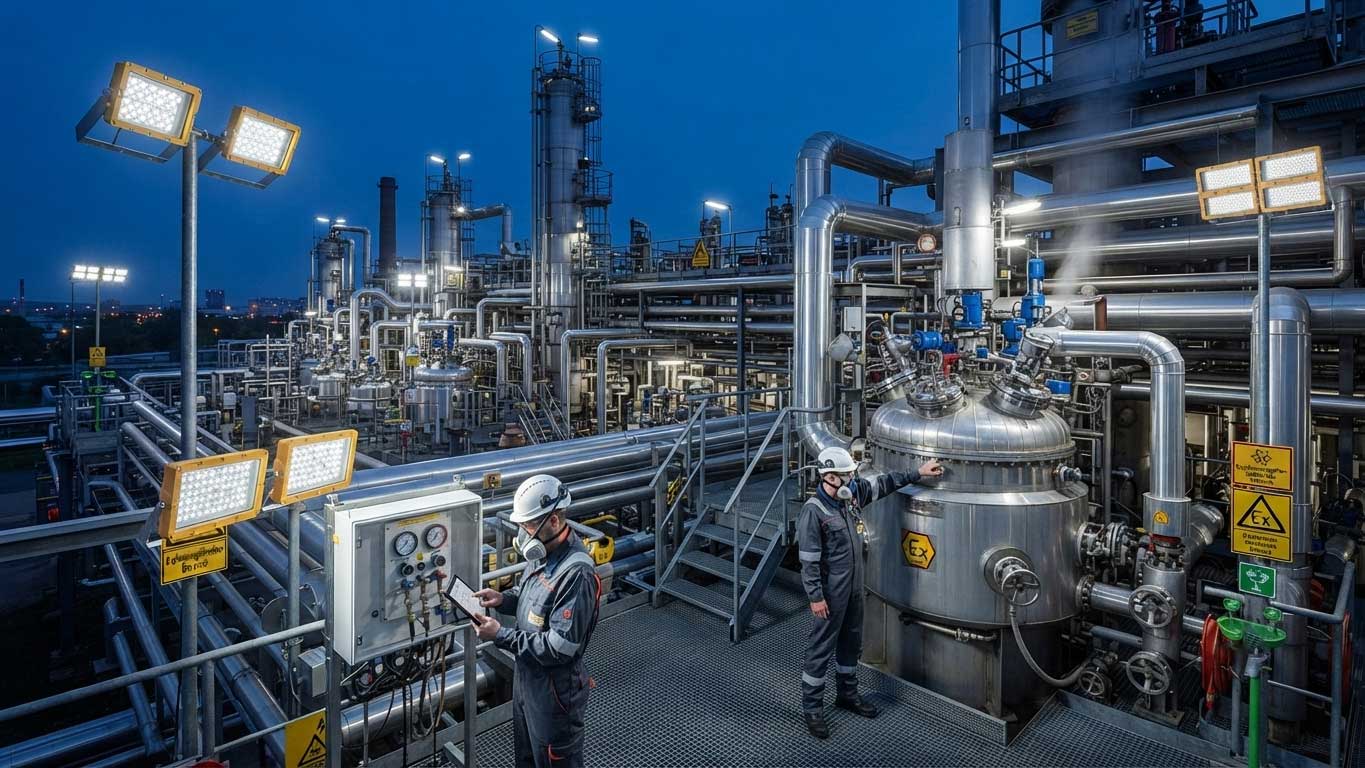
atex zone 0 lighting is hazardous area lighting designed for locations where explosive gas atmospheres may exist continuously or for extended periods.
Zone 0 lighting is commonly used in:
The main difference is the explosion protection design. Zone 0 lighting must meet hazardous area requirements related to ignition prevention, temperature control, and certification.
Yes. Equipment used in ATEX hazardous areas requires appropriate certification according to the applicable hazardous classification.
Selection should consider:
Yes. Modern LED technology is widely used in hazardous lighting because it provides high efficiency, long operating life, and reduced maintenance requirements.
Experienced manufacturers understand hazardous area engineering, certification requirements, production quality control, and real industrial application challenges.
Selecting the right atex zone 0 lighting solution requires more than comparing technical specifications.
The most important factors are:
For environments where explosive gases may exist continuously, lighting becomes part of the overall safety system.
SEEKINGLED focuses on developing hazardous area LED lighting solutions designed for demanding industrial applications, helping customers achieve safer operations and dependable illumination.
A reliable Zone 0 lighting partner provides not only products, but also engineering confidence throughout the entire project lifecycle.
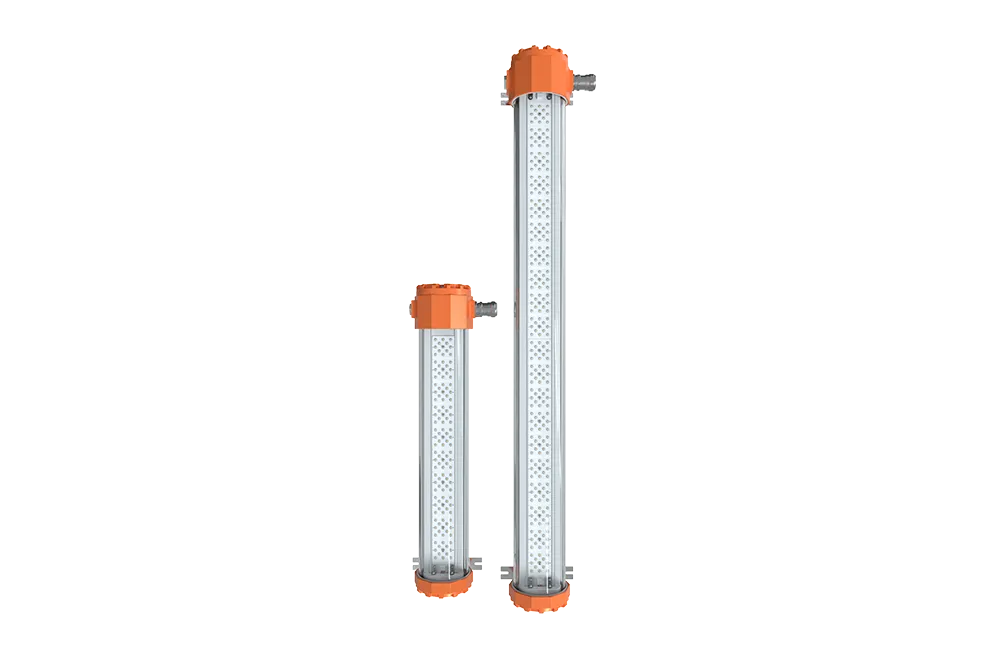
SEEKINGLED LED Linear Explosion Proof Light and Explosion Proof lighting is ATEX and IECEx certified for Zone 1, Zone 2, Zone 21 and Zone 22 hazardous locations, built for long-term industrial use.
View details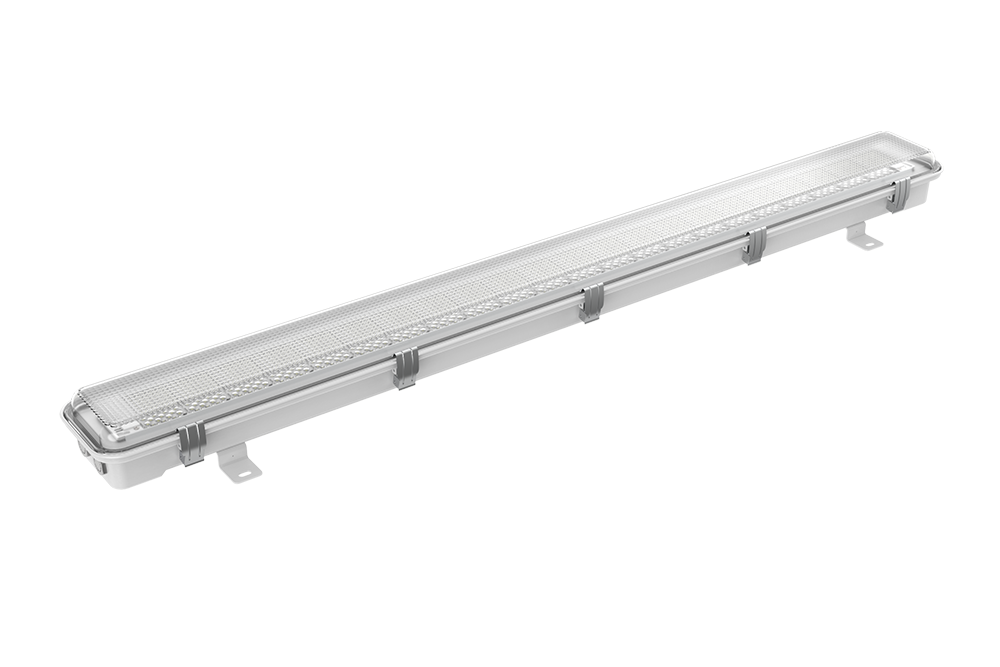
LED Linear Explosion Proof Lights and EX Proof lights for Zone 1, Zone 2, Zone 21 and Zone 22 hazardous areas. ATEX & IECEx certified explosion proof LED linear lighting with emergency function, adjustable power and IP67 protection by SEEKINGLED.
View details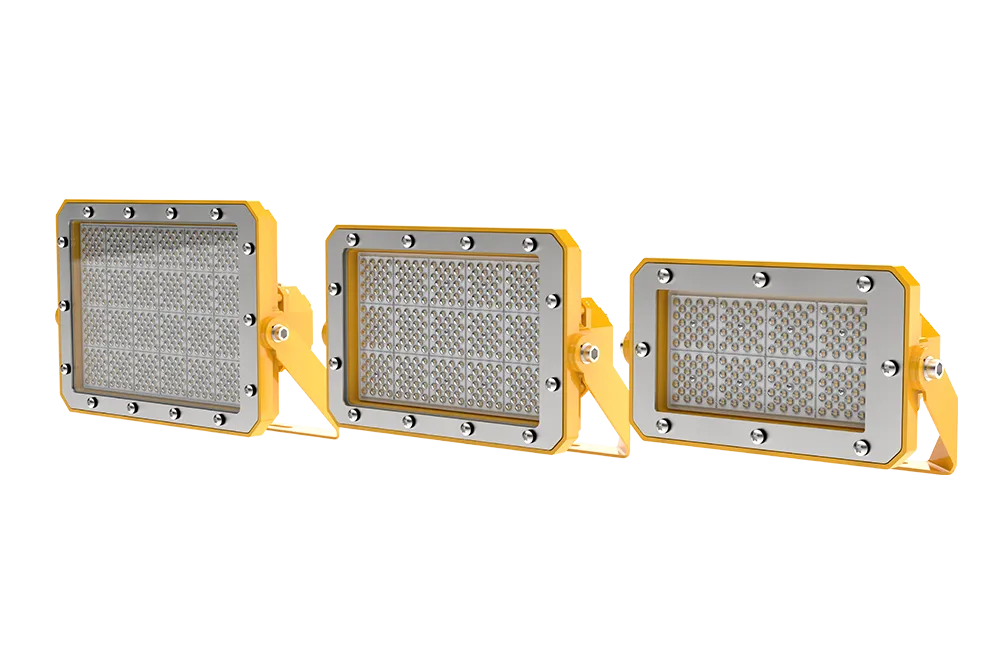
SEEKINGLED LED Explosion Proof Flood Lights are ATEX certified for Zone 2 and Zone 22 hazardous areas, offering high efficiency, adjustable power and integrated junction box.
View details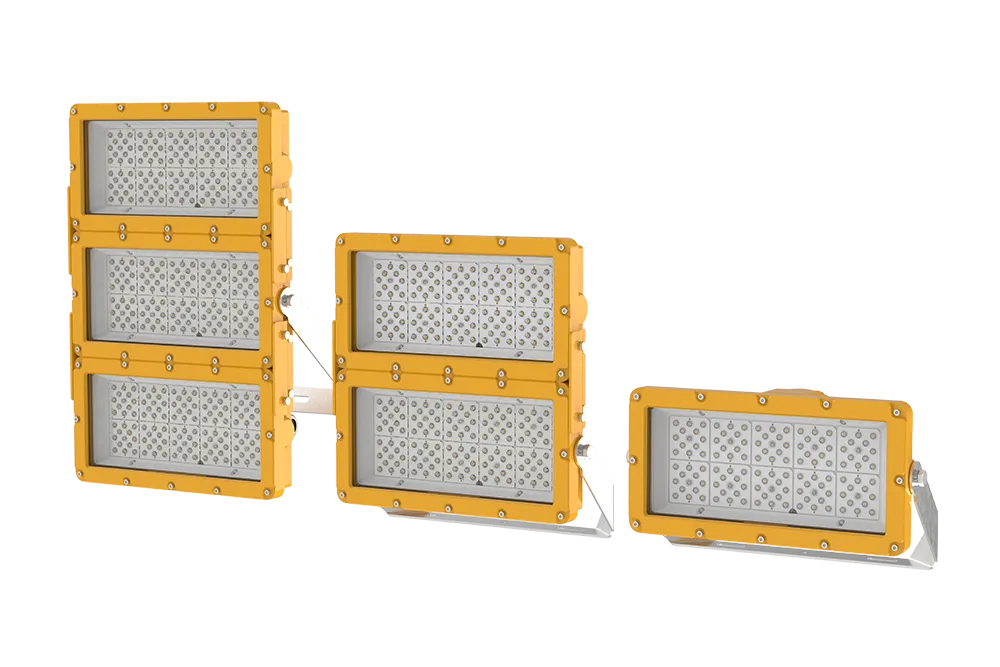
SEEKINGLED LED Explosion Proof Flood Lights are flameproof ATEX and IECEx certified for Zone 1 and Zone 2 hazardous areas, offering high power, adjustable output and long service life.
View details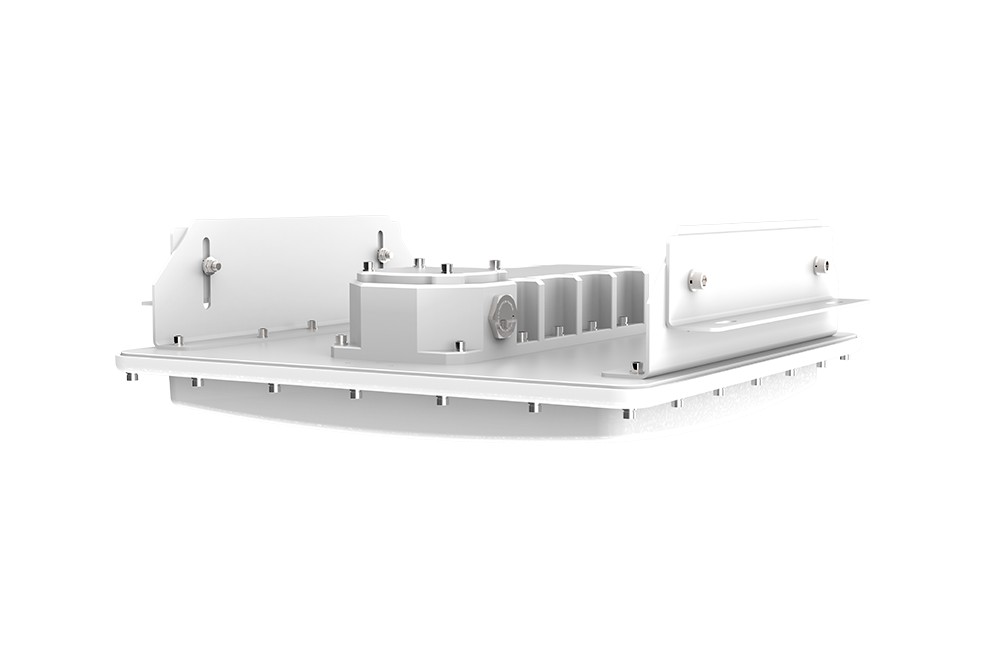
SEEKINGLED LED Gas Station Canopy Lights are ATEX certified for Zone 2 and Zone 22 hazardous areas, featuring adjustable power and built-in explosion-proof junction box.
View details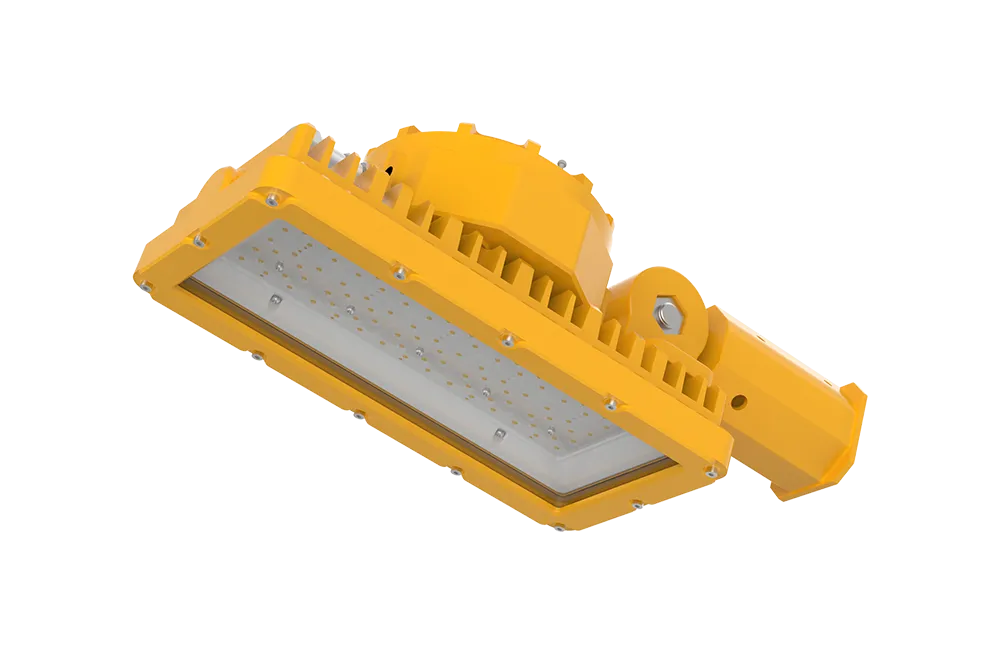
ATEX: Ex II 2G Ex db IIB T6/T5 GbEx II 2D Ex tb IIIC T80°C/ T95°C Db IECEx Ex db IIB T6 Gb;Ex tb IIIC T80°C Db Feature: ● For Zone 1,2 and Zone 21,22● Flameproof type, the strongest● 100W can replace 250W HID,energy saving● Power:60W,80W,100W Application: Oil and gas, marine, Chemical, pharmaceutical, semiconductor,mining,military industr…
View details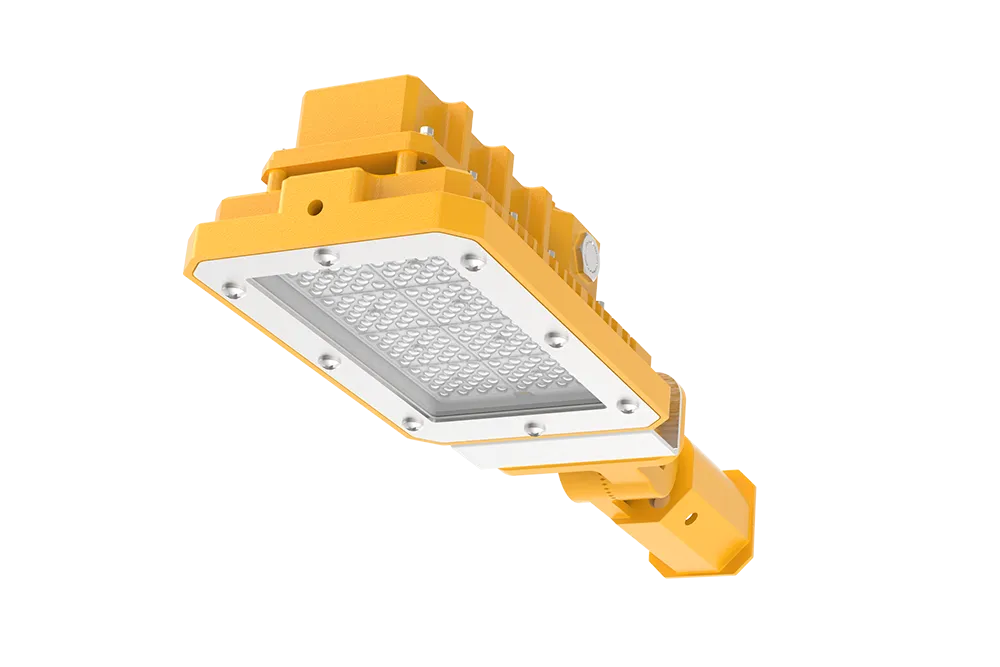
ATEX: II 3G Ex nR ⅡC T5/T6 GcII 3D Ex tc ⅢC T80℃/T95℃Dc ATEX Certificate NO: TÜV CY 26 ATEX 0207611 X Feature: ● For Zone 2 and Zone 22● 150W can replace 250W HID lamps,Energy saving● Power:50W,75W,100W,150W,200W Application: Oil and gas, marine, Chemical, pharmaceutical, semiconductor,mining,military industry, paint booth,power plant ETC…
View details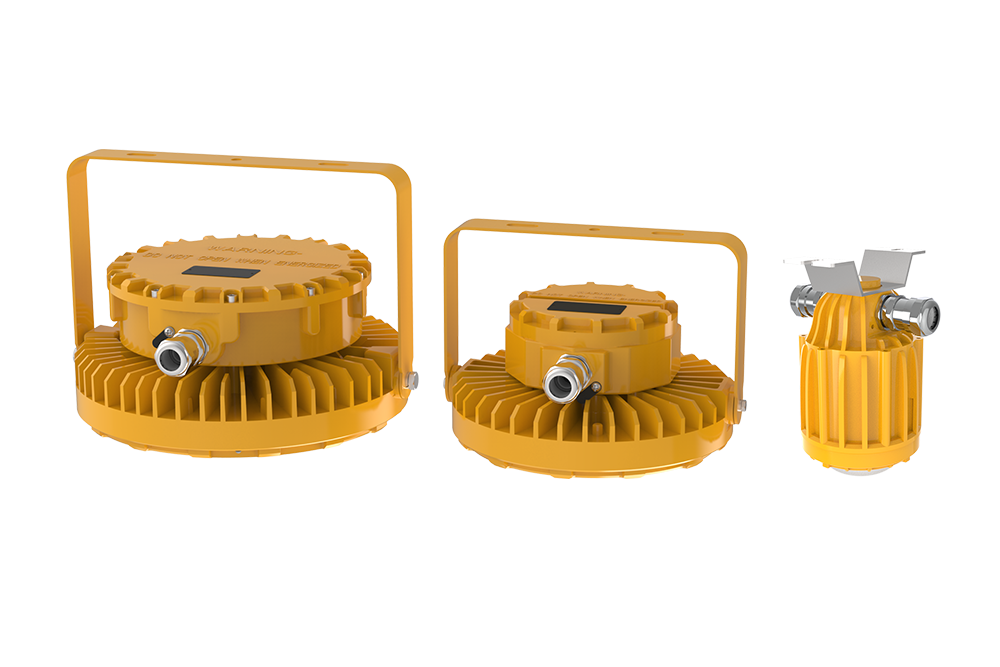
LED explosion proof high bay lights are designed for Zone 1, Zone 2, Zone 21 and Zone 22 hazardous areas. This page introduces the HB21 Series from SEEKING, including certifications, power options and real application considerations.
View details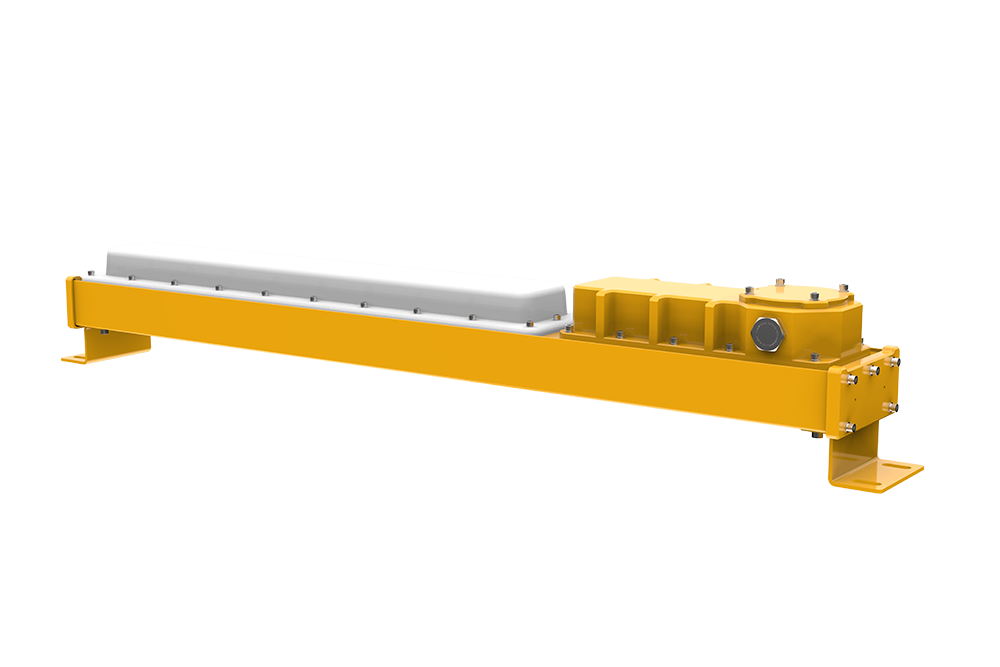
LED Linear Explosion Proof Lights from SEEKINGLED. LU Series Flame Proof lights ATEX-certified explosion proof LED linear lighting for Zone 2 gas and Zone 22 dust areas, IP69K, IK10, long lifetime and flexible power options.
View details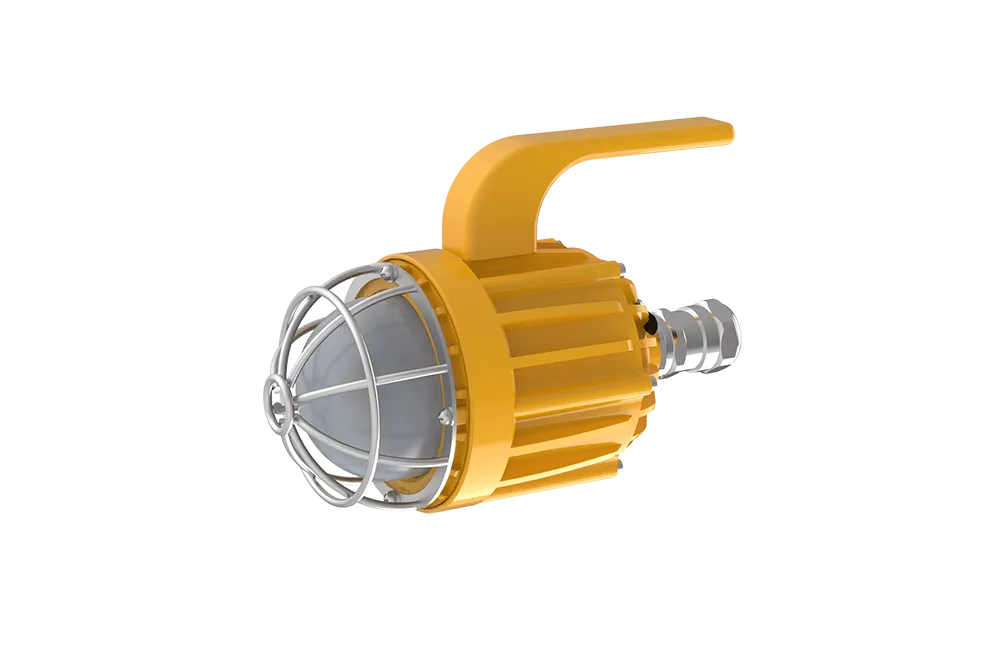
Certified explosion proof work lights for Zone 1 & 21 hazardous areas. Portable, ATEX & IECEx approved, built for oil, gas and chemical plants by SEEKINGLED.
View details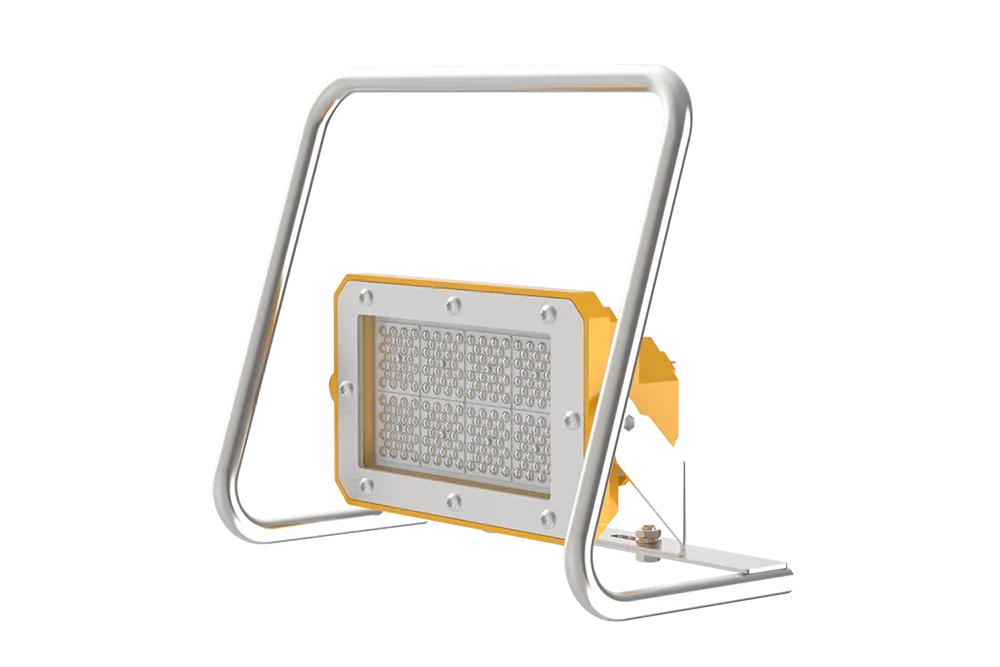
ATEX: II 3G Ex nR ⅡC T6 GcII 3D Ex tc ⅢC T80℃ Dc ATEX Certificate NO: TÜV CY 26 ATEX 0207611 X Feature: ● For Zone 2 and Zone 22● Accepts battery-powered supply● indestructible● Power:AC input:50W,75W,100WDC input:15W,25W,35W Application: Oil and gas, marine, Chemical, pharmaceutical, semiconductor,mining,military industry, paint booth,po…
View details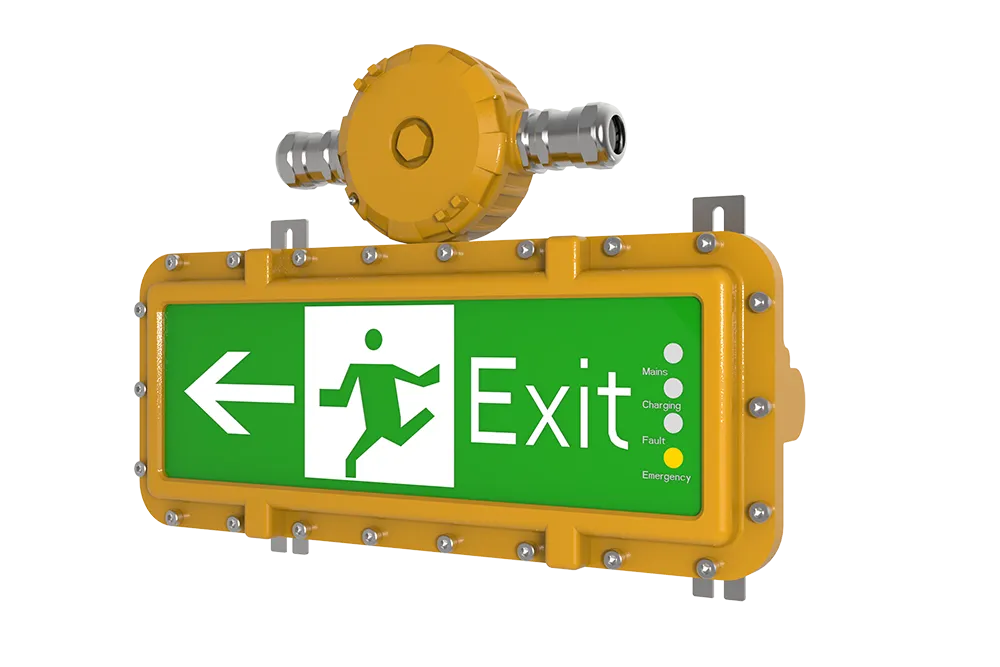
ATEX: Ex II 2G Ex db IIB T6 GbEx II 2D Ex tb IIIC T80°C Db IECEx Ex db IIB T6 Gb;Ex tb IIIC T80°C Db Feature: ● For Zone 1,2 and Zone 21,22● Flameproof type, the strongest Application: Oil and gas, marine, Chemical, pharmaceutical, semiconductor,mining,military industry, paint booth,power plant ETC hazardous area. Technical Specifications:…
View details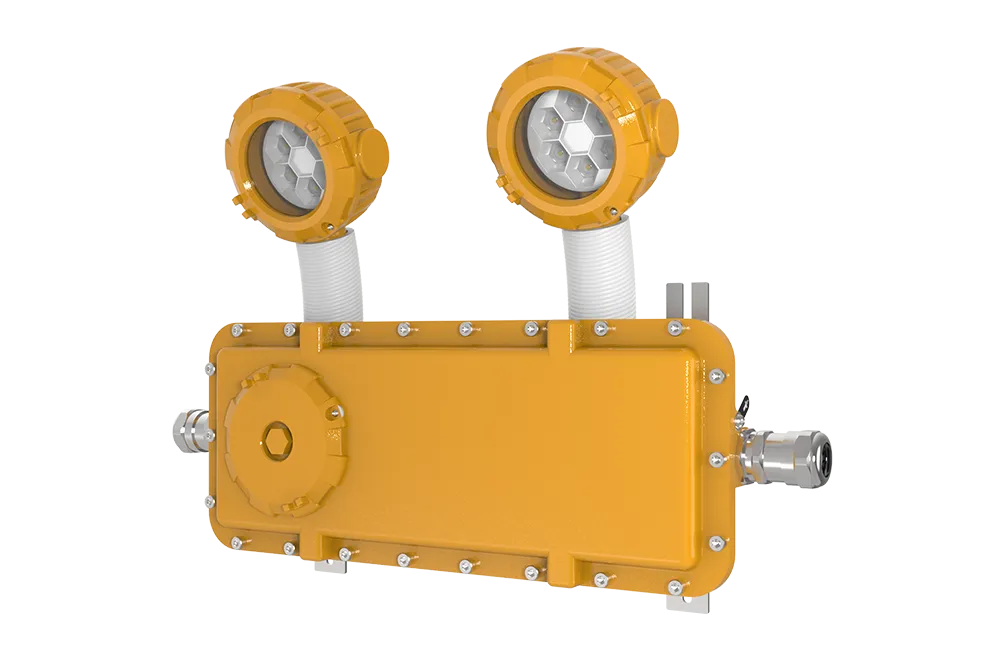
ATEX: Ex II 2G Ex db IIB T6 GbEx II 2D Ex tb IIIC T80°C Db IECEx Ex db IIB T6 Gb;Ex tb IIIC T80°C Db Feature: ● For Zone 1,2 and Zone 21,22● Flameproof type, the strongest Application: Oil and gas, marine, Chemical, pharmaceutical, semiconductor,mining,military industry, paint booth,power plant ETC hazardous area. Technical Specifications:…
View details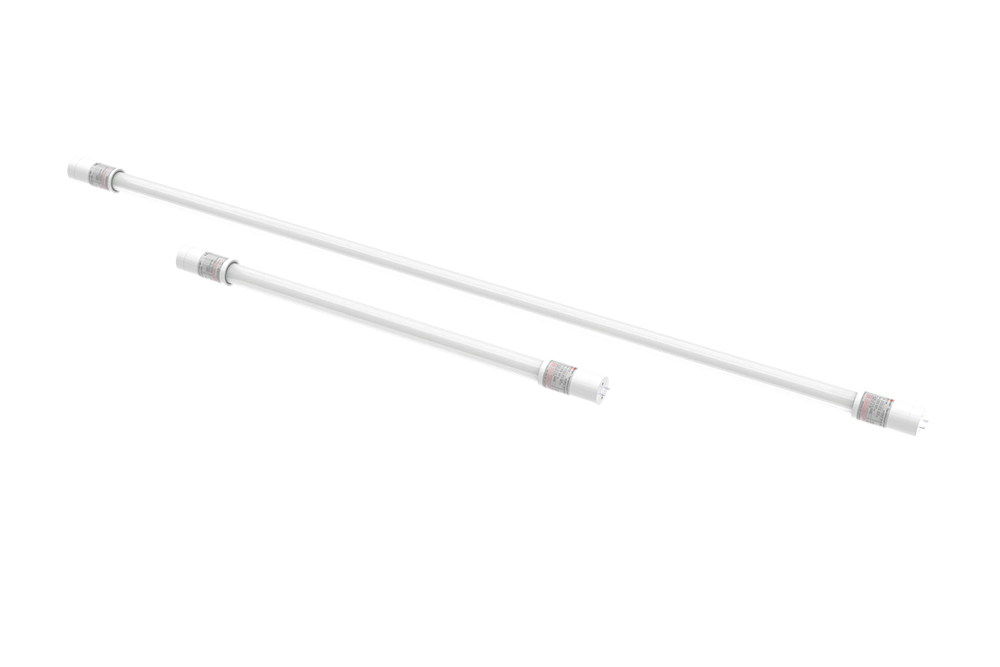
ATEX: Ex II 2G Ex d e IIB T6 Gb ATEX: Ex d e IIB T6 Gb; Feature: ● For Zone 1,2● 9W can replace 18W fluorescent lamps,50% Energy saving Application: Oil and gas, marine, Chemical, pharmaceutical, semiconductor,mining,military industry, paint booth,power plant ETC hazardous area. Technical Specifications: Standards:60079-0, 60079-1, 60079…
View details
how many high bay lights do i need? Learn how to calculate high bay lighting quantity using ceiling height, lumens, spacing, and industrial lighting requirements.
View details
How far to space high bay led lights? Learn professional LED high bay spacing methods based on mounting height, beam angle, lumens, and warehouse design.
View details
Can LED lights be used in an explosion proof area? Learn when LEDs are safe, certification requirements, and real-world insights for hazardous locations.
View details
how many amps does a led light use in real installations? Learn the typical amp draw of LED lights at different voltages and how electricians estimate circuit loads with SEEKINGLED.
View details