 Seeking LED
Do LED Lights Get Hot?
432Do LED lights get hot? Learn how much heat LED lights produce, where the heat goes, and whether LED lights are safe to touch in home and commercial lighting applications.
View detailsSearch the whole station
atex portable lighting provides certified mobile illumination for hazardous areas where explosive gases, vapors, or combustible dust may exist, combining ATEX protection, durable construction, and reliable LED performance.
Portable lighting in hazardous environments has a different purpose from ordinary handheld lamps. It is not only about making a dark area visible; it must provide illumination without introducing additional ignition risks.
At SEEKINGLED, we have worked with industrial lighting applications involving oil and gas facilities, chemical plants, maintenance operations, and emergency response environments. Through these projects, we have learned that portable hazardous lighting is often tested under the most demanding conditions — not inside a showroom, but beside equipment during shutdown maintenance, inspection work, and emergency situations.
A technician working inside a refinery maintenance area may carry a portable light for only a few hours. However, that light must be engineered to perform correctly when the surrounding environment contains potential hazards.
atex portable lighting refers to portable lighting equipment designed and certified for use in potentially explosive atmospheres.
Unlike standard rechargeable work lights, ATEX portable lighting products are engineered to reduce risks associated with:
These lights are commonly used where workers need temporary or mobile illumination.
Typical applications include:
The key difference is protection.
A normal portable LED lamp focuses on brightness and battery capacity.
An ATEX-certified portable light must additionally consider:
Many hazardous area tasks cannot rely on fixed lighting systems.
Examples include:
During these operations, workers need lighting that can move with them.
However, mobility creates additional engineering challenges.
A portable hazardous light must handle:
| Requirement | Importance |
|---|---|
| Explosion protection | Prevent potential ignition sources |
| Battery safety | Reduce electrical risks |
| Mechanical durability | Survive industrial handling |
| Temperature control | Maintain safe surface temperature |
| Long runtime | Support extended maintenance tasks |
Professional atex portable lighting products are designed according to hazardous area requirements.
The European Union regulates explosion-protected equipment through ATEX Directive 2014/34/EU.
Reference:
European Commission ATEX Directive
https://single-market-economy.ec.europa.eu/sectors/mechanical-engineering/equipment-potentially-explosive-atmospheres-atex_en
Manufacturers must consider:
For portable equipment, certification becomes especially important because the user physically carries the device into different working areas.
A professional hazardous portable light usually includes:
Industrial workers do not use portable lights gently.
A light may be:
The product must survive real working conditions.
Battery design is one of the most important aspects of portable hazardous lighting.
Engineers evaluate:
A portable light used during a shutdown inspection may need to operate for an entire shift.
A battery failure in a normal workplace is inconvenient.
A failure in a hazardous location can interrupt safety procedures.
Oil and gas facilities are among the most common users of portable hazardous lighting.
Applications include:
During refinery shutdown periods, technicians often require additional lighting because fixed systems may not provide enough visibility around complex equipment.
Chemical facilities use portable ATEX lights for:
These environments may contain solvents or gases that require certified equipment.
Offshore platforms require portable lighting that can withstand:
A portable light used offshore must combine hazardous protection with environmental durability.
In industrial environments, maintenance time has a direct impact on operating costs.
Portable lighting helps technicians:
However, the real benefit is not only brightness.
It is confidence.
Workers know the lighting equipment has been designed for the environment they are entering.
During industrial lighting discussions, customers often begin with questions like:
“How many lumens does it have?”
That question matters, but it is not the first question experienced engineers ask.
They usually ask:
I remember a maintenance project where technicians originally selected a portable light mainly because of brightness and battery capacity.
After reviewing the working environment, the selection changed.
The area required stronger protection because the light would be used near process equipment during scheduled maintenance.
The lesson was simple:
The correct portable light is determined by the environment, not only by performance numbers.
Before selecting a supplier, review:
Check:
Evaluate:
Consider:
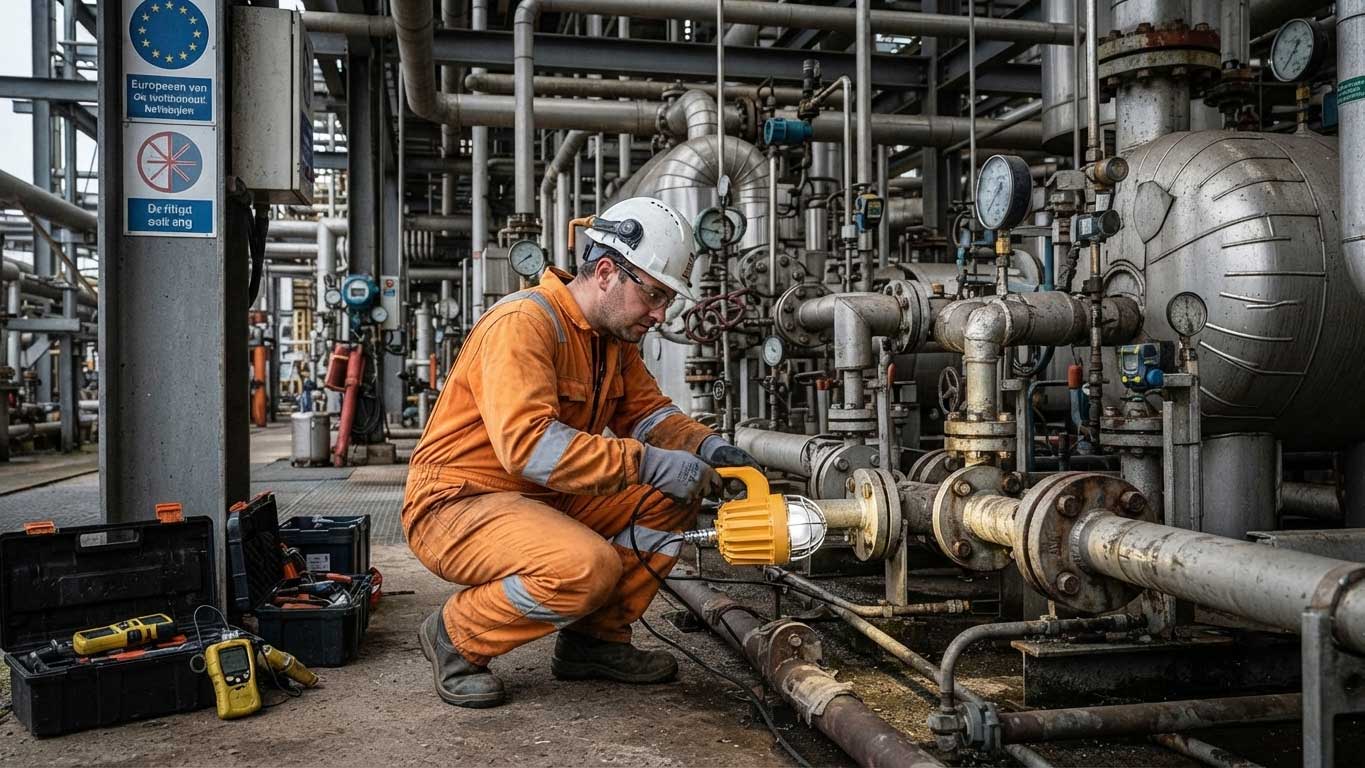
At SEEKINGLED, we understand that portable hazardous lighting products are used in situations where reliability matters most.
Our engineering focus includes:
A portable light is often the first tool workers bring into difficult areas.
That means reliability cannot be optional.
A well-designed atex portable lighting solution provides more than visibility. It supports safer industrial operations.
At first glance, a standard rechargeable work light and an atex portable lighting product may look similar.
Both may include:
However, the engineering purpose is completely different.
A standard portable light is designed for general workplaces.
An ATEX portable light is designed for locations where a small electrical or thermal failure could create a safety concern.
| Feature | atex portable lighting | Standard Portable Lighting |
|---|---|---|
| Hazardous area certification | Required | Usually unavailable |
| Explosion protection | Designed into structure | Not considered |
| Battery protection | Safety-focused | General design |
| Temperature control | Strict requirements | Normal operation |
| Industrial application | Oil, gas, chemical areas | Workshops, warehouses |
This difference is why hazardous industries require specialized portable lighting equipment.Visit the product page: Explosion Proof Lighting
Refinery shutdown periods are one of the most demanding environments for portable lighting.
During maintenance activities, workers may need to inspect:
Fixed lighting may not provide enough visibility in every working position.
Portable ATEX lighting allows technicians to bring illumination directly to the inspection point.
A maintenance engineer does not need the brightest possible light.
They need a reliable light that works safely where they are standing.
Confined spaces create unique lighting challenges.
Examples include:
Workers may require portable lighting because permanent fixtures are unavailable or insufficient.
Important considerations include:
Emergency situations require equipment that can be deployed quickly.
Portable hazardous lighting may support:
In these situations, reliability becomes more important than convenience.
A light stored for months must still perform when needed.
Many buyers compare portable lights using:
These specifications are useful, but industrial purchasing teams usually evaluate additional factors.
A professional evaluation includes:
| Category | Questions |
|---|---|
| Certification | Is it suitable for the hazardous zone? |
| Durability | Can it survive industrial handling? |
| Battery system | Is operation stable and safe? |
| Environment | Can it handle temperature and moisture? |
| Support | Does the supplier understand the application? |
The product specification sheet is only one part of the decision.
The supplier’s experience often matters just as much.
Portable lighting depends on battery systems, making battery engineering a key consideration.
Manufacturers need to manage:
In hazardous environments, battery safety cannot be treated like consumer electronics.
Industrial users expect:
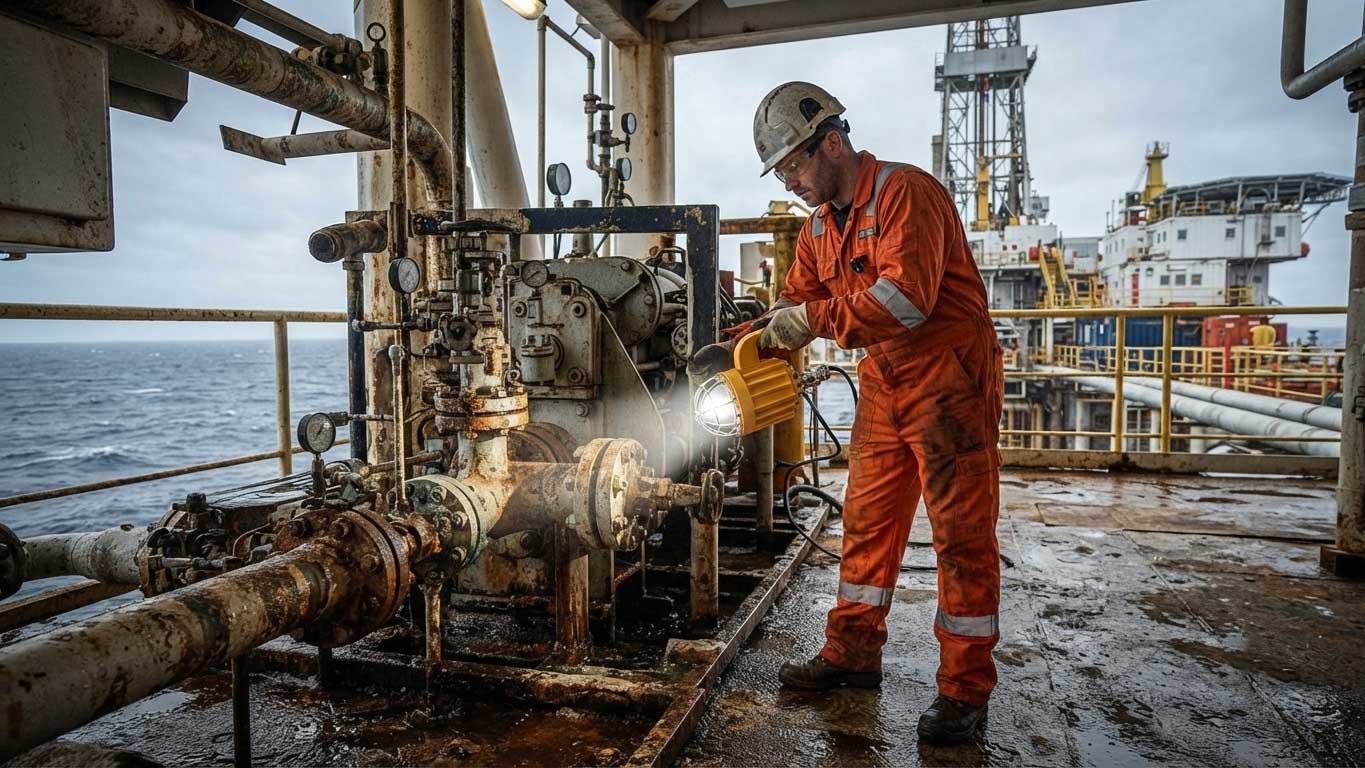
Professional manufacturers test portable lighting products against demanding conditions.
Typical evaluations include:
Testing the product against:
Evaluating:
Checking:
A portable light used in the field rarely experiences perfect conditions.
Manufacturers must design for reality.
At SEEKINGLED, product development focuses on solving practical industrial problems.
The design process considers:
Through industrial lighting experience, we have learned that successful products are not created only in engineering software.
They are improved by understanding how technicians actually work.
A portable light carried through a refinery, chemical plant, or industrial site must be simple, reliable, and dependable.
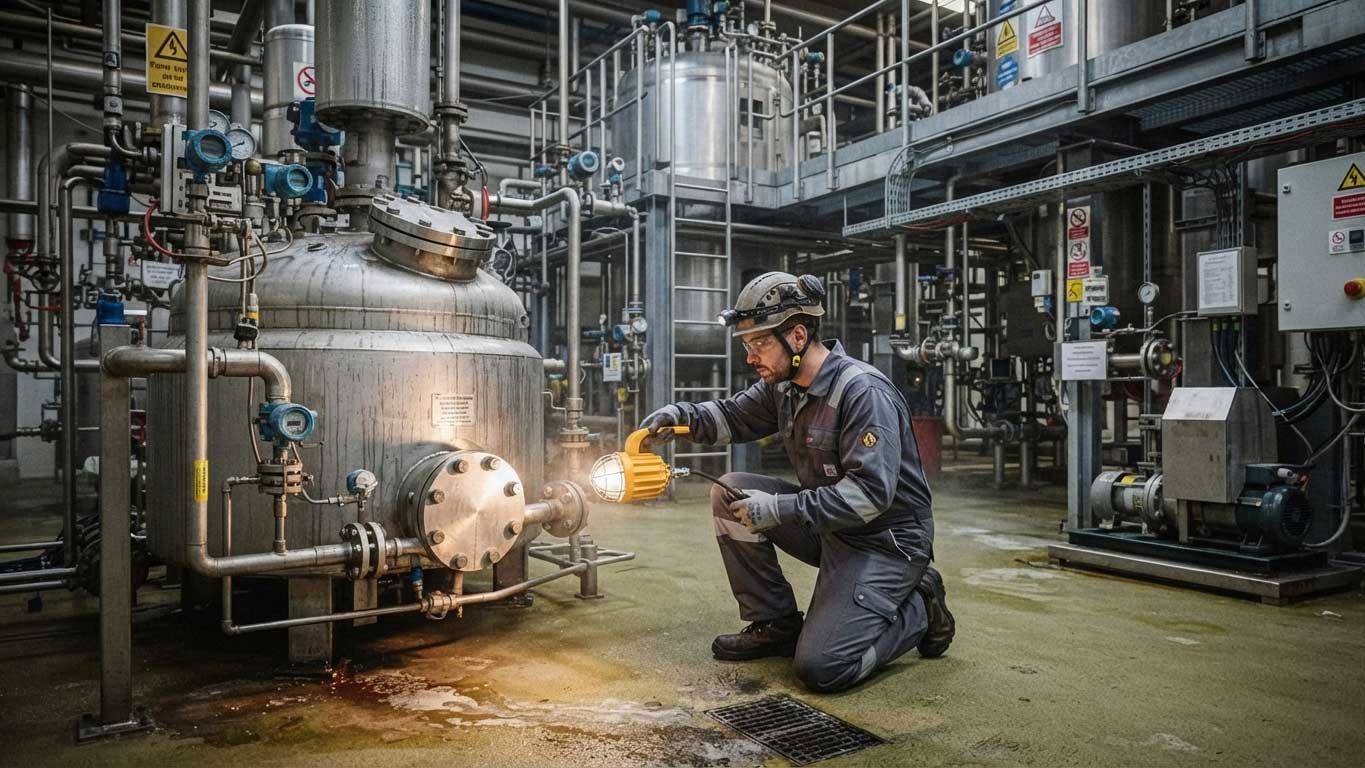
atex portable lighting is used for mobile illumination in hazardous environments such as oil refineries, chemical plants, offshore facilities, and industrial maintenance areas.
Standard portable lights are not designed to control ignition risks or meet hazardous area certification requirements required for explosive environments.
Common industries include:
Important factors include:
Operating time depends on battery capacity, LED efficiency, brightness setting, and environmental conditions. Industrial products are designed for reliable shift-based operation.
Many ATEX portable lighting products are suitable for outdoor industrial applications when designed with appropriate weather protection and environmental resistance.
Professional manufacturers may provide customized options such as different brightness levels, mounting accessories, battery configurations, and application-specific designs.
atex portable lighting provides safe, mobile illumination for industries where workers operate in potentially explosive environments.
The right product selection requires more than comparing brightness or battery capacity. Certification, engineering quality, durability, and application experience determine whether the lighting solution is suitable.
For oil and gas facilities, chemical plants, offshore platforms, and industrial maintenance operations, SEEKINGLED focuses on creating portable lighting solutions designed around real working conditions.
A dependable portable hazardous light supports safer inspections, smoother maintenance, and more efficient industrial operations.
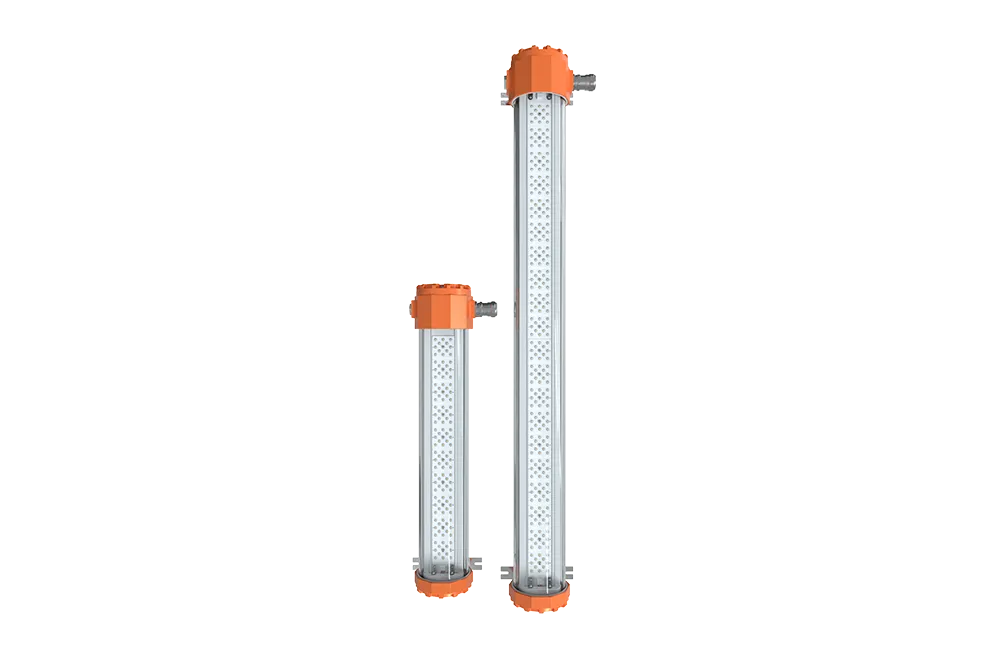
SEEKINGLED LED Linear Explosion Proof Light and Explosion Proof lighting is ATEX and IECEx certified for Zone 1, Zone 2, Zone 21 and Zone 22 hazardous locations, built for long-term industrial use.
View details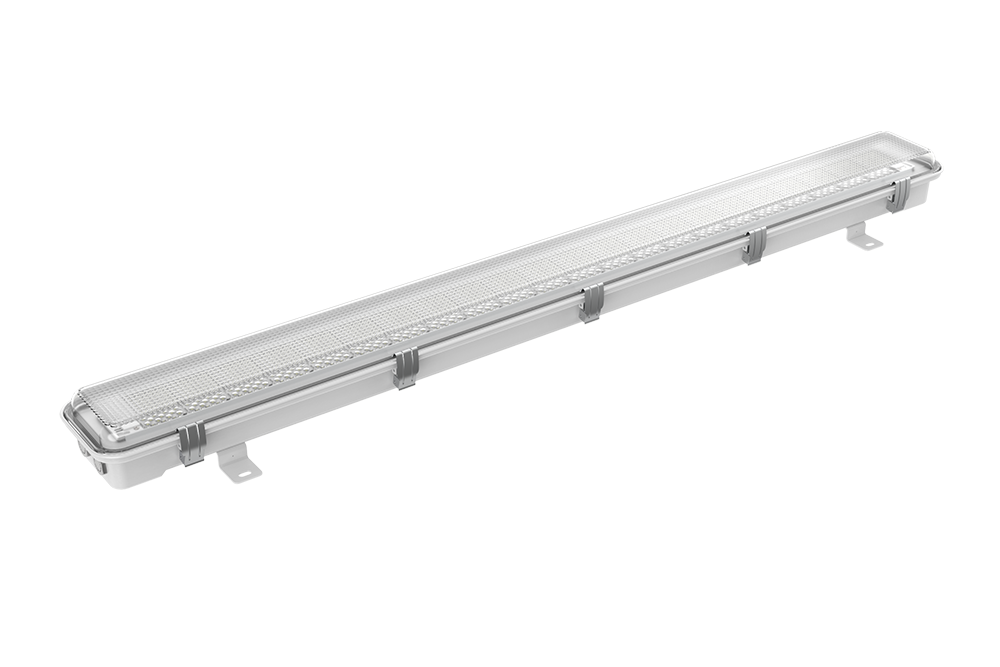
LED Linear Explosion Proof Lights and EX Proof lights for Zone 1, Zone 2, Zone 21 and Zone 22 hazardous areas. ATEX & IECEx certified explosion proof LED linear lighting with emergency function, adjustable power and IP67 protection by SEEKINGLED.
View details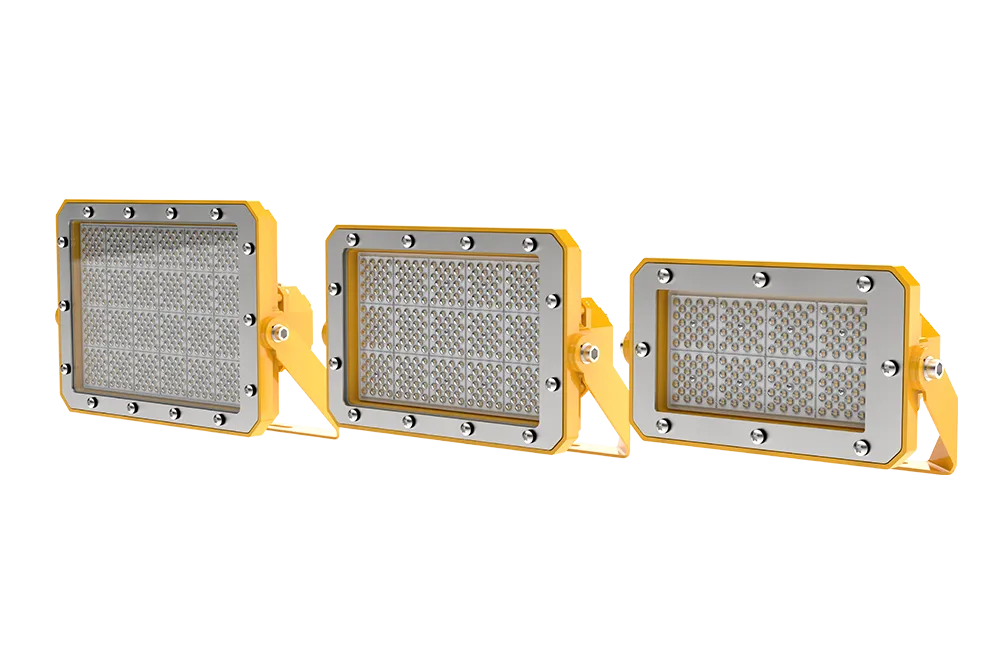
SEEKINGLED LED Explosion Proof Flood Lights are ATEX certified for Zone 2 and Zone 22 hazardous areas, offering high efficiency, adjustable power and integrated junction box.
View details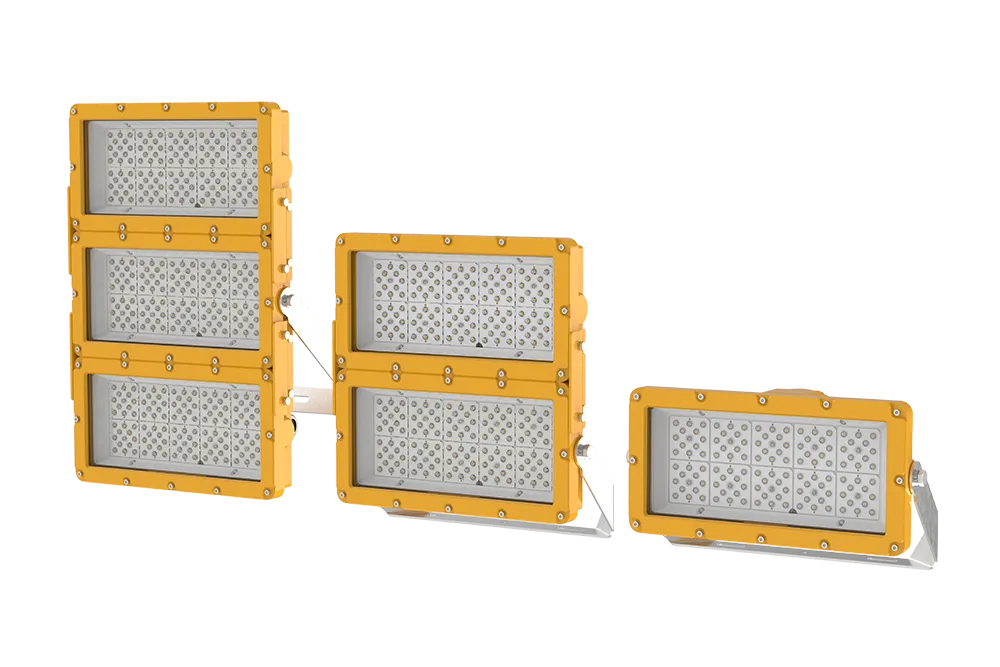
SEEKINGLED LED Explosion Proof Flood Lights are flameproof ATEX and IECEx certified for Zone 1 and Zone 2 hazardous areas, offering high power, adjustable output and long service life.
View details
SEEKINGLED LED Gas Station Canopy Lights are ATEX certified for Zone 2 and Zone 22 hazardous areas, featuring adjustable power and built-in explosion-proof junction box.
View details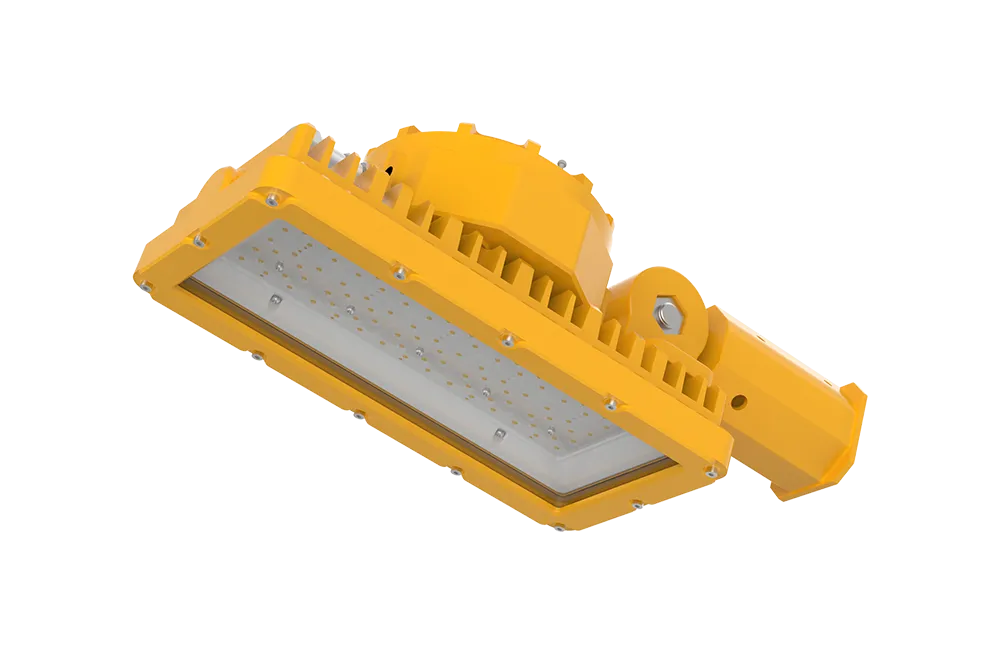
ATEX: Ex II 2G Ex db IIB T6/T5 GbEx II 2D Ex tb IIIC T80°C/ T95°C Db IECEx Ex db IIB T6 Gb;Ex tb IIIC T80°C Db Feature: ● For Zone 1,2 and Zone 21,22● Flameproof type, the strongest● 100W can replace 250W HID,energy saving● Power:60W,80W,100W Application: Oil and gas, marine, Chemical, pharmaceutical, semiconductor,mining,military industr…
View details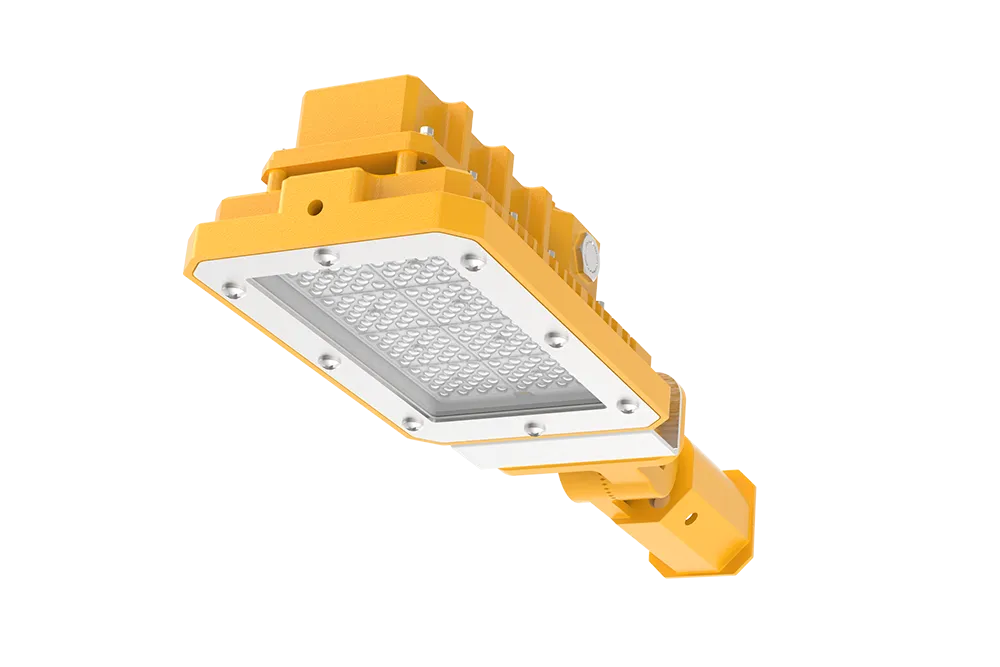
ATEX: II 3G Ex nR ⅡC T5/T6 GcII 3D Ex tc ⅢC T80℃/T95℃Dc ATEX Certificate NO: TÜV CY 26 ATEX 0207611 X Feature: ● For Zone 2 and Zone 22● 150W can replace 250W HID lamps,Energy saving● Power:50W,75W,100W,150W,200W Application: Oil and gas, marine, Chemical, pharmaceutical, semiconductor,mining,military industry, paint booth,power plant ETC…
View details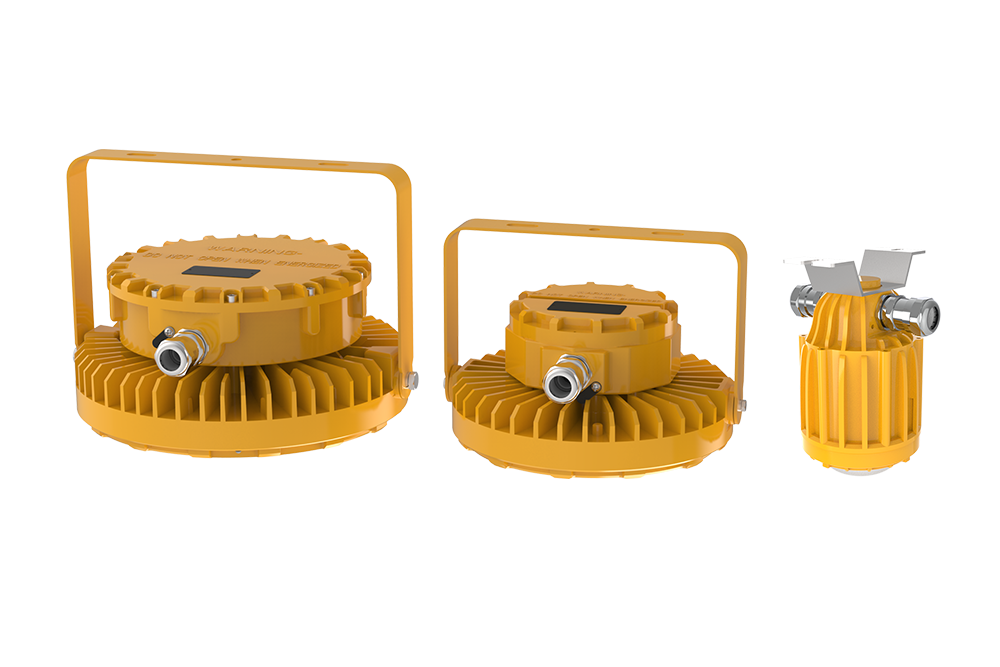
LED explosion proof high bay lights are designed for Zone 1, Zone 2, Zone 21 and Zone 22 hazardous areas. This page introduces the HB21 Series from SEEKING, including certifications, power options and real application considerations.
View details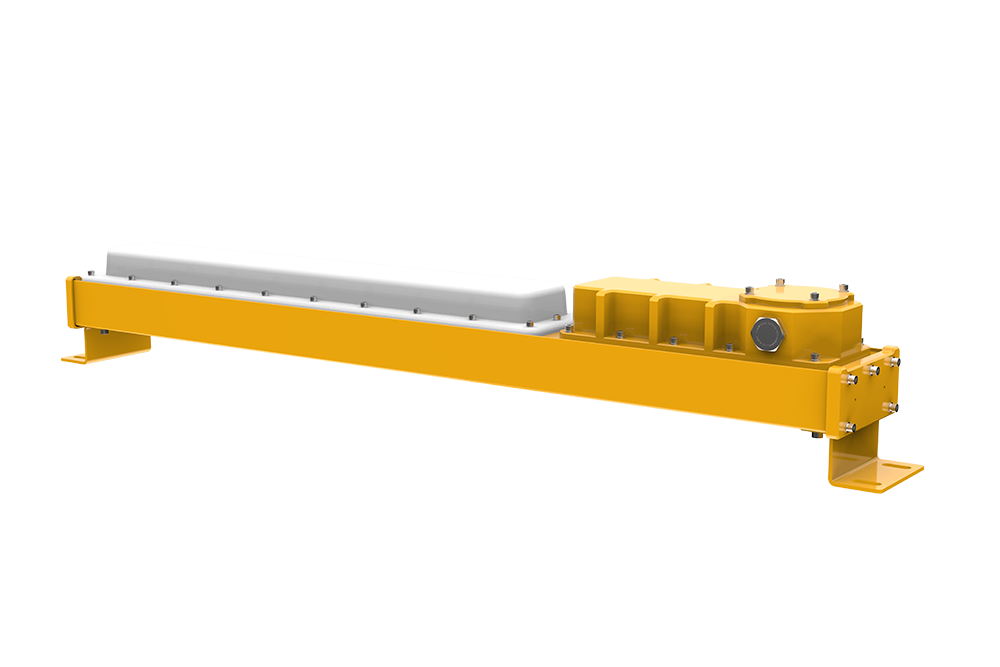
LED Linear Explosion Proof Lights from SEEKINGLED. LU Series Flame Proof lights ATEX-certified explosion proof LED linear lighting for Zone 2 gas and Zone 22 dust areas, IP69K, IK10, long lifetime and flexible power options.
View details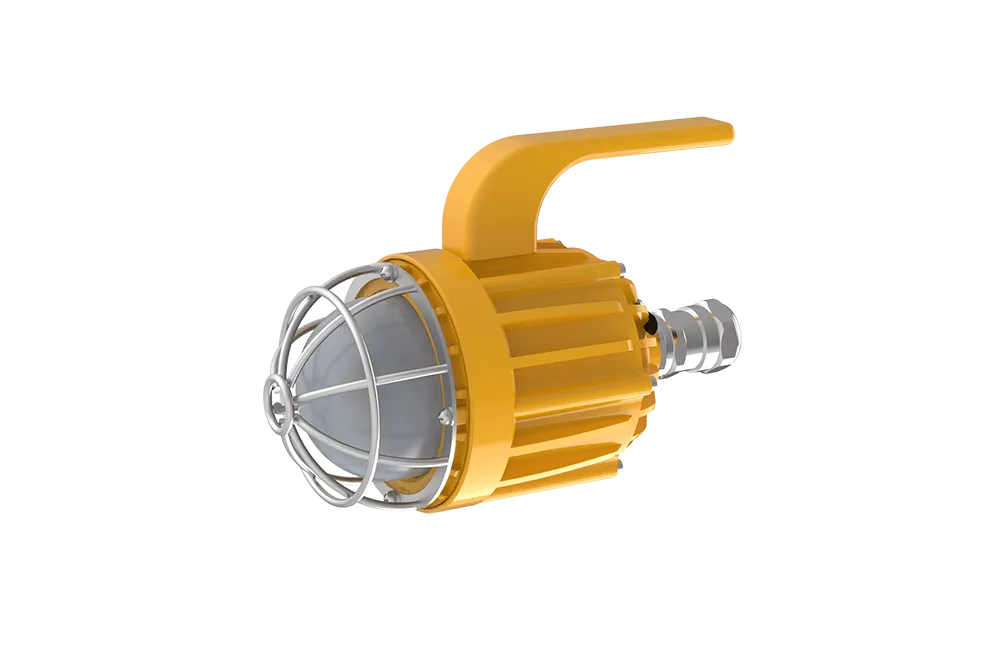
Certified explosion proof work lights for Zone 1 & 21 hazardous areas. Portable, ATEX & IECEx approved, built for oil, gas and chemical plants by SEEKINGLED.
View details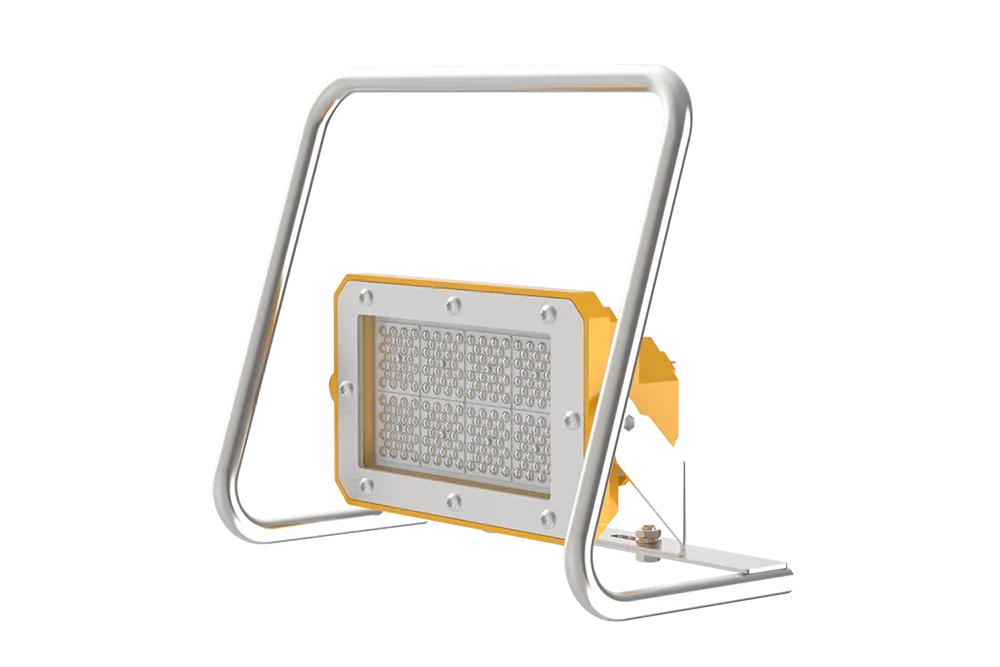
ATEX: II 3G Ex nR ⅡC T6 GcII 3D Ex tc ⅢC T80℃ Dc ATEX Certificate NO: TÜV CY 26 ATEX 0207611 X Feature: ● For Zone 2 and Zone 22● Accepts battery-powered supply● indestructible● Power:AC input:50W,75W,100WDC input:15W,25W,35W Application: Oil and gas, marine, Chemical, pharmaceutical, semiconductor,mining,military industry, paint booth,po…
View details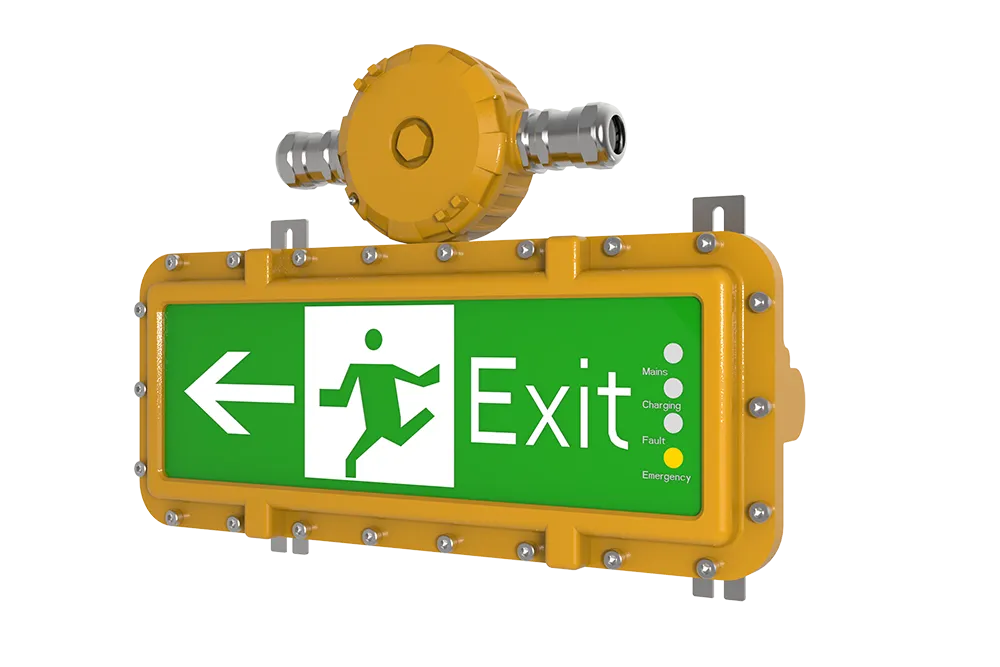
ATEX: Ex II 2G Ex db IIB T6 GbEx II 2D Ex tb IIIC T80°C Db IECEx Ex db IIB T6 Gb;Ex tb IIIC T80°C Db Feature: ● For Zone 1,2 and Zone 21,22● Flameproof type, the strongest Application: Oil and gas, marine, Chemical, pharmaceutical, semiconductor,mining,military industry, paint booth,power plant ETC hazardous area. Technical Specifications:…
View details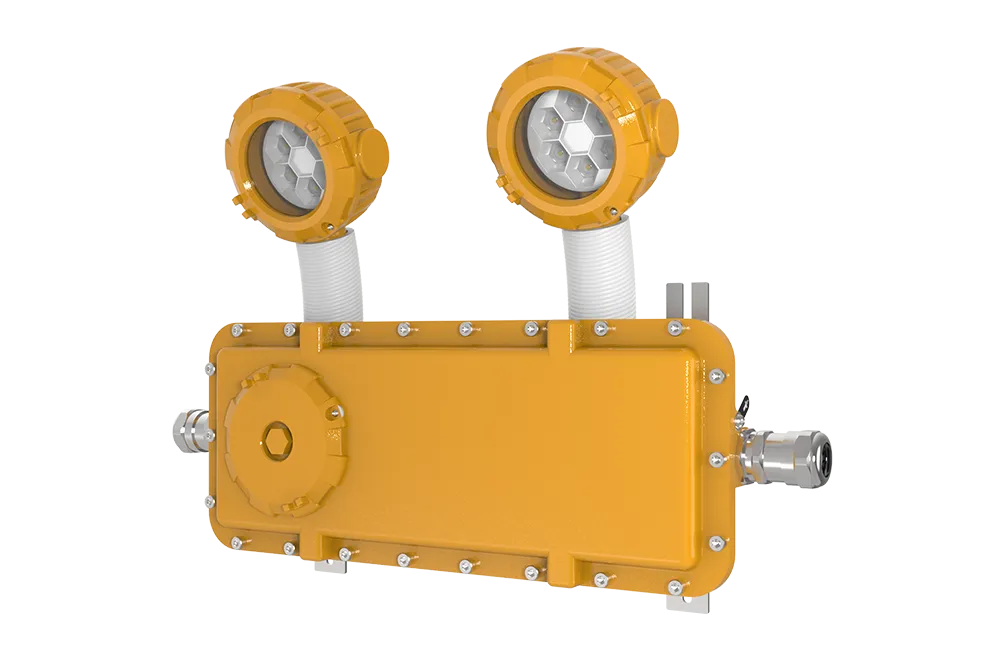
ATEX: Ex II 2G Ex db IIB T6 GbEx II 2D Ex tb IIIC T80°C Db IECEx Ex db IIB T6 Gb;Ex tb IIIC T80°C Db Feature: ● For Zone 1,2 and Zone 21,22● Flameproof type, the strongest Application: Oil and gas, marine, Chemical, pharmaceutical, semiconductor,mining,military industry, paint booth,power plant ETC hazardous area. Technical Specifications:…
View details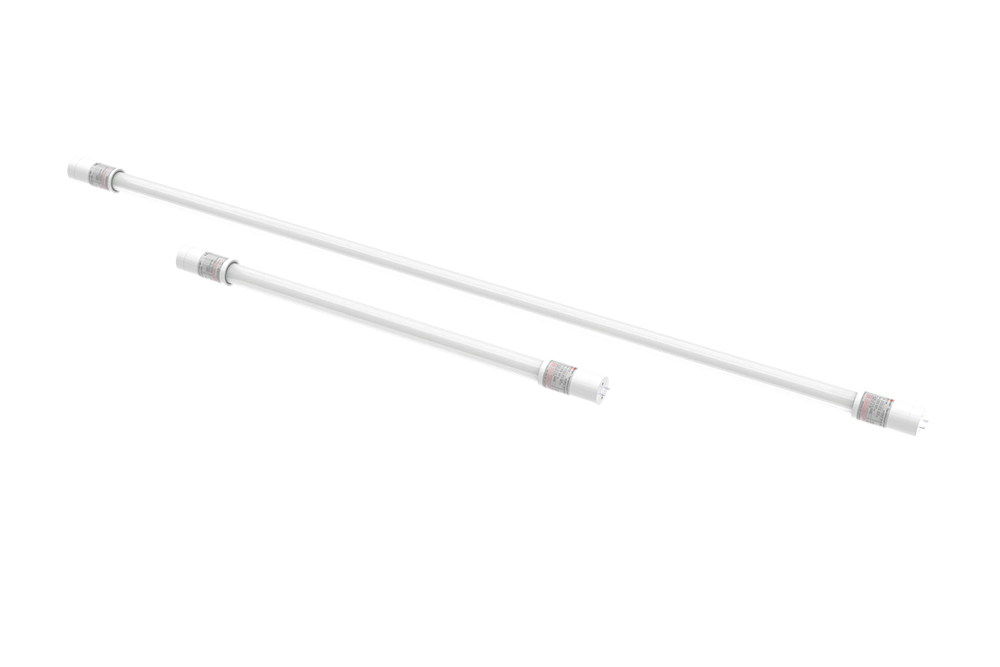
ATEX: Ex II 2G Ex d e IIB T6 Gb ATEX: Ex d e IIB T6 Gb; Feature: ● For Zone 1,2● 9W can replace 18W fluorescent lamps,50% Energy saving Application: Oil and gas, marine, Chemical, pharmaceutical, semiconductor,mining,military industry, paint booth,power plant ETC hazardous area. Technical Specifications: Standards:60079-0, 60079-1, 60079…
View details
Do LED lights get hot? Learn how much heat LED lights produce, where the heat goes, and whether LED lights are safe to touch in home and commercial lighting applications.
View details
IECEx certified floodlight solutions for hazardous industrial zones. Discover certification requirements, performance benefits, and safe operation in explosive atmospheres.
View details
Discover hazardous area led lights for Zone 1 and Zone 2 applications. Learn certifications, LED advantages, installation requirements, and industrial safety solutions.
View details
This engineering-based news article explains how energy saving LED lighting supports sustainable projects, covering LED Flood Light, LED Street Light, Sports Stadium LED Lighting and more by SEEKINGLED.
View details