 Seeking LED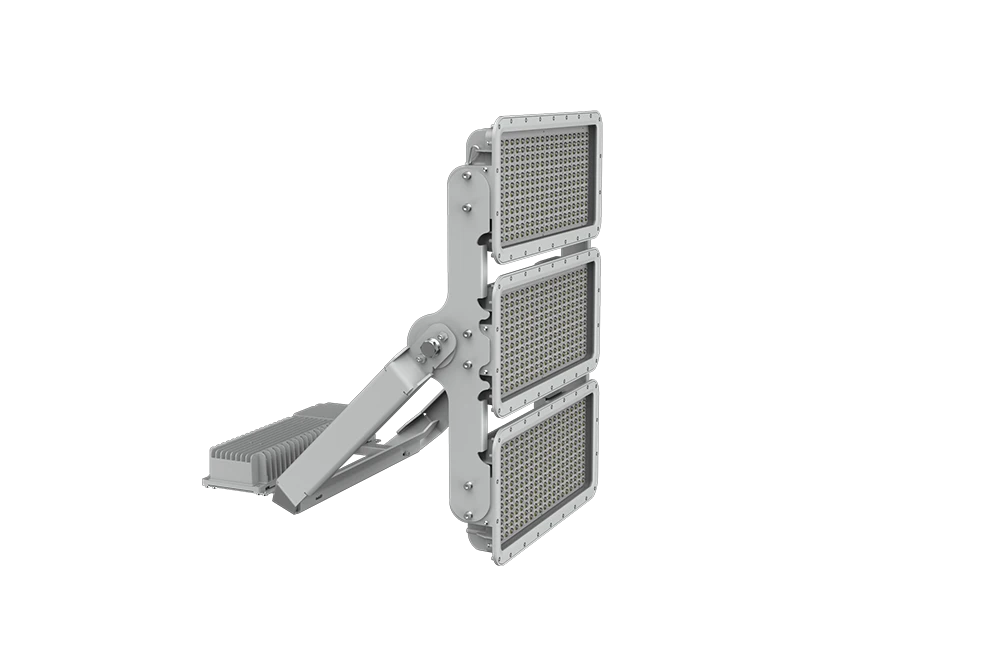
XJ-HBS200W High Bay with Sensor in Australian Warehouse
291Real project record of XJ-HBS200W high bay with motion and daylight sensor installed in an Australian warehouse, focusing on on-site setup and energy-saving results.
View detailsSearch the whole station
A flood light 100 watt LED sits right in the middle of outdoor lighting applications. It’s not small-scale decorative lighting, and it’s not high-mast stadium power either.
On site, 100W is often chosen because it feels balanced. Bright enough to light parking areas, building exteriors, yards, and work zones — without overwhelming the space.
In real projects, this wattage is often the point where LED performance starts to replace older 250W or even 400W traditional flood lights. That’s not theory. You see it immediately when the light comes on.
At SEEKINGLED, 100W flood lights are often selected because they solve problems without creating new ones.
Brightness depends on design, not just wattage.
A well-designed 100 watt LED flood light outdoor fixture delivers strong, usable light with wide coverage. Poorly designed ones chase numbers on paper and lose light to glare or spill.
In practice:
More wattage doesn’t automatically mean better visibility. A focused LED flood light 100W commercial setup often outperforms higher-watt lights installed without planning.
You’ll find flood light 100 watt LED used in:
These are places where lighting stays on for long hours. Reliability matters. Flicker, uneven output, or early failure shows up fast.
For many customers, 100W is the “safe choice” — strong enough for security and visibility, without unnecessary energy waste.
Yes — when designed properly.
Compared to older systems, energy efficient 100W flood light models consume far less power while delivering better usable light. That’s the core advantage of LED.
But not every 100W LED is efficient in practice. Poor drivers and thermal design lead to early lumen drop. You save energy at first, then lose performance.
SEEKINGLED designs outdoor LED flood lighting with thermal control in mind, because efficiency that doesn’t last isn’t real efficiency.
From real installation experience, these points matter most:
Brightness alone doesn’t guarantee good lighting. In fact, overpowered flood lights often cause glare and uneven coverage.
A good flood light 100 watt LED should feel reliable and predictable — not aggressive.
SEEKINGLED focuses on practical lighting that works day after day.
Our flood light 100 watt LED products are designed for outdoor and commercial environments where performance needs to stay consistent.
We emphasize:
When a flood light turns on every night and does exactly what it’s supposed to do, without drawing attention to itself, that’s usually the right choice.
Sports Stadium LED Lighting by SEEKINGLED delivers high mast illumination, precise beam control, and EN 12193 compliant performance for professional venues.
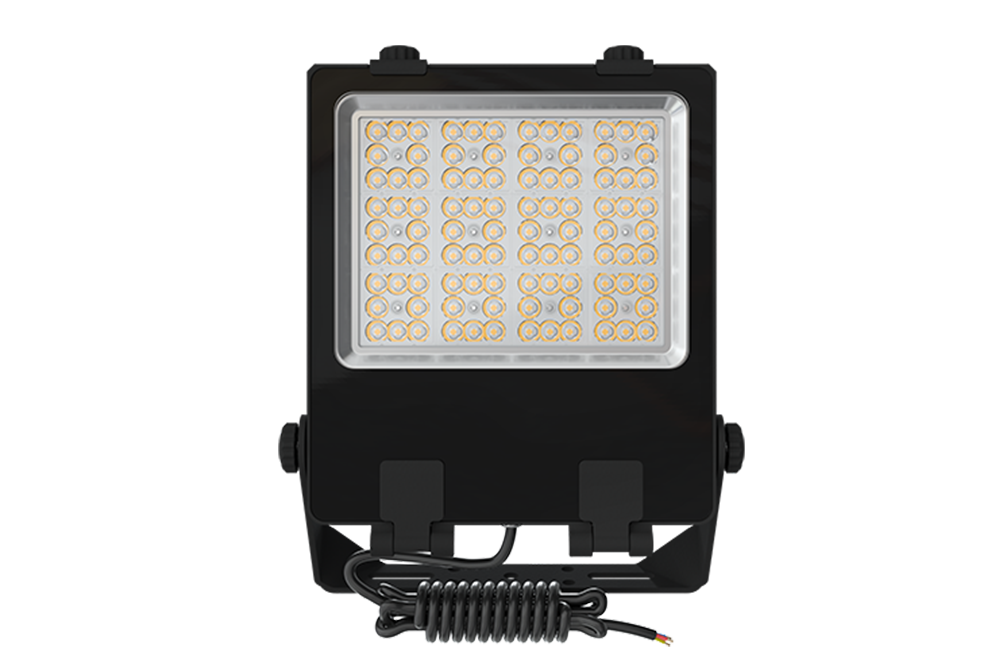
SEEKING FLX Series LED flood light outdoor for sports courts and open-area projects with 170lm/W efficiency, IP66 protection and multiple beam distributions. Designed for long-life commercial and public outdoor use.
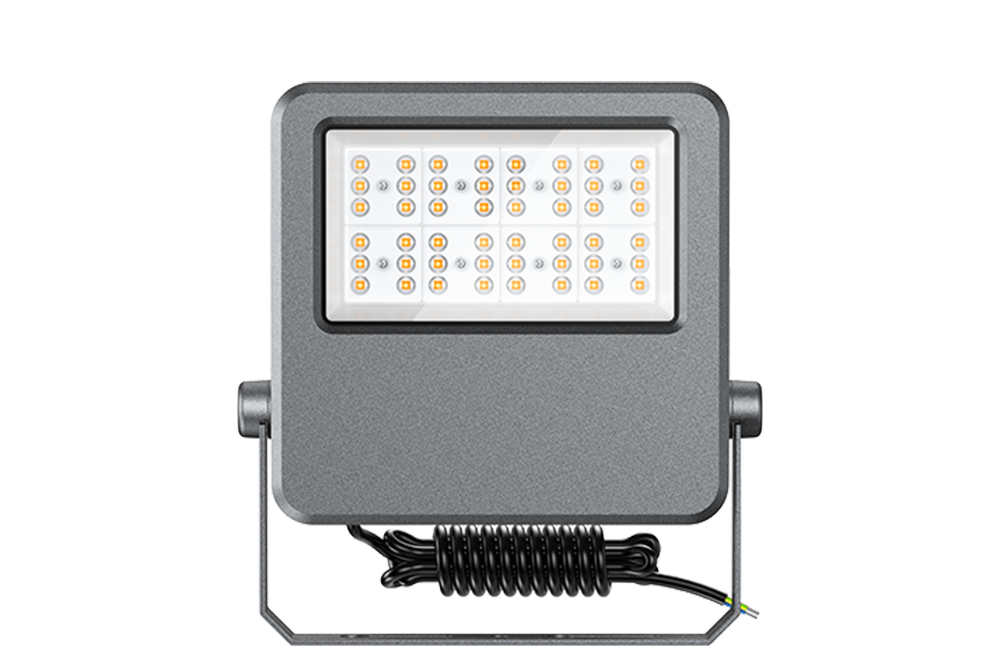
SEEKING FLE Series LED outdoor flood lights for sports grounds and open areas with multiple beam angles, IP66 protection and up to 170lm/W. Designed for long-life outdoor installations with professional driver options.
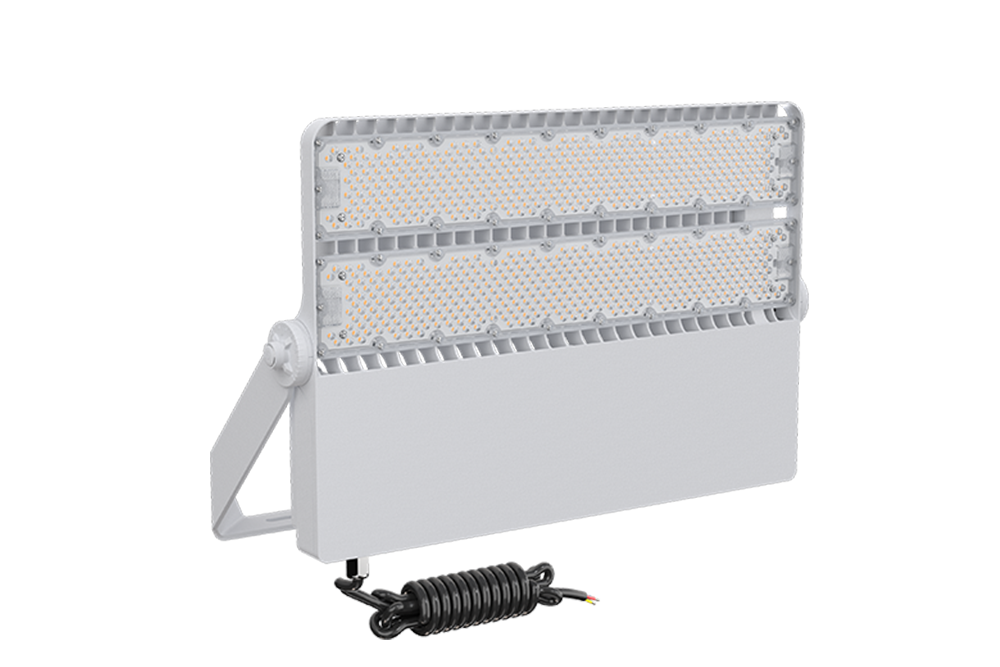
SEEKING FLD Series outdoor LED flood lights and high power led flood light deliver up to 960W with precision beam angles for sports fields, stadiums and large outdoor areas. IK08 & IP66 protection, 170lm/W efficiency and 100,000h lifetime.
loading…
This is the last post!
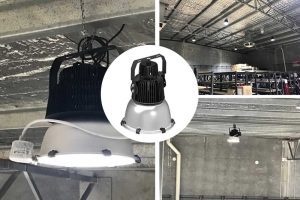
Real project record of XJ-HBS200W high bay with motion and daylight sensor installed in an Australian warehouse, focusing on on-site setup and energy-saving results.
View details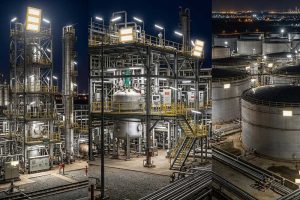
Class 1 Div 1 LED lighting ensures safe operation in explosive environments. Discover standards, real project insights, and expert selection tips from SEEKINGLED.
View details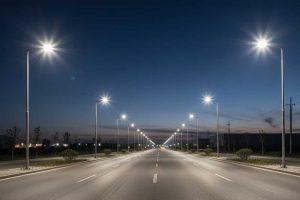
150W LED street light explained from real road projects. When to use it, when not to, and how SEEKINGLED balances output, spacing and cost.
View details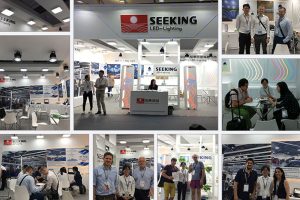
9th-12th- June-2018 Booth NO.:4.2 C36New STL series street light, include 100W, 120W, 150W, 180W, 200W. Integrated casting, can achieve T3 various light distribution, light efficiency higher than 130LM/W, IP65, IK10, tool-...
View details