 Seeking LED
How Long Do LED Flood Lights Last?
378How long do LED flood lights last depends on heat, driver quality and usage hours. Learn realistic lifespan ranges and what affects long-term performance.
View detailsSearch the whole station
what is atex certification? ATEX certification is an approval process that confirms equipment can be safely used in explosive atmospheres where flammable gases, vapors, or dust may create ignition risks.
In hazardous area lighting projects, I have seen certification become the first discussion point before product performance. Engineers do not only ask how many lumens a fixture produces; they ask whether the equipment has the correct ATEX marking for the installation area.
ATEX certification is a European compliance system for equipment intended to operate in potentially explosive atmospheres.
The name ATEX comes from the French term “ATmosphères EXplosibles.”
It applies to equipment used in environments where explosive mixtures may occur, including:
The purpose of ATEX certification is to verify that equipment will not become an ignition source during normal operation or expected faults.
Reference:
European Commission ATEX Directive 2014/34/EU
https://single-market-economy.ec.europa.eu/sectors/mechanical-engineering/equipment-potentially-explosive-atmospheres-atex_en
ATEX certification evaluates several safety factors before equipment can be used in explosive environments.
The assessment normally considers:
Manufacturers must demonstrate that the product design prevents ignition risks.
This may involve:
For industrial lighting, this means the LED driver, electrical connections, and housing must meet specific protection requirements.
ATEX equipment is selected according to the environment where it will operate.
Common gas and vapor zones include:
| Zone | Description |
|---|---|
| Zone 0 | Explosive atmosphere exists continuously or for long periods |
| Zone 1 | Explosive atmosphere may occur during normal operation |
| Zone 2 | Explosive atmosphere is unlikely and only temporary |
Dust environments use different zone classifications.
Choosing the wrong category can lead to compliance problems during installation inspections.
A product may look strong, waterproof, and durable but still not be suitable for hazardous locations.
ATEX certification provides confidence that equipment has been evaluated for explosive atmosphere risks.
For industrial users, the benefits include:
During industrial lighting projects, I often notice that customers initially compare price and specifications. After reviewing site requirements, certification becomes the deciding factor.
A lower-cost product without the correct approval can create installation delays or require replacement later.
ATEX certification is based on European requirements for equipment used in explosive atmospheres.
Testing may include:
For lighting products, temperature classification is especially important because surface heat must remain below the ignition temperature of surrounding substances.Visit the product page: ATEX Certification Explosion Proof Lighting
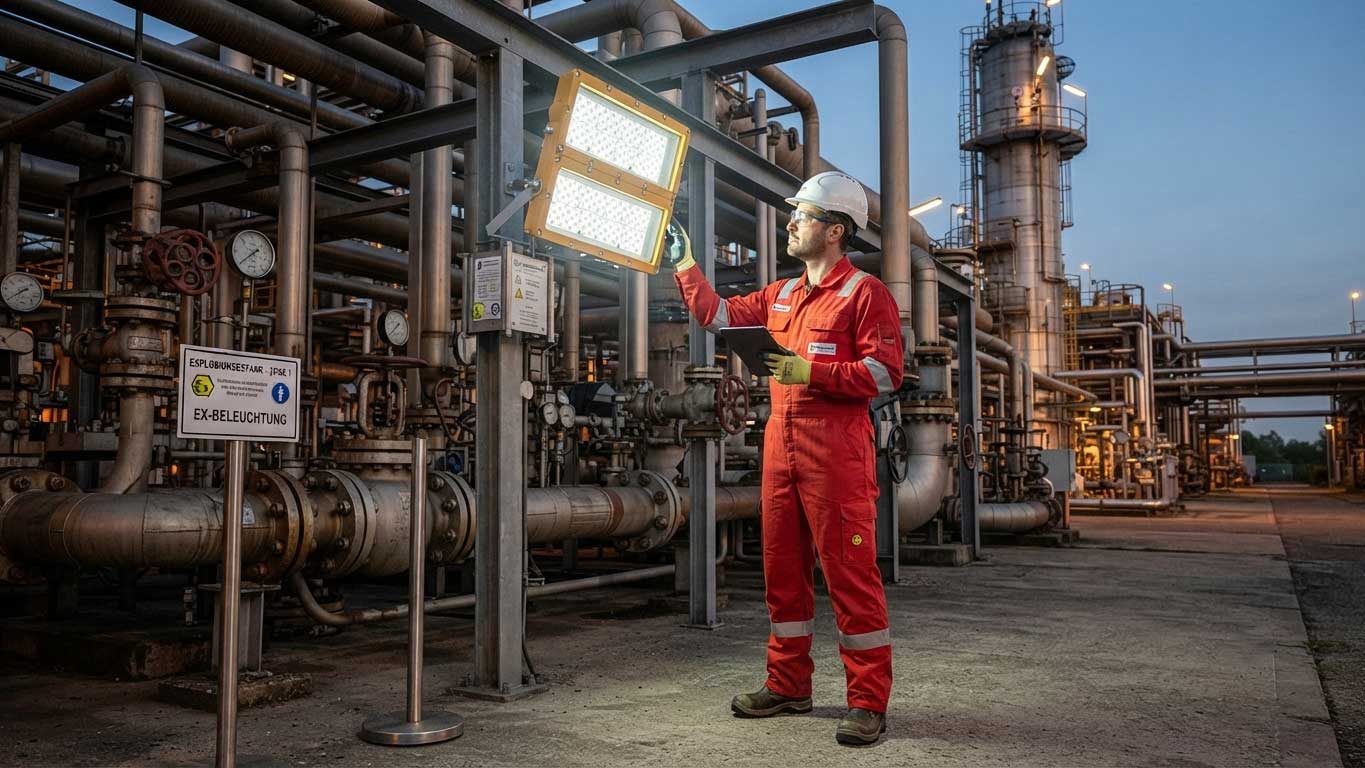
Many industrial buyers confuse general product certification with hazardous area certification.
They are not the same.
| Feature | ATEX Certified Equipment | General Equipment |
|---|---|---|
| Explosive atmosphere evaluation | Yes | No |
| Hazardous zone suitability | Yes | Limited |
| Ignition protection testing | Required | Usually unavailable |
| Industrial compliance documents | Provided | Basic documents |
A CE marking alone does not automatically mean equipment is ATEX certified.
ATEX is a specific requirement for explosive atmosphere applications.
ATEX-certified equipment is widely used in:
In these industries, even small components such as lighting fixtures, switches, and electrical enclosures may require suitable certification.
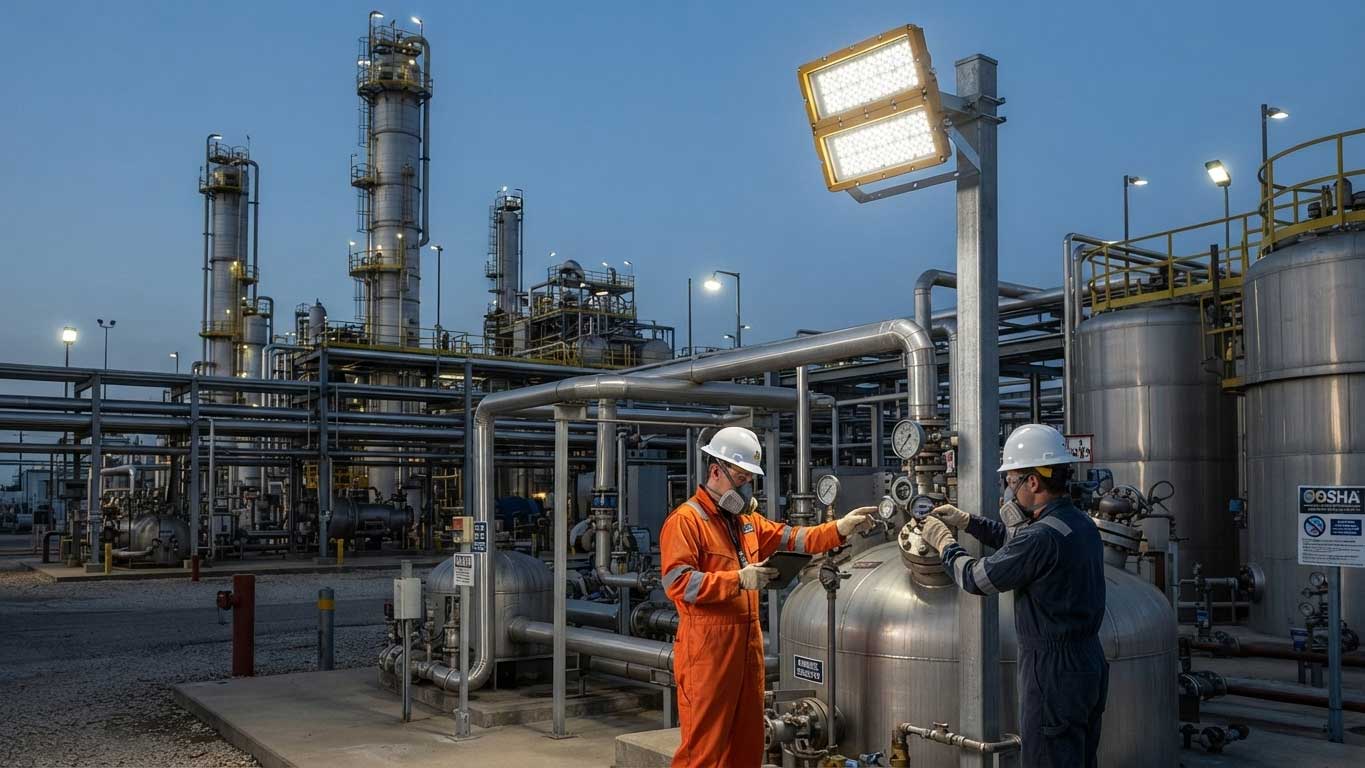
ATEX certification confirms that equipment is suitable for use in potentially explosive atmospheres.
For certain equipment used in explosive environments within the European market, ATEX compliance is required.
Products such as lighting fixtures, electrical equipment, sensors, motors, and control devices may require ATEX approval.
ATEX comes from the French phrase “ATmosphères EXplosibles,” meaning explosive atmospheres.
ATEX is a European regulatory framework, while IECEx is an international certification system.
what is atex certification? It is a safety certification system that confirms equipment is designed and tested for use in explosive atmospheres.
For hazardous industries, certification is not just a document. It represents whether a product can operate safely in real working conditions.
SEEKINGLED focuses on industrial lighting solutions where compliance, reliability, and practical application requirements are considered from the beginning of product development.
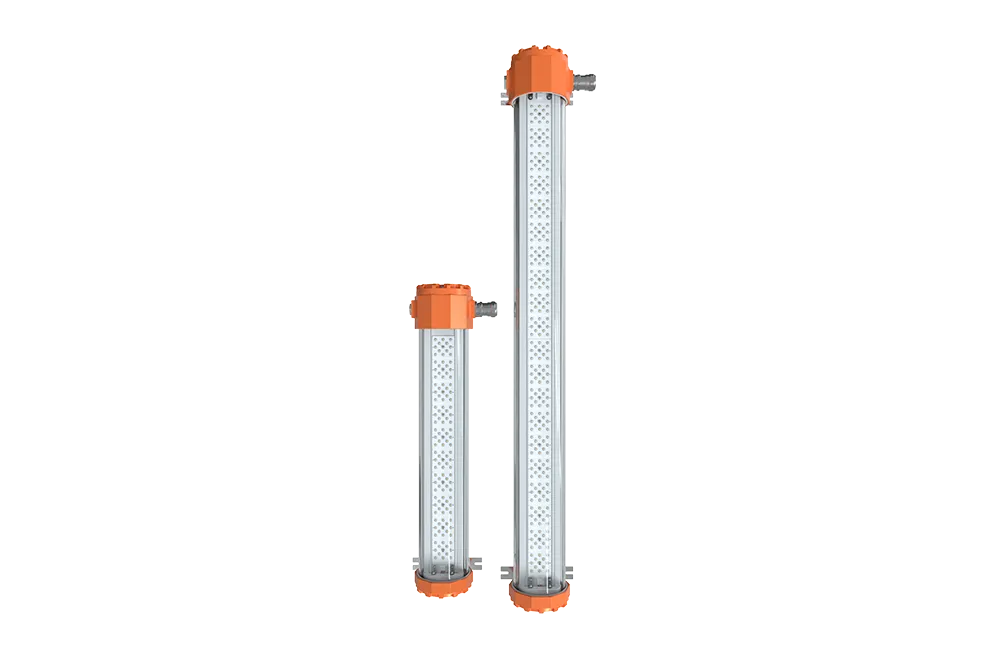
SEEKINGLED LED Linear Explosion Proof Light and Explosion Proof lighting is ATEX and IECEx certified for Zone 1, Zone 2, Zone 21 and Zone 22 hazardous locations, built for long-term industrial use.
View details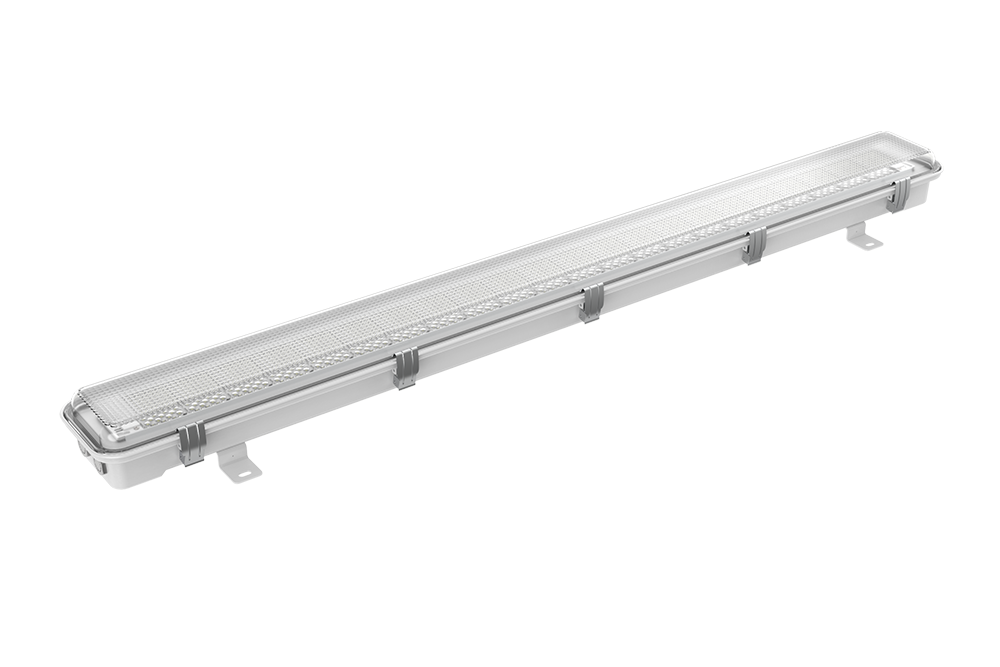
LED Linear Explosion Proof Lights and EX Proof lights for Zone 1, Zone 2, Zone 21 and Zone 22 hazardous areas. ATEX & IECEx certified explosion proof LED linear lighting with emergency function, adjustable power and IP67 protection by SEEKINGLED.
View details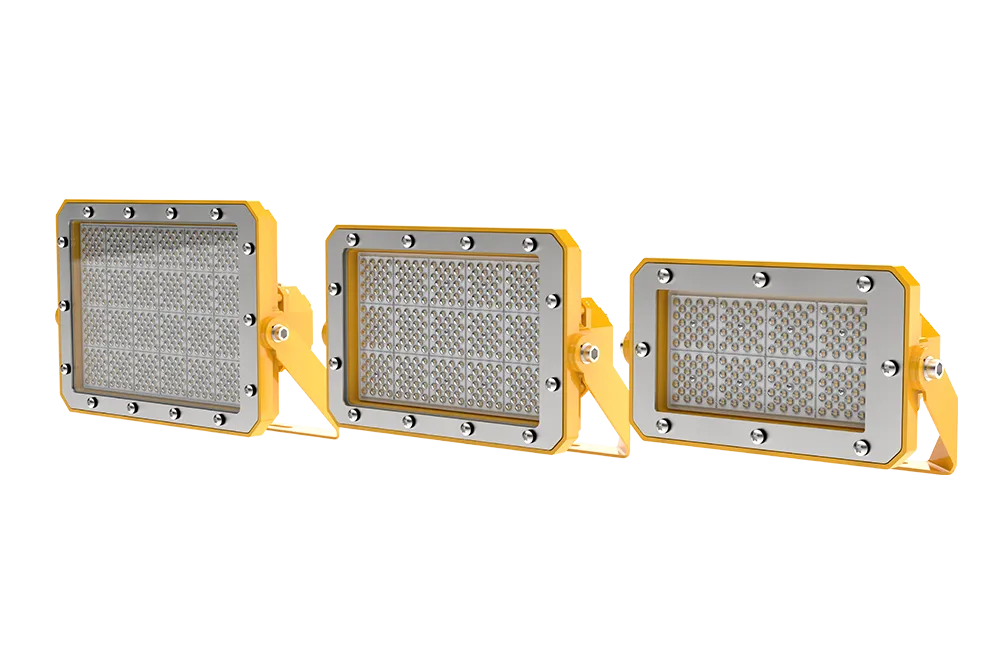
SEEKINGLED LED Explosion Proof Flood Lights are ATEX certified for Zone 2 and Zone 22 hazardous areas, offering high efficiency, adjustable power and integrated junction box.
View details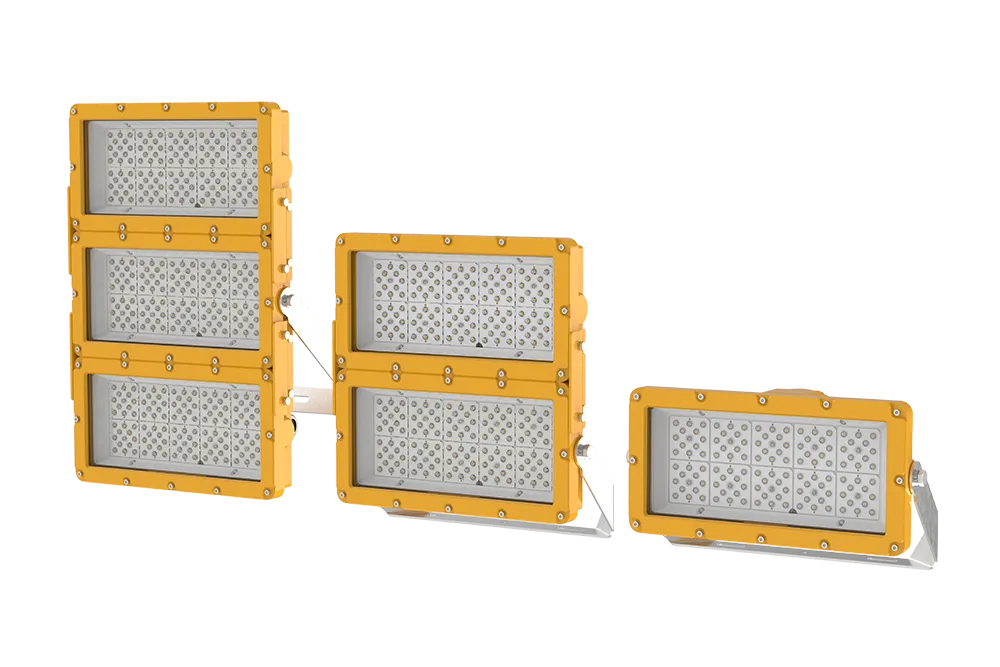
SEEKINGLED LED Explosion Proof Flood Lights are flameproof ATEX and IECEx certified for Zone 1 and Zone 2 hazardous areas, offering high power, adjustable output and long service life.
View details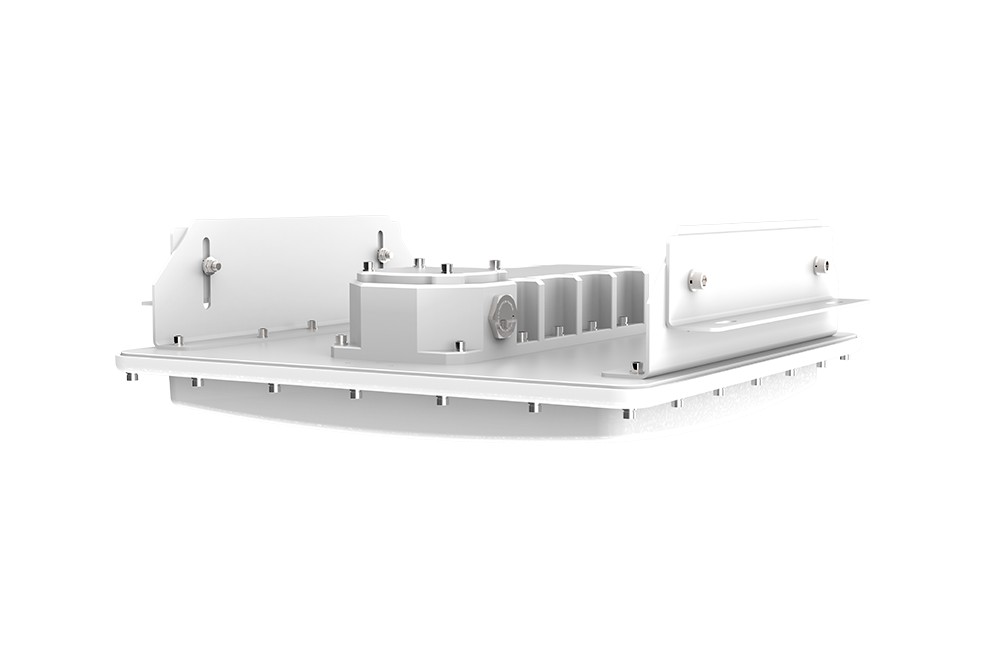
SEEKINGLED LED Gas Station Canopy Lights are ATEX certified for Zone 2 and Zone 22 hazardous areas, featuring adjustable power and built-in explosion-proof junction box.
View details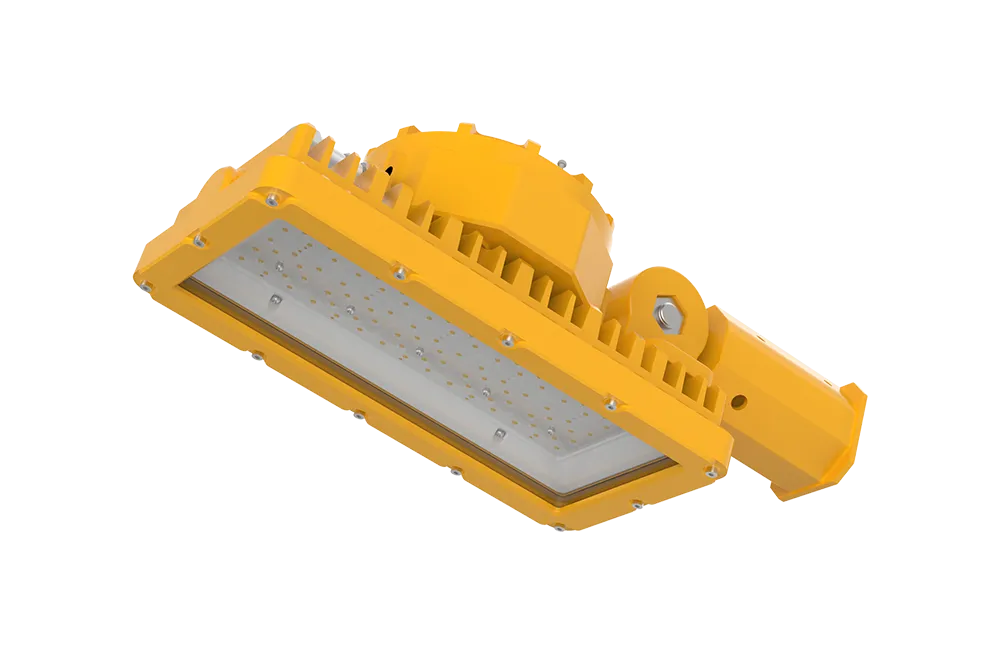
ATEX: Ex II 2G Ex db IIB T6/T5 GbEx II 2D Ex tb IIIC T80°C/ T95°C Db IECEx Ex db IIB T6 Gb;Ex tb IIIC T80°C Db Feature: ● For Zone 1,2 and Zone 21,22● Flameproof type, the strongest● 100W can replace 250W HID,energy saving● Power:60W,80W,100W Application: Oil and gas, marine, Chemical, pharmaceutical, semiconductor,mining,military industr…
View details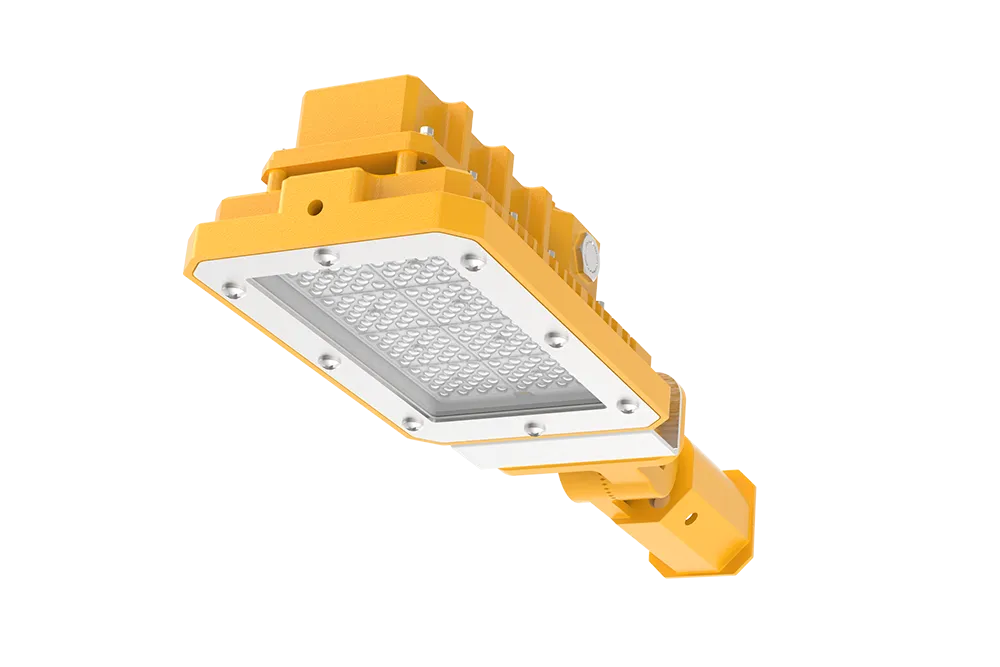
ATEX: II 3G Ex nR ⅡC T5/T6 GcII 3D Ex tc ⅢC T80℃/T95℃Dc ATEX Certificate NO: TÜV CY 26 ATEX 0207611 X Feature: ● For Zone 2 and Zone 22● 150W can replace 250W HID lamps,Energy saving● Power:50W,75W,100W,150W,200W Application: Oil and gas, marine, Chemical, pharmaceutical, semiconductor,mining,military industry, paint booth,power plant ETC…
View details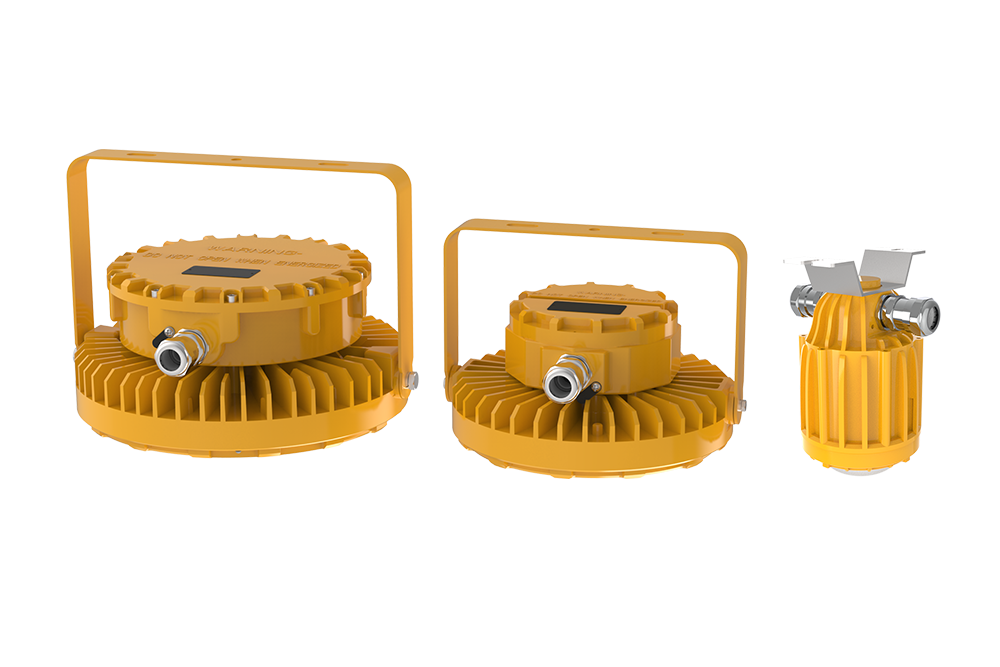
LED explosion proof high bay lights are designed for Zone 1, Zone 2, Zone 21 and Zone 22 hazardous areas. This page introduces the HB21 Series from SEEKING, including certifications, power options and real application considerations.
View details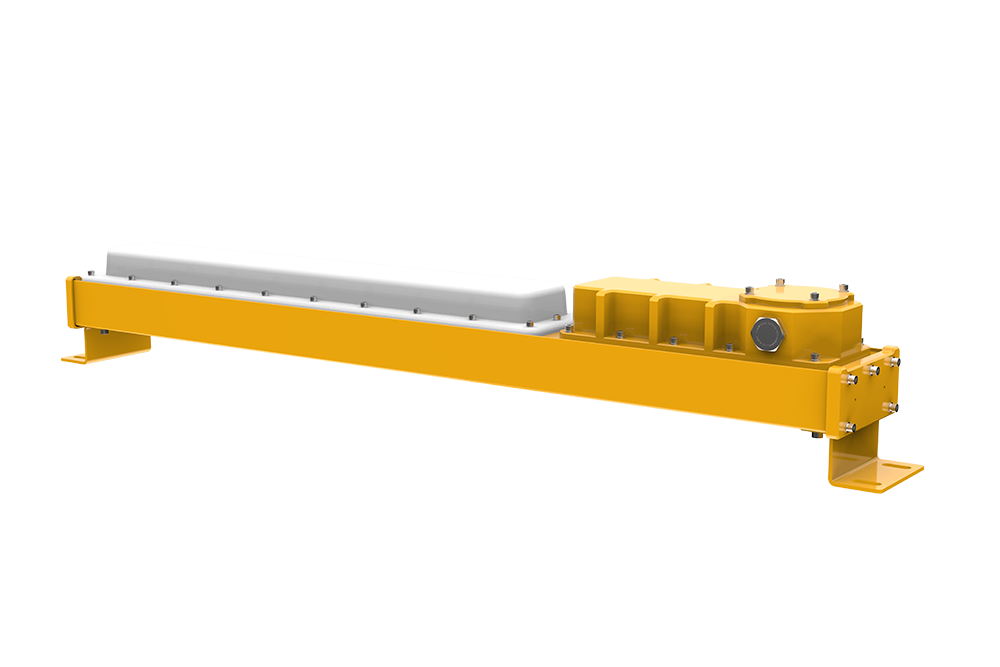
LED Linear Explosion Proof Lights from SEEKINGLED. LU Series Flame Proof lights ATEX-certified explosion proof LED linear lighting for Zone 2 gas and Zone 22 dust areas, IP69K, IK10, long lifetime and flexible power options.
View details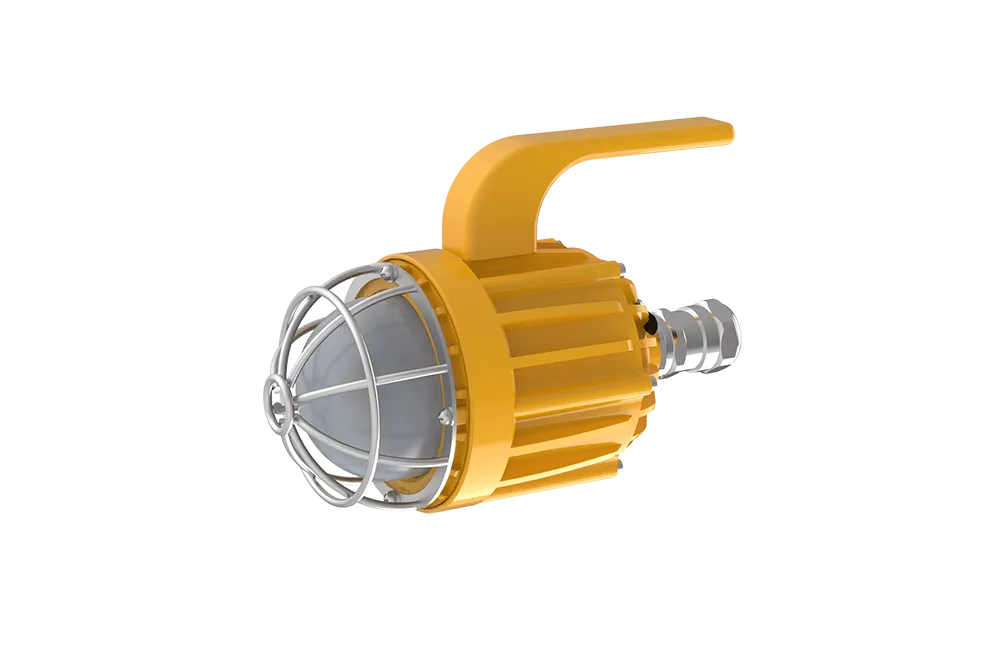
Certified explosion proof work lights for Zone 1 & 21 hazardous areas. Portable, ATEX & IECEx approved, built for oil, gas and chemical plants by SEEKINGLED.
View details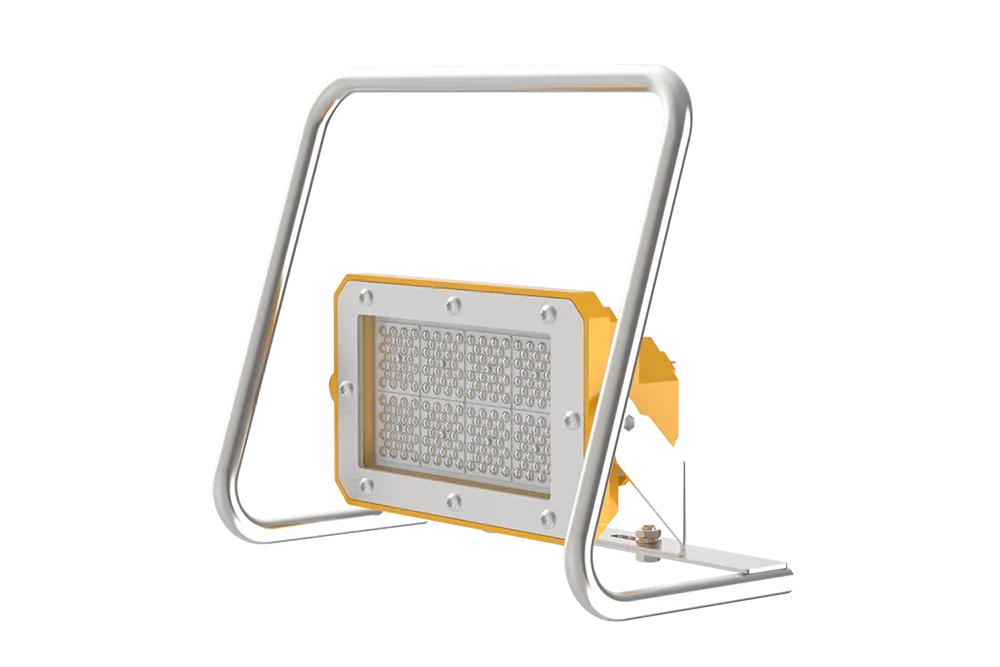
ATEX: II 3G Ex nR ⅡC T6 GcII 3D Ex tc ⅢC T80℃ Dc ATEX Certificate NO: TÜV CY 26 ATEX 0207611 X Feature: ● For Zone 2 and Zone 22● Accepts battery-powered supply● indestructible● Power:AC input:50W,75W,100WDC input:15W,25W,35W Application: Oil and gas, marine, Chemical, pharmaceutical, semiconductor,mining,military industry, paint booth,po…
View details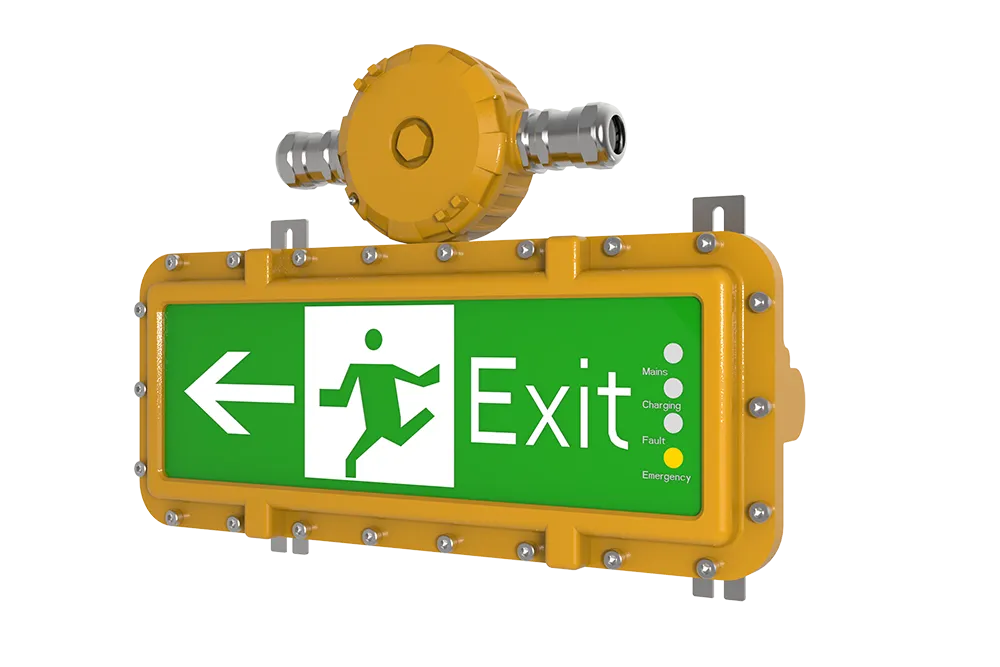
ATEX: Ex II 2G Ex db IIB T6 GbEx II 2D Ex tb IIIC T80°C Db IECEx Ex db IIB T6 Gb;Ex tb IIIC T80°C Db Feature: ● For Zone 1,2 and Zone 21,22● Flameproof type, the strongest Application: Oil and gas, marine, Chemical, pharmaceutical, semiconductor,mining,military industry, paint booth,power plant ETC hazardous area. Technical Specifications:…
View details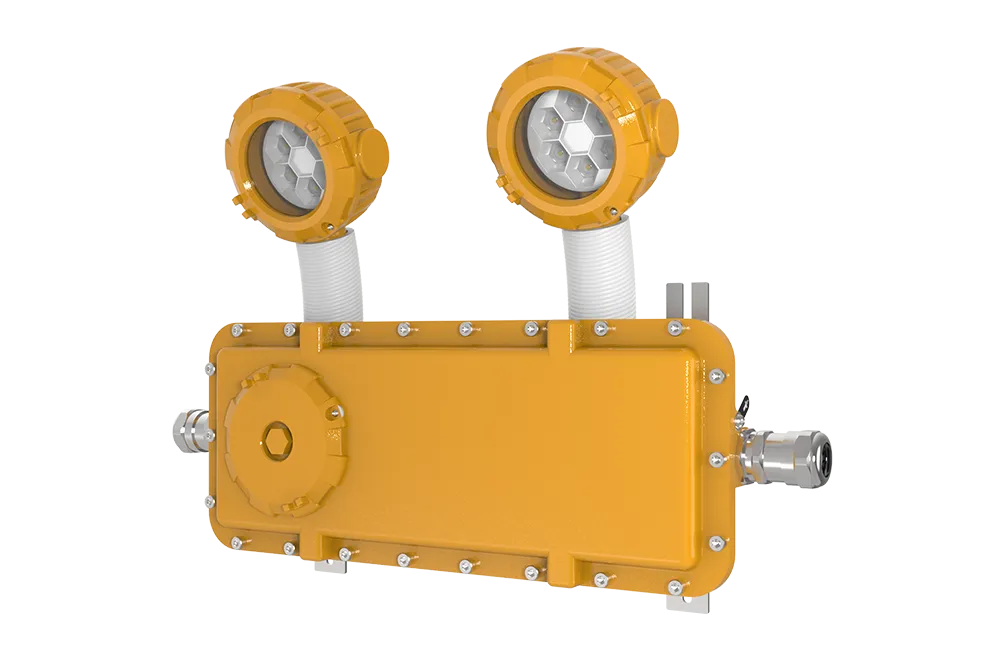
ATEX: Ex II 2G Ex db IIB T6 GbEx II 2D Ex tb IIIC T80°C Db IECEx Ex db IIB T6 Gb;Ex tb IIIC T80°C Db Feature: ● For Zone 1,2 and Zone 21,22● Flameproof type, the strongest Application: Oil and gas, marine, Chemical, pharmaceutical, semiconductor,mining,military industry, paint booth,power plant ETC hazardous area. Technical Specifications:…
View details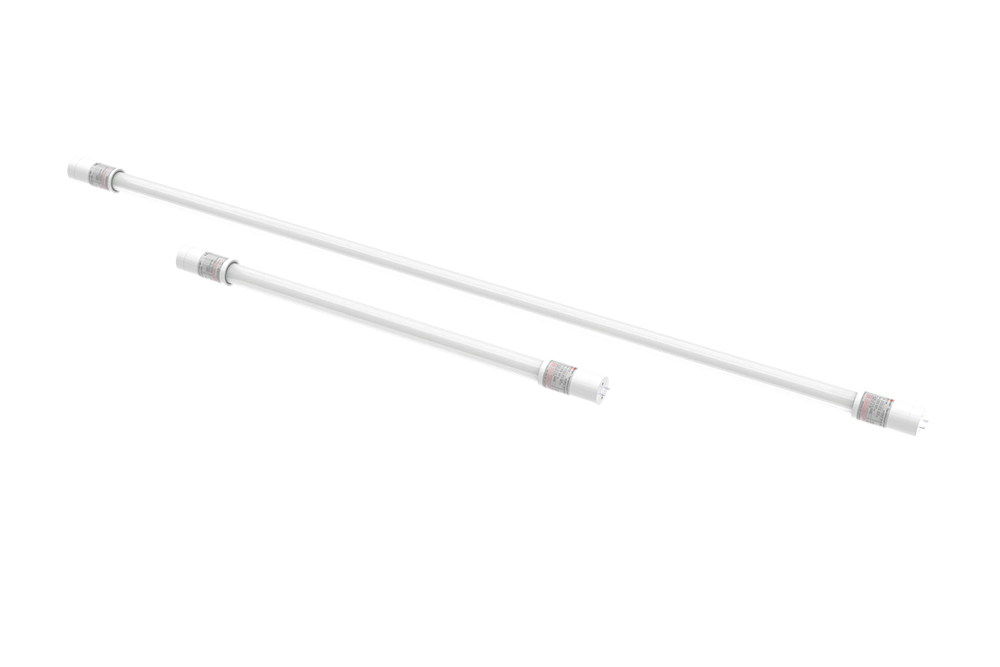
ATEX: Ex II 2G Ex d e IIB T6 Gb ATEX: Ex d e IIB T6 Gb; Feature: ● For Zone 1,2● 9W can replace 18W fluorescent lamps,50% Energy saving Application: Oil and gas, marine, Chemical, pharmaceutical, semiconductor,mining,military industry, paint booth,power plant ETC hazardous area. Technical Specifications: Standards:60079-0, 60079-1, 60079…
View details
How long do LED flood lights last depends on heat, driver quality and usage hours. Learn realistic lifespan ranges and what affects long-term performance.
View details
Learn how to wire high bay led lights safely with professional steps, wiring methods, installation tips, and industrial LED lighting guidance.
View details
Learn how to test explosion proof LED exit light safely and correctly. Follow certified procedures, real inspection data, and expert tips to ensure compliance and reliability.
View details
What is the cut line on LED lights? Learn how cut lines control glare, improve safety, and why beam precision matters in industrial and outdoor LED lighting.
View details