atex lighting manufacturers design and produce certified lighting equipment for explosive environments, combining ATEX compliance, thermal control, durable construction, and industrial safety engineering for oil, gas, and chemical applications.
Choosing an ATEX lighting manufacturer is not simply a purchasing decision. For hazardous industries, the manufacturer behind the product determines how well the lighting system performs after installation.
At SEEKINGLED, we have spent years developing industrial LED lighting solutions for demanding environments, including hazardous areas, high-temperature facilities, and heavy industrial applications. From early product discussions to final installation requirements, we have seen that successful projects depend on much more than brightness specifications.
Engineers usually ask different questions:
Does the manufacturer understand hazardous classifications?
Can the supplier provide certification documentation?
How stable is the production quality?
Will the fixture perform after years of operation?
These questions often decide whether a lighting project succeeds.
Professional atex lighting manufacturers are responsible for designing, testing, producing, and supporting lighting systems used in potentially explosive atmospheres.
Their responsibilities typically include:
Manufacturing Responsibility
Purpose
Product engineering
Develop safe hazardous lighting designs
Certification preparation
Meet ATEX and international standards
Material selection
Improve durability and reliability
Thermal testing
Control fixture temperature
Production quality control
Maintain consistent performance
Unlike standard LED manufacturers, ATEX lighting producers must consider additional safety factors.
A normal industrial LED manufacturer may focus on:
efficiency
lumen output
cost
An ATEX lighting manufacturer must also focus on:
ignition prevention
enclosure protection
temperature classification
hazardous zone requirements
Understanding ATEX requirements for lighting manufacturers
Why certification capability matters
ATEX lighting products are designed for environments where explosive atmospheres may occur.
The European Union regulates this equipment through ATEX Directive 2014/34/EU.
The enclosure must protect internal components while preventing external hazardous materials from creating additional risks.Visit the product page: Explosion Proof Lighting
Thermal management engineering
Heat control is a critical part of ATEX lighting development.
LEDs generate heat during operation, and excessive surface temperature can become a safety concern in explosive environments.
Manufacturing quality control for hazardous lighting
Why production consistency matters
A hazardous lighting product is only reliable when every production unit meets the same standard.
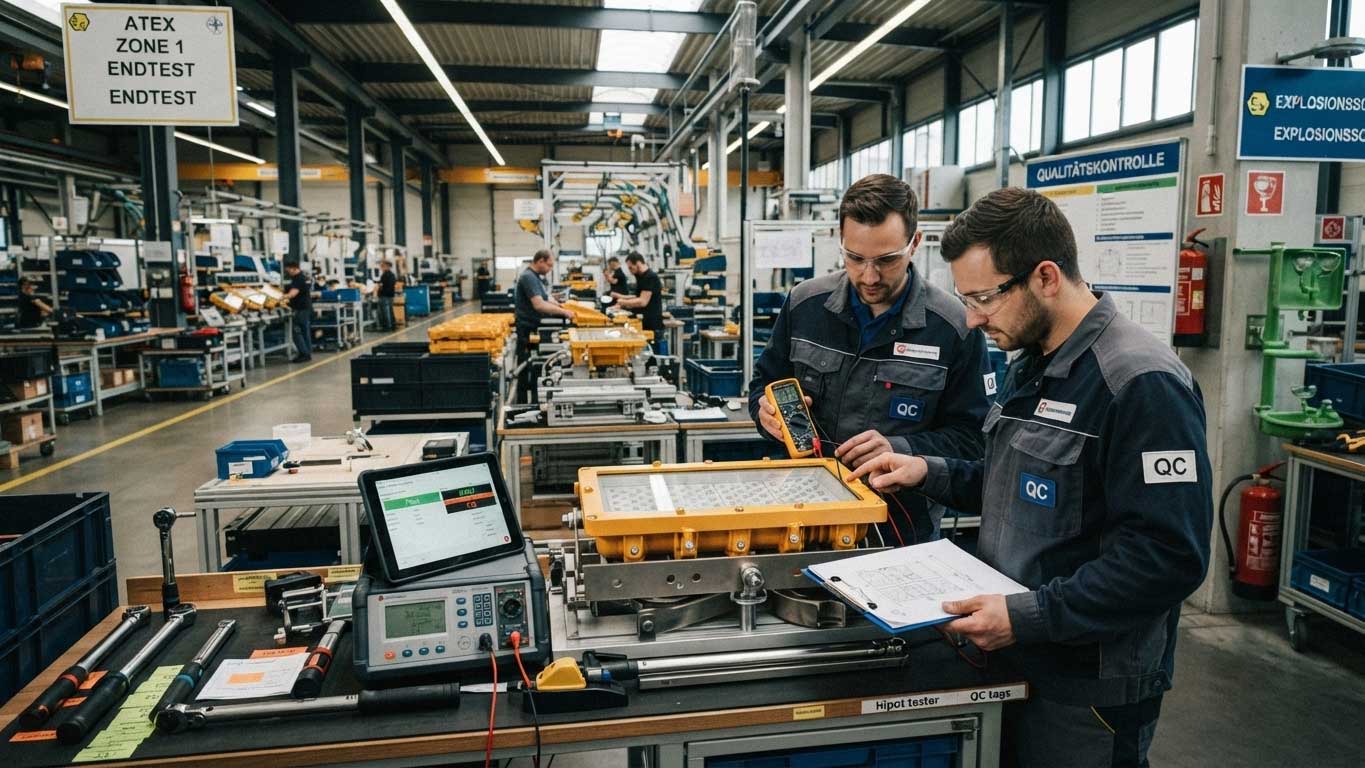
Professional manufacturers usually implement quality checks including:
Incoming material inspection
Checking:
aluminum quality
LED components
electronic parts
sealing materials
Production testing
Including:
electrical testing
waterproof testing
thermal evaluation
appearance inspection
Final inspection
Before shipment:
certification documents are reviewed
product performance is verified
packaging protection is checked
Small differences between production batches can create problems in large industrial projects.
Experience matters when selecting atex lighting manufacturers
Lessons from industrial lighting projects
During hazardous lighting project discussions, I have noticed a common pattern.
Customers who only compare prices often face unexpected issues later.
The lowest quotation may not include:
engineering support
certification guidance
installation advice
replacement planning
A more experienced manufacturer usually helps customers avoid these problems before installation begins.
For example, during one industrial lighting evaluation, a customer originally selected a fixture based mainly on price. After reviewing the installation environment, the engineering team discovered the area required stronger protection against corrosion and temperature exposure.
The final product choice changed.
The project cost increased slightly upfront but reduced future maintenance concerns.
That experience reinforced an important principle:
Hazardous lighting decisions should be based on application knowledge, not only product price.
Applications served by atex lighting manufacturers
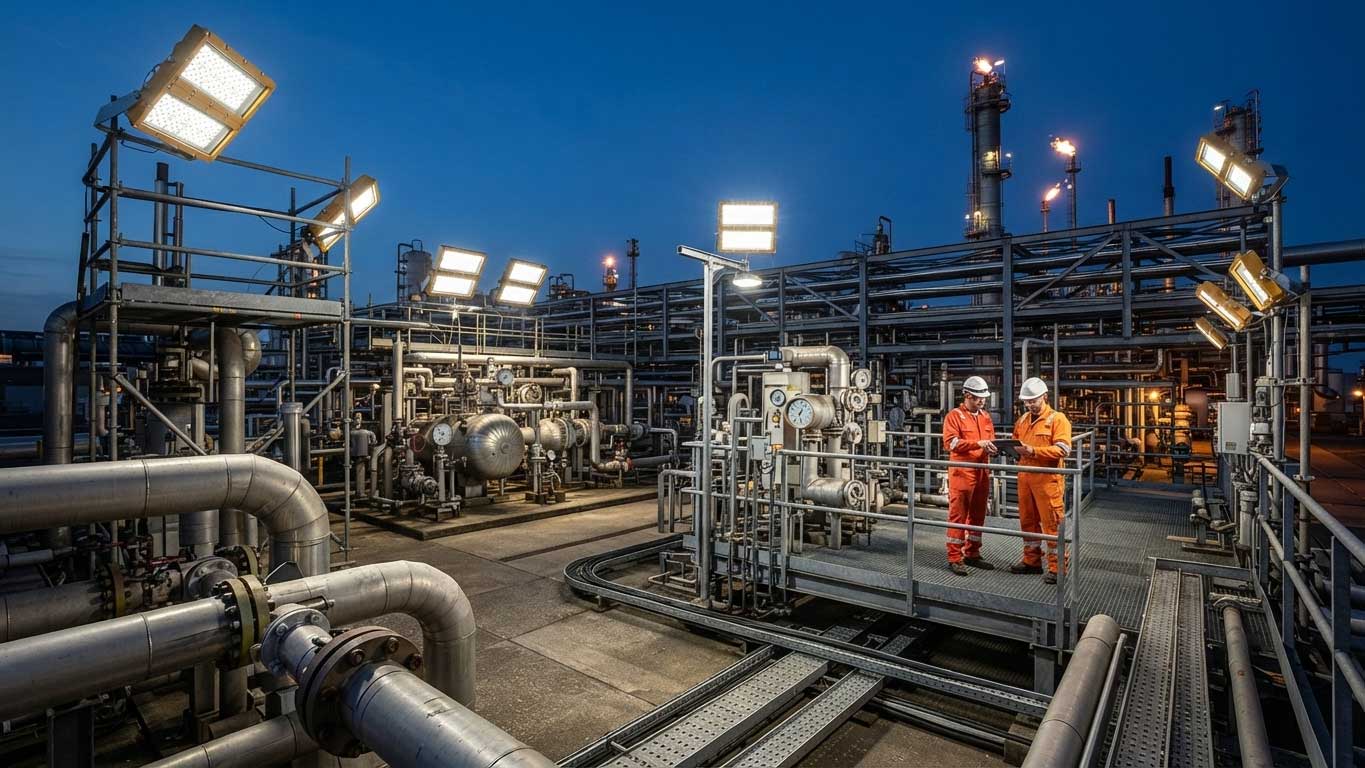
These industries require lighting systems that can operate safely near combustible materials.
Chemical and pharmaceutical industries
Applications include:
solvent processing areas
chemical storage rooms
production zones
mixing areas
Lighting systems must withstand both hazardous conditions and industrial environments.
Industrial manufacturing
Some manufacturing facilities require ATEX lighting because of:
paint vapors
combustible dust
chemical processes
Correct product selection depends on the actual risk assessment.
Choosing the right atex lighting manufacturers
Evaluation checklist for buyers
Before selecting a supplier, consider:
Evaluation Factor
Questions to Ask
Certification
Can they provide valid ATEX documents?
Experience
Have they supplied similar industries?
Production
Do they control manufacturing quality?
Engineering
Can they recommend suitable solutions?
Support
Do they provide technical assistance?
SEEKINGLED manufacturing philosophy
At SEEKINGLED, hazardous lighting development combines engineering experience with practical industrial requirements.
Our focus includes:
reliable LED performance
durable industrial construction
certification-oriented design
customer application support
A qualified atex lighting manufacturer should not only produce a fixture.
It should understand where that fixture will operate, what risks exist, and how the product will perform years after installation.
How professional atex lighting manufacturers control production quality
From engineering drawings to final shipment
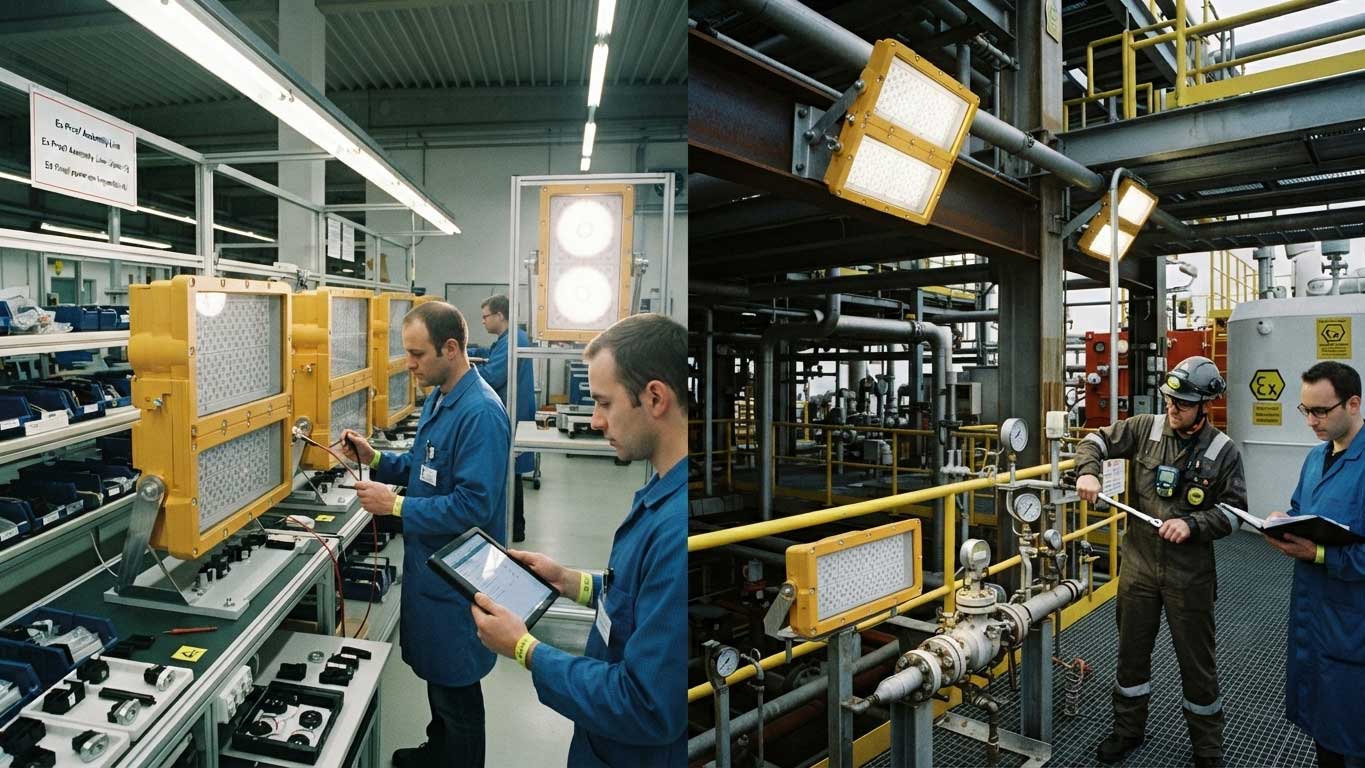
A reliable atex lighting manufacturer does not simply assemble lighting components. The complete manufacturing process requires careful control at every stage.
In hazardous lighting applications, consistency is critical.
A customer ordering 20 fixtures for a refinery expects every unit to perform the same way. Small manufacturing variations can create problems when equipment operates in safety-sensitive environments.
ATEX lighting certification and testing process
What customers should expect from manufacturers
Experienced atex lighting manufacturers understand that certification is not only a marketing requirement.
It affects:
product structure
material selection
manufacturing procedures
quality documentation
Common testing areas include:
Electrical safety testing
Evaluating:
insulation performance
electrical stability
component reliability
Thermal testing
Checking:
operating temperature
heat dissipation
maximum surface temperature
Mechanical testing
Including:
enclosure strength
impact resistance
sealing performance
Environmental testing
Assessing:
dust protection
water resistance
corrosion resistance
A manufacturer with strong testing capability can provide customers with more confidence before installation.
Comparing atex lighting manufacturers and standard LED suppliers
For hazardous industries operating thousands of lighting points, efficiency improvements can create meaningful operational savings.
FAQ — atex lighting manufacturers
What do atex lighting manufacturers produce?
ATEX lighting manufacturers produce certified lighting equipment designed for hazardous environments where explosive gases, vapors, or combustible dust may exist.
How do I choose reliable atex lighting manufacturers?
Look for manufacturers with:
ATEX certification experience
industrial project experience
quality control procedures
technical support capability
proven hazardous lighting applications
Are all LED manufacturers able to produce ATEX lighting?
What certifications should ATEX lighting manufacturers provide?
Depending on the market and application, manufacturers may need to provide:
ATEX certification
IECEx certification
product test documentation
technical specifications
Why is manufacturer experience important for hazardous lighting?
Experienced manufacturers understand real installation challenges, including hazardous classification, maintenance access, environmental exposure, and long-term reliability.
Can ATEX lighting manufacturers customize products?
Yes. Many professional manufacturers can provide customized solutions for different power levels, mounting requirements, temperatures, and industrial environments.
What industries purchase ATEX lighting products?
Common industries include:
oil and gas
chemical processing
pharmaceuticals
mining
energy production
industrial manufacturing
Conclusion — Selecting the right atex lighting manufacturers
Choosing experienced atex lighting manufacturers is an important step for companies operating in hazardous environments.
The right supplier provides more than certified products. It provides engineering knowledge, manufacturing consistency, technical support, and solutions designed for real industrial conditions.
For oil, gas, chemical, and other high-risk industries, lighting performance must continue long after installation.
SEEKINGLED focuses on developing hazardous area LED lighting solutions that combine safety requirements with practical industrial experience.
A reliable manufacturer helps customers achieve safer operations, easier maintenance, and long-term lighting performance.
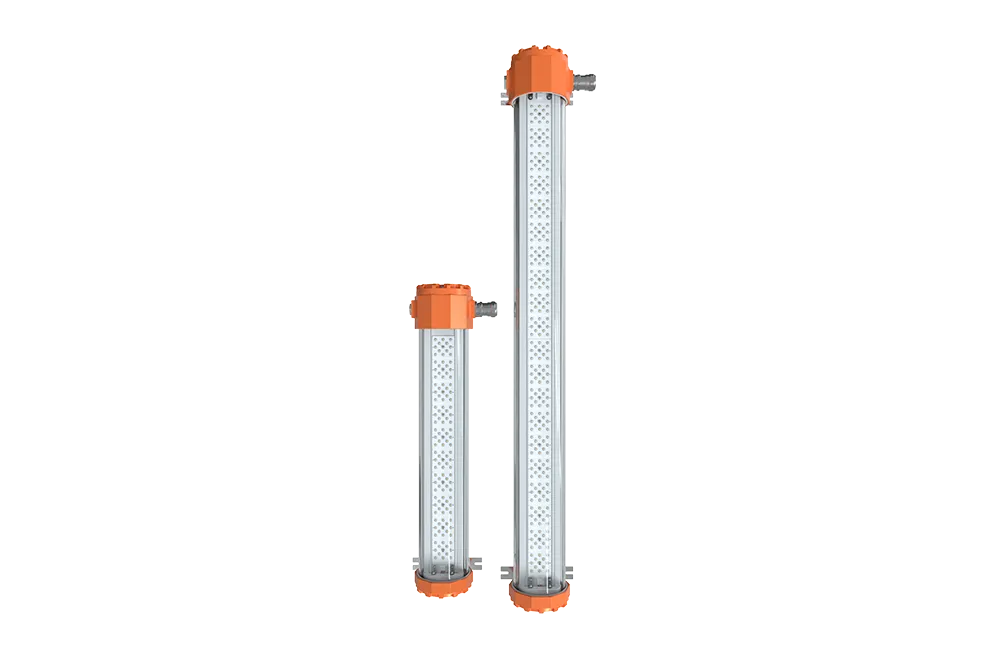
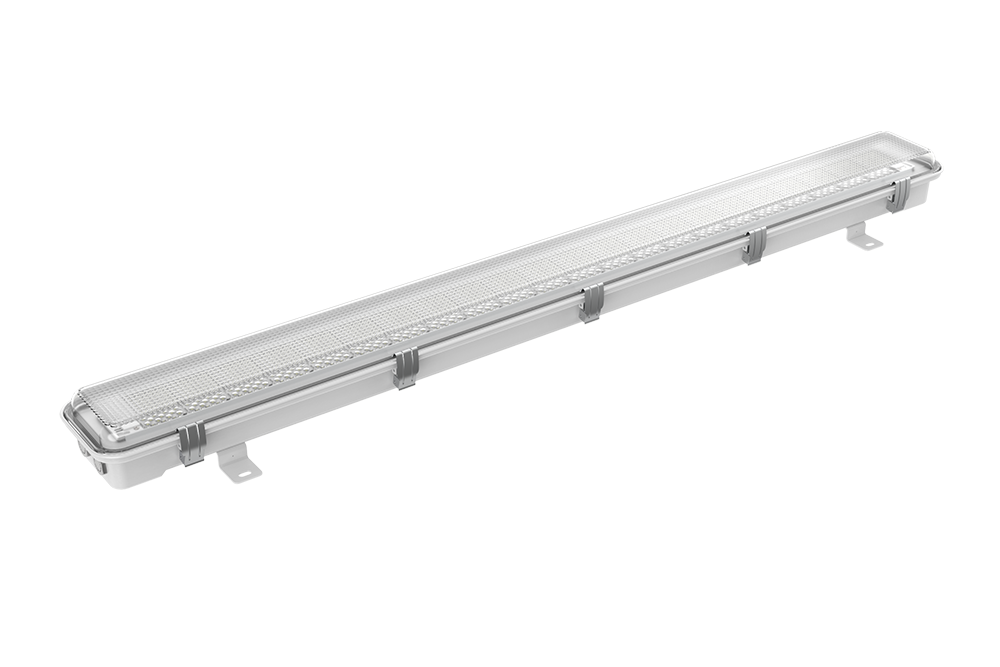
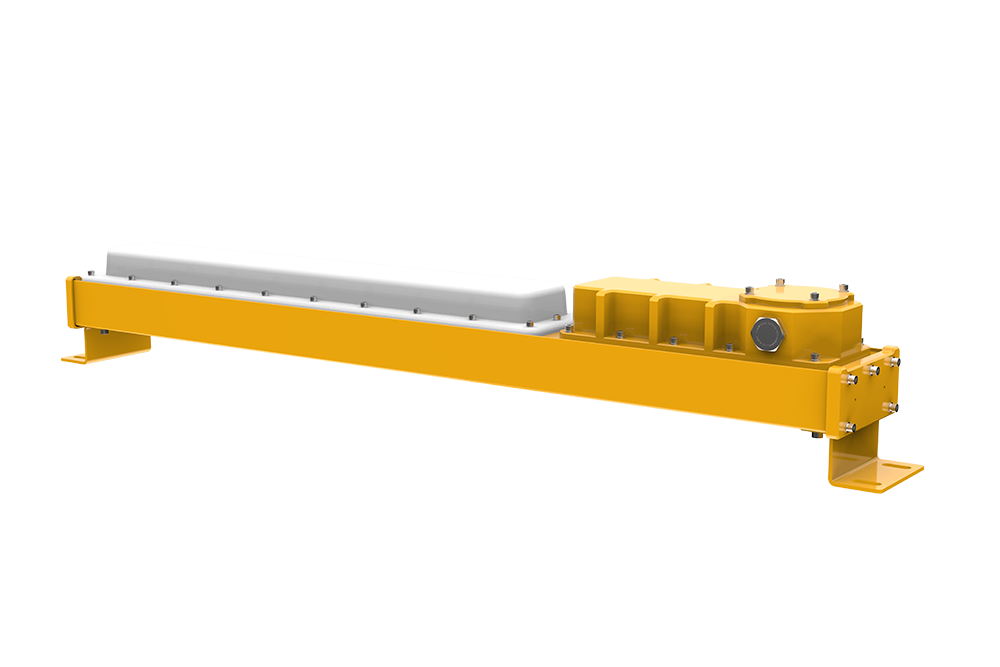
SEEKINGLED LED Linear Explosion Proof Light and Explosion Proof lighting is ATEX and IECEx certified for Zone 1, Zone 2, Zone 21 and Zone 22 hazardous locations, built for long-term industrial use.
LED Linear Explosion Proof Lights and EX Proof lights for Zone 1, Zone 2, Zone 21 and Zone 22 hazardous areas. ATEX & IECEx certified explosion proof LED linear lighting with emergency function, adjustable power and IP67 protection by SEEKINGLED.
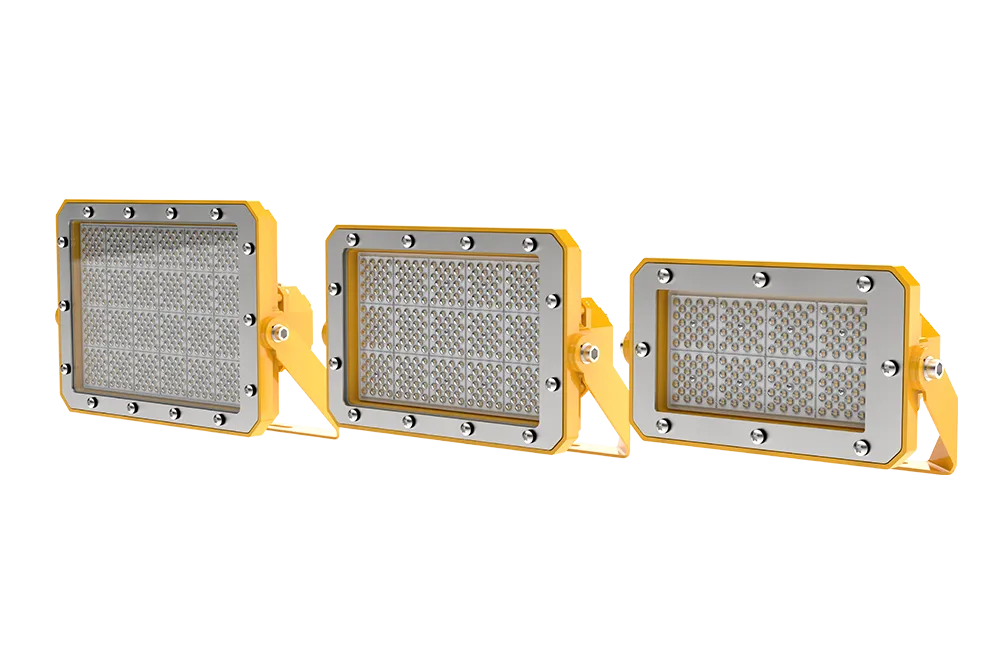
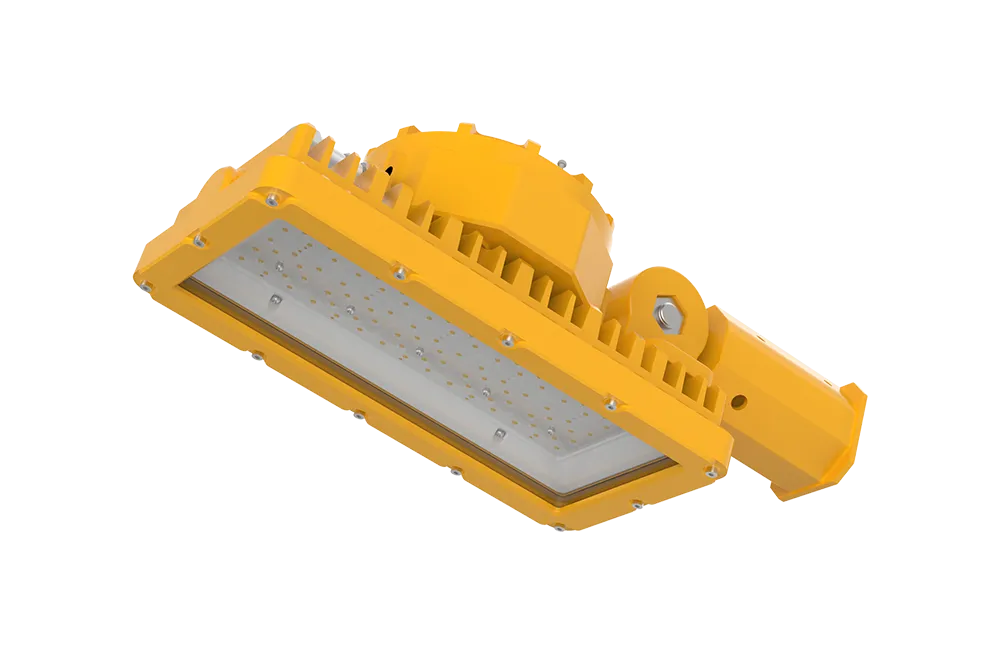
SEEKINGLED LED Explosion Proof Flood Lights are ATEX certified for Zone 2 and Zone 22 hazardous areas, offering high efficiency, adjustable power and integrated junction box.
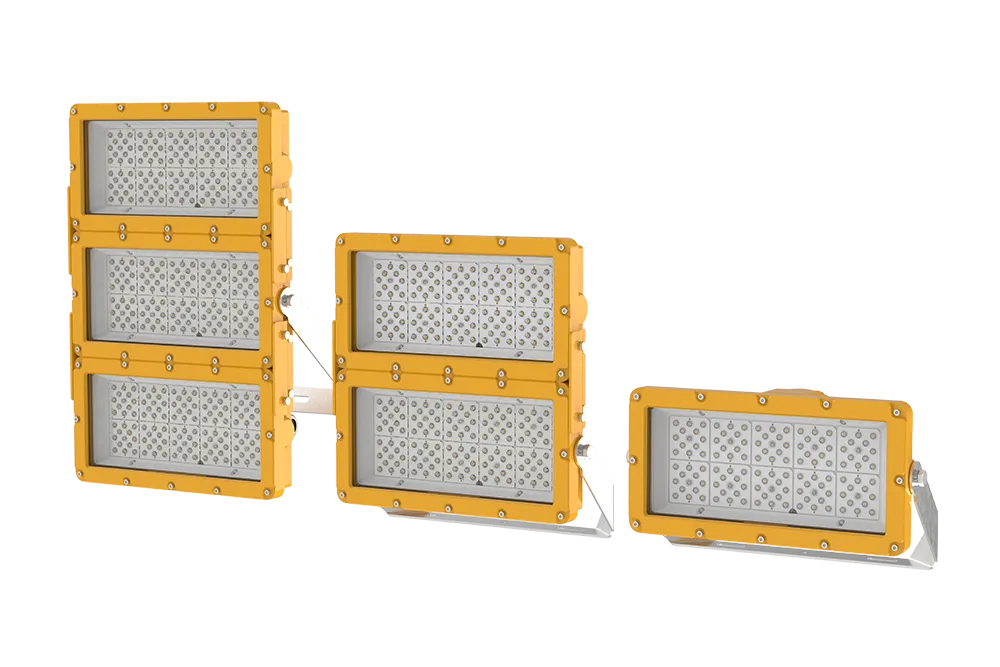
SEEKINGLED LED Explosion Proof Flood Lights are flameproof ATEX and IECEx certified for Zone 1 and Zone 2 hazardous areas, offering high power, adjustable output and long service life.
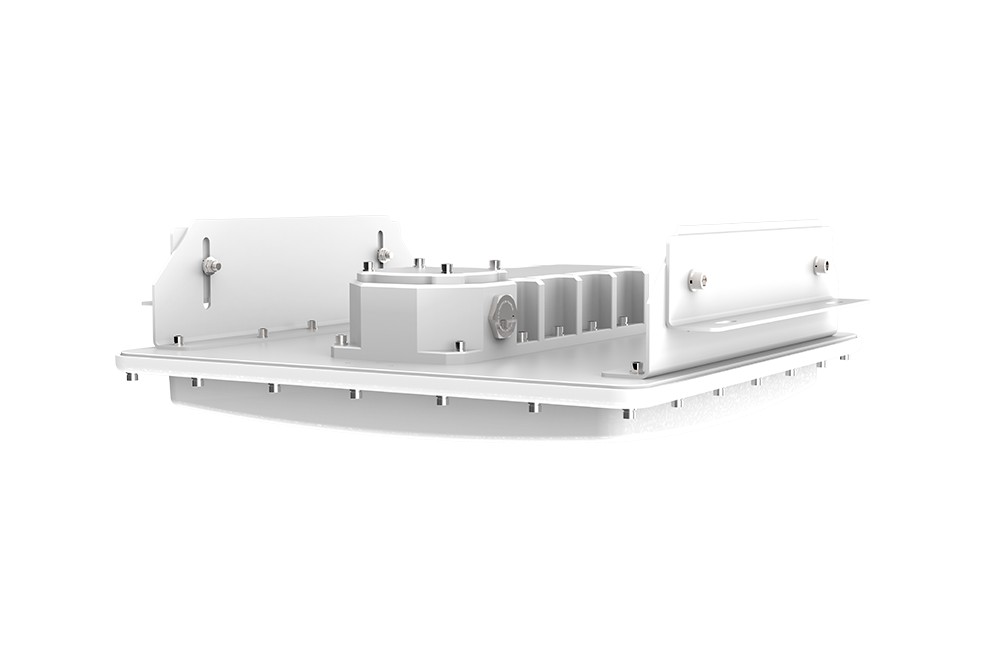
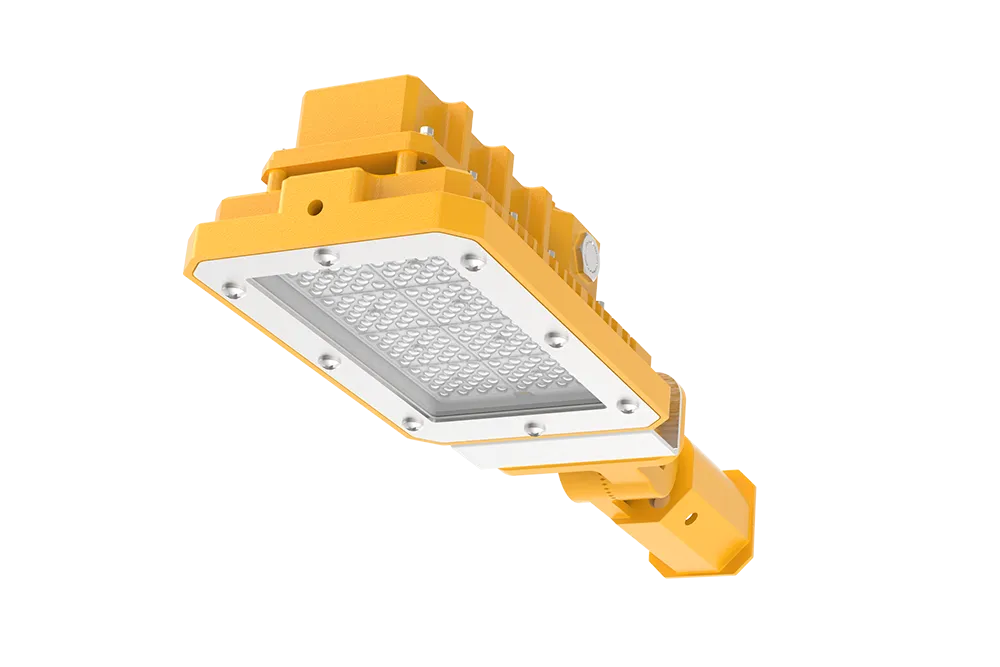
SEEKINGLED LED Gas Station Canopy Lights are ATEX certified for Zone 2 and Zone 22 hazardous areas, featuring adjustable power and built-in explosion-proof junction box.
ATEX: Ex II 2G Ex db IIB T6/T5 GbEx II 2D Ex tb IIIC T80°C/ T95°C Db IECEx Ex db IIB T6 Gb;Ex tb IIIC T80°C Db Feature: ● For Zone 1,2 and Zone 21,22● Flameproof type, the strongest● 100W can replace 250W HID,energy saving● Power:60W,80W,100W Application: Oil and gas, marine, Chemical, pharmaceutical, semiconductor,mining,military industr…
ATEX: II 3G Ex nR ⅡC T5/T6 GcII 3D Ex tc ⅢC T80℃/T95℃Dc ATEX Certificate NO: TÜV CY 26 ATEX 0207611 X Feature: ● For Zone 2 and Zone 22● 150W can replace 250W HID lamps,Energy saving● Power:50W,75W,100W,150W,200W Application: Oil and gas, marine, Chemical, pharmaceutical, semiconductor,mining,military industry, paint booth,power plant ETC…
LED explosion proof high bay lights are designed for Zone 1, Zone 2, Zone 21 and Zone 22 hazardous areas. This page introduces the HB21 Series from SEEKING, including certifications, power options and real application considerations.
LED Linear Explosion Proof Lights from SEEKINGLED. LU Series Flame Proof lights ATEX-certified explosion proof LED linear lighting for Zone 2 gas and Zone 22 dust areas, IP69K, IK10, long lifetime and flexible power options.
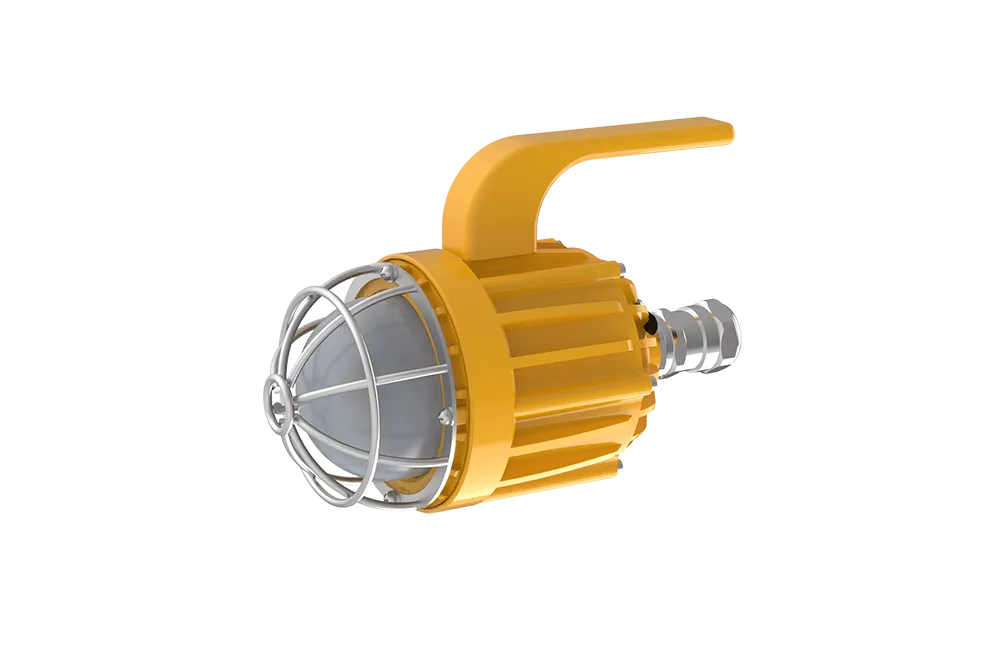
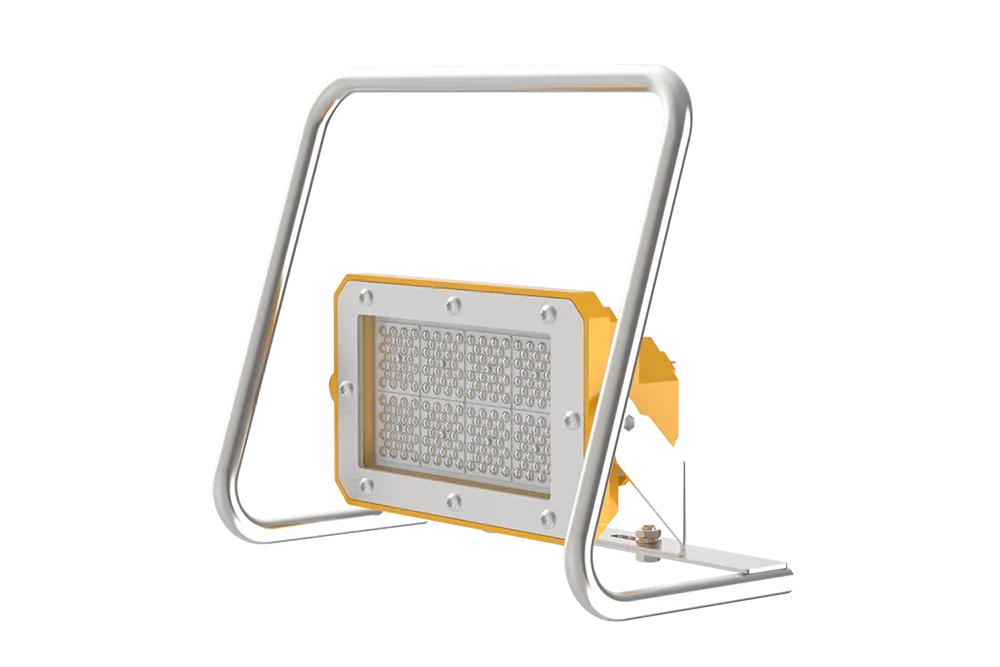
Certified explosion proof work lights for Zone 1 & 21 hazardous areas. Portable, ATEX & IECEx approved, built for oil, gas and chemical plants by SEEKINGLED.
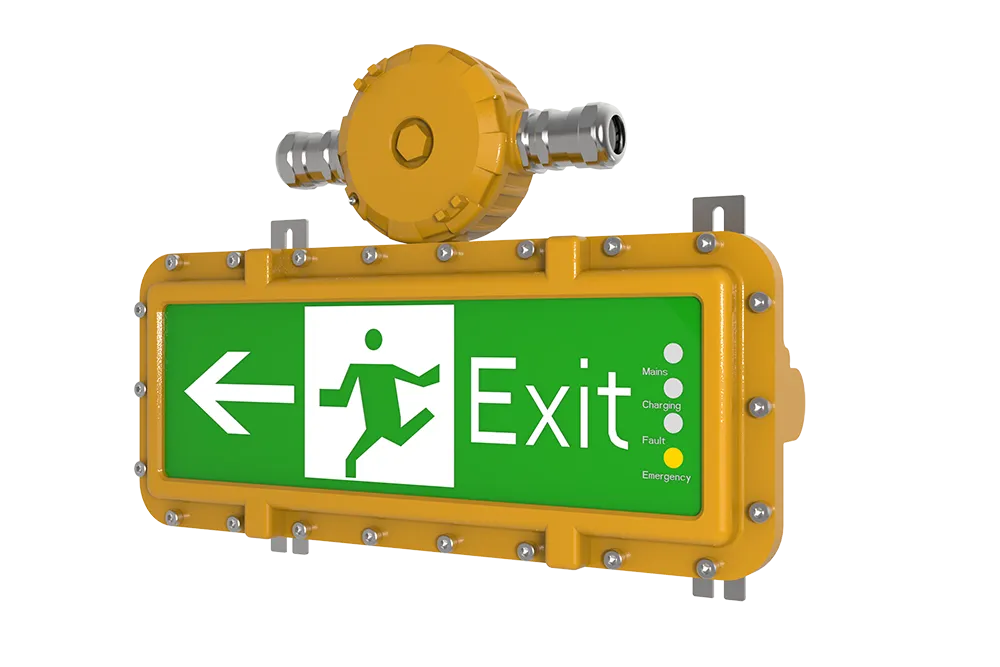
ATEX: II 3G Ex nR ⅡC T6 GcII 3D Ex tc ⅢC T80℃ Dc ATEX Certificate NO: TÜV CY 26 ATEX 0207611 X Feature: ● For Zone 2 and Zone 22● Accepts battery-powered supply● indestructible● Power:AC input:50W,75W,100WDC input:15W,25W,35W Application: Oil and gas, marine, Chemical, pharmaceutical, semiconductor,mining,military industry, paint booth,po…
ATEX: Ex II 2G Ex db IIB T6 GbEx II 2D Ex tb IIIC T80°C Db IECEx Ex db IIB T6 Gb;Ex tb IIIC T80°C Db Feature: ● For Zone 1,2 and Zone 21,22● Flameproof type, the strongest Application: Oil and gas, marine, Chemical, pharmaceutical, semiconductor,mining,military industry, paint booth,power plant ETC hazardous area. Technical Specifications:…
ATEX: Ex II 2G Ex db IIB T6 GbEx II 2D Ex tb IIIC T80°C Db IECEx Ex db IIB T6 Gb;Ex tb IIIC T80°C Db Feature: ● For Zone 1,2 and Zone 21,22● Flameproof type, the strongest Application: Oil and gas, marine, Chemical, pharmaceutical, semiconductor,mining,military industry, paint booth,power plant ETC hazardous area. Technical Specifications:…
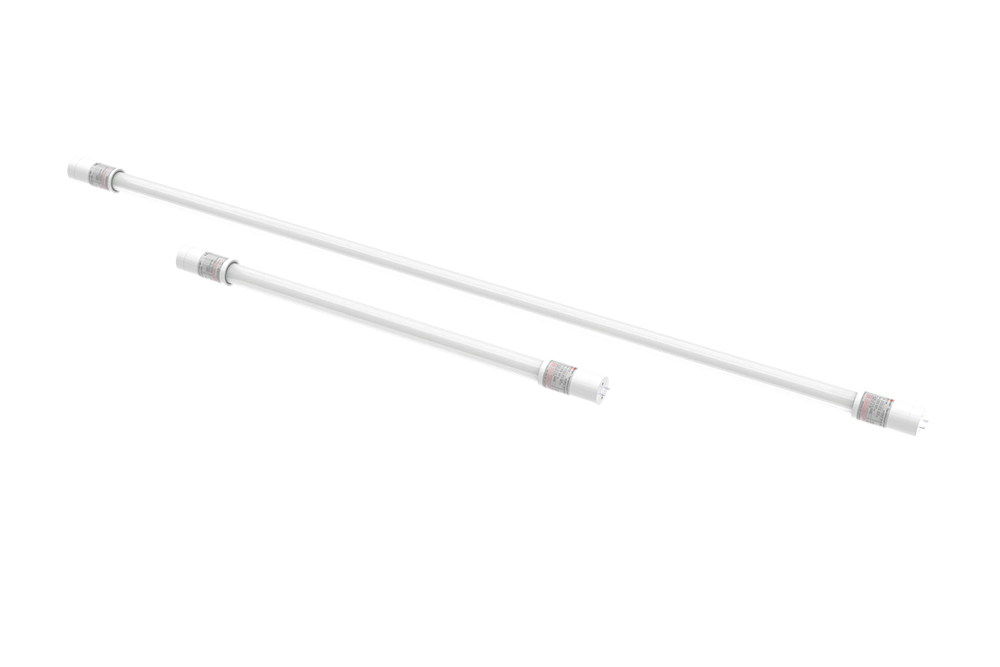
ATEX: Ex II 2G Ex d e IIB T6 Gb ATEX: Ex d e IIB T6 Gb; Feature: ● For Zone 1,2● 9W can replace 18W fluorescent lamps,50% Energy saving Application: Oil and gas, marine, Chemical, pharmaceutical, semiconductor,mining,military industry, paint booth,power plant ETC hazardous area. Technical Specifications: Standards:60079-0, 60079-1, 60079…
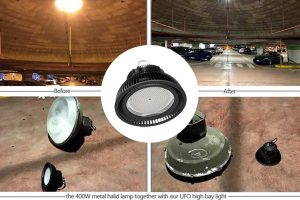
LED High Bay Replacement for Metal Halide Lighting was carried out in Australia after MH lamps became yellow and ineffective. This project record documents on-site testing and power adjustment using XJ-HBG100W high bays.
what is the difference between atex and iecex? Compare ATEX and IECEx certification, hazardous area requirements, global applications, and equipment safety standards.
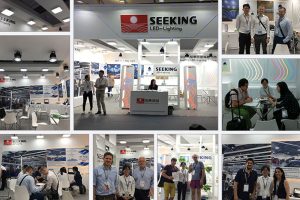
9th-12th- June-2018 Booth NO.:4.2 C36New STL series street light, include 100W, 120W, 150W, 180W, 200W. Integrated casting, can achieve T3 various light distribution, light efficiency higher than 130LM/W, IP65, IK10, tool-...
How to make explosion proof light safely for hazardous areas? This guide explains enclosure design, ATEX compliance, materials, testing, and real engineering practices used by SEEKINGLED explosion proof lighting.
 Seeking LED