 Seeking LED
Can LED Flood Light Be Repaired?
379Can LED flood light be repaired in outdoor and sports lighting projects? Learn which parts can be fixed, when repair makes sense, and when replacement is the better option.
View detailsSearch the whole station
What Is class 1 division 2 led lighting? Class 1 Division 2 LED lighting is a hazardous location lighting solution designed for areas where flammable gases or vapors may exist under abnormal conditions, providing safe and reliable illumination with certified protection.
In industrial lighting projects, selecting a fixture is not only about brightness or energy efficiency. From my experience working with industrial LED applications, engineers usually start with one question: “What is the hazardous classification of this area?” A high-performance LED fixture without the correct rating may not be acceptable for the site.
Class 1 Division 2 LED lighting, often written as Class I Div 2 or C1D2 LED lighting, is designed for locations where flammable gases, vapors, or liquids are handled but are not normally present during standard operation.
According to the National Electrical Code (NFPA 70), Class I locations involve:
Reference:
https://www.nfpa.org/codes-and-standards/nfpa-70-standard-development/70
Class I Division 2 means hazardous materials may exist because of:
These areas are common in industries such as:
Unlike ordinary industrial lighting, C1D2 LED fixtures are designed with additional protection features.
The objective is to reduce the possibility that electrical components become ignition sources.
Important design elements include:
The LED driver is one of the most important components because it controls electrical conversion and generates heat.
A properly designed Class I Div 2 fixture protects the driver from hazardous surroundings while maintaining reliable operation.
Temperature management is critical in hazardous locations.
If a surface becomes too hot, it could potentially ignite surrounding gases with a low ignition temperature.
Professional industrial lighting designs consider:
Class I Division 2 LED lights are usually built for demanding environments.
Typical features include:
These features help maintain performance in areas where dust, moisture, and temperature changes are common.
One major reason companies upgrade from traditional lighting to LED is energy efficiency.
According to the U.S. Department of Energy, LED lighting can use at least 75% less energy and last up to 25 times longer than incandescent lighting.
Reference:
https://www.energy.gov/energysaver/led-lighting
However, hazardous industrial facilities have additional requirements.
The benefits include:
In industrial environments, reducing maintenance is often more valuable than simply reducing electricity costs.
A lighting replacement project may require shutting down equipment areas, arranging safety permits, and coordinating maintenance teams. A longer-lasting fixture reduces those interruptions.
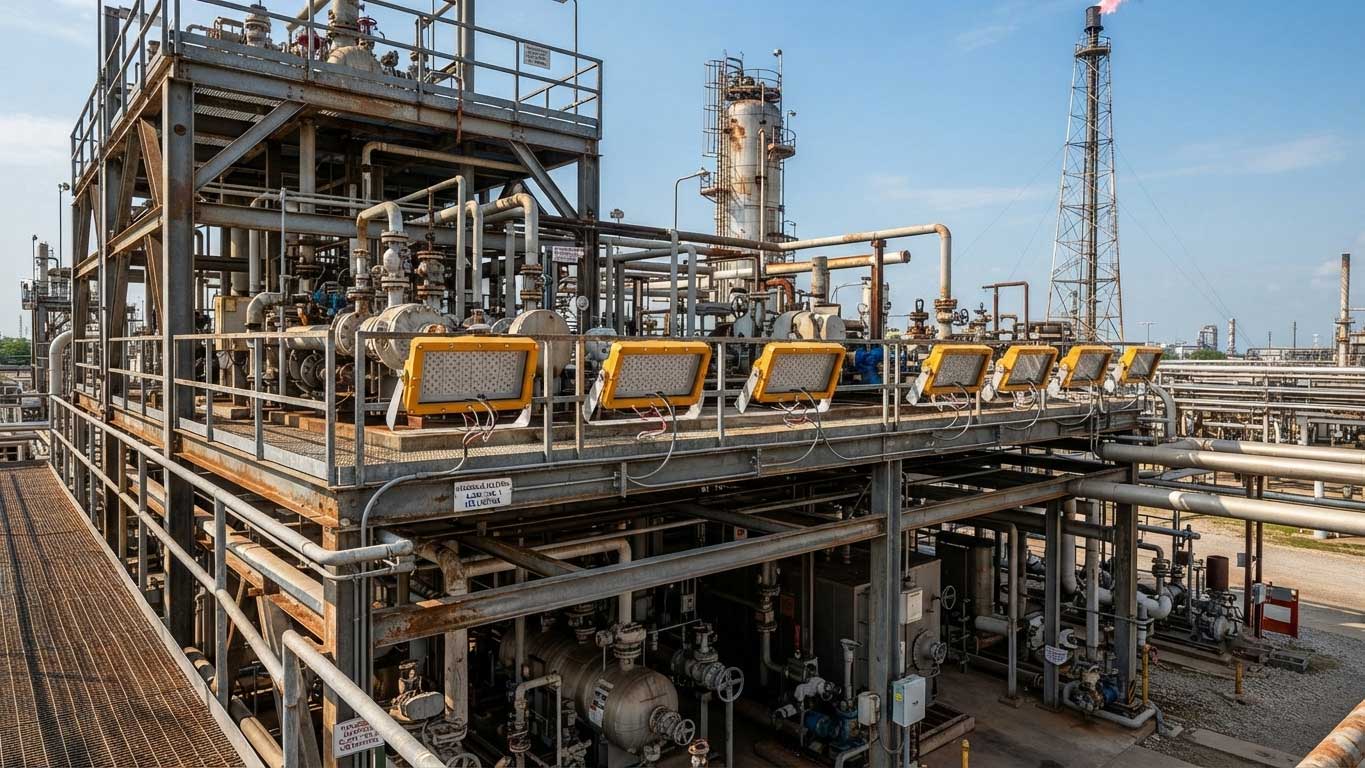
C1D2 LED fixtures are widely used in areas where hazardous materials are processed or stored.
Common applications include:
| Industry | Application |
|---|---|
| Oil & Gas | Compressor stations, refineries, fuel terminals |
| Chemical | Processing areas and storage zones |
| Energy | Gas power plants |
| Manufacturing | Paint and coating facilities |
| Marine | Offshore platforms |
These applications require lighting systems that can operate reliably without compromising safety.
Many industrial buyers initially compare products based on:
But hazardous location lighting requires another evaluation method.
| Feature | Class 1 Division 2 LED Lighting | Standard LED Lighting |
|---|---|---|
| Hazardous area rating | Yes | No |
| Gas/vapor protection | Designed | Not available |
| Industrial certification | Required | General rating |
| Application | Classified locations | Normal areas |
| Maintenance demand | Lower | Higher in harsh areas |
The key difference is not how bright the fixture appears.
It is whether the fixture is suitable for the environment where it operates.
In my experience supporting industrial lighting projects, customers often begin by asking about lumen output.
After discussing the actual site conditions, the conversation usually changes.
They ask about:
I remember a retrofit discussion where the customer originally wanted the highest-output fixture available. After reviewing the hazardous area requirements, the final decision was based on certification compatibility rather than maximum brightness.
That is a common situation in industrial lighting.
The best fixture is not always the brightest one.
It is the one that performs safely in the actual environment.
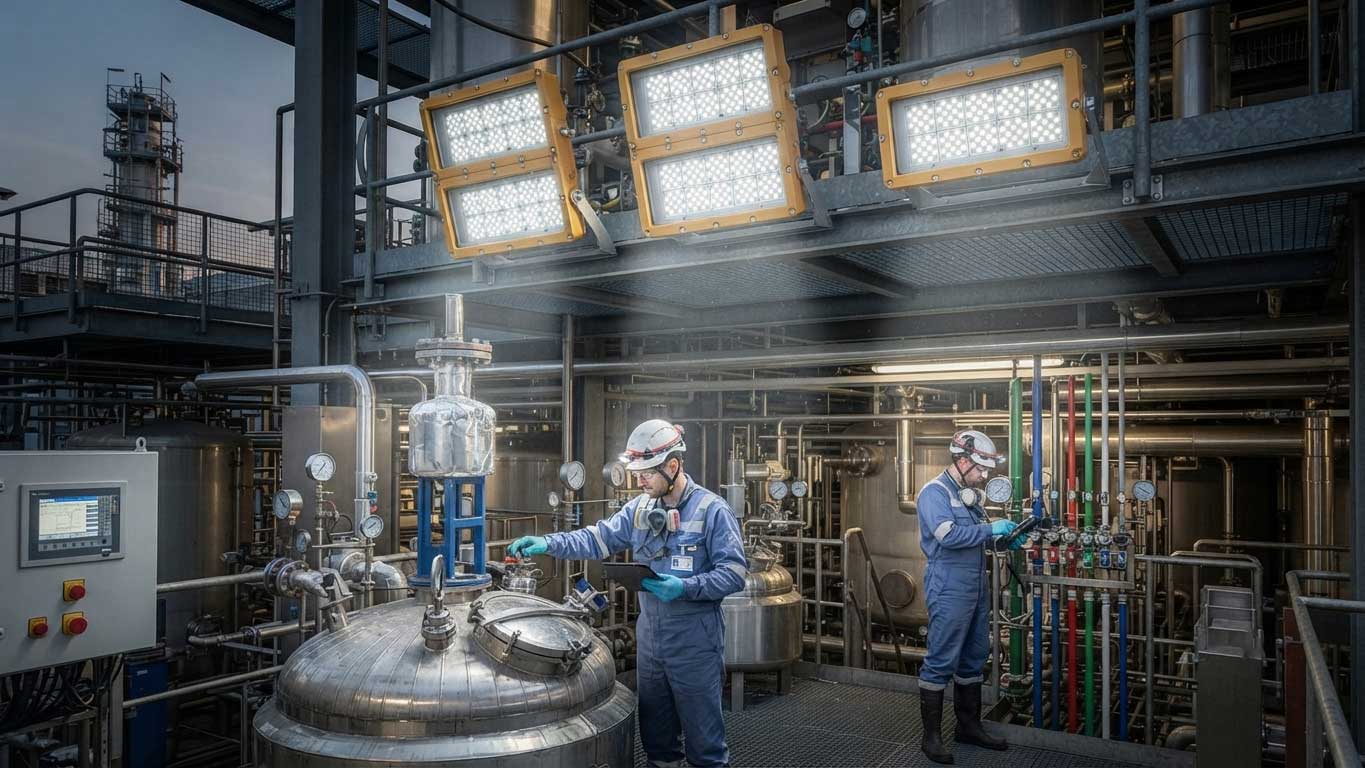
Before purchasing, industrial teams usually review:
A correct selection balances safety, performance, and operating cost.
It is used in hazardous locations where flammable gases or vapors may exist during abnormal conditions.
It provides hazardous location protection, but the exact protection method depends on the certification and product design.Visit the product page: Explosion Proof Lighting
They are commonly installed in oil, gas, chemical, manufacturing, and energy facilities.
Common references include NFPA 70 NEC requirements and applicable UL certifications.
LED provides longer service life, lower energy consumption, and reduced maintenance requirements.
Yes, if the fixture has suitable environmental protection ratings and certification.
What Is class 1 division 2 led lighting? It is a certified industrial LED lighting solution designed for hazardous areas where flammable gases or vapors may appear under abnormal conditions.
For oil, gas, chemical, and industrial facilities, the right lighting system must provide more than illumination. It must support safety, compliance, and reliable operation.
SEEKINGLED develops industrial LED lighting solutions focused on demanding environments where certification, durability, and long-term performance matter.
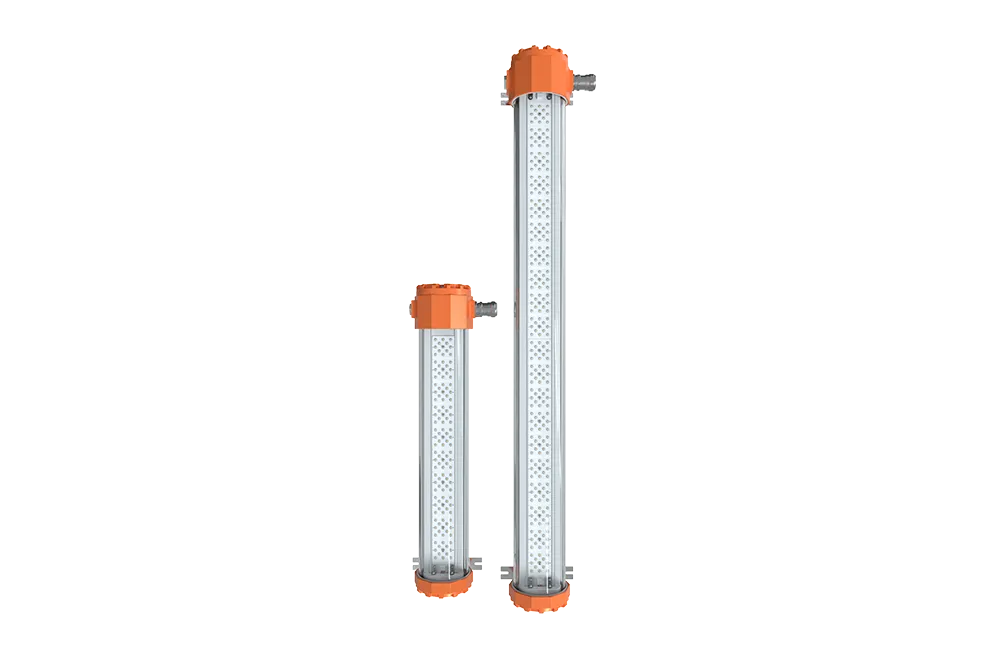
SEEKINGLED LED Linear Explosion Proof Light and Explosion Proof lighting is ATEX and IECEx certified for Zone 1, Zone 2, Zone 21 and Zone 22 hazardous locations, built for long-term industrial use.
View details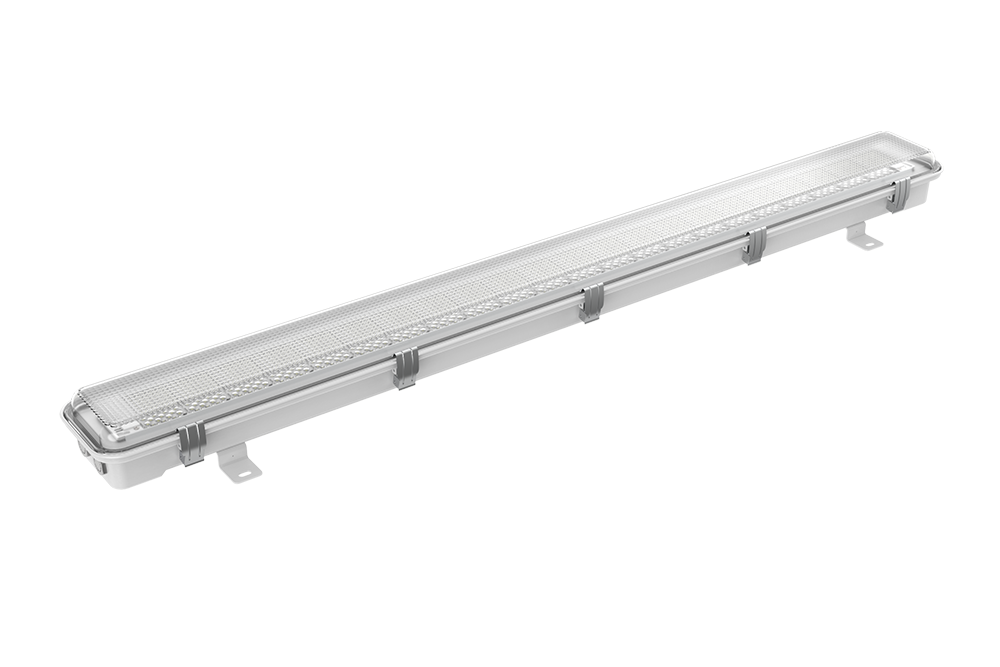
LED Linear Explosion Proof Lights and EX Proof lights for Zone 1, Zone 2, Zone 21 and Zone 22 hazardous areas. ATEX & IECEx certified explosion proof LED linear lighting with emergency function, adjustable power and IP67 protection by SEEKINGLED.
View details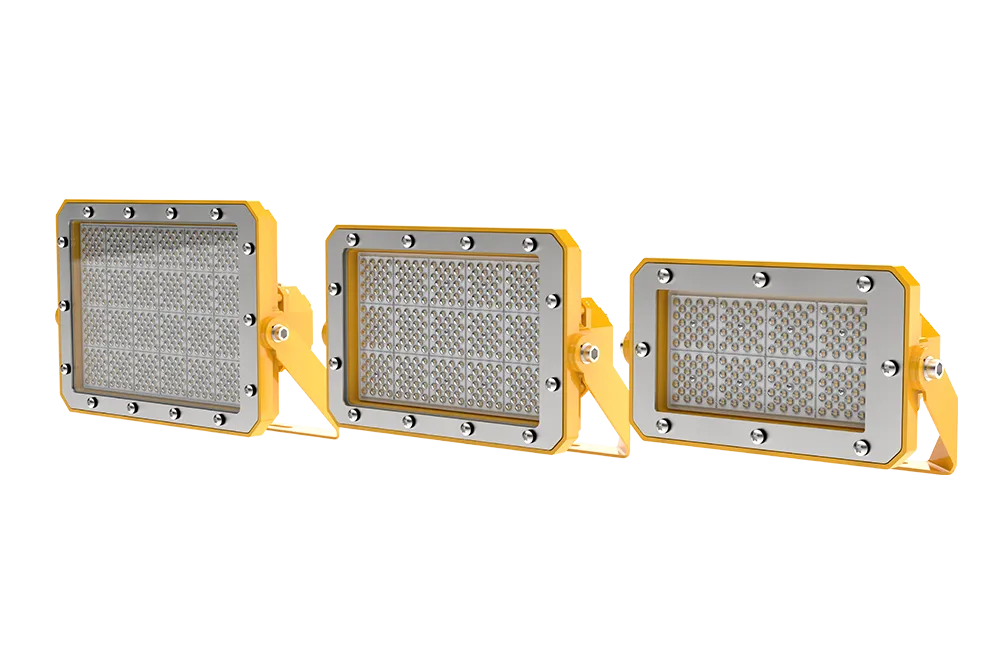
SEEKINGLED LED Explosion Proof Flood Lights are ATEX certified for Zone 2 and Zone 22 hazardous areas, offering high efficiency, adjustable power and integrated junction box.
View details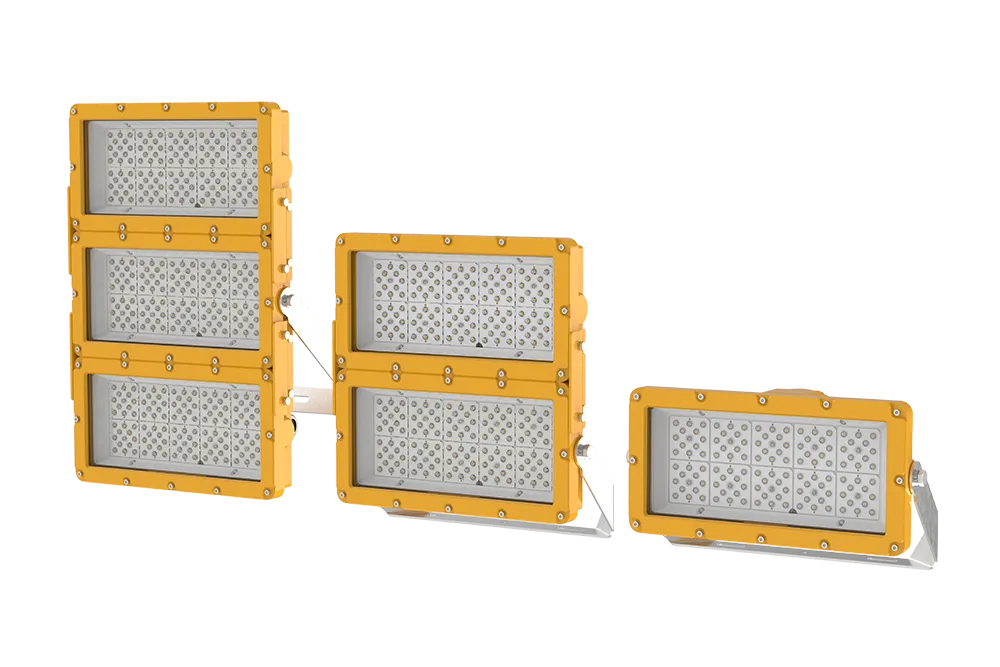
SEEKINGLED LED Explosion Proof Flood Lights are flameproof ATEX and IECEx certified for Zone 1 and Zone 2 hazardous areas, offering high power, adjustable output and long service life.
View details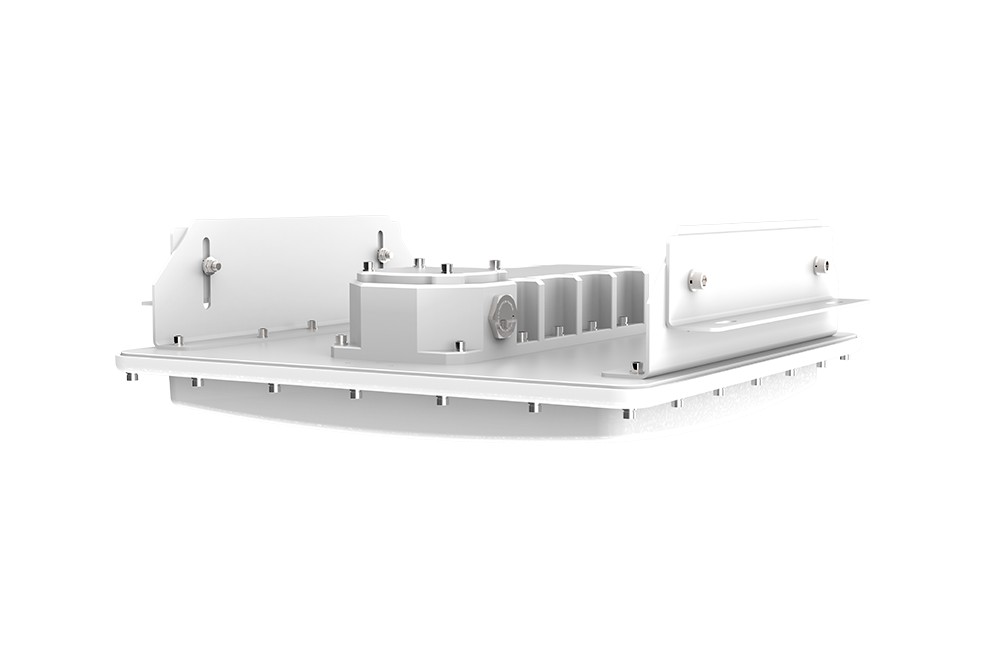
SEEKINGLED LED Gas Station Canopy Lights are ATEX certified for Zone 2 and Zone 22 hazardous areas, featuring adjustable power and built-in explosion-proof junction box.
View details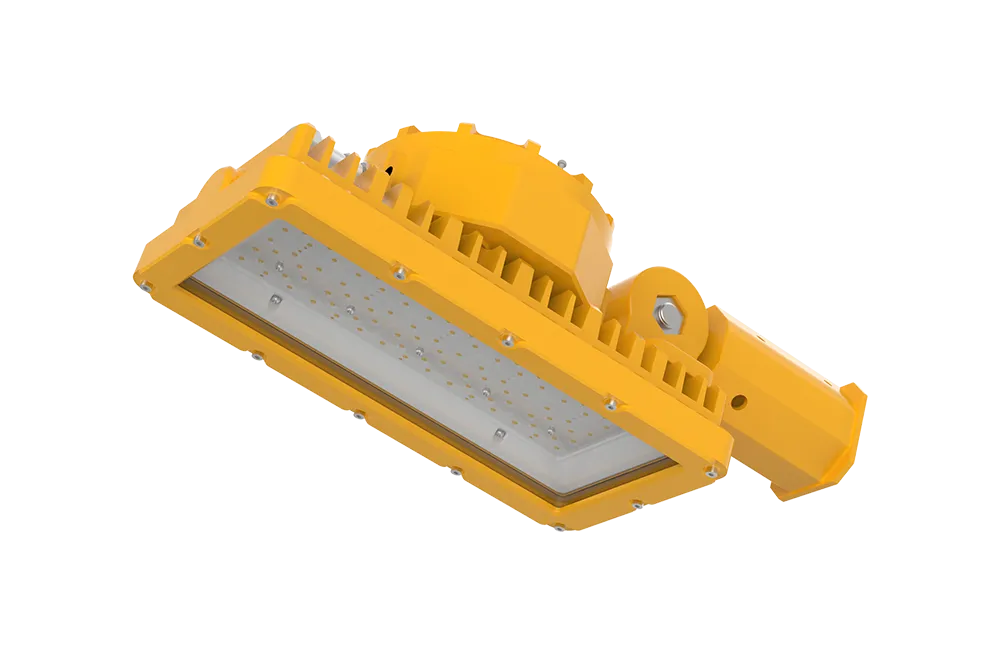
ATEX: Ex II 2G Ex db IIB T6/T5 GbEx II 2D Ex tb IIIC T80°C/ T95°C Db IECEx Ex db IIB T6 Gb;Ex tb IIIC T80°C Db Feature: ● For Zone 1,2 and Zone 21,22● Flameproof type, the strongest● 100W can replace 250W HID,energy saving● Power:60W,80W,100W Application: Oil and gas, marine, Chemical, pharmaceutical, semiconductor,mining,military industr…
View details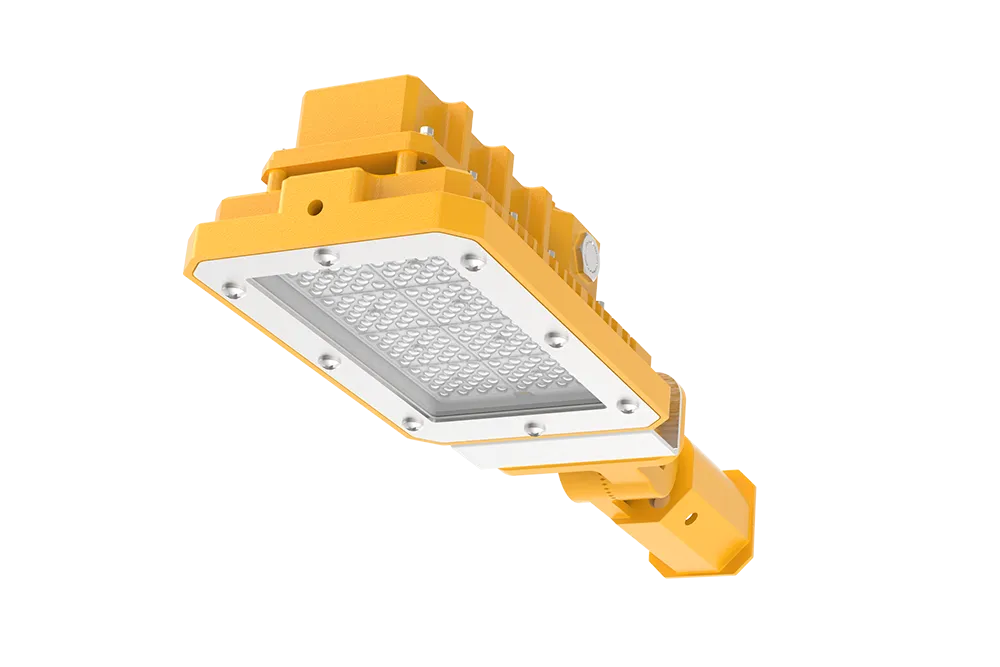
ATEX: II 3G Ex nR ⅡC T5/T6 GcII 3D Ex tc ⅢC T80℃/T95℃Dc ATEX Certificate NO: TÜV CY 26 ATEX 0207611 X Feature: ● For Zone 2 and Zone 22● 150W can replace 250W HID lamps,Energy saving● Power:50W,75W,100W,150W,200W Application: Oil and gas, marine, Chemical, pharmaceutical, semiconductor,mining,military industry, paint booth,power plant ETC…
View details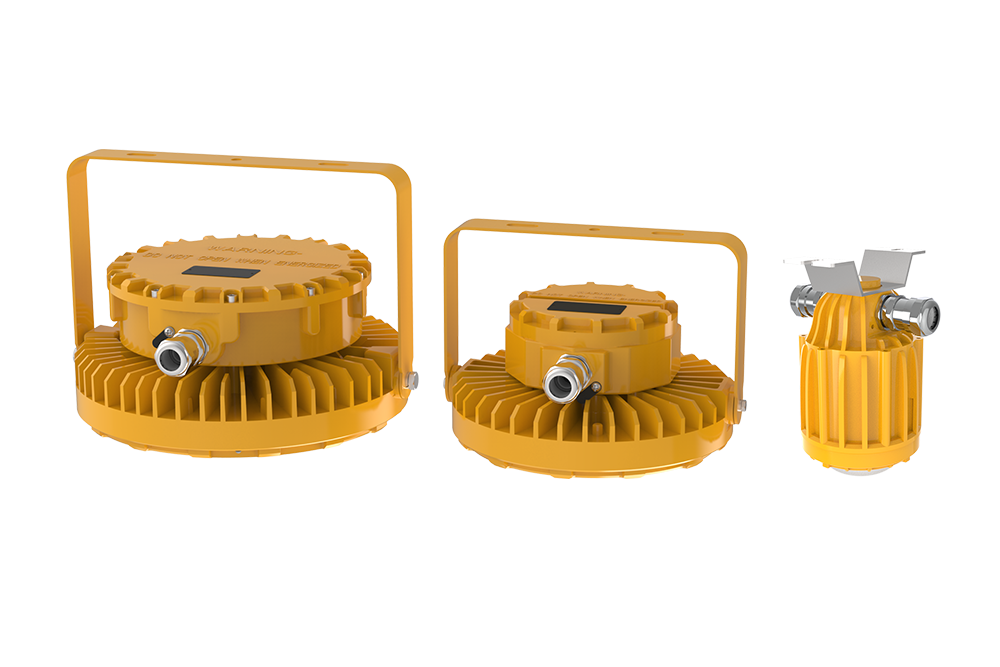
LED explosion proof high bay lights are designed for Zone 1, Zone 2, Zone 21 and Zone 22 hazardous areas. This page introduces the HB21 Series from SEEKING, including certifications, power options and real application considerations.
View details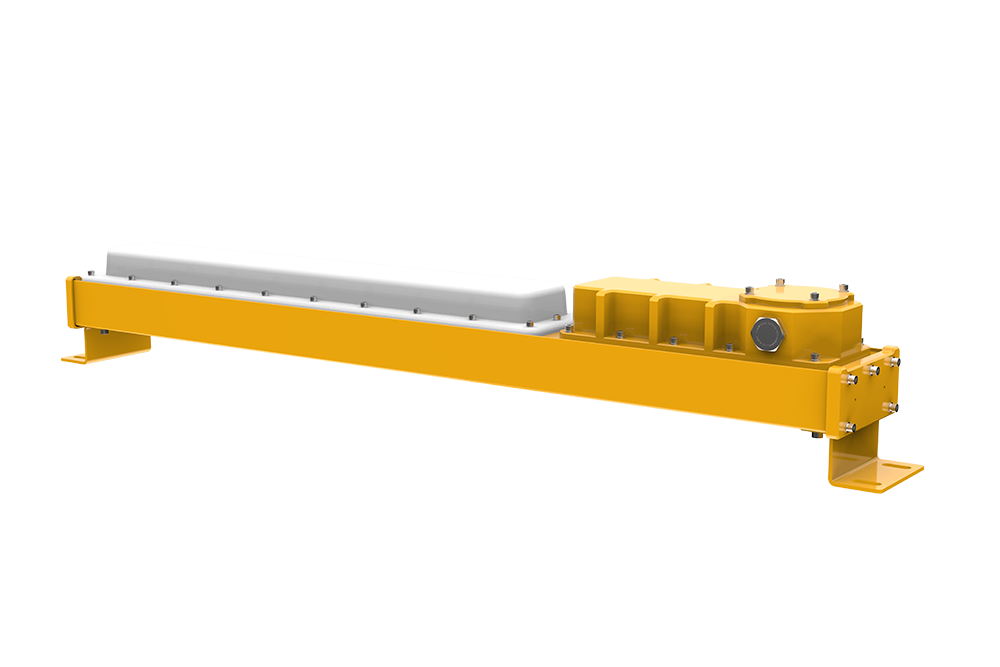
LED Linear Explosion Proof Lights from SEEKINGLED. LU Series Flame Proof lights ATEX-certified explosion proof LED linear lighting for Zone 2 gas and Zone 22 dust areas, IP69K, IK10, long lifetime and flexible power options.
View details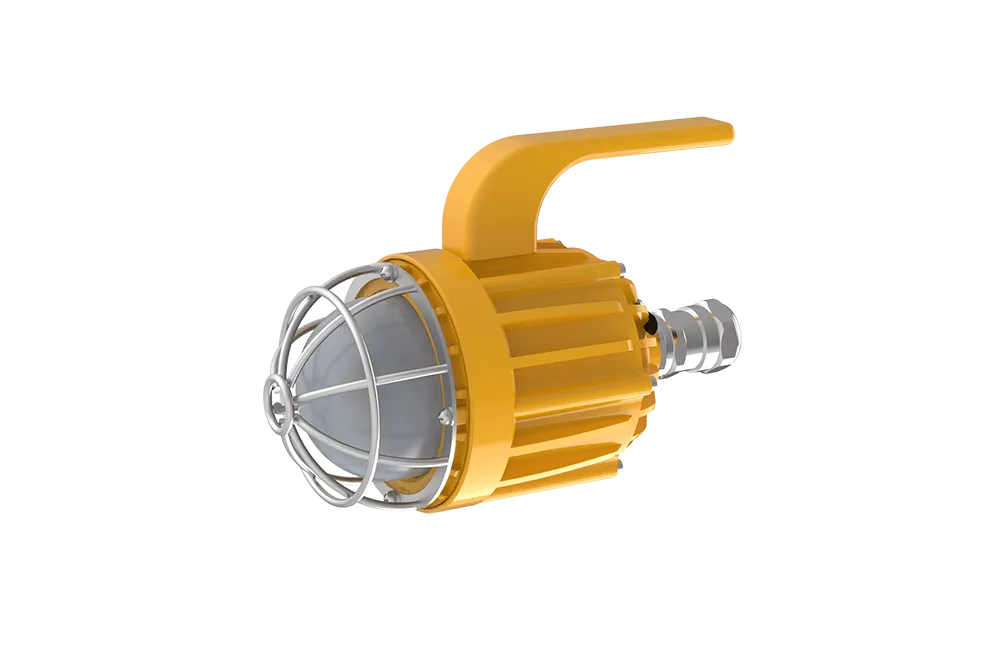
Certified explosion proof work lights for Zone 1 & 21 hazardous areas. Portable, ATEX & IECEx approved, built for oil, gas and chemical plants by SEEKINGLED.
View details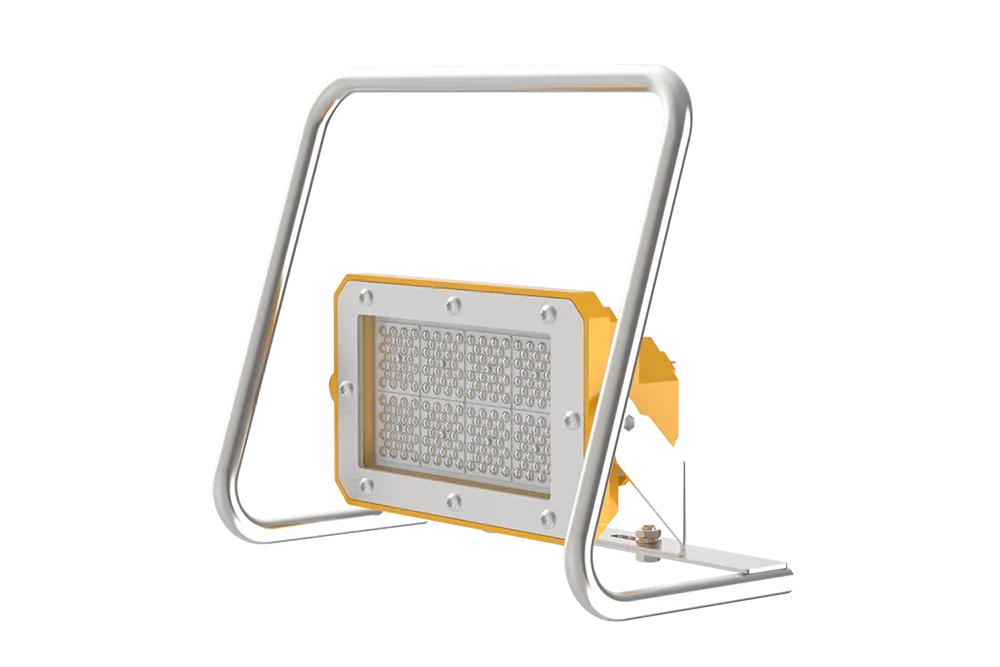
ATEX: II 3G Ex nR ⅡC T6 GcII 3D Ex tc ⅢC T80℃ Dc ATEX Certificate NO: TÜV CY 26 ATEX 0207611 X Feature: ● For Zone 2 and Zone 22● Accepts battery-powered supply● indestructible● Power:AC input:50W,75W,100WDC input:15W,25W,35W Application: Oil and gas, marine, Chemical, pharmaceutical, semiconductor,mining,military industry, paint booth,po…
View details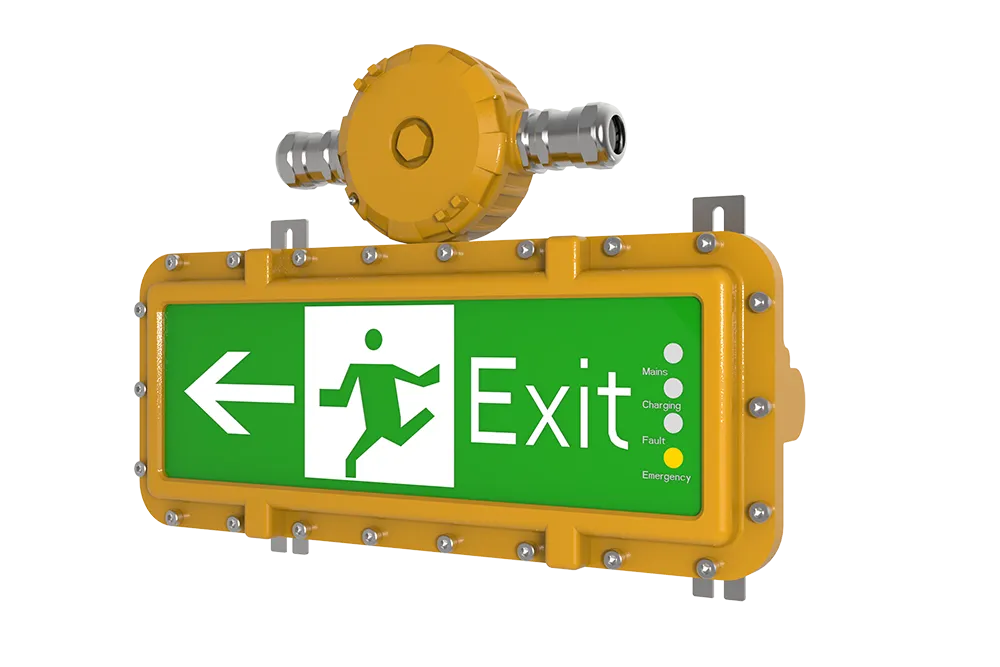
ATEX: Ex II 2G Ex db IIB T6 GbEx II 2D Ex tb IIIC T80°C Db IECEx Ex db IIB T6 Gb;Ex tb IIIC T80°C Db Feature: ● For Zone 1,2 and Zone 21,22● Flameproof type, the strongest Application: Oil and gas, marine, Chemical, pharmaceutical, semiconductor,mining,military industry, paint booth,power plant ETC hazardous area. Technical Specifications:…
View details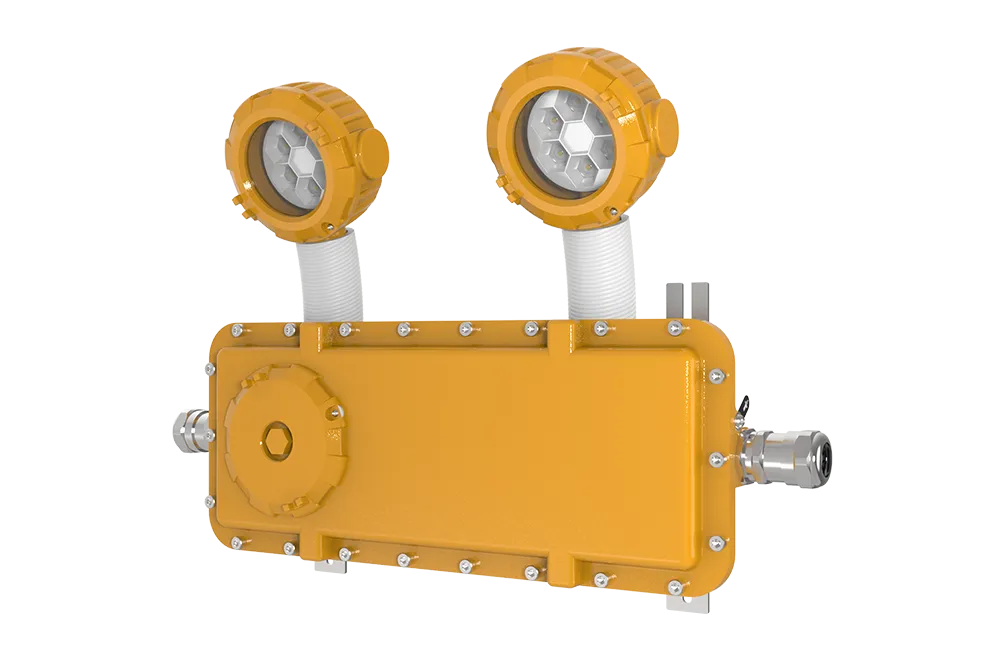
ATEX: Ex II 2G Ex db IIB T6 GbEx II 2D Ex tb IIIC T80°C Db IECEx Ex db IIB T6 Gb;Ex tb IIIC T80°C Db Feature: ● For Zone 1,2 and Zone 21,22● Flameproof type, the strongest Application: Oil and gas, marine, Chemical, pharmaceutical, semiconductor,mining,military industry, paint booth,power plant ETC hazardous area. Technical Specifications:…
View details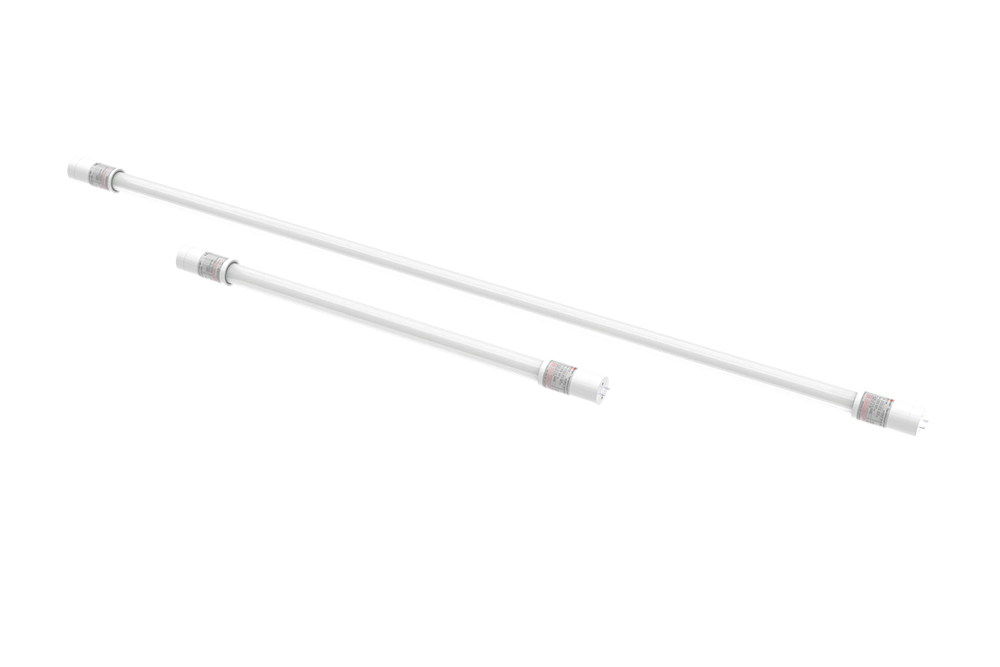
ATEX: Ex II 2G Ex d e IIB T6 Gb ATEX: Ex d e IIB T6 Gb; Feature: ● For Zone 1,2● 9W can replace 18W fluorescent lamps,50% Energy saving Application: Oil and gas, marine, Chemical, pharmaceutical, semiconductor,mining,military industry, paint booth,power plant ETC hazardous area. Technical Specifications: Standards:60079-0, 60079-1, 60079…
View details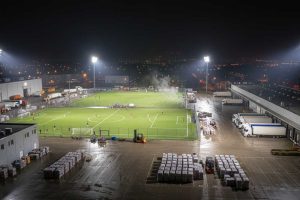
Can LED flood light be repaired in outdoor and sports lighting projects? Learn which parts can be fixed, when repair makes sense, and when replacement is the better option.
View details
Are LED spotlights dimmable in real projects? Yes—but only with the right driver and dimmer. Learn what works, what fails, and how SEEKINGLED designs it right.
View details
Are LED street lights brighter than traditional street lighting? Learn how brightness is measured, why LEDs appear brighter, and what matters most in real road projects.
View details
Amber color LED lighting reduces glare, protects night vision, and limits light pollution. See why professionals choose amber color LED solutions from SEEKINGLED.
View details