 Seeking LED
Floodlight vs Spotlight: What Actually Works When You Install Them?
59Floodlight vs spotlight—what really works on-site? Compare beam angles, lighting effects, and choose the right solution with SEEKINGLED professional lighting.
View detailsSearch the whole station
I didn’t start using 12 volt dc led flood lights in mainstream projects. They came up in edge cases—RV setups, off-grid cabins, marine docks. Situations where traditional AC power either wasn’t practical… or wasn’t safe.
And those “edge cases” turned out to be more demanding than standard installations.
Because when you’re running on 12V systems, every inefficiency shows up immediately.
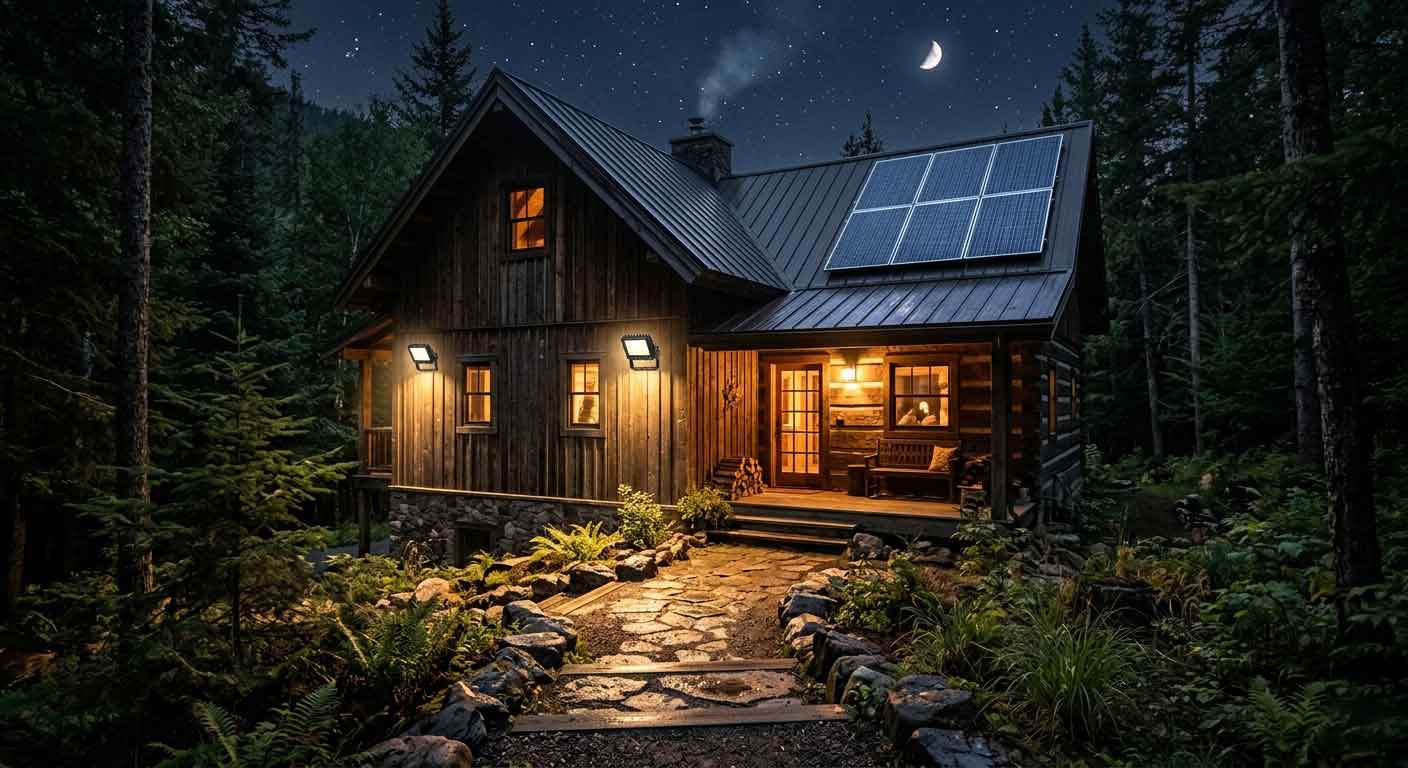
It was a small lakeside cabin—Flexible Solar Panel-powered, battery storage, limited reserve capacity. The client didn’t want compromise lighting, just smarter power usage.
We installed several 12 volt dc led flood lights around the perimeter.
What stood out wasn’t brightness—it was stability. No flicker. No startup delay. Even under fluctuating battery voltage, the lights held steady.
According to the International Energy Agency (IEA), efficient LED systems are critical in off-grid applications, where energy savings directly translate into longer operational hours and reduced storage demand.
That’s not theory in these setups. That’s survival.
Most people coming from standard AC lighting underestimate one thing: current.
At 12V, to deliver the same power, current increases. That affects:
The U.S. Department of Energy (DOE) notes that low-voltage systems can be highly efficient, but only when properly designed to minimize transmission losses.
In one installation, we had to re-run cables because the original gauge caused noticeable dimming at the far end. Same lights, same power source—different wiring, completely different result.
You don’t use 12V flood lights everywhere. But where they fit, they outperform expectations.
In mobile environments, voltage stability matters more than raw output.
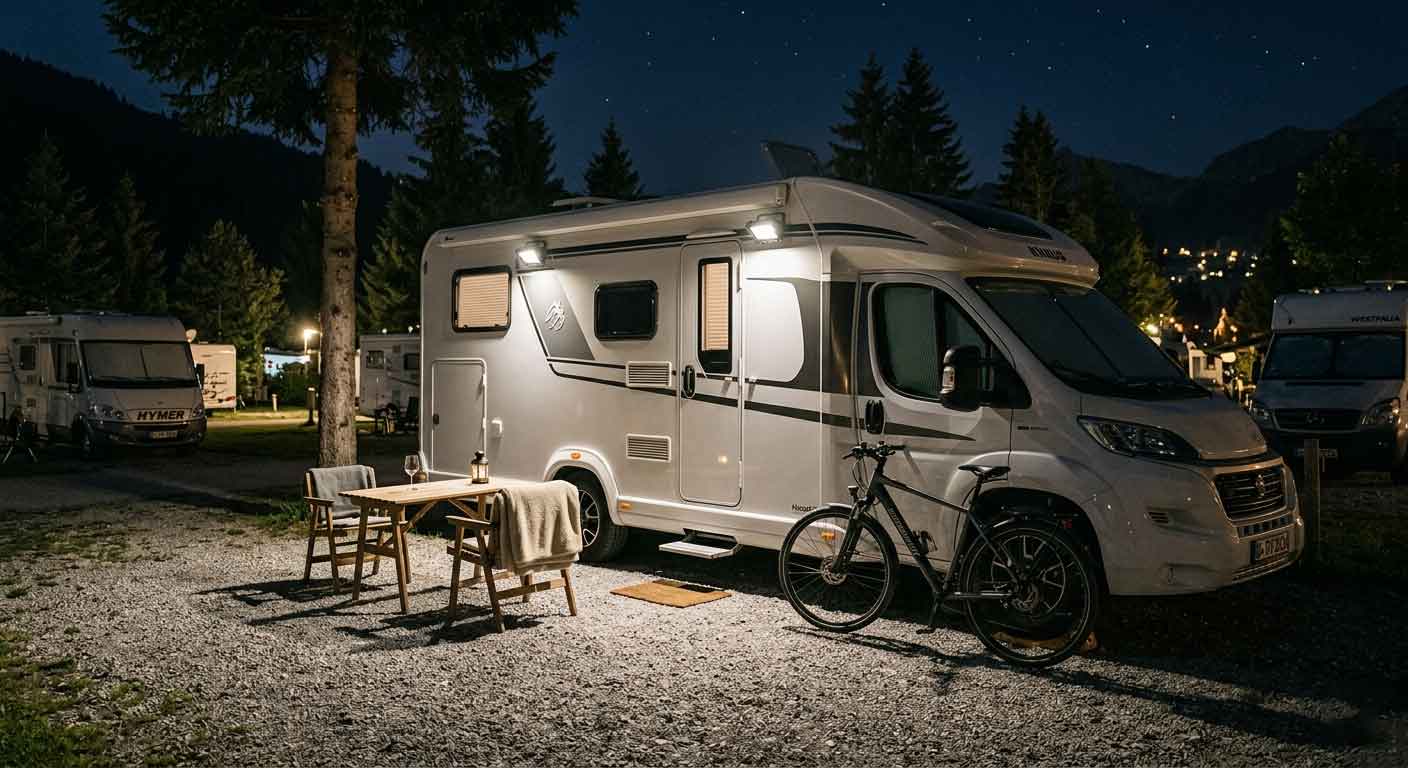
I’ve installed 12V flood lights on RV exteriors where vibration, limited space, and battery constraints all come into play. AC systems would have been overkill—and less reliable.
Salt air changes everything.
Corrosion resistance, sealing, and low-voltage safety make 12 volt dc led flood lights a practical choice for docks and boats. No one wants high-voltage risks near water.
For residential outdoor use, low voltage systems are easier to install and safer to maintain.
The Illuminating Engineering Society (IES) highlights that low-voltage outdoor lighting reduces electrical hazard risks while maintaining effective illumination levels when properly designed.
This is where installations quietly fail.
Run a cable too long without compensating, and the light at the end won’t perform like the one near the power source.
In practical terms:
Solutions I’ve used:
It’s not complicated—but it’s often ignored.
There’s a misconception that low voltage means low heat.
Not necessarily.
The LED chips still generate heat, and without proper dissipation, performance drops over time. The IES confirms that thermal management directly impacts LED lifespan regardless of voltage type.
I’ve seen compact 12V units overheat simply because the housing was too thin.
Good designs—like the ones I’ve used from SEEKINGLED—tend to have:
It’s one of those things you notice after months, not minutes.

After working across different low-voltage systems, consistency becomes the deciding factor.
With SEEKINGLED, what I’ve seen in the field:
In one solar-powered setup, their 12 volt dc led flood lights maintained brightness even as battery levels dipped overnight. That kind of stability matters more than peak brightness numbers.
The shift isn’t dramatic—it’s subtle.
Lighting becomes part of the system, not just an add-on. Power, wiring, output—they all interact more closely.
And when it’s done right, 12 volt dc led flood lights don’t feel like a compromise. They feel intentional.
Not overpowered. Not wasteful. Just… appropriate.
More answers
If you’re considering 12 volt dc led flood lights, don’t approach them like standard AC fixtures.
Think in terms of system design:
Because in low-voltage environments, small decisions show big consequences.
And once you get it right, these lights tend to outperform expectations in ways that aren’t obvious—until you’ve lived with them.

Floodlight vs spotlight—what really works on-site? Compare beam angles, lighting effects, and choose the right solution with SEEKINGLED professional lighting.
View details
How bright is a 50 watt LED flood light outdoors? Discover lumen output, coverage range, and real lighting insights from SEEKINGLED experts.
View details
30th-March-4th-April-2014 Booth NO.:10.1 G90 In 2013, We launch the HBL series high bay light. Include 100W, 120W, 150W, 200W, 240W, which use SMD3020 LED chip, IP65.use Meanwell HLG series driver, whole lamp 5 year warranty. 12...
View details
What is the best outdoor LED flood light for security, driveways, or yards? Learn brightness, beam angle, and durability tips from SEEKINGLED lighting experts.
View details