 Seeking LED
atex zone 2 lighting for Areas with Occasional Explosive Gas Risk
0Explore atex zone 2 lighting designed for hazardous gas environments. Learn protection standards, industrial applications, and selection tips from SEEKINGLED.
View detailsSearch the whole station
Class 1 division 2 led lighting is designed for hazardous locations where flammable gases, vapors, or liquids may exist under abnormal conditions rather than during normal operation. These fixtures provide safe, energy-efficient illumination while reducing ignition risks.
Unlike standard industrial lighting, Class I Division 2 LED lighting must consider the possibility of accidental gas release, equipment failure, or temporary hazardous conditions. The fixture design focuses on preventing electrical components from becoming potential ignition sources.Visit the product page: Explosion Proof Lighting
At SEEKINGLED, I have worked with industrial lighting applications involving factories, oil and gas facilities, and demanding outdoor environments. One thing repeatedly appears during project discussions: customers initially compare watts and lumens, but experienced engineers ask a different question—“Is this fixture suitable for the actual hazardous classification?”
That question changes everything.
A lighting product installed in a warehouse and a lighting product installed near fuel processing equipment may look similar, but their engineering requirements are completely different.
The term class 1 division 2 led lighting comes from the hazardous location classification system defined by the National Electrical Code (NEC), mainly used in North America.
According to NFPA 70 National Electrical Code guidelines, Class I locations involve:
Division 2 indicates that these hazardous substances are:
Reference:
Many industrial buyers confuse Division 1 and Division 2 requirements.
The main difference is the probability of hazardous material presence.
| Classification | Hazard Condition | Typical Locations |
|---|---|---|
| Class I Division 1 | Hazardous gas/vapor may exist during normal operation | Processing areas, inside equipment zones |
| Class I Division 2 | Hazardous gas/vapor exists mainly during abnormal conditions | Storage areas, surrounding process equipment |
Class I Division 2 areas still require specialized lighting.
They are not “safe areas.”
The risk is lower than Division 1, but ignition prevention remains important.
LED technology has changed hazardous industrial lighting significantly.
Compared with traditional HID or fluorescent systems, LED fixtures provide:
According to the U.S. Department of Energy, LED lighting products can use at least 75% less energy and last up to 25 times longer than incandescent lighting.
Reference:
For industrial facilities operating thousands of hours annually, these improvements directly affect operational costs.
Heat is one of the most important considerations in hazardous area lighting.
A properly designed Class I Division 2 LED fixture manages:
The goal is maintaining safe operation even when environmental temperatures increase.
Industrial installations may experience:
A fixture designed only for normal commercial use may not perform reliably in these conditions.
Typical Class I Division 2 LED fixtures include:
These features help protect the fixture from:
During industrial lighting evaluations, I often see the same purchasing pattern:
First discussion:
“How many lumens does this fixture provide?”
Later discussion:
“How does it perform after five years outdoors?”
That second question usually determines the better solution.
A Class I Division 2 lighting system must consider:
In remote industrial sites, replacing a failed fixture can require:
The initial product price becomes much less important when compared with operational downtime.
Class I Division 2 LED lighting is commonly used in:
These locations may experience accidental vapor release during operation.
Chemical plants often require hazardous-rated lighting around:
The lighting system must operate reliably despite chemical exposure and environmental stress.
Other applications include:
The classification depends on the materials and processes involved.
Even a certified fixture requires proper installation.
Important considerations include:
Incorrect cable glands may compromise enclosure protection.
Fixture placement affects:
Outdoor installations should consider:
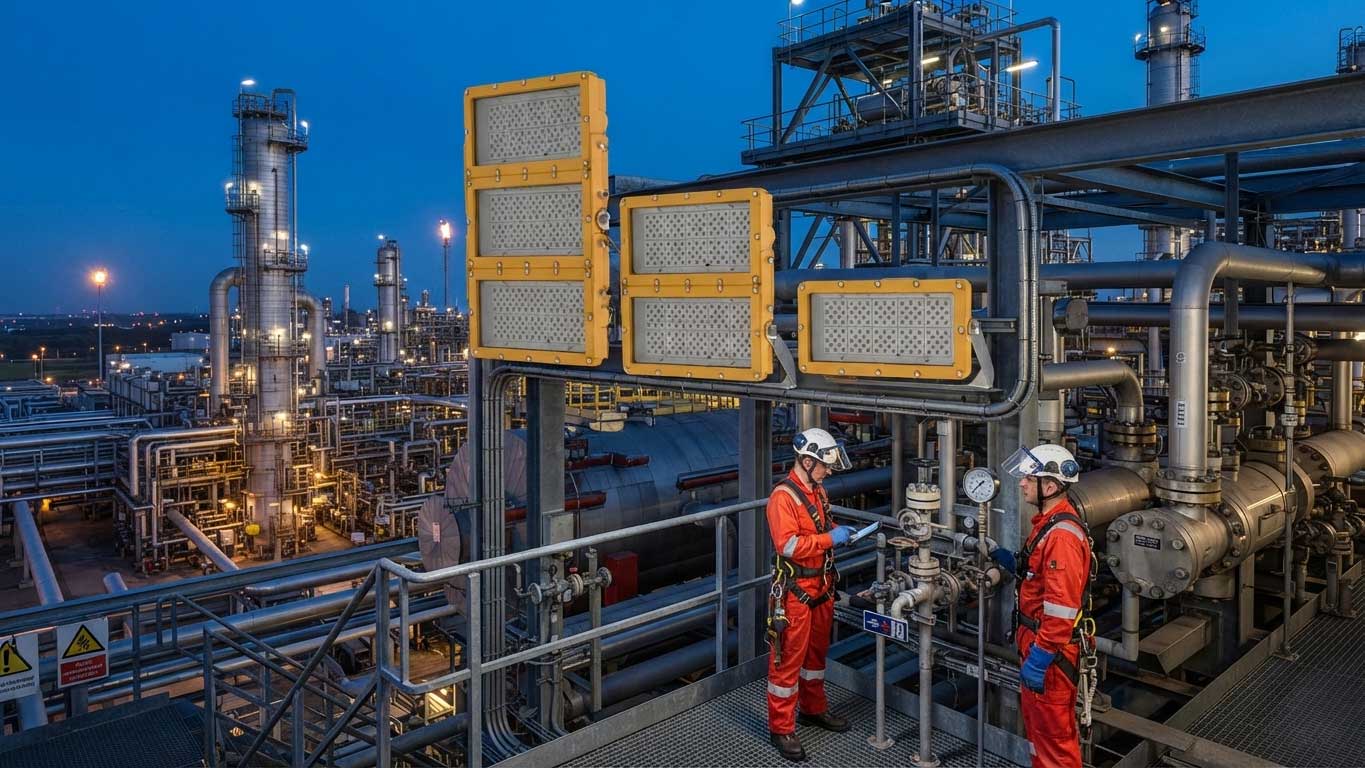
At SEEKINGLED, hazardous lighting solutions are developed around practical industrial challenges.
The design process considers:
A reliable industrial fixture should continue performing after years of exposure—not only pass initial testing.
That philosophy guides our approach to Class I Division 2 LED lighting development.
A class 1 division 2 led lighting system is often selected for locations where hazardous materials are controlled during normal operation but could appear during unexpected situations.
The real performance of these fixtures is revealed after installation—when they face heat, vibration, weather exposure, and long operating schedules.
A fuel storage terminal required a lighting upgrade around truck loading stations and transfer pipelines.
The existing lighting system created several operational challenges:
The engineering team reviewed the replacement solution based on:
| Evaluation Factor | Industrial Requirement |
|---|---|
| Hazard classification | Class I Division 2 suitability |
| Energy efficiency | Lower operating cost |
| Service life | Reduced maintenance frequency |
| Light distribution | Improved work visibility |
| Environmental protection | Outdoor reliability |
The final selection focused on reducing maintenance activities near hazardous areas.
In fuel-related facilities, every maintenance operation requires additional planning, safety procedures, and personnel coordination. A longer-lasting LED solution reduces unnecessary interruptions.
Chemical plants create a different challenge compared with fuel storage areas.
The main concern is often not only hazardous classification, but also environmental exposure.
Typical conditions include:
During industrial lighting assessments, I have seen fixtures with acceptable electrical performance but poor external durability.
Common problems included:
A high-quality class 1 division 2 led lighting fixture must maintain both illumination performance and enclosure protection over time.
| Feature | Class 1 Division 2 LED Lighting | Standard Industrial LED |
|---|---|---|
| Hazardous location suitability | Designed for classified areas | Usually not approved |
| Ignition control | Considered in design | Not required |
| Temperature management | Safety-focused | Efficiency-focused |
| Industrial certifications | Available depending on model | General certifications |
| Application | Oil, gas, chemical facilities | Warehouses, factories |
The difference is not always obvious from appearance.
Two fixtures may have similar brightness, but their engineering purpose is completely different.
Before selecting a fixture, confirm:
The lighting product must match the actual installation environment.
Industrial locations are rarely ideal.
Consider:
Important factors:
Important factors:
Industrial buyers increasingly consider lifecycle cost instead of purchase price.
A complete evaluation includes:
According to the U.S. Department of Energy, LED technology can significantly reduce energy use compared with traditional lighting systems.
Reference:
https://www.energy.gov/energysaver/led-lighting
For industrial facilities operating continuously, energy savings can become a major part of the project return.
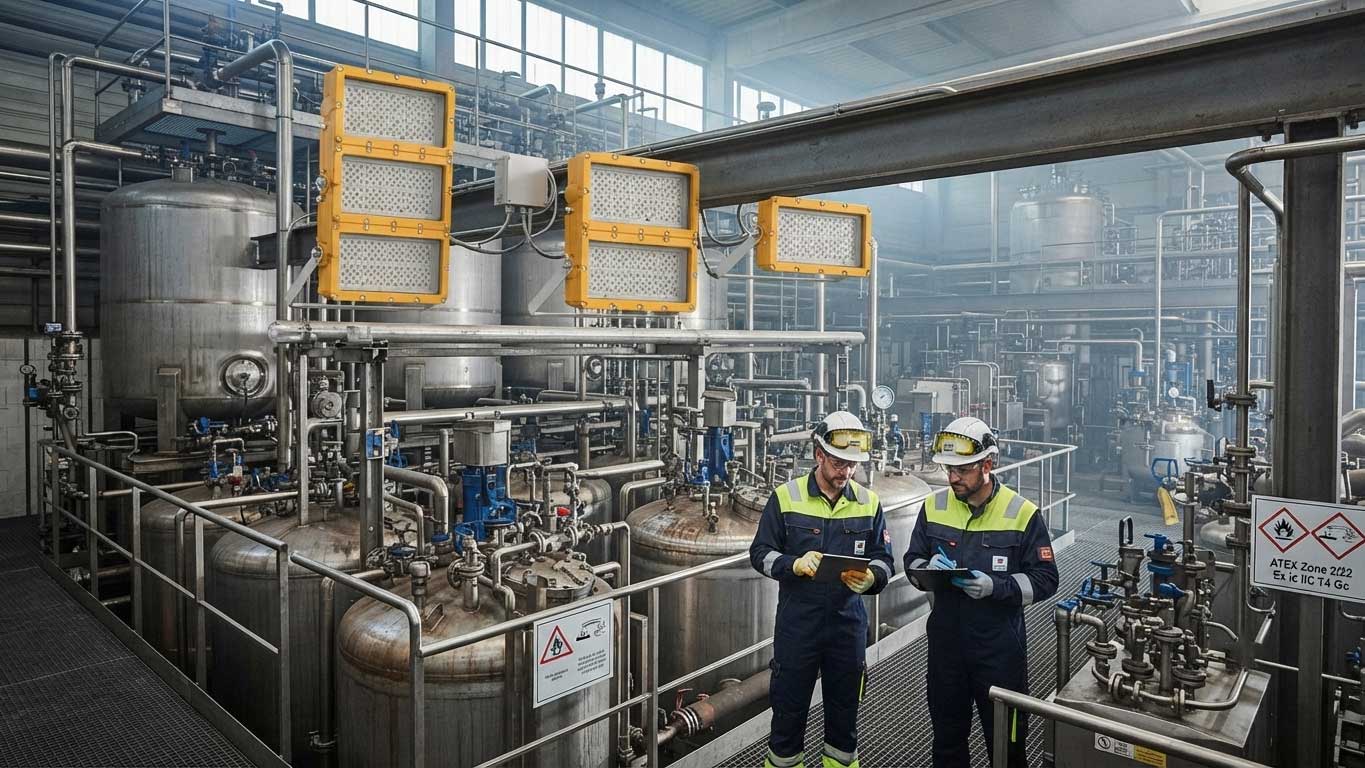
Even durable hazardous lighting requires proper management.
Recommended practices include:
Check:
Review:
Confirm:
Small installation errors can reduce the expected service life of industrial lighting equipment.
Industrial lighting is gradually moving toward:
For hazardous areas, technology development focuses on improving reliability without reducing safety requirements.
The future direction is not simply brighter lighting.
It is smarter lighting that helps facilities operate more efficiently while maintaining strict safety standards.
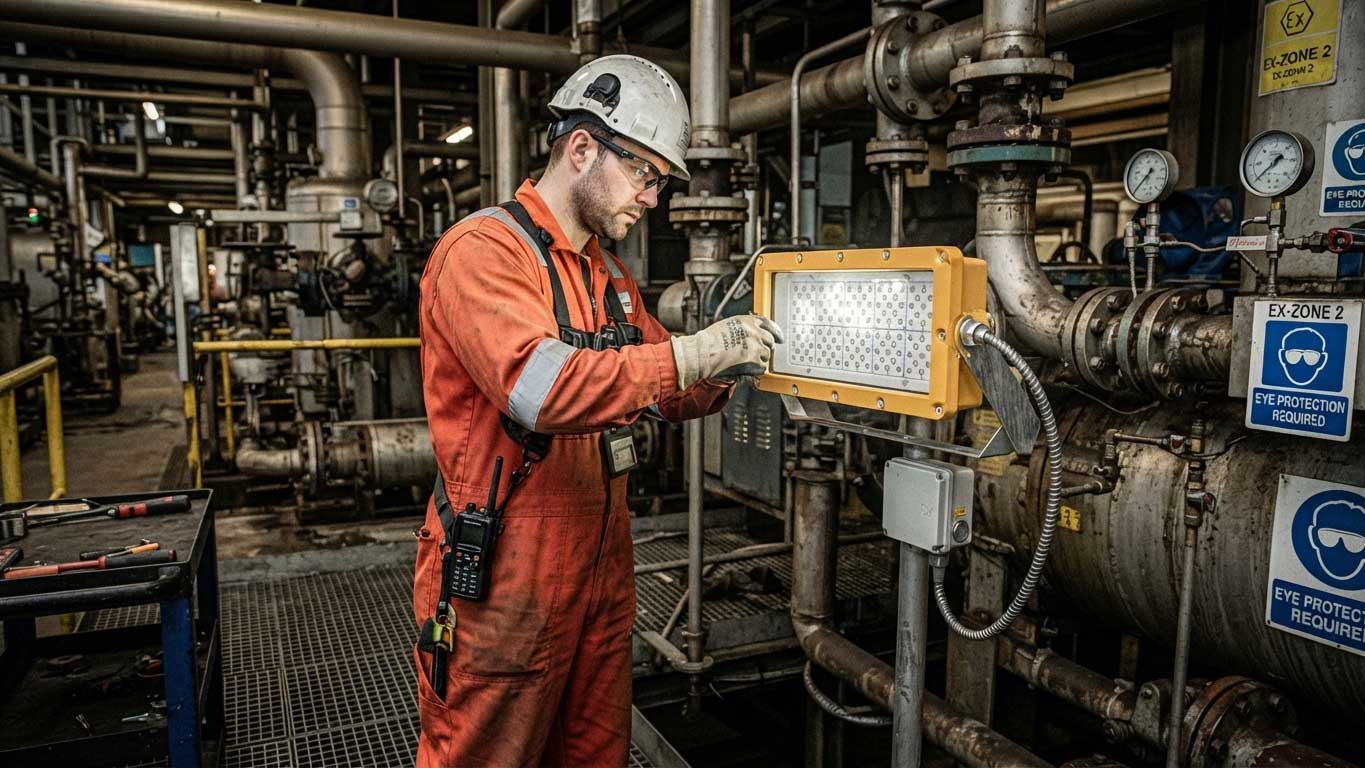
Class 1 division 2 led lighting is used in hazardous locations where flammable gases, vapors, or liquids may be present only under abnormal conditions, such as equipment failure or accidental release.
Class I Division 1 areas have a higher probability of hazardous materials being present during normal operation. Division 2 areas generally involve accidental or abnormal release conditions.
No. Standard LED fixtures are usually not designed or certified for hazardous locations and may not meet required safety standards.
Industrial LED fixtures commonly provide 50,000 hours or more of service depending on temperature, environment, and operating conditions.
Many are designed for outdoor industrial applications when combined with proper weather protection, corrosion resistance, and suitable temperature ratings.
Depending on region, buyers should review applicable hazardous location approvals, electrical code requirements, and manufacturer certification documentation.
LED technology offers lower energy consumption, longer operating life, and reduced maintenance compared with many traditional lighting technologies.
A class 1 division 2 led lighting system provides safe, efficient illumination for industrial areas where hazardous gases or vapors may appear under abnormal conditions.
The right fixture selection requires more than comparing brightness and price. Engineers must evaluate hazardous classification, environmental exposure, certification requirements, and long-term operating reliability.
For oil, gas, chemical, and industrial applications, SEEKINGLED focuses on developing LED lighting solutions designed around real workplace challenges.
In hazardous environments, dependable lighting is not simply about visibility—it supports safer and more efficient operations.
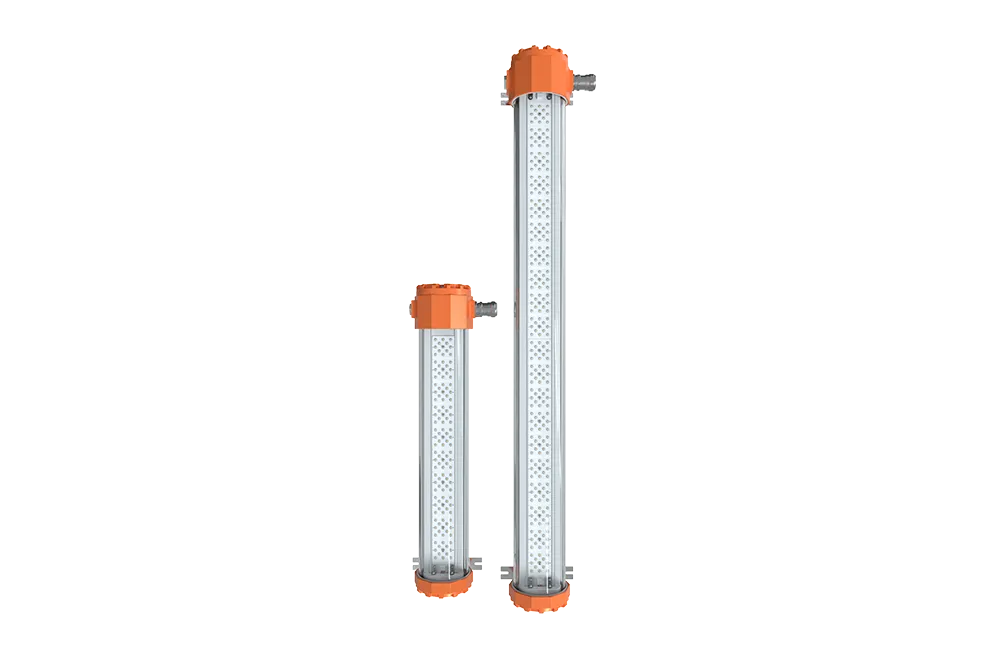
SEEKINGLED LED Linear Explosion Proof Light and Explosion Proof lighting is ATEX and IECEx certified for Zone 1, Zone 2, Zone 21 and Zone 22 hazardous locations, built for long-term industrial use.
View details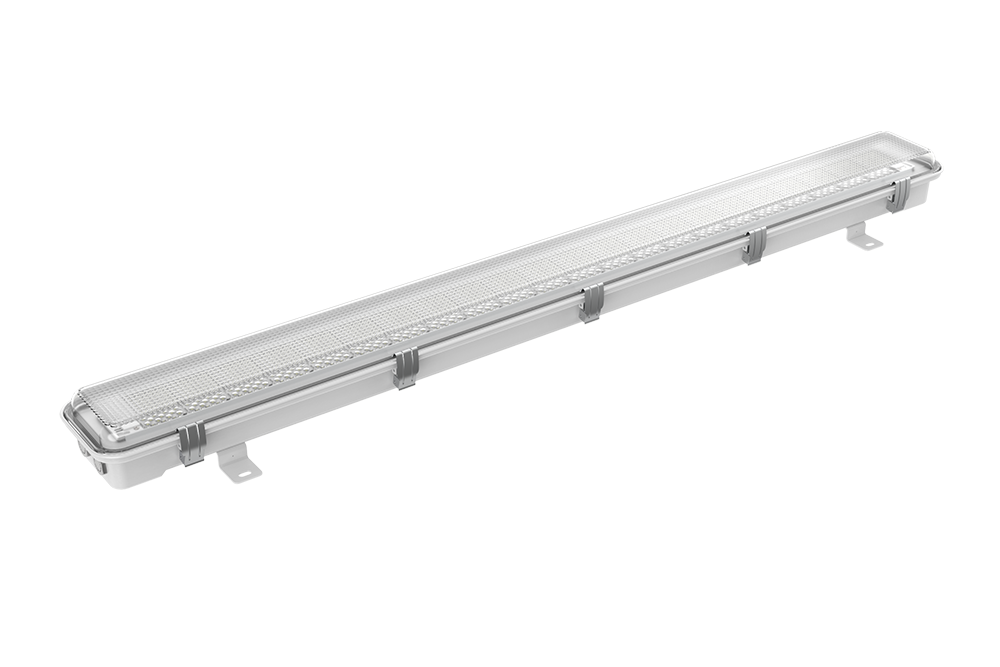
LED Linear Explosion Proof Lights and EX Proof lights for Zone 1, Zone 2, Zone 21 and Zone 22 hazardous areas. ATEX & IECEx certified explosion proof LED linear lighting with emergency function, adjustable power and IP67 protection by SEEKINGLED.
View details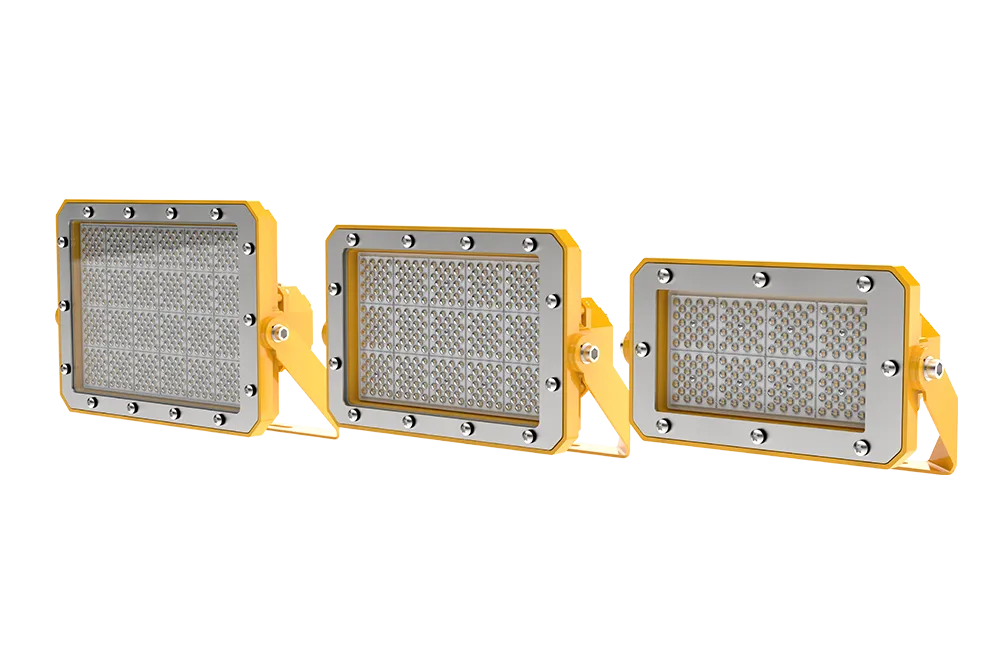
SEEKINGLED LED Explosion Proof Flood Lights are ATEX certified for Zone 2 and Zone 22 hazardous areas, offering high efficiency, adjustable power and integrated junction box.
View details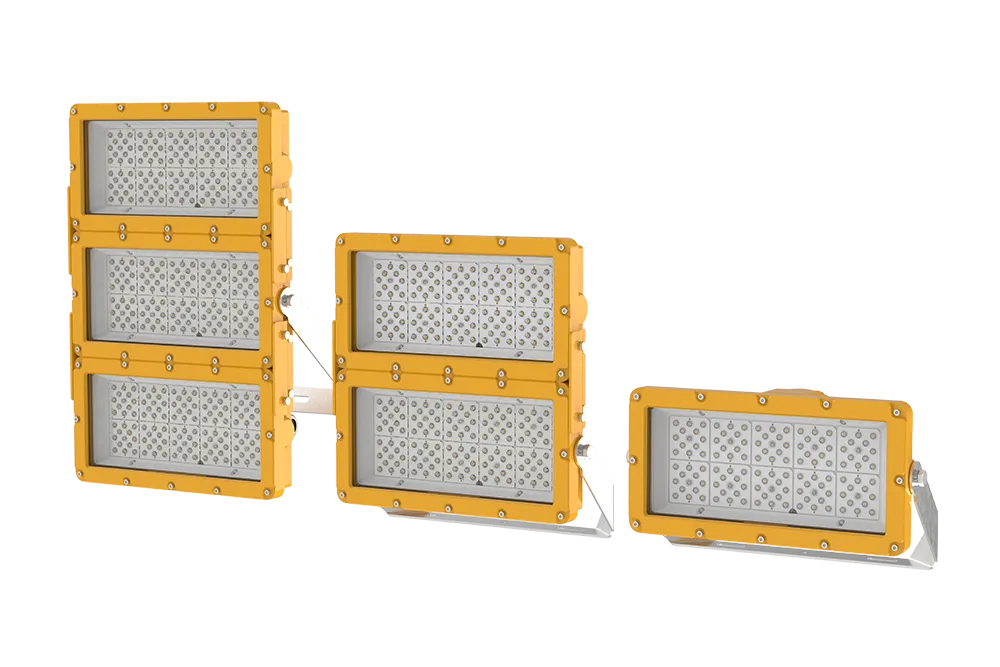
SEEKINGLED LED Explosion Proof Flood Lights are flameproof ATEX and IECEx certified for Zone 1 and Zone 2 hazardous areas, offering high power, adjustable output and long service life.
View details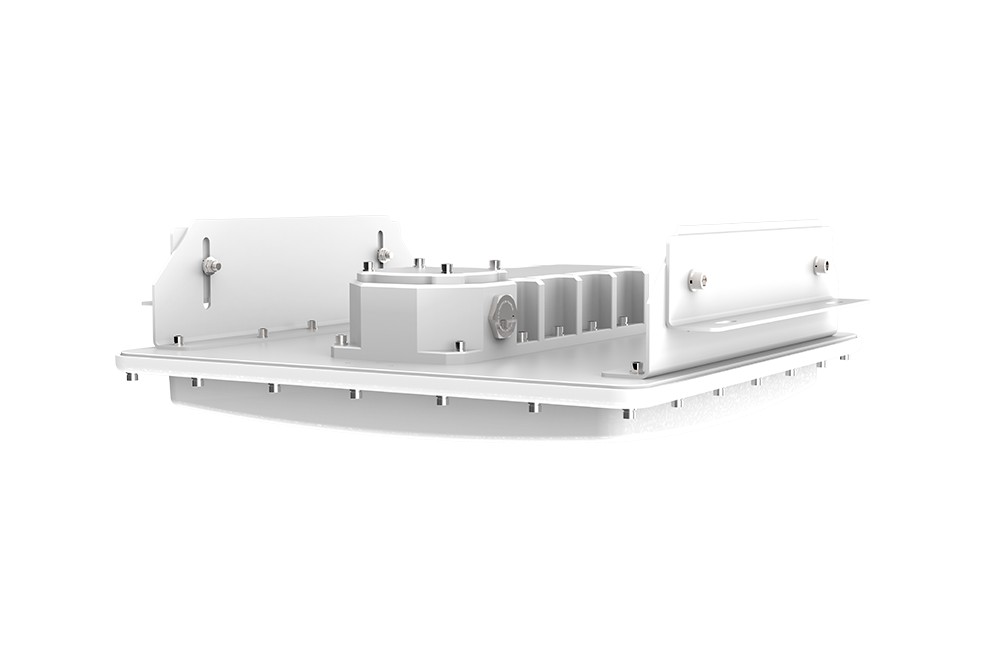
SEEKINGLED LED Gas Station Canopy Lights are ATEX certified for Zone 2 and Zone 22 hazardous areas, featuring adjustable power and built-in explosion-proof junction box.
View details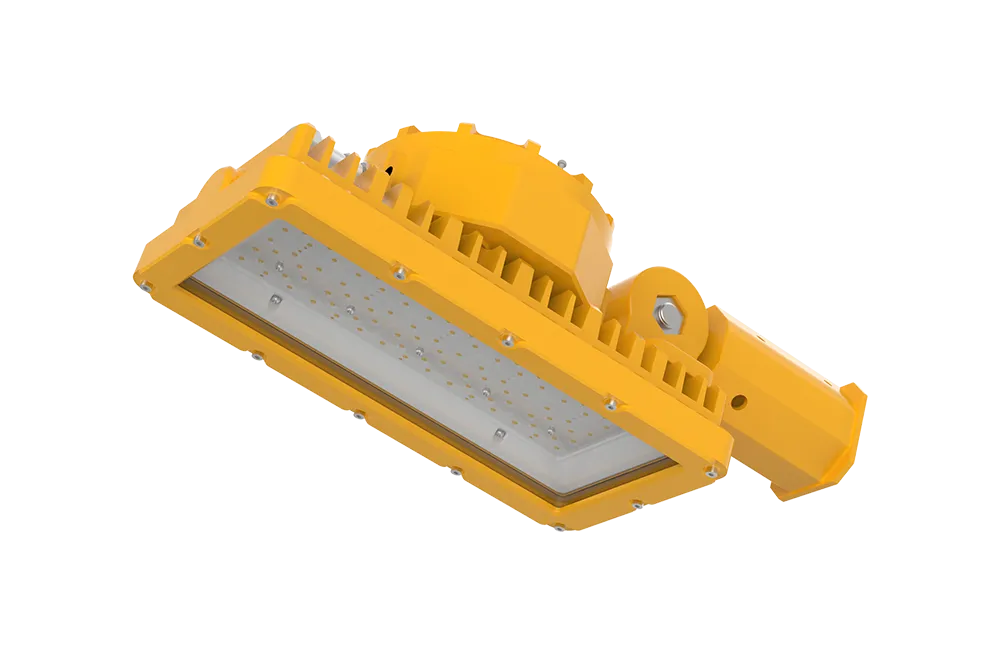
ATEX: Ex II 2G Ex db IIB T6/T5 GbEx II 2D Ex tb IIIC T80°C/ T95°C Db IECEx Ex db IIB T6 Gb;Ex tb IIIC T80°C Db Feature: ● For Zone 1,2 and Zone 21,22● Flameproof type, the strongest● 100W can replace 250W HID,energy saving● Power:60W,80W,100W Application: Oil and gas, marine, Chemical, pharmaceutical, semiconductor,mining,military industr…
View details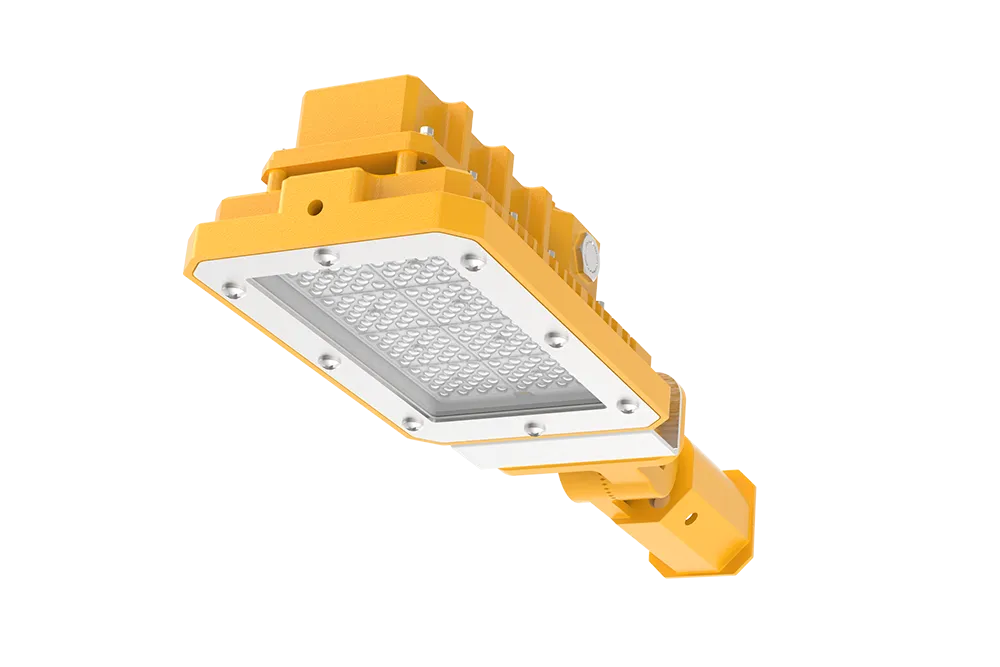
ATEX: II 3G Ex nR ⅡC T5/T6 GcII 3D Ex tc ⅢC T80℃/T95℃Dc ATEX Certificate NO: TÜV CY 26 ATEX 0207611 X Feature: ● For Zone 2 and Zone 22● 150W can replace 250W HID lamps,Energy saving● Power:50W,75W,100W,150W,200W Application: Oil and gas, marine, Chemical, pharmaceutical, semiconductor,mining,military industry, paint booth,power plant ETC…
View details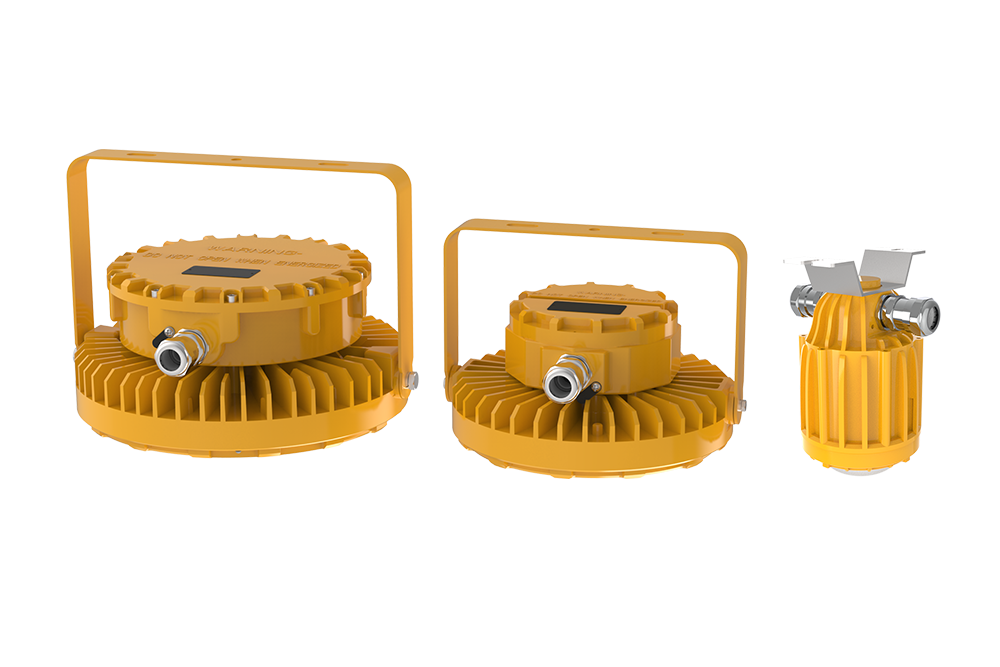
LED explosion proof high bay lights are designed for Zone 1, Zone 2, Zone 21 and Zone 22 hazardous areas. This page introduces the HB21 Series from SEEKING, including certifications, power options and real application considerations.
View details
LED Linear Explosion Proof Lights from SEEKINGLED. LU Series Flame Proof lights ATEX-certified explosion proof LED linear lighting for Zone 2 gas and Zone 22 dust areas, IP69K, IK10, long lifetime and flexible power options.
View details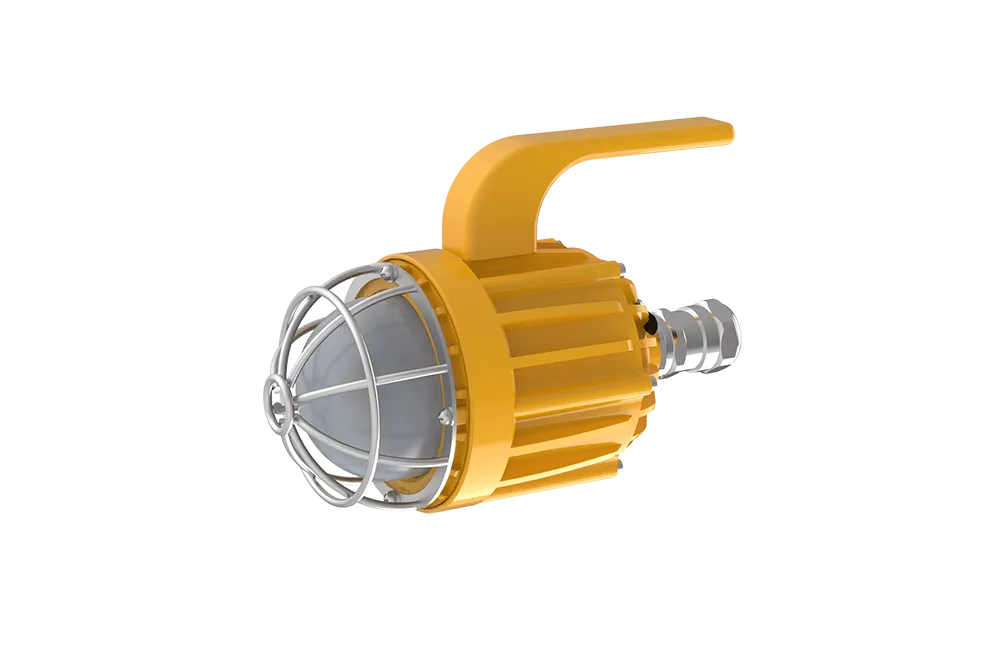
Certified explosion proof work lights for Zone 1 & 21 hazardous areas. Portable, ATEX & IECEx approved, built for oil, gas and chemical plants by SEEKINGLED.
View details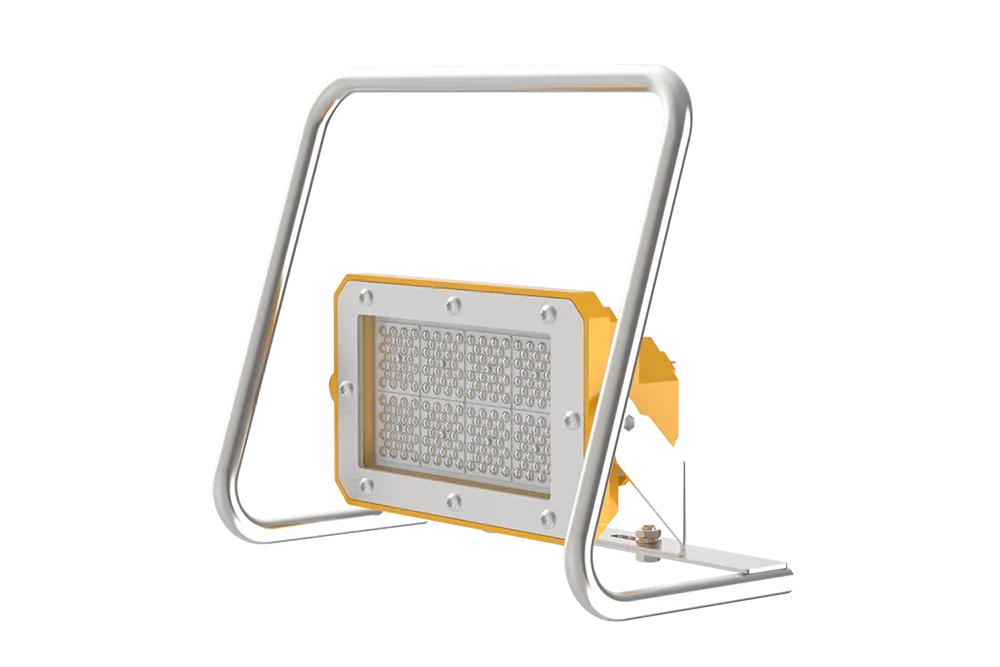
ATEX: II 3G Ex nR ⅡC T6 GcII 3D Ex tc ⅢC T80℃ Dc ATEX Certificate NO: TÜV CY 26 ATEX 0207611 X Feature: ● For Zone 2 and Zone 22● Accepts battery-powered supply● indestructible● Power:AC input:50W,75W,100WDC input:15W,25W,35W Application: Oil and gas, marine, Chemical, pharmaceutical, semiconductor,mining,military industry, paint booth,po…
View details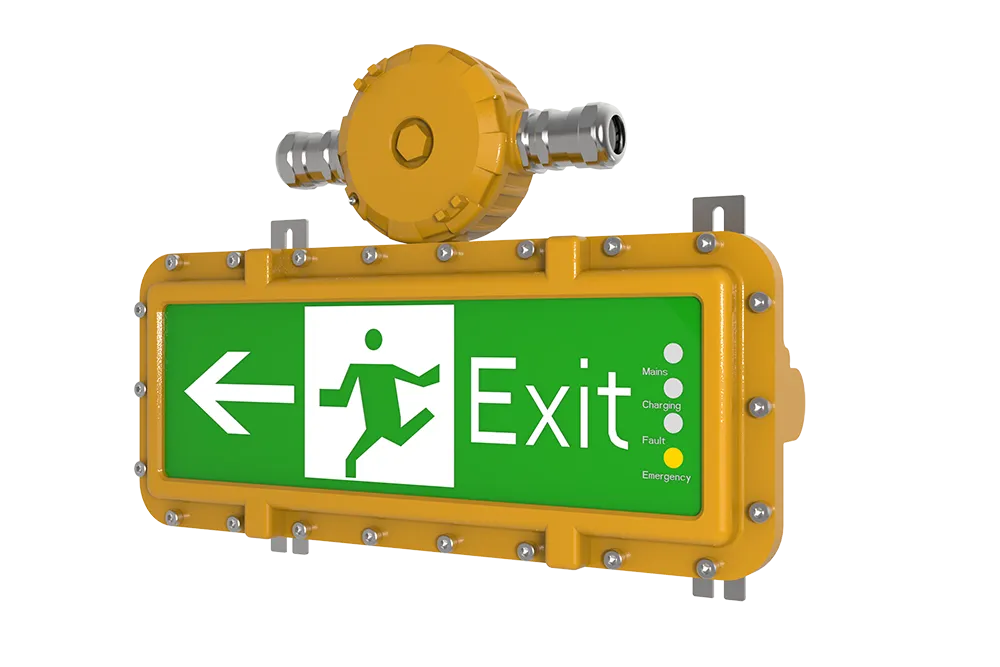
ATEX: Ex II 2G Ex db IIB T6 GbEx II 2D Ex tb IIIC T80°C Db IECEx Ex db IIB T6 Gb;Ex tb IIIC T80°C Db Feature: ● For Zone 1,2 and Zone 21,22● Flameproof type, the strongest Application: Oil and gas, marine, Chemical, pharmaceutical, semiconductor,mining,military industry, paint booth,power plant ETC hazardous area. Technical Specifications:…
View details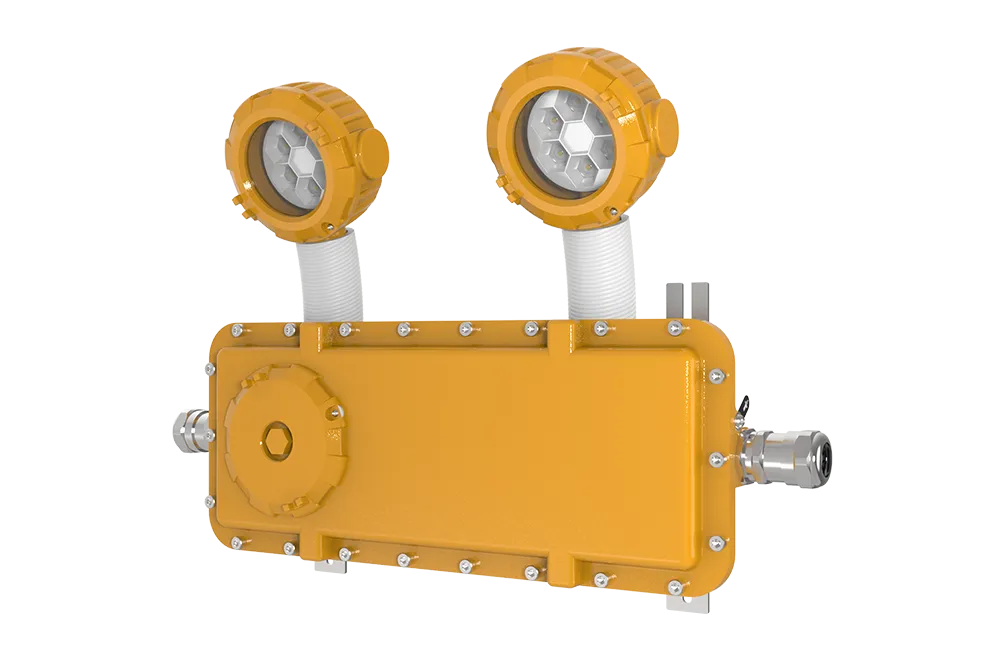
ATEX: Ex II 2G Ex db IIB T6 GbEx II 2D Ex tb IIIC T80°C Db IECEx Ex db IIB T6 Gb;Ex tb IIIC T80°C Db Feature: ● For Zone 1,2 and Zone 21,22● Flameproof type, the strongest Application: Oil and gas, marine, Chemical, pharmaceutical, semiconductor,mining,military industry, paint booth,power plant ETC hazardous area. Technical Specifications:…
View details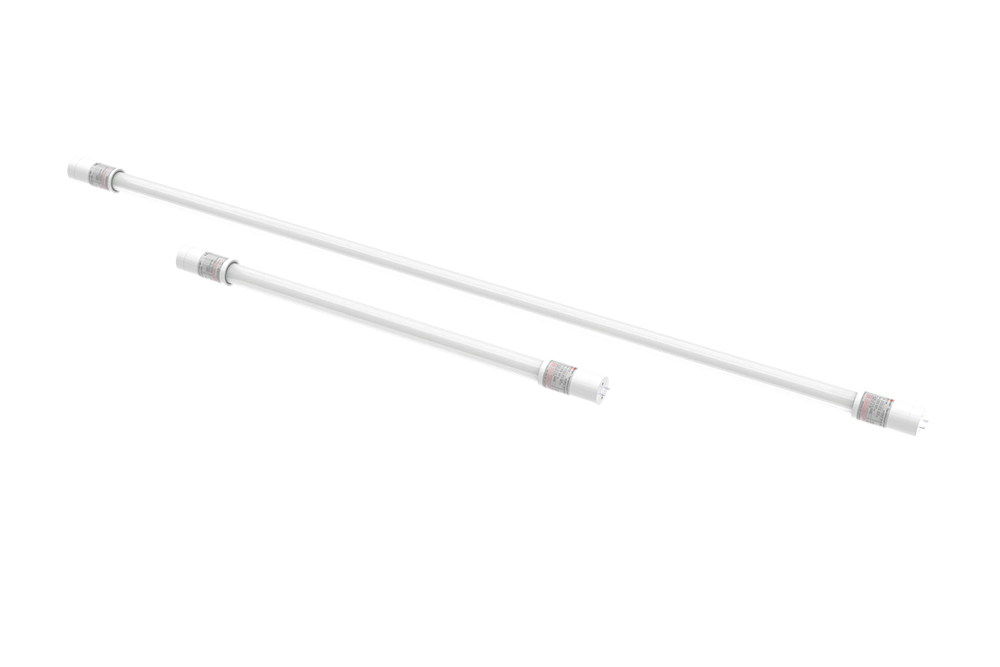
ATEX: Ex II 2G Ex d e IIB T6 Gb ATEX: Ex d e IIB T6 Gb; Feature: ● For Zone 1,2● 9W can replace 18W fluorescent lamps,50% Energy saving Application: Oil and gas, marine, Chemical, pharmaceutical, semiconductor,mining,military industry, paint booth,power plant ETC hazardous area. Technical Specifications: Standards:60079-0, 60079-1, 60079…
View details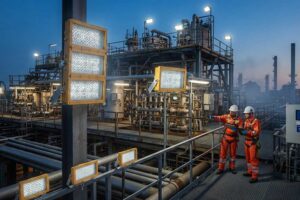
Explore atex zone 2 lighting designed for hazardous gas environments. Learn protection standards, industrial applications, and selection tips from SEEKINGLED.
View details
Learn how waterproof outdoor LED flood lights from SEEKINGLED solve reliability, beam control, and energy efficiency challenges in sports courts, schools, and outdoor commercial areas. IP66, up to 400W.
View details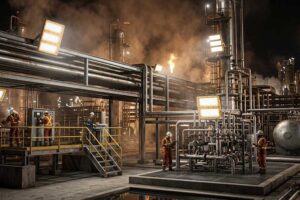
Class 1 Div 2 lighting provides certified illumination for hazardous industrial locations with safer operation, lower maintenance, and reliable LED performance.
View details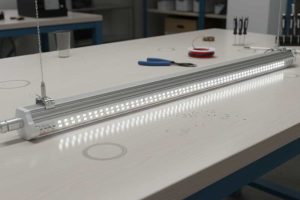
Where is the cut line on LED strip lights and why does it matter? Learn how to find safe cut points, avoid damage, and choose the right LED lighting for industrial spaces.
View details