 Seeking LED
LED Explosion-Proof Lighting for Hazardous Industrial Applications
0LED explosion-proof lighting for hazardous industries. Certified, energy-efficient, and durable solutions by SEEKINGLED for oil, gas, and chemical sites.
View detailsSearch the whole station
what is led high bay lights? LED high bay lights are high-output commercial fixtures designed to illuminate large indoor spaces with high ceilings. They are widely used in warehouses, factories, distribution centers, workshops, sports facilities, and other areas where ordinary ceiling lights cannot provide enough usable light.
That is the direct answer. In real installations, though, a high bay is more than a powerful LED fixture hanging from a tall ceiling.
I have worked with commercial and industrial LED lighting projects at SEEKINGLED for more than a decade. One thing becomes obvious when walking through a factory after installation: the number printed on the wattage label tells only part of the story. Beam distribution, mounting height, lumen output, spacing, glare, and heat management can completely change what workers see on the floor.
The U.S. Department of Energy defines high-bay lighting as a solution commonly used for large commercial and industrial spaces. DOE research has historically classified high bays as fixtures generally used above 20 feet, with typical high-bay products producing roughly 15,000 to 100,000 lumens per fixture.
LED high bay lights are primarily used where ceilings are high and large areas need consistent illumination.Visit product page:Industrial LED High Bay Lights
Typical applications include:
| Application | Why High Bay Lighting Works |
|---|---|
| Warehouses | Covers large floor areas efficiently |
| Manufacturing Plants | Provides bright working-area illumination |
| Distribution Centers | Supports long operating hours |
| Workshops | Improves visibility around machinery |
| Retail Warehouses | Provides broad, uniform illumination |
| Sports Facilities | Delivers high-output overhead lighting |
A 12-foot ceiling does not automatically need a high bay. A 30-foot warehouse usually does.
That distinction matters because putting an excessively powerful fixture into a lower space can create glare and uncomfortable hot spots rather than better visibility.
LED high bay lights use semiconductor LED chips to convert electrical energy into visible light. Unlike older high-intensity discharge systems, LEDs can produce directional light, allowing manufacturers to control where the illumination goes through reflectors and optical lenses.
A commercial LED high bay normally contains:
The optics deserve particular attention.
A high bay installed over a narrow warehouse aisle may need a more controlled distribution. An open manufacturing floor may benefit from a wider pattern. Using the same optic everywhere is convenient for purchasing, but it is not always good lighting design.
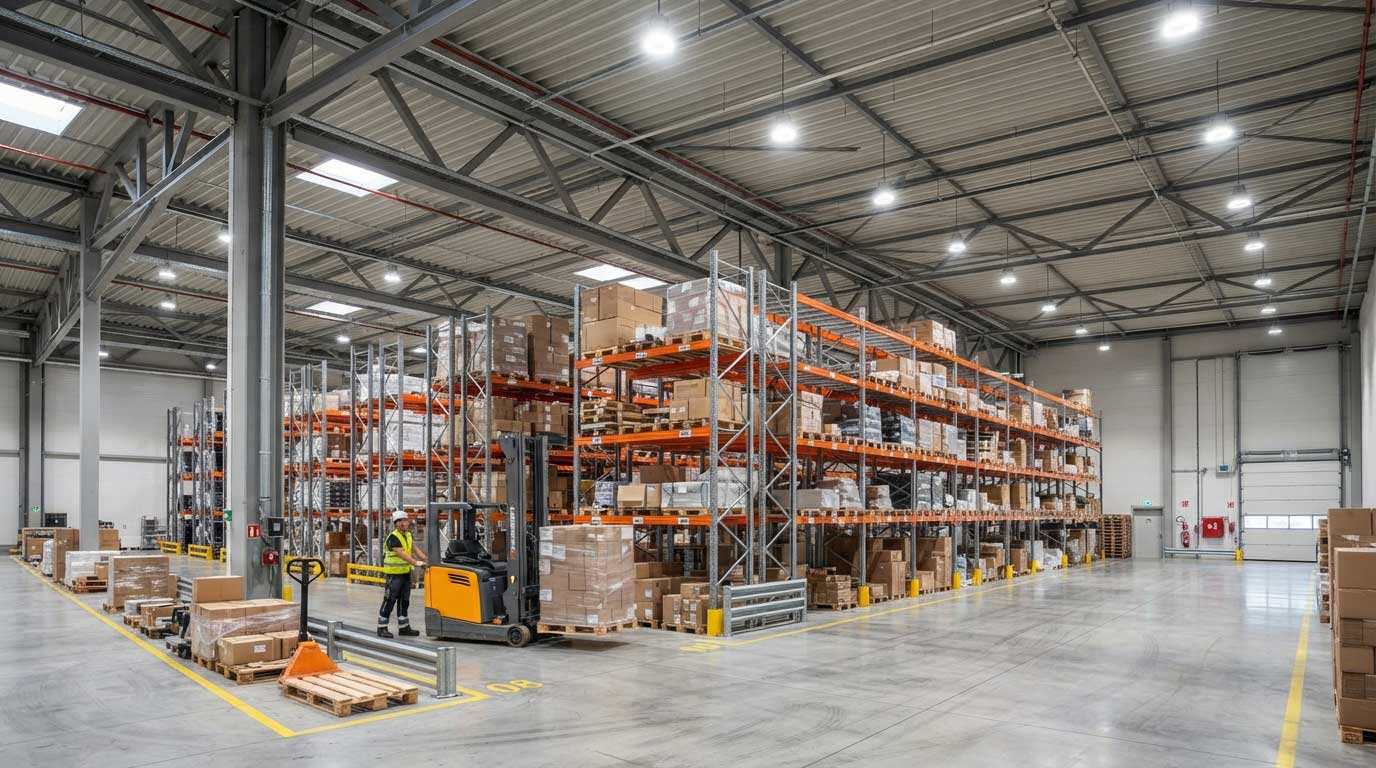
Before LED technology became widespread, industrial facilities commonly relied on metal halide, high-pressure sodium, or fluorescent high-bay systems.
LED technology changed the economics of these installations because fixtures can combine high lumen output with lower energy consumption and long service life.
The DOE states that LEDs use at least 75% less energy and can last up to 25 times longer than incandescent lighting. While incandescent technology is not a direct high-bay comparison, the figure demonstrates the broader efficiency advantage of LED technology.
For high-bay applications specifically, DOE has also documented the importance of LED efficiency and long operating hours in commercial and industrial buildings. Its LED adoption research identifies low/high-bay fixtures among the applications offering significant energy-saving potential.
Data source:https://www.energy.gov/cmei/ssl/led-adoption-report
The practical reasons are straightforward:
The maintenance difference becomes particularly noticeable in buildings with very high ceilings.
Changing a lamp 30 feet above a production floor is not a five-minute job. Someone needs access equipment, the work area may need to be isolated, and production can be interrupted.
That hidden labor cost is easy to overlook when comparing fixture prices.
When evaluating a high bay fixture, I recommend looking beyond wattage.
Lumens indicate how much visible light a fixture produces. High-bay luminaires can range from moderate commercial output to extremely high-output industrial fixtures.
DOE’s historical market analysis found high-bay products ranging from approximately 15,000 to 100,000 lumens per fixture.
Data source:https://www.energy.gov/cmei/femp/purchasing-energy-efficient-commercial-and-industrial-led-luminaires
Luminous efficacy is expressed in lumens per watt (lm/W). It tells you how efficiently the fixture converts electrical power into light.
A 200W fixture producing 30,000 lumens delivers 150 lm/W.
That is much more useful information than simply saying “200W LED.”
DOE’s current FEMP purchasing guidance includes efficiency requirements for commercial and industrial LED luminaires, reflecting the importance of evaluating actual fixture efficacy rather than relying on wattage alone.
Beam angle controls how light spreads across the floor.
Common options include:
The right choice depends heavily on ceiling height, fixture spacing, aisle configuration, and the required illumination level.
LEDs are efficient, but they still generate heat.
In high-bay environments, fixtures may operate for 8, 12, or even 24 hours per day. Poor thermal design can accelerate component degradation and reduce long-term performance.
A good high bay should have:
DOE notes that LED luminaires can have very long service lives, with some products capable of reaching 100,000 hours under normal operating conditions. It also points out that LED output gradually depreciates and recommends monitoring light levels as fixtures age.
That is an important distinction: LED lifetime does not mean the fixture produces its original light output forever.
In my experience, the best fixture is rarely the one with the highest lumen number on the datasheet.
For a factory or warehouse, I would look at the complete package:
For example, a high-bay fixture advertised at 200 lm/W may look impressive. But if its optical distribution creates poor uniformity across the floor, the theoretical efficiency does not solve the actual lighting problem.
That is why SEEKINGLED evaluates high-bay lighting as a complete application rather than treating wattage or efficacy as isolated selling points.
Warehouses typically require broad, consistent illumination across aisles and storage areas. Fixture height and rack configuration strongly influence optical selection.
Factories often contain machinery, cranes, conveyors, and workstations. Lighting must reach the working plane without creating excessive glare or deep shadows.
Large logistics buildings often operate for extended periods, making energy efficiency and maintenance access particularly important.
A useful real-world example comes from the U.S. Department of Energy’s Better Buildings program. Steelcase replaced more than 1,100 metal halide fixtures and over 200 T8 fixtures at one manufacturing facility with LED high-bay lighting and controls.
That project illustrates something I see repeatedly in industrial lighting: the fixture upgrade and the control strategy can work together. LEDs make dimming, scheduling, and occupancy-based control much easier to implement.
Modern high bays can be integrated with:
DOE specifically recommends considering occupancy sensors, task tuning, and daylight-responsive dimming where appropriate because LED luminaires are compatible with many lighting-control strategies.
For facilities with intermittent occupancy, this can matter as much as the fixture’s raw efficacy.
A warehouse does not need every fixture operating at 100% output when nobody is standing underneath it.
Choosing an LED high bay is not simply a matter of matching wattage to ceiling height. The building itself has to be considered: mounting height, floor dimensions, rack arrangement, fixture spacing, required illuminance, beam distribution, and operating conditions.
The Illuminating Engineering Society’s current industrial-lighting guidance covers warehouses, storage areas, manufacturing, high-temperature environments, corrosive areas, lighting controls, maintenance, glare, shadows, and visual tasks. In other words, industrial lighting is a system-design problem, not just a fixture-selection problem.
| Specification | Why It Matters |
|---|---|
| Lumen Output | Determines available light |
| lm/W | Shows fixture efficiency |
| Beam Angle | Controls light distribution |
| Mounting Height | Influences coverage and intensity |
| CCT | Affects the visual appearance of light |
| CRI | Affects color recognition |
| IP Rating | Indicates environmental protection |
| Operating Temperature | Important in harsh industrial spaces |
| Driver | Influences reliability and control compatibility |
| Warranty | Important for long-term commercial use |
One number should never dominate the purchase decision.
A 200W high bay producing 30,000 lumens delivers 150 lm/W. Another 200W fixture producing 40,000 lumens delivers 200 lm/W. They consume the same nominal power, but their optical and electrical performance is very different.
The U.S. Department of Energy’s FEMP guidance currently specifies a minimum luminous efficacy of 175 lm/W for industrial high-bay LED luminaires with at least 10,000 lumens under its federal purchasing criteria.
Beam angle should be considered together with mounting height.
As a practical starting point:
These are starting points, not universal specifications.
I have seen warehouses with identical ceiling heights use completely different optical designs because one had open floor space while the other had dense storage racks. The second installation needed much tighter control of the light.
The useful question is not “What beam angle does this high bay have?”
It is:
“Where does the light need to land?”
That question changes the entire selection process.
Warehouse lighting is particularly sensitive to fixture placement.
Open-floor warehouses generally benefit from overlapping light distributions that create consistent horizontal illumination. High-rack warehouses require more attention to aisle geometry and vertical surfaces.
Consider:
A fixture can produce impressive illumination directly beneath itself while still leaving insufficient light between racks.
That is why I prefer reviewing an actual floor plan before recommending a high-bay model for a commercial project.
For larger installations, an IES photometric file allows the lighting designer to simulate the fixture’s actual distribution and evaluate illuminance and uniformity before installation. The IES specifically includes warehouse and storage-area lighting within its industrial recommended practice.
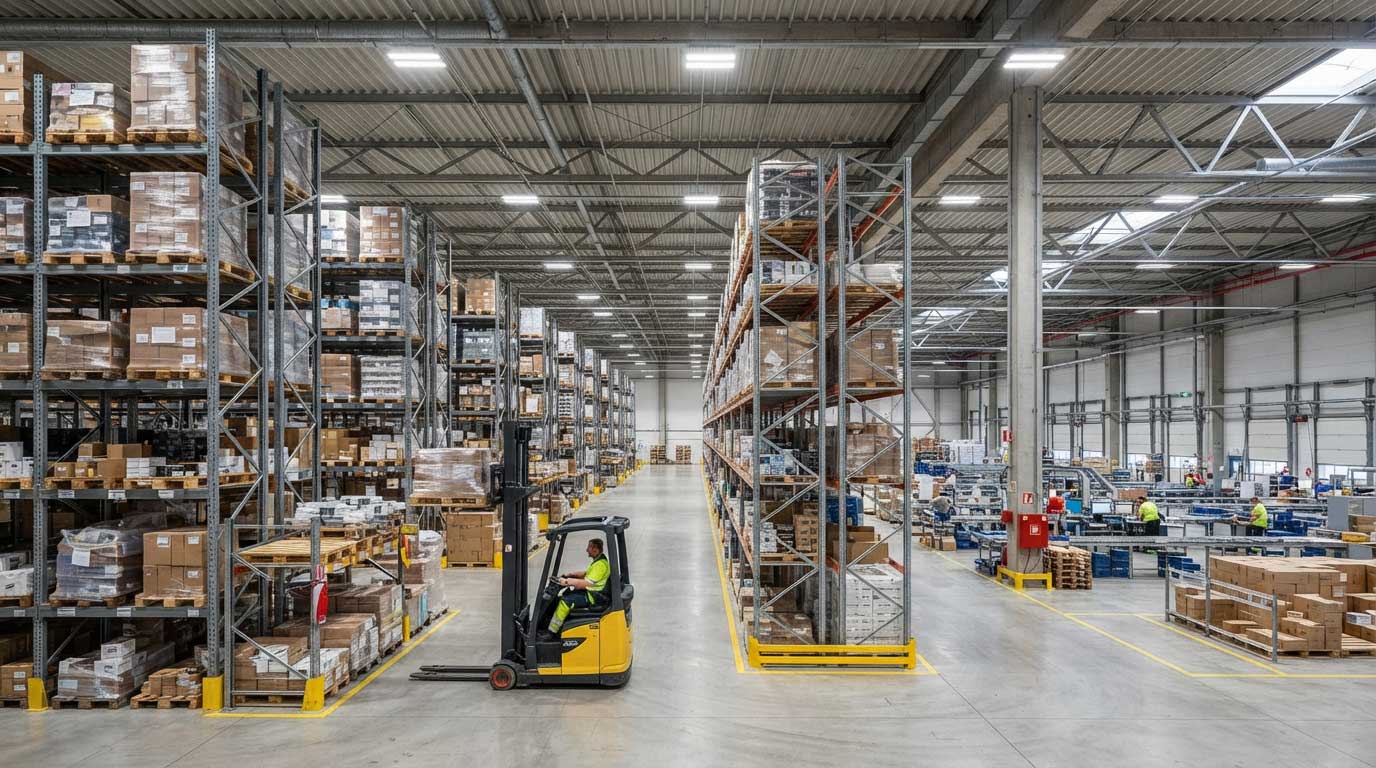
Modern high bays can be combined with lighting controls to reduce unnecessary operating time.
Common options include:
DOE’s FEMP guidance specifically notes that LED luminaires are compatible with control strategies including occupancy sensing, task tuning, and dimming.
This becomes particularly useful in warehouses with intermittent activity.
A loading zone may be busy for several hours and almost empty afterward. Running every fixture at full output regardless of occupancy is rarely the most efficient operating strategy.
LED technology reduces maintenance, but it does not eliminate it.
Dust, dirt, high temperatures, vibration, humidity, and corrosive atmospheres can affect lighting performance. IES industrial-lighting guidance specifically addresses maintenance, dirt depreciation, high-temperature areas, corrosive environments, and other conditions that influence industrial luminaire performance.
For routine maintenance, inspect:
This matters especially in facilities where fixtures are mounted 25–40 feet above the floor. Preventive inspection is much easier than arranging emergency access equipment after a fixture fails.
LED high bay lights are used to illuminate large spaces with high ceilings, including warehouses, factories, distribution centers, workshops, and industrial facilities.
The IES defines high-bay lighting as interior lighting used where the roof trusses or ceiling height is greater than approximately 20 feet above the floor.
The required wattage depends on lumen output, mounting height, floor area, beam angle, fixture spacing, and required illumination. Wattage alone is not enough to size a high-bay system.
There is no universal beam angle. Wider optics can suit open areas and lower mounting heights, while narrower or controlled optics can be more effective in taller buildings and defined aisles.
Yes. Efficiency is measured in lumens per watt. As one current benchmark, DOE FEMP specifies 175 lm/W for qualifying industrial high-bay LED luminaires with at least 10,000 lumens in its federal purchasing guidance.
Yes. LED high bays can be paired with occupancy sensors, motion controls, dimming systems, and other lighting-control technologies where the application is suitable.
Yes, provided the fixture is specifically designed for the environment. Temperature, humidity, dust, corrosion, impact, and hazardous-location requirements should all be evaluated before selection.
what is led high bay lights? LED high bay lights are high-output luminaires engineered for large, high-ceiling spaces where conventional fixtures cannot provide sufficient and consistent illumination.
The best high bay is not necessarily the fixture with the highest wattage or lumen number. In professional projects, the result comes from matching the fixture, optics, mounting height, spacing, controls, and environment.
That is the approach I use when evaluating commercial lighting applications at SEEKINGLED.
A warehouse may need one optical solution. A factory with cranes and machinery may need another. A high-rack logistics center may need aisle-specific distribution.
The fixture is only one part of the lighting system.
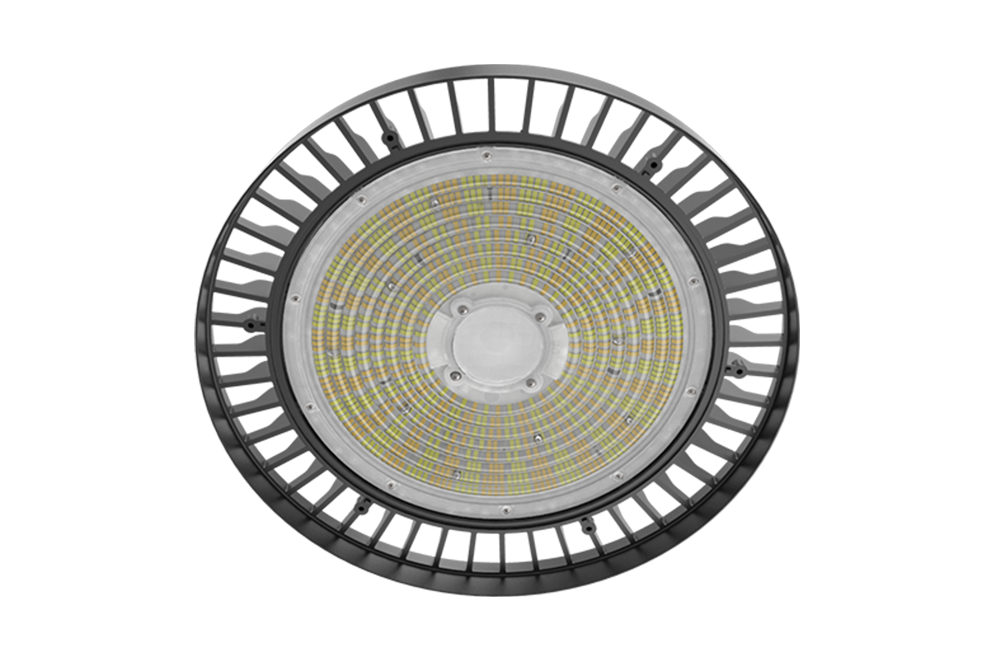
The SEEKING HBC-T Series high bay lights LED offer long-lasting performance for warehouses, production plants and logistics centers. Durable IP65 & IK08 housing, 60°/90° beam angles, up to 150 lm/W, and a lifespan beyond 100,000 hours. Ideal for airport halls, commercial storage, construction sites and large indoor spaces.
View details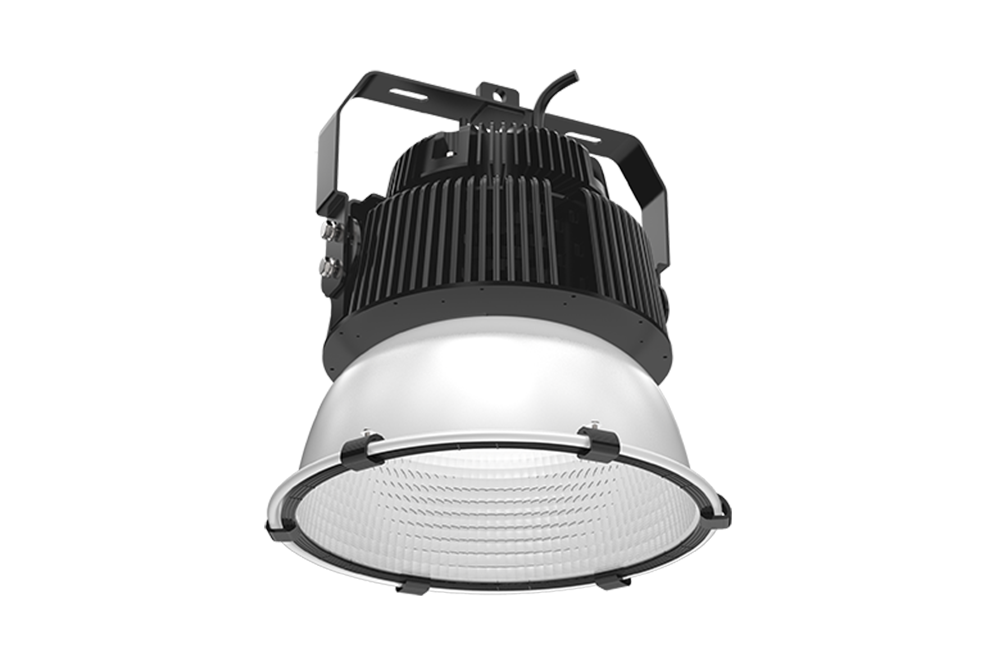
The SEEKING HBS Series LED UFO high bay light delivers 140 lm/W efficiency, IP65 protection and MEAN WELL drivers. A durable high-rise lighting solution for factories, warehouses and commercial halls.
View details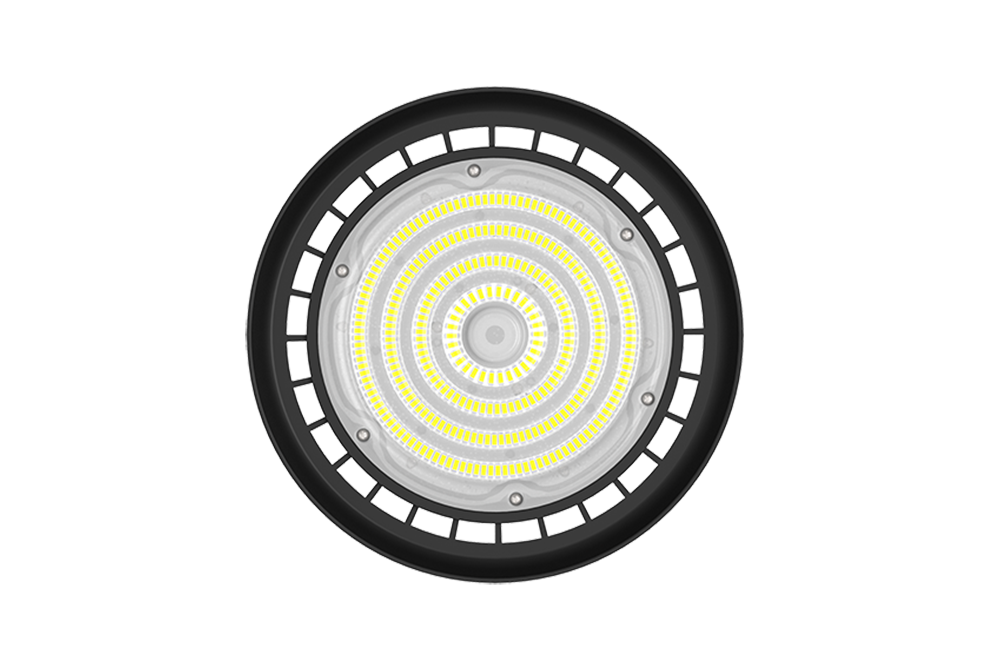
SEEKING HBD Series LED high bay lighting delivers 160 lm/W efficiency, IP66 protection, and long 100,000-hour lifespan. A durable UFO high bay solution for warehouses, workshops, logistics centers and commercial facilities.
View details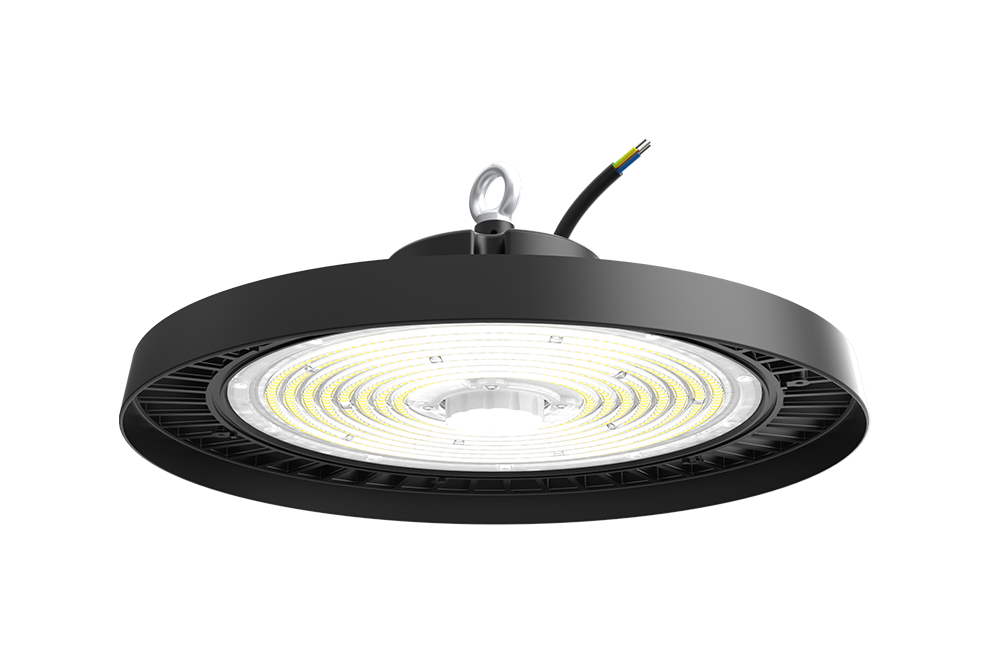
The SEEKING HBC Series high bay LED light fixtures combine strong efficiency, practical design and reliable SOSEN drivers. A durable UFO high bay lighting option for warehouses, workshops and wholesale projects.
View details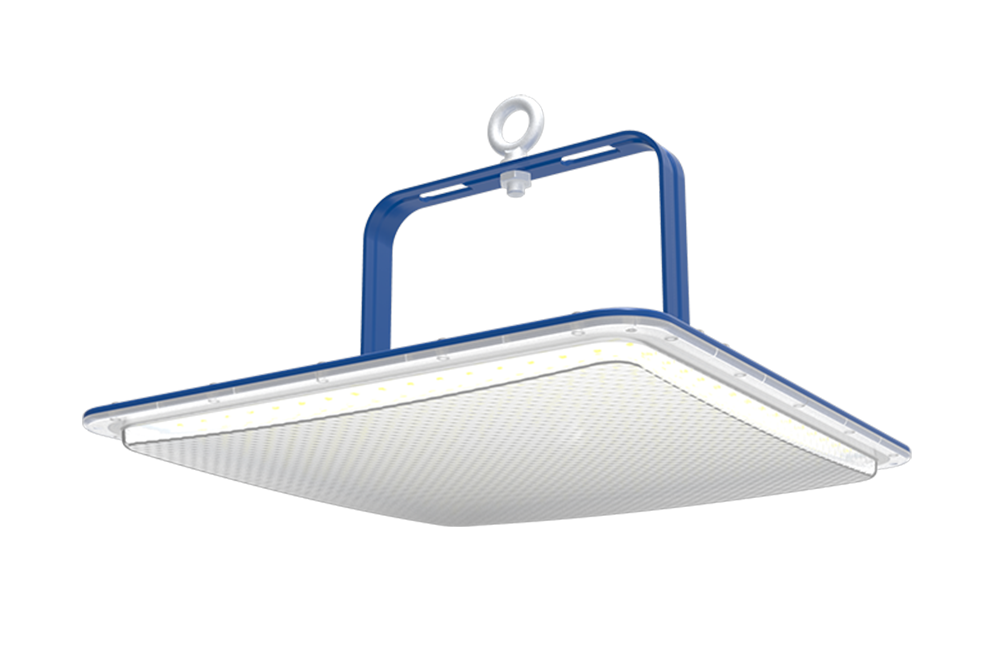
The SEEKING GSL Series high bay LED light delivers powerful, efficient lighting for industrial and commercial spaces. With IP65 protection, flexible mounting, and up to 140 lm/W performance, it’s ideal for warehouses, workshops, and retail areas.
View details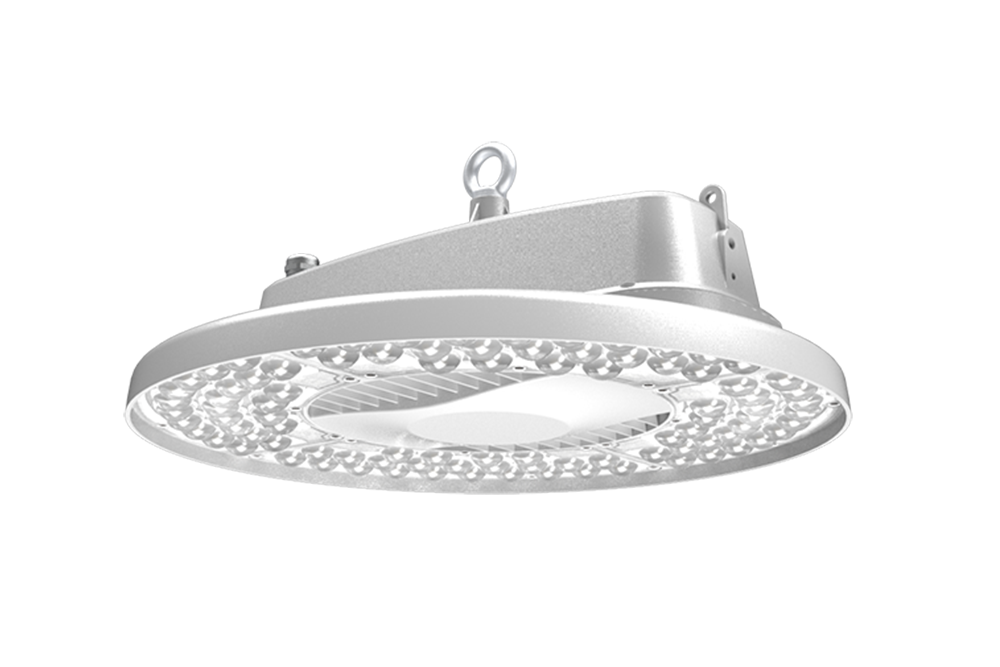
The SEEKING HB15(GLE) Series delivers advanced high bay led lighting with UGR 100,000 h) and reliable illumination for demanding commercial environments.
View details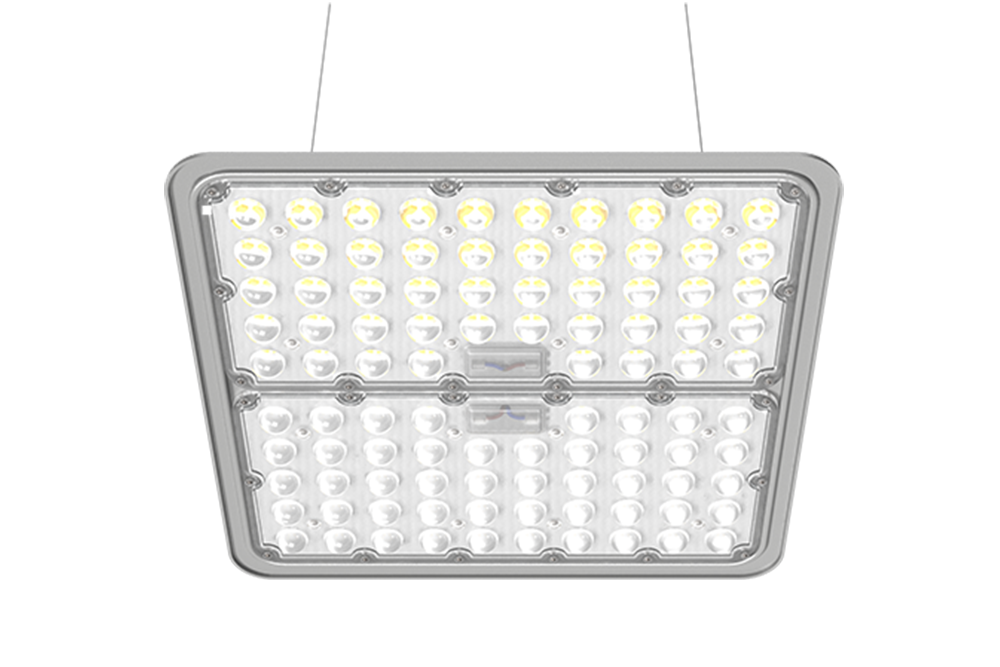
Discover the SEEKING HB13(GLK) Series ufo led high bay light, engineered for sports halls, airport lounges, showrooms, and large commercial spaces. UGR 100,000 h). Ideal for industrial ufo high bay lighting fixtures and commercial retrofits.
View details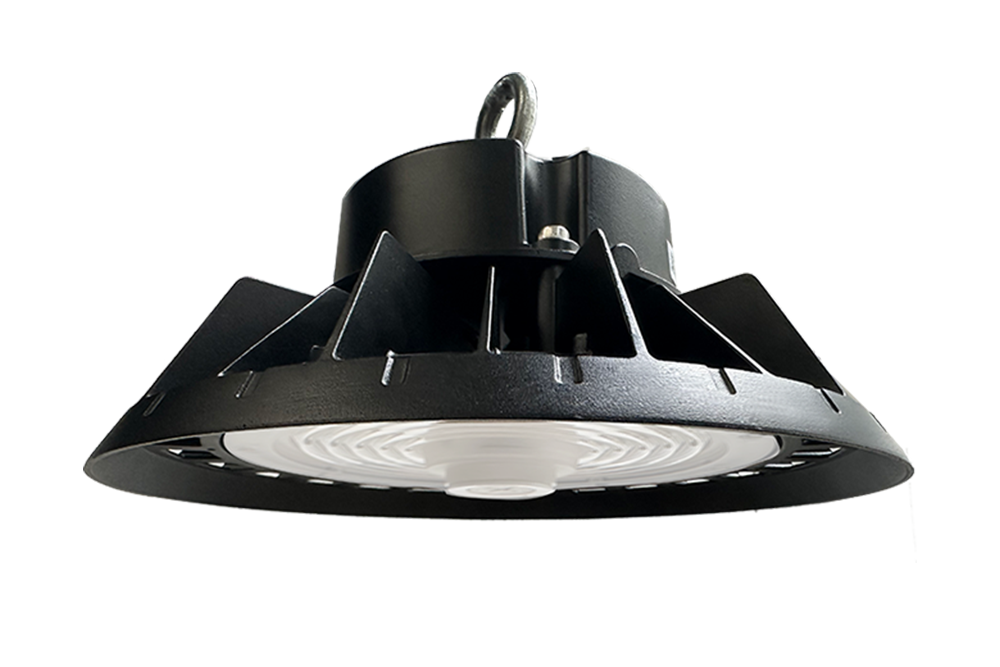
SEEKING HBF Series offers industrial LED high bay lighting with up to 200lm/W efficiency, SOSEN flicker-free driver, IP65 protection and optional microwave motion sensor. Ideal for warehouses, factories and commercial distribution projects.
View details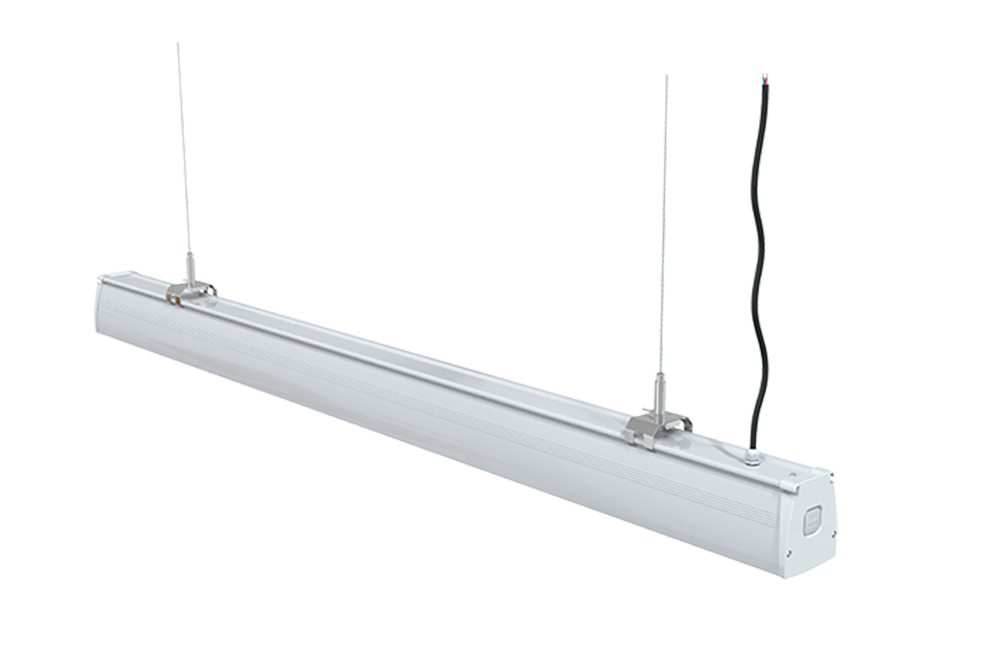
The HLD Series linear high bay LED lights from SEEKING deliver up to 200 lm/W with multiple beam angles and adjustable CCT options for warehouse, workshop, corridor and general industrial lighting.
View details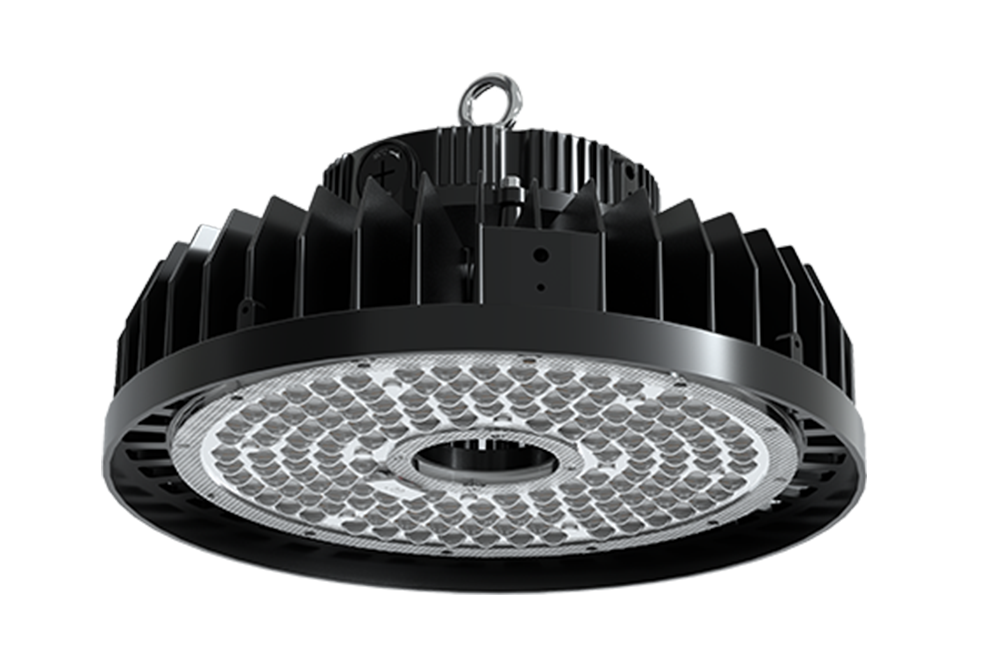
The HBK Series LED high bay light by SEEKING combines 500W power, 160–175 lm/W efficiency and IP65 durability for heavy-duty industrial lighting. Designed for warehouse, factory and production facilities with demanding ceiling heights.
View details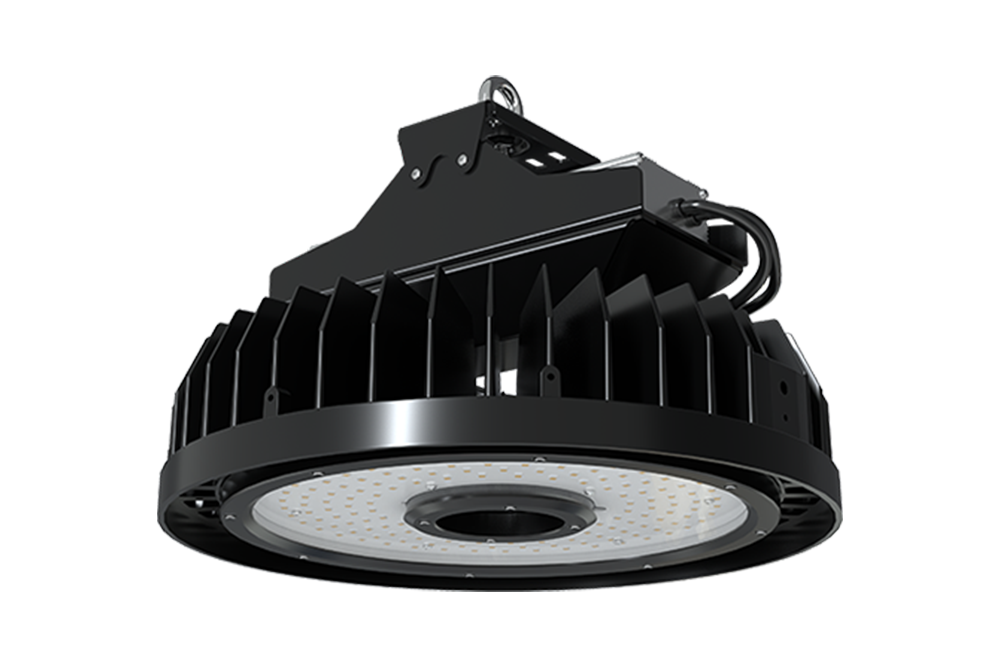
LED high bay lights engineered for extreme heat and low-temperature industrial sites. SEEKING HBK Ultua Series operates from -40°C to +70°C with Nichia LEDs and Inventronics driver.
View details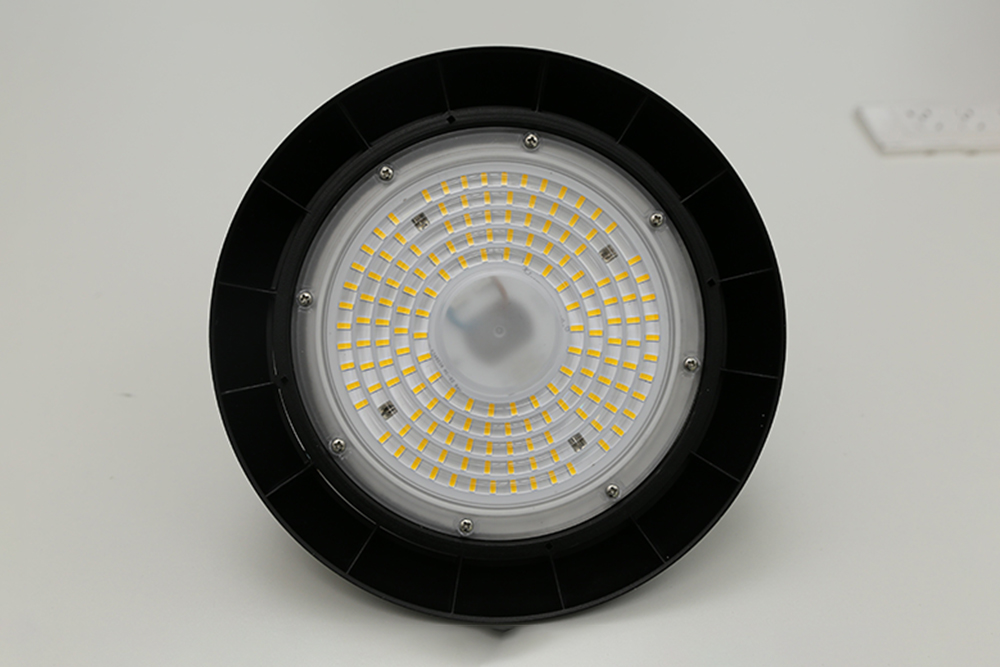
High bay LED lights built for warehouses, production plants and wholesale distribution. SEEKING HBI Series offers up to 200lm/W, IP65, IK08 and optional microwave motion sensor for energy saving operation.
View details
LED explosion-proof lighting for hazardous industries. Certified, energy-efficient, and durable solutions by SEEKINGLED for oil, gas, and chemical sites.
View details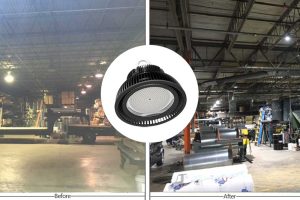
LED High Bay Replacement for 400W Metal Halide was carried out in Germany using XJ-HBG150W. This project record documents how 192 MH fixtures were replaced by 72 LED high bays through a new lighting calculation.
View details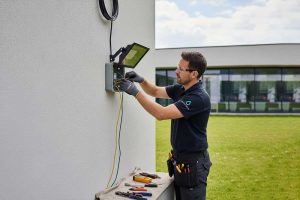
How to wire a LED flood light safely for outdoor use. Real wiring steps, common mistakes, and professional tips from SEEKINGLED.how to wire a led flood light, wiring outdoor led flood light, led flood light wiring diagram, how to connect led flood...
View details
27th-30th,October,2017 Booth: 5B-E25GSL series low bay light include 80W, 100W, 150W, 200W, 240W, square appearance, IP65 protection grade. PC cover, ultrathin design, suspension, recessed, surface mounting and other installation...
View details