 Seeking LED
how many lumens do i need for flood light?
0Flood light lumen needs depend on area, mounting height, beam angle, application, and required illuminance.
View detailsSearch the whole station
how to choose beam angle for high bay lights? Choose the beam angle according to mounting height, floor area, fixture spacing, and the required light distribution. Narrow beams suit higher ceilings and focused coverage, while wider beams work better for lower mounting heights and broad areas.
That is the short answer. On an actual warehouse floor, however, beam angle becomes much more interesting.
I have worked with commercial LED lighting applications at SEEKINGLED for more than a decade, and one recurring mistake is choosing a beam angle from a product catalog without looking at the ceiling height or rack arrangement. A 60° lens can work beautifully in one factory and create obvious dark zones in another.
The fixture may be identical. The room is not.
Beam angle determines how widely light spreads from the fixture. It affects illuminated floor area, fixture spacing, uniformity, glare, and the amount of light reaching the working plane.Visit product page:Industrial LED High Bay Lights
For high bay installations, common optical options include:
| Beam Angle | Typical Application | Main Advantage |
|---|---|---|
| 30°–45° | High ceilings, aisles, focused areas | Longer throw |
| 60° | Warehouses, production areas | Balanced coverage |
| 90° | Open industrial spaces | Wider distribution |
| 120° | Low-to-medium mounting heights | Broad coverage |
These are practical ranges rather than universal rules. The final choice should be confirmed through photometric calculations.
The Illuminating Engineering Society publishes lighting recommendations and technical standards used by professionals to evaluate illumination, uniformity, glare, and application requirements.
Source: Illuminating Engineering Society (IES)
https://www.ies.org/
Mounting height is usually the first specification I check.
As the fixture moves higher, the light has farther to travel before reaching the floor. A narrow beam can help concentrate useful light over the target area. At a lower mounting height, that same narrow optic may produce a bright patch directly underneath the fixture while leaving surrounding areas comparatively dim.
A simple working comparison:
These ranges are starting points, not design rules.
For example, imagine a 30-foot-high warehouse with fixtures installed above long storage aisles. A very wide beam may spill unnecessary light onto rack faces and neighboring zones. A narrower distribution can put more useful light where workers actually move.
That is where photometric files become more valuable than a wattage label.
Warehouse layout changes the answer considerably.
A large open distribution center needs different optics from a narrow-rack storage facility. In a warehouse with 30-foot aisles, for instance, aisle-oriented optics can help place light between shelving while reducing unwanted spill.
For open manufacturing floors, wider optics are often more practical because workers and equipment move across a broad horizontal area.
Consider these factors:
One detail that is easy to miss: the floor is not always the only surface that needs light. In a manufacturing plant, vertical illumination can matter for machinery controls, labels, signs, and inspection tasks.
Beam angle does not directly tell you the exact illuminated diameter. Mounting height, optic design, distribution curve, and photometric performance all influence the final footprint.
For a simplified geometric estimate, a beam angle θ at mounting height H gives an approximate beam diameter:
Beam Diameter ≈ 2 × H × tan(θ / 2)
For example, at a 30-foot mounting height:
These are geometric estimates, not guaranteed useful-light areas. Real LED optics have intensity distributions, and the usable illumination level changes across the beam.
That distinction matters when designing a warehouse.
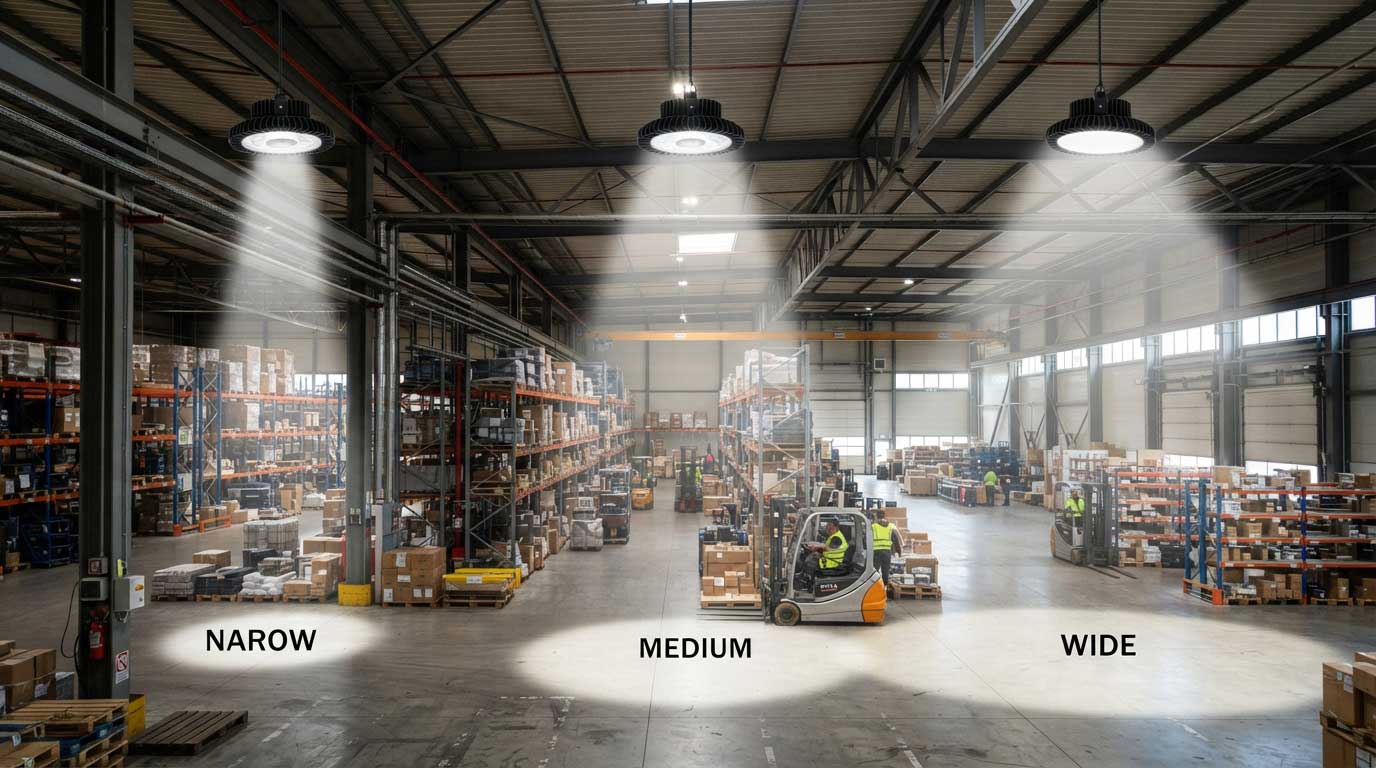
Narrower optics can be useful when fixtures are positioned high above long aisles. The objective is not simply to make the floor bright; it is to place light where people and equipment need it.
A wider beam can create smoother coverage when there are fewer physical obstructions. This can reduce the number of dark transitions between fixtures.
Beam control becomes particularly important when glare could affect players or spectators. High-output fixtures need careful aiming and optical selection.
These spaces often have mixed requirements. Trucks, doors, pedestrian routes, and loading equipment can create irregular zones. A blanket “use 90°” recommendation is rarely enough.
Ceiling height is important, but it is only one piece of the design.
I have seen two facilities with almost identical ceiling heights require different optics because their layouts were completely different. One had open machinery bays. The other had dense shelving and narrow aisles.
The second facility benefited from more controlled light distribution.
This is also why I recommend requesting an IES photometric file from the manufacturer before making a final decision. A lighting designer can import the file into software and evaluate illuminance and uniformity rather than guessing from a beam-angle number.
SEEKINGLED provides LED high bay lighting solutions with different optical configurations for commercial and industrial applications, allowing beam distribution to be matched with the installation environment.
Before asking a manufacturer for a recommendation, prepare:
A basic floor plan can save considerable back-and-forth during lighting selection.
For larger projects, provide the manufacturer’s lighting team with the actual CAD drawing or dimensions. That makes the recommendation much more useful than simply saying, “The warehouse is about 30 feet high.”
Neither is automatically better. The correct choice depends on what the light needs to accomplish.
A narrow beam concentrates light into a smaller area. It is useful when the mounting height is substantial or when illumination needs to reach a defined aisle or work zone.
A wide beam spreads light farther across the floor. It is usually more useful in open spaces with lower mounting heights, where fixture overlap is needed to avoid dark gaps.
| Beam Type | Strength | Potential Problem |
|---|---|---|
| 30°–45° | Strong, focused illumination | Can create hot spots |
| 60° | Good high-bay control | Requires careful spacing |
| 90° | Balanced coverage | May need more optical control in tall spaces |
| 120° | Broad, smooth coverage | Can lose useful intensity at greater heights |
The important point is that beam angle and fixture spacing cannot be separated.
A 120° optic may look attractive because it covers a large area. But if the fixture is mounted 35 feet above the floor, spreading the same lumen package too broadly can reduce useful illumination at the work plane.
The U.S. Department of Energy’s FEMP guidance currently lists 175 lm/W as the minimum luminous efficacy requirement for industrial high-bay LED luminaires with at least 10,000 lumens under its applicable procurement criteria. That illustrates why modern high-bay selection should consider optical efficiency and delivered performance, not wattage alone.
This is where many warehouse lighting projects become either efficient or unnecessarily expensive.
Suppose two fixtures are mounted 30 feet above the floor.
A 60° beam produces an approximate geometric diameter of:
2 × 30 × tan(30°) ≈ 34.6 ft
A 90° beam produces:
2 × 30 × tan(45°) = 60 ft
A 120° beam produces:
2 × 30 × tan(60°) ≈ 103.9 ft
But do not interpret those numbers as guaranteed usable illumination. The geometric cone only describes the spread. Actual floor performance depends on the fixture’s photometric distribution, lumen output, mounting position, reflectance, and required illuminance.
That is why I would not specify 60°, 90°, or 120° solely from this calculation.
Use it to understand the geometry. Use an IES file and lighting simulation to make the final decision.
For an open warehouse with relatively low high-bay mounting heights, wider distributions can provide better overlap.
A practical starting point is often:
These are starting ranges rather than mandatory specifications. Current commercial high-bay guides similarly emphasize mounting height, fixture spacing, and optical distribution as a combined design problem.
High-rack storage is different.
The racks themselves interrupt light. A wide optic can send substantial light toward the rack faces and upper structure instead of the aisle floor.
For this environment, controlled aisle optics can be more effective.
Consider:
If the fixtures sit directly above aisle centerlines, a controlled distribution can put more useful light where workers and vehicles actually operate.
Manufacturing floors often have machinery, conveyors, cranes, and irregular workstations.
Here, a very narrow optic can become troublesome because machinery creates shadows and the concentrated light may exaggerate bright/dark transitions.
I generally prefer to examine the actual machinery layout before deciding. A factory floor that looks “open” on a CAD drawing may be crowded once equipment, ducts, cranes, and safety barriers are installed.
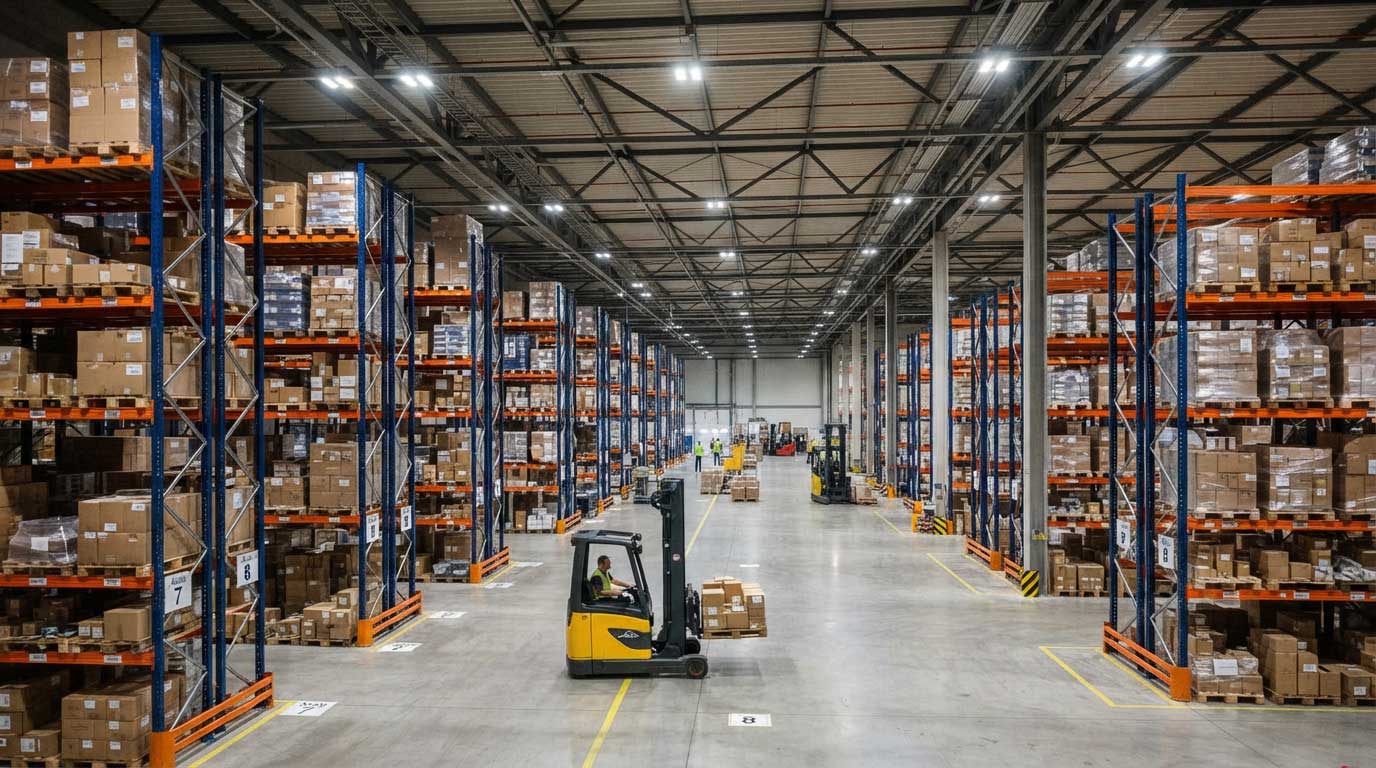
The symptoms are usually visible after installation.
You may notice:
You may see:
This is why “narrower is better for high ceilings” is only half the answer.
A narrow beam can maintain intensity over distance, but if the fixtures are spaced too far apart, the floor between them can still be poorly illuminated.
For a serious commercial project, request the manufacturer’s photometric data.
An IES file allows lighting software to use the actual photometric distribution of the fixture instead of relying on a rounded catalog specification.
This matters because two fixtures labeled “90°” can have noticeably different distributions.
Before approving a high-bay model, ask the supplier for:
SEEKINGLED’s own high-bay lighting guidance similarly emphasizes that mounting height should influence optics, lumen package, and spacing rather than treating these as separate purchasing decisions.
| Mounting Height | Starting Beam Range | Typical Environment |
| 15–20 ft | 90°–120° | Workshops, lower warehouses |
| 20–25 ft | 90° | General warehouses |
| 25–30 ft | 60°–90° | Factories, higher storage |
| 30–40 ft | 60°–90° | High-bay warehouses |
| 40+ ft | 30°–60° | Very tall industrial spaces |
Important: This table is for preliminary selection. Final specifications should be verified through a photometric layout because room dimensions, fixture spacing, rack geometry, surface reflectance, and required illumination can change the result.
There is no single best beam angle. A 90° optic is a useful starting point for many medium-height open warehouses, while 60° optics can suit taller installations and controlled aisle applications.
Not necessarily. Wider optics can improve coverage at lower mounting heights, but excessive spread at high ceilings can reduce useful illumination on the work plane.
A 60°–90° beam is a reasonable starting range for a 30-foot installation. The final choice should be checked against fixture spacing and an IES photometric simulation.
Controlled 60° or aisle-specific optics are often useful for high-rack warehouses because they can direct light into aisles instead of wasting excessive light outside the working zone.
Yes. Beam angle directly affects the illuminated footprint and therefore influences how fixtures should be spaced. Wider optics generally allow broader coverage, while narrow optics require more careful overlap.
No. Beam angle should be considered together with lumen output, mounting height, spacing, room dimensions, rack arrangement, glare, and required illuminance.
how to choose beam angle for high bay lights? Start with mounting height and building layout, then match the optic to the required coverage and fixture spacing. For many projects, 90° works well at moderate heights, while 60° becomes more useful as mounting heights increase or aisles become more defined.
At SEEKINGLED, I recommend treating beam angle as part of the complete lighting design—not as an isolated specification on a quotation.
For a small installation, a basic height-and-spacing assessment may be enough to narrow the options. For a warehouse, logistics center, factory, or high-rack facility, an IES-based photometric calculation is the safer route.
The most expensive mistake is rarely buying a slightly more expensive optic.
It is installing hundreds of fixtures and discovering that the light is in the wrong place.
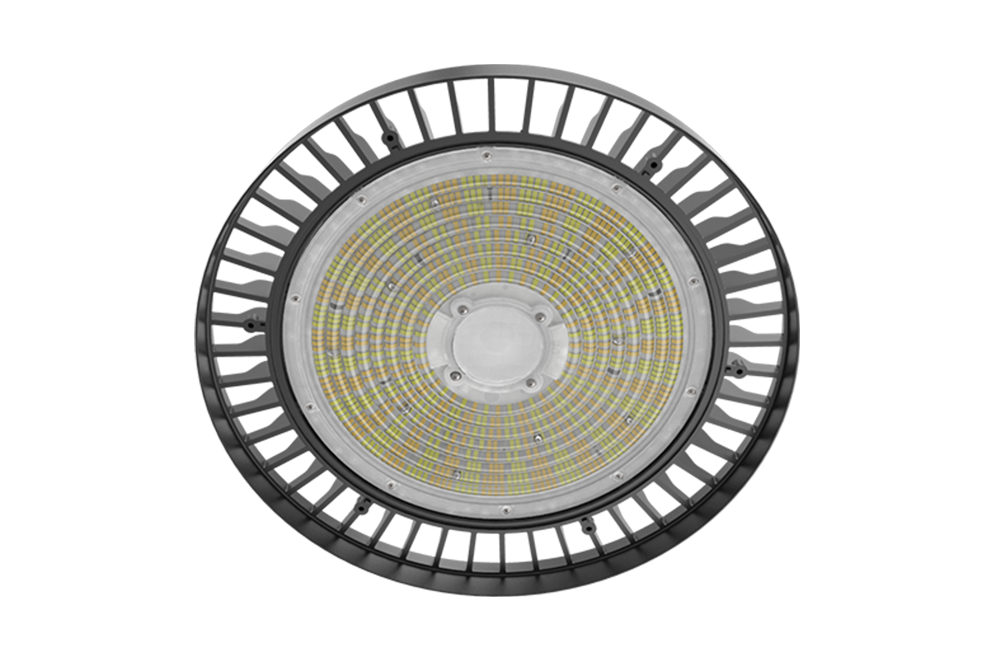
The SEEKING HBC-T Series high bay lights LED offer long-lasting performance for warehouses, production plants and logistics centers. Durable IP65 & IK08 housing, 60°/90° beam angles, up to 150 lm/W, and a lifespan beyond 100,000 hours. Ideal for airport halls, commercial storage, construction sites and large indoor spaces.
View details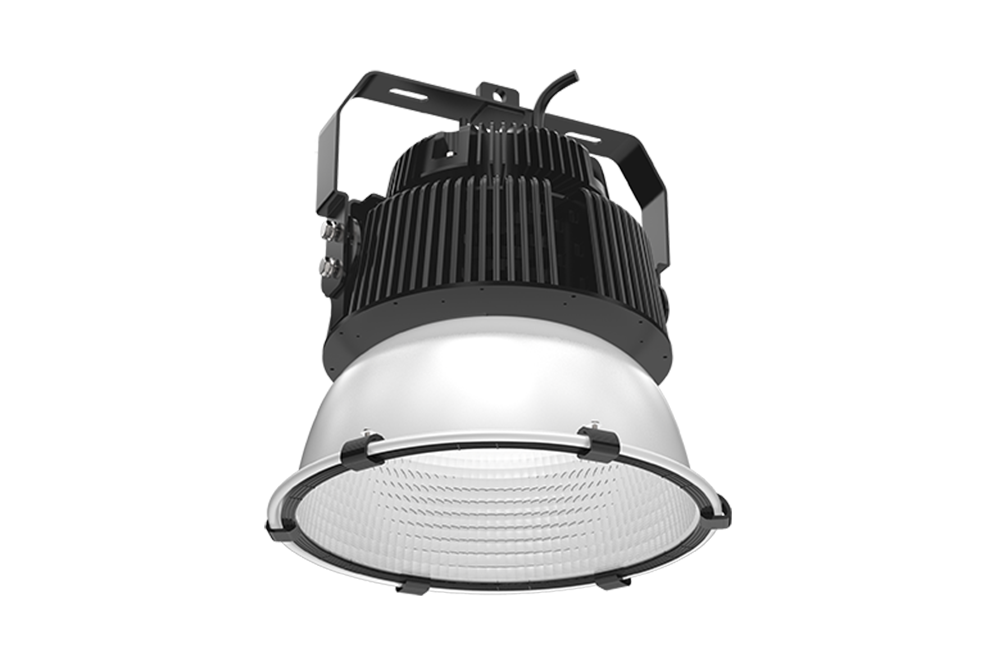
The SEEKING HBS Series LED UFO high bay light delivers 140 lm/W efficiency, IP65 protection and MEAN WELL drivers. A durable high-rise lighting solution for factories, warehouses and commercial halls.
View details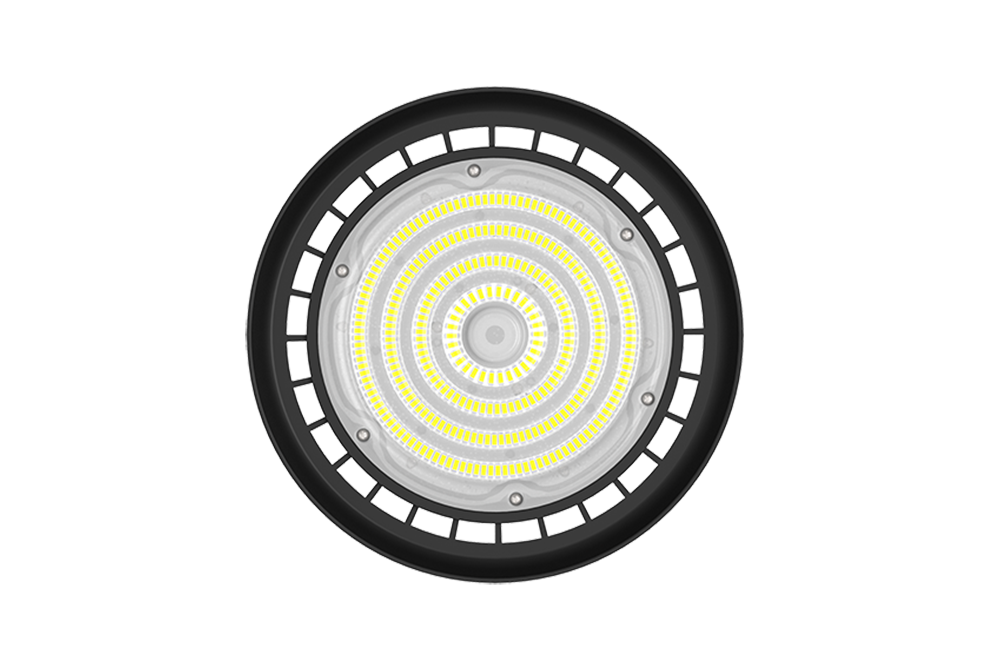
SEEKING HBD Series LED high bay lighting delivers 160 lm/W efficiency, IP66 protection, and long 100,000-hour lifespan. A durable UFO high bay solution for warehouses, workshops, logistics centers and commercial facilities.
View details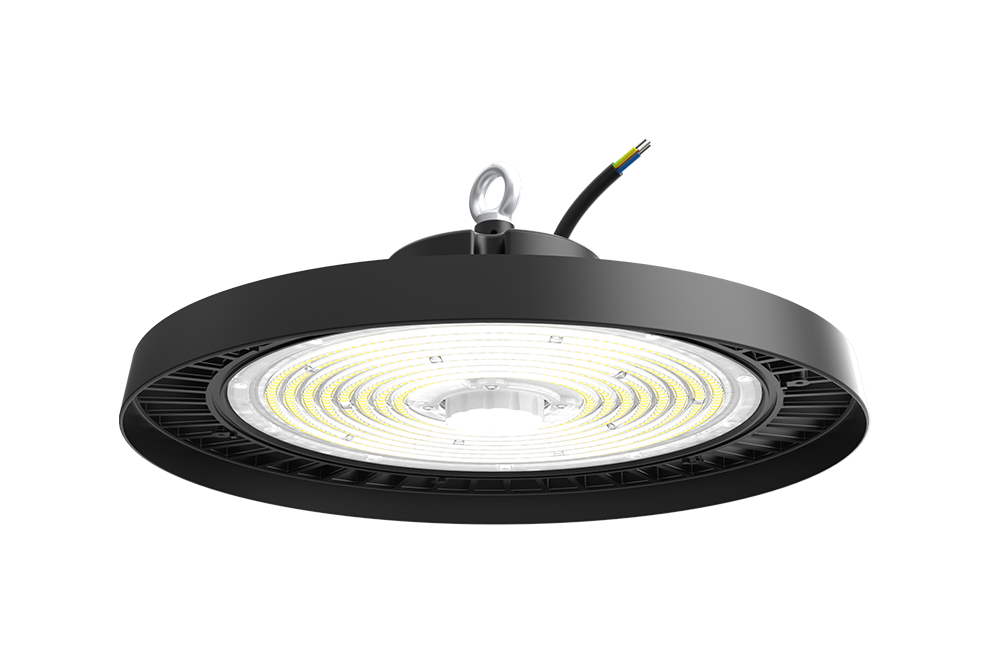
The SEEKING HBC Series high bay LED light fixtures combine strong efficiency, practical design and reliable SOSEN drivers. A durable UFO high bay lighting option for warehouses, workshops and wholesale projects.
View details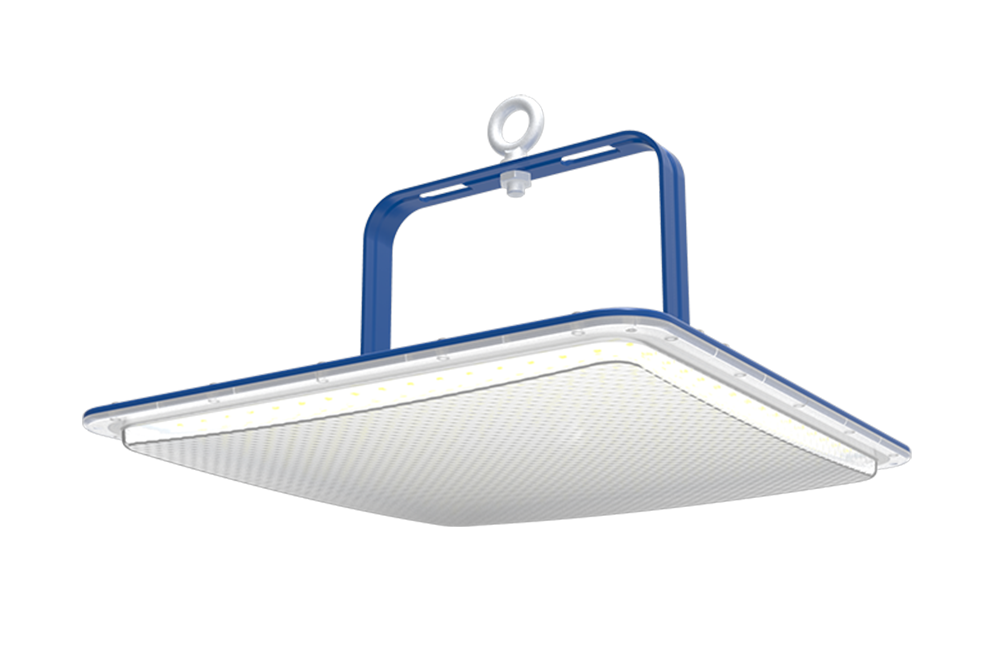
The SEEKING GSL Series high bay LED light delivers powerful, efficient lighting for industrial and commercial spaces. With IP65 protection, flexible mounting, and up to 140 lm/W performance, it’s ideal for warehouses, workshops, and retail areas.
View details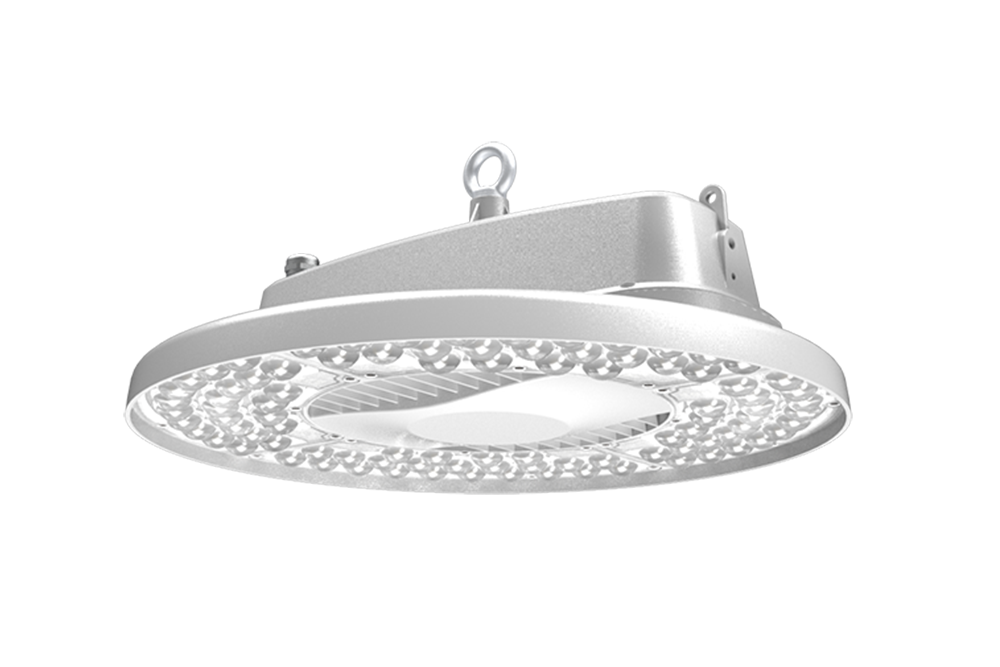
The SEEKING HB15(GLE) Series delivers advanced high bay led lighting with UGR 100,000 h) and reliable illumination for demanding commercial environments.
View details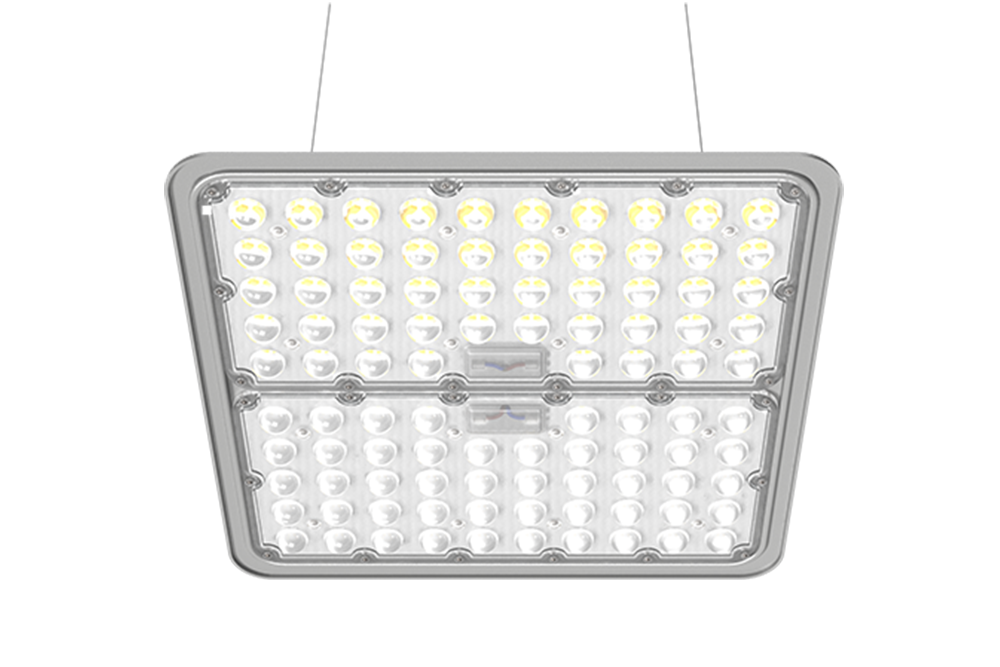
Discover the SEEKING HB13(GLK) Series ufo led high bay light, engineered for sports halls, airport lounges, showrooms, and large commercial spaces. UGR 100,000 h). Ideal for industrial ufo high bay lighting fixtures and commercial retrofits.
View details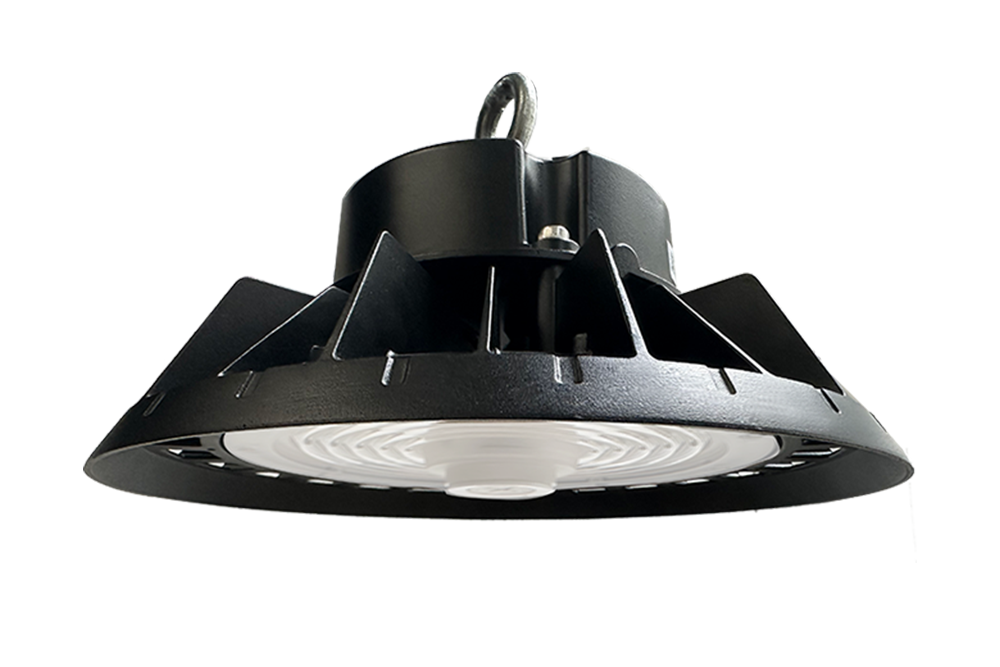
SEEKING HBF Series offers industrial LED high bay lighting with up to 200lm/W efficiency, SOSEN flicker-free driver, IP65 protection and optional microwave motion sensor. Ideal for warehouses, factories and commercial distribution projects.
View details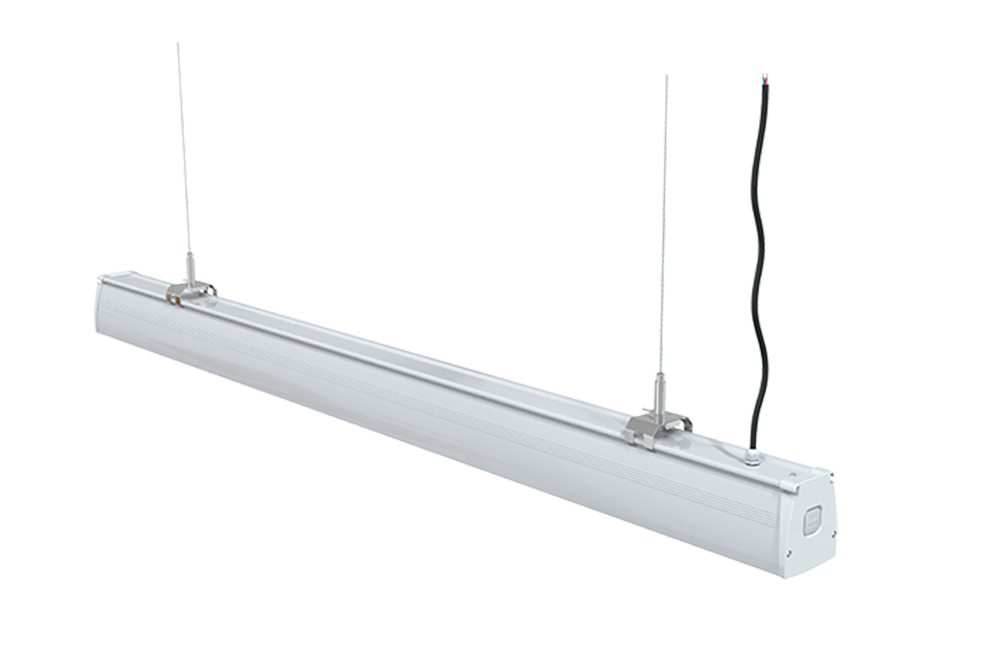
The HLD Series linear high bay LED lights from SEEKING deliver up to 200 lm/W with multiple beam angles and adjustable CCT options for warehouse, workshop, corridor and general industrial lighting.
View details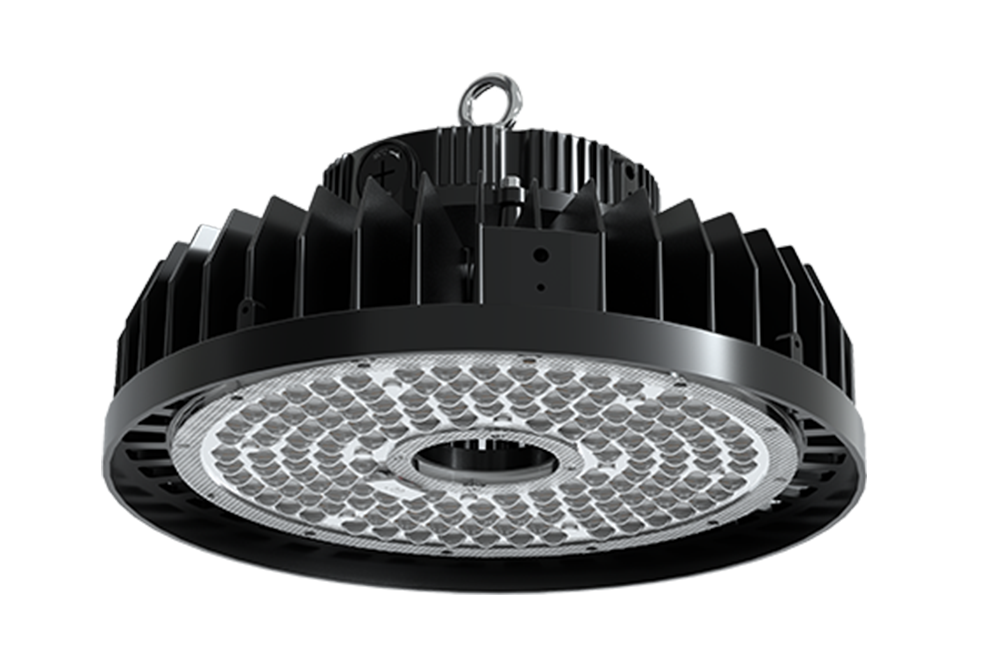
The HBK Series LED high bay light by SEEKING combines 500W power, 160–175 lm/W efficiency and IP65 durability for heavy-duty industrial lighting. Designed for warehouse, factory and production facilities with demanding ceiling heights.
View details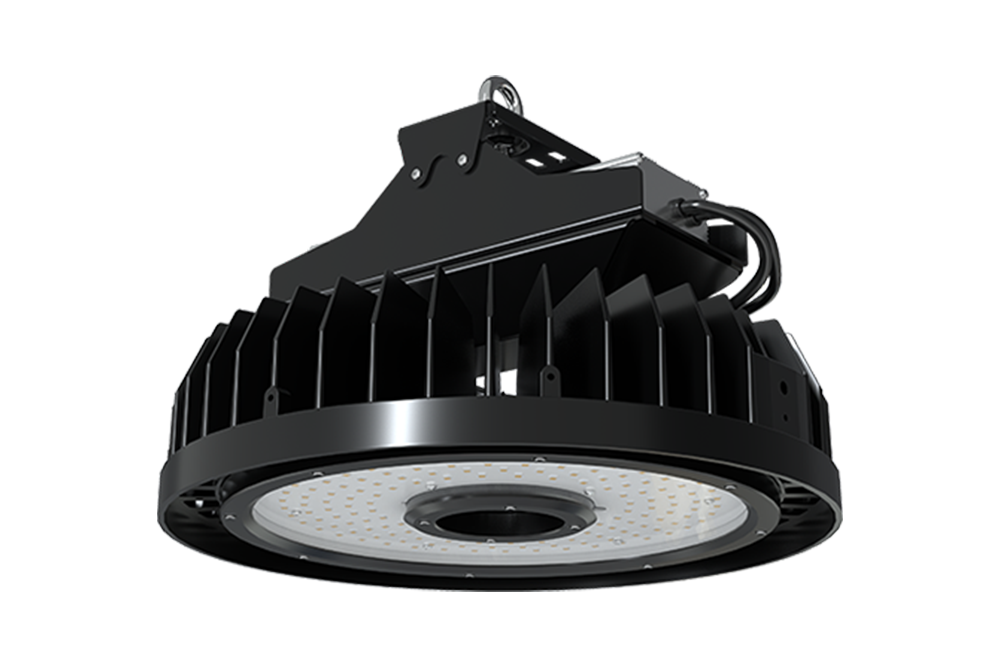
LED high bay lights engineered for extreme heat and low-temperature industrial sites. SEEKING HBK Ultua Series operates from -40°C to +70°C with Nichia LEDs and Inventronics driver.
View details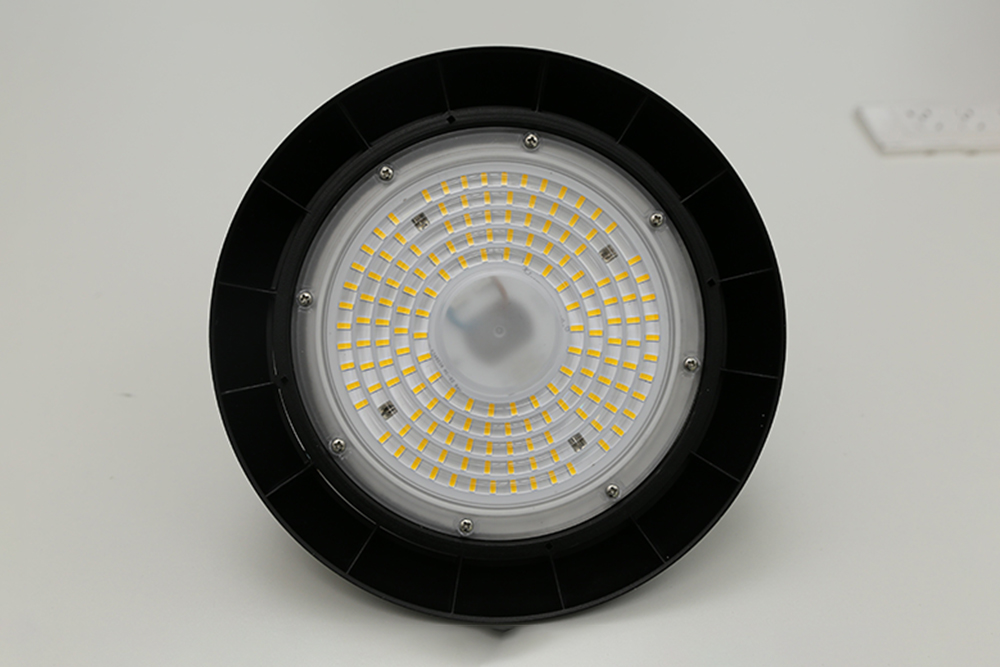
High bay LED lights built for warehouses, production plants and wholesale distribution. SEEKING HBI Series offers up to 200lm/W, IP65, IK08 and optional microwave motion sensor for energy saving operation.
View details
Flood light lumen needs depend on area, mounting height, beam angle, application, and required illuminance.
View details
Atex ex proof light factories produce certified hazardous area LED lighting. Discover engineering insights, field experience, and compliance standards with SEEKINGLED.
View details
Discover hazardous area led lighting for Zone 1 and Zone 2 applications. Learn certifications, Ex ratings, LED benefits, and industrial safety requirements.
View details
Why is my LED flood light not working? Learn common causes like driver failure, wiring issues or voltage problems, and how SEEKINGLED flood lights prevent them.
View details