 Seeking LED
Why Is Flood Light 100W a Practical Choice for Outdoor Lighting?
136Flood light 100W for outdoor and commercial lighting. Strong illumination, stable performance, and long-term reliability from SEEKINGLED.
View detailsSearch the whole station
This LED high bay lighting guide is not written from a catalog desk. It’s written after years of standing on concrete floors, looking up at 8-, 10-, sometimes 14-meter ceilings, and fixing lighting layouts that looked “correct” on paper but failed in daily use.
At SEEKINGLED, we work with warehouses, factories, and logistics centers across Europe and North America. The lesson is always the same: high bay lighting only works when design decisions match the space—not marketing numbers.
In practical terms, high bay lighting starts when ceiling height exceeds 20 feet (≈6 meters). This definition aligns with guidance from the Illuminating Engineering Society (IES) and is widely accepted in industrial lighting design.
Below that height, fixtures behave differently. Light overlaps too aggressively. Glare increases. Uniformity drops. Calling it “high bay” doesn’t make it act like one.
That’s where many mistakes begin.
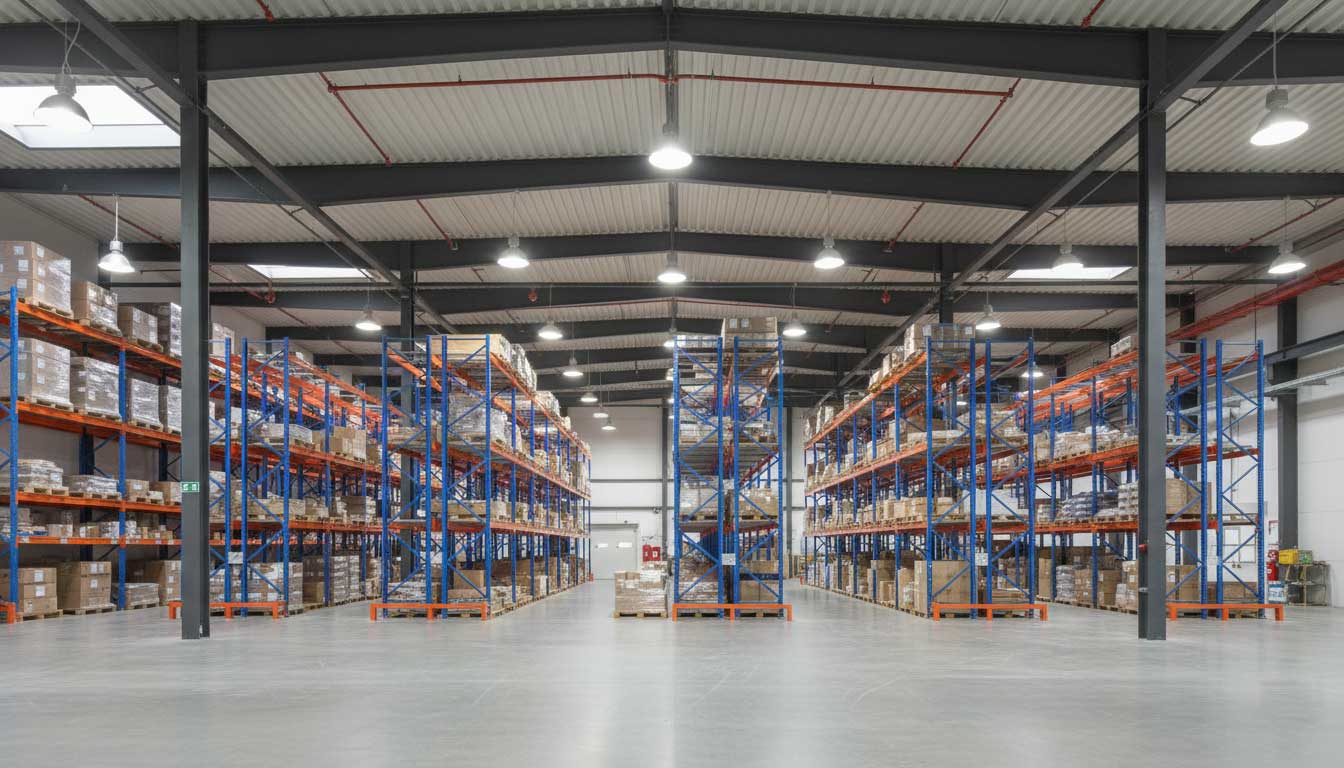
In every warehouse high bay lighting design, mounting height decides optics, wattage, and spacing. Not the other way around.
From field experience, these ranges are reliable:
IES RP-7 recommends 300–500 lux for general warehouse tasks. In working facilities, we usually design closer to the upper range to account for dust, aging, and layout changes.
Every high bay LED spacing guide online gives neat ratios. On site, those ratios get adjusted.
A practical rule we often start with:
Spacing ≈ 1.1–1.3 × mounting height
Then we correct it—based on aisle width, rack height, and task zones.
In one SEEKINGLED retrofit project, reducing spacing by just 0.5 meters improved measured uniformity by over 20%, without increasing fixture count.
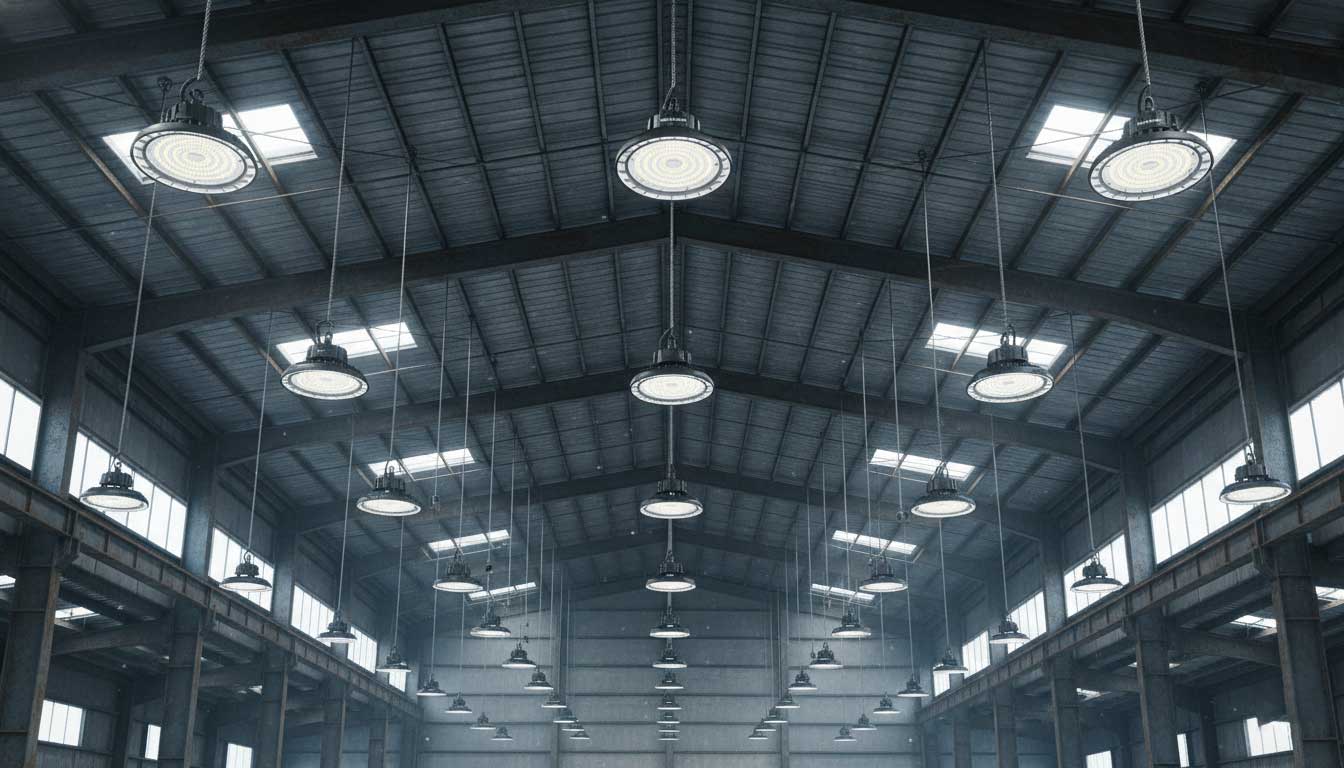
According to the U.S. Department of Energy, LED high bay lighting can reduce energy consumption by 50–70% compared to metal halide systems, while maintaining or improving light levels.
But here’s the part brochures skip:
That efficiency only holds when optics and layout are correct. Over-lighting a space wastes energy just as quickly as old technology.
That’s why industrial LED high bay lights must be selected as part of a system—not as standalone products.
Even experienced teams repeat these:
Every one of these leads to complaints later. And lighting complaints never disappear quietly.
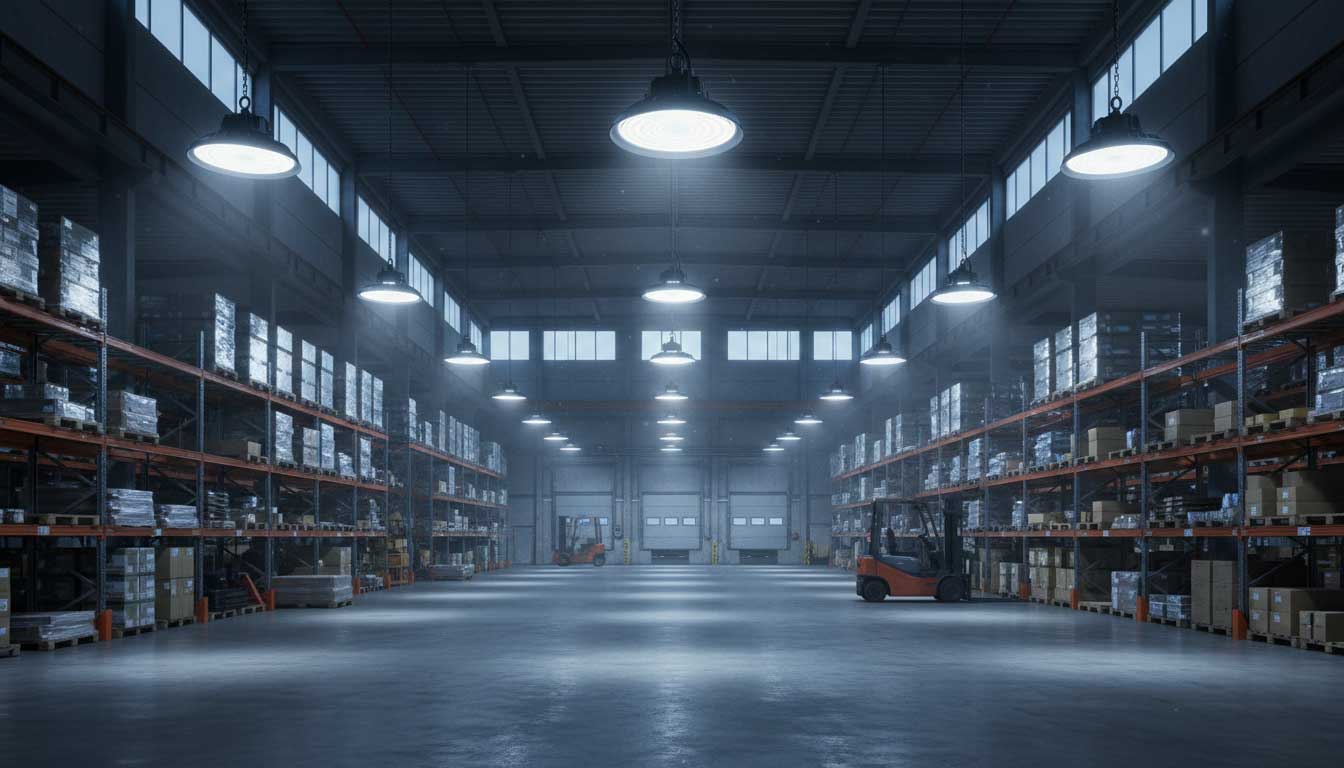
This LED high bay lighting guide is written by a lighting systems engineer with 10+ years of experience in industrial and logistics lighting projects. I’ve worked directly with installers, inspectors, and facility managers—often correcting layouts long after commissioning.
SEEKINGLED focuses on professional-grade LED lighting for warehouses, factories, and outdoor industrial environments, with products designed around real installation conditions.
A proper led high bay lighting guide doesn’t start with wattage charts. It starts with height, task, and space behavior. When those are respected, LED high bay lighting delivers exactly what it promises—efficiency, comfort, and reliability.
Get those wrong, and no specification sheet will save the project.
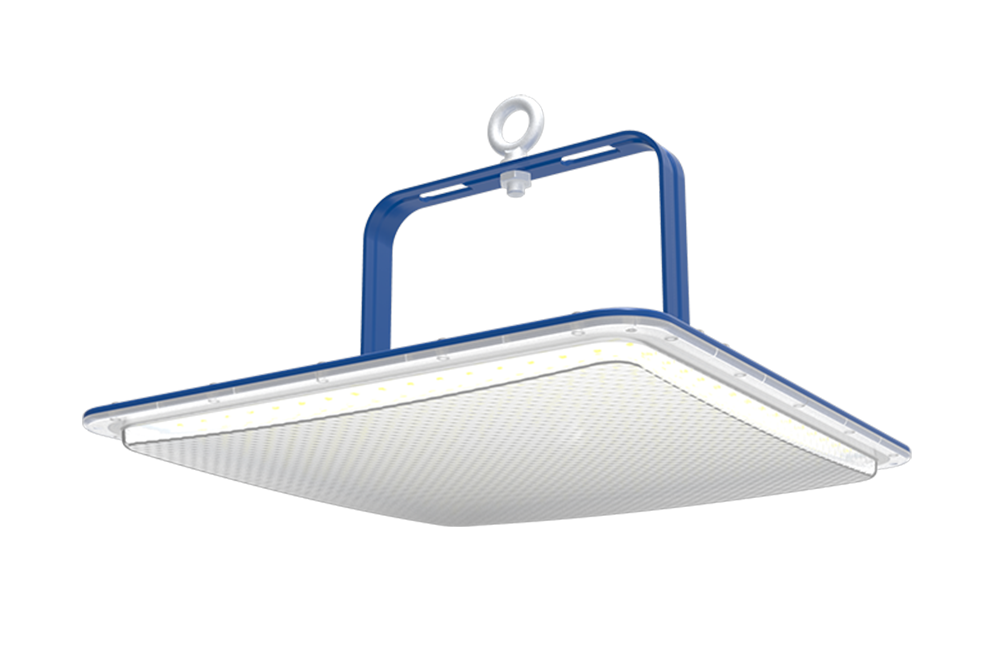
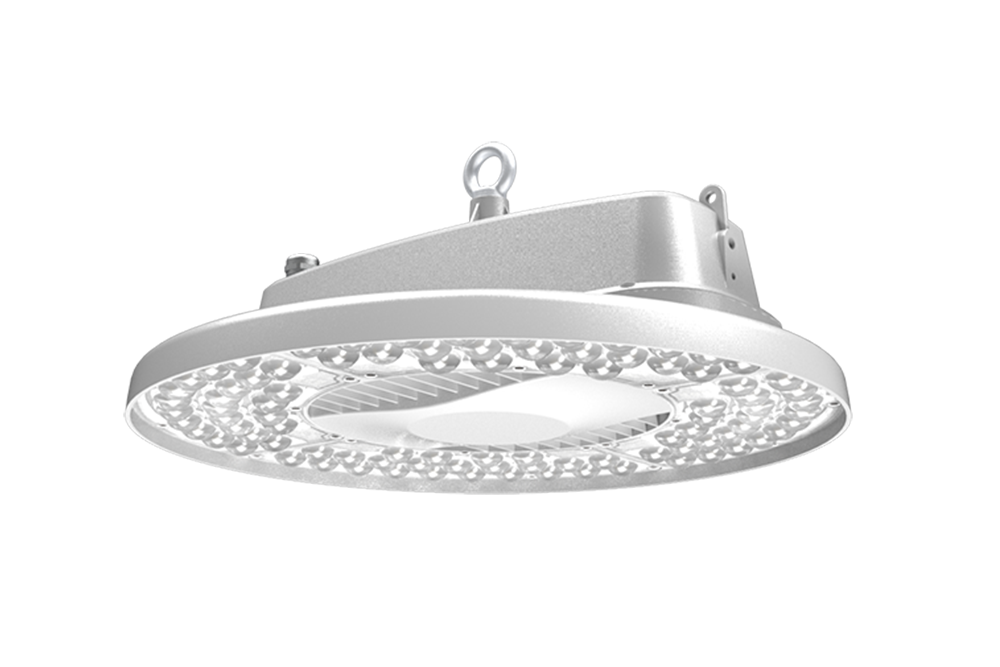
The SEEKING HBC-T Series high bay lights LED offer long-lasting performance for warehouses, production plants and logistics centers. Durable IP65 & IK08 housing, 60°/90° beam angles, up to 150 lm/W, and a lifespan beyond 100,000 hours. Ideal for a…
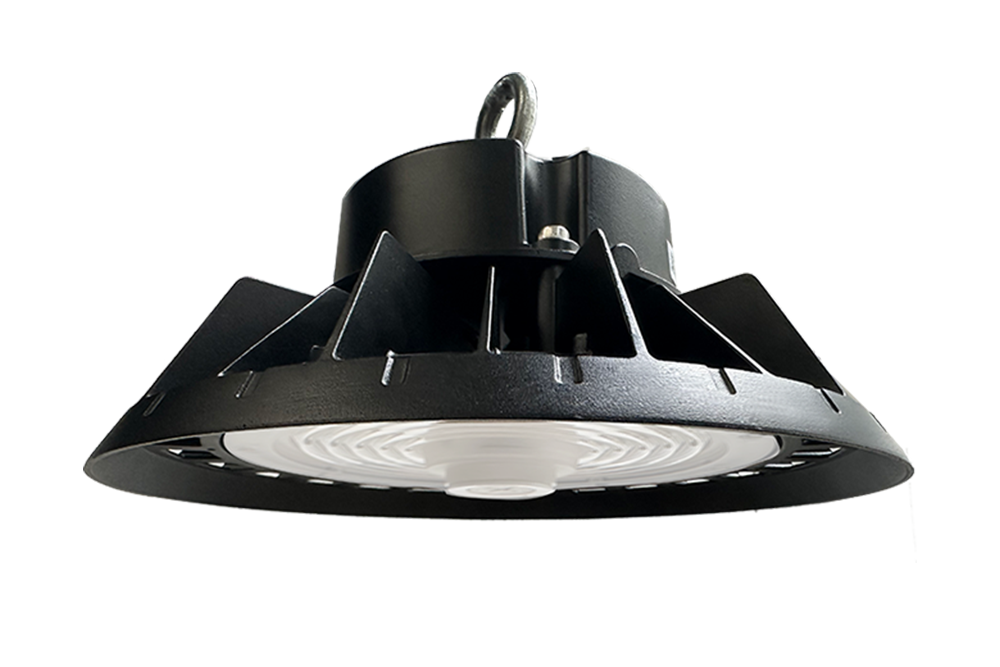
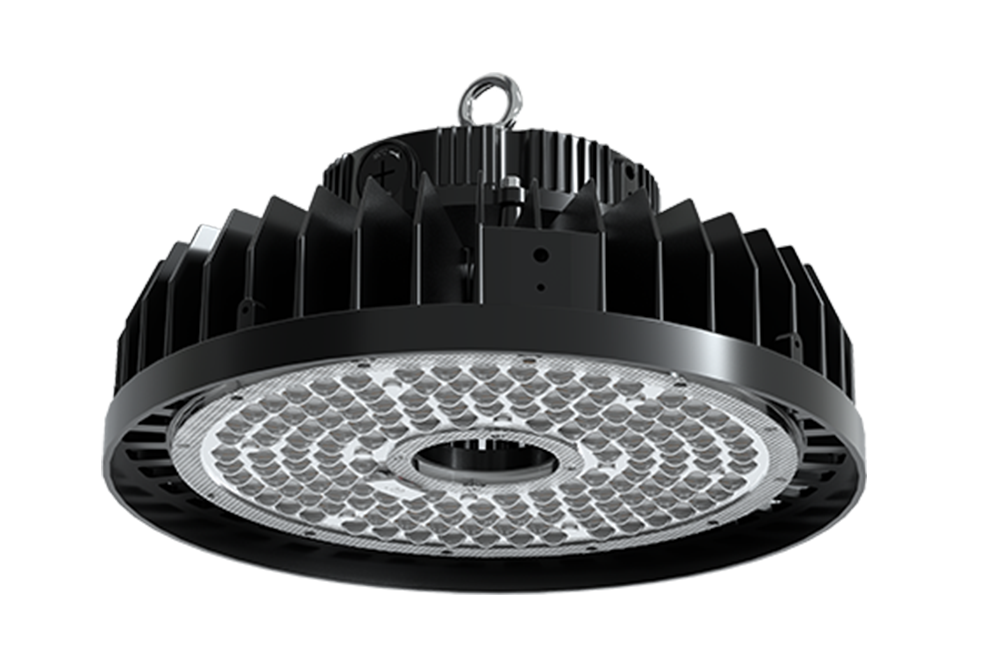
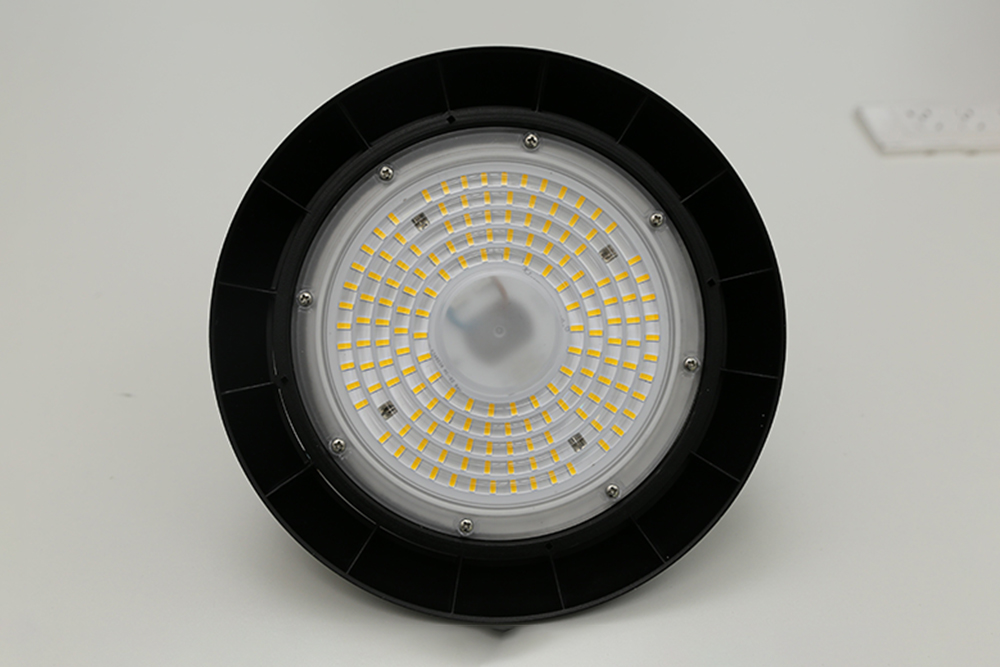
The SEEKING HBS Series LED UFO high bay light delivers 140 lm/W efficiency, IP65 protection and MEAN WELL drivers. A durable high-rise lighting solution for factories, warehouses and commercial halls.
SEEKING HBD Series LED high bay lighting delivers 160 lm/W efficiency, IP66 protection, and long 100,000-hour lifespan. A durable UFO high bay solution for warehouses, workshops, logistics centers and commercial facilities.
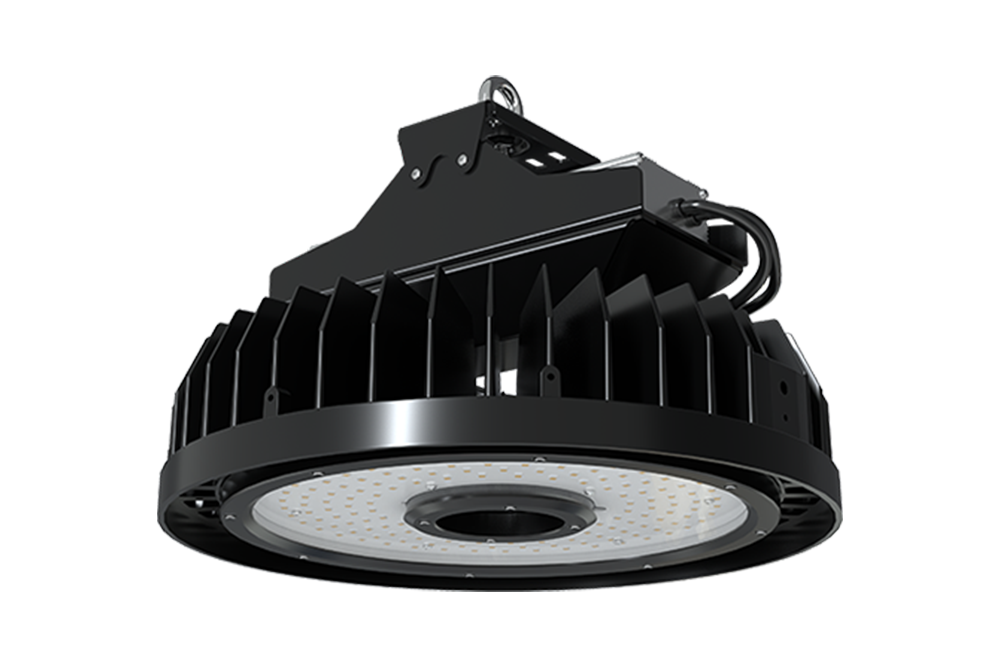
The SEEKING HBC Series high bay LED light fixtures combine strong efficiency, practical design and reliable SOSEN drivers. A durable UFO high bay lighting option for warehouses, workshops and wholesale projects.
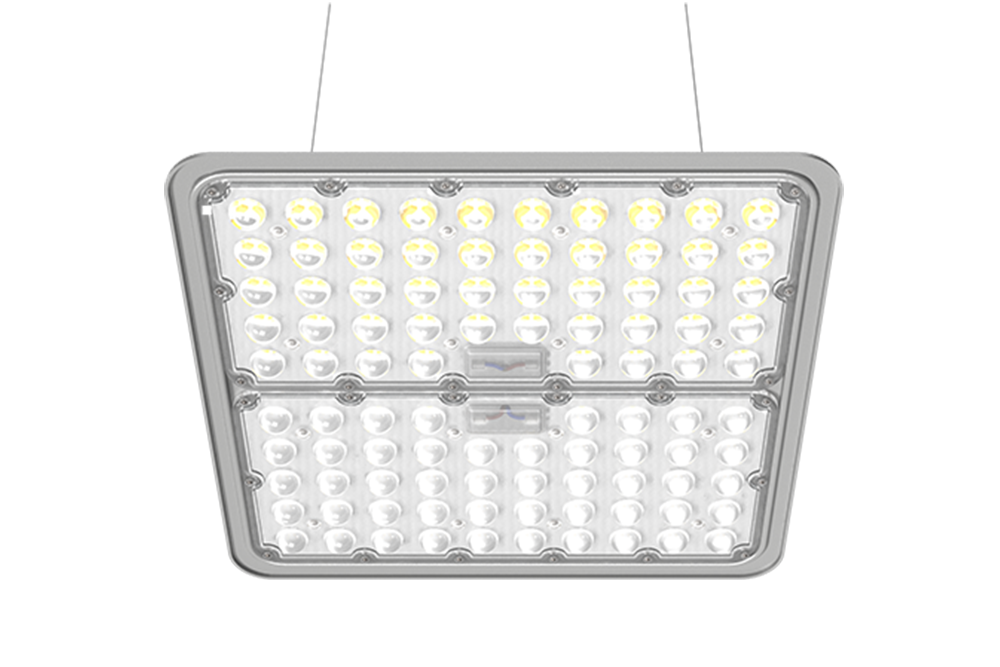
The SEEKING GSL Series high bay LED light delivers powerful, efficient lighting for industrial and commercial spaces. With IP65 protection, flexible mounting, and up to 140 lm/W performance, it’s ideal for warehouses, workshops, and retail areas.
The SEEKING HB15(GLE) Series delivers advanced high bay led lighting with UGR 100,000 h) and reliable illumination for demanding commercial environments.
Discover the SEEKING HB13(GLK) Series ufo led high bay light, engineered for sports halls, airport lounges, showrooms, and large commercial spaces. UGR 100,000 h). Ideal for industrial ufo high bay lighting fixtures and commercial retrofits.
SEEKING HBF Series offers industrial LED high bay lighting with up to 200lm/W efficiency, SOSEN flicker-free driver, IP65 protection and optional microwave motion sensor. Ideal for warehouses, factories and commercial distribution projects.
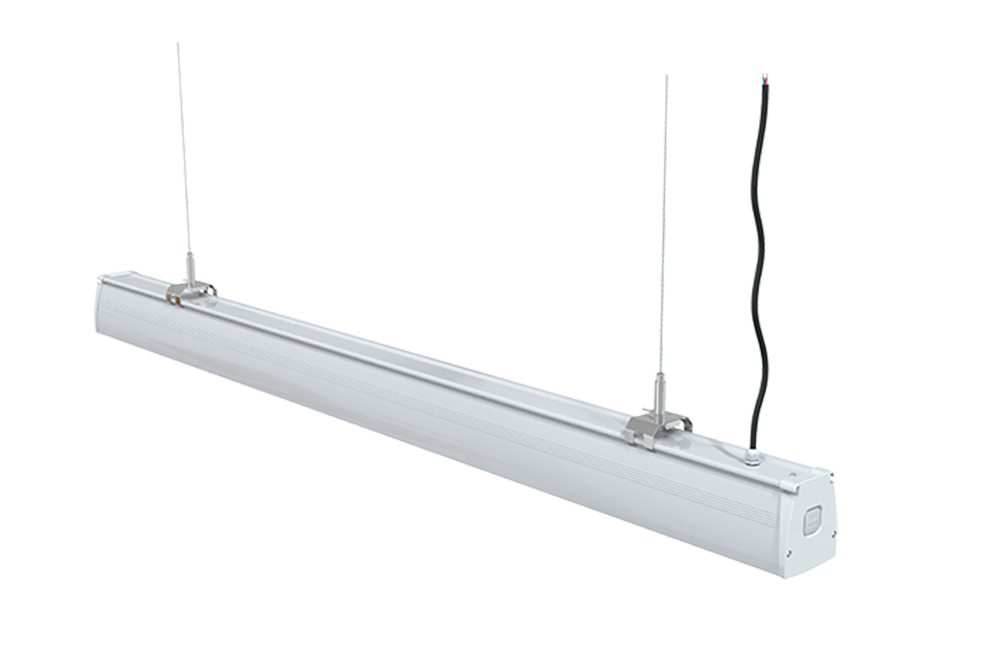
The HLD Series linear high bay LED lights from SEEKING deliver up to 200 lm/W with multiple beam angles and adjustable CCT options for warehouse, workshop, corridor and general industrial lighting.
The HBK Series LED high bay light by SEEKING combines 500W power, 160–175 lm/W efficiency and IP65 durability for heavy-duty industrial lighting. Designed for warehouse, factory and production facilities with demanding ceiling heights.
LED high bay lights engineered for extreme heat and low-temperature industrial sites. SEEKING HBK Ultua Series operates from -40°C to +70°C with Nichia LEDs and Inventronics driver.
High bay LED lights built for warehouses, production plants and wholesale distribution. SEEKING HBI Series offers up to 200lm/W, IP65, IK08 and optional microwave motion sensor for energy saving operation.
loading…
This is the last post!
Flood light 100W for outdoor and commercial lighting. Strong illumination, stable performance, and long-term reliability from SEEKINGLED.
View details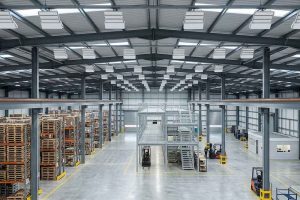
LED interior flood lights deliver efficient, uniform indoor lighting. Explore real-world insights, energy data, and expert tips for reliable performance.
View details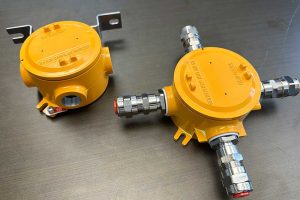
Hazardous Area Junction Box designed for Zone 1, 2, 21 and 22 hazardous locations. SEEKINGLED flameproof wiring enclosure compliant with IEC 60079-1.
View details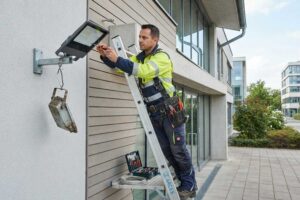
Learn how to replace floodlight safely with expert steps, tools, and LED upgrade tips. Discover professional floodlight replacement advice from SEEKINGLED.
View details