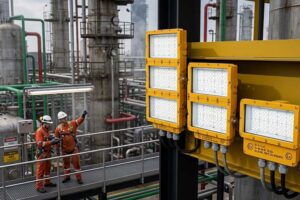
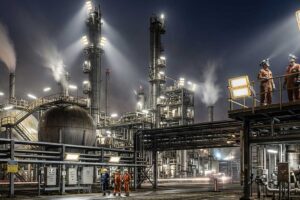
When is explosion proof lighting required?
When is explosion proof lighting required depends on whether flammable gases, vapors, dust, or fibers can be present in the air under normal or abnormal conditions.
If an atmosphere can form an explosive mixture, standard lighting is not acceptable. In those locations, explosion proof lighting is required by safety codes, industry standards, and insurance policies.
This is not optional equipment. It is a risk-control measure.
What types of locations usually require explosion proof lighting?
Explosion proof lighting is commonly required in areas such as:
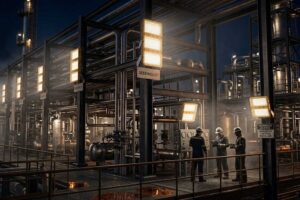
- Oil and gas production facilities
- Petrochemical plants and refineries
- Chemical processing workshops
- Grain silos and feed mills
- Paint spray booths
- Pharmaceutical manufacturing areas
- Battery rooms and solvent storage zones
These environments regularly handle substances that can ignite if exposed to sparks, hot surfaces, or electrical faults.
Is explosion proof lighting required only where explosions already happened?
No.
Explosion proof lighting is required before an accident occurs. The requirement is based on risk assessment, not past incidents.
Even if an explosion has never happened, the presence of flammable materials is enough to trigger the requirement.
How do regulations define hazardous areas?
Most regulations classify hazardous areas by:
- Frequency of explosive atmosphere
- Duration of exposure
- Type of material present
For example:
- ATEX Zones 0, 1, and 2 (gas)
- ATEX Zones 20, 21, and 22 (dust)
- NEC Class I, II, and III divisions
If a space falls into any of these classifications, explosion proof lighting is usually mandatory.
Does ventilation remove the need for explosion proof lighting?
Not always.
Ventilation can reduce risk, but it does not eliminate it. Temporary leaks, process failures, or maintenance activities can still create dangerous conditions.
For this reason, safety authorities typically require explosion proof lighting even in well-ventilated hazardous areas.
Are LED lights automatically explosion proof?
No.
LED technology alone does not make a light explosion proof. The housing, wiring, sealing method, and temperature control all matter.
Only lights that are tested and certified to standards such as ATEX or IECEx are considered explosion proof.
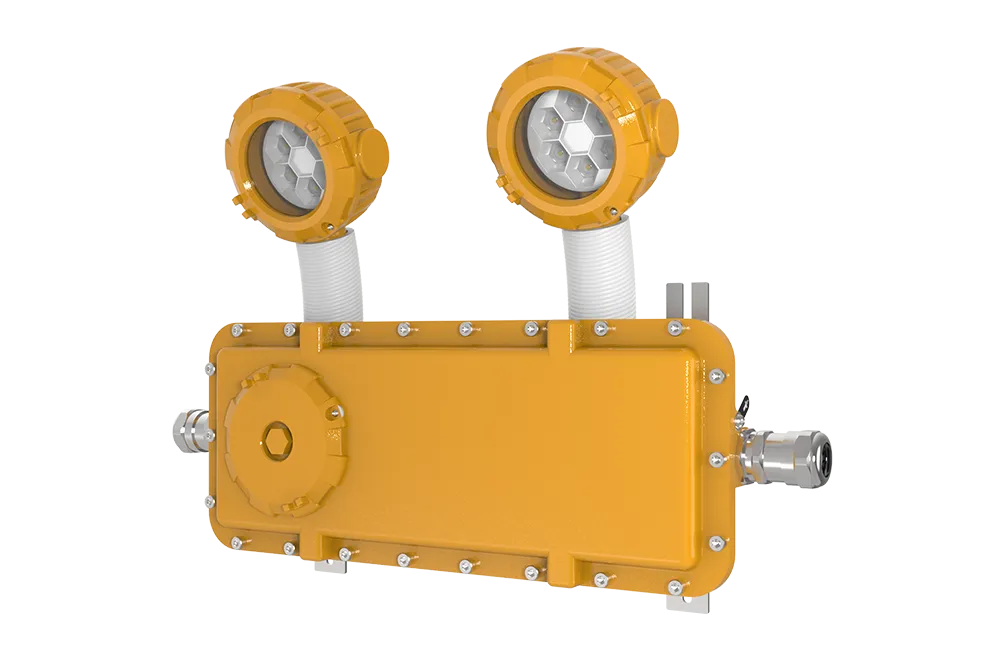
SEEKINGLED designs LED fixtures specifically for these certifications, not as modified standard lights.
Is explosion proof lighting required in Zone 2 areas?
Yes, in most cases.
Zone 2 areas are locations where explosive atmospheres are not expected during normal operation but may occur briefly.
Many safety standards still require explosion proof or increased safety lighting in these zones, depending on local regulations and project specifications.
Who decides if explosion proof lighting is required?
The decision usually involves:
- Safety engineers
- Project designers
- Regulatory authorities
- Insurance inspectors
However, responsibility ultimately lies with the facility owner. Using non-compliant lighting in a hazardous area can result in fines, shutdowns, or legal liability.
What happens if standard lighting is used instead?
Using non-explosion-proof lighting can lead to:
- Ignition of flammable atmospheres
- Equipment damage
- Serious injury or loss of life
- Regulatory penalties
- Insurance refusal after incidents
In many regions, this is considered a serious safety violation.
How can users confirm if explosion proof lighting is required?
The safest approach is to:
- Review site hazard classification documents
- Check applicable ATEX, IECEx, or NEC standards
- Consult a qualified lighting manufacturer
SEEKINGLED supports customers by reviewing application details and recommending compliant explosion proof lighting solutions.
Why is explosion proof lighting considered a long-term investment?
Because it reduces:
- Accident risk
- Maintenance frequency
- Inspection failures
- Operational interruptions
Although initial cost is higher, compliant lighting protects both people and assets over many years.
LED Explosion proof lights Recommendations
 Seeking LED