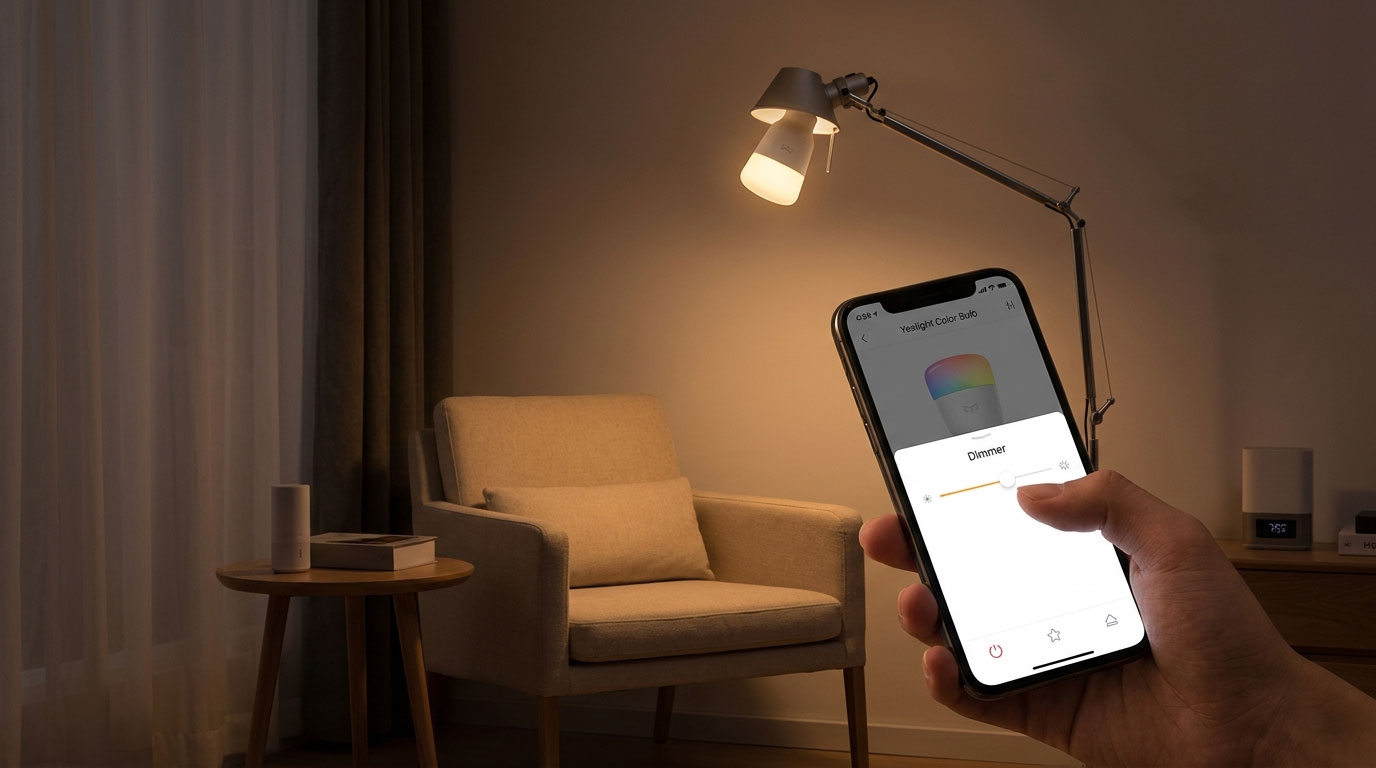
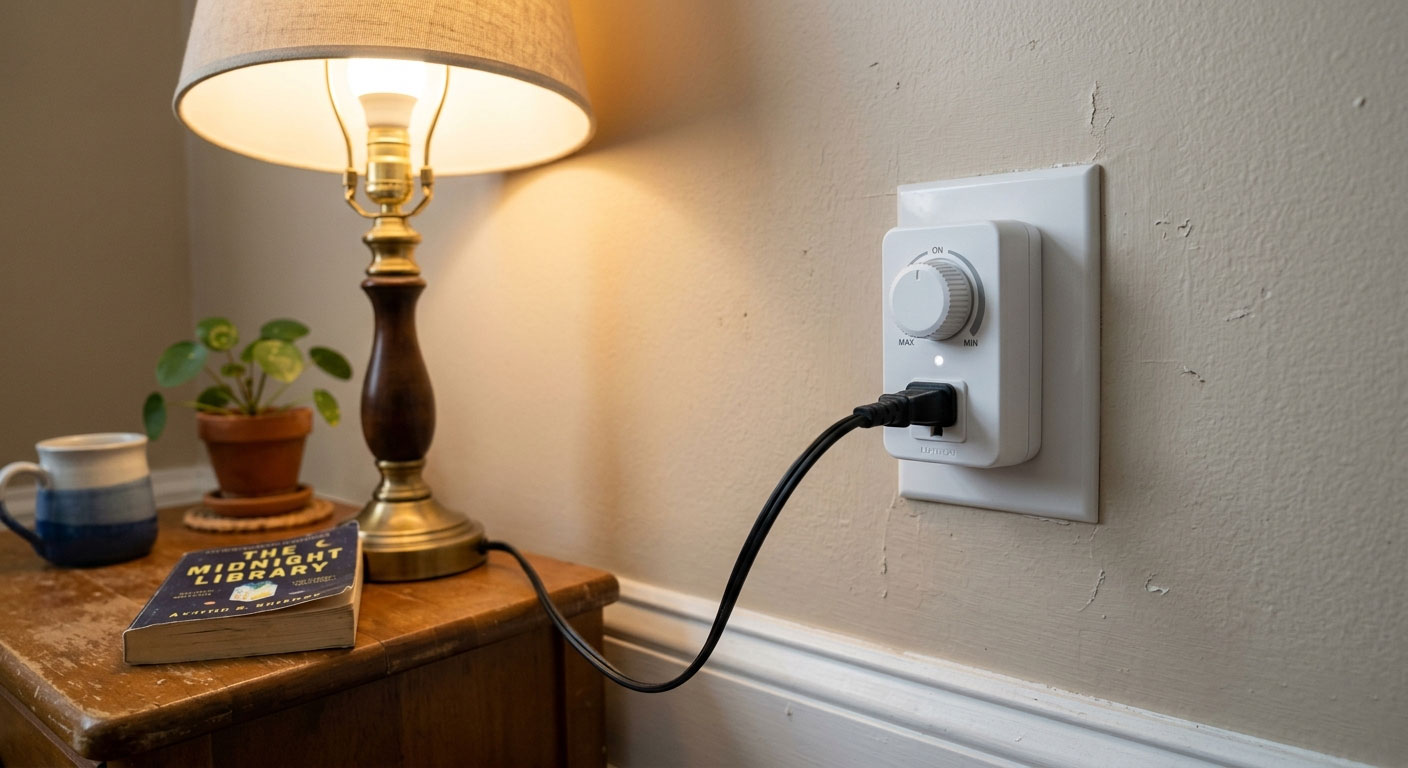
You can dim LED lights without a dimmer switch by using smart bulbs, remote-controlled drivers, plug-in dimmers, or adjusting voltage/current through compatible LED drivers—without rewiring the wall switch.
That’s the direct answer. But in real installations, the method you choose depends less on the bulb—and more on the driver behind it.
why dimming LEDs without a dimmer switch is tricky
LEDs don’t behave like incandescent lights
Incandescent bulbs dim smoothly because they respond directly to voltage changes. LEDs don’t.
They rely on drivers, which regulate current. Without the right driver, reducing voltage doesn’t dim—it causes:
Flickering
Sudden shutdown
Uneven brightness
According to the U.S. Department of Energy, LED systems require compatible dimming controls to function properly, and mismatched systems are a leading cause of performance issues.
Real situation I’ve seen
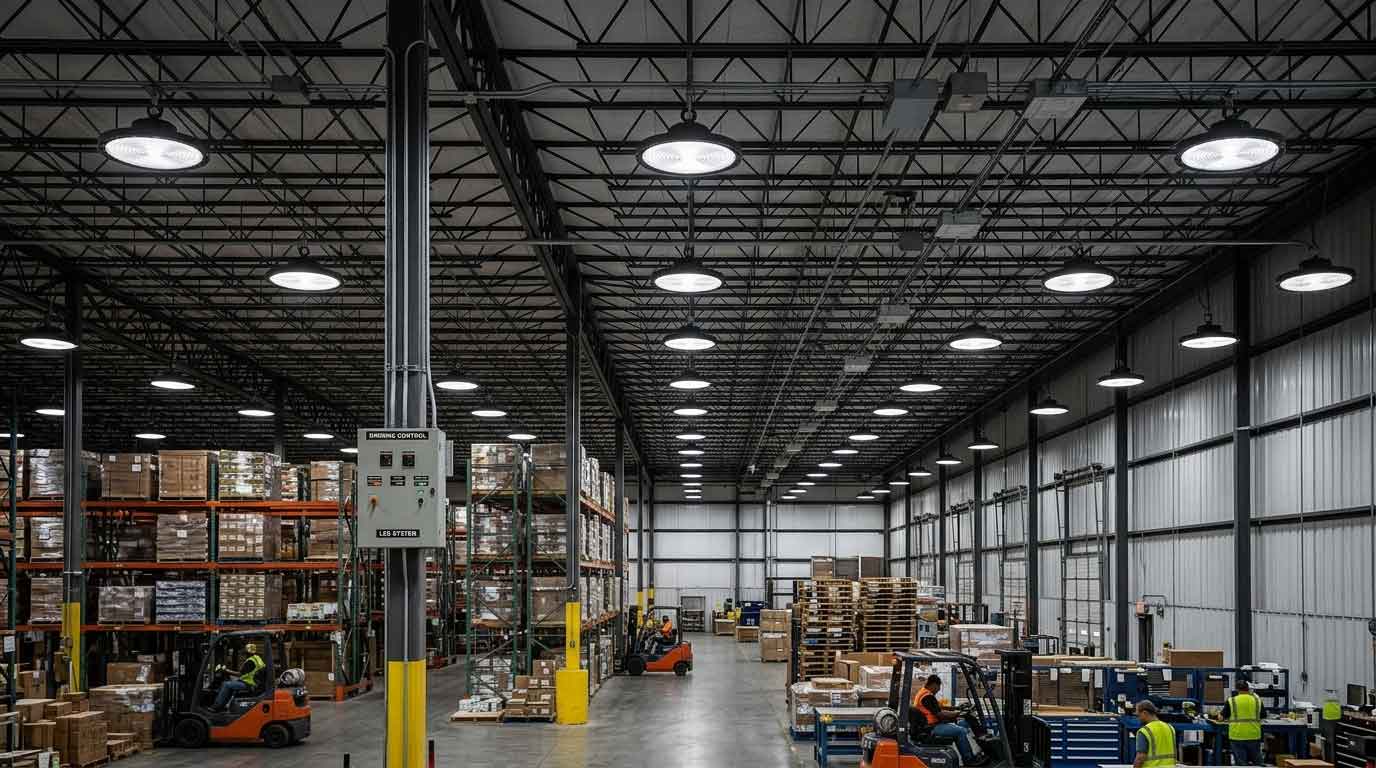
In a warehouse retrofit, a client tried to “dim” LEDs using a basic voltage reducer.
Result?
Lights flickered
Drivers overheated
Half the fixtures failed within months
The issue wasn’t the LED—it was the wrong control method.
practical ways to dim LED lights without a dimmer switch
1. Use smart LED bulbs (easiest method)
Smart bulbs allow dimming via:
Mobile apps
Voice assistants
Remote controls
No wiring required.
Best for:
Homes
Offices
Retrofit projects
Downside:
Higher upfront cost
Requires Wi-Fi or Bluetooth
2. Install a plug-in dimmer (no wall modification)
A plug-in dimmer sits between the outlet and the light.
Pros:
No electrician needed
Quick setup
Cons:
Only works with compatible LED drivers
Limited precision
3. Use a dimmable LED driver
This is the professional solution used in industrial lighting.
Dimming types include:
0–10V dimming
DALI systems
PWM dimming
According to IEC standards (IEC 60929 / IEC 62386), these systems ensure stable dimming performance without flicker.
Used in:
Factories
Warehouses
Hazardous area lighting (like SEEKINGLED systems)
4. Remote-controlled LED controllers
Common in:
Commercial lighting
Outdoor installations
They allow:
Step dimming (e.g., 100% → 50% → 25%)
Scheduled brightness
No wall dimmer needed.
comparison of dimming methods
Method
Ease of Use
Cost
Stability
Best For
Smart bulbs
Very easy
Medium
High
Homes/offices
Plug-in dimmer
Easy
Low
Medium
Small setups
LED driver dimming
Complex
Medium
Very high
Industrial/commercial
Remote controller
Easy
Medium
High
Outdoor/commercial
common mistakes to avoid
What often goes wrong
Using non-dimmable LEDs
Mixing incompatible drivers
Trying voltage dimming on constant-current systems
Ignoring manufacturer specs
These issues account for a large portion of LED complaints in field installations.
faq-how to dim led lights without a dimmer switch?
Can all LED lights be dimmed?
No. Only LEDs labeled as “dimmable” can safely adjust brightness.
Is it safe to dim LEDs without a dimmer switch?
Yes—if you use proper methods like smart bulbs or compatible drivers.
What is the best method overall?
For most users: smart bulbs. For professionals: dimmable LED drivers.
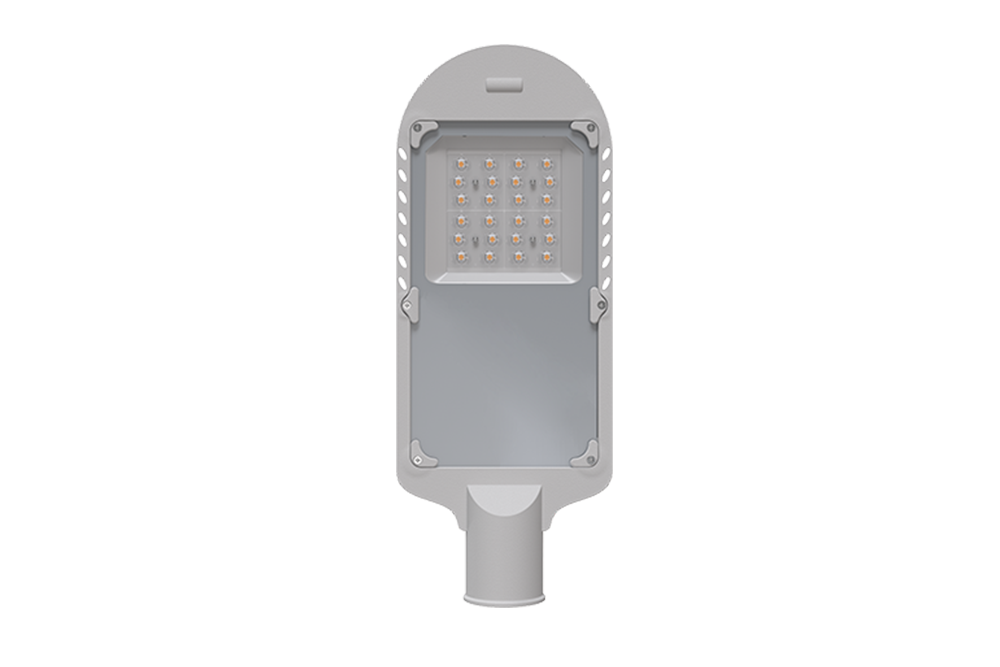
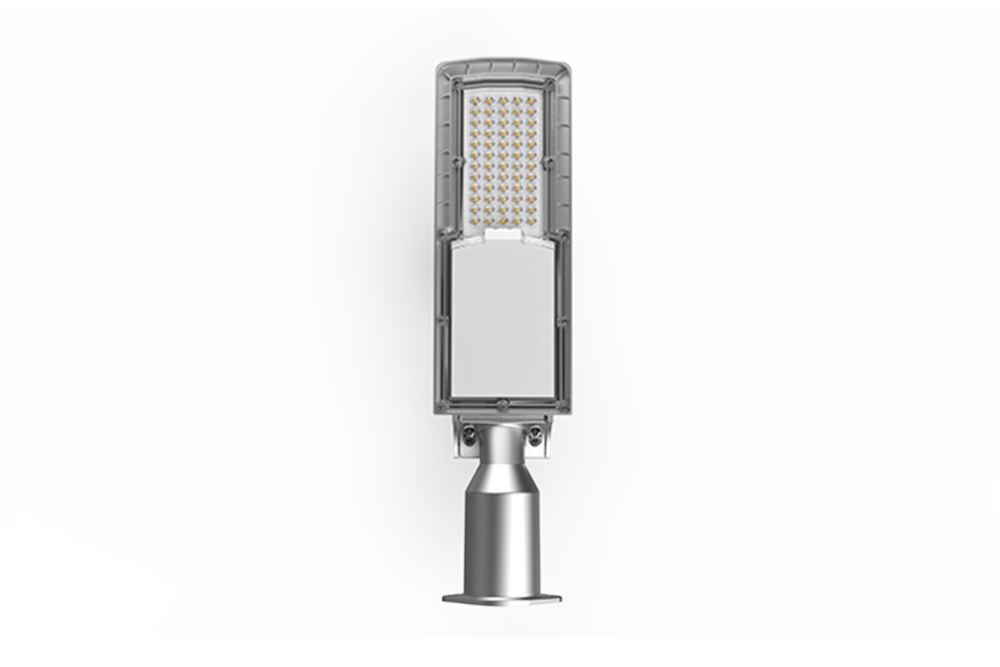
SEEKING STL-Series LED street lights deliver stable performance, 170 lm/W efficiency and 10KV surge protection. Ideal for city streets, parking lots, public roads and outdoor area lighting projects. Durable IP66 & IK08 design for long-term reliability.
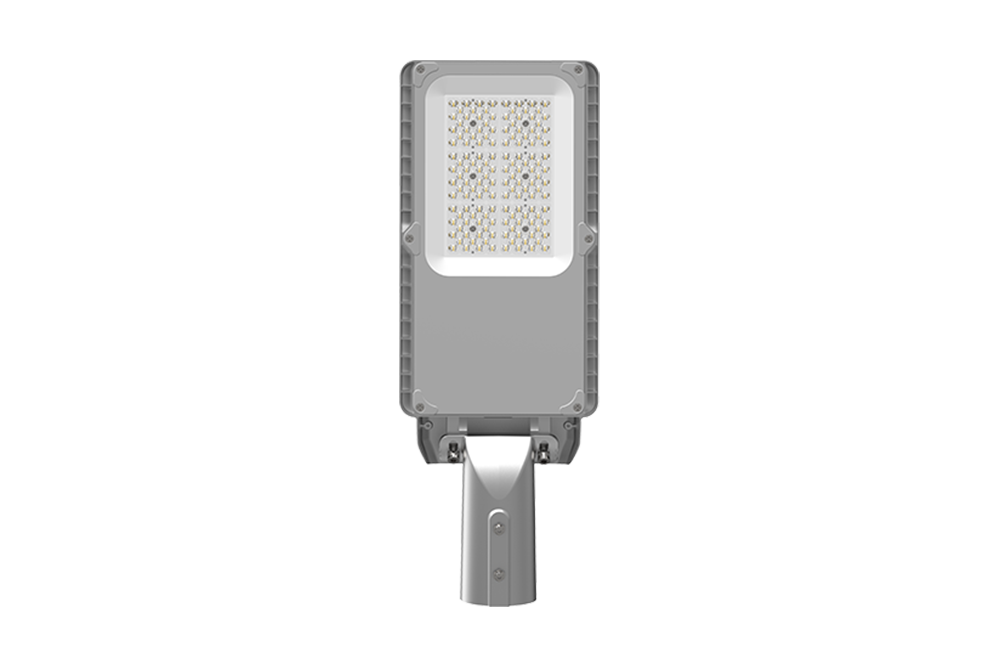
The SEEKING STC Series LED light street light delivers up to 170lm/W efficiency with MOSO drivers, IP66 protection, and a ±15° adjustable arm—ideal for roads, residential areas, and public lighting upgrades.
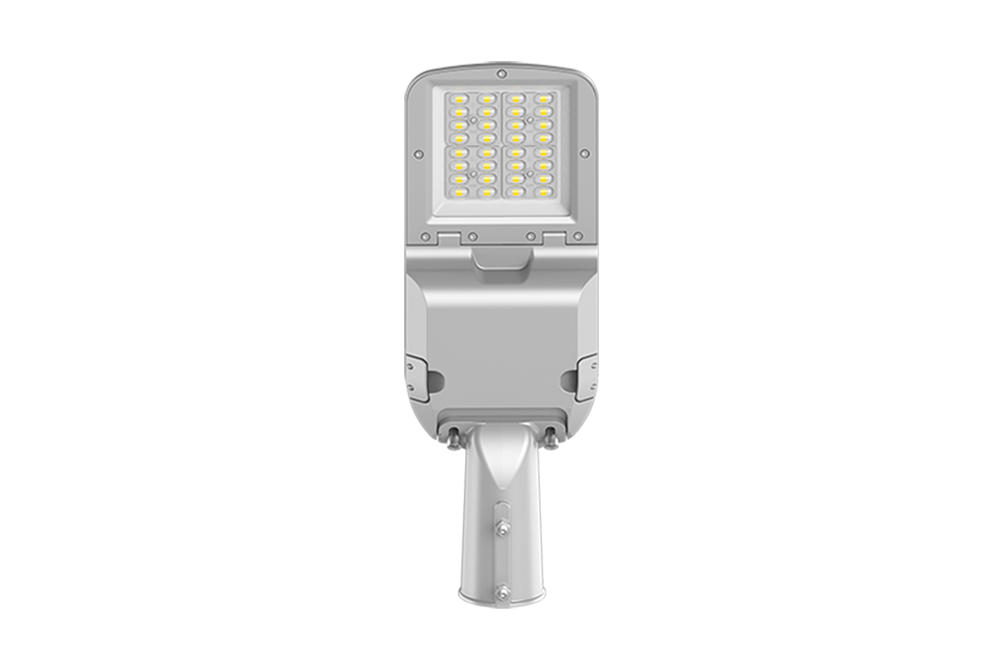
SEEKING STB Series LED street lighting delivers up to 160 lm/W, 10kV surge protection, IP66 waterproofing, and durable IK08 impact resistance. Ideal for streets, parking lots, and large outdoor areas needing long-lasting, energy-saving LED roadway lighting.
The SEEKING STA Series LED street light delivers strong efficiency, IP66 protection, 10kV surge resistance and multiple beam patterns for roads, parking lots and urban areas. High lumen output, easy installation and reliable performance for long-term outdoor lighting.
SEEKINGLED offers a high-efficiency LED lighting solution for energy-saving projects, including explosion proof lights, high bay, flood, street, garden, stadium, tri-proof and linear LED lighting.
Gym lighting solutions for fitness centers explained from an engineering perspective. This SEEKINGLED news article covers LED high bay, linear lighting design, glare control, lux levels, and energy efficiency.
Warehouse LED High Bay Lighting Upgrade projects focus on usable light and energy control. This case records how SEEKINGLED replaced 400W metal halide fixtures with XJ-HBS130W-2 high bays in a factory warehouse near Barcelona.
 Seeking LED