 Seeking LED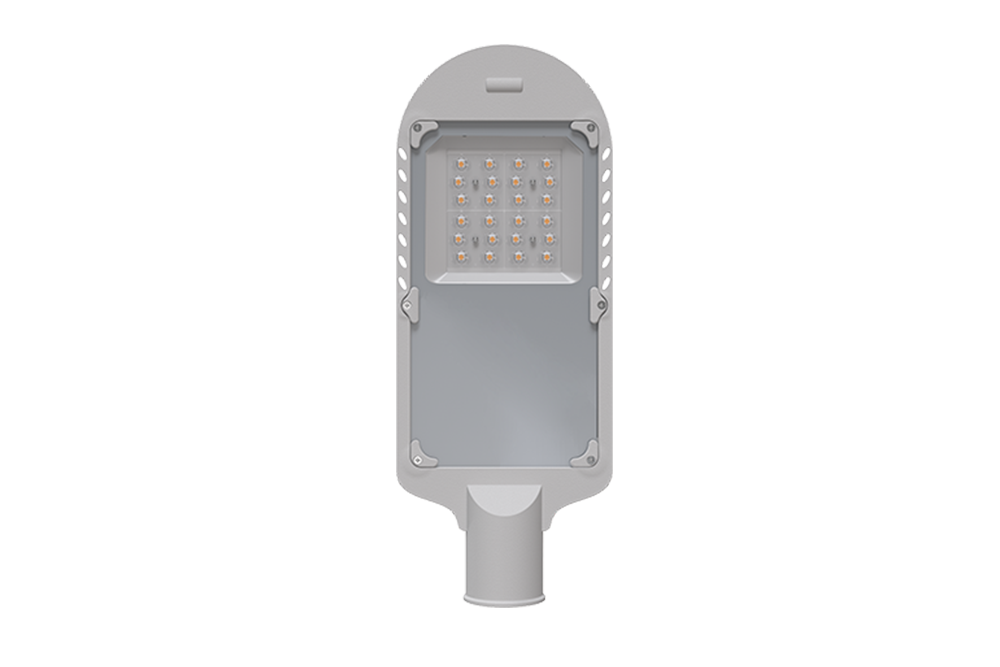
How to Install LED Street Light?
262How to install LED street light on poles, roads, and parking areas. A practical installation guide based on real projects, common mistakes, and field experience.
View detailsSearch the whole station
When people search for a 150 watt led street light, they usually aren’t browsing. They’re comparing. Something on their project isn’t working with 100W anymore, or the road width changed, or uniformity failed in the last inspection.
Below are the questions I hear most often from contractors and project managers—and the answers I give based on real installations using SEEKINGLED street lighting.
A 150 watt led street light is most often chosen for wide commercial roads, industrial parks, logistics zones, and arterial streets where 100W fixtures simply don’t cover enough ground.
From experience, once pole spacing exceeds 30–35 meters, or road width goes beyond four lanes including shoulders, 100W starts to struggle. That’s usually the moment 150W becomes the safer option—not brighter for the sake of it, but more forgiving in layout.
Brightness depends on efficiency, not just wattage. Most modern 150W street lights operate between 150–170 lm/W, which puts real output in the 22,000–25,500 lumen range.
In practical terms, that’s enough to:
I’ve seen projects fail not because the light was “too weak,” but because the wrong power level was forced to fit a layout it wasn’t designed for.
Not if it’s used correctly.
Overlighting happens when beam angle and mounting height are ignored. A 150 watt led street light with proper optical control (Type II or Type III) is often cleaner than a badly aimed 100W.
On one commercial road project, switching from 100W to 150W actually reduced glare complaints—because the light was finally reaching the road surface instead of spilling sideways.
This is where numbers matter.
A 150W LED street light commonly replaces:
That’s not marketing—it’s math. Energy savings typically land around 60–65%, and maintenance drops even more sharply because LED drivers and modules don’t require lamp changes every year.
Once cities start calculating lifecycle cost instead of purchase price, LED adoption stops being a debate.
This is where many buyers get burned.
From field experience, the three things that matter most are:
At SEEKINGLED, most of our 150W projects focus on long operating hours and low intervention. Fewer truck rolls matter more than spec-sheet features.
Yes—often more suitable than people expect.
Retrofits usually come with fixed pole positions. If spacing can’t be changed, upgrading to a 150 watt led street light is sometimes the only way to meet illumination targets without civil work.
I’ve seen retrofit jobs where trying to “save watts” ended up costing more due to redesigns and failed measurements.
In real outdoor conditions, well-built fixtures are designed for L80 at 100,000 hours under standard thermal conditions.
That doesn’t mean nothing ever fails. It means the light output stays usable for many years without constant intervention. That’s what municipalities and commercial operators actually care about.
A 150 watt led street light isn’t about excess brightness. It’s about margin—margin for spacing, margin for aging, margin for real-world conditions that don’t match drawings.
When specified correctly, it reduces compromise instead of creating it. That’s why it remains one of the most reliable power levels in commercial street lighting—and why SEEKINGLED continues to deploy it across long-term outdoor projects.
SEEKING STL-Series LED street lights deliver stable performance, 170 lm/W efficiency and 10KV surge protection. Ideal for city streets, parking lots, public roads and outdoor area lighting projects. Durable IP66 & IK08 design for long-term reliabi…
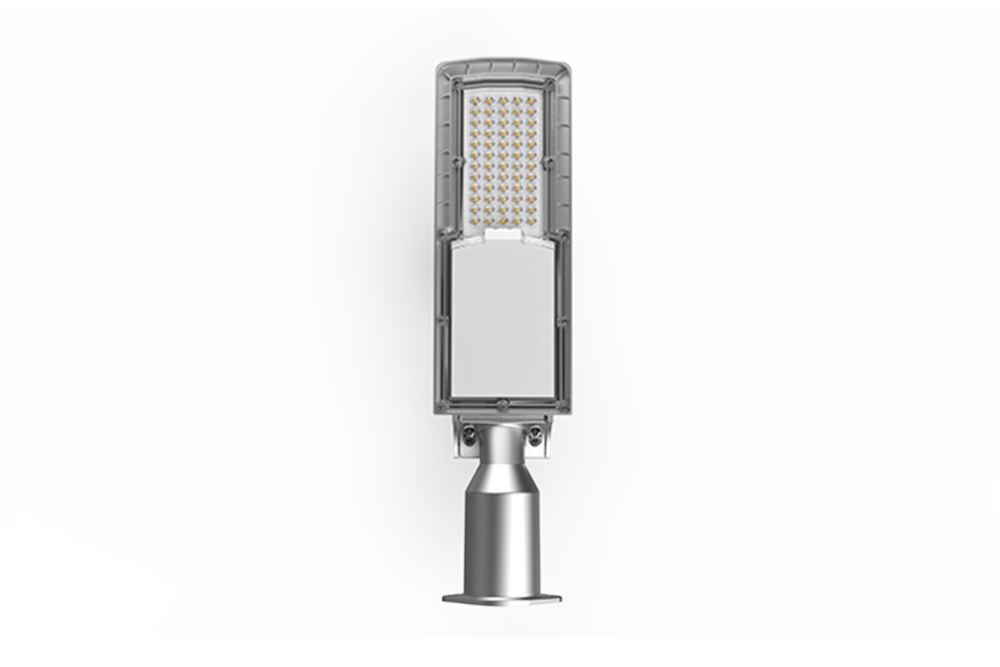
The SEEKING STC Series LED light street light delivers up to 170lm/W efficiency with MOSO drivers, IP66 protection, and a ±15° adjustable arm—ideal for roads, residential areas, and public lighting upgrades.
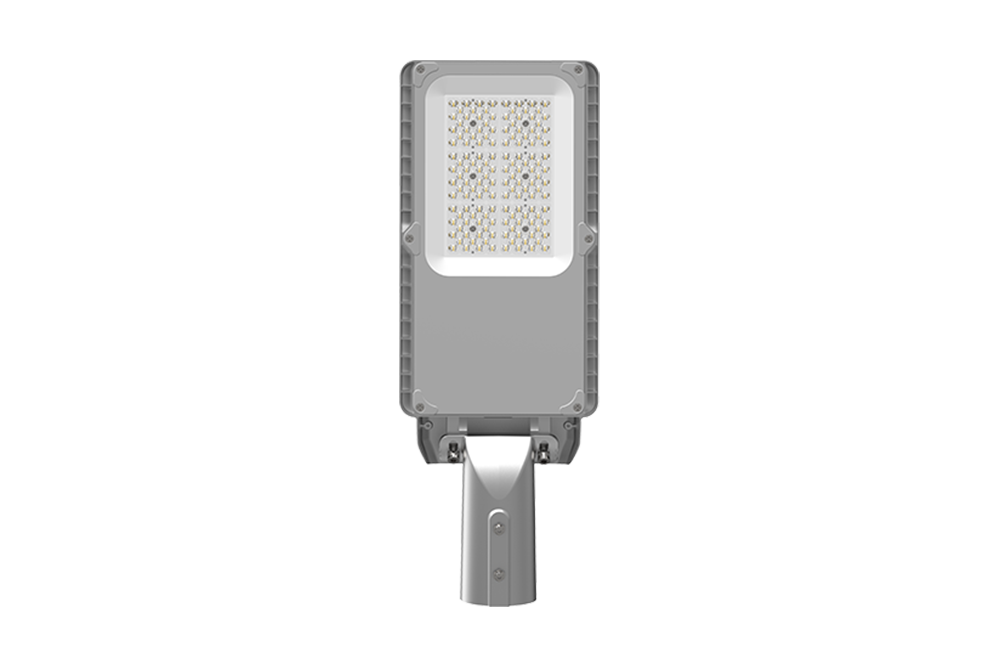
SEEKING STB Series LED street lighting delivers up to 160 lm/W, 10kV surge protection, IP66 waterproofing, and durable IK08 impact resistance. Ideal for streets, parking lots, and large outdoor areas needing long-lasting, energy-saving LED roadway…
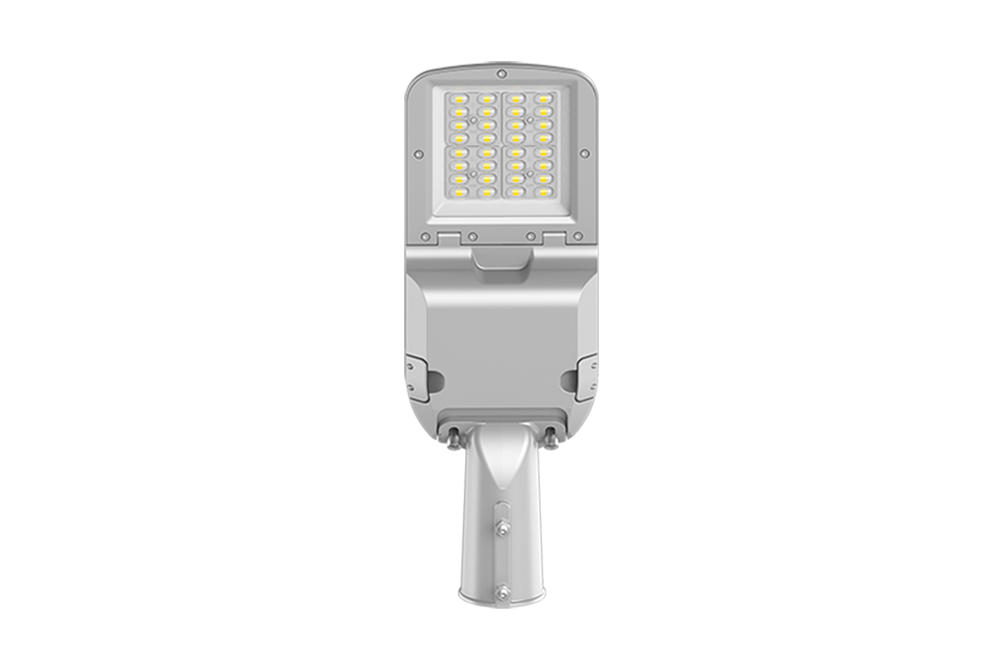
The SEEKING STA Series LED street light delivers strong efficiency, IP66 protection, 10kV surge resistance and multiple beam patterns for roads, parking lots and urban areas. High lumen output, easy installation and reliable performance for long-t…
loading…
This is the last post!
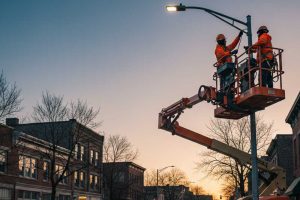
How to install LED street light on poles, roads, and parking areas. A practical installation guide based on real projects, common mistakes, and field experience.
View details
What is hazardous area flood light? A field-based engineering guide explaining explosion-proof flood lighting used in oil, gas, and dust hazardous zones with real standards.
View details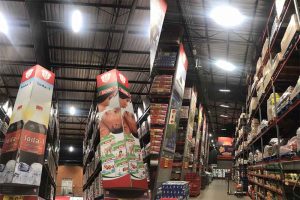
SEEKINGLED delivers a high-efficiency linear high bay lighting solution for South Africa’s first Walmart-branded store, achieving low glare, high lux levels, and 65% energy savings.
View details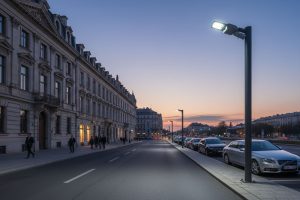
Upgrade outdoor roads with a 150W LED street light delivering 170 lm/W efficiency, long lifespan, and stable performance. Trusted by SEEKINGLED projects.
View details