 Seeking LED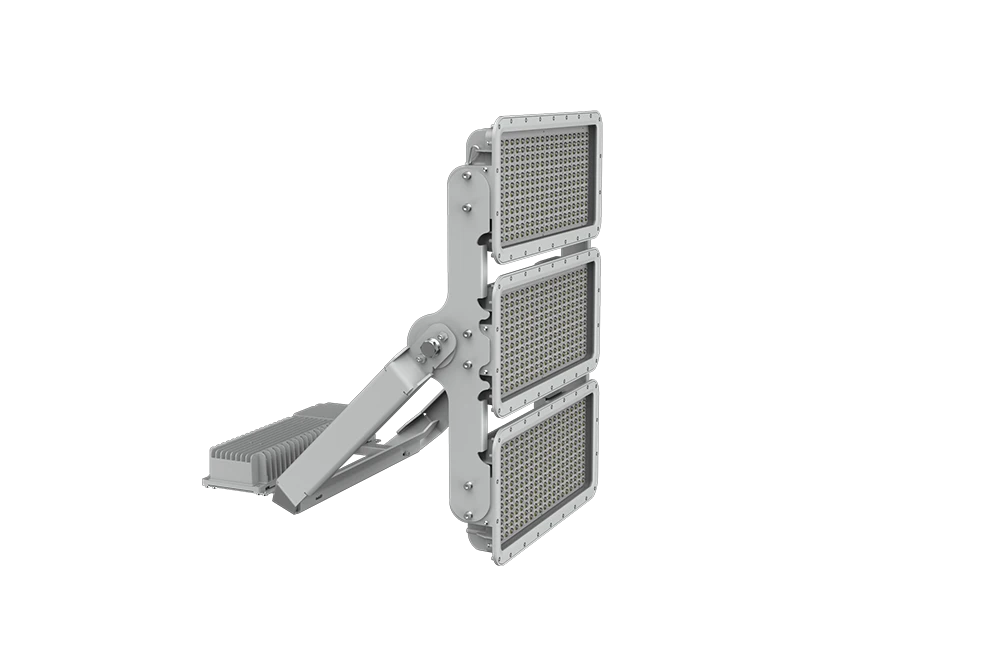
Hazardous Lighting LED: A Field-Tested Guide to Industrial Safety
0Hazardous lighting LED ensures safe illumination in explosive zones. Learn standards, real-world insights, and expert selection tips from SEEKINGLED.
View detailsSearch the whole station
Installing flood lighting looks simple on paper, but anyone who has worked on real outdoor sites knows that small mistakes quickly turn into glare complaints, early failures, or water ingress issues. This led flood light installation guide is written from the perspective of long‑term field installation, not showroom demos. I’ve spent more than a decade working with outdoor LED systems across industrial yards, parking areas, sports facilities, and municipal projects, including large‑scale deployments using SEEKINGLED flood lights.
The goal here is not just to explain how to install an LED flood light, but why certain steps matter if you want stable performance for 5–10 years outdoors.
According to data from the U.S. Department of Energy, poorly installed outdoor lighting can lose up to 20–30% of usable illumination due to incorrect aiming, excessive glare, or obstruction (DOE Solid‑State Lighting Program). In addition, IEC 60598‑2‑5 clearly states that floodlight luminaires must be installed according to specified mounting angles and environmental ratings to maintain safety and IP protection.
In practice, most early failures I’ve seen were not caused by LED chips or drivers. They were caused by:
This led flood light installation guide focuses on avoiding those exact problems.
Before touching the fixture, evaluate the site conditions:
From field data collected by the Illuminating Engineering Society (IES), mounting height has a direct impact on uniformity. For general outdoor areas, flood lights are typically mounted at 4–12 meters, depending on beam angle and lumen output.
Skipping this step is the most common mistake in outdoor LED flood light installation.
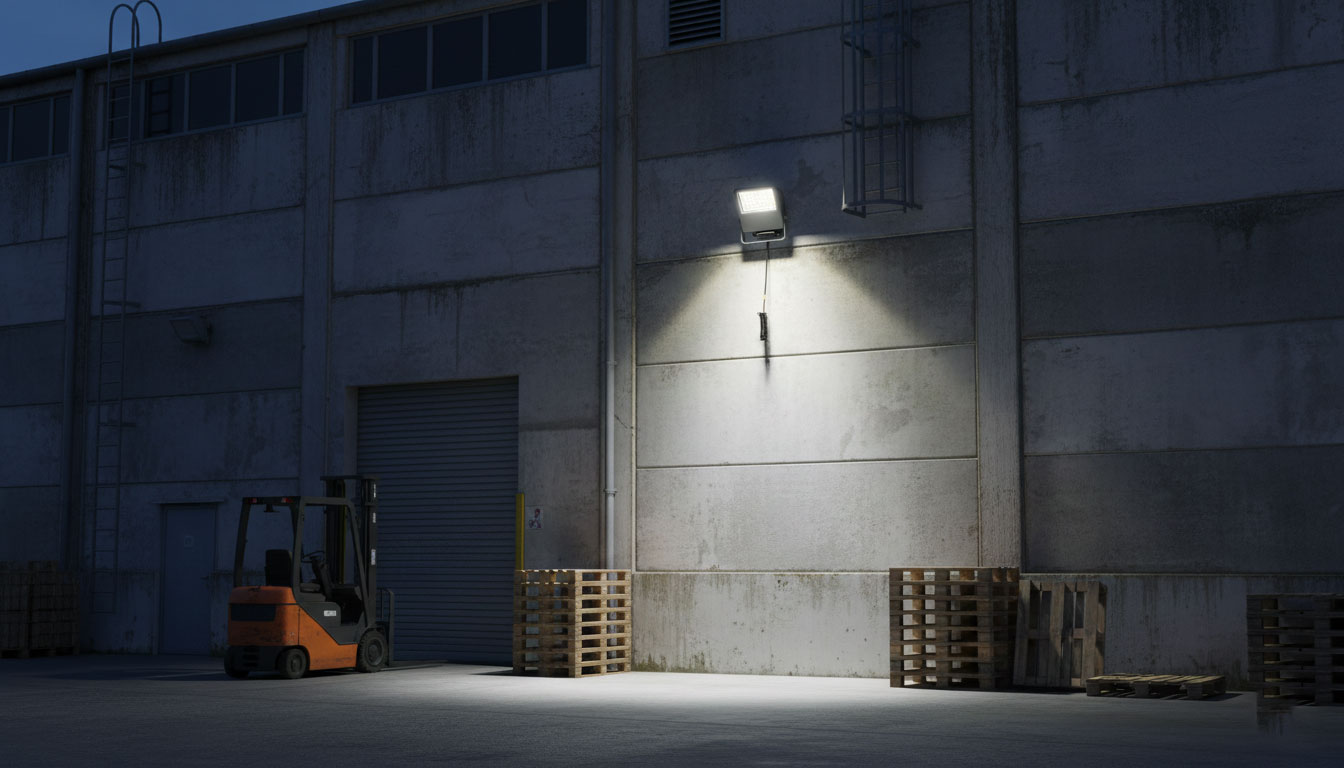
In real installations, flood lights are rarely aimed straight forward. Based on IES outdoor lighting recommendations, the optimal tilt angle for most LED flood lights is between 15° and 45° downward, depending on height.
From experience:
SEEKINGLED flood lights are designed with adjustable brackets that allow fine angle control without stressing the housing. Always tighten mounting bolts after final aiming, not before.
This step directly affects compliance with local glare regulations, especially in North America and Europe.
A common search phrase is LED flood light wiring diagram, but diagrams alone don’t explain field reality. Outdoor wiring must comply with NEC (NFPA 70) in the U.S. or IEC 60364 in international projects.
Key wiring practices:
According to UL installation guidelines, improper grounding remains one of the top causes of driver failure in outdoor LED luminaires.
Never rely on mounting brackets alone as grounding paths.
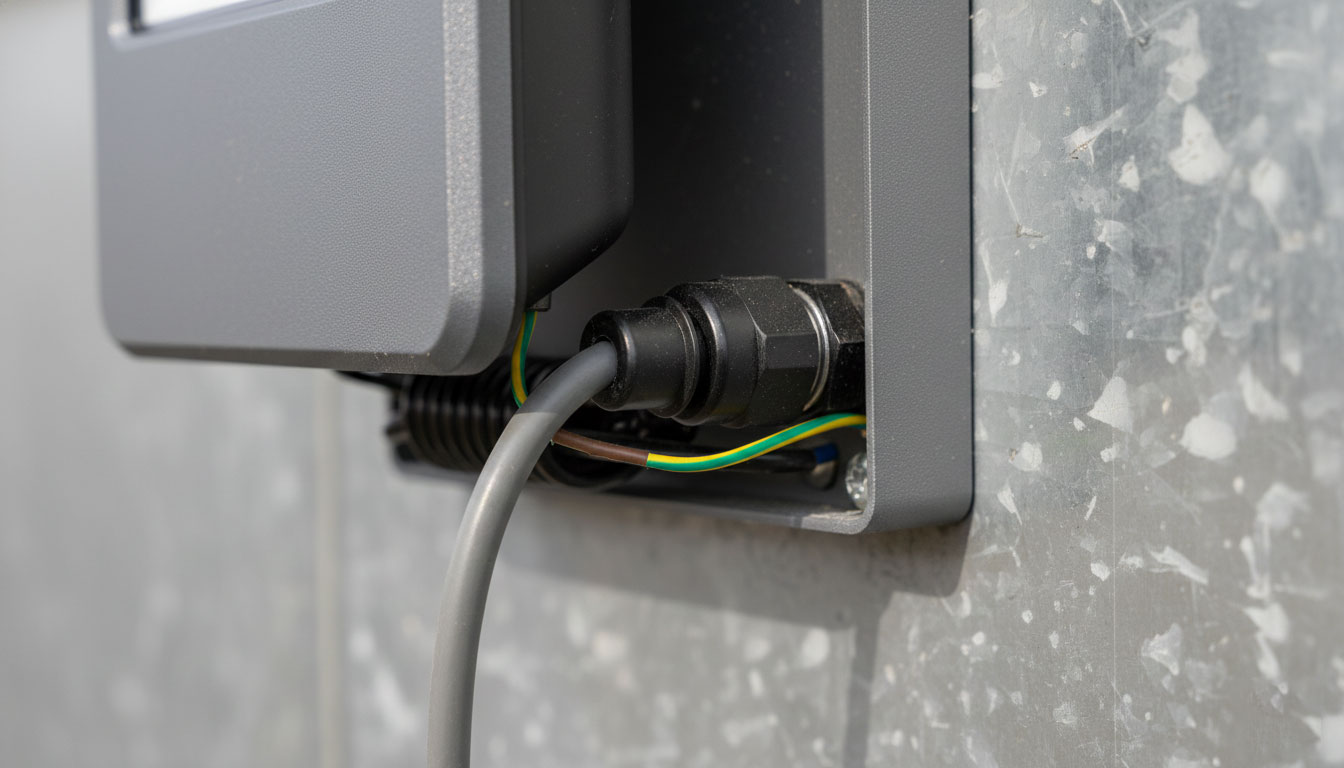
Most SEEKINGLED LED flood lights are rated IP65 or higher, but IP rating only applies when installed correctly. Field failures often happen because installers forget to:
According to IEC 60529, IP testing assumes correct orientation. Mounting a flood light upside‑down or flat can compromise sealing, even if the product itself is compliant.
This is a critical but often overlooked part of any led flood light installation guide.
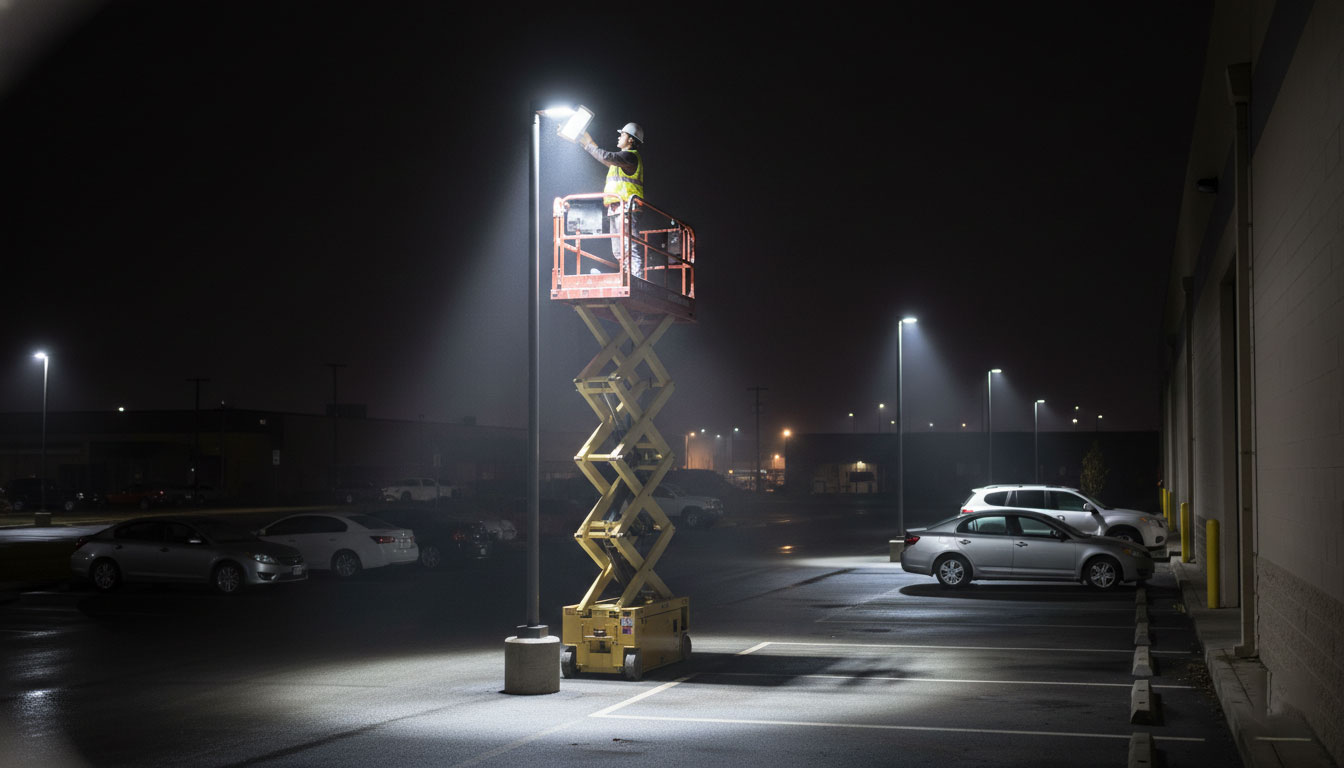
Before closing access equipment:
IES field studies show that final nighttime adjustment improves perceived uniformity by up to 25% compared to daytime alignment.
Once adjusted, re‑tighten all mechanical fasteners.
This led flood light installation guide is written by an outdoor lighting engineer with over 12 years of hands‑on experience in LED project design and installation. I’ve worked on commercial, industrial, and municipal lighting projects across Europe and Southeast Asia, including long‑term deployments using SEEKINGLED flood lights in harsh outdoor environments.
The guidance here reflects real installation outcomes, post‑project audits, and maintenance feedback — not marketing assumptions.
A successful LED project depends as much on installation as on product quality. Following a structured led flood light installation guide helps protect performance, safety, and long‑term return on investment. With proper mounting, wiring, sealing, and aiming, SEEKINGLED flood lights deliver reliable outdoor illumination for years, even in demanding conditions.
Sports Stadium LED Lighting by SEEKINGLED delivers high mast illumination, precise beam control, and EN 12193 compliant performance for professional venues.
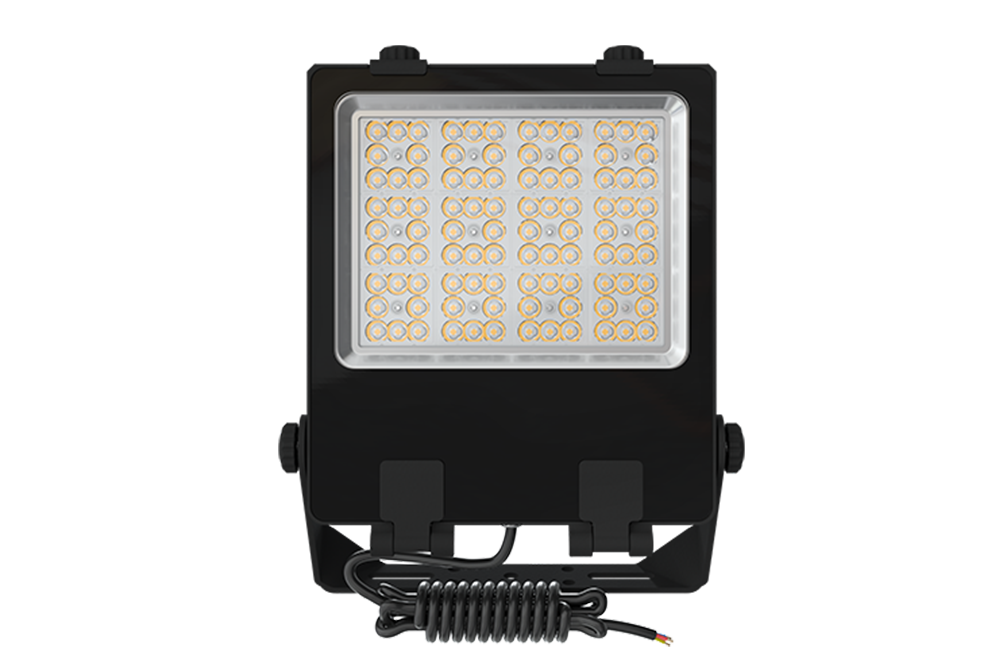
SEEKING FLX Series LED flood light outdoor for sports courts and open-area projects with 170lm/W efficiency, IP66 protection and multiple beam distributions. Designed for long-life commercial and public outdoor use.
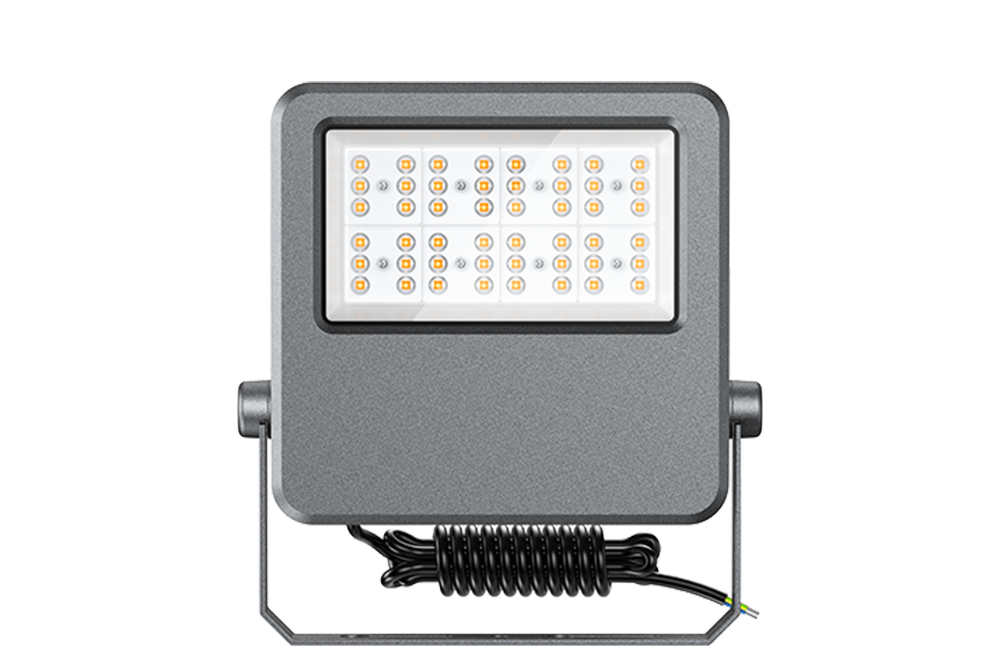
SEEKING FLE Series LED outdoor flood lights for sports grounds and open areas with multiple beam angles, IP66 protection and up to 170lm/W. Designed for long-life outdoor installations with professional driver options.
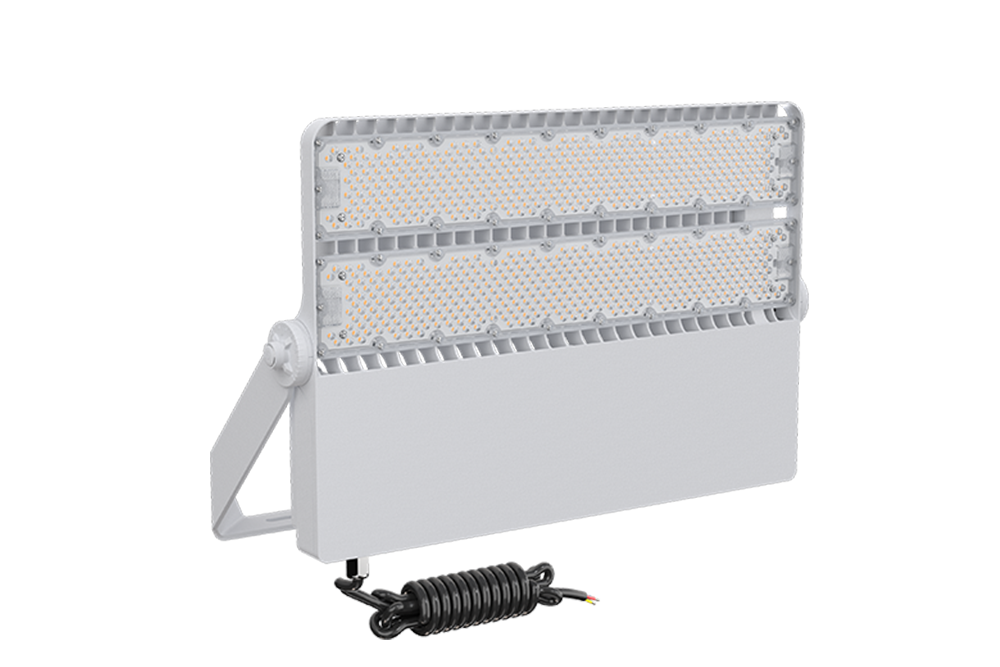
SEEKING FLD Series outdoor LED flood lights and high power led flood light deliver up to 960W with precision beam angles for sports fields, stadiums and large outdoor areas. IK08 & IP66 protection, 170lm/W efficiency and 100,000h lifetime.
loading…
This is the last post!

Hazardous lighting LED ensures safe illumination in explosive zones. Learn standards, real-world insights, and expert selection tips from SEEKINGLED.
View details
How Bright Is 10W LED Flood Light? Learn lumen output, coverage, and real use cases. Discover if a 10W LED flood light is enough for your space.
View details
Custom wine cellar lighting for winery fermentation spaces. Low heat, moisture-resistant, and tailored layouts for barrels and production by SEEKINGLED.
View details
Flood light lumen needs depend on area, mounting height, beam angle, application, and required illuminance.
View details