 Seeking LED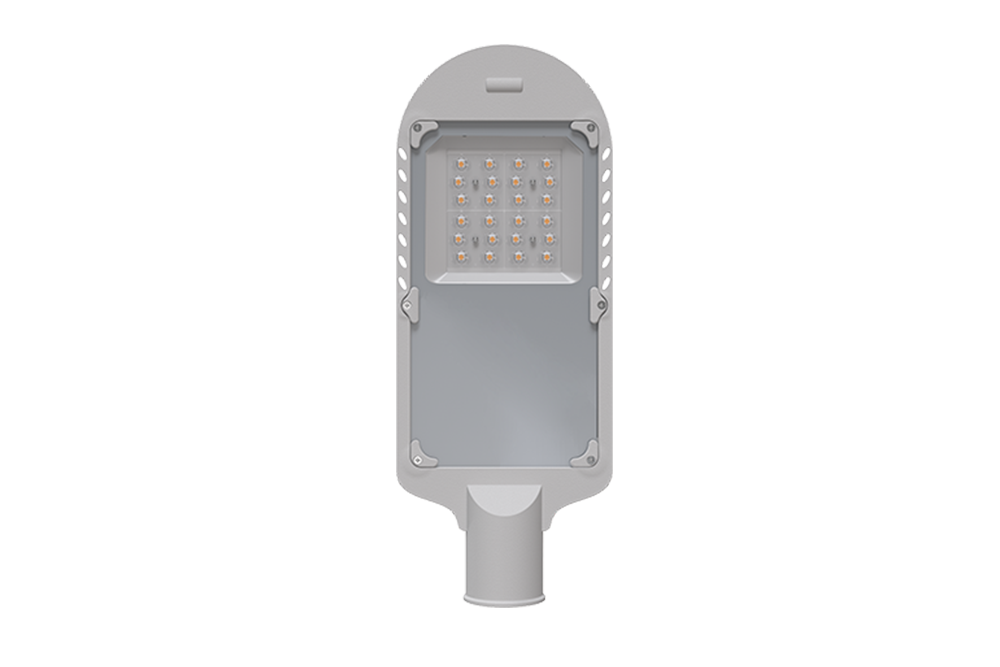
LED Street Light Wholesale: What Matters After the First Container Ships
161LED street light wholesale solutions for distributors and contractors, combining stable quality, bulk pricing, and long-term reliability by SEEKINGLED.
View detailsSearch the whole station
Amber light used to feel niche.
Traffic signals, warning beacons, maybe some specialty fixtures. That was it.
But lately, amber color LED keeps showing up in outdoor projects where white light used to dominate. And it’s not a trend thing. It’s practical.
Once you stand under it at night, the reason becomes obvious.
An amber color LED operates in a narrow wavelength range, typically around 590–600 nm. That sounds technical, but here’s what it means on site:
You don’t get that sharp “white glare” effect. Instead, visibility feels calmer. Controlled. Especially noticeable after rain or fog.
At SEEKINGLED, customers usually ask for amber only after they’ve been burned by complaints about glare or light spill. Once they switch, they rarely go back.
Not everywhere. Let’s be clear.
Amber color LED outdoor lighting works best when visibility and comfort matter more than color rendering.
Common real-world uses:
Where it doesn’t fit well:
Amber is functional lighting, not decorative shine.
Yes. And this part is not marketing fluff.
An amber color LED light pollution setup dramatically reduces sky glow because it avoids blue wavelengths that scatter easily in the atmosphere. That’s why many municipalities now specify amber for environmentally sensitive zones.
From experience, inspectors don’t argue about it. Residents complain less. Wildlife disruption drops.
That’s also why amber color LED street light projects are becoming easier to approve than cool-white ones.
Here’s something people only notice after installation.
Insects don’t swarm amber light the way they do white or cool LEDs. A properly designed amber color LED insect friendly system keeps bugs lower, which means cleaner fixtures and fewer maintenance calls.
It’s subtle. But after one summer season, the difference is obvious.
SEEKINGLED has seen this firsthand in park and riverside projects. Less buildup. Less cleaning. Less downtime.
An amber color LED isn’t about brightness.
It’s about control.
If your project needs comfort, compliance, and long-term acceptance — amber makes sense. If you just want maximum lumens on paper, look elsewhere.
That’s the honest line. And that’s why SEEKINGLED treats amber lighting as a solution, not a color option.
SEEKING STL-Series LED street lights deliver stable performance, 170 lm/W efficiency and 10KV surge protection. Ideal for city streets, parking lots, public roads and outdoor area lighting projects. Durable IP66 & IK08 design for long-term reliabi…
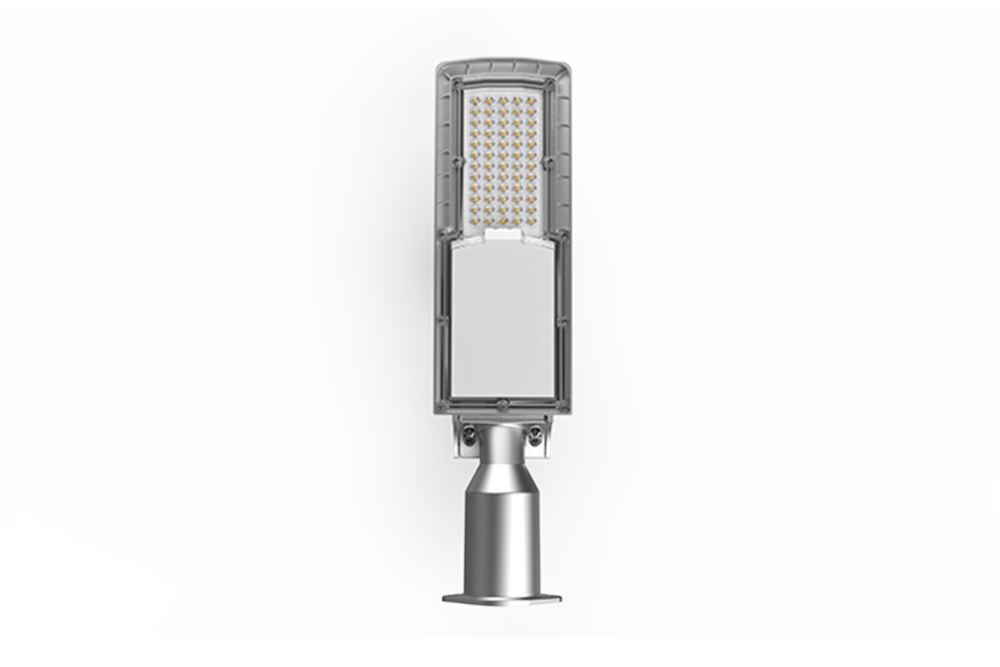
The SEEKING STC Series LED light street light delivers up to 170lm/W efficiency with MOSO drivers, IP66 protection, and a ±15° adjustable arm—ideal for roads, residential areas, and public lighting upgrades.
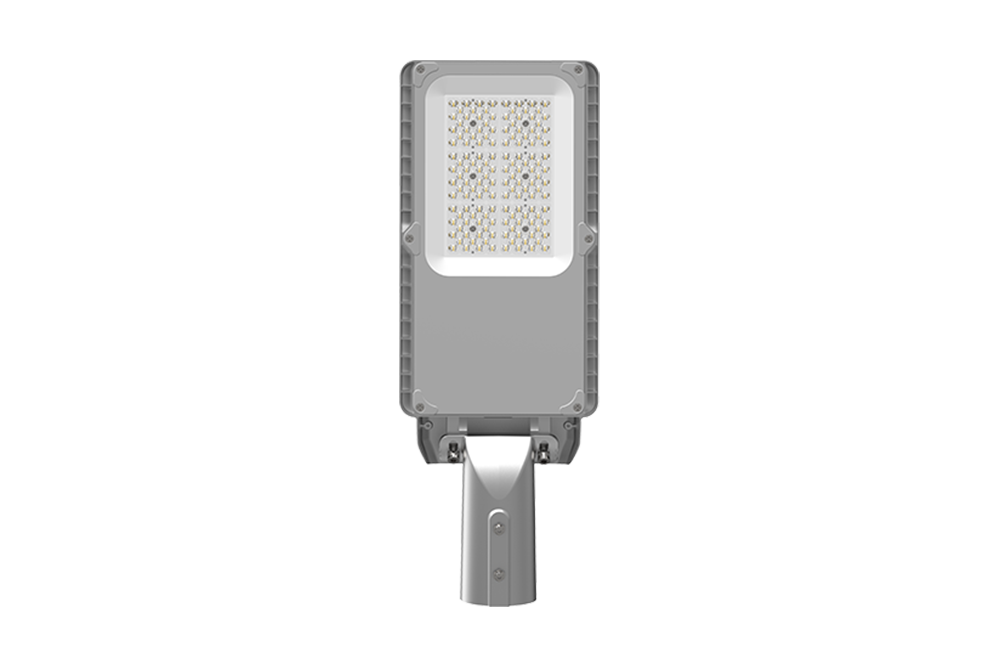
SEEKING STB Series LED street lighting delivers up to 160 lm/W, 10kV surge protection, IP66 waterproofing, and durable IK08 impact resistance. Ideal for streets, parking lots, and large outdoor areas needing long-lasting, energy-saving LED roadway…
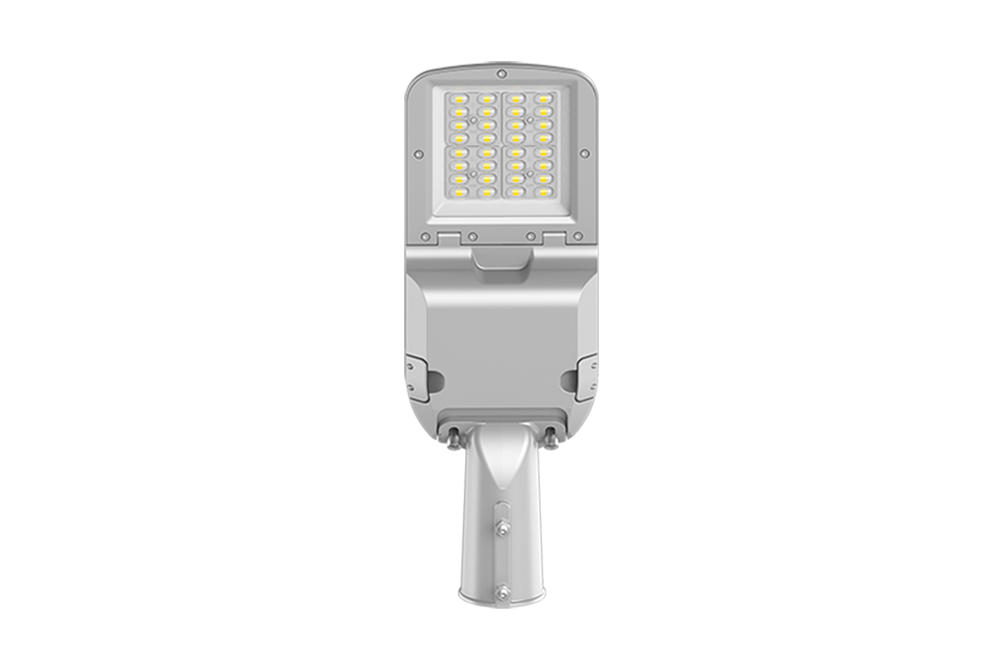
The SEEKING STA Series LED street light delivers strong efficiency, IP66 protection, 10kV surge resistance and multiple beam patterns for roads, parking lots and urban areas. High lumen output, easy installation and reliable performance for long-t…
loading…
This is the last post!
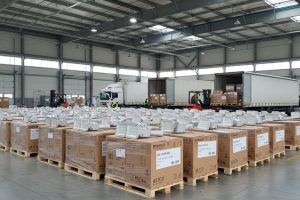
LED street light wholesale solutions for distributors and contractors, combining stable quality, bulk pricing, and long-term reliability by SEEKINGLED.
View details
Floodlight vs spotlight—what really works on-site? Compare beam angles, lighting effects, and choose the right solution with SEEKINGLED professional lighting.
View details
Discover what is high bay LED lighting, how it works, where it is used, and why industries choose LED high bay solutions for efficient commercial illumination.
View details
How long does a LED light last in real use? See actual lifespan, key failure factors, and why SEEKINGLED lighting keeps performance stable over time.
View details