ATEX approved LED lighting isn’t something most engineers think about until they stand inside a real hazardous environment and realize that ordinary lighting simply isn’t allowed there.
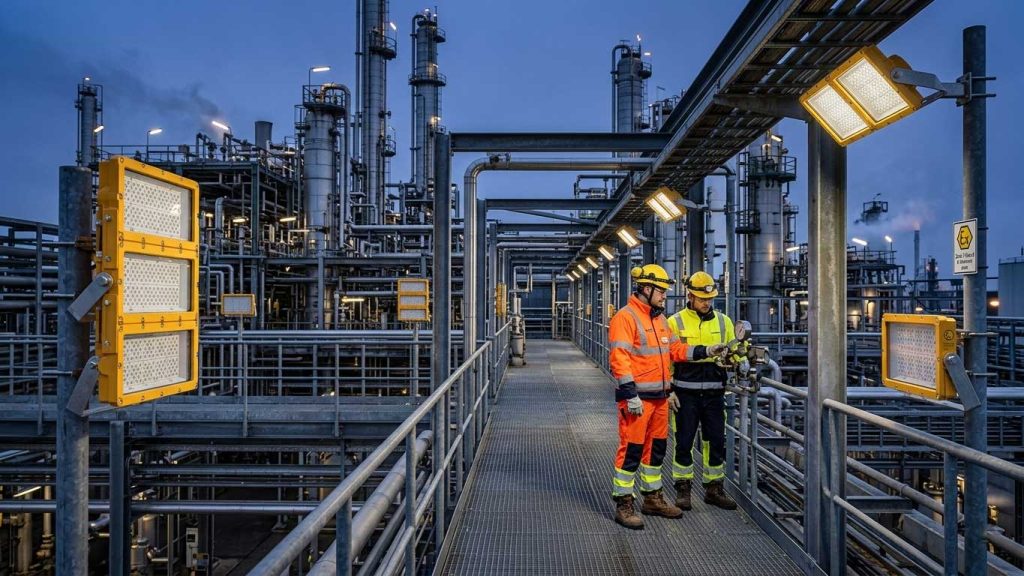
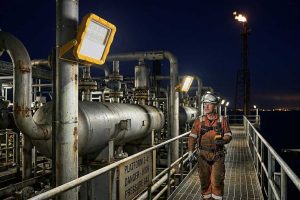
I remember visiting a petrochemical processing area in Northern Europe during a late afternoon inspection. The sun was dropping behind the storage tanks, and the facility lighting had just switched on. Long pipe racks stretched across the plant, valves and pressure gauges everywhere. Workers moved carefully along the walkways.
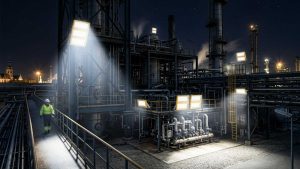
And above them, mounted to heavy steel brackets, were explosion-proof luminaires—solid, industrial, and unmistakably built for dangerous environments.
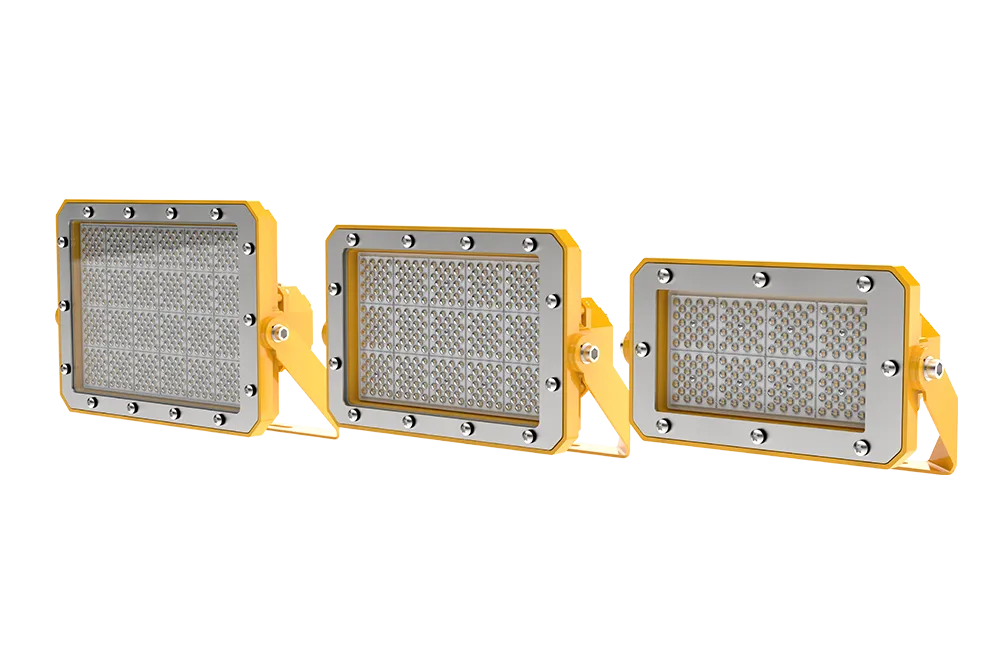
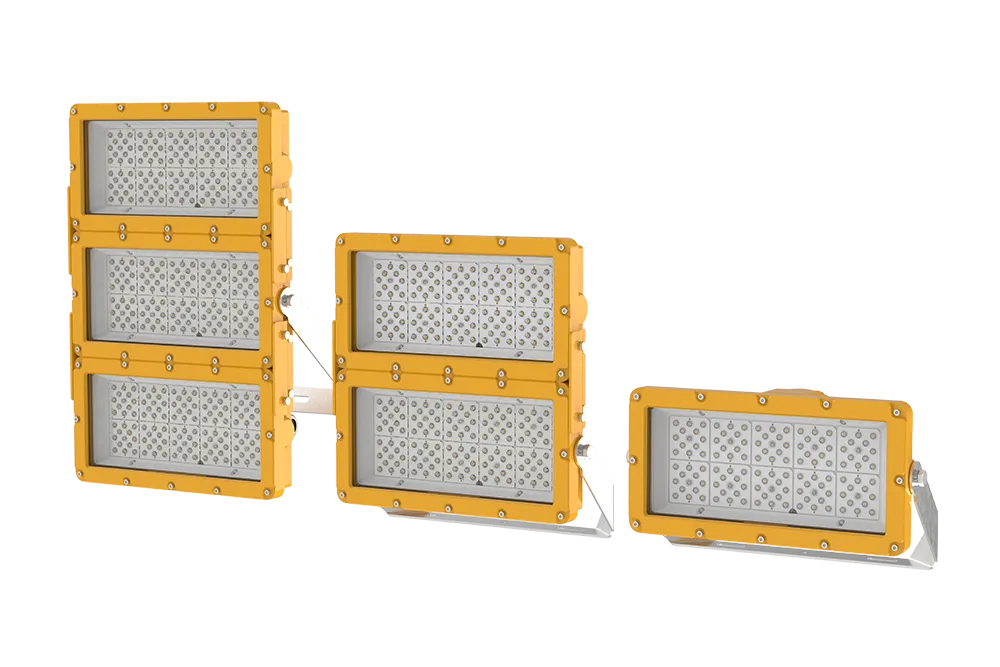
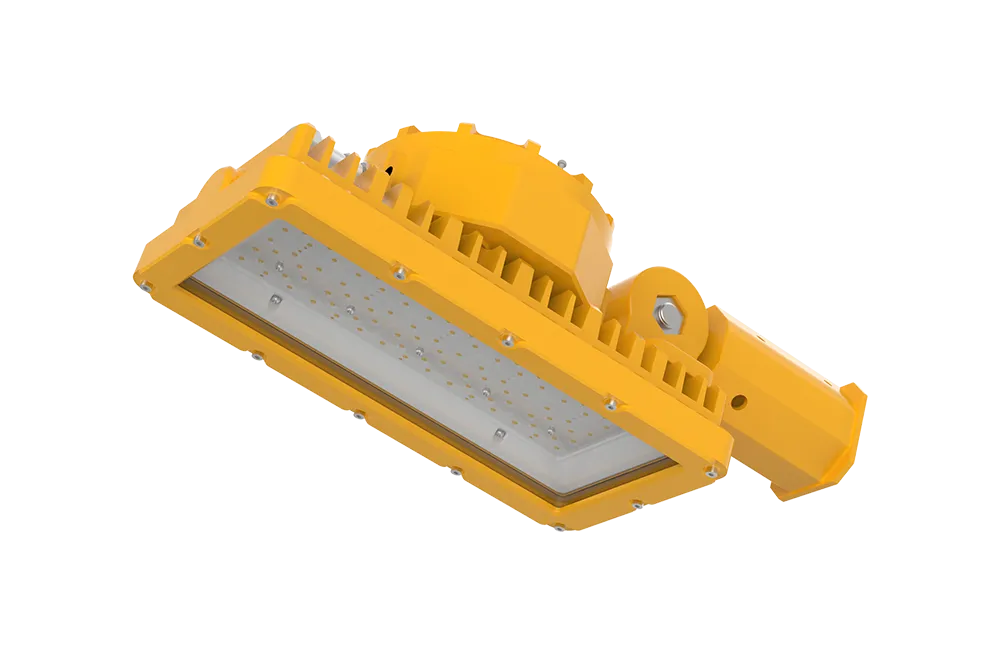
Those were atex approved led lighting fixtures, and in that moment the design made perfect sense.
Why Hazardous Facilities Require ATEX Approval
Industrial facilities dealing with flammable gases, vapors, or combustible dust must follow strict safety regulations.
In Europe, those requirements come from ATEX directives established by the European Commission. The name “ATEX” originates from the French Atmosphères Explosibles, referring to explosive atmospheres.
The directives regulate equipment used in potentially explosive environments and classify hazardous zones into categories such as:
- Zone 0 – explosive atmosphere continuously present
- Zone 1 – explosive atmosphere likely during operation
- Zone 2 – explosive atmosphere unlikely but possible
Lighting equipment installed in these areas must be specifically designed and certified so it cannot ignite surrounding gases or dust.
That’s where atex approved led lighting becomes essential.
A Real Shift Happening Across Industrial Sites
A decade ago, many hazardous-area installations still relied on traditional lighting technologies—mostly high-pressure sodium or metal-halide lamps.
They produced strong light, but they had limitations.
Warm-up time could take several minutes. Maintenance crews replaced lamps regularly. Energy consumption was significant.
LED technology changed the equation.
According to data published by the U.S. Department of Energy, LED lighting systems can reduce energy consumption by 50–70% compared with traditional lighting technologies, depending on the application.
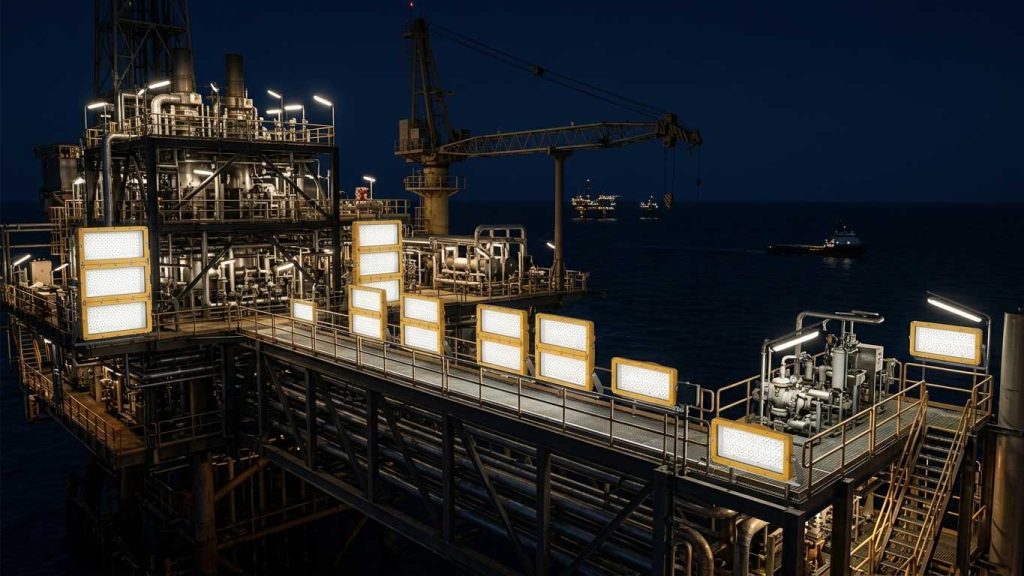
For large refineries, chemical plants, or offshore platforms operating around the clock, those energy savings quickly add up.
Facilities upgrading to atex approved led lighting often notice improvements in efficiency, reliability, and maintenance schedules.
What Makes ATEX Approved LED Lighting Different
Standing beneath one of these fixtures, you immediately notice something: they’re built like industrial equipment, not decorative lighting.
The design requirements are strict.
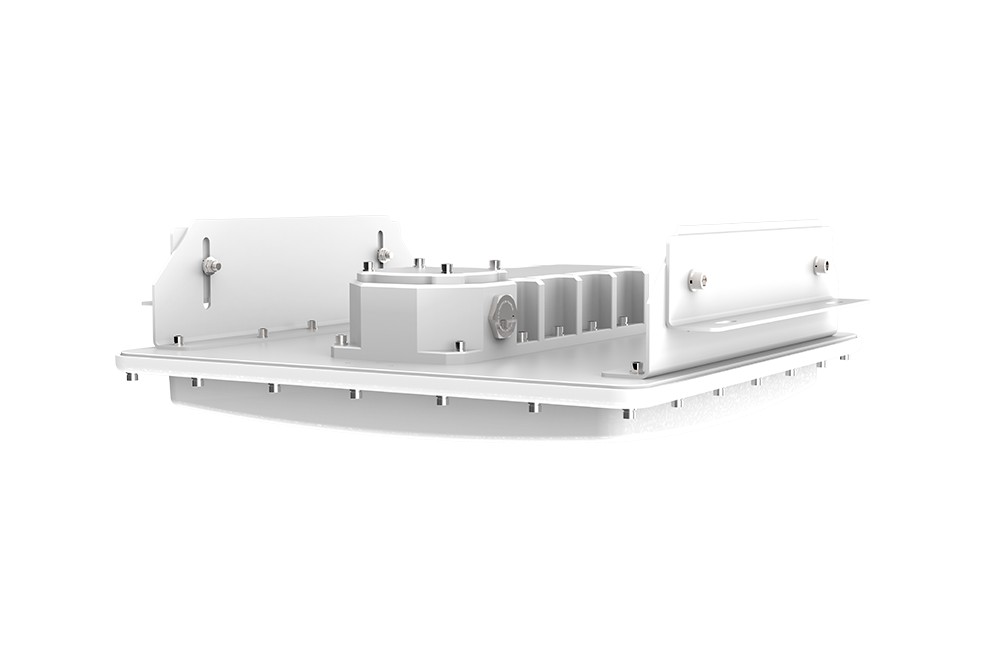
A properly engineered atex approved led lighting fixture includes several critical elements:
Explosion-proof housing
Thick aluminum or stainless-steel enclosures contain any internal electrical fault.
Temperature control
Surface temperatures must remain below ignition levels for surrounding gases.
Sealed electrical components
Cable entries and drivers are protected to prevent sparks.
Impact-resistant lenses
Industrial environments involve vibration, tools, and heavy equipment.
Manufacturers like SEEKINGLED focus heavily on these structural elements because hazardous-area lighting must operate safely under demanding conditions.
Lighting Uniformity Matters in Hazardous Work Areas
One detail that often surprises engineers during site visits is how uneven industrial lighting can be.
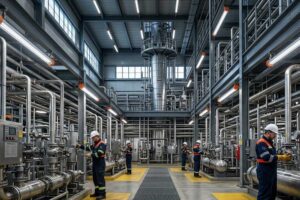
Even powerful fixtures sometimes produce strong bright spots directly beneath them, leaving shadows between equipment structures.
In hazardous environments where workers inspect valves, read gauges, or operate machinery, those shadows can become a problem.
Good atex approved led lighting systems address this through optical design.
Beam angles, reflectors, and lens structures distribute light more evenly across the working area.
That difference becomes obvious when older fixtures are replaced with modern LED systems.
Maintenance Reality Inside Hazardous Zones
Lighting maintenance in hazardous areas is rarely simple.
Replacing a fixture can require safety permits, special equipment, and sometimes temporary shutdown procedures.
That’s one reason industrial operators prefer long-life lighting systems.
Many modern atex approved led lighting fixtures are designed to operate for 50,000 hours or more before significant lumen depreciation occurs.
For facilities operating continuously, that reliability significantly reduces maintenance interventions.
While ATEX regulations govern equipment within the European Union, many international projects also reference standards from the International Electrotechnical Commission, particularly the IECEx certification system.
These standards ensure electrical equipment—including lighting—can operate safely in explosive atmospheres.
Compliance with such regulations is critical for any industrial lighting manufacturer working in hazardous-area markets.
Companies like SEEKINGLED design their hazardous-area luminaires to meet these international requirements so they can be used across a wide range of industrial projects.
atex approved led lighting recommended
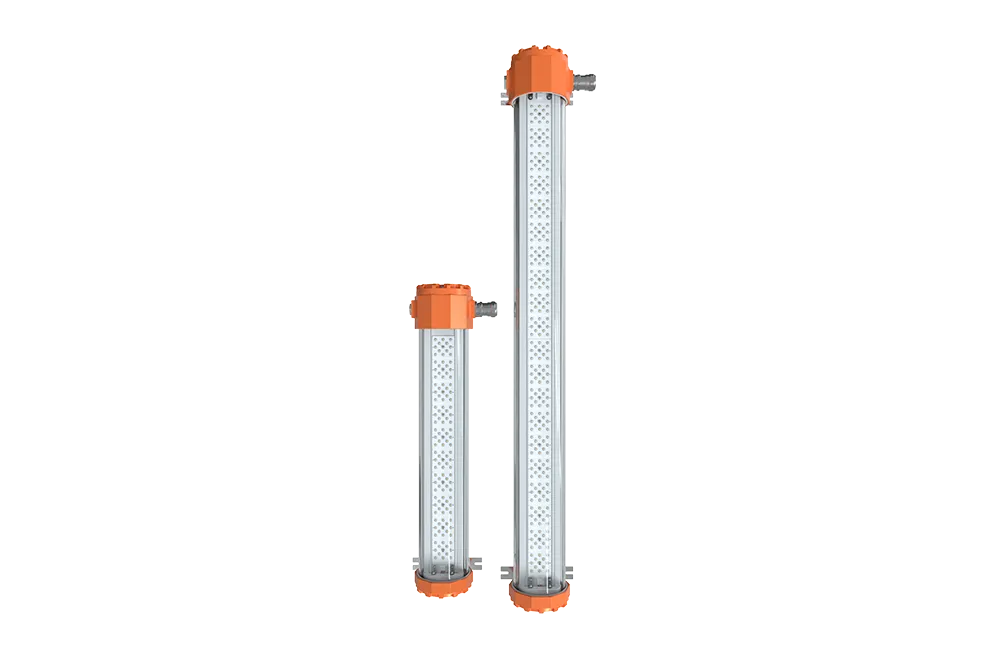
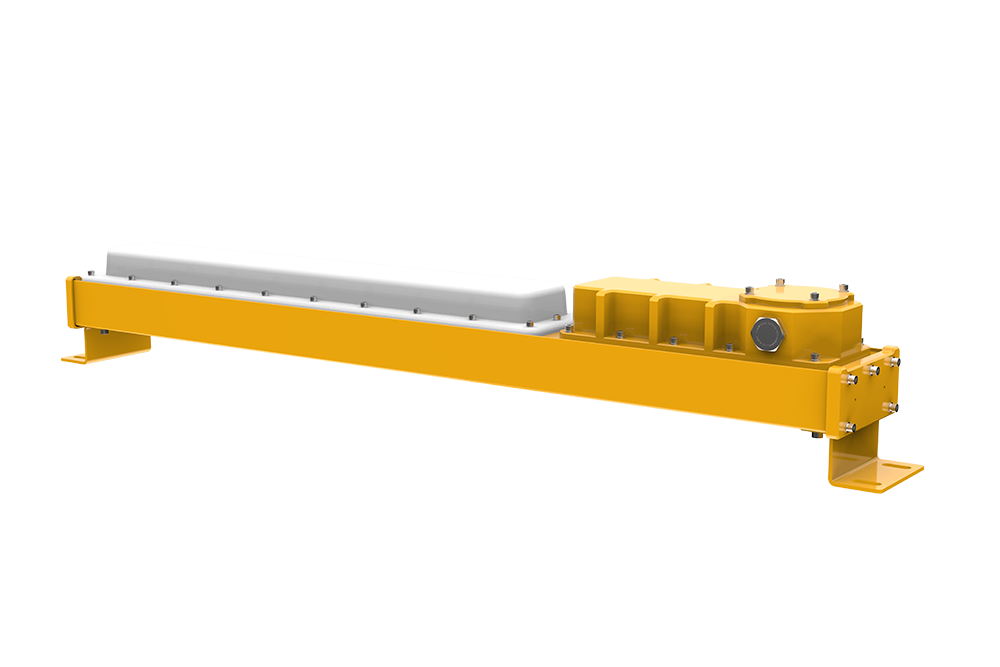
SEEKINGLED LED Linear Explosion Proof Light and Explosion Proof lighting is ATEX and IECEx certified for Zone 1, Zone 2, Zone 21 and Zone 22 hazardous locations, built for long-term industrial use.
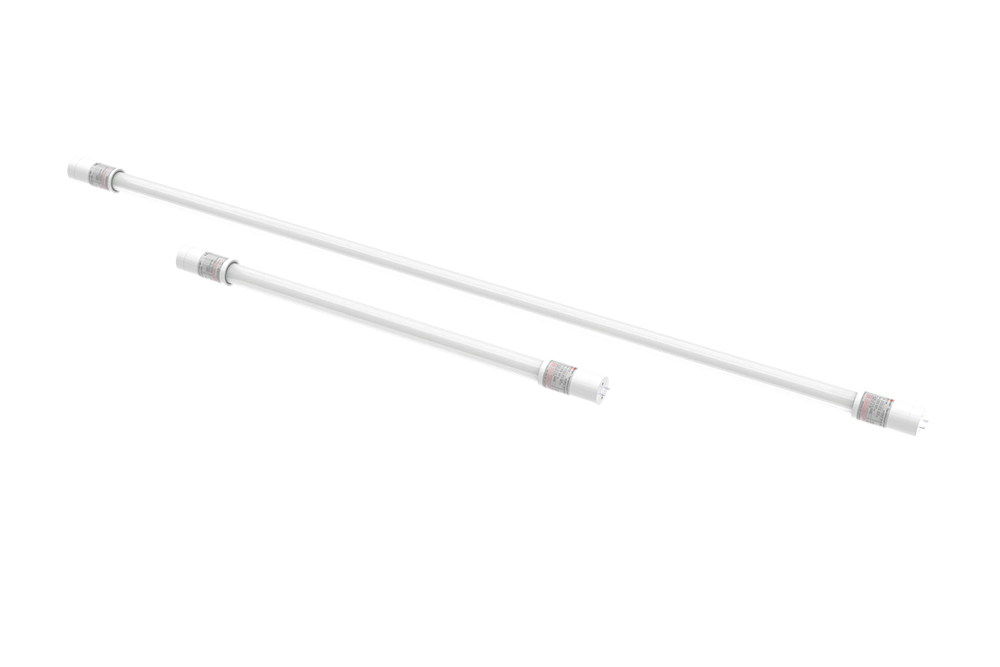
LED Linear Explosion Proof Lights and EX Proof lights for Zone 1, Zone 2, Zone 21 and Zone 22 hazardous areas. ATEX & IECEx certified explosion proof LED linear lighting with emergency function, adjustable power and IP67 protection by SEEKINGLED.
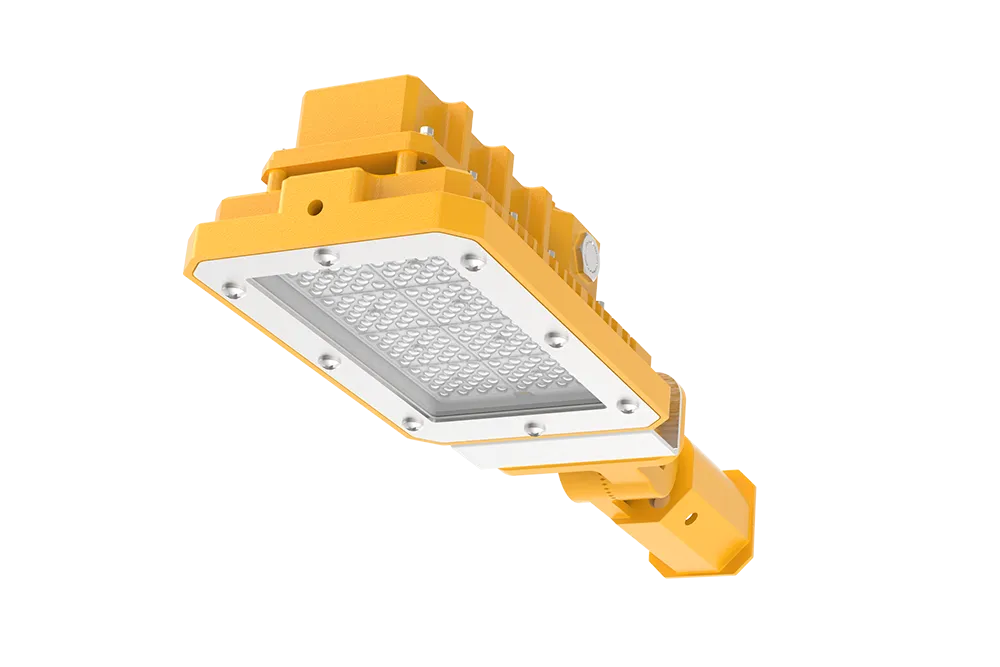
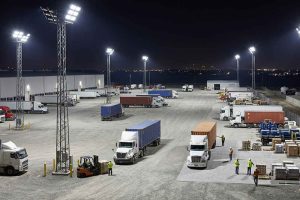
SEEKINGLED LED Explosion Proof Flood Lights are ATEX certified for Zone 2 and Zone 22 hazardous areas, offering high efficiency, adjustable power and integrated junction box.
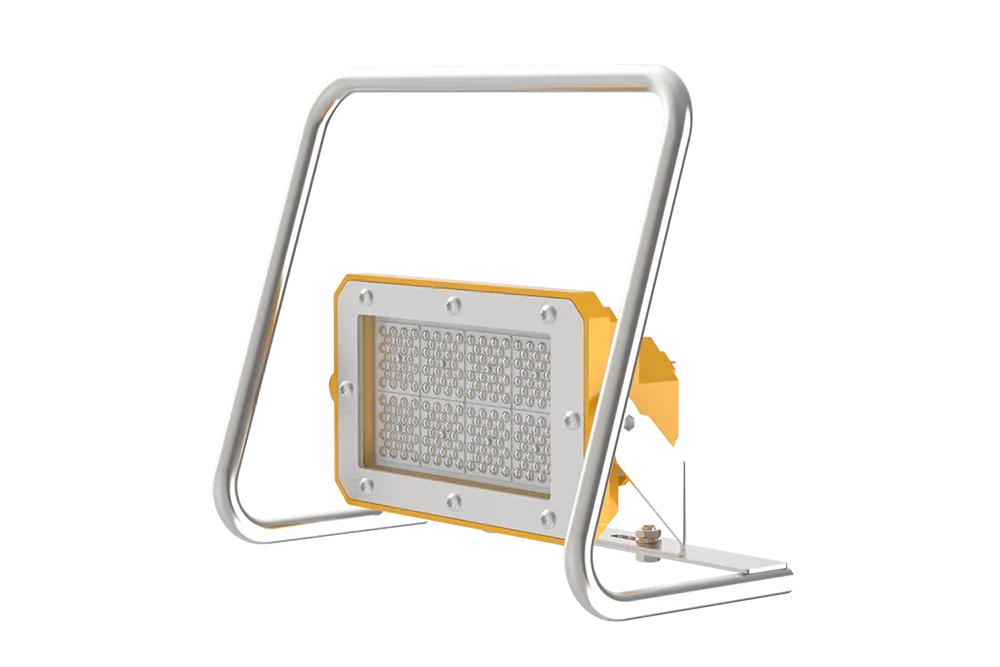
SEEKINGLED LED Explosion Proof Flood Lights are flameproof ATEX and IECEx certified for Zone 1 and Zone 2 hazardous areas, offering high power, adjustable output and long service life.
SEEKINGLED LED Gas Station Canopy Lights are ATEX certified for Zone 2 and Zone 22 hazardous areas, featuring adjustable power and built-in explosion-proof junction box.
ATEX: Ex II 2G Ex db IIB T6/T5 GbEx II 2D Ex tb IIIC T80°C/ T95°C Db IECEx Ex db IIB T6 Gb;Ex tb IIIC T80°C Db Feature: ● For Zone 1,2 and Zone 21,22● Flameproof type, the strongest● 100W can replace 250W HID,energy saving● Power:60W,80W,10…
ATEX: II 3G Ex nR ⅡC T5/T6 GcII 3D Ex tc ⅢC T80℃/T95℃Dc ATEX Certificate NO: TÜV CY 26 ATEX 0207611 X Feature: ● For Zone 2 and Zone 22● 150W can replace 250W HID lamps,Energy saving● Power:50W,75W,100W,150W,200W Application: Oil and gas, m…
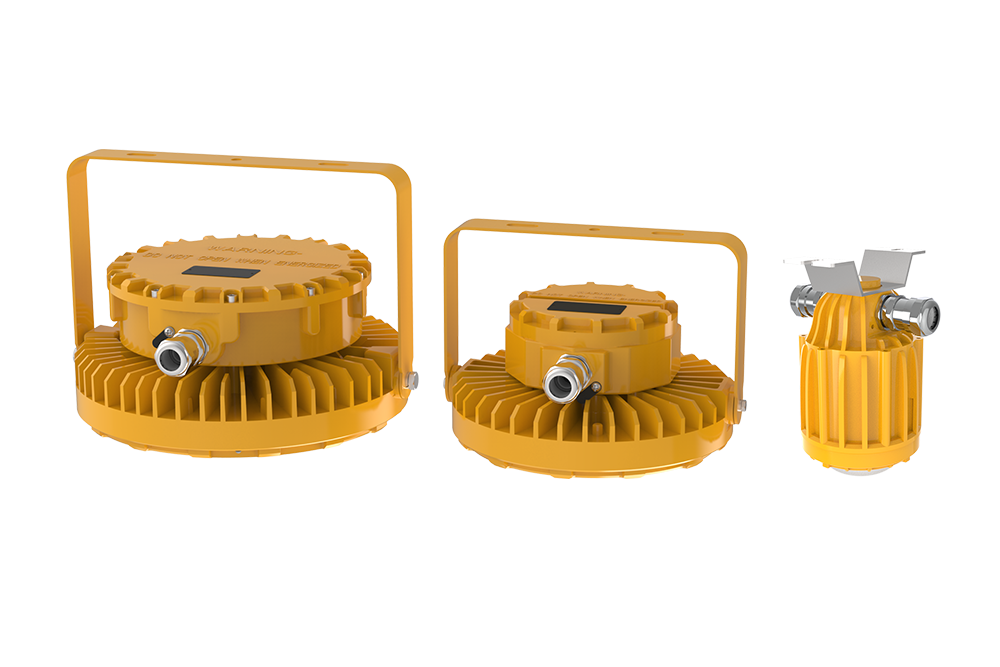
LED explosion proof high bay lights are designed for Zone 1, Zone 2, Zone 21 and Zone 22 hazardous areas. This page introduces the HB21 Series from SEEKING, including certifications, power options and real application considerations.
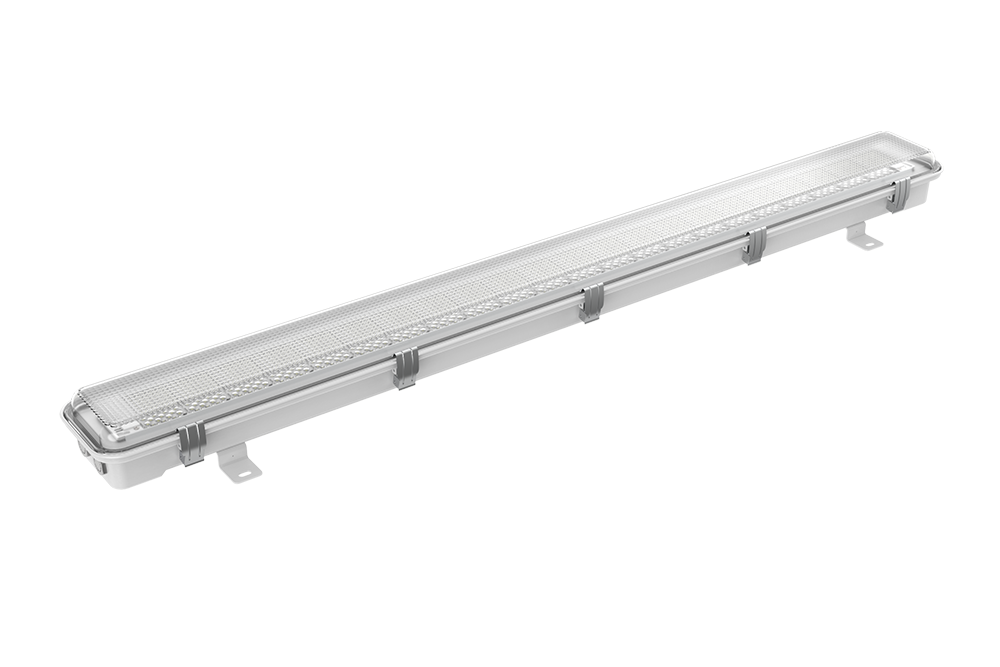
LED Linear Explosion Proof Lights from SEEKINGLED. LU Series Flame Proof lights ATEX-certified explosion proof LED linear lighting for Zone 2 gas and Zone 22 dust areas, IP69K, IK10, long lifetime and flexible power options.
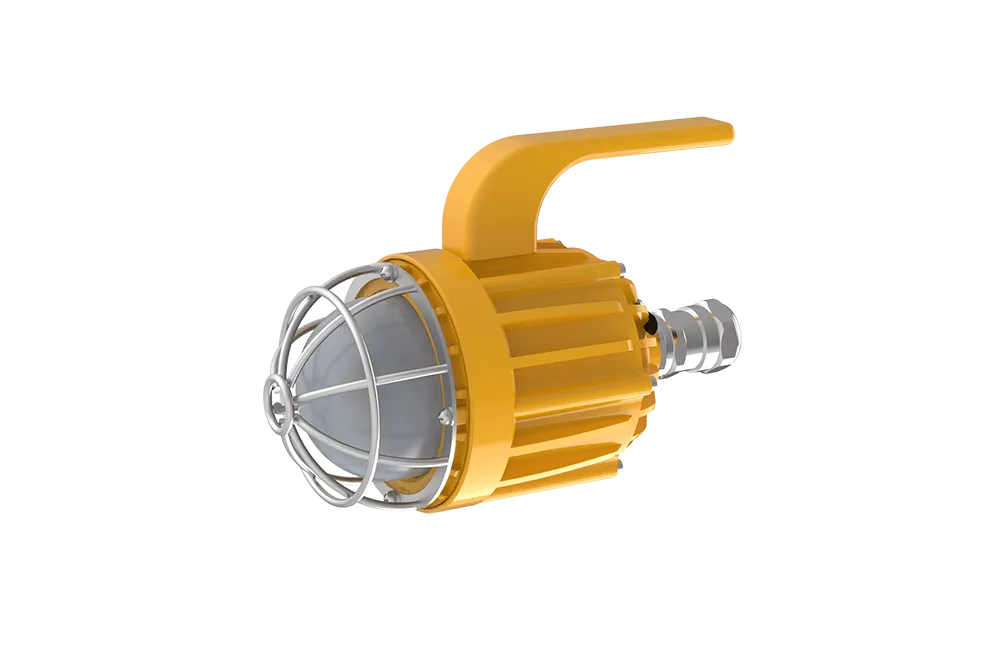
Certified explosion proof work lights for Zone 1 & 21 hazardous areas. Portable, ATEX & IECEx approved, built for oil, gas and chemical plants by SEEKINGLED.
ATEX: II 3G Ex nR ⅡC T6 GcII 3D Ex tc ⅢC T80℃ Dc ATEX Certificate NO: TÜV CY 26 ATEX 0207611 X Feature: ● For Zone 2 and Zone 22● Accepts battery-powered supply● indestructible● Power:AC input:50W,75W,100WDC input:15W,25W,35W Application: O…
ATEX: Ex II 2G Ex db IIB T6 GbEx II 2D Ex tb IIIC T80°C Db IECEx Ex db IIB T6 Gb;Ex tb IIIC T80°C Db Feature: ● For Zone 1,2 and Zone 21,22● Flameproof type, the strongest Application: Oil and gas, marine, Chemical, pharmaceutical, semicondu…
ATEX: Ex II 2G Ex db IIB T6 GbEx II 2D Ex tb IIIC T80°C Db IECEx Ex db IIB T6 Gb;Ex tb IIIC T80°C Db Feature: ● For Zone 1,2 and Zone 21,22● Flameproof type, the strongest Application: Oil and gas, marine, Chemical, pharmaceutical, semicondu…
ATEX: Ex II 2G Ex d e IIB T6 Gb ATEX: Ex d e IIB T6 Gb; Feature: ● For Zone 1,2● 9W can replace 18W fluorescent lamps,50% Energy saving Application: Oil and gas, marine, Chemical, pharmaceutical, semiconductor,mining,military industry, pain…
loading…
This is the last post!
 Seeking LED