 Seeking LED
atex zone 0 lighting for Areas with Continuous Explosion Risk
0Discover atex zone 0 lighting solutions designed for explosive gas environments. Learn certification, safety standards, and industrial applications from SEEKINGLED.
View detailsSearch the whole station
are flood lights good for security? Yes. Flood lights can improve security by increasing visibility around entrances, driveways, parking areas, warehouses, and property boundaries. Their value depends on correct placement, beam control, glare management, and coverage rather than simply choosing the highest-wattage fixture.
In practical commercial lighting projects, the first thing to examine is not the wattage printed on the box. It is what the light actually reveals at night.
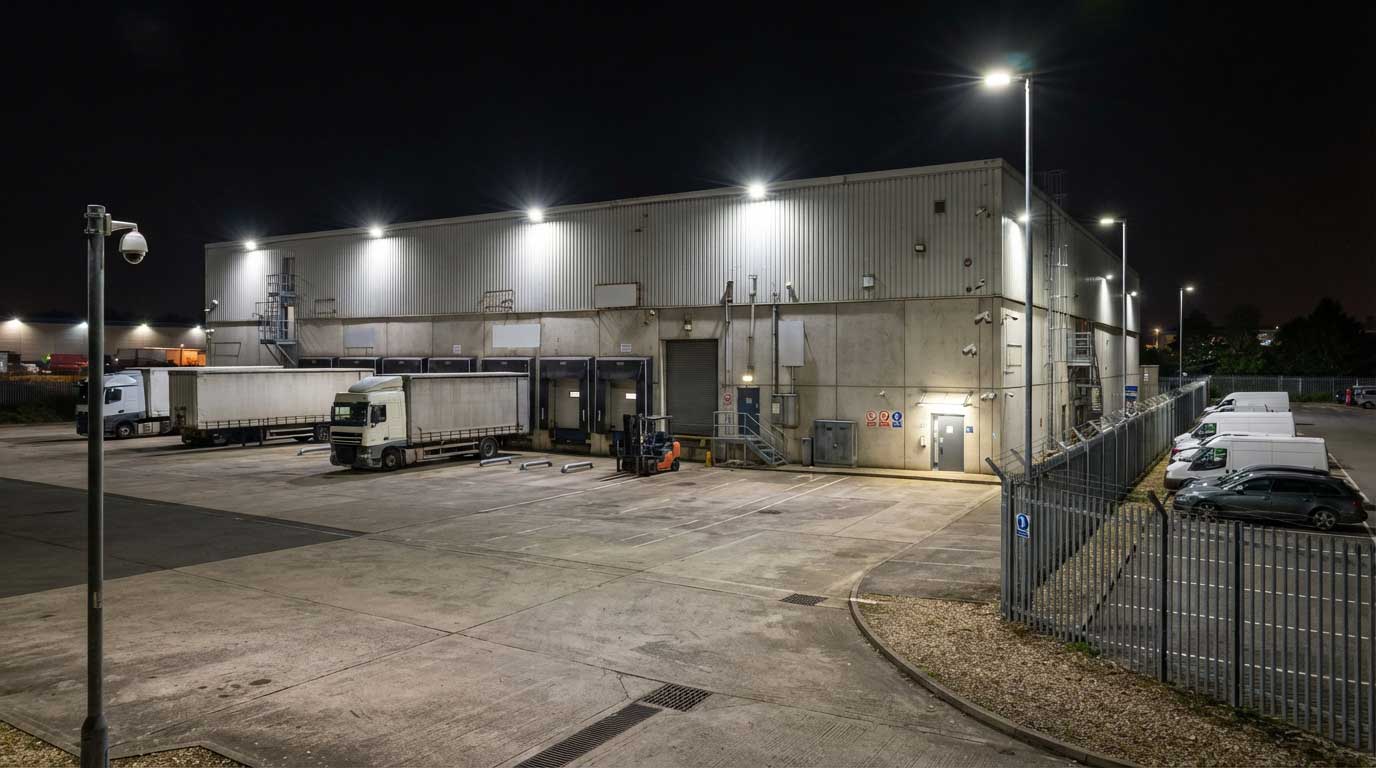
A 300W flood light pointed directly toward a camera can create glare and leave the area behind the fixture comparatively dark. A lower-output fixture aimed across an entrance, loading bay, or fence line may produce a more useful security environment.
This principle is consistent with Crime Prevention Through Environmental Design (CPTED), which treats lighting as part of natural surveillance and site design. U.S. Department of Justice materials describe outdoor lighting as one element that can improve observability and reduce opportunities for crime when properly integrated with the surrounding environment.
Security lighting primarily helps people and security systems see what is happening.
A well-designed flood-light installation can make movement around a property easier to observe after dark. It can illuminate:
The key word is coverage.
An old U.S. Department of Justice security-lighting guide specifically identifies coverage as a critical consideration for outdoor protective lighting and warns that lighting from only one direction can create deep shadows behind landscaping or physical barriers.
That is something experienced installers notice immediately. Walk around the site after installation rather than judging the result from the electrical drawing. The dark strip behind a wall, container, tree, or parked truck can matter more than the brightness directly underneath the fixture.
A security flood light should illuminate the area without creating excessive glare.
Consider these factors:
| Factor | Security importance |
|---|---|
| Mounting height | Determines coverage and viewing angle |
| Beam angle | Controls how widely light spreads |
| Aiming direction | Determines what is actually visible |
| Glare | Can reduce visibility for people and cameras |
| Shadows | Can create poorly illuminated areas |
| Color quality | Helps people and cameras distinguish objects |
| Motion detection | Can provide event-triggered illumination |
| IP rating | Important for exposed outdoor locations |
A useful example comes from Rochford District Council’s security-lighting guidance: it notes that excessive lighting can produce glare and darker shadows, while correctly aimed motion detectors can improve practical security lighting. Its guidance states that, in an urban setting, security lighting generally does not need to exceed 2,000 lumens (about 150W for the referenced halogen example). That figure is context-specific and should not be treated as a universal LED specification.
The point is more useful than the number: more light is not automatically better security.
No. Flood lights are one layer of a security system, not a complete security solution.
CPTED guidance considers lighting together with natural surveillance, access control, territorial definition, landscaping, building layout, and other physical measures. The U.S. Department of Justice’s CPTED materials specifically describe lighting as part of a broader environmental approach rather than an isolated security device.
For a warehouse, for example, a sensible arrangement might include:
This layered approach also helps solve a practical problem: a flood light can illuminate an area, but it cannot identify a person, record an event, or physically prevent access.
The lighting should make those other security measures easier to use.
Yes, when the light is positioned correctly.
Security cameras need enough usable illumination to distinguish people, vehicles, doors, and movement. But pointing a powerful fixture directly toward the camera can cause overexposure, glare, or high contrast.
A better arrangement is often to place the flood light behind or to the side of the camera’s viewing direction, illuminating the area being observed rather than shining into the lens.
This becomes particularly important with reflective surfaces. White walls, polished vehicles, wet pavement, and glass can bounce strong light back toward the camera.
The goal is not to make the camera image look spectacular to the naked eye. It is to create usable visual information across the camera’s actual field of view.
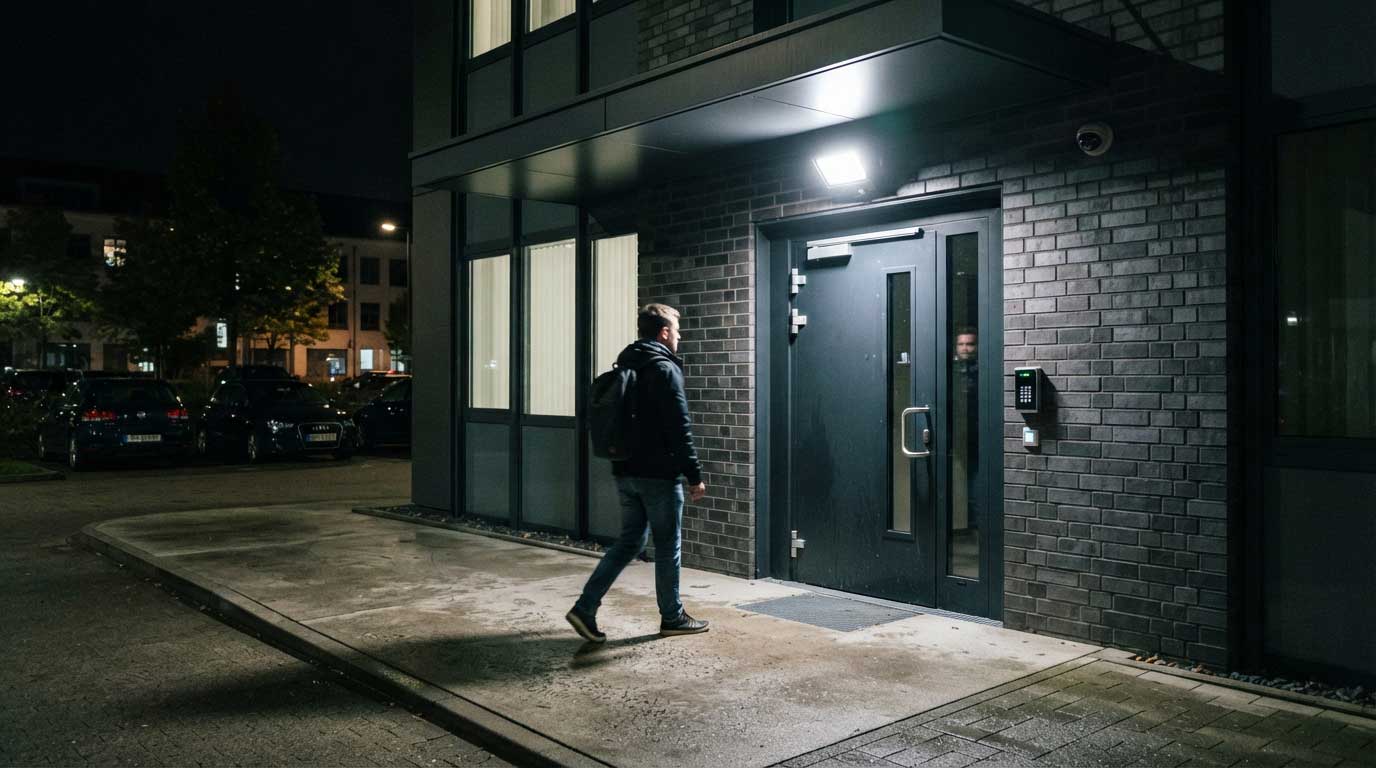
Motion-triggered flood lights can be useful, especially around entrances, driveways, side passages, and low-traffic areas.
They provide a noticeable change in lighting when movement is detected. That can draw attention to activity and provide illumination when the area would otherwise remain dark.
But sensor placement matters.
Rochford’s guidance notes that poorly aimed detectors can respond to animals or other unwanted movement, causing lights to switch repeatedly during the night. It recommends considering detector positioning separately from the flood-light aiming direction where appropriate.
For a commercial site, I would also look at the detection zone before selecting the sensor. A truck moving through a loading bay should trigger the system; a tree moving in the wind should not.
There is no single fixture that fits every security application.
For commercial and industrial sites, evaluate the complete lighting specification rather than selecting purely by wattage.
SEEKINGLED‘s commercial flood-light range includes high-power models designed for outdoor applications, with options such as IP66 and IK08 protection, multiple beam distributions, and dimming/control configurations on selected models.
For security lighting, I would pay particular attention to the beam distribution. A very narrow beam may throw light a long distance but leave adjacent areas poorly covered. A very wide beam may create unnecessary spill. The useful specification is the one that matches the actual site geometry.
Before finalizing a security-lighting layout, check:
That last step is easy to skip.
It should not be.
A daytime inspection tells you almost nothing about whether a flood-light layout works at 10 p.m. Walk the perimeter after installation. Look from the same positions where security staff, drivers, pedestrians, and cameras will actually see the site.
Yes. Properly positioned flood lights improve nighttime visibility and can support natural surveillance, but they work best as part of a broader security system.
Yes. They can provide useful illumination for cameras when the beam is aimed at the monitored area rather than directly into the camera lens.
Not necessarily. Excessive brightness can create glare and deep shadows. Coverage, beam control, aiming, and uniformity are often more important than maximum output.
They can. Motion sensors are useful for areas with intermittent activity, although the detection zone must be configured carefully to avoid false triggers.
Common locations include entrances, loading docks, driveways, parking areas, gates, perimeter zones, and other locations where nighttime visibility is important.
Flood lights cannot guarantee that a burglary will not occur. They can improve visibility and support surveillance, but physical security, access control, alarms, cameras, and site design also matter.
It depends on mounting height, target distance, area size, and site geometry. Narrow beams suit longer-distance targets, while wider distributions can cover larger nearby areas.
are flood lights good for security? Yes. A properly designed LED flood-light system can improve visibility, support security cameras, illuminate access points, and contribute to natural surveillance. The strongest result does not come from simply installing the brightest fixture; it comes from placing the right flood light where it removes useful dark areas without creating glare.
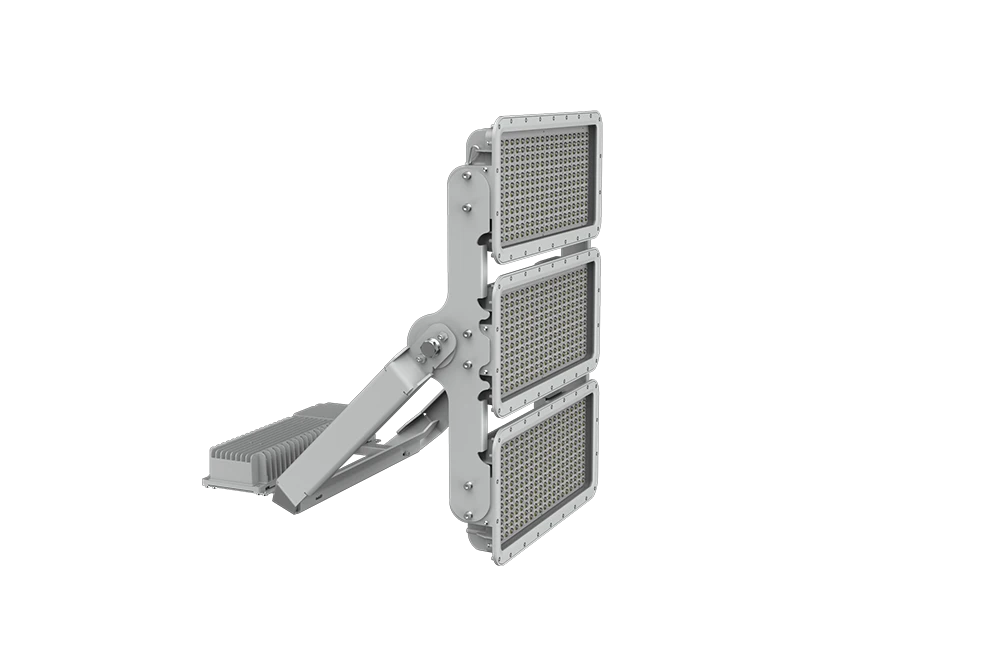
Sports Stadium LED Lighting by SEEKINGLED delivers high mast illumination, precise beam control, and EN 12193 compliant performance for professional venues.
View details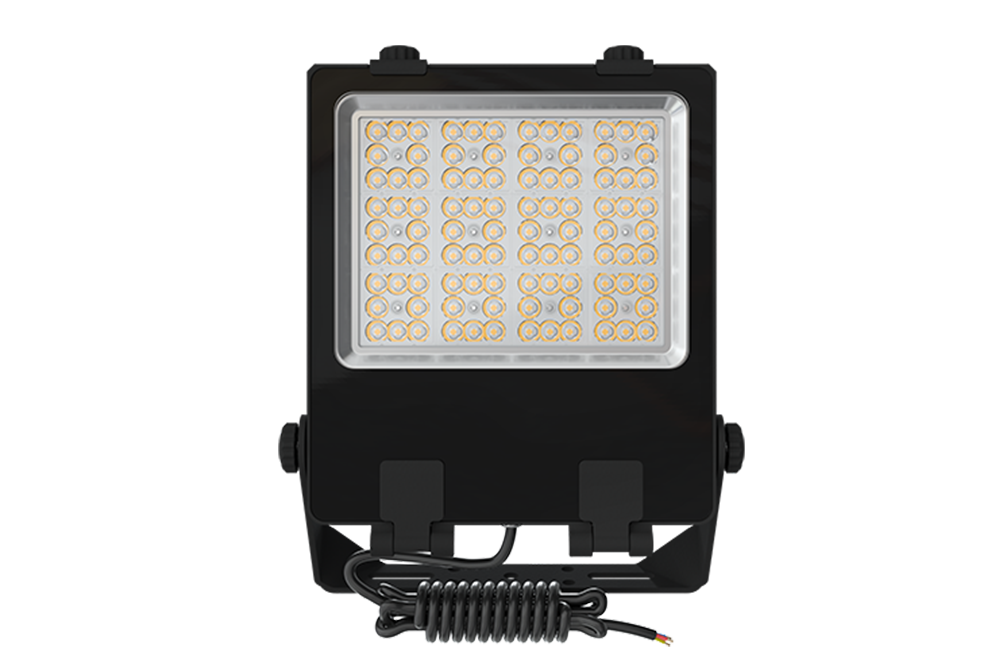
SEEKING FLX Series LED flood light outdoor for sports courts and open-area projects with 170lm/W efficiency, IP66 protection and multiple beam distributions. Designed for long-life commercial and public outdoor use.
View details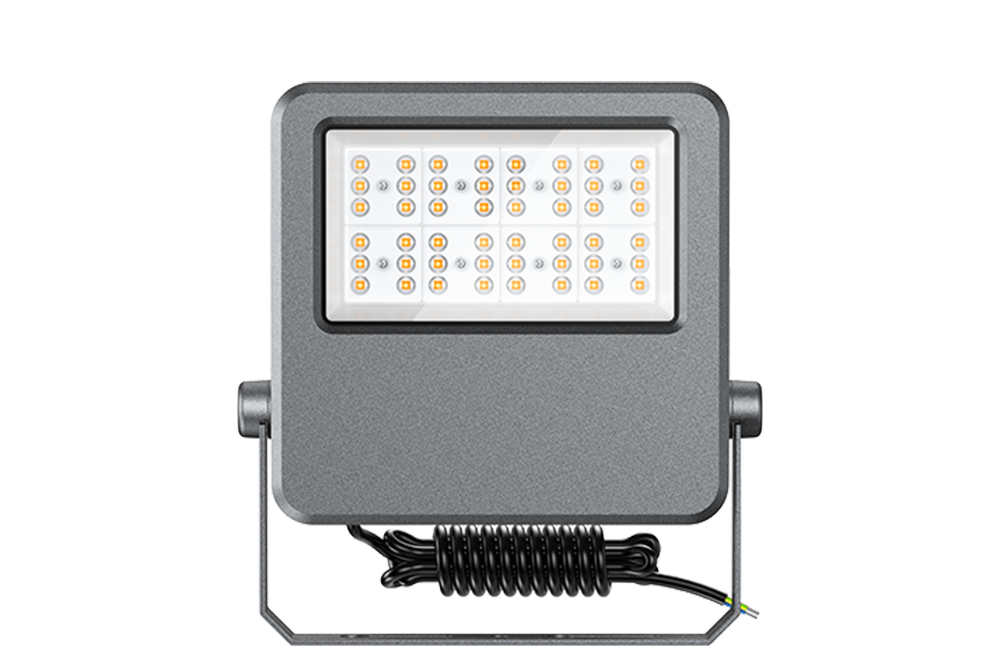
SEEKING FLE Series LED outdoor flood lights for sports grounds and open areas with multiple beam angles, IP66 protection and up to 170lm/W. Designed for long-life outdoor installations with professional driver options.
View details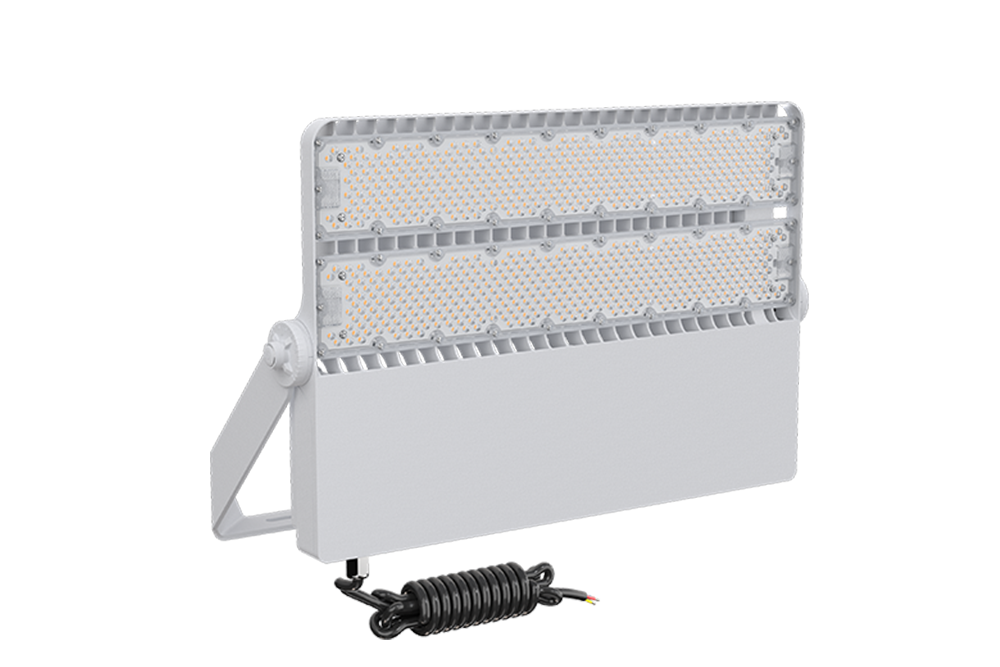
SEEKING FLD Series outdoor LED flood lights and high power led flood light deliver up to 960W with precision beam angles for sports fields, stadiums and large outdoor areas. IK08 & IP66 protection, 170lm/W efficiency and 100,000h lifetime.
View details
Discover atex zone 0 lighting solutions designed for explosive gas environments. Learn certification, safety standards, and industrial applications from SEEKINGLED.
View details
How long do LED flood lights last depends on heat, driver quality and usage hours. Learn realistic lifespan ranges and what affects long-term performance.
View details
Why are LED street lights purple in some cities? This guide explains the real causes behind purple LED street lights, whether they are defective, and what municipalities should do.
View details
How far apart should high bay lights be? Learn LED high bay spacing rules based on ceiling height, beam angle, lumens, and warehouse lighting design.
View details