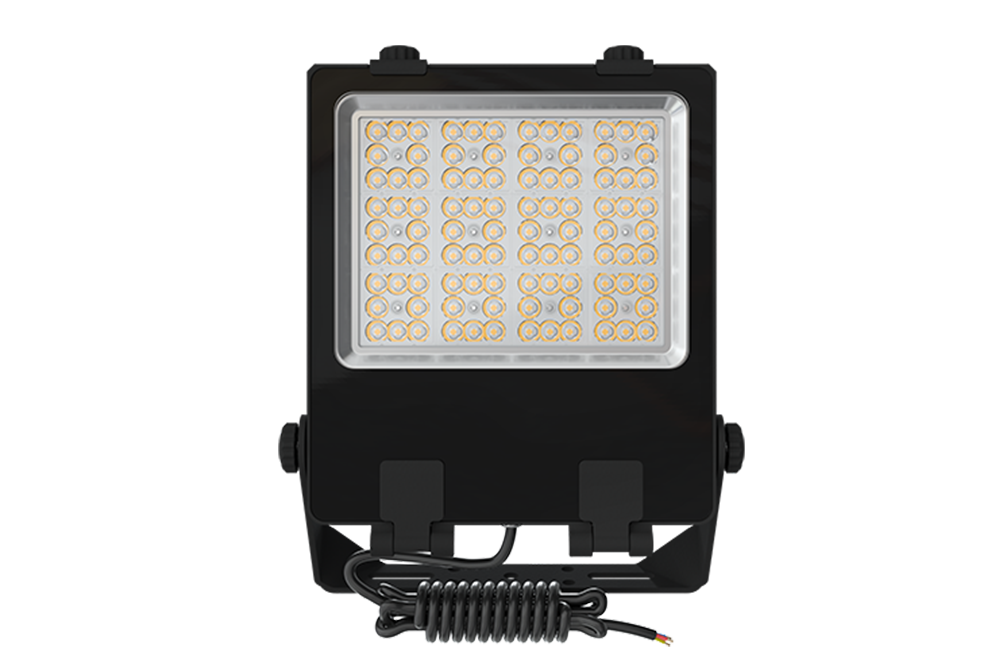
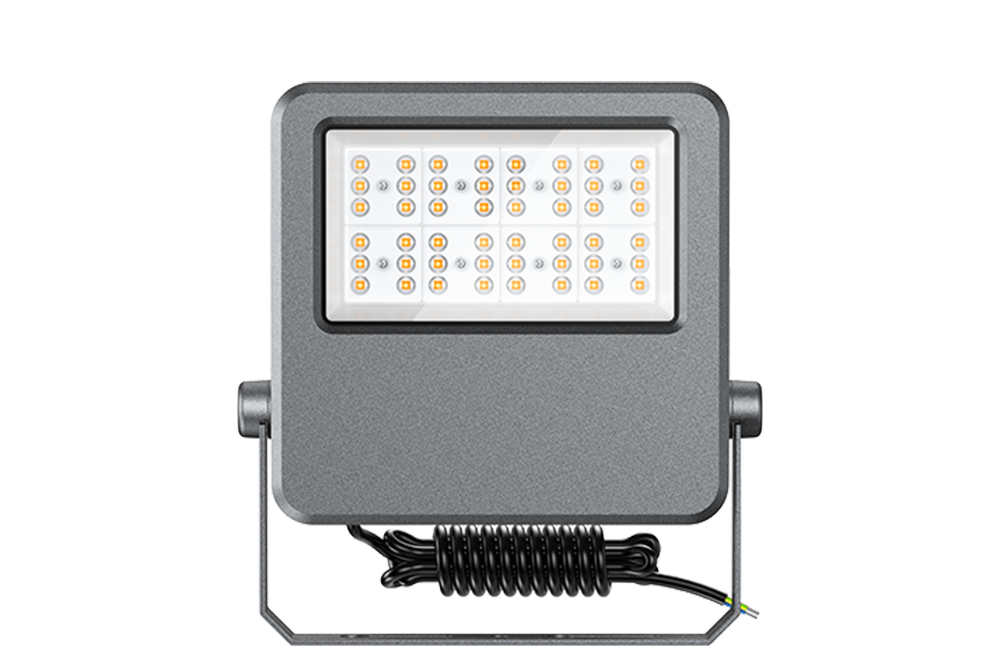
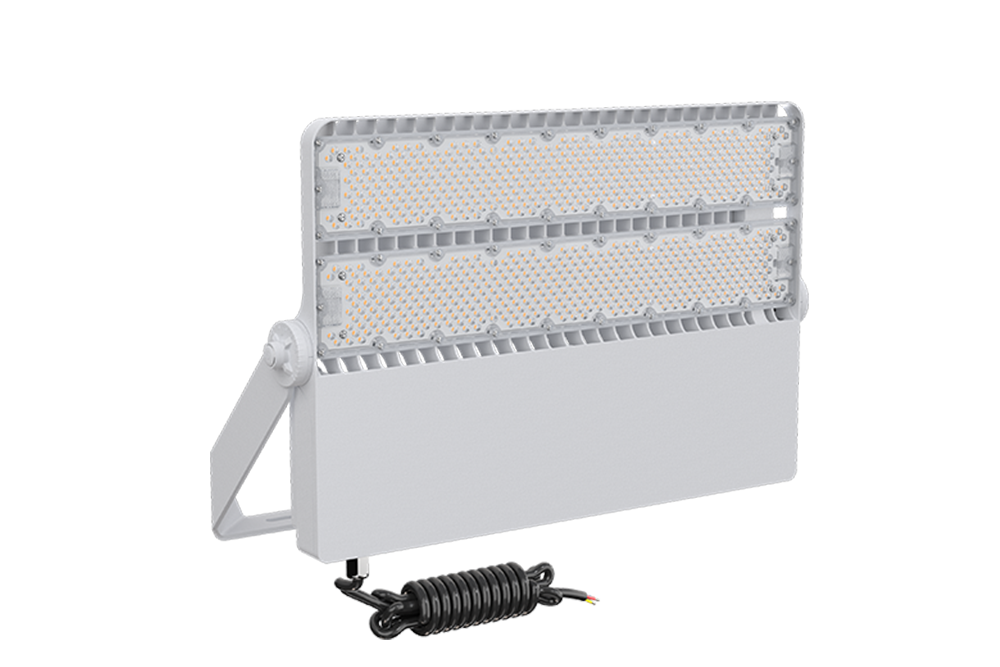
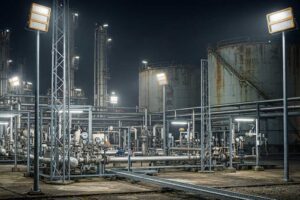
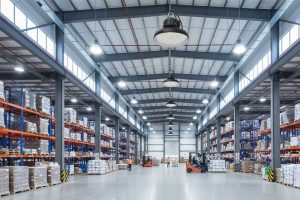
I’ve installed auto flood lights on everything from warehouse loading bays to quiet residential backyards where the only movement at night is a stray cat or a late delivery van. The theory always sounds simple—motion triggers, light turns on—but the real world doesn’t care much for theory.
What matters is how these lights behave at 2:17 AM in humidity, dust, and unpredictable movement patterns. That’s where most products either prove their worth… or quietly fail.
The First Time I Realized Most Auto Flood Lights Are Overrated
It was a coastal project—salt in the air, high humidity, wind carrying fine particles. We mounted a set of auto flood lights along a perimeter fence. Within three months, half of them had inconsistent triggering. Not broken—just unreliable.
That’s when I started paying attention to three things:
- Sensor stability (not just sensitivity)
- Thermal management
- Sealing quality (real sealing, not marketing claims)
According to the U.S. Department of Energy (DOE), LED outdoor lighting can reduce energy use by up to 75% compared to traditional halogen systems, but only when systems are properly specified and installed. Poor sensor calibration or housing design undermines that advantage.
What Makes Auto Flood Lights Actually Reliable
There’s a difference between a light that turns on and one that works consistently over time.
1. Motion Detection That Doesn’t Overreact
Cheap PIR sensors trigger on everything—heat waves, small animals, even moving shadows. In real installations, this leads to:
- Constant false triggers
- Shortened lifespan due to frequent switching
- User frustration (lights become “background noise”)
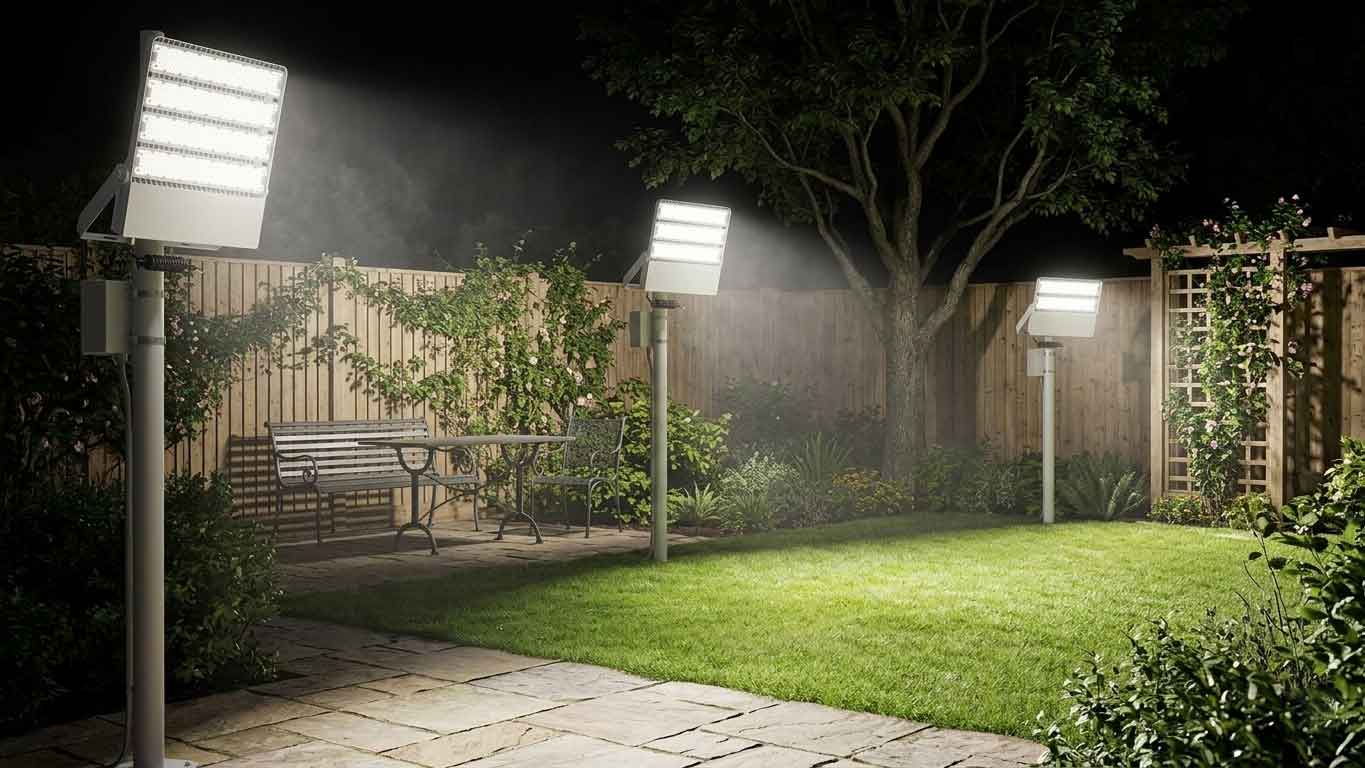
Better auto flood lights use calibrated detection zones and adjustable delay settings. In a recent yard installation, I narrowed the detection angle to avoid street traffic—and false triggers dropped by at least 60%.
2. Real IP Protection (Not Just a Label)
Manufacturers love printing “IP65” or “IP66,” but field conditions expose the truth.
The International Electrotechnical Commission (IEC) defines IP65 as protection against dust and low-pressure water jets. That’s fine—for controlled environments. But near coastal or industrial zones, ingress protection alone isn’t enough.
What I look for now:
- Silicone gasket consistency
- Cable entry sealing
- Housing thickness (thin aluminum warps over time)
Energy Efficiency Isn’t Just About Watts
People often ask: “Should I go 50W or 100W?”
That’s the wrong question.
The International Energy Agency (IEA) highlights that LED lighting efficiency is measured in lumens per watt, not wattage alone. A well-designed 50W unit can outperform a poorly designed 100W floodlight.
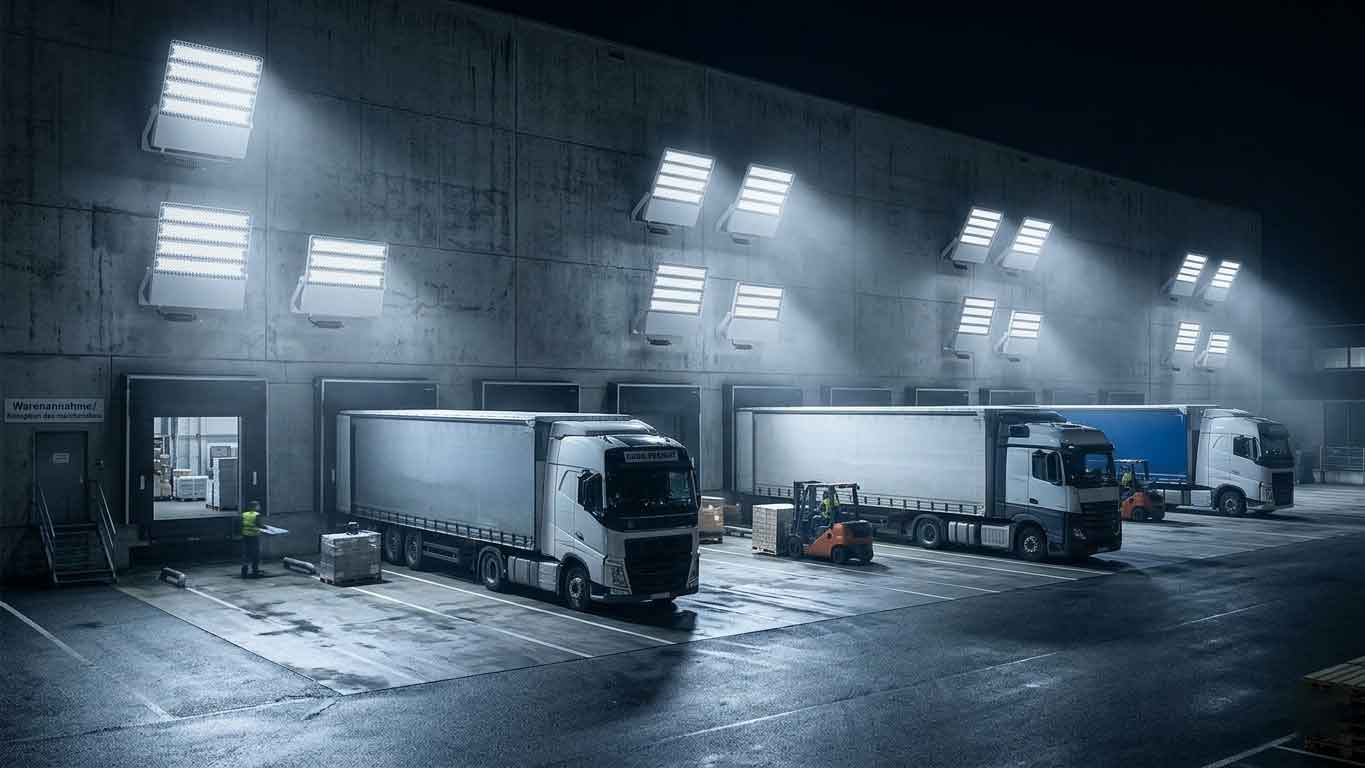
In one warehouse retrofit, switching from halogen to LED auto flood lights reduced electricity consumption by over 60%, while improving visibility. The difference wasn’t wattage—it was optical design and beam control.
Where Most Installations Go Wrong
This is where experience shows.
Mounting Height
Too high, and motion detection weakens. Too low, and coverage becomes uneven.
Sweet spot (from field work):
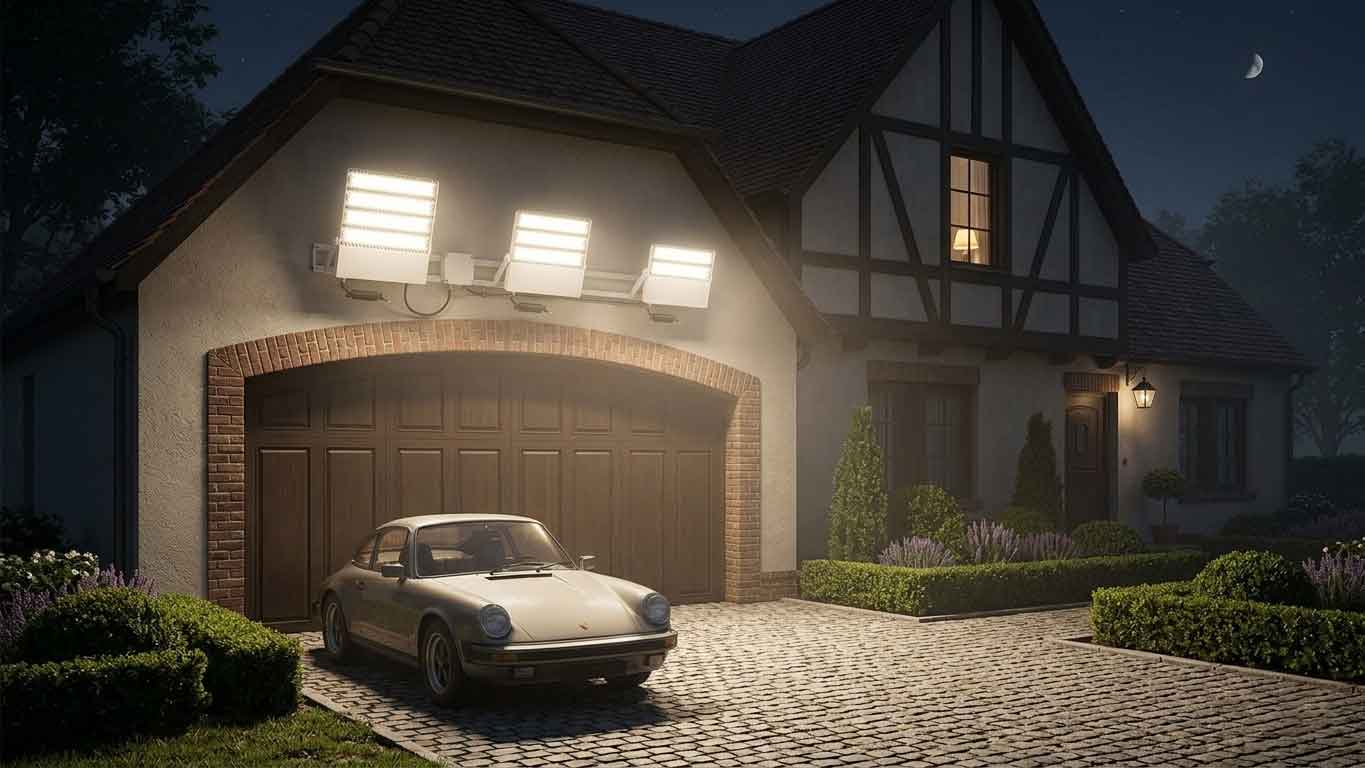
- Residential: 2.5–3 meters
- Commercial: 4–6 meters
Angle Matters More Than You Think
I’ve seen lights installed pointing straight down—looks clean, performs poorly.
A slight outward tilt (10–20 degrees) improves:
- Detection range
- Light spread
- Shadow reduction
Dusk-to-Dawn vs Motion Sensor: What I Actually Recommend
In theory, dusk-to-dawn sounds efficient. In practice, it depends on usage.
- Motion sensor auto flood lights → Best for low-traffic areas
- Dusk-to-dawn flood lights outdoor → Better for consistent activity zones
In mixed environments, I often combine both:
A base low-level dusk light + motion-triggered high-output flood.
It’s not common advice—but it works.
Heat Is the Silent Killer
LEDs don’t “burn out” like halogen bulbs. They degrade.
Poor thermal design leads to:
- Lumen depreciation
- Color shift
- Driver failure
The Illuminating Engineering Society (IES) notes that excessive junction temperature significantly reduces LED lifespan. In cheaper auto flood lights, I’ve measured housing temperatures exceeding safe thresholds within hours.
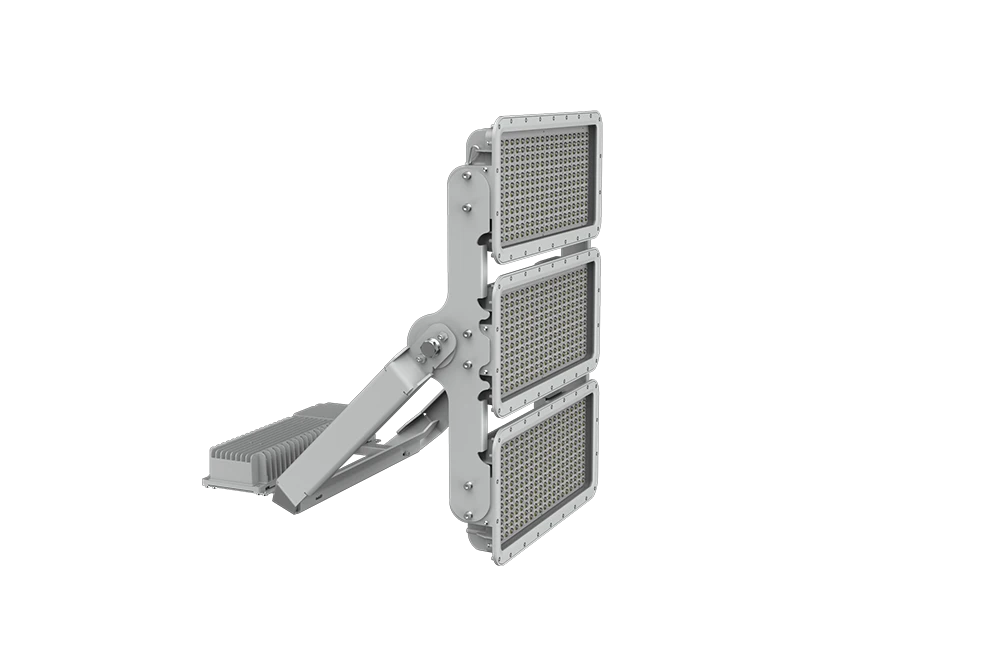
Good designs feel heavier. That’s usually a sign of proper heat sinking.
Why I Ended Up Standardizing on SEEKINGLED
After testing multiple brands across different sites, I started specifying SEEKINGLED for projects where reliability matters.
Not because of marketing—but because:
- Stable sensor response over time
- Consistent sealing quality
- Better thermal handling than average
In one installation, units ran through monsoon conditions without moisture ingress—something I can’t say for many competitors.
More answers
Final Thoughts From the Field
Auto flood lights are one of those products that look identical on paper. Same wattage. Same lumen claims. Same IP rating.
But once installed, differences show up quickly—usually at night, when no one wants to troubleshoot.
If there’s one thing I’ve learned:
Don’t choose based on specs alone. Choose based on how the light behaves when conditions aren’t ideal.
Because that’s exactly when you need it most.
And yes—auto flood lights are only as good as their weakest component.
LED flood light Recommendations
 Seeking LED