 Seeking LED
How to Install Outdoor LED Flood Lights?
273How to install outdoor LED flood lights correctly for exterior areas. Learn mounting height, wiring tips, safety checks, and real installation advice.
View detailsSearch the whole station
LED flood lights can be as bright as halogen flood lights when they deliver comparable lumens and beam intensity. In many installations, a properly specified LED flood light provides equal or greater usable illumination while using substantially less electrical power than halogen.
The important point is that watts do not determine brightness. Lumens measure total visible light output, while beam angle, optical design, mounting height, and center-beam intensity determine how that light actually appears on a driveway, façade, yard, warehouse entrance, or sports area. ENERGY STAR specifically recommends comparing lumens rather than wattage when judging brightness.
Yes. A modern LED flood light can match the visual output of a halogen flood light without needing the same electrical wattage.
The comparison should start with the actual lumen rating:
| Comparison | Halogen Flood Light | LED Flood Light |
|---|---|---|
| Brightness measurement | Lumens | Lumens |
| Typical efficiency | Lower | Higher |
| Heat generation | High | Lower |
| Instant full output | Yes | Yes |
| Directional optical control | Depends on reflector | Often highly controllable |
| Energy required for similar output | Higher | Lower |
DOE reference data places tungsten-halogen efficacy at roughly 15–25 lm/W, while modern LED technology can reach much higher efficacy. DOE notes that LED lighting can exceed 150 lm/W in specialized applications.
That does not mean every LED flood light is automatically brighter. A poorly designed LED fixture with weak optics can perform worse than a well-designed halogen unit. The specification sheet matters more than the technology label.
This is where real installation conditions become important.
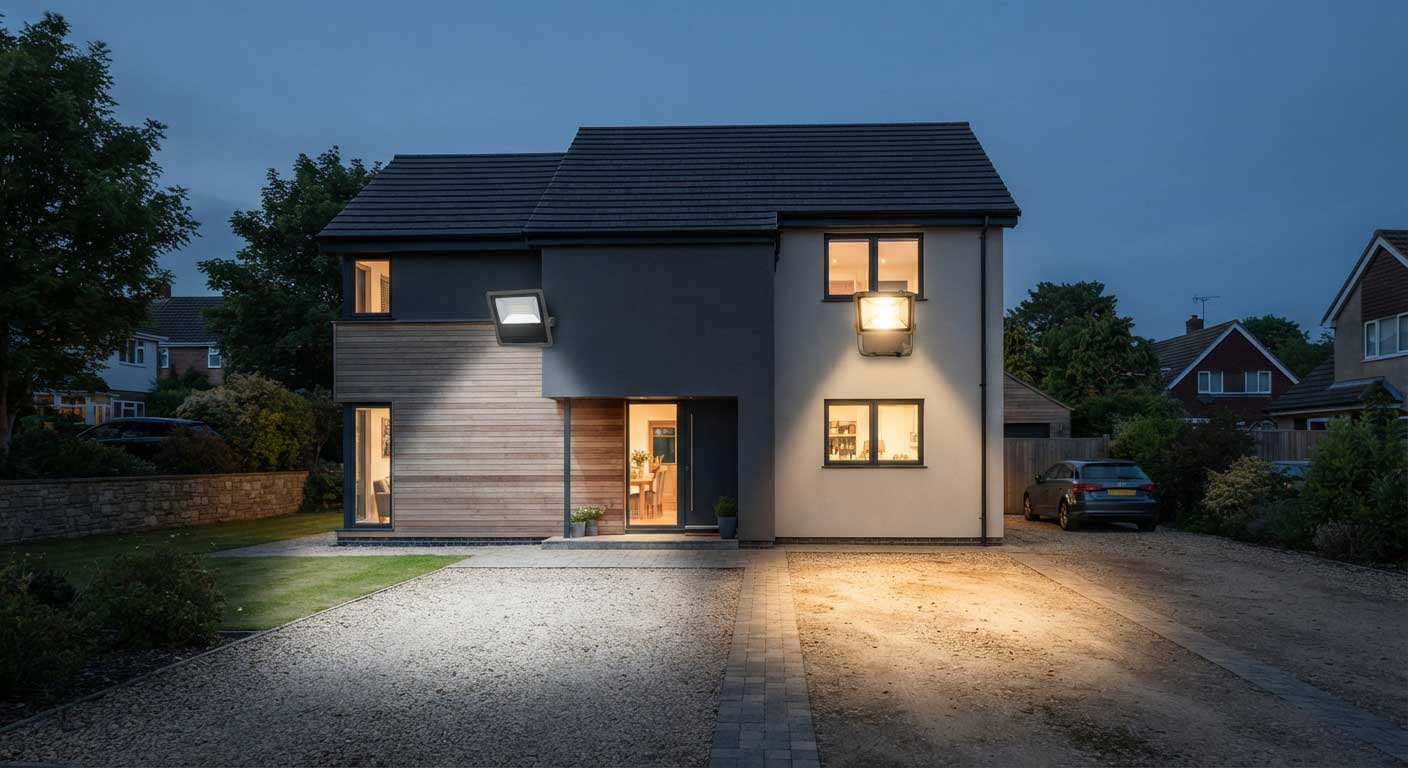
Imagine two flood lights mounted about 4 meters above a driveway. Both are rated at 5,000 lumens. One uses a broad 120° beam, while the other concentrates light into a narrower distribution. The first may make the entire area appear evenly lit; the second can create a much brighter central zone.
DOE’s guidance on LED equivalency emphasizes that spatial distribution matters alongside lumen output. Beam angle and center-beam intensity are particularly important when replacing directional halogen or PAR-style lighting.
Generally, yes. The major advantage is that LED technology can produce substantial light output with less electrical input.
For example, DOE lists 800 lumens as the minimum brightness associated with a traditional 60-watt incandescent lamp and shows ENERGY STAR LED products producing comparable output with approximately 5.9–10.5 watts.
Halogen is more efficient than some older incandescent designs, but it remains a heat-intensive technology. LED flood lights instead use semiconductor light sources and electronic drivers, allowing manufacturers to combine high-efficiency LEDs with reflectors or lenses designed specifically for outdoor beam control.
For commercial exterior projects, this difference becomes significant when dozens of fixtures operate every night. DOE’s federal purchasing guidance currently sets a minimum 118 lm/W luminaire efficacy rating for floodlight luminaires in its covered exterior-lighting category.
When evaluating are led flood lights as bright as halogen, check these specifications rather than comparing wattage alone:
A lighting designer should therefore look beyond the headline lumen number. For outdoor flood lighting, the photometric distribution is often the difference between “bright” and genuinely useful.
Yes. Even when the measured light output is similar, the visual character can differ.
Halogen produces a warm spectrum and becomes warmer as it is dimmed. DOE notes that incandescent and halogen sources are valued for their warm dimming behavior, while LED systems can reproduce similar effects only when specifically designed for that purpose.
A 3000K LED flood light can provide a relatively warm outdoor appearance, while 4000K or 5000K options generally appear cooler and crisper. This is one reason customers sometimes describe a high-output LED as “brighter” even when the measured lumen output is comparable.
They can be. Brightness depends on lumen output, optics, beam angle, and installation rather than lamp technology alone.
There is no universal watt-for-watt conversion. Compare the existing halogen’s lumen output with the LED flood light’s tested lumens and photometric distribution.
Generally, yes. LEDs typically provide substantially higher luminous efficacy, allowing comparable illumination at lower electrical power.
Yes, when the lumen output, beam pattern, mounting position, color temperature, and glare are appropriate for the security area.
No. Lumens describe total output. Beam distribution and center-beam intensity determine how concentrated that output is in a particular area.
Yes. The replacement should be selected according to required lumens, beam distribution, voltage, mounting conditions, environmental rating, and physical dimensions rather than wattage alone.
So, are led flood lights as bright as halogen? Yes. A correctly specified LED flood light can equal or exceed halogen brightness while consuming less power. For a professional replacement, compare tested lumens, beam angle, center-beam intensity, CCT, and photometric data—not watts alone.
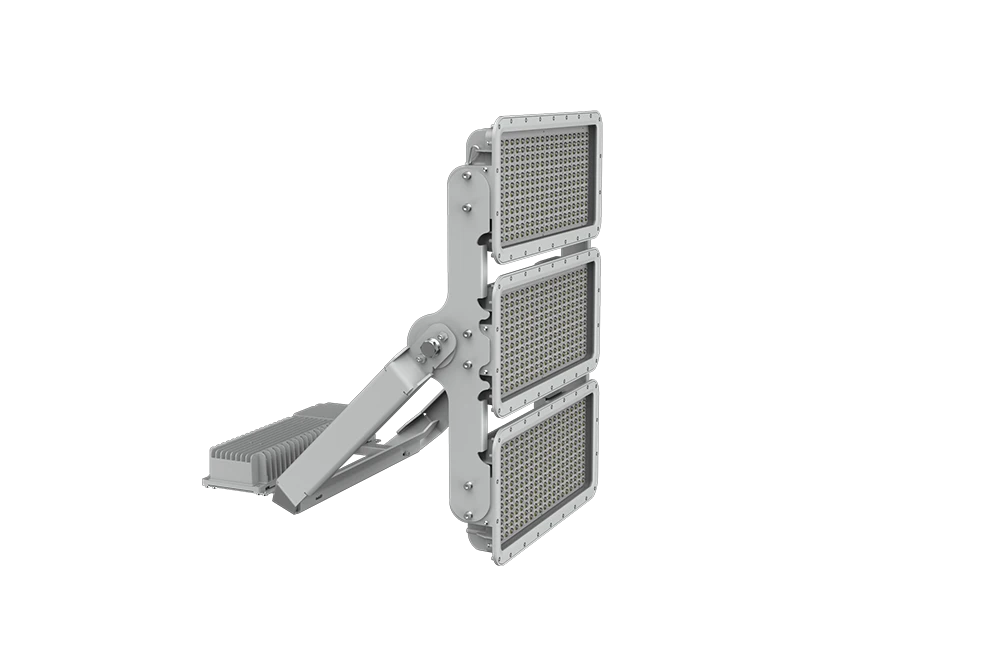
Sports Stadium LED Lighting by SEEKINGLED delivers high mast illumination, precise beam control, and EN 12193 compliant performance for professional venues.
View details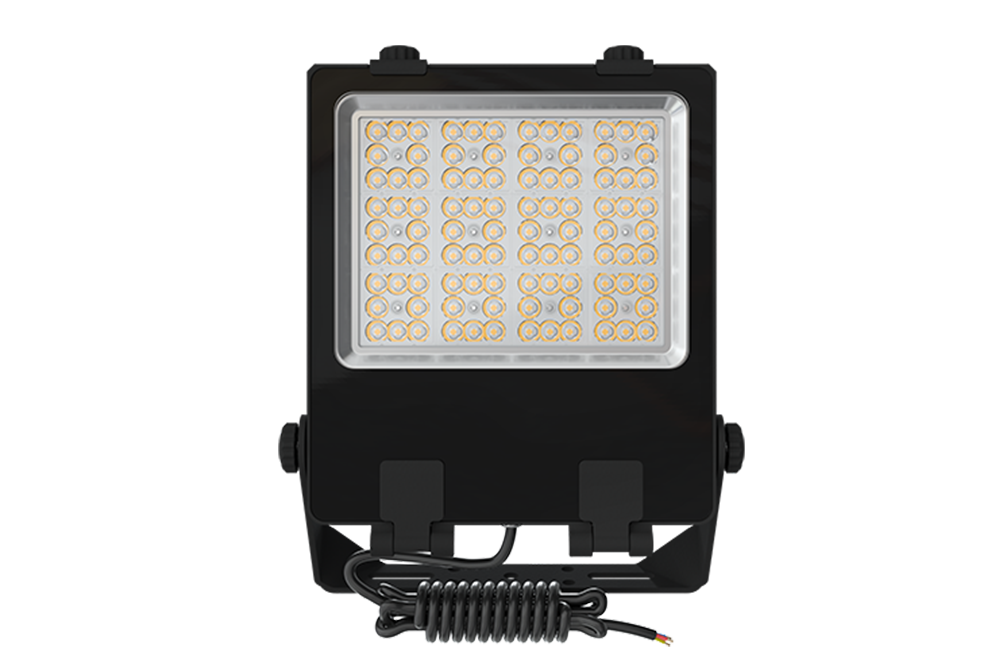
SEEKING FLX Series LED flood light outdoor for sports courts and open-area projects with 170lm/W efficiency, IP66 protection and multiple beam distributions. Designed for long-life commercial and public outdoor use.
View details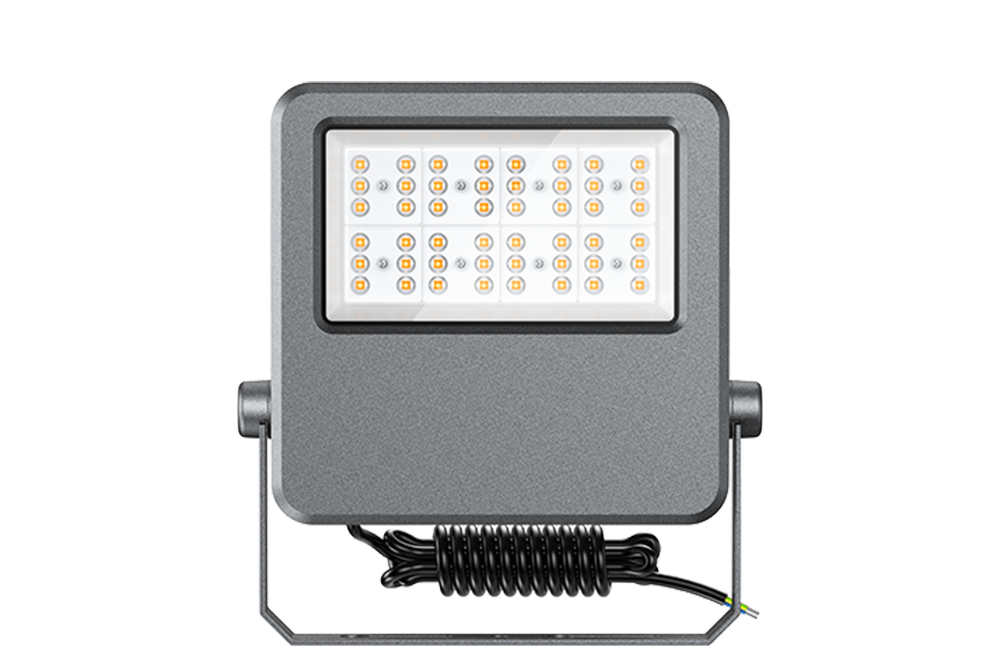
SEEKING FLE Series LED outdoor flood lights for sports grounds and open areas with multiple beam angles, IP66 protection and up to 170lm/W. Designed for long-life outdoor installations with professional driver options.
View details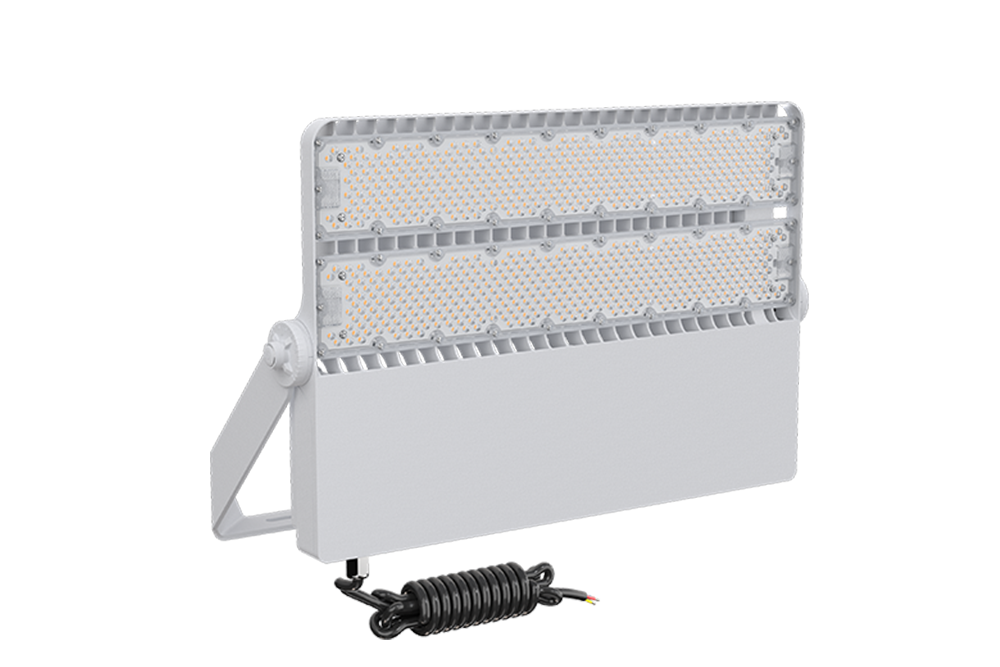
SEEKING FLD Series outdoor LED flood lights and high power led flood light deliver up to 960W with precision beam angles for sports fields, stadiums and large outdoor areas. IK08 & IP66 protection, 170lm/W efficiency and 100,000h lifetime.
View details
How to install outdoor LED flood lights correctly for exterior areas. Learn mounting height, wiring tips, safety checks, and real installation advice.
View details
This engineering-focused news article explains how LED stadium lighting improves light efficiency in real applications, covering Sports Stadium LED Lighting, LED Flood Light, and related solutions by SEEKINGLED.
View details
New Factory High Bay Lighting Installation requires early-stage planning and accurate lux calculations. This case records how SEEKINGLED selected and installed XJ-HBL150W high bays for a new factory project in Germany.
View details
High Bay Lighting for Automotive Factory projects require stable illumination and long-term reliability. This case records the on-site use of SEEKINGLED XJ-HBS High Bay lights in a Porsche factory in Germany.
View details