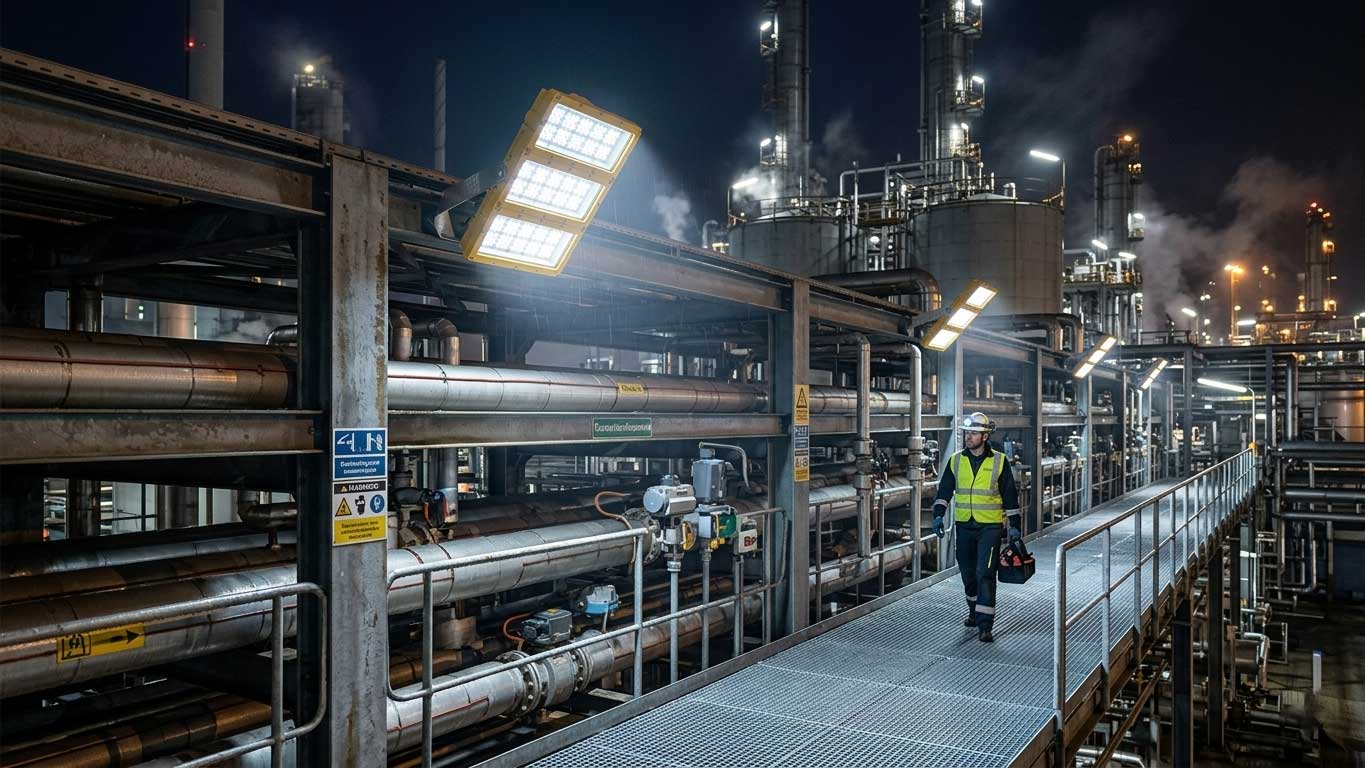
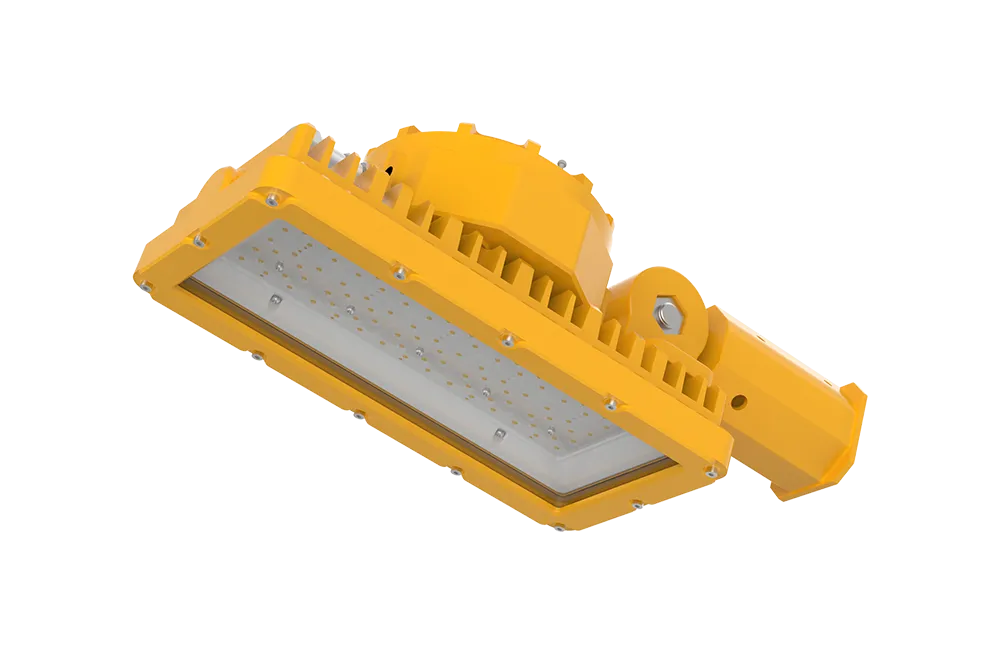
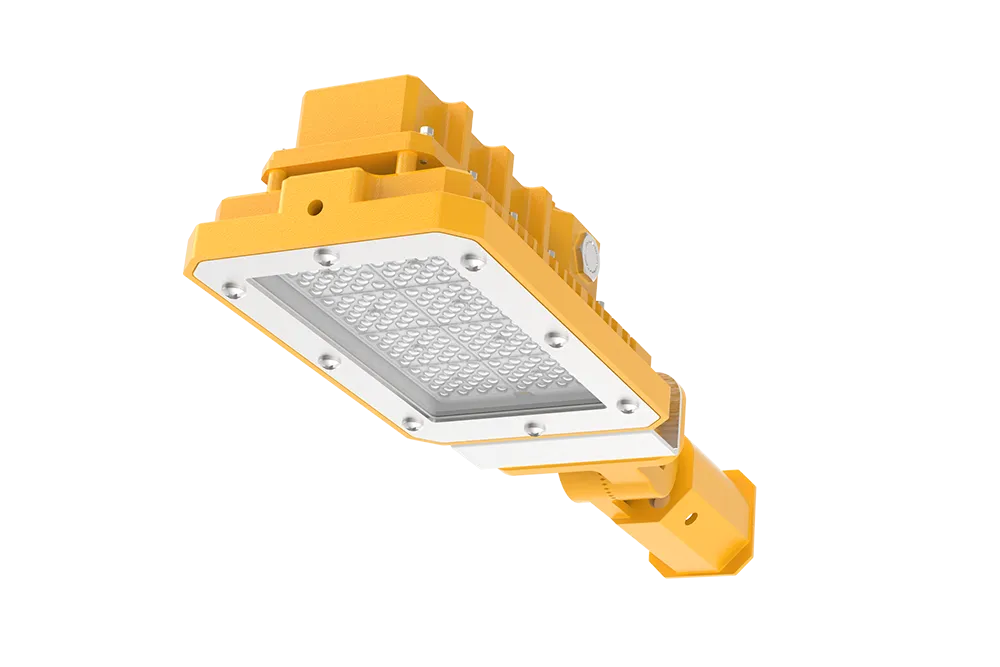
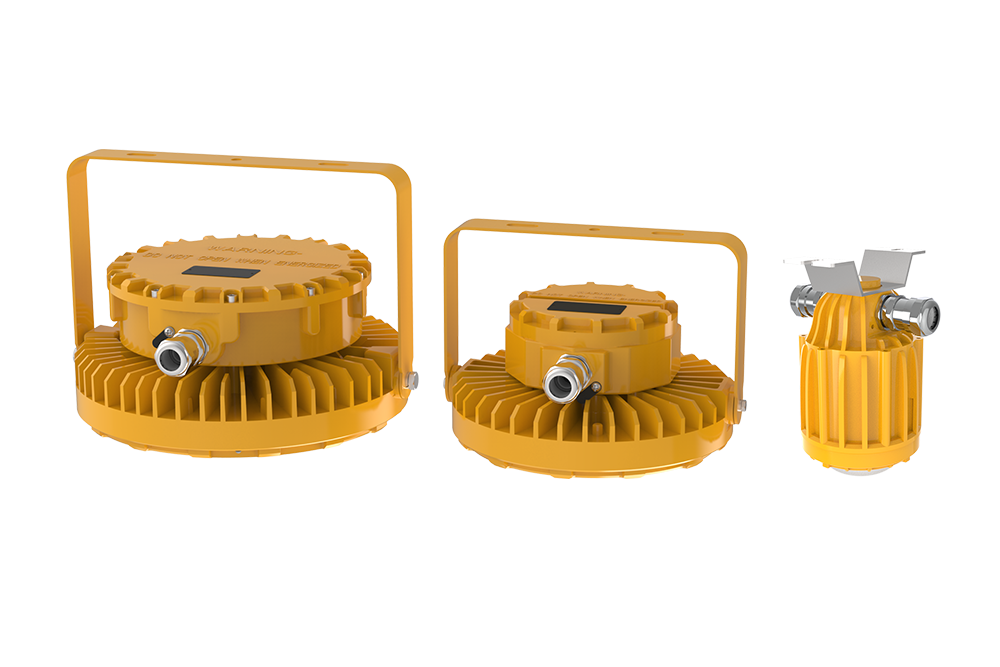
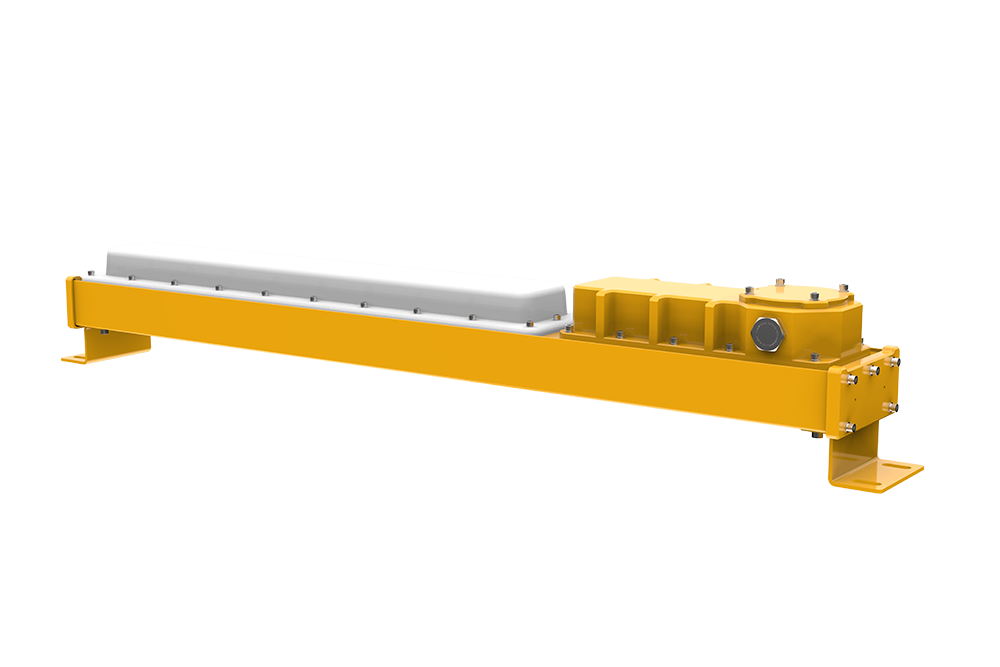
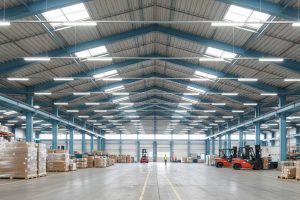
IECEx LED floodlights typically last between 50,000 and 100,000 operating hours when properly designed, installed, and maintained. In most industrial facilities, that translates to approximately 10–20 years of service, depending on operating temperatures, switching frequency, environmental conditions, and component quality.
When customers ask me this question, they are usually expecting a simple number.
The reality is more interesting.
After working on hazardous-area lighting projects across refineries, offshore platforms, LNG terminals, and chemical plants for more than a decade, I’ve seen two floodlights with identical certifications perform very differently after five years in the field.
The certificate gets the fixture approved.
Engineering determines how long it survives.
What Does “Lifetime” Actually Mean for IECEx LED Floodlights?
One of the biggest misconceptions in industrial lighting is assuming a floodlight suddenly stops working when its rated life ends.
That is not how LED technology works.
Most manufacturers define LED life using the L70 standard.
Understanding L70
L70 means the LED still produces 70% of its original light output.
For example:
New fixture: 100% brightness
After rated lifetime: 70% brightness
The floodlight is still operating.
It simply produces less light than when it was first installed.
According to the U.S. Department of Energy, high-quality LED systems can achieve operational lifetimes exceeding 50,000 hours and often significantly longer when thermal management is properly controlled.
From actual projects I’ve participated in, the following ranges are realistic.
Equipment Quality
Typical Lifetime
Entry-level industrial LED floodlight
30,000–50,000 hours
Quality IECEx LED floodlight
50,000–80,000 hours
Premium IECEx LED floodlight
80,000–100,000+ hours
Assuming operation for 12 hours daily:
Lifetime Hours
Approximate Years
50,000
11.4 years
80,000
18.2 years
100,000
22.8 years
In reality, very few hazardous-area fixtures fail because the LED chips wear out first.
The drivers usually become the limiting factor.
Why Some IECEx Floodlights Last Twice as Long as Others
I’ve inspected floodlights installed on offshore platforms that still looked excellent after eight years.
I’ve also seen fixtures fail within three years.
The difference was rarely the LED.
The difference was usually heat.
Thermal Management Is Everything
Inside a hazardous-area floodlight, heat has very few escape routes.
Explosion-proof enclosures are intentionally sealed.
That creates a challenge.
The fixture must:
Prevent ignition
Remain sealed
Dissipate heat efficiently
These requirements often conflict with one another.
Poor thermal design accelerates:
LED lumen depreciation
Driver failure
Seal degradation
Internal component stress
The best IECEx floodlights use:
Large heat sinks
High-conductivity aluminum
Advanced thermal interfaces
Optimized driver placement
When I evaluate floodlights, thermal design is usually the first thing I inspect.
Environmental Conditions Have a Huge Impact
Laboratory testing is useful.
Real industrial sites are much harsher.
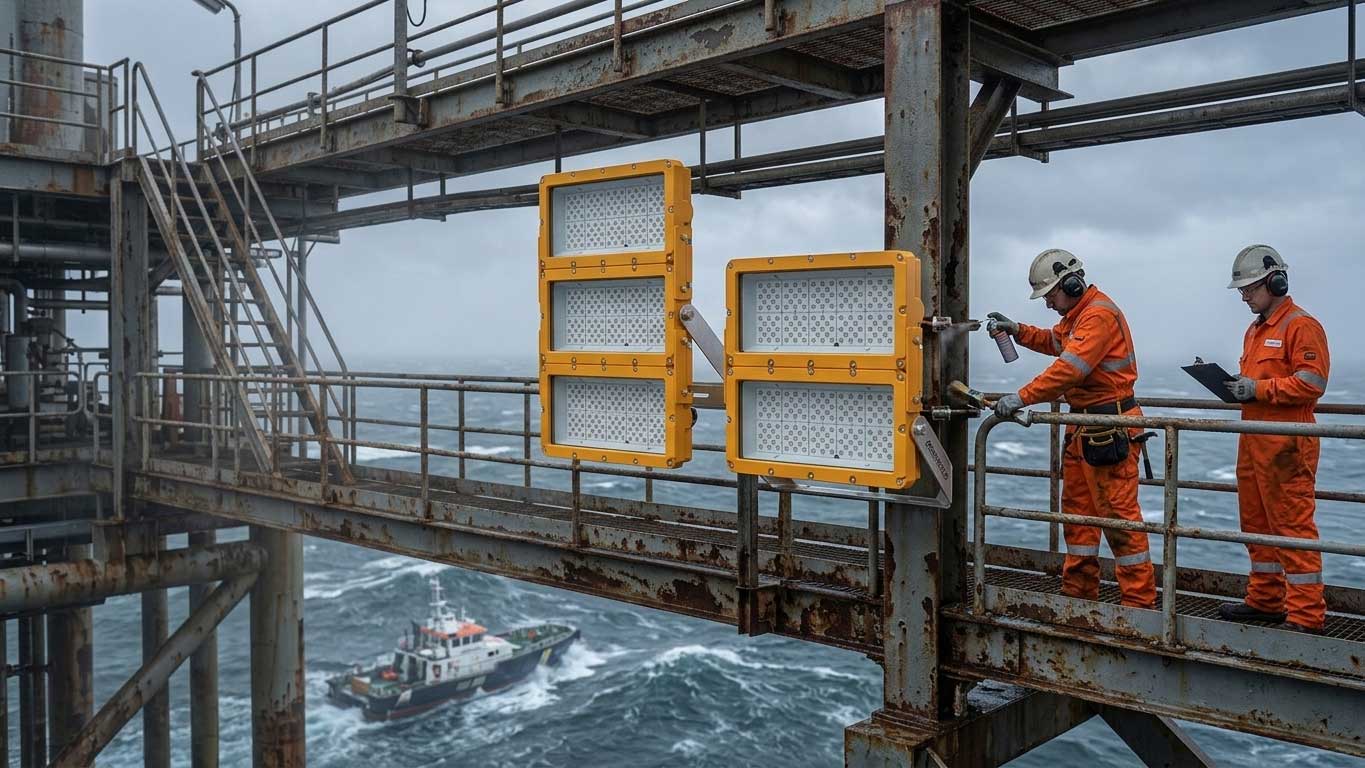
Offshore Installations
Challenges include:
Salt spray
High humidity
Wind-driven moisture
Corrosive atmosphere
Even certified products can deteriorate rapidly if coating quality is poor.
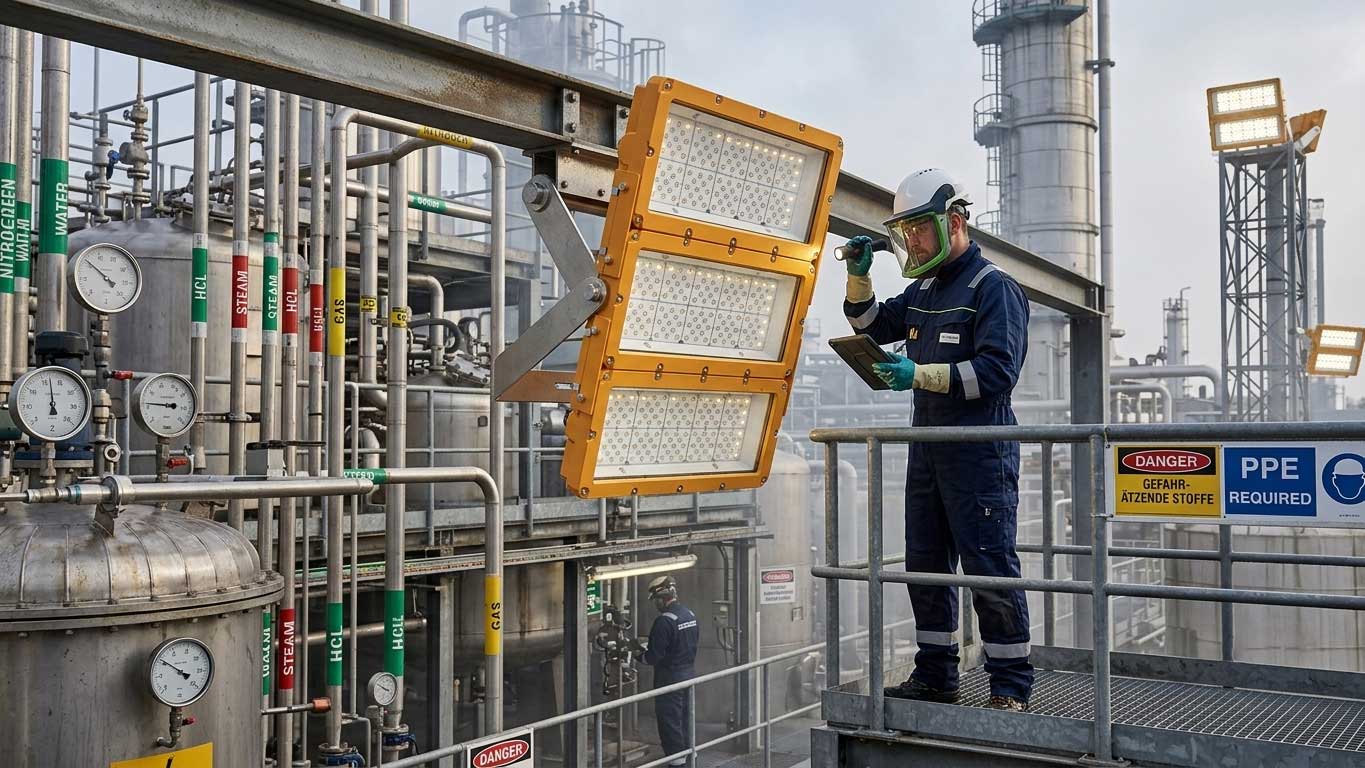
Chemical Processing Facilities
Exposure to:
Sulfur compounds
Solvents
Acids
Corrosive gases
can significantly shorten equipment life.
Desert Facilities
Some Middle Eastern projects experience ambient temperatures exceeding 50°C (122°F).
At these temperatures, thermal management becomes critical.
The difference between a quality driver and a low-cost driver becomes very obvious after several summers.
The Driver Usually Determines Longevity
Many buyers focus on LED chips.
Experienced engineers focus on drivers.
The driver converts incoming power into the precise electrical current LEDs require.
In my experience, driver failure accounts for most premature floodlight replacements.
High-Quality Drivers Typically Offer
Better surge protection
Lower operating temperatures
Longer capacitor life
Improved voltage stability
Better protection against grid fluctuations
A premium driver may add cost initially but often extends service life by years.
Real-World Lifespan from Industrial Projects
Across various hazardous-area projects, I have observed several common patterns.
LNG Terminal Installation
Location: Southeast Asia
Operating Hours: Approximately 14 hours daily
Observed Performance:
Year 5: No measurable issues
Year 7: Minor lumen reduction
Year 9: Majority still operating normally
Offshore Platform Project
Location: North Sea
Operating Conditions:
Constant salt exposure
High winds
Severe weather
Observed Performance:
Year 6: Excellent condition
Year 8: Several driver replacements
Year 10: Majority of fixtures still operational
The enclosure quality proved just as important as LED technology.
Maintenance Can Extend Service Life
Even the best floodlights benefit from periodic inspection.
Recommended checks include:
Cleaning lenses
Checking mounting hardware
Inspecting cable glands
Verifying seals
Examining coating condition
Confirming electrical connections
One refinery customer extended replacement intervals significantly simply by implementing annual inspections.
Small maintenance actions often prevent major failures.
What Certifications Tell You About Longevity
IECEx certification primarily addresses safety.
It does not guarantee lifespan.
However, many manufacturers producing IECEx-certified products also adopt higher engineering standards because certification requires extensive testing and documentation.
Additional indicators worth reviewing include:
LM-80 testing
TM-21 projections
IP66/IP67 ratings
IK impact ratings
Salt spray testing results
These metrics often provide better clues about long-term durability.
How to Maximize IECEx LED Floodlight Life
Best Practices
Select fixtures with proven thermal design
Avoid overspecifying wattage
Use surge protection
Follow installation guidelines
Perform annual inspections
Verify ambient temperature ratings
Choose reputable manufacturers
The cheapest fixture often becomes the most expensive over a ten-year project cycle.
FAQ About How Long Do IECEx LED Floodlights Last?
Can IECEx LED floodlights last 20 years?
Yes. Premium fixtures operating under moderate conditions can exceed 80,000–100,000 hours, which may translate to 20 years or more of service.
What causes IECEx floodlights to fail early?
The most common causes include excessive heat, poor driver quality, corrosion, voltage surges, and inadequate maintenance.
Do LED chips usually fail first?
No. In hazardous-area lighting systems, drivers often reach end-of-life before the LEDs themselves.
Does switching on and off reduce lifespan?
Frequent switching generally has far less impact on LEDs than it does on traditional lighting technologies.
Are IECEx floodlights worth the investment?
For hazardous locations, absolutely. The combination of safety certification, durability, and long service life typically results in lower lifecycle costs.
Final Answer
So, how long do IECEx LED floodlights last?
In real industrial environments, a properly engineered IECEx LED floodlight typically delivers 50,000 to 100,000 hours of operation. With quality thermal management, reliable drivers, and routine maintenance, many installations continue operating effectively for 10–20 years or longer. That longevity is one reason IECEx LED floodlights remain the preferred lighting solution for hazardous industrial facilities worldwide.
SEEKINGLED LED Linear Explosion Proof Light and Explosion Proof lighting is ATEX and IECEx certified for Zone 1, Zone 2, Zone 21 and Zone 22 hazardous locations, built for long-term industrial use.
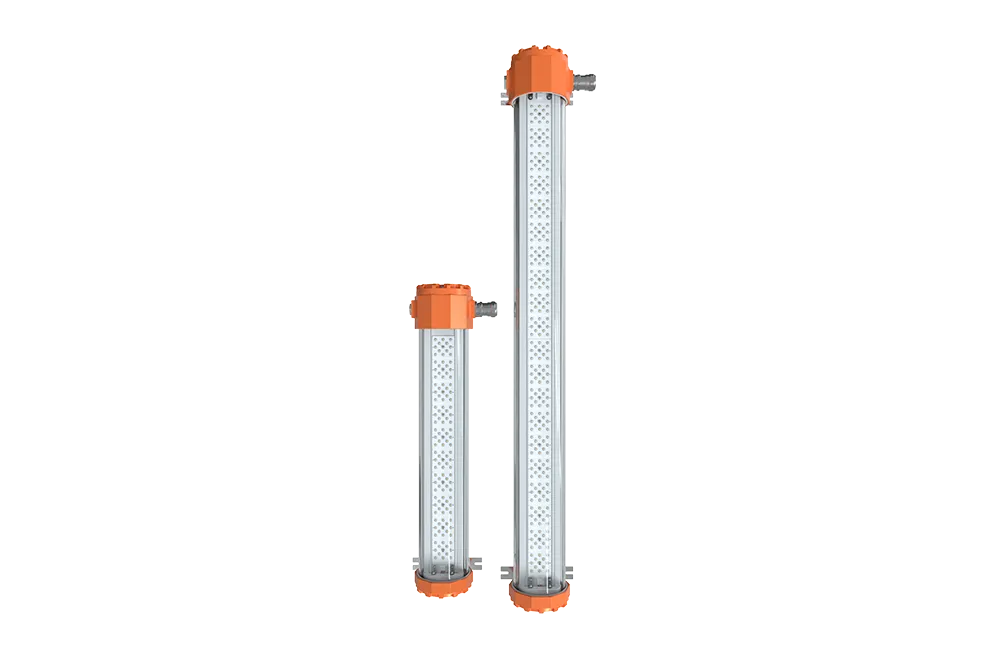
LED Linear Explosion Proof Lights and EX Proof lights for Zone 1, Zone 2, Zone 21 and Zone 22 hazardous areas. ATEX & IECEx certified explosion proof LED linear lighting with emergency function, adjustable power and IP67 protection by SEEKINGLED.
SEEKINGLED LED Explosion Proof Flood Lights are ATEX certified for Zone 2 and Zone 22 hazardous areas, offering high efficiency, adjustable power and integrated junction box.
SEEKINGLED LED Explosion Proof Flood Lights are flameproof ATEX and IECEx certified for Zone 1 and Zone 2 hazardous areas, offering high power, adjustable output and long service life.
SEEKINGLED LED Gas Station Canopy Lights are ATEX certified for Zone 2 and Zone 22 hazardous areas, featuring adjustable power and built-in explosion-proof junction box.
ATEX: Ex II 2G Ex db IIB T6/T5 GbEx II 2D Ex tb IIIC T80°C/ T95°C Db IECEx Ex db IIB T6 Gb;Ex tb IIIC T80°C Db Feature: ● For Zone 1,2 and Zone 21,22● Flameproof type, the strongest● 100W can replace 250W HID,energy saving● Power:60W,80W,100W Application: Oil and gas, marine, Chemical, pharmaceutical, semiconductor,mining,military industr…
ATEX: II 3G Ex nR ⅡC T5/T6 GcII 3D Ex tc ⅢC T80℃/T95℃Dc ATEX Certificate NO: TÜV CY 26 ATEX 0207611 X Feature: ● For Zone 2 and Zone 22● 150W can replace 250W HID lamps,Energy saving● Power:50W,75W,100W,150W,200W Application: Oil and gas, marine, Chemical, pharmaceutical, semiconductor,mining,military industry, paint booth,power plant ETC…
LED explosion proof high bay lights are designed for Zone 1, Zone 2, Zone 21 and Zone 22 hazardous areas. This page introduces the HB21 Series from SEEKING, including certifications, power options and real application considerations.
LED Linear Explosion Proof Lights from SEEKINGLED. LU Series Flame Proof lights ATEX-certified explosion proof LED linear lighting for Zone 2 gas and Zone 22 dust areas, IP69K, IK10, long lifetime and flexible power options.
Certified explosion proof work lights for Zone 1 & 21 hazardous areas. Portable, ATEX & IECEx approved, built for oil, gas and chemical plants by SEEKINGLED.
ATEX: II 3G Ex nR ⅡC T6 GcII 3D Ex tc ⅢC T80℃ Dc ATEX Certificate NO: TÜV CY 26 ATEX 0207611 X Feature: ● For Zone 2 and Zone 22● Accepts battery-powered supply● indestructible● Power:AC input:50W,75W,100WDC input:15W,25W,35W Application: Oil and gas, marine, Chemical, pharmaceutical, semiconductor,mining,military industry, paint booth,po…
ATEX: Ex II 2G Ex db IIB T6 GbEx II 2D Ex tb IIIC T80°C Db IECEx Ex db IIB T6 Gb;Ex tb IIIC T80°C Db Feature: ● For Zone 1,2 and Zone 21,22● Flameproof type, the strongest Application: Oil and gas, marine, Chemical, pharmaceutical, semiconductor,mining,military industry, paint booth,power plant ETC hazardous area. Technical Specifications:…
ATEX: Ex II 2G Ex db IIB T6 GbEx II 2D Ex tb IIIC T80°C Db IECEx Ex db IIB T6 Gb;Ex tb IIIC T80°C Db Feature: ● For Zone 1,2 and Zone 21,22● Flameproof type, the strongest Application: Oil and gas, marine, Chemical, pharmaceutical, semiconductor,mining,military industry, paint booth,power plant ETC hazardous area. Technical Specifications:…
ATEX: Ex II 2G Ex d e IIB T6 Gb ATEX: Ex d e IIB T6 Gb; Feature: ● For Zone 1,2● 9W can replace 18W fluorescent lamps,50% Energy saving Application: Oil and gas, marine, Chemical, pharmaceutical, semiconductor,mining,military industry, paint booth,power plant ETC hazardous area. Technical Specifications: Standards:60079-0, 60079-1, 60079…
27-Oct-2012 Boot NO.:5B-B29We launched the 400W, use SMD light source and phase transfer technology high bay light, suitable for warehouse, workshop which height is less than 15mtr, 400W LED high bay light can widely use in port...
Linear LED high bay light solutions for warehouses, logistics centers and industrial corridors. Learn how SEEKINGLED linear high bay fixtures solve uneven lighting, energy waste and installation challenges.
 Seeking LED